
FPV Frame Kit
The Foundation of Flight: Why Your FPV Frame Kit Defines Performance
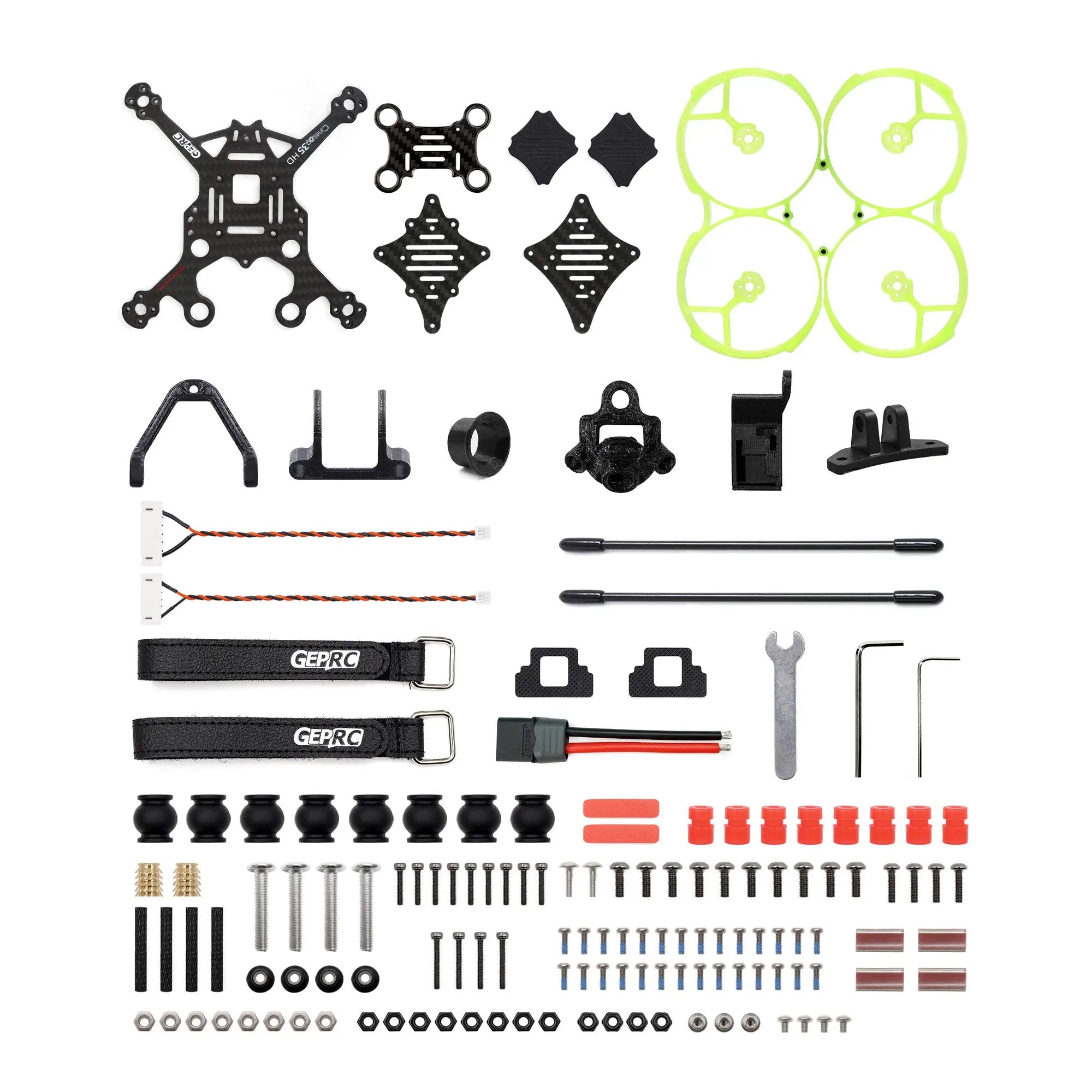
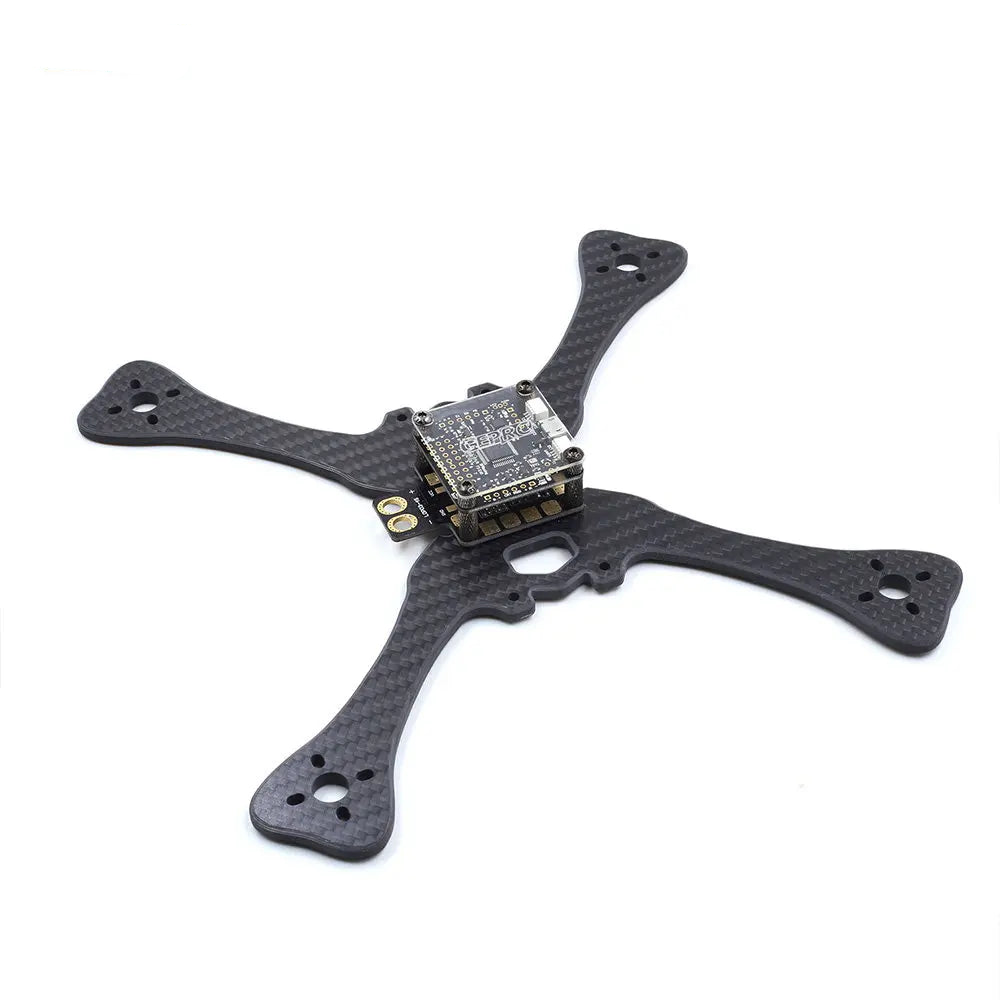
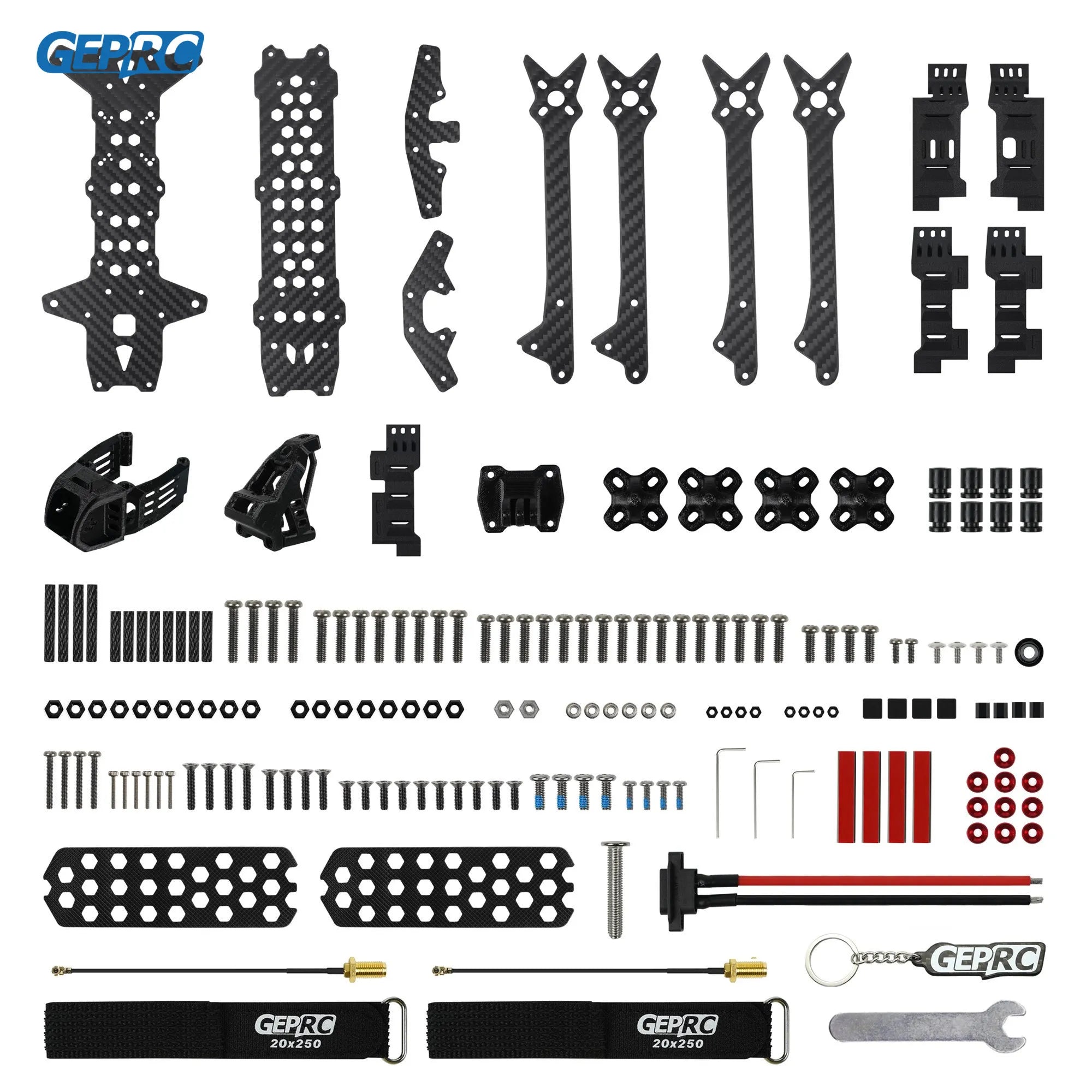
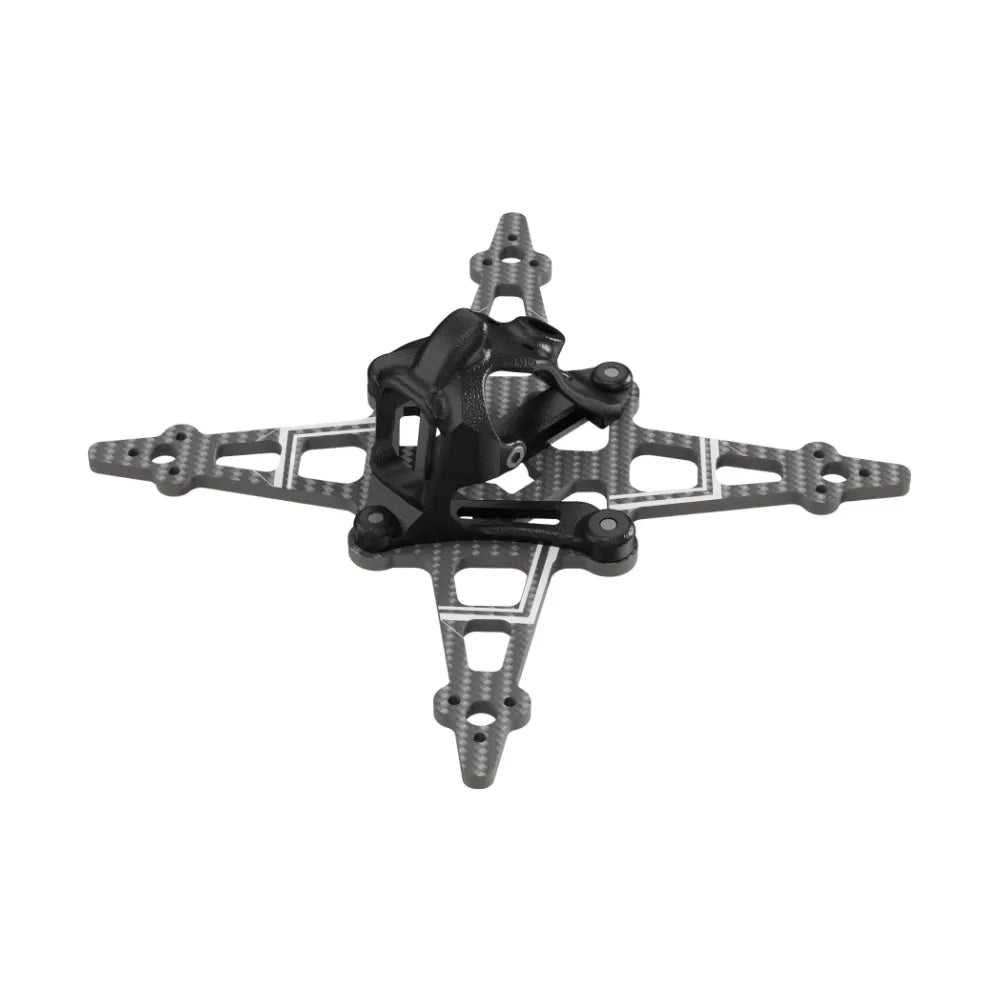
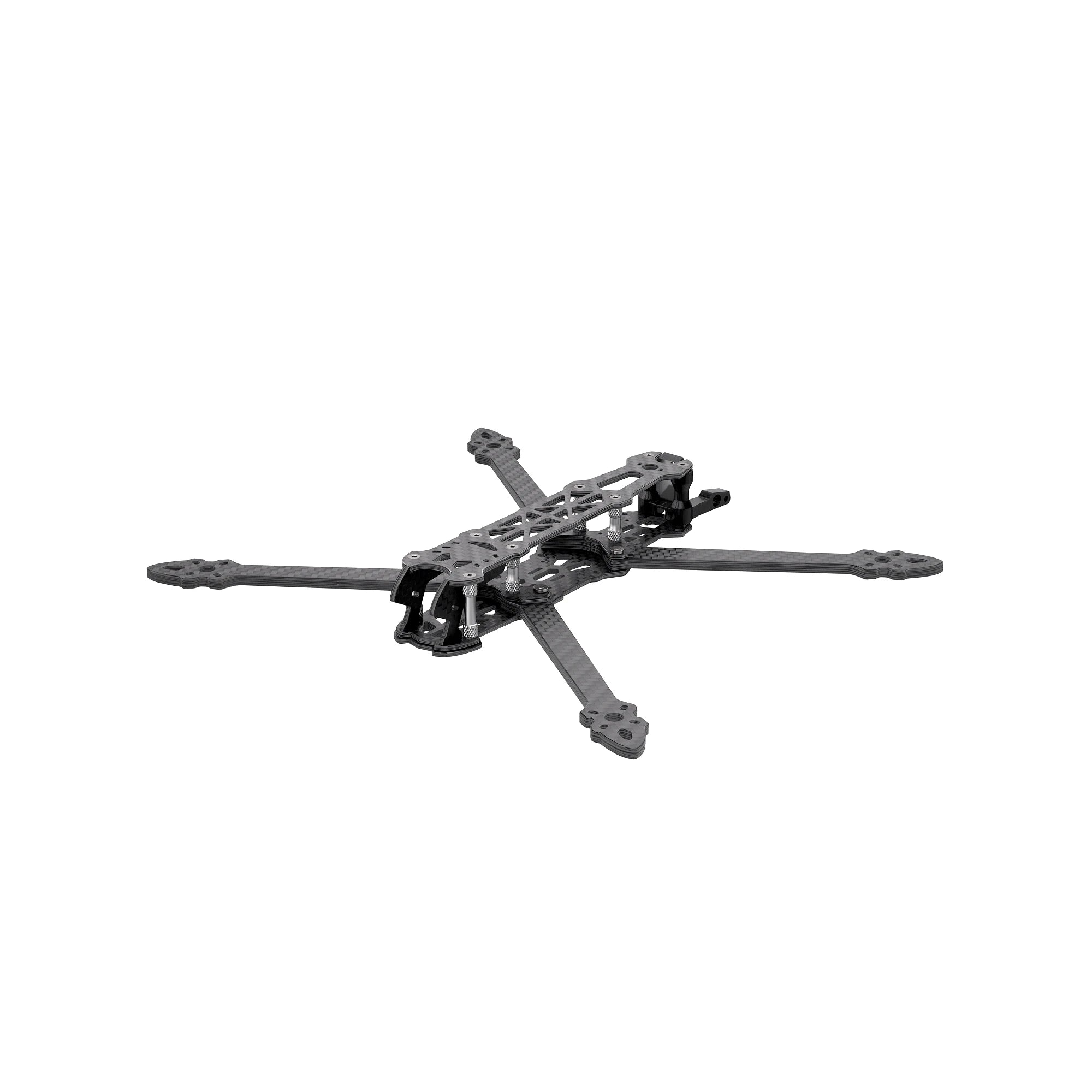
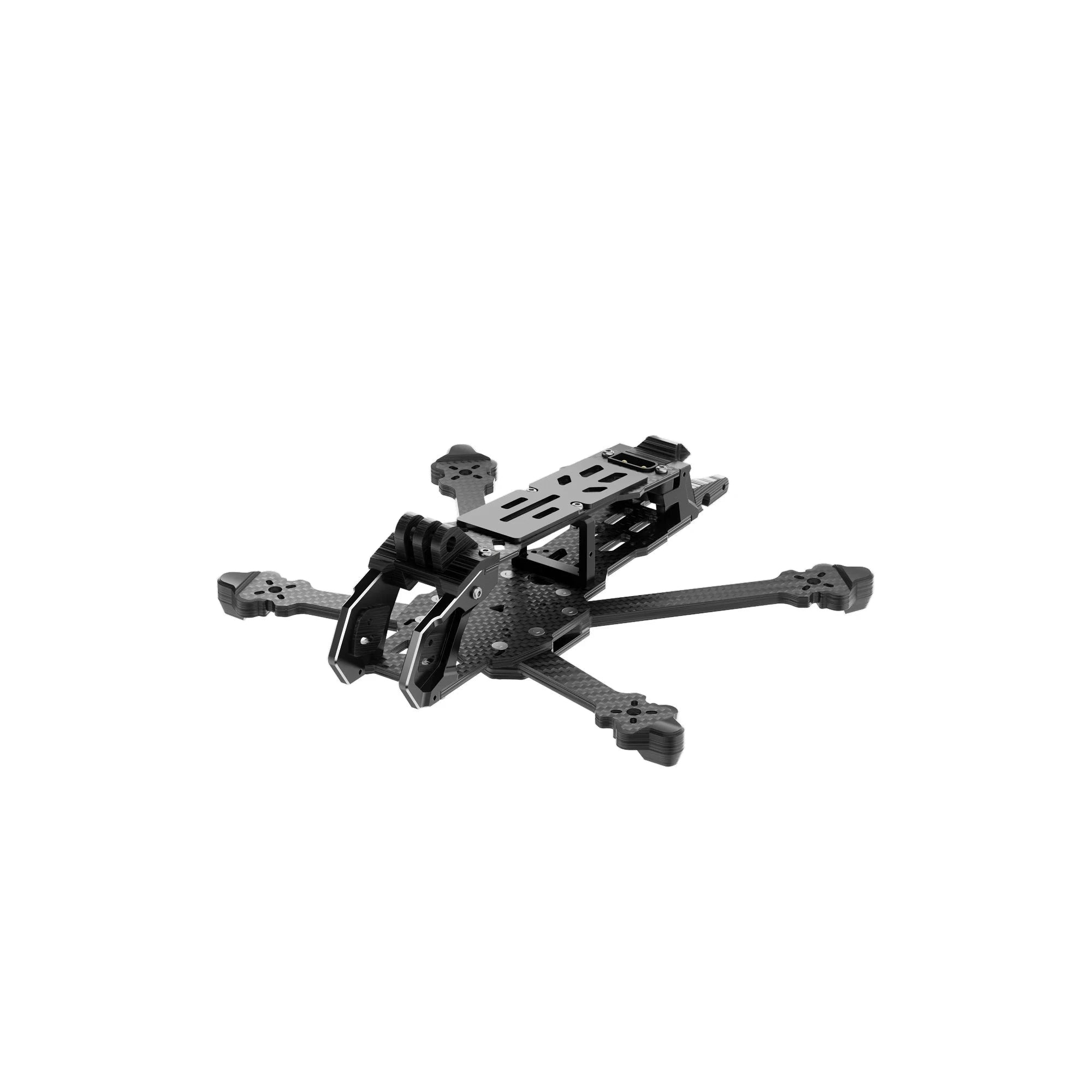
As a senior FPV engineer, I’ve seen countless pilots sabotage a high-end FPV Stack by mounting it in a subpar frame. In 2026, the difference between a ‘trash’ budget clone and a professional-grade FPV frame kit comes down to material science and structural geometry. A frame isn’t just a skeleton; it’s a vibration-dampening system that determines how clean your gyro data remains during high-speed maneuvers.
Carbon Fiber Comparison: T300 vs. T700
The industry has shifted away from standard 3K (T300) carbon. If you are building a rig for freestyle or long-range, T700 is the non-negotiable standard. It offers nearly 40% more tensile strength, reducing the ‘mid-throttle oscillations’ that plague cheaper builds.
Feature
T300 (Budget)
T700 (Premium)
Tensile Strength
Standard
High (+40%)
Resonance Handling
Prone to vibration
Superior Stiffness
Durability
Brittle on impact
High Fatigue Resistance
Avoiding the “Clone” Trap: Engineering Insights
The community often warns against “Apex ripoffs” and Aliexpress clones for a reason. Many budget kits suffer from a critical engineering flaw: arm locks held by a single screw directly in the center of the stress point. This leads to arm slop after just a few flights. Furthermore, cheap kits often include low-quality rubber pads where the glue peels off instantly. When you’re configuring your 10CH Remote Controller for precise flight, the last thing you want is mechanical play in the frame arms.
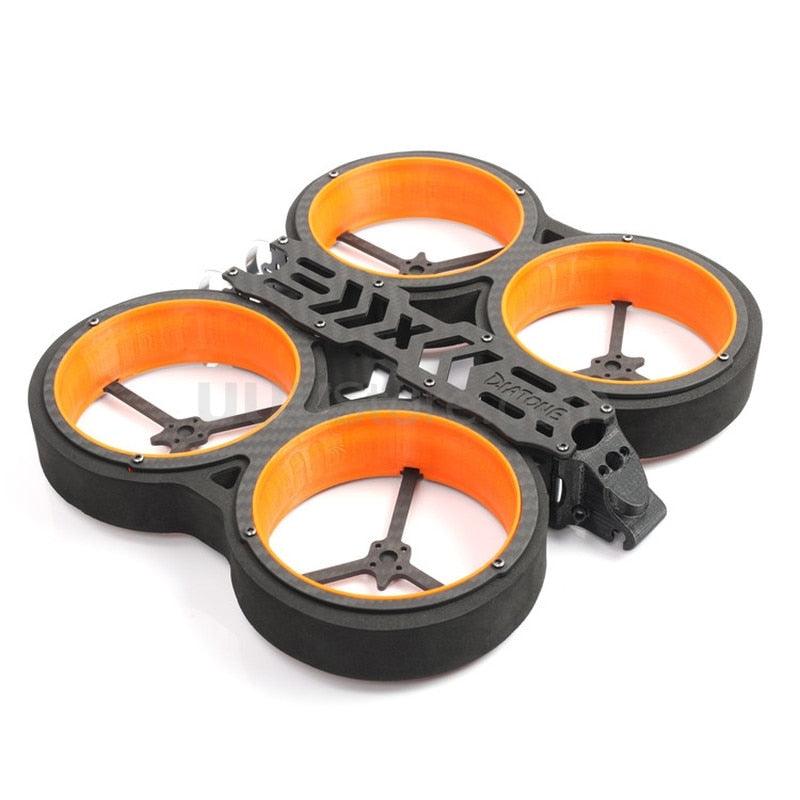
While an Agriculture Drone Motor requires a heavy, rigid industrial frame, FPV frames must balance weight with crash resilience. For cinematic work, choosing a ‘Deadcat’ geometry is essential to keep your DJI Propeller out of the camera’s FOV, especially when carrying a high-resolution Action Camera.
Frequently Asked Questions
What is the difference between T700 and T300 carbon fiber in FPV frame kits?
T700 carbon fiber provides significantly higher tensile strength and modulus. This increased stiffness reduces high-frequency resonance, allowing for cleaner gyro data and more precise PID tuning compared to budget T300 alternatives.
Why choose a “Deadcat” frame over a standard True-X?
Deadcat geometry is designed to keep propellers out of the FPV camera’s view. While True-X is more balanced for racing, Deadcat is the industry standard for commercial videography and cinematic production.
How do I ensure VTX compatibility for my frame?
Check the mounting patterns (20x20mm or 30x30mm) and internal height. Modern digital systems like the O4 Air Unit require adequate ‘butt-end’ space and specialized mounting to accommodate larger heatsinks.
Is T700 carbon fiber good for long-distance?
Yes, T700 is ideal for difficult terrain and long-distance rides because it provides exceptional fatigue resistance and a high strength-to-weight ratio, ensuring the frame doesn’t fail under sustained stress.
- FPV Frame Kit
GEPRC Gep F3 F4 F7 Flight Control Insulation Board – FPV Through Electromechanical Anti-short Circuit Plastic Board Thickness 1mm
Price range: $2.17 through $8.60 - FPV Frame Kit
GEPRC GEP-LC75 V3 Frame Parts – Suitable for Crocodile75 V3 Drone RC DIY FPV Quadcopter Drone Replacement Accessories Parts
Price range: $4.35 through $17.50 - FPV Frame Kit
Firefly 1S FR16 Nano Baby Quad V2.0 Frame kit (Aanlog HDZero Walksnail)
Price range: $10.96 through $21.73 - FPV Frame Kit
EMAX Nanohawk Spare Parts – 1.5mm Carbon Frame Piece for FPV Racing Drone RC Plane
$15.20 - DJI Propeller Guard
iFlight Defender 16 FPV Frame Replacement Parts for Prop Guard + LED Parts
$15.79 - FPV Frame Kit
GEPRC Racer Frame Parts – Racing Frame 3D Shark Fin 7075 Aviation Aluminum Alloy Splint FPV Quadcopter DIY RC for Drone
Price range: $60.85 through $64.51 - FPV Frame Kit
GEPRC GEP-DoMain3.6 / DoMain4.2 Frame Parts – Suitable Replacement Repair Part for RC DIY FPV Freestyle Drone
Price range: $68.15 through $69.38 - DJI Propeller
GEPRC GEP-MK5D O3 Frame – Parts Propeller Accessory Base Quadcopter Frame FPV Freestyle RC Racing Drone Mark5 O3
Price range: $84.33 through $105.83
 English
  Russian
  German
  Arabic