FPV Camera
Ultra-Low Latency FPV Cameras: The Pilot’s Digital CockpitIn the world of high-speed flight, your fpv camera is your most critical sensor. Whether you are building a 5-inch fpv racing drone camera setup or mounting an fpv camera for rc car bashing, the difference between a crash and a podium finish is measured in milliseconds. A high-quality drone fpv camera doesn’t just show you the path; it provides the spatial awareness needed for manual freestyle aerobatics and tight proximity flying.FPV Camera Compatibility MatrixChoosing the right fpv camera kit requires understanding mounting standards and signal types. Use the table below to match your frame to the correct sensor size.Camera SizeMounting WidthBest Use CaseCommon ResolutionNano14mmTiny Whoops & Toothpicks700TVL – 1200TVLMicro19mmModern Racing & Freestyle Drones1200TVL / 720p DigitalMini21mmOlder Frames & Fixed Wings1200TVLFull Size28mmLong Range & FPV Thermal Camera rigs1200TVL / 1080pStep-by-Step Setup: Wiring Your FPV Camera and TransmitterMounting & Stability: Secure the camera using the provided M2 bolts. If your frame is improperly designed, the camera might wobble. Stiffen the system by tightening the bolts or adding TPU 3D-printed vibration dampers.Wiring: Connect the 5V-36V power lead (check your fpv camera with transmitter voltage requirements), the Ground, and the Video Signal wire to your Flight Controller or directly to your Video Receivers (VRX).OSD Configuration: Ensure the ‘Video’ wire passes through the FC to get your battery voltage on-screen. If you follow setup guides but only see the video feed without the OSD, check your PAL/NTSC settings in your FPV Goggles.Antenna Check: Always pair your VTX with high-quality Long Range Antennas to prevent signal dropouts during high-speed maneuvers.Pro-Tips: Fixing Common Field IssuesExperienced pilots know that gear fails in the field. If you experience a ‘muddy’ image after a crash, don’t toss the camera yet. We often take the camera apart and clean the ports and lens with alcohol and a cotton swab to remove fine dust. If you’ve swapped to a popular sensor like the Ratel 2 and find the field of vision is awful, double-check your lens focal length—switching from a 1.8mm to a 2.1mm can drastically change your perspective.For those into specialized applications, an fpv thermal imaging camera can identify heat signatures for search and rescue, while a camera fpv 2 k provides the crispness needed for professional cinematography. However, if you are trying to see bullet holes at an indoor range with an inexpensive fpv rc camera, you may need a dedicated zoom lens or a higher-resolution digital dji fpv camera system, as standard analog resolution is often too low for fine detail.Frequently Asked QuestionsWhat is an FPV camera?An FPV (First-Person View) camera is a specialized video sensor used to pilot radio-controlled aircraft or UAVs. It feeds real-time video to goggles or a monitor, giving the operator a cockpit-style perspective.What is the difference between a FPV camera and a normal camera?While a normal camera (like on a DJI Mavic) focuses on stabilized, high-resolution cinematography, an fpv racing camera is optimized for zero latency and high dynamic range (HDR) to handle rapid lighting changes during fast-paced maneuvers.Do FPV drones need WiFi?No, FPV drones typically use 5.8GHz analog or digital radio frequencies for video, not WiFi. However, WiFi may be used for periodic firmware updates or map data on high-end ground stations.What is the difference between DJI V2 and Walksnail night cameras?This is a major point of debate on Reddit. While Walksnail offers impressive dedicated ‘low light’ sensors, many pilots holding onto DJI V2 gear argue that the bit-rate and consistency of the dji fpv camera remain the benchmark for digital night flying.
Top products in FPV Camera
- FPV Camera
1800TVL FPV Camera with Night Vision
$22.031800TVL FPV Camera with Night Vision. Price reference: aliexpress. price source
- FPV Camera
FPV Thermal Camera with VOx Detector & 15 Color Modes
$122.00FPV Thermal Camera with VOx Detector & 15 Color Modes. Price reference: Accio (B2B aggregated). price source
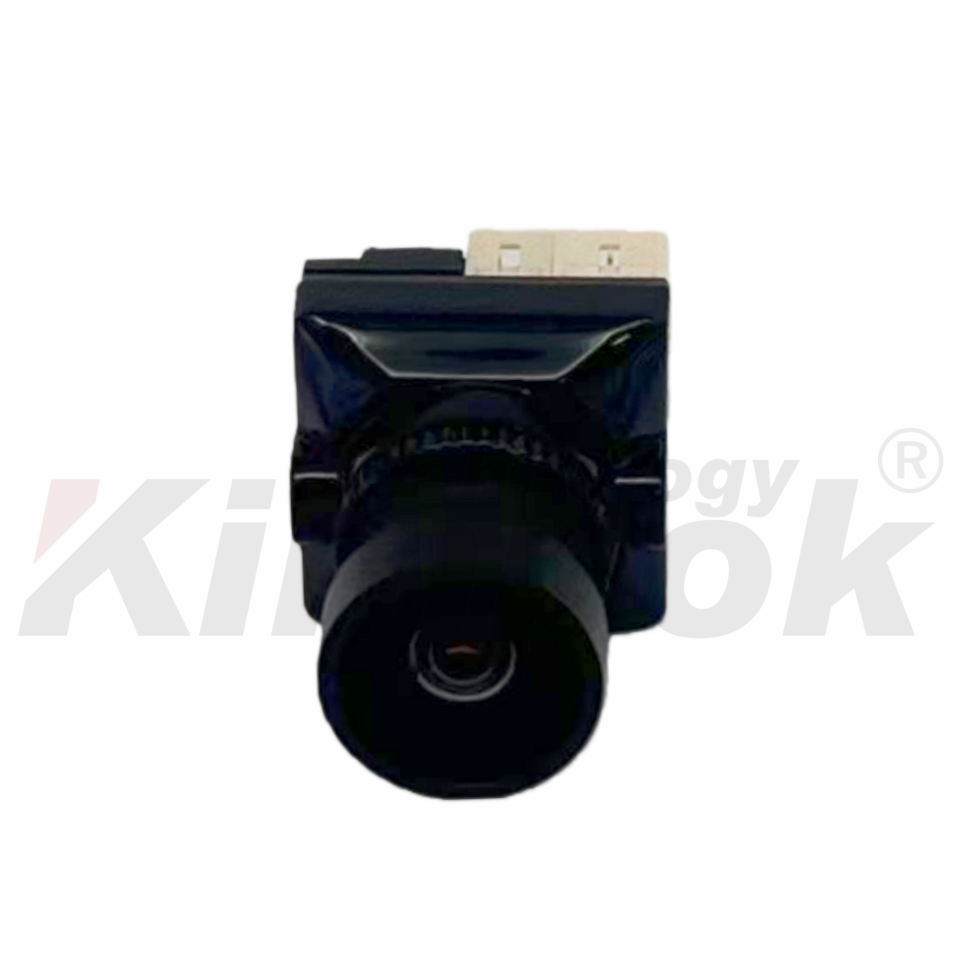
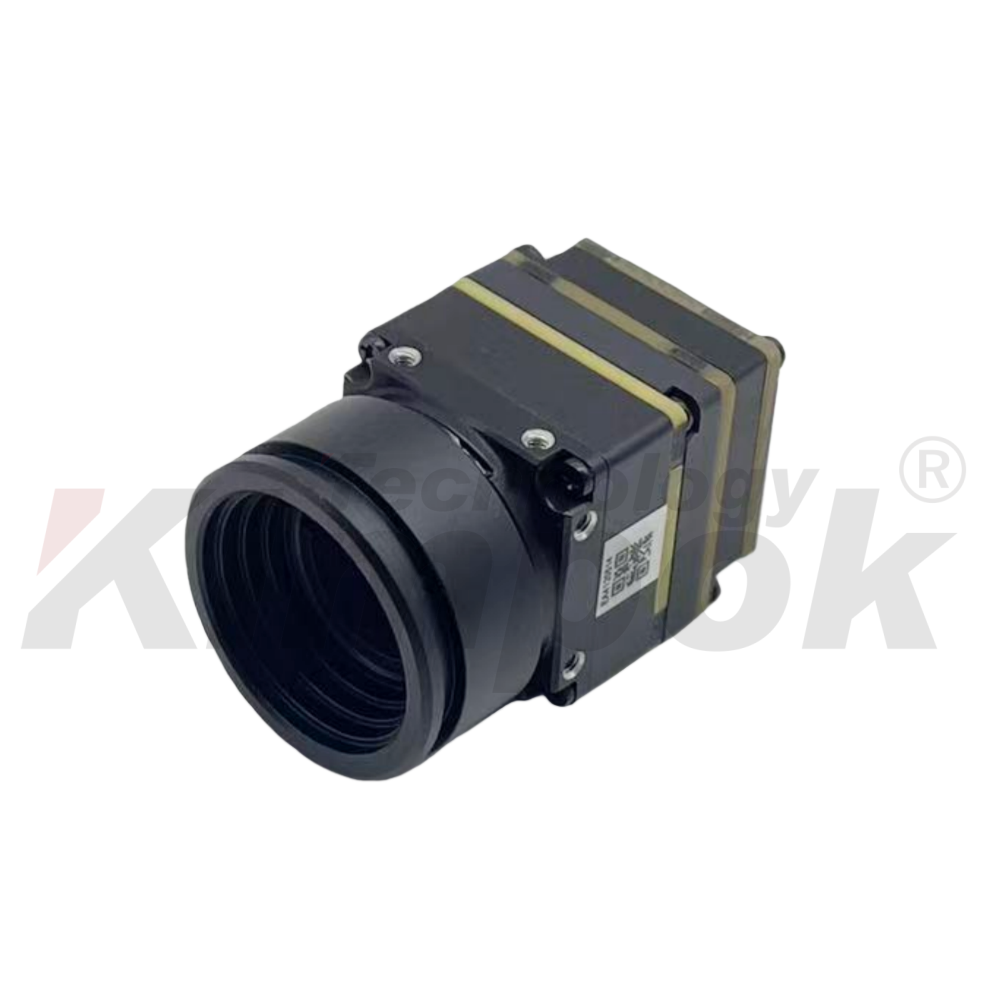
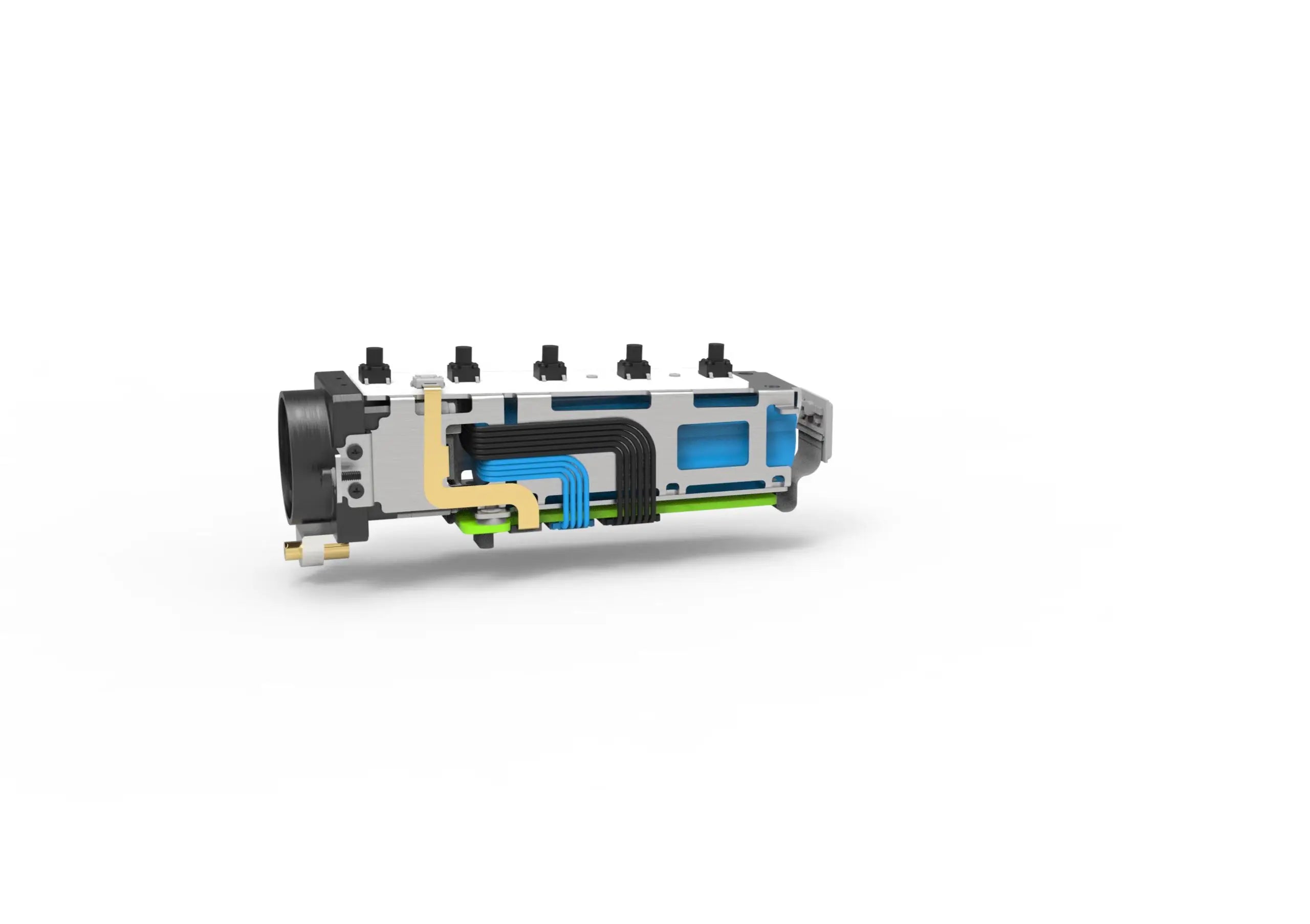
How to choose FPV Camera
| Digital HD | For DJI O3/O4 or Walksnail systems - higher image quality |
|---|---|
| Analog | Lower latency and lower cost, still the standard for racing |
| Latency priority | Analog cameras are generally preferred where response time matters most |
| Low light | Check the low-light sensor specification if you fly at dusk |
Compatibility checklist before you buy
- System match: An analog camera will not work with a digital VTX, and a digital camera needs a matching digital system
- Voltage: 5V-only cameras need a regulated 5V rail; feeding 12V directly will destroy them
- Lens: The lens thread and image circle have to match the camera housing, otherwise you get vignetting or a focus issue
- FOV: A wide lens on a small sensor can soften the corners and add distortion
What pilots and builders report in the field
www.eevblog.comField report on the Runcam Phoenix 2 camera: the firmware needs to be 3.8 or newer, which matters when a second camera body is used alongside the original unit.
fpvdronepilots.comForum install advice: the Foxeer camera draws around 700mA at 5V but only about 300mA at 12V, so the rail you feed it changes the load on the power system - a real compatibility consideration.
Frequently asked questions
Can I use an analog FPV camera with a digital VTX?
No. The camera and the VTX have to belong to the same video standard. An analog camera outputs a composite analogue signal that a digital VTX cannot consume, and a digital camera will not drive an analog VTX. This is the single most common mismatch when mixing parts from different generations.
What voltage should I feed an FPV camera?
Most FPV cameras expect a regulated 5V rail, and connecting them directly to a higher voltage will destroy the camera. Some cameras accept a wider input range - for example one community report measured about 700mA at 5V versus roughly 300mA at 12V for the same unit. Check the camera specification before wiring.
Does a wider lens always give a better FPV camera image?
No. A wide lens on a small sensor tends to soften the corners and add barrel distortion, and the effective sharpness falls off towards the edge of the frame. For racing, a moderate lens is usually easier to fly with because the centre of the frame stays crisp where you are looking.
Ultra-Low Latency FPV Cameras: The Pilot’s Digital CockpitIn the world of high-speed flight, your fpv camera is your most critical sensor. Whether you are building a 5-inch fpv racing drone camera setup or mounting an fpv camera for rc car bashing, the difference between a crash and a podium finish is measured in milliseconds. A high-quality drone fpv camera doesn’t just show you the path; it provides the spatial awareness needed for manual freestyle aerobatics and tight proximity flying.FPV Camera Compatibility MatrixChoosing the right fpv camera kit requires understanding mounting standards and signal types. Use the table below to match your frame to the correct sensor size.Camera SizeMounting WidthBest Use CaseCommon ResolutionNano14mmTiny Whoops & Toothpicks700TVL – 1200TVLMicro19mmModern Racing & Freestyle Drones1200TVL / 720p DigitalMini21mmOlder Frames & Fixed Wings1200TVLFull Size28mmLong Range & FPV Thermal Camera rigs1200TVL / 1080pStep-by-Step Setup: Wiring Your FPV Camera and TransmitterMounting & Stability: Secure the camera using the provided M2 bolts. If your frame is improperly designed, the camera might wobble. Stiffen the system by tightening the bolts or adding TPU 3D-printed vibration dampers.Wiring: Connect the 5V-36V power lead (check your fpv camera with transmitter voltage requirements), the Ground, and the Video Signal wire to your Flight Controller or directly to your Video Receivers (VRX).OSD Configuration: Ensure the ‘Video’ wire passes through the FC to get your battery voltage on-screen. If you follow setup guides but only see the video feed without the OSD, check your PAL/NTSC settings in your FPV Goggles.Antenna Check: Always pair your VTX with high-quality Long Range Antennas to prevent signal dropouts during high-speed maneuvers.Pro-Tips: Fixing Common Field IssuesExperienced pilots know that gear fails in the field. If you experience a ‘muddy’ image after a crash, don’t toss the camera yet. We often take the camera apart and clean the ports and lens with alcohol and a cotton swab to remove fine dust. If you’ve swapped to a popular sensor like the Ratel 2 and find the field of vision is awful, double-check your lens focal length—switching from a 1.8mm to a 2.1mm can drastically change your perspective.For those into specialized applications, an fpv thermal imaging camera can identify heat signatures for search and rescue, while a camera fpv 2 k provides the crispness needed for professional cinematography. However, if you are trying to see bullet holes at an indoor range with an inexpensive fpv rc camera, you may need a dedicated zoom lens or a higher-resolution digital dji fpv camera system, as standard analog resolution is often too low for fine detail.Frequently Asked QuestionsWhat is an FPV camera?An FPV (First-Person View) camera is a specialized video sensor used to pilot radio-controlled aircraft or UAVs. It feeds real-time video to goggles or a monitor, giving the operator a cockpit-style perspective.What is the difference between a FPV camera and a normal camera?While a normal camera (like on a DJI Mavic) focuses on stabilized, high-resolution cinematography, an fpv racing camera is optimized for zero latency and high dynamic range (HDR) to handle rapid lighting changes during fast-paced maneuvers.Do FPV drones need WiFi?No, FPV drones typically use 5.8GHz analog or digital radio frequencies for video, not WiFi. However, WiFi may be used for periodic firmware updates or map data on high-end ground stations.What is the difference between DJI V2 and Walksnail night cameras?This is a major point of debate on Reddit. While Walksnail offers impressive dedicated ‘low light’ sensors, many pilots holding onto DJI V2 gear argue that the bit-rate and consistency of the dji fpv camera remain the benchmark for digital night flying.