Drone Camera / FPV Camera
Next-Gen FPV Vision: 4K 10-Bit Log & Zero-Latency Digital Systems
In 2026, the gap between the pilot’s view and the cinematic final cut has vanished. Professional FPV engineering now demands a dual-purpose approach: high-bitrate recording for the edit suite and ultra-low latency for the goggles. Whether you are building a 5-inch freestyle rig or a sub-250g naked cinewhoop, selecting the right sensor dynamic range and VTX protocol is the difference between a ‘one-take’ masterpiece and a grainy, unusable flight.
2026 FPV Camera & VTX Comparison Matrix
Camera System
Max Resolution
Bitrate / Color
Latency
Best Application
DJI O4 Air Unit
4K @ 120fps
10-bit D-Log M
<21ms
All-in-one Freestyle
GoPro Hero 14 (Naked)
5.3K @ 60fps
10-bit GP-Log
N/A (Recording)
Professional Cinewhoop
Walksnail Avatar Gen 2
4K @ 60fps
50Mbps H.265
22ms
Micro & Long Range
HDZero Nano 90
720p @ 90fps
Standard Digital
<3ms
Competitive Racing
Engineering Analysis: Sensor Physics and Post-Production Workflow
As a senior engineer, I’ve seen countless builds ruined by simple integration errors. A common Reddit pitfall is the “burnt electronics smell” after a battery plug-in; always verify your wiring diagrams rather than trusting wire colors, as reversing polarity on a high-end VTX is an expensive mistake. Furthermore, if your image looks soft out of the box, it’s often not a sensor defect—you simply need to refocus the lens manually and lock it with the tension ring.
For professional results, we now adhere to the 180-Degree Shutter Rule using specialized ND filters. This ensures natural motion blur that mimics human vision. When paired with Gyroflow Optimization, pilots can record raw IMU data to achieve buttery smooth stabilization in post-production. This workflow is significantly superior to in-camera EIS, especially when grading 10-bit Log footage in DaVinci Resolve. If you’re experiencing OSD issues where the font doesn’t match Betaflight, remember to reload the font in the OSD module via the FPV Goggles menu or configurator.
For those pushing the limits of the signal, ensure your Video Receivers (VRX) are paired with high-quality Long Range Antennas. A common technical hurdle is the “IMU error” or black screen in the goggles, often caused by a loose MIPI cable or vibration-induced sensor fatigue. In these cases, a direct replacement like the Ratel 2 might be a quick fix for micro builds, though you must be wary of the narrower field of vision (FOV) compared to premium digital units.
FPV Camera Technology FAQ
How to choose between an Action Camera and a Digital VTX for FPV video?
For professional cinematic results, pilots often use both: a Digital VTX (like the DJI O4) for low-latency pilot view and an Action Camera (like a GoPro) for high-bitrate 4K/5.3K recording. If weight is a priority, such as on a sub-250g drone, a ‘Naked’ action camera or a high-end integrated VTX system is the best balance of performance and agility.
What is the importance of Gyroflow support in modern drone cameras?
Gyroflow has become the industry standard for FPV post-stabilization. By recording raw gyroscope data, it allows pilots to achieve much smoother, cinematic results than in-camera stabilization. In 2026, professional cameras from Sony, DJI, and GoPro all offer sync-ready data, enabling precise control over smoothness and horizon leveling in post-production.
Which camera sensor size is best for low-light FPV cinematic missions?
In 2026, cameras with 1/1.3-inch or 1-inch sensors are the top choices for low-light operations. These larger sensors provide better dynamic range and lower noise floor, which is critical for twilight or indoor cinematic ‘one-take’ shots where natural lighting is limited.
How do I match the right camera to my drone size?
The ideal camera depends on your drone’s power-to-weight ratio. For a standard 5-inch freestyle drone, a full-sized GoPro Hero 14 provides the best durability and image quality. However, for a 2-inch or 3-inch Cinewhoop, weight is critical; these typically require a ‘Naked’ GoPro modification or a high-performance integrated unit like the DJI O4 Air Unit to maintain agility and flight time.
In 2026, should I choose Digital or Analog FPV camera systems?
By 2026, Digital VTX systems (DJI O4/O5, Walksnail, and HDZero) have established complete dominance over analog due to their superior 4K resolution and near-zero latency. While analog remains a niche for ultra-cheap micro builds, professional pilots now prioritize the high-bitrate visual clarity of digital systems for both navigation and high-definition recording.
What is the professional workflow for stabilizing FPV drone footage in 2026?
To achieve cinema-grade results, professional creators record raw gyro data and use Gyroflow for stabilization. This data is then imported into DaVinci Resolve for 10-bit color grading. This workflow allows for more precise horizon leveling and smoothness than in-camera stabilization, ensuring that high-speed proximity shots look buttery smooth across all viewing platforms.
Top products in Drone Camera / FPV Camera
- RD945 Skyzone ISM 5.8G Wireless Dual Receiver & TS832 Transmitter 5.8GHz 48CH VTX For 250MM FPV Multicopter RC Toys Part - $60.47
- Jumper T Pro Internal 2.4G 1000mW ExpressLRS ELRS Module Radio Controller Hall Sensor Gimbals EdgeTX/OpenTX JP4IN1 Radio - $135.94
- Futaba 10PX USLE Transmitter - 10-Channel 2.4GHz 100mW 4.3 inch LCD Touch Screen T-FHSS Radio System w/Case - $1,259.00
- Skydroid H12 12CH 1080P Digital Video Data Video Transmission Transmitter JIYI K++ Flight Control For Plant Protection Machine - $134.10
- SIYI ZR10 x MK32 Ground Station Sales Bundle - $1,458.97
- Orqa FPV.Ctrl Radio Controller - 2.4GHZ LoRa/FLRC Ghost Radio Module 500HZ Synchronized Frames Max 350mW Power Remote Controller - $57.60
- Drone Gimbals
C11 Gimbal
Industrial UAV equipment — contact 100drone for configuration guidance and pricing.
- Drone Gimbals
C01 Pro Gimbal
Industrial UAV equipment — contact 100drone for configuration guidance and pricing.
- Drone Camera / FPV Camera
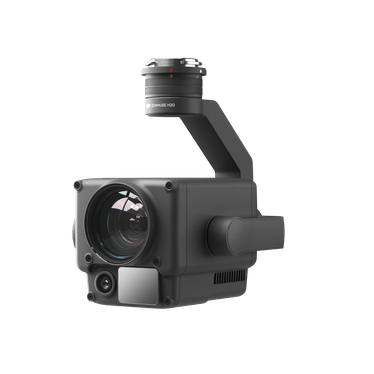
DJI Zenmuse H20T Quad-Sensor Payload
Quote-only DJI Zenmuse H20T quad-sensor inspection payload (zoom, wide, thermal, laser rangefinder) for Matrice 300 RTK / 350 RTK power-line, substation and photovoltaic inspection.
- Drone Camera / FPV Camera
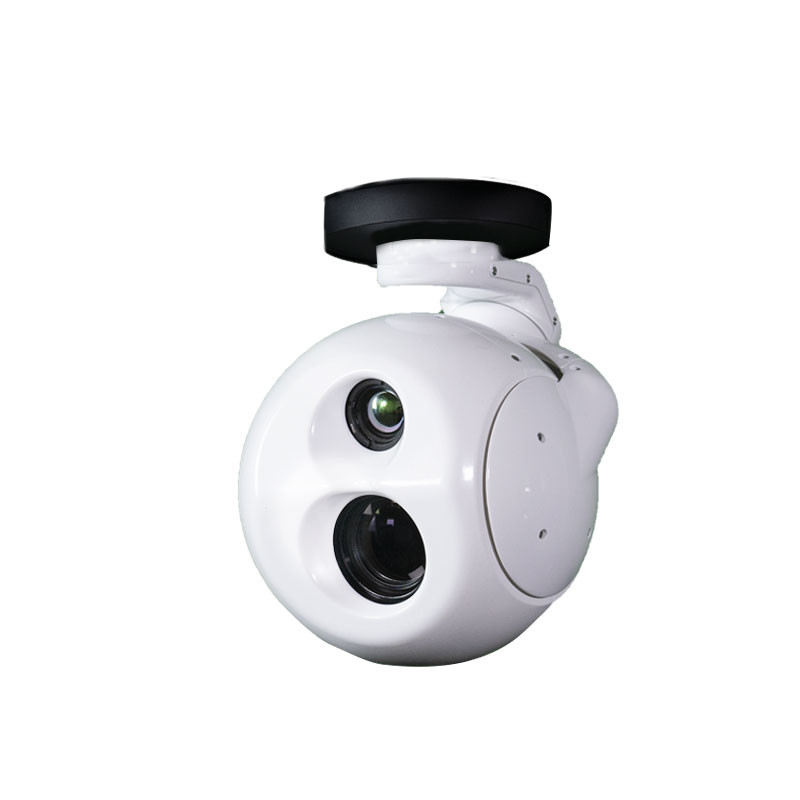
EH30-TIR Dual Sensor 30X Optical Zoom Camera with 3-axis Gimbal
Important Notice!This product is subject to Chinese export control regulations and is not available for direct online purchase.
Quote-only — contact us for pricing. Drone-mounted payload — verify aircraft compatibility before ordering.
- Drone Camera / FPV Camera
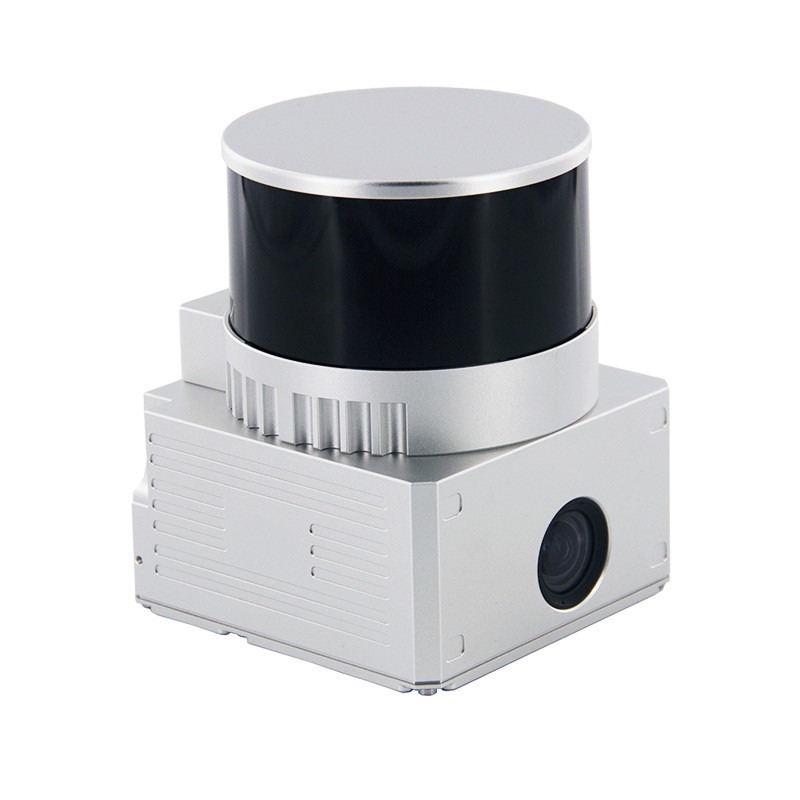
Hawk-260X Lidar Scanning System
Foxtech Hawk-260X is a compact and light weight Lidar point cloud data acquisition system, integrated with the new generation laser scanner, high precision GNSS and IMU positioning system, which is able to real-time, dynamically, massively collect high-precision point cloud data and rich image information.
Quote-only — contact us for pricing. Drone-mounted payload — verify aircraft compatibility before ordering.
- Drone Camera / FPV Camera
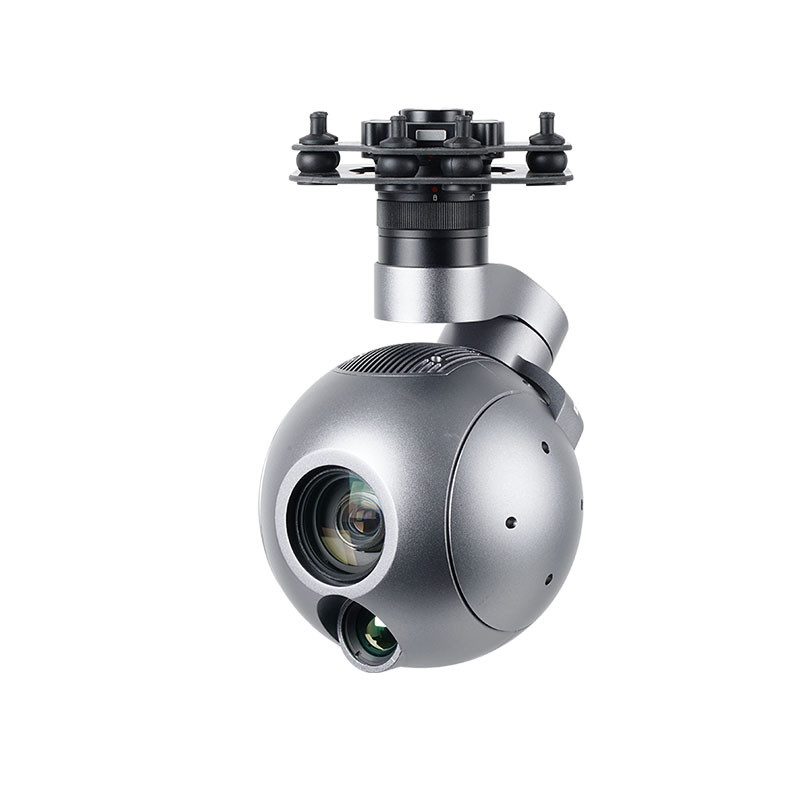
Seeker-40 Pro TIR Dual-Sensor AI Tracking Camera Quick-mount Version
Important Notice!This product is subject to Chinese export control regulations and is not available for direct online purchase.
Quote-only — contact us for pricing. Drone-mounted payload — verify aircraft compatibility before ordering.
- Drone Camera / FPV Camera
SEEKER IR&RANGING 30X AI Camera with 3-axis Gimbal for UAV Drones
Important Notice!This product is subject to Chinese export control regulations and is not available for direct online purchase.
Quote-only — contact us for pricing. Drone-mounted payload — verify aircraft compatibility before ordering.
- Drone Camera / FPV Camera
SYK-10 AI-TIRM EO IR Laser Rangefinder Camera
Important Notice!This product is subject to Chinese export control regulations and is not available for direct online purchase.
Quote-only — contact us for pricing. Drone-mounted payload — verify aircraft compatibility before ordering.
- Drone Camera / FPV Camera
SYK-30 AI EO/IR Dual Sensor Gimbal Camera
Important Notice!This product is subject to Chinese export control regulations and is not available for direct online purchase.
Quote-only — contact us for pricing. Drone-mounted payload — verify aircraft compatibility before ordering.
- Drone Camera / FPV Camera
SYK-30 AI-TIR EO/IR Dual Sensor Camera With 3-axis Gimbal
Important Notice!This product is subject to Chinese export control regulations and is not available for direct online purchase.
Quote-only — contact us for pricing. Drone-mounted payload — verify aircraft compatibility before ordering.
- Drone Camera / FPV Camera
SYK-30 TIR Dual-Sensor EO/IR Camera
Important Notice!This product is subject to Chinese export control regulations and is not available for direct online purchase.
Quote-only — contact us for pricing. Drone-mounted payload — verify aircraft compatibility before ordering.
- Drone Camera / FPV Camera
SYK-30L TIRM Triple-Sensor 3-Axis Gimbal Camera
Important Notice!This product is subject to Chinese export control regulations and is not available for direct online purchase.
Quote-only — contact us for pricing. Drone-mounted payload — verify aircraft compatibility before ordering.
- Drone Camera / FPV Camera
Linkfly LN95 2-Axis Dual Visible Light Inspection Gimbal
变电站巡检 drone payload — quote-only, contact us for pricing.
- Drone Gimbals
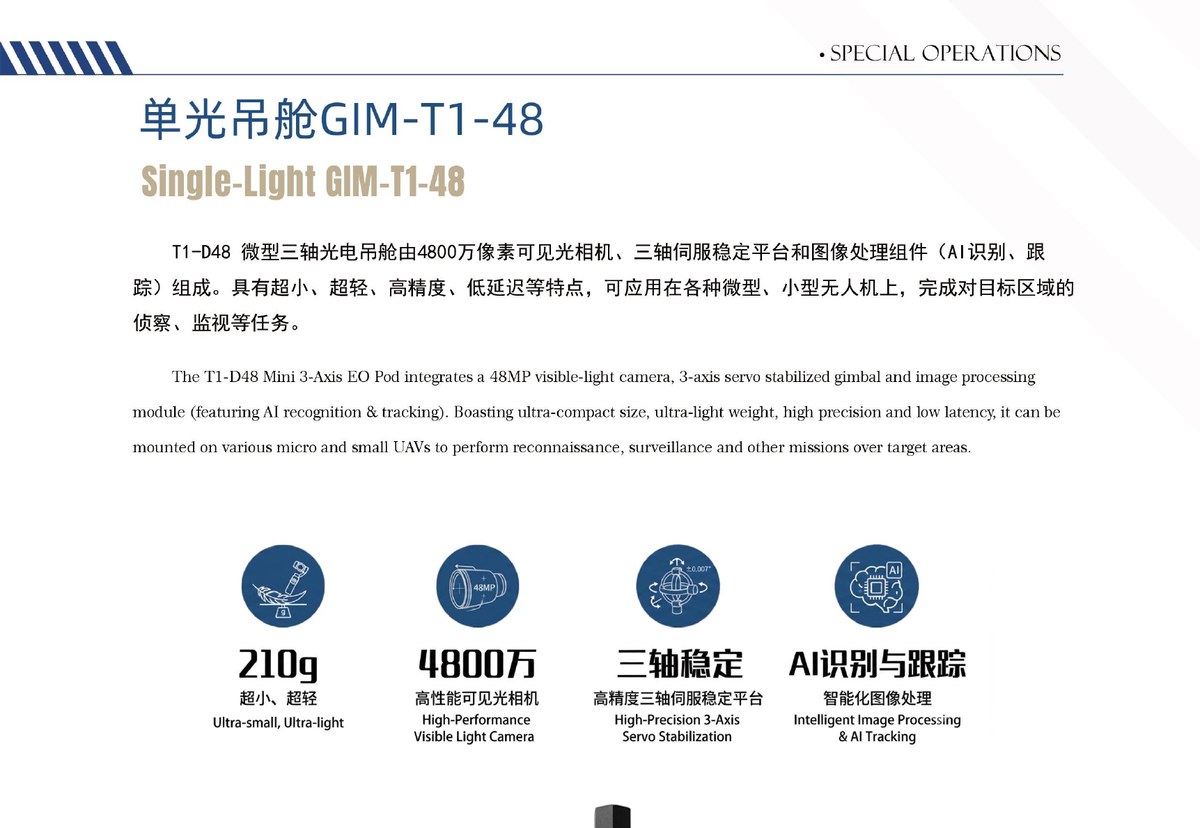
GIM-T1-48 Single-Light Gimbal Pod — 48MP, 210g, 3-Axis Servo, AI Tracking
GIM-T1-48 Single-Light Gimbal — 210 g ultra-compact 3-axis servo-stabilized pod with a 48-megapixel visible-light camera (8000×6000), 25 mm fixed-focus athermalized lens, AI recognition and target tracking, 12 W stable power draw and RTSP/UDP/TS video over H.265/H.264. Contact 100drone for pricing.
- Drone Camera / FPV Camera
Tempered Glass Lens Protective Film for DJI Mavic 3/Cine Drone Hasselblad 4/3 CMOS Gimbal Camera Dust-proof Protector Accessory
$8.32 - Drone Camera / FPV Camera
2PCS Camera Lens Protector for DJI Mavic Mini/Mini 2/Mini SE Drone Anti-Scratch HD Tempered Glass Lens Film Protective Accessory
$8.32 - Drone Camera / FPV Camera
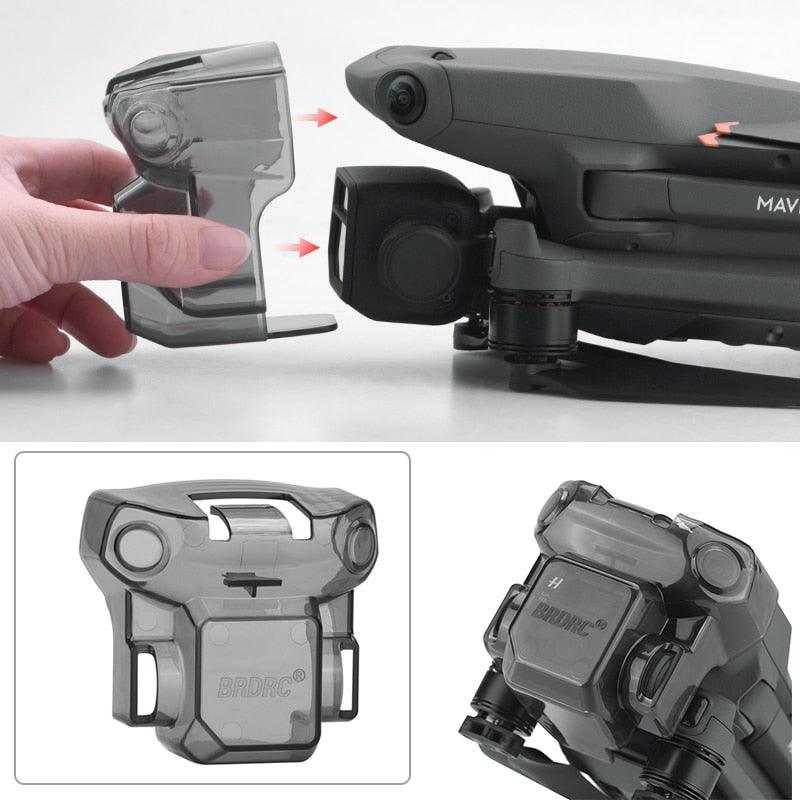
Lens Cover for DJI Mavic Mini 1/2/SE/MINI 3 PRO Lens Cap Drone Camera Dust-proof Quadcopter Protector Drone Accessories
$8.55

How to choose FPV Camera
| Digital HD | For DJI O3/O4 or Walksnail systems - higher image quality |
|---|---|
| Analog | Lower latency and lower cost, still the standard for racing |
| Latency priority | Analog cameras are generally preferred where response time matters most |
| Low light | Check the low-light sensor specification if you fly at dusk |
Compatibility checklist before you buy
- System match: An analog camera will not work with a digital VTX, and a digital camera needs a matching digital system
- Voltage: 5V-only cameras need a regulated 5V rail; feeding 12V directly will destroy them
- Lens: The lens thread and image circle have to match the camera housing, otherwise you get vignetting or a focus issue
- FOV: A wide lens on a small sensor can soften the corners and add distortion
What pilots and builders report in the field
www.eevblog.comField report on the Runcam Phoenix 2 camera: the firmware needs to be 3.8 or newer, which matters when a second camera body is used alongside the original unit.
fpvdronepilots.comForum install advice: the Foxeer camera draws around 700mA at 5V but only about 300mA at 12V, so the rail you feed it changes the load on the power system - a real compatibility consideration.
Frequently asked questions
Can I use an analog FPV camera with a digital VTX?
No. The camera and the VTX have to belong to the same video standard. An analog camera outputs a composite analogue signal that a digital VTX cannot consume, and a digital camera will not drive an analog VTX. This is the single most common mismatch when mixing parts from different generations.
What voltage should I feed an FPV camera?
Most FPV cameras expect a regulated 5V rail, and connecting them directly to a higher voltage will destroy the camera. Some cameras accept a wider input range - for example one community report measured about 700mA at 5V versus roughly 300mA at 12V for the same unit. Check the camera specification before wiring.
Does a wider lens always give a better FPV camera image?
No. A wide lens on a small sensor tends to soften the corners and add barrel distortion, and the effective sharpness falls off towards the edge of the frame. For racing, a moderate lens is usually easier to fly with because the centre of the frame stays crisp where you are looking.
Next-Gen FPV Vision: 4K 10-Bit Log & Zero-Latency Digital Systems
In 2026, the gap between the pilot’s view and the cinematic final cut has vanished. Professional FPV engineering now demands a dual-purpose approach: high-bitrate recording for the edit suite and ultra-low latency for the goggles. Whether you are building a 5-inch freestyle rig or a sub-250g naked cinewhoop, selecting the right sensor dynamic range and VTX protocol is the difference between a ‘one-take’ masterpiece and a grainy, unusable flight.
2026 FPV Camera & VTX Comparison Matrix
Camera System
Max Resolution
Bitrate / Color
Latency
Best Application
DJI O4 Air Unit
4K @ 120fps
10-bit D-Log M
<21ms
All-in-one Freestyle
GoPro Hero 14 (Naked)
5.3K @ 60fps
10-bit GP-Log
N/A (Recording)
Professional Cinewhoop
Walksnail Avatar Gen 2
4K @ 60fps
50Mbps H.265
22ms
Micro & Long Range
HDZero Nano 90
720p @ 90fps
Standard Digital
<3ms
Competitive Racing
Engineering Analysis: Sensor Physics and Post-Production Workflow
As a senior engineer, I’ve seen countless builds ruined by simple integration errors. A common Reddit pitfall is the “burnt electronics smell” after a battery plug-in; always verify your wiring diagrams rather than trusting wire colors, as reversing polarity on a high-end VTX is an expensive mistake. Furthermore, if your image looks soft out of the box, it’s often not a sensor defect—you simply need to refocus the lens manually and lock it with the tension ring.
For professional results, we now adhere to the 180-Degree Shutter Rule using specialized ND filters. This ensures natural motion blur that mimics human vision. When paired with Gyroflow Optimization, pilots can record raw IMU data to achieve buttery smooth stabilization in post-production. This workflow is significantly superior to in-camera EIS, especially when grading 10-bit Log footage in DaVinci Resolve. If you’re experiencing OSD issues where the font doesn’t match Betaflight, remember to reload the font in the OSD module via the FPV Goggles menu or configurator.
For those pushing the limits of the signal, ensure your Video Receivers (VRX) are paired with high-quality Long Range Antennas. A common technical hurdle is the “IMU error” or black screen in the goggles, often caused by a loose MIPI cable or vibration-induced sensor fatigue. In these cases, a direct replacement like the Ratel 2 might be a quick fix for micro builds, though you must be wary of the narrower field of vision (FOV) compared to premium digital units.
FPV Camera Technology FAQ
How to choose between an Action Camera and a Digital VTX for FPV video?
For professional cinematic results, pilots often use both: a Digital VTX (like the DJI O4) for low-latency pilot view and an Action Camera (like a GoPro) for high-bitrate 4K/5.3K recording. If weight is a priority, such as on a sub-250g drone, a ‘Naked’ action camera or a high-end integrated VTX system is the best balance of performance and agility.
What is the importance of Gyroflow support in modern drone cameras?
Gyroflow has become the industry standard for FPV post-stabilization. By recording raw gyroscope data, it allows pilots to achieve much smoother, cinematic results than in-camera stabilization. In 2026, professional cameras from Sony, DJI, and GoPro all offer sync-ready data, enabling precise control over smoothness and horizon leveling in post-production.
Which camera sensor size is best for low-light FPV cinematic missions?
In 2026, cameras with 1/1.3-inch or 1-inch sensors are the top choices for low-light operations. These larger sensors provide better dynamic range and lower noise floor, which is critical for twilight or indoor cinematic ‘one-take’ shots where natural lighting is limited.
How do I match the right camera to my drone size?
The ideal camera depends on your drone’s power-to-weight ratio. For a standard 5-inch freestyle drone, a full-sized GoPro Hero 14 provides the best durability and image quality. However, for a 2-inch or 3-inch Cinewhoop, weight is critical; these typically require a ‘Naked’ GoPro modification or a high-performance integrated unit like the DJI O4 Air Unit to maintain agility and flight time.
In 2026, should I choose Digital or Analog FPV camera systems?
By 2026, Digital VTX systems (DJI O4/O5, Walksnail, and HDZero) have established complete dominance over analog due to their superior 4K resolution and near-zero latency. While analog remains a niche for ultra-cheap micro builds, professional pilots now prioritize the high-bitrate visual clarity of digital systems for both navigation and high-definition recording.
What is the professional workflow for stabilizing FPV drone footage in 2026?
To achieve cinema-grade results, professional creators record raw gyro data and use Gyroflow for stabilization. This data is then imported into DaVinci Resolve for 10-bit color grading. This workflow allows for more precise horizon leveling and smoothness than in-camera stabilization, ensuring that high-speed proximity shots look buttery smooth across all viewing platforms.