Transmitter & Receiver
Why Your FPV Connection is Failing: A Senior Engineer’s Perspective
As a senior engineer, I’ve seen it all—from the dreaded ‘signal out of nowhere’ bug to transmitters that feel imprecise because the architecture ‘invents’ signal rather than processing it cleanly. When you are assembling your latest FPV Frame Kit, the link between your hands and the sky is the most critical component. If your board isn’t working or you suspect a bad IC module after a long winter of storage, you aren’t alone. Many pilots struggle with rapid strobing link lights or transistors that fail to maintain oscillations once the switch is opened.
Comparison: Leading FPV Protocols
Protocol
Frequency
Range
Best For
ExpressLRS (ELRS)
2.4GHz / 900MHz
Extreme Long Range
Racing & Freestyle
TBS Crossfire
915MHz / 868MHz
High Penetration
Professional Cinematic
FrSky ACCST
2.4GHz
Short/Medium Range
Budget Builds
To keep your gear in top shape and avoid the ‘imprecise’ feel of cheap gimbals, always use the right Drone Tools for maintenance and calibration. Remember, while your transmitter needs a reliable internal cell, your quad’s performance depends on a high-discharge 100C Lipo Battery to ensure the receiver doesn’t brown out during aggressive maneuvers.
Common Troubleshooting & FAQs
What is a transmitter and receiver?A transmitter is an electronic device that sends radio waves (your stick inputs), while the receiver (Rx) captures those signals on the drone and converts them into data for the flight controller.
Can I use any transmitter with any receiver?No. Matching the frequency and the protocol (like ELRS or Crossfire) is non-negotiable. If the modulation methods don’t align, the devices will never ‘talk’ to each other.
What is the purpose of a transmitter?In the FPV world, the transmitter reads the physical input from your gimbals and switches, converting that data into a scaled linear output signal transmitted over the air.
What is the main function of a receiver?The receiver acts as the ‘ear’ of your drone. It processes incoming audio/data signals from the transmitter and distributes them to the flight controller to dictate motor movement.
Is a mic a transmitter or receiver?In wireless systems, the microphone is the transmitter (it sends the sound), while the ‘box’ connected to the recording gear is the receiver. In FPV, we use similar logic for our VTX (Video Transmitter) and VRX (Video Receiver) systems.
Top products in Transmitter & Receiver
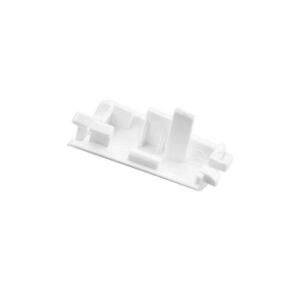
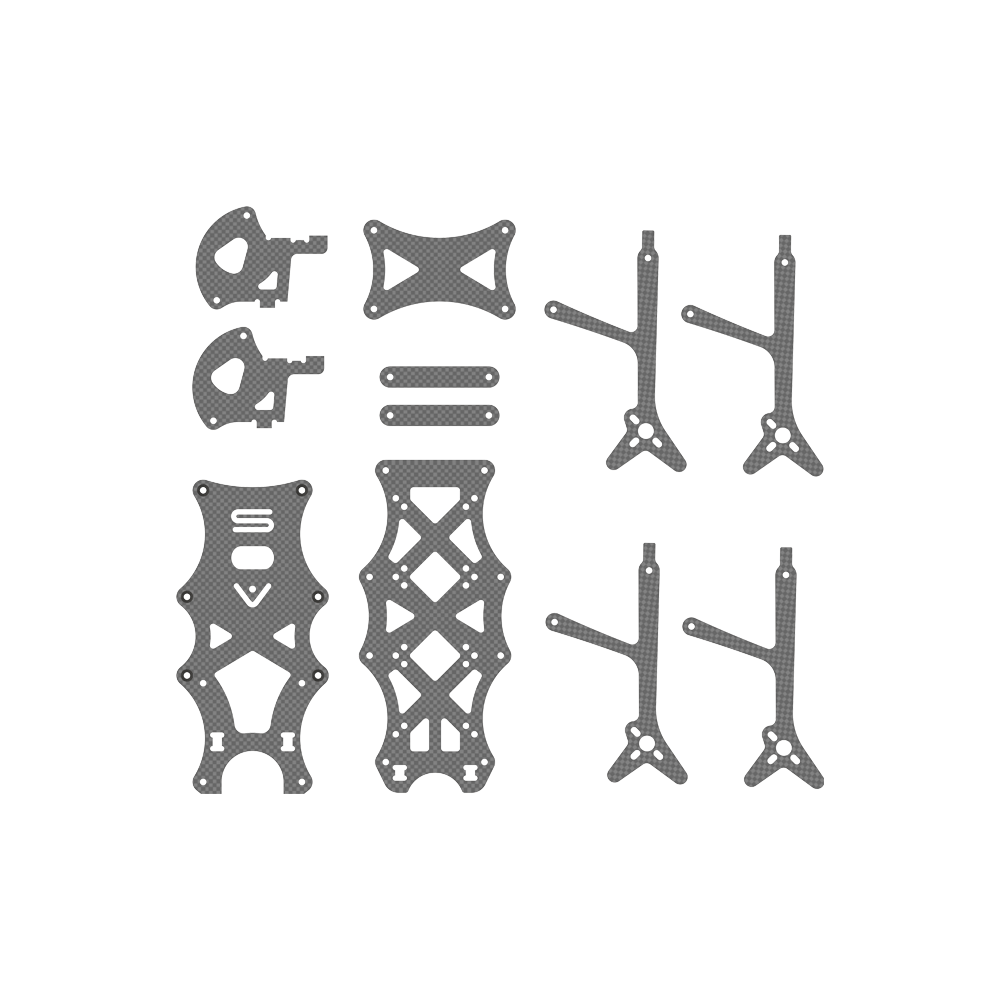
- iFlight AOS 3.5 O3 FPV Replacement Part for middle plate/top plate/bottom plate/1pc arm/1pair side plates/arm pad/antenna mount - $15.30
- ImmersionRC Ghost qT Antenna for Zepto - $15.00
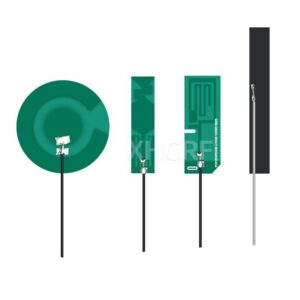
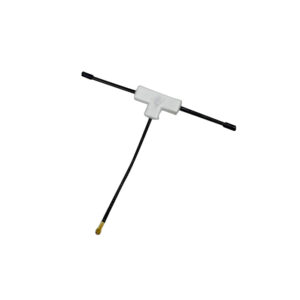
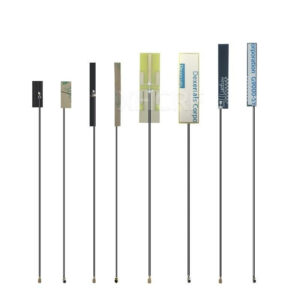
- qT Antenna for ImmersionRC Ghost Atto - 2.4GZ ISM Frequency 90mm 150mm 200mm Cable Length - $15.00
- CUAV PW-LINK Wifi Telemetry Module External Antenna - $41.30
- CUAV U-blox ANN-MS Single Frequency C-RTK Lengthened Extension Antenna RC Multi-axis Drone Flight Control Combo - $43.15
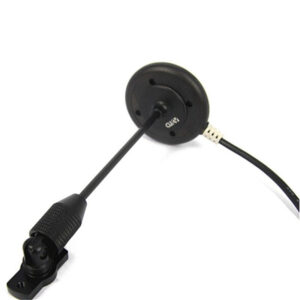
- CUAV New Plastic GPS Antenna Stand Mount - Folding Seat Base Foldable Bracket Holder DIY Drone FPV Quadcopter Multirotor - $18.88
- Drone Accessories
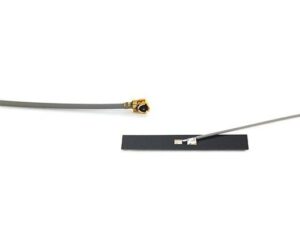
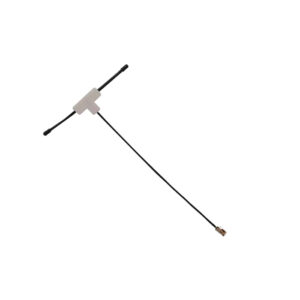
qT Antenna for ImmersionRC Ghost Atto – 2.4GZ ISM Frequency 90mm 150mm 200mm Cable Length
$15.00 - Drone Accessories
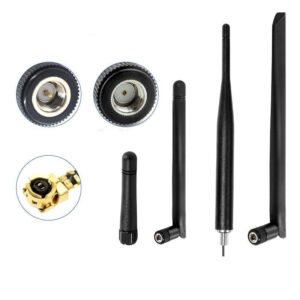
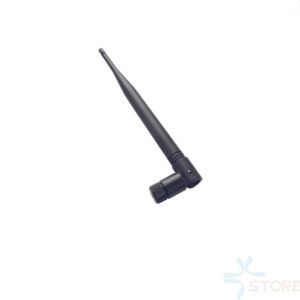
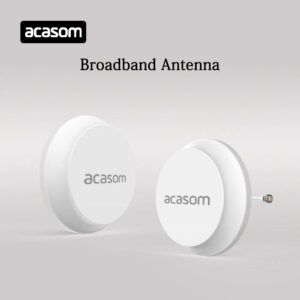
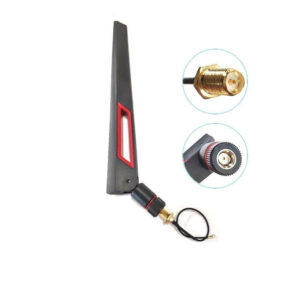
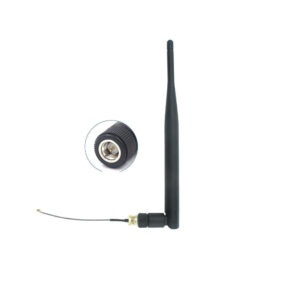
2.4GHz 5.8GHz WiFi6 WiFi6E Indoor Ceiling Antenna 2000-6000MHz Wideband Frequency
$15.00 - Drone Transmitter & Receiver
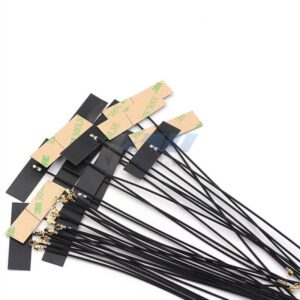
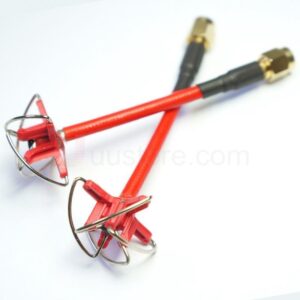
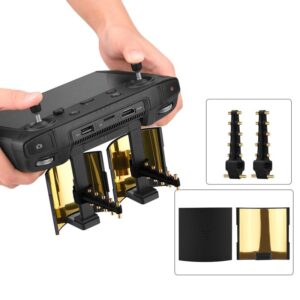
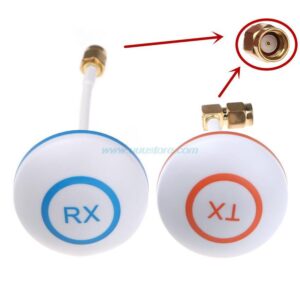
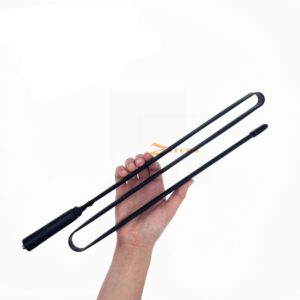
TX 90 degree Antenna RX Straight Needle Hole 5.8Ghz High-gain Clover Mushroom Antenna for RC FPV LCD5802 TS832 TS351 TS5823
$17.14


How to choose Drone Transmitter & Receiver
| 2.4GHz traditional | Best penetration and range, the classic choice for RC planes and helicopters |
|---|---|
| ELRS / ExpressLRS | Very low latency with a very wide protocol family - the modern default for FPV |
| Cross-country radio | Long range with telemetry, for fixed-wing and long-endurance craft |
| Trainer radio | Two-channel basics for learning to fly a plane |
Compatibility checklist before you buy
- Binding: A transmitter and receiver must speak the same protocol and the same sub-protocol version to bind
- Failsafe: The radio protocol and the FC failsafe setting have to agree - mismatches are a common cause of a flyaway
- Channel map: Airmode and arming switches are channel assignments; they must be configured on both ends
- Voltage: The receiver input voltage has to match the flight controller rail
- Antenna: A diversity receiver needs both antennas connected, and a proper antenna rather than a bare connector
What pilots and builders report in the field
www.eevblog.comBeginner thread on choosing a transmitter and receiver pair for drones, where binding and protocol compatibility between the two units is the main practical question.
rotorbuilds.comBuild record for a 2.4GHz 24-channel ACCESS radio used with FPV and RC aircraft, illustrating the multi-channel ACCESS family as a common choice for both platforms.
Frequently asked questions
How do I bind a transmitter to a receiver?
Put the receiver into bind mode - usually by holding a button on it or via a configuration setting - then start the bind procedure on the transmitter. The exact sequence depends on the protocol, and it must be the same protocol on both ends. A receiver with no antenna fitted will not bind, which is a common first-attempt failure.
What is the difference between 2.4GHz and 5.8GHz for a drone radio?
The 2.4GHz band is the radio control link, and 5.8GHz is the video link - they are separate systems. 2.4GHz radio control is used because it penetrates better and travels further, while 5.8GHz carries much more picture data but is more easily blocked. On FPV craft you will have both.
What does "failsafe" do and why does my drone fly away?
Failsafe is what the flight controller does when the radio link is lost - typically cutting throttle or returning to a set point. A flyaway usually means the failsafe was not configured for the radio protocol in use, or the receiver lost power. Configure failsafe deliberately and test it by turning the transmitter off before flying over anything valuable.
Why Your FPV Connection is Failing: A Senior Engineer’s Perspective
As a senior engineer, I’ve seen it all—from the dreaded ‘signal out of nowhere’ bug to transmitters that feel imprecise because the architecture ‘invents’ signal rather than processing it cleanly. When you are assembling your latest FPV Frame Kit, the link between your hands and the sky is the most critical component. If your board isn’t working or you suspect a bad IC module after a long winter of storage, you aren’t alone. Many pilots struggle with rapid strobing link lights or transistors that fail to maintain oscillations once the switch is opened.
Comparison: Leading FPV Protocols
Protocol
Frequency
Range
Best For
ExpressLRS (ELRS)
2.4GHz / 900MHz
Extreme Long Range
Racing & Freestyle
TBS Crossfire
915MHz / 868MHz
High Penetration
Professional Cinematic
FrSky ACCST
2.4GHz
Short/Medium Range
Budget Builds
To keep your gear in top shape and avoid the ‘imprecise’ feel of cheap gimbals, always use the right Drone Tools for maintenance and calibration. Remember, while your transmitter needs a reliable internal cell, your quad’s performance depends on a high-discharge 100C Lipo Battery to ensure the receiver doesn’t brown out during aggressive maneuvers.
Common Troubleshooting & FAQs
What is a transmitter and receiver?A transmitter is an electronic device that sends radio waves (your stick inputs), while the receiver (Rx) captures those signals on the drone and converts them into data for the flight controller.
Can I use any transmitter with any receiver?No. Matching the frequency and the protocol (like ELRS or Crossfire) is non-negotiable. If the modulation methods don’t align, the devices will never ‘talk’ to each other.
What is the purpose of a transmitter?In the FPV world, the transmitter reads the physical input from your gimbals and switches, converting that data into a scaled linear output signal transmitted over the air.
What is the main function of a receiver?The receiver acts as the ‘ear’ of your drone. It processes incoming audio/data signals from the transmitter and distributes them to the flight controller to dictate motor movement.
Is a mic a transmitter or receiver?In wireless systems, the microphone is the transmitter (it sends the sound), while the ‘box’ connected to the recording gear is the receiver. In FPV, we use similar logic for our VTX (Video Transmitter) and VRX (Video Receiver) systems.