
FPV Accessories
Optimize Your Flight: High-Performance DJI FPV Accessories & Gear
As any seasoned pilot knows, the DJI ecosystem is powerful, but the right FPV accessories are what truly bridge the gap between a standard flight and a professional cinematic experience. Whether you are looking for a dji fpv remote controller 2 upgrade or searching for the best dji fpv goggles v2 accessories to fix light leakage, our curated selection focuses on durability, signal reliability, and ergonomic comfort.
DJI FPV Compatibility Matrix
Before you buy, ensure your fpv goggles and fpv drone controller are compatible with your air unit or drone. Use the table below for quick reference:
Accessory
Compatible Hardware
Primary Benefit
DJI Remote Controller 2
Avata, DJI FPV Drone, O3 Air Unit
Low Latency, Integrated Control
Goggles V2 Antennas
DJI FPV Goggles V2
Increased Penetration & Range
FPV Kit for RC Car
Universal Analog/Digital Kits
Surface First-Person View
High-C Battery Packs
DJI FPV Drone, Custom Builds
Reduced Voltage Sag
Step-by-Step Setup: Optimizing Your DJI Headset
Firmware Sync: Always update your dji fpv goggles and dji remote controller 2 via DJI Assistant 2 (Consumer Drones Series) before your first flight to ensure Ocusync stability.
Antenna Orientation: For the dji fpv goggles v2, ensure the top linear antennas are parallel to your drone’s flight path for maximum gain.
Binding: Power on the drone, hold the power button until it beeps, then repeat for the fpv remote and goggles to link the system.
Addressing Real-World Pilot Issues
Based on community feedback from Reddit and our own engineering tests, we know that getting into FPV involves a “constant accumulation of things.” It’s not just the drone; it’s the drone tools, soldering iron, and replacement props that keep you in the air. One common issue with the current gen of fpv goggles is light leakage. Many pilots find they need to do some “DIY stuff,” like adding aftermarket foam pads, to get a perfect fit.
Furthermore, if you are looking at an fpv race drone kit, be wary of protocol mismatches. We’ve seen many pilots accidentally buy the CC2500 version of a transmitter when they intended to get the ELRS version. Always double-check your internal RF module specs! For the latest tech, explore our New FPV Arrivals to stay ahead of the curve.
Frequently Asked Questions
Is 16/9 or 4:3 better for FPV?
4:3 is generally preferred for FPV flying because it provides more vertical FOV (field of view). This is crucial when your drone tilts forward during high-speed flight, allowing you to see the horizon and obstacles more clearly. While 16:9 looks more cinematic, most pros stick to 4:3 for the tactical advantage.
What is the $200 DJI drone?
DJI recently unveiled the Neo, a $200 drone aimed at content creators. While it features palm takeoff and voice control, it serves as a great entry point for those curious about the ecosystem before moving up to a full fpv kit.
Is the DJI FPV hard to fly?
Yes, FPV drones can be challenging. Unlike standard GPS drones, FPV requires manual input to maintain level flight. However, using the dji fpv combo accessories like the Motion Controller can ease the learning curve for beginners.
What mode do FPV pilots use?
Acro (Manual) mode is the standard for FPV. It allows for full control over the drone’s orientation, enabling flips, rolls, and precise gaps. It takes practice, but it is the only way to experience true FPV freedom.
Do pros use 4:3 or 16:9?
The pro scene is dominated by 4:3. This isn’t just nostalgia; the extra vertical data is vital for technical racing and freestyle maneuvers. If you are serious about performance, configure your drone fpv goggles to 4:3.
Need to maintain your rig? Don’t forget to stock up on essential Drone Tools for field repairs and component swaps.
- FPV Frame Kit
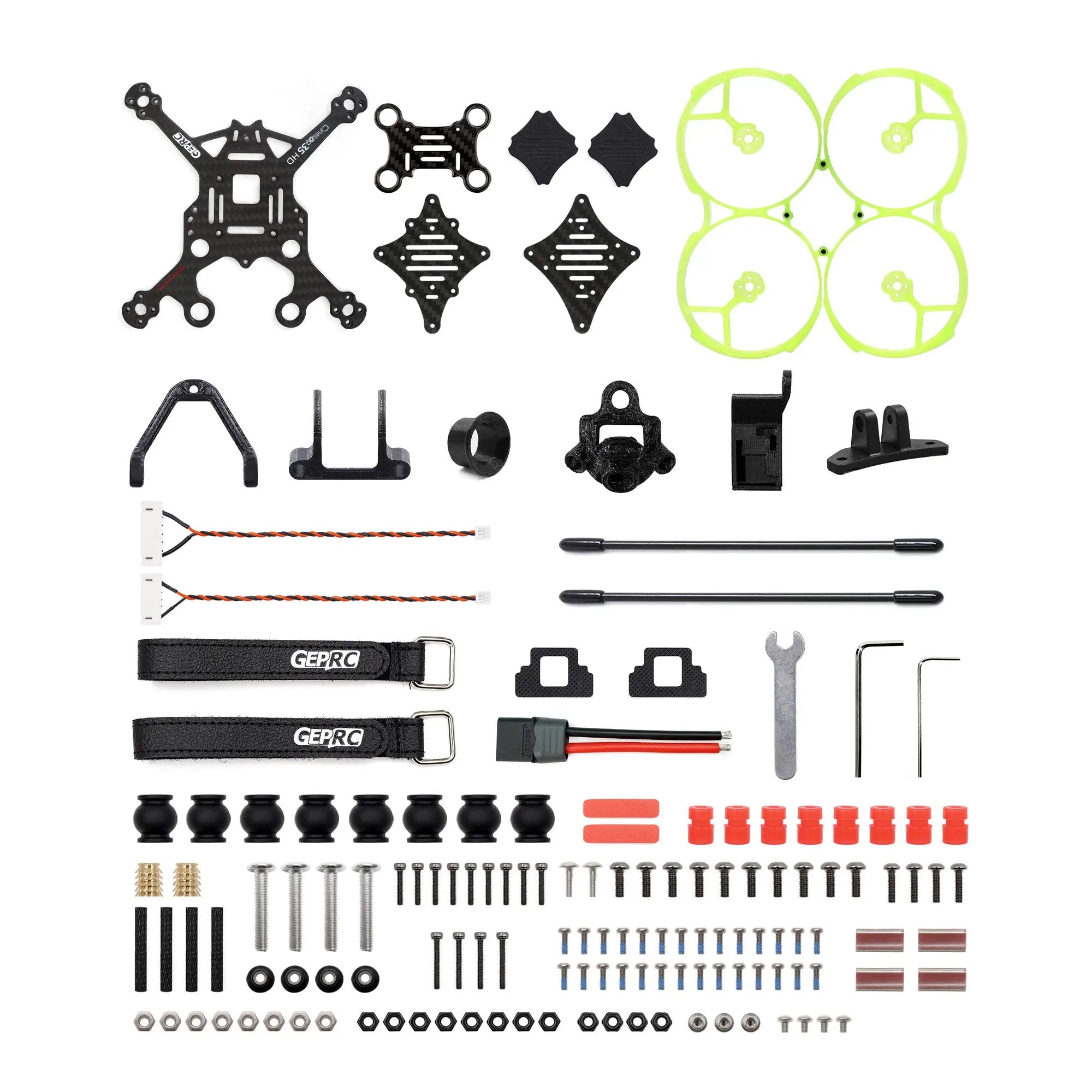
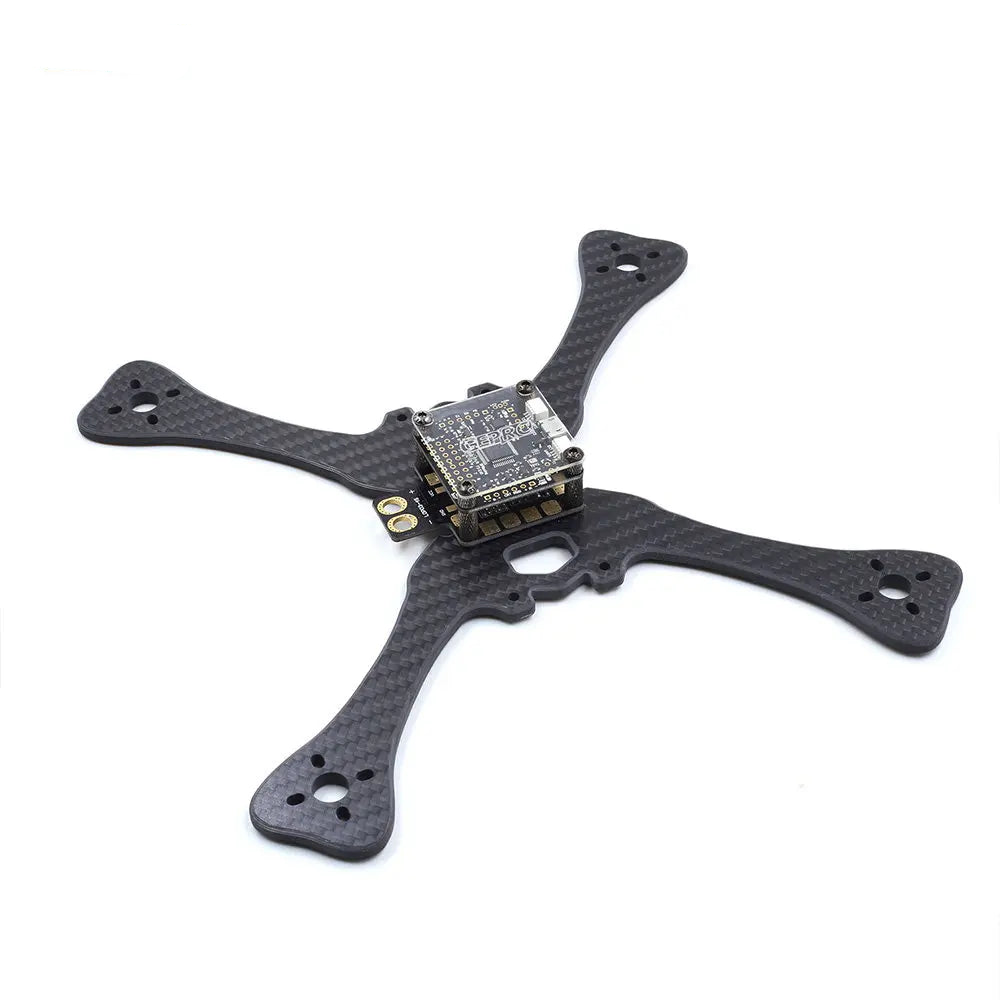
GEPRC Gep F3 F4 F7 Flight Control Insulation Board – FPV Through Electromechanical Anti-short Circuit Plastic Board Thickness 1mm
Price range: $2.17 through $8.60 - FPV Frame Kit
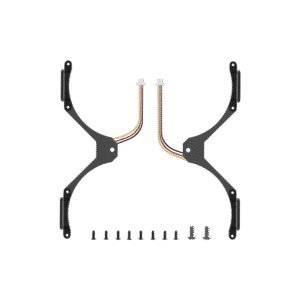
GEPRC GEP-LC75 V3 Frame Parts – Suitable for Crocodile75 V3 Drone RC DIY FPV Quadcopter Drone Replacement Accessories Parts
Price range: $4.35 through $17.50 - FPV Accessories
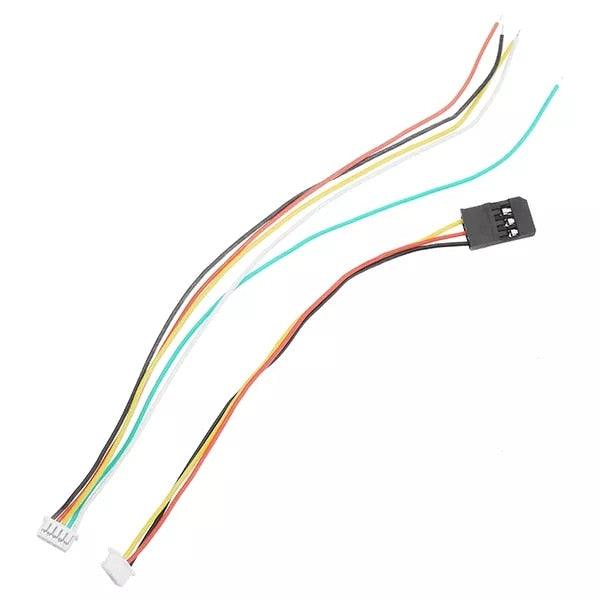
FrSky R-XSR Ultra Mini Redundancy Receiver Data Wire Cable to Flight Controller FPV Drone Parts
Price range: $7.26 through $9.49 - Drone Accessories
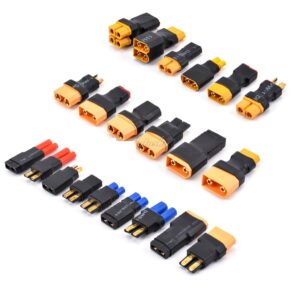
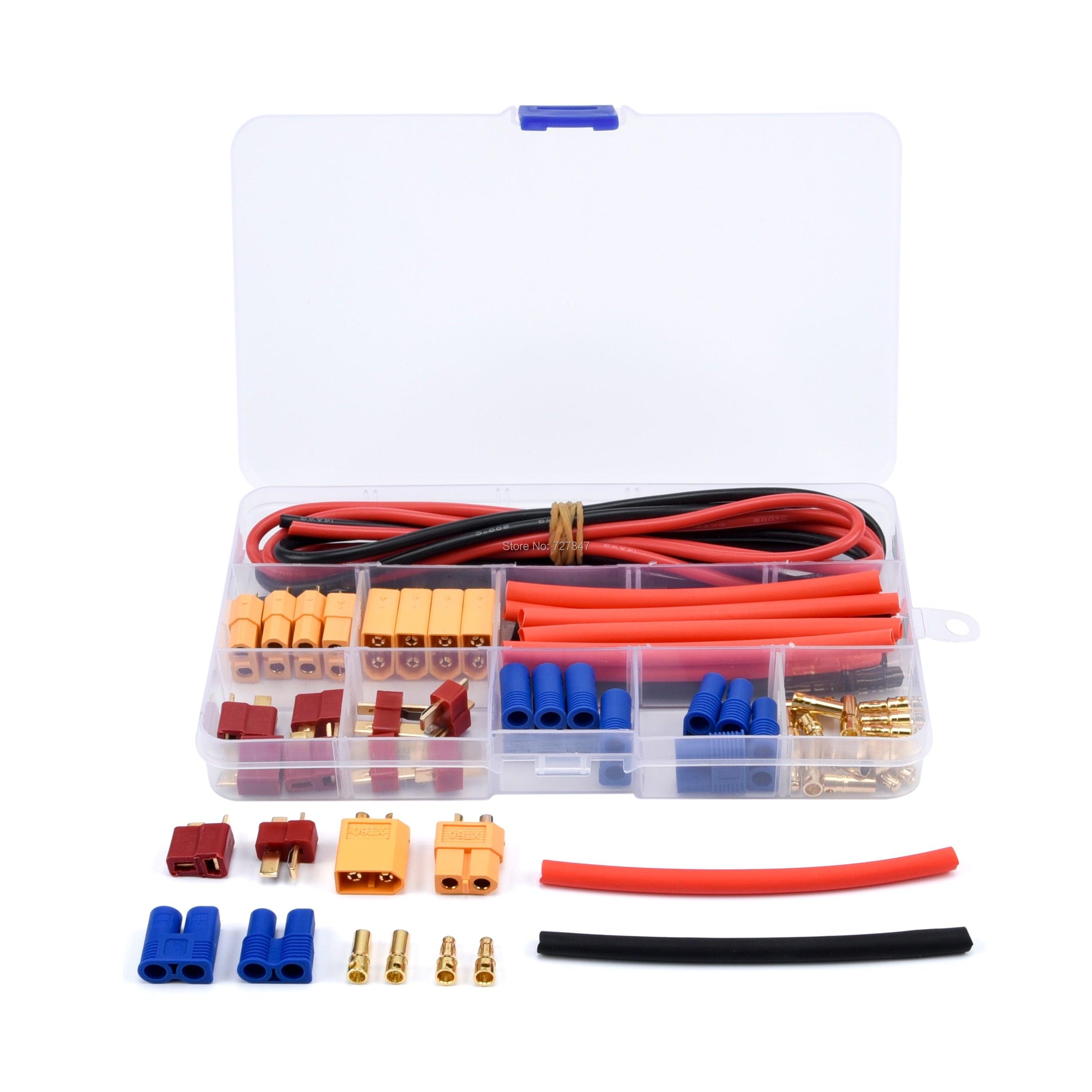
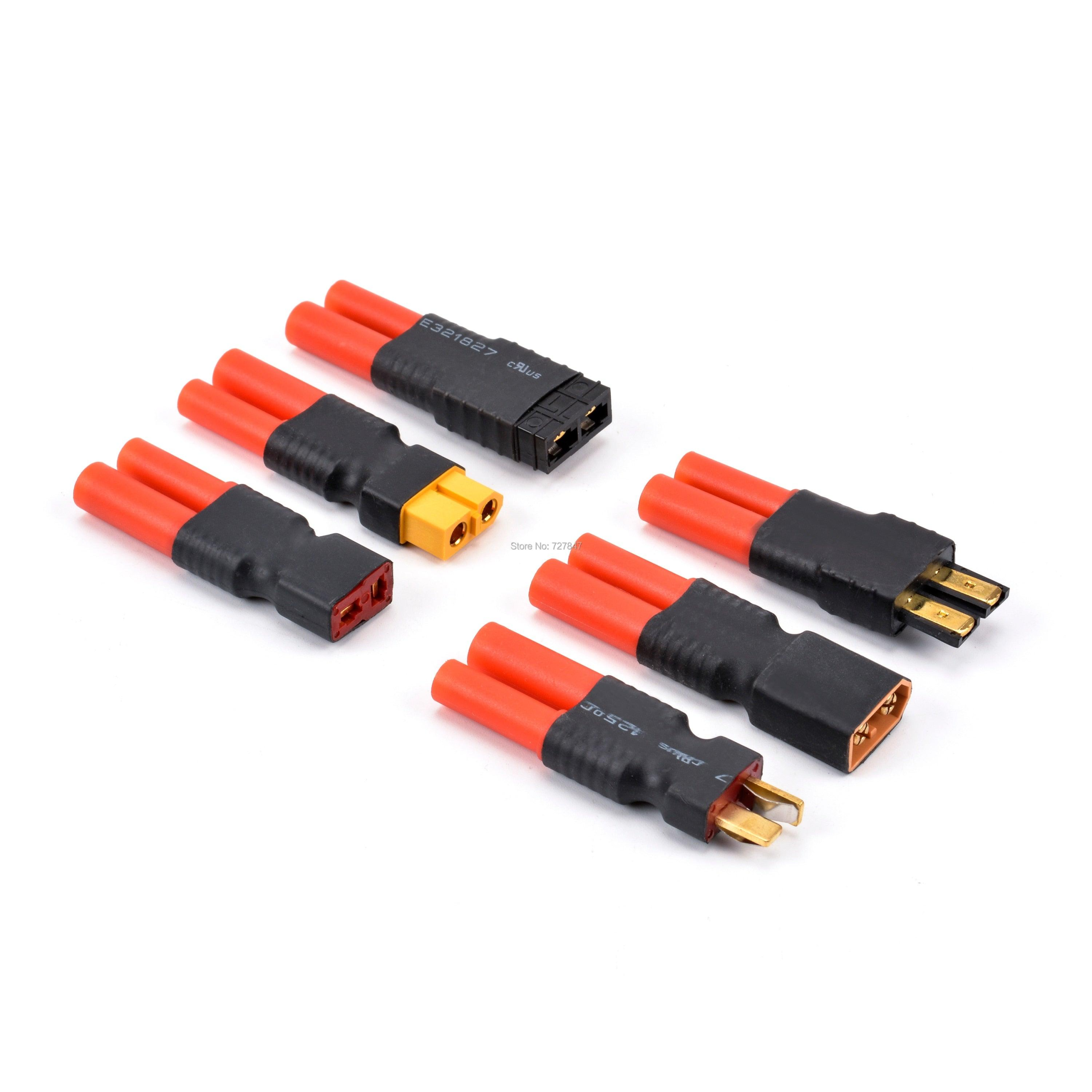
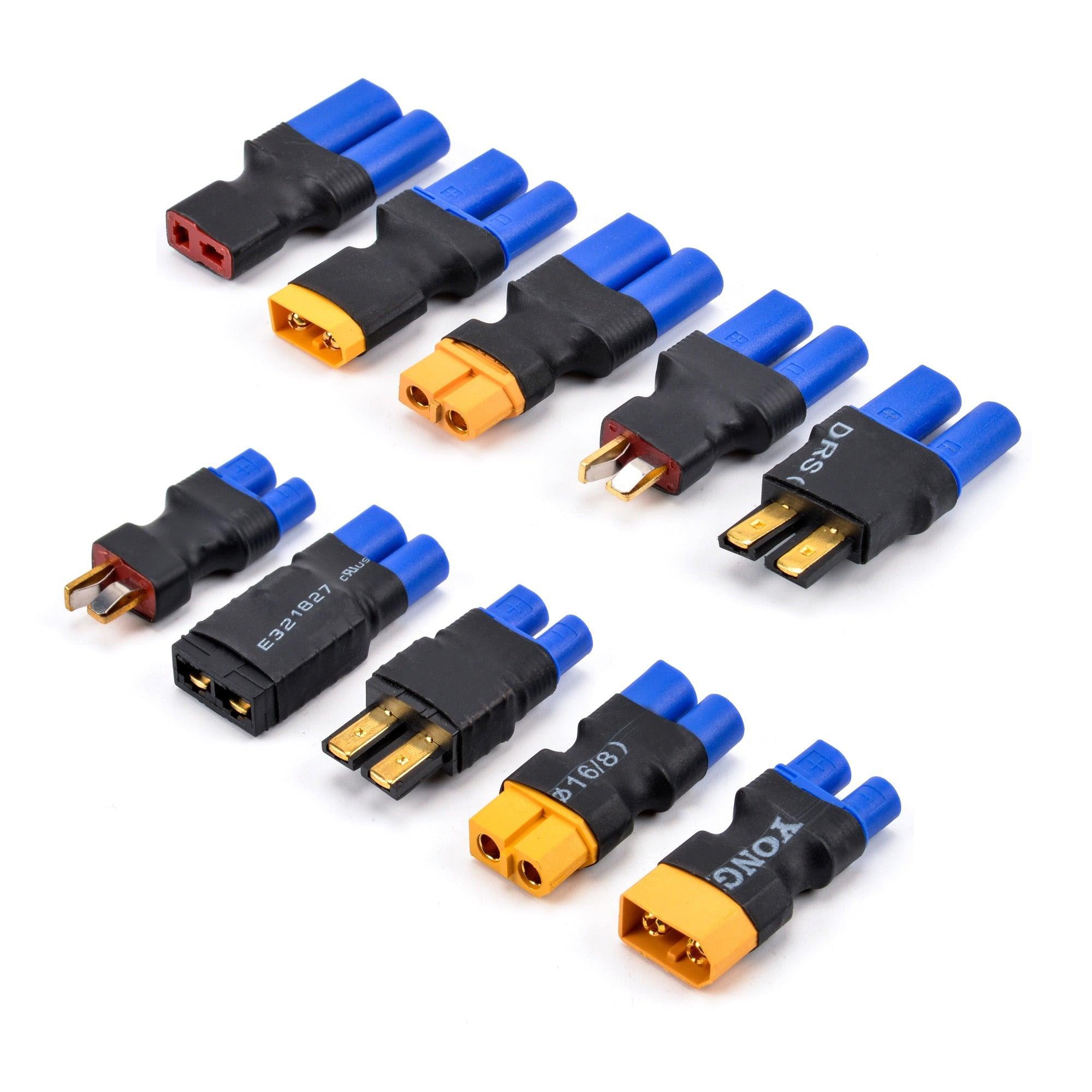
Adapter XT30 XT60 XT90 TRX T Plug Deans EC5 EC3 Female to Male HXT 4MM Connectors Plug RC Lipo Battery Control Parts DIY FPV Drone Accessories
Price range: $8.12 through $9.00 - FPV Accessories
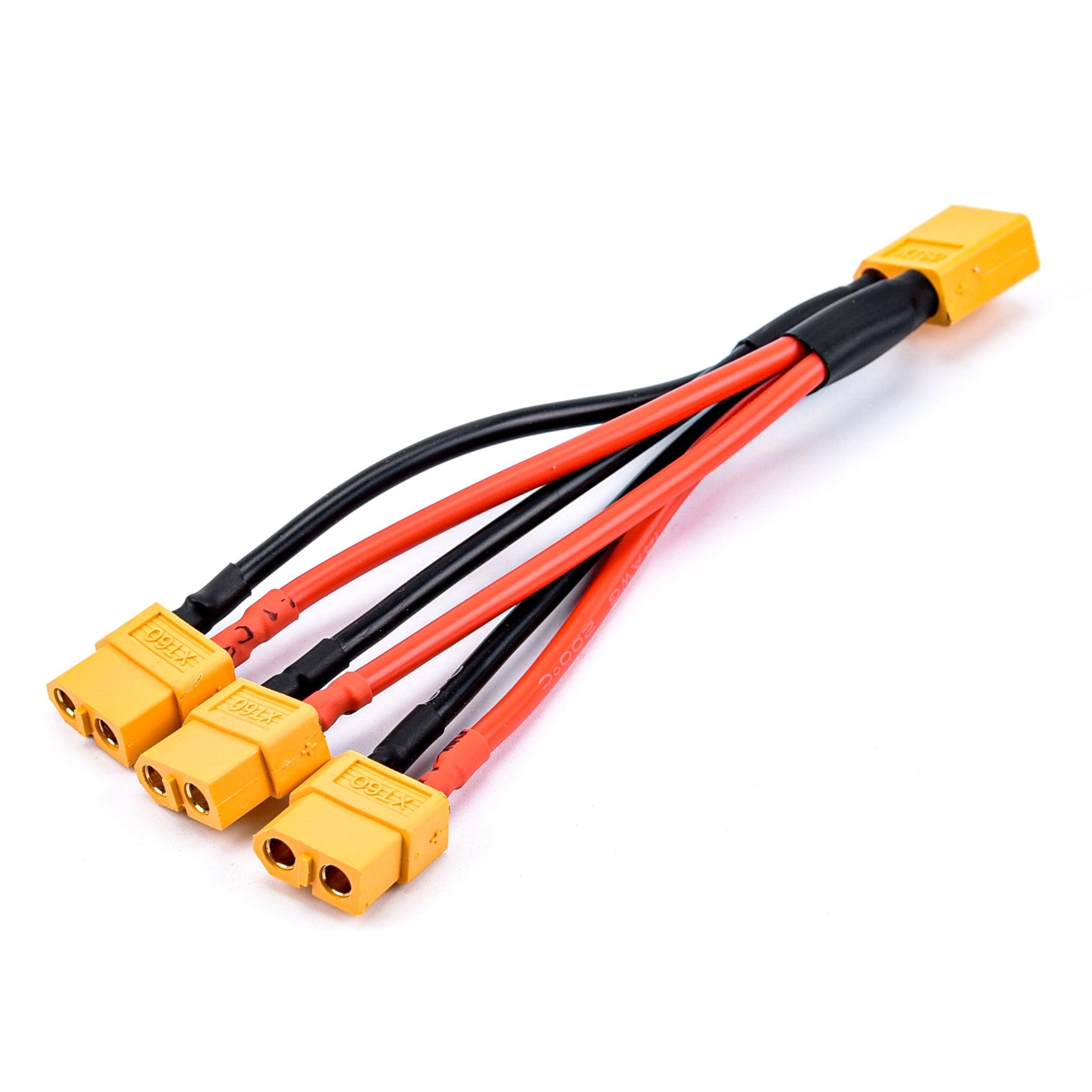
XT60 Parallel Drone Battery Connector – Male/Female Cable Dual Extension Y Splitter/ 3-Way 14AWG Silicone Wire for RC Battery Motor FPV Drone Accessories
Price range: $8.73 through $9.88 - Drone Accessories
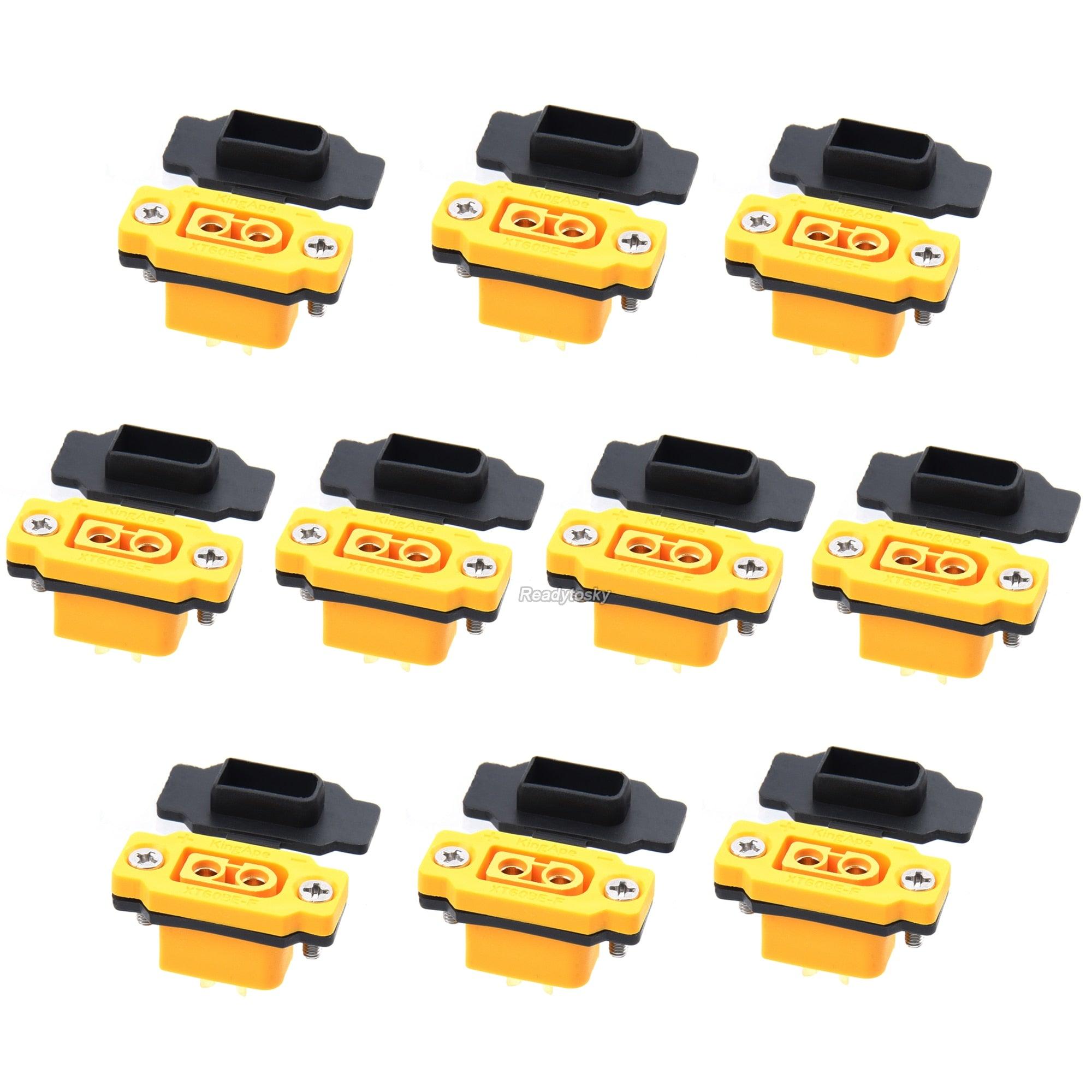
XT60 Plug Connector – NEW XT60BE-F XT60E-F & XT60 / XT60H Model Airplane Battery Gold-Plated 30A High Current Safe Female Plug Connector FPV Accessories
Price range: $8.92 through $25.02 - Drone Accessories
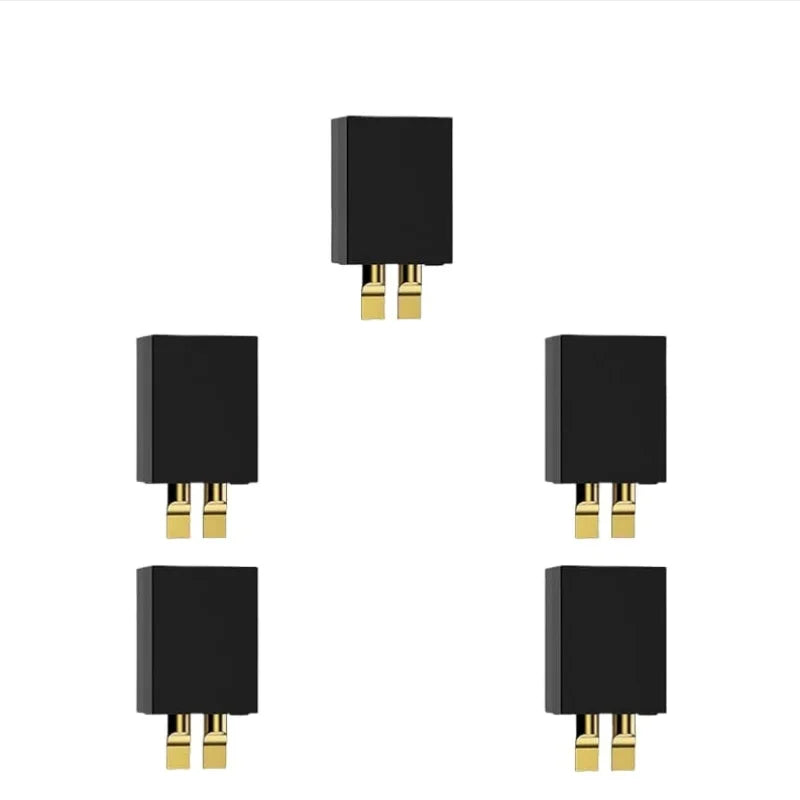
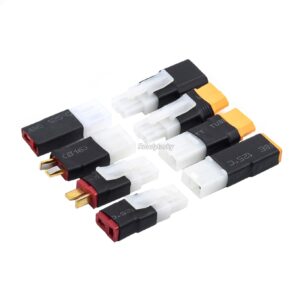
Drone Battery Connector – TAMIYA Adapter Male Female to XT60 / T Plug Battery Conversion Dean Connector Accessories Parts For RC Aircraft Cars Helicopter FPV Drone
Price range: $9.82 through $18.07 - FPV Accessories
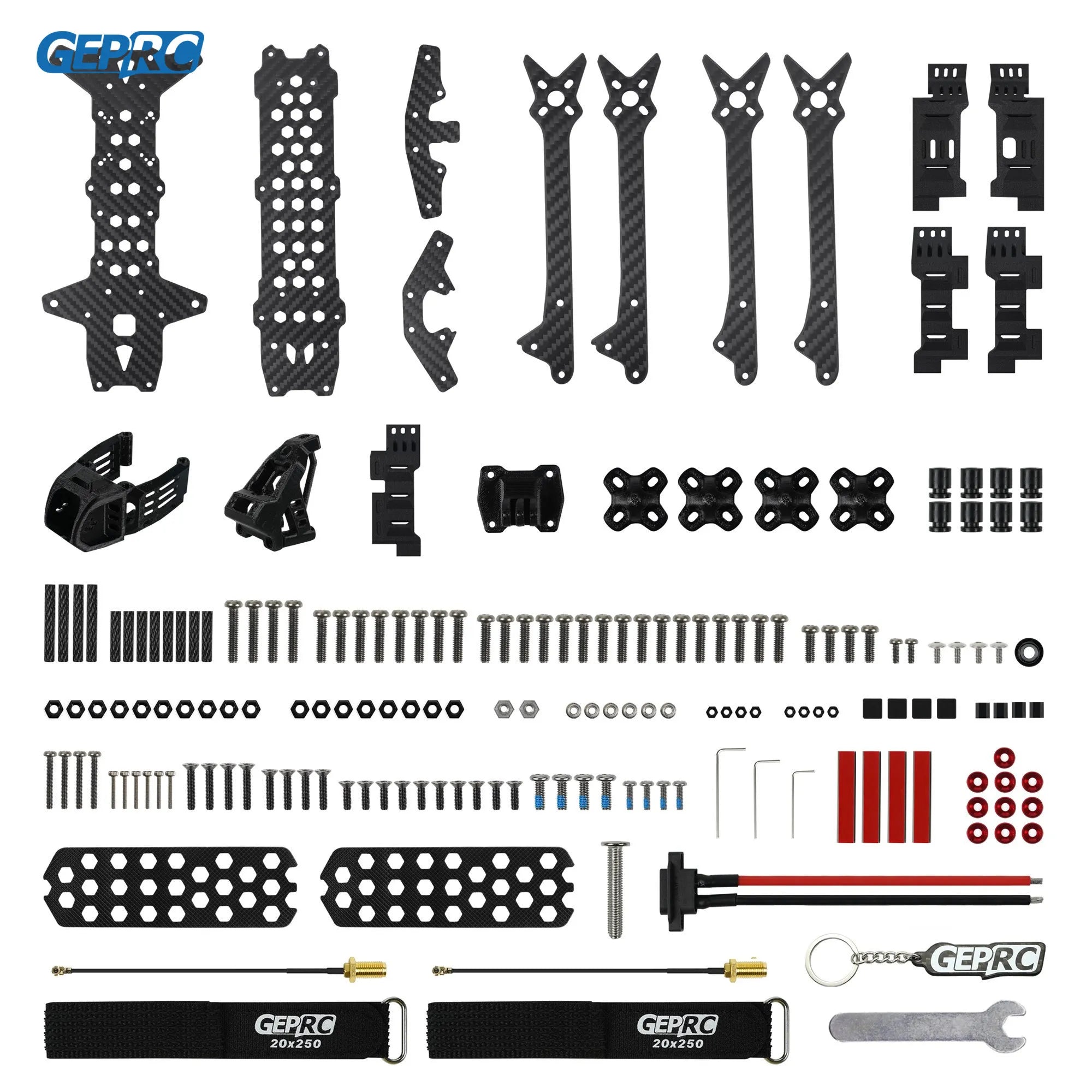
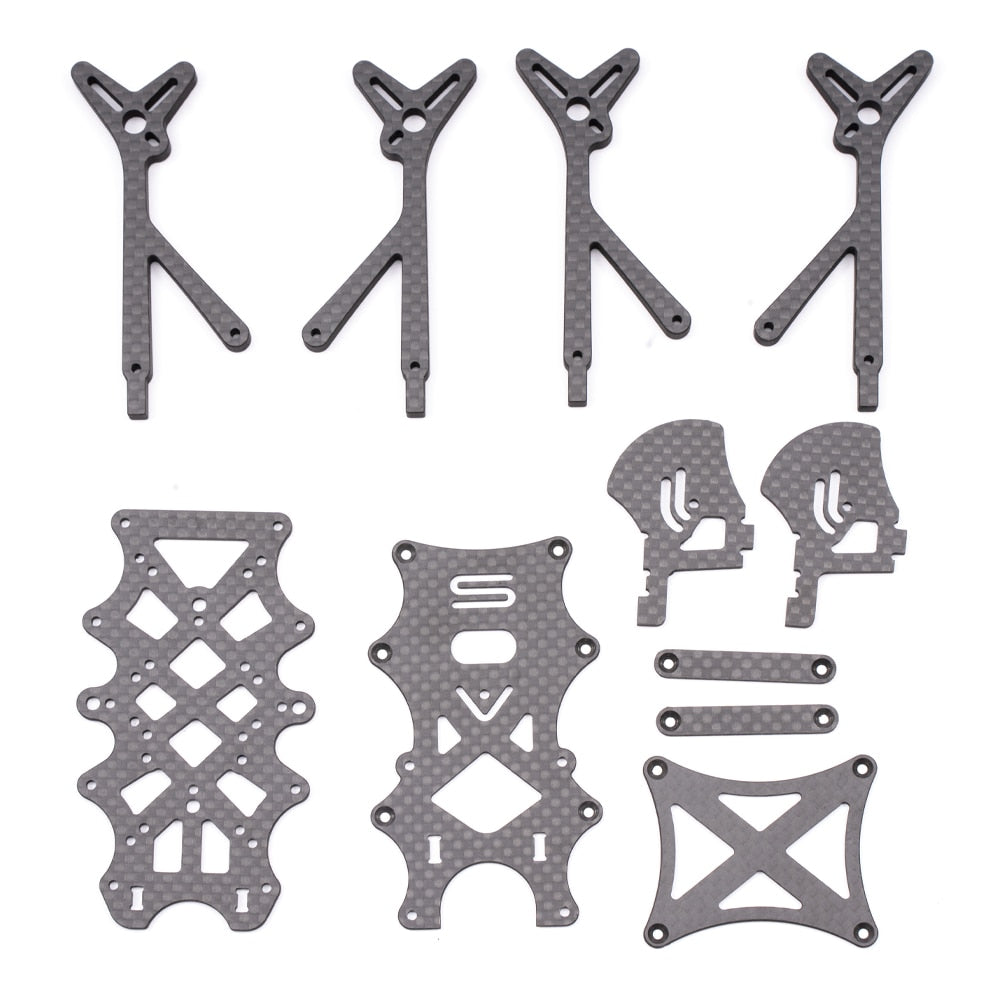
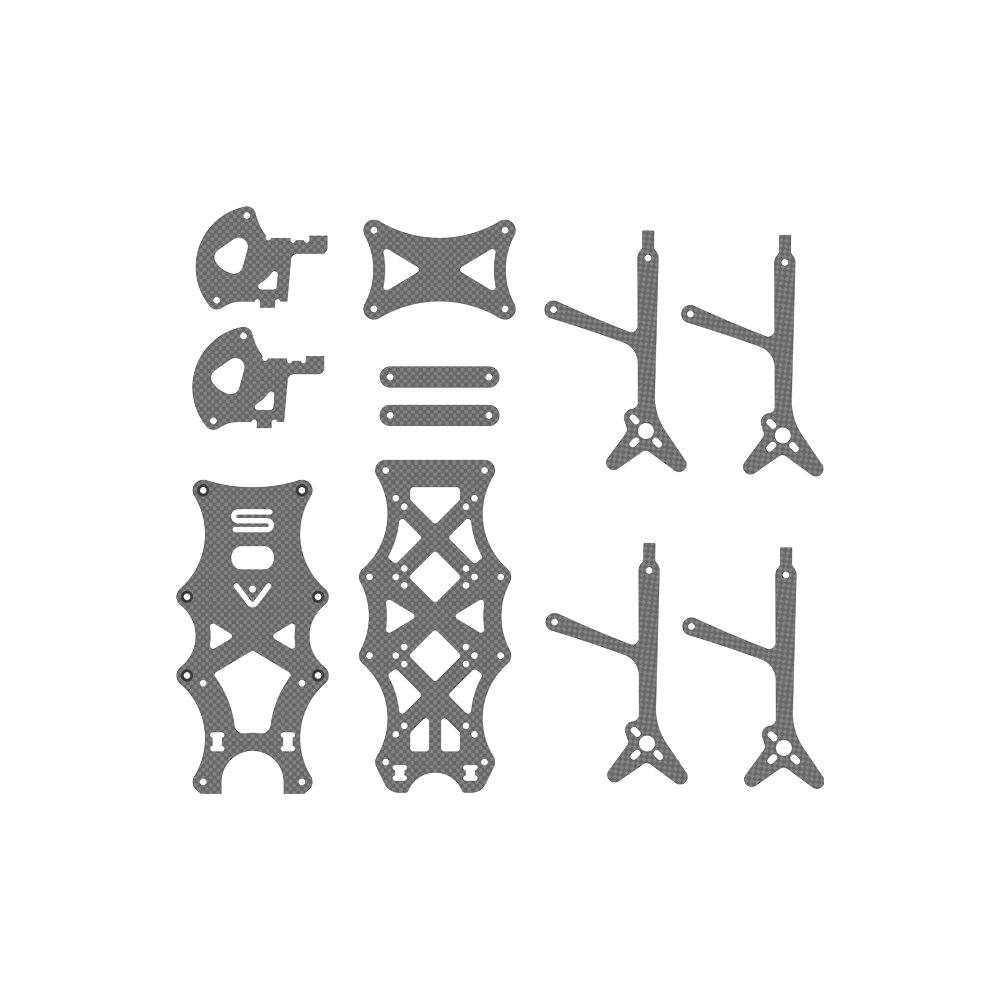
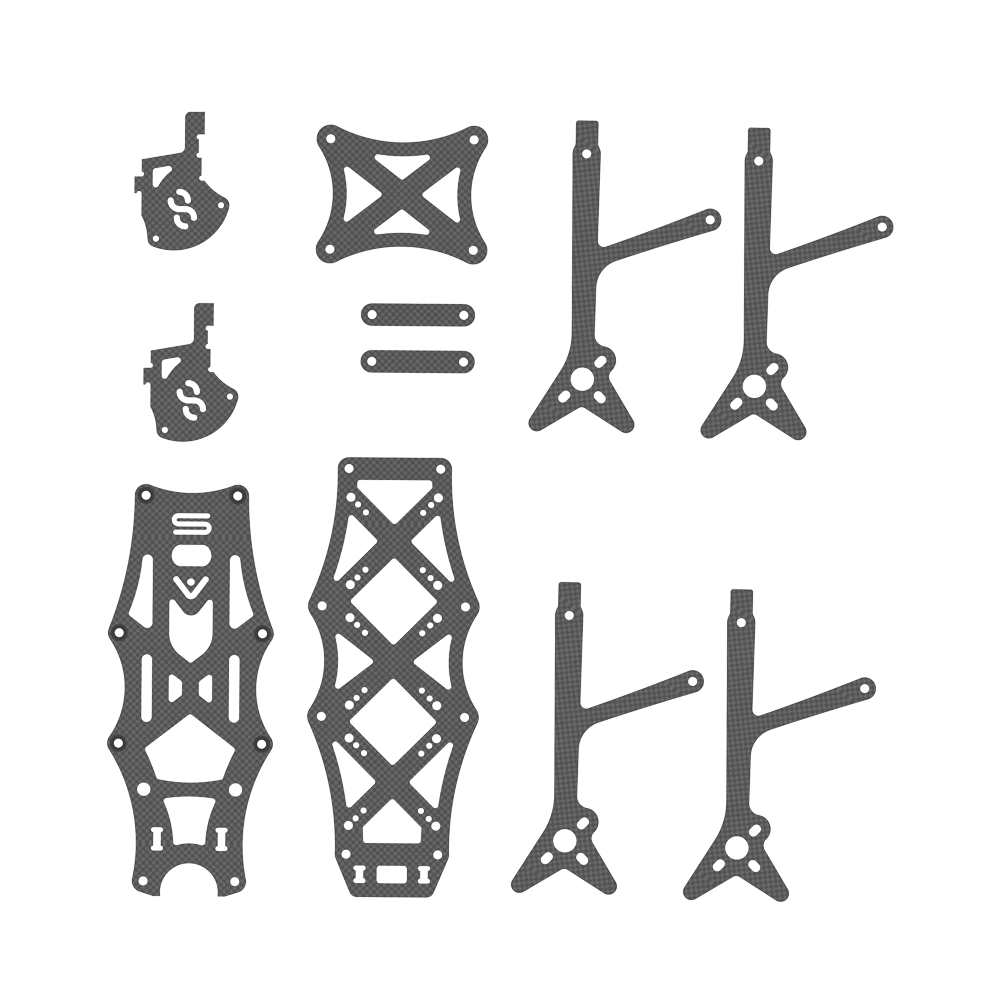
iFlight AOS 7 O3 FPV Frame Replacement Part for middle plate/top plate/bottom plate/1pc arm/1pair camera side plate/motor plate
Price range: $10.13 through $25.32 - FPV Frame Kit
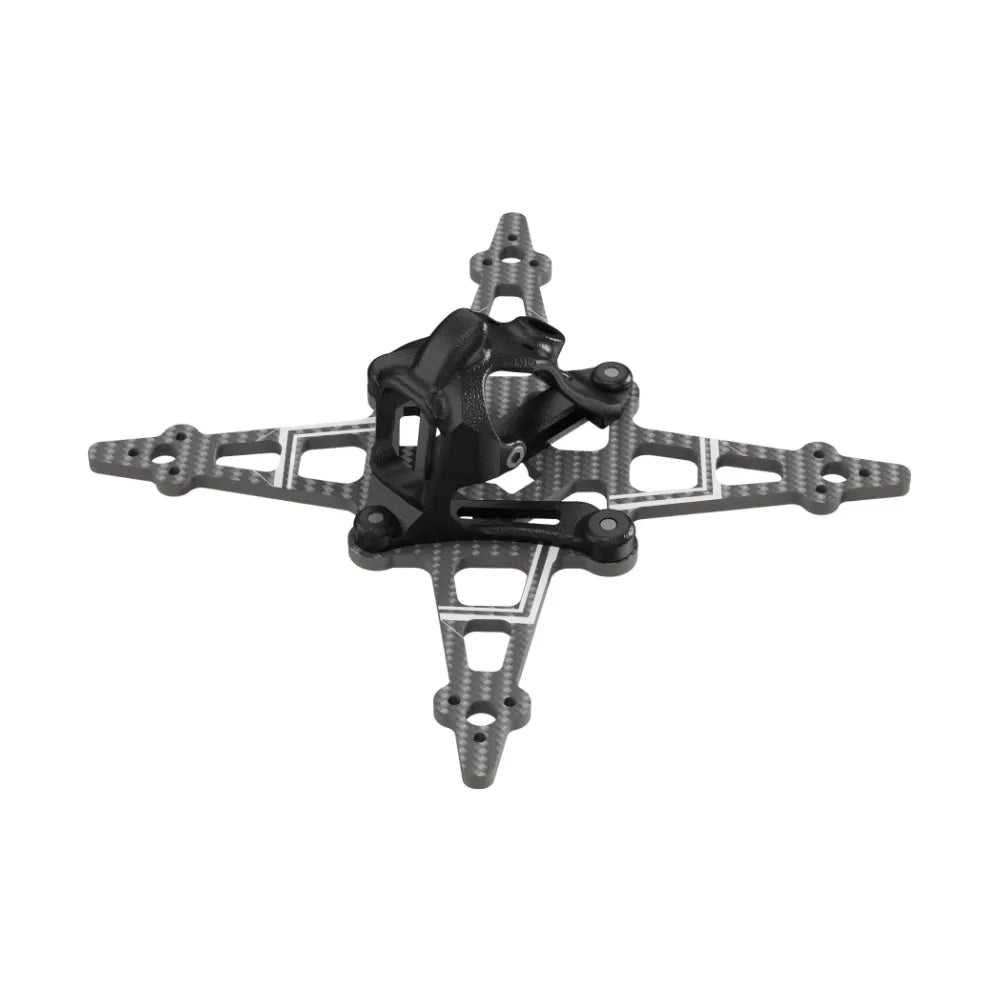
Firefly 1S FR16 Nano Baby Quad V2.0 Frame kit (Aanlog HDZero Walksnail)
Price range: $10.96 through $21.73 - FPV Accessories
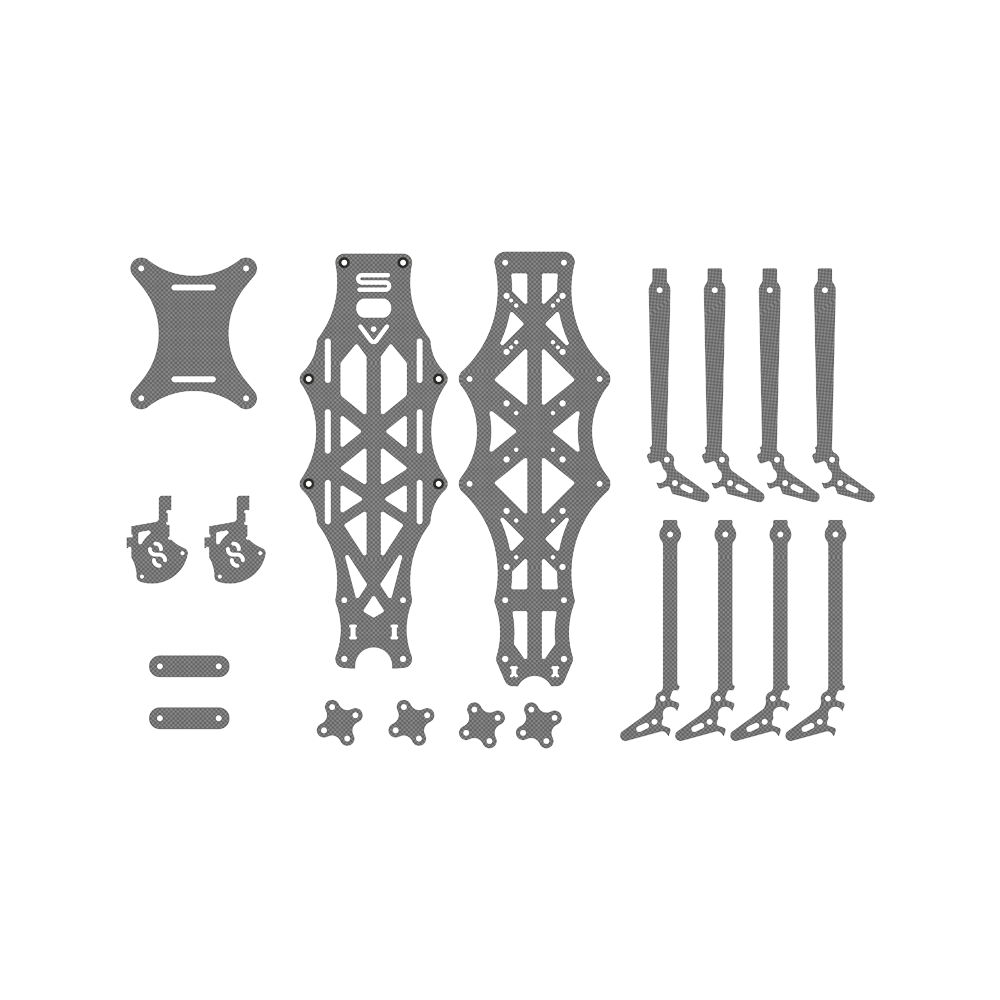
iFlight AOS 3.5 V2 FPV Frame Replacement Parts for middle plate/top plate/bottom plate/1pc arm/1pair side plates
Price range: $11.42 through $14.01 - FPV Accessories
iFlight AOS 3.5 O3 FPV Replacement Part for middle plate/top plate/bottom plate/1pc arm/1pair side plates/arm pad/antenna mount
Price range: $12.71 through $15.30 - FPV Accessories
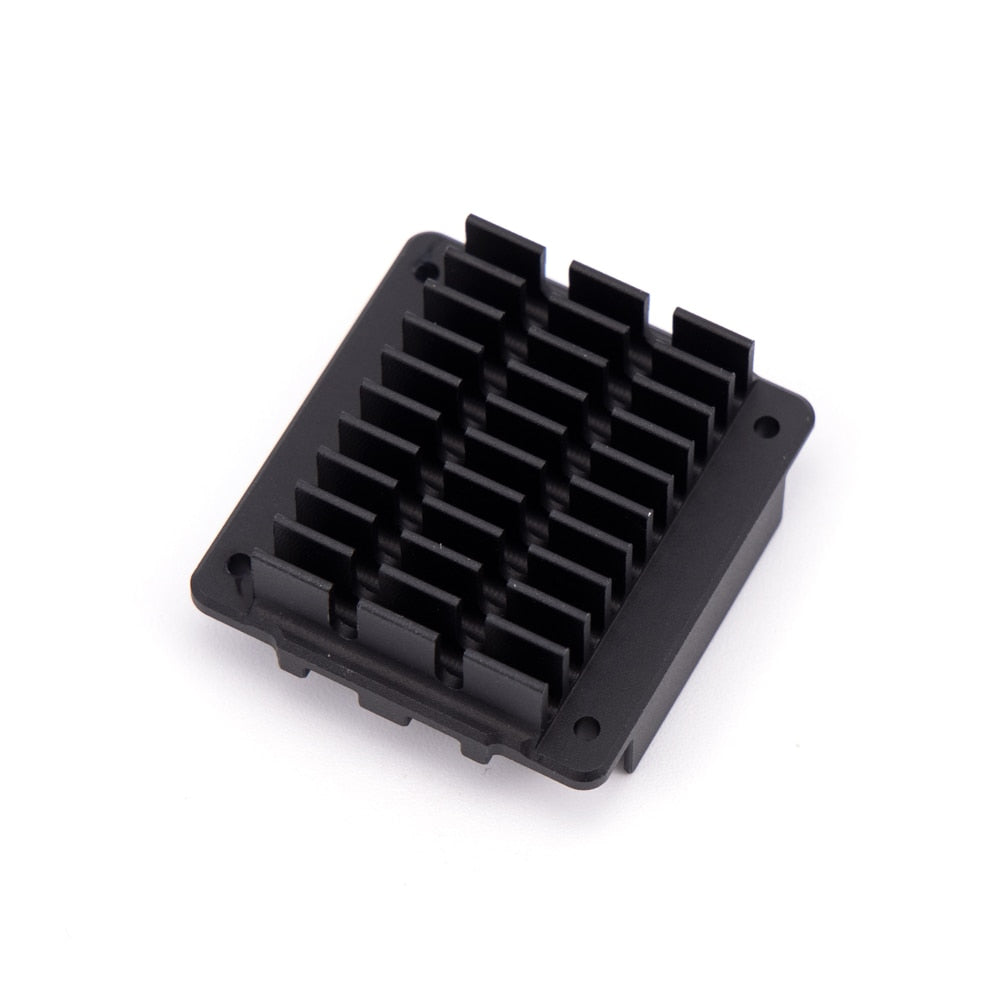
iFlight Anti Spark Filter / Single Antenna TPU/Dual Antenna TPU /O3 Air Unit Heatsink for Chimera7 Pro V2 / Nazgul FPV parts
Price range: $14.01 through $24.39 - FPV Accessories
iFlight AOS 5 O3 FPV Frame Replacement Parts for middle plate/top plate/bottom plate/1pc arm/1pair camera side plates
Price range: $14.01 through $22.54 - FPV Frame Kit
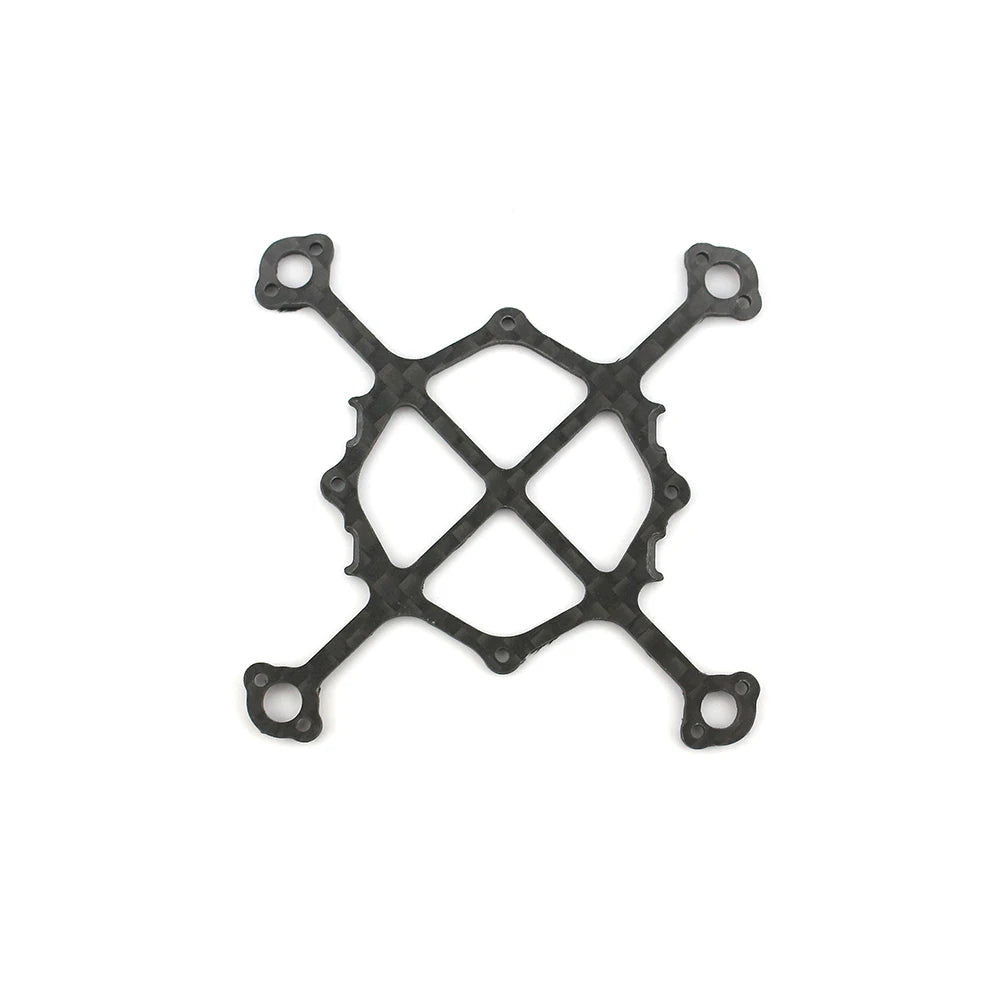
EMAX Nanohawk Spare Parts – 1.5mm Carbon Frame Piece for FPV Racing Drone RC Plane
$15.20 - Drone Accessories
iFlight XT30 / XT60 Smart Smoke Stopper Short-circuit Protection Plug for FPV drone part
$15.30 - FPV Accessories
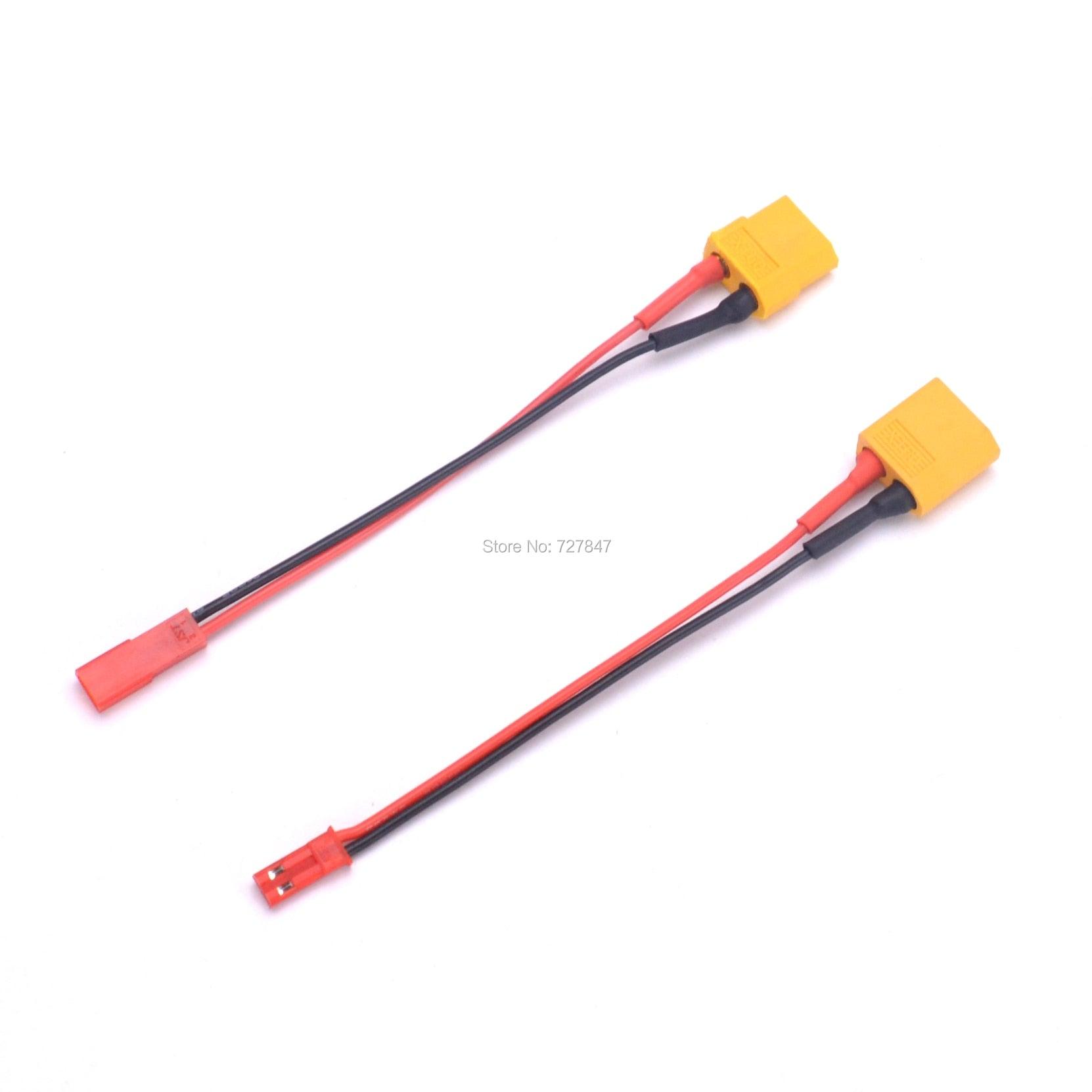
FPV Drone Charger Adapter – XT60 Male / Female Connector to JST plug charger adapter LiPo Battery Model Charging Adapter Converter Lead 22AWG
Price range: $15.47 through $16.54 - DJI Propeller Guard
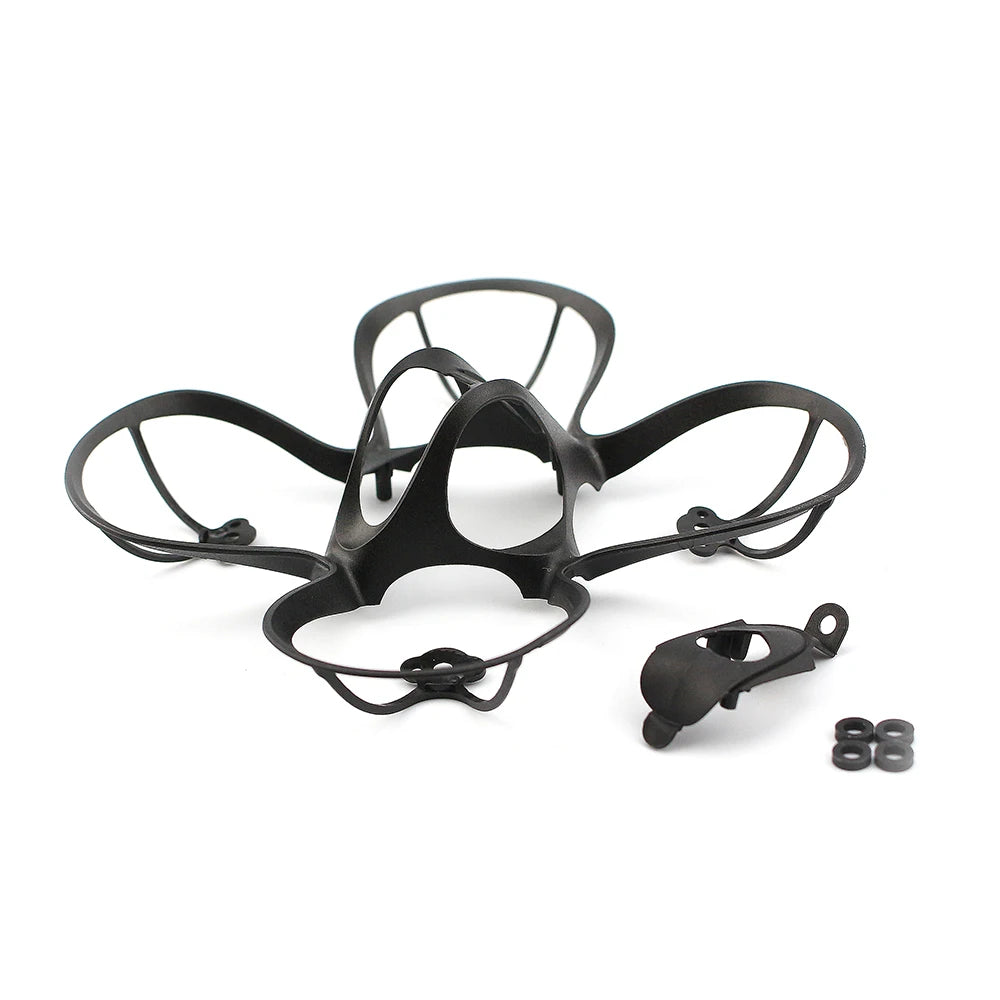
iFlight Defender 16 FPV Frame Replacement Parts for Prop Guard + LED Parts
$15.79 - FPV Accessories
FPV Drone Pug Connector – NEW HXT 4MM to XT60 T Plug Male / Female Adapter Lipo Battery Banana Bullet Deans Connector Wireless
Price range: $15.86 through $16.08 - FPV Accessories
Drone Battery Connectors Plug – Adapter EC5 / EC3 to XT60 T Deans Female / Male RC Lipo Battery Control Parts DIY
Price range: $16.10 through $16.59
 English
  Russian
  German
  Arabic