
2.4GHZ Series
Ultra-Reliable 2.4GHz Solutions: Bridging the 1000ft Gap with PrecisionWhether you are trying to extend a WiFi signal to another building 1000 feet away or looking for the lowest latency RC link on the market, the 2.4GHz band remains the industry standard. Our 2.4GHz series focuses on high-gain throughput and ExpressLRS (ELRS) integration to ensure your link stays locked in, even in RF-congested urban environments. Explore our New FPV Arrivals to see the latest in high-packet-rate hardware.
2.4GHz Performance & Compatibility Matrix
Protocol
Max Packet Rate
Ideal Use Case
Penetration
ELRS 2.4GHz
1000Hz
Racing & Freestyle
Moderate
WiFi Bridge
N/A (Bandwidth Focus)
1000ft+ Point-to-Point
High (Long Range)
Bluetooth 5.0
Low
Short Range Peripherals
Low
Step-by-Step Setup: Optimizing for 1000ft+ Range
To achieve a stable connection over 1000 feet, follow these engineering best practices:
Line of Sight (LoS): Ensure there are no physical obstructions. 2.4GHz waves are easily absorbed by moisture and foliage.
Channel Selection: Avoid the “loud neighbor” effect. Use a spectrum analyzer or Drone Tools to identify the cleanest channel.
Antenna Polarization: Match your transmitter and receiver orientation. For long-range bridges, high-gain directional patch antennas are mandatory.
Power Management: For ELRS, set your dynamic power to ‘On’ to allow the system to ramp up to 1W when the Link Quality (LQ) drops.
Solving Real-World 2.4GHz Interference (The Reddit Perspective)
Many users report their 2.4GHz signal dropping every few weeks or smart home devices losing connection. A common mistake is using 80MHz wide channels in the 2.4GHz band; this creates massive congestion. As pro pilots suggest, stop using 80MHz on 2.4GHz. Stick to 20MHz channels (specifically 1, 6, or 11) to maintain a stable floor and avoid interfering with your Bluetooth audio or PS5 connectivity. If you experience audio dropouts through Bluetooth headphones while flying, it is likely your RC transmitter’s telemetry is swamping the local 2.4GHz noise floor.
Frequently Asked Questions
Is 2.4GHz better than 915MHz for FPV?
2.4GHz (especially ELRS) offers a higher packet rate and smaller antenna size, making it ideal for racing and freestyle, while 915MHz excels in ultra-long-range penetration through trees and buildings.
Why does my 2.4GHz control link drop near WiFi routers?
2.4GHz is a crowded band. To avoid interference, professional pilots use ELRS with LBT (Listen Before Talk) or increase their telemetry power to maintain link quality against high-power home routers.
Can I use a 2.4GHz antenna for 5.8GHz video?
No. Antennas are tuned to specific wavelengths. Using a 2.4GHz antenna on a 5.8GHz system will cause a massive SWR mismatch and potentially fry your VTX (Video Transmitter).
What is the range of ExpressLRS 2.4 GHz?
ExpressLRS is capable of extremely high packet rates (up to 1000 Hz) and extreme sensitivity. Ranges well over 100km have been achieved with 2.4 GHz hardware, making it competitive with any long-range system on the market.
- 2.4GHZ Series
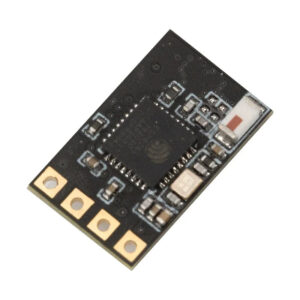
Jumper ELRS Aion ELRS RX mini/mini SE/RX NANO – 2.4GHZ 16CH Receiver Compatible with 2.4 mode 5KM Range Transmitter for RC Drone
Price range: $5.38 through $21.18 - 2.4GHZ Series
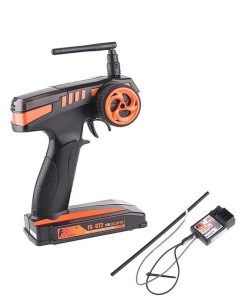
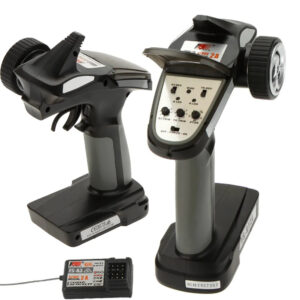
Flysky FS-GT2 2.4G 2CH Gun RC System Transmitter Controller With 3 Channels Receiver For Rc Car
Price range: $12.73 through $39.80 - 2.4GHZ Series
iFlight ELRS 915MHz / ELRS 2.4G Receiver / TX Module with 70mm / 40mm Antenna / Dual-Band Antenna / Stick for Commando 8 FPV Drone Remote Controller
Price range: $13.08 through $52.11 - 2.4GHZ Series
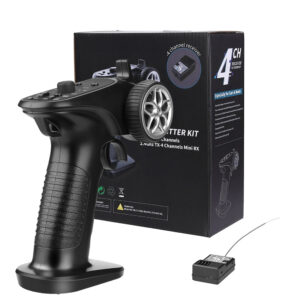
TX4 2.4GHz 4CH Radio System Transmitter Controller Remote Control w/ Receiver For RC Car Boat
Price range: $14.36 through $41.85 - 2.4GHZ Series
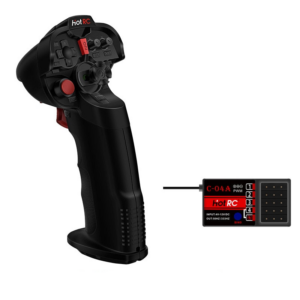
HotRC DS-4A 2.4G 4 Channel Single Hand RC Radio Transmitter with 4Ch Receiver Remote control for RC Car Boat Airplane
Price range: $16.29 through $42.28 - 2.4GHZ Series
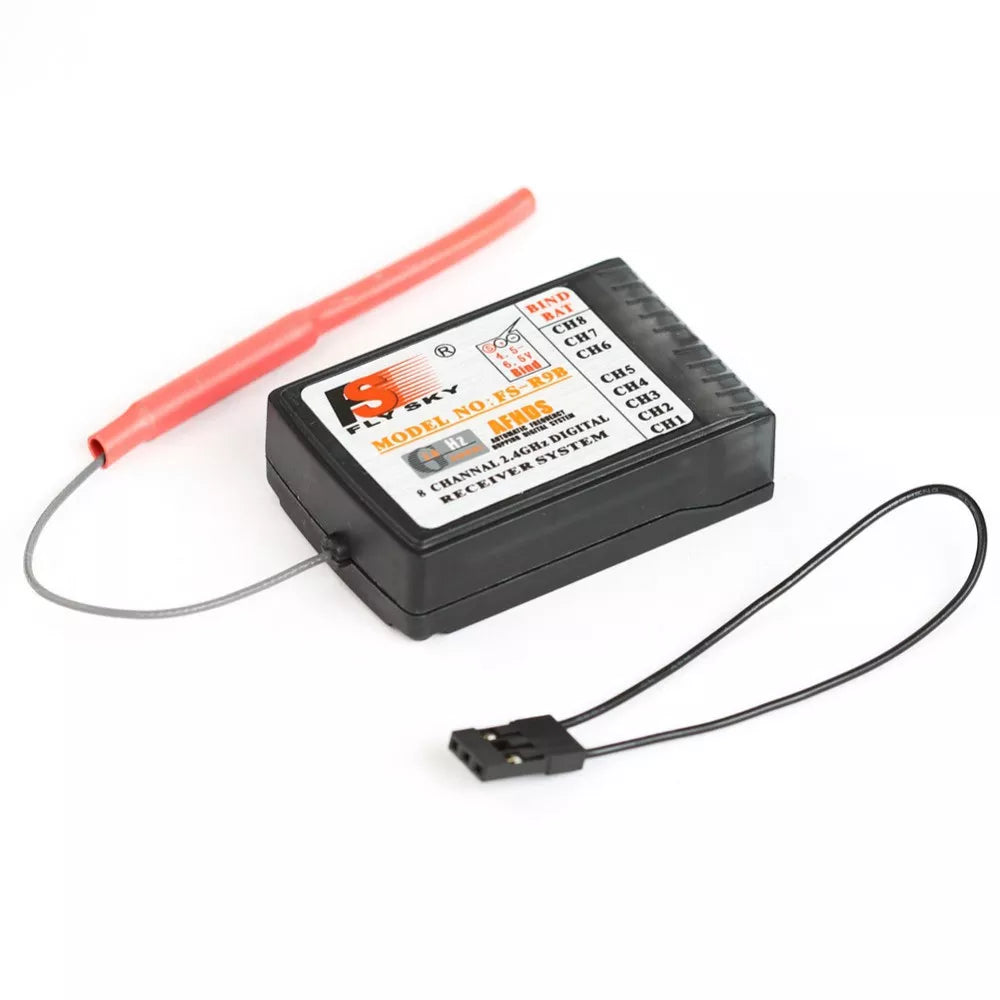
FlySky FS-R9B 2.4g 8CH Receiver – High Precision Receiver For Flysky Turnigy 9X FS-TH9B 9CH Transmitter
Original price was: $99.99.$16.46Current price is: $16.46. - 2.4GHZ Series
Flysky FS-SRM 2.4G ANT Receiver – Data Output With PWM PPM IBUS For FPV Rcing drone Transmitter
Original price was: $99.99.$18.09Current price is: $18.09. - 2.4GHZ Series
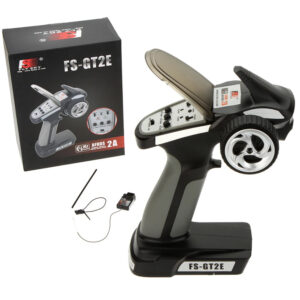
Flysky FS-GT2E AFHDS 2A 2.4g 2CH Radio System TransmitterAdjustable steering dual-rate. for RC Car Boat
Price range: $18.86 through $40.69 - 2.4GHZ Series
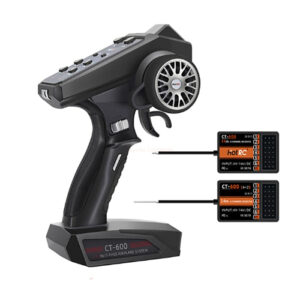
Hotrc Ct400 Ct600 4.5v-9v 4ch 6ch 2.4ghz Fhss Radio Control System Transmitter With Receiver For Rc Car Boat Tank Truck Toy
Price range: $19.85 through $53.64 - 2.4GHZ Series
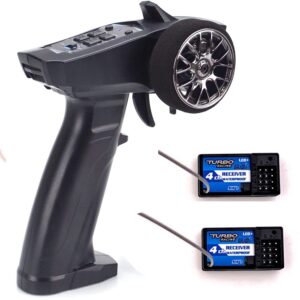
Flyhike 91803G-VT – Turbo Racing Radio Transmitter Remote Controller RC 2.4GHz 4CH Remote Controller with 4CH Receiver for RC Car Boat
Price range: $20.05 through $45.12 - 2.4GHZ Series
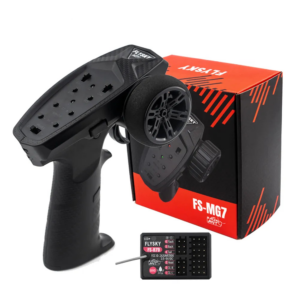
FLYSKY FS-MG7 Transmitter 2.4G 7CH ANT RC Car Boat Remote Controller with FS-R7D Receiver for RC Car Boat DIY Accessories
Price range: $20.98 through $58.74 - 2.4GHZ Series
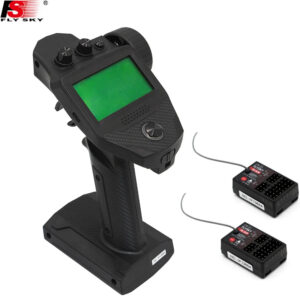
FlySky FS-G7P 2.4G 7CH ANT Protocol Radio Transmitter PWM PPM I-BUS SBUS Output with FS-R7P RC Receiver for RC Car Boat
Price range: $21.71 through $114.20 - 2.4GHZ Series
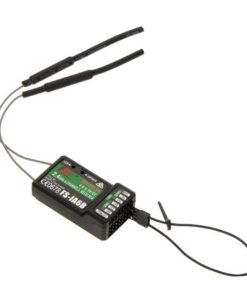
FLYSKY IA6B Receiver – 2.4G 6CH PPM Output with IBus Port Receiver for FLYSKY FS-i6 FS-i10 I6X I6S Transmitter RC Drone Airplane Helicopter FPV Remote Controller
Price range: $24.46 through $138.99 - 2.4GHZ Series
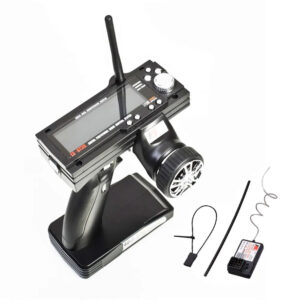
Flysky FS GT3B FS-GT3B 2.4G 3ch RC System Gun remote control transmitter & receiver For RC Car RC Boat
Price range: $24.64 through $48.10 - 2.4GHZ Series
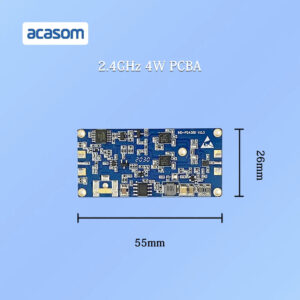
2.4GHz 4W Wifi Wireless Broadband Amplifier Router 2.4Ghz Power Range Signal Booster ZigBee Module
Price range: $30.43 through $60.87

 English
  Russian
  German
  Arabic