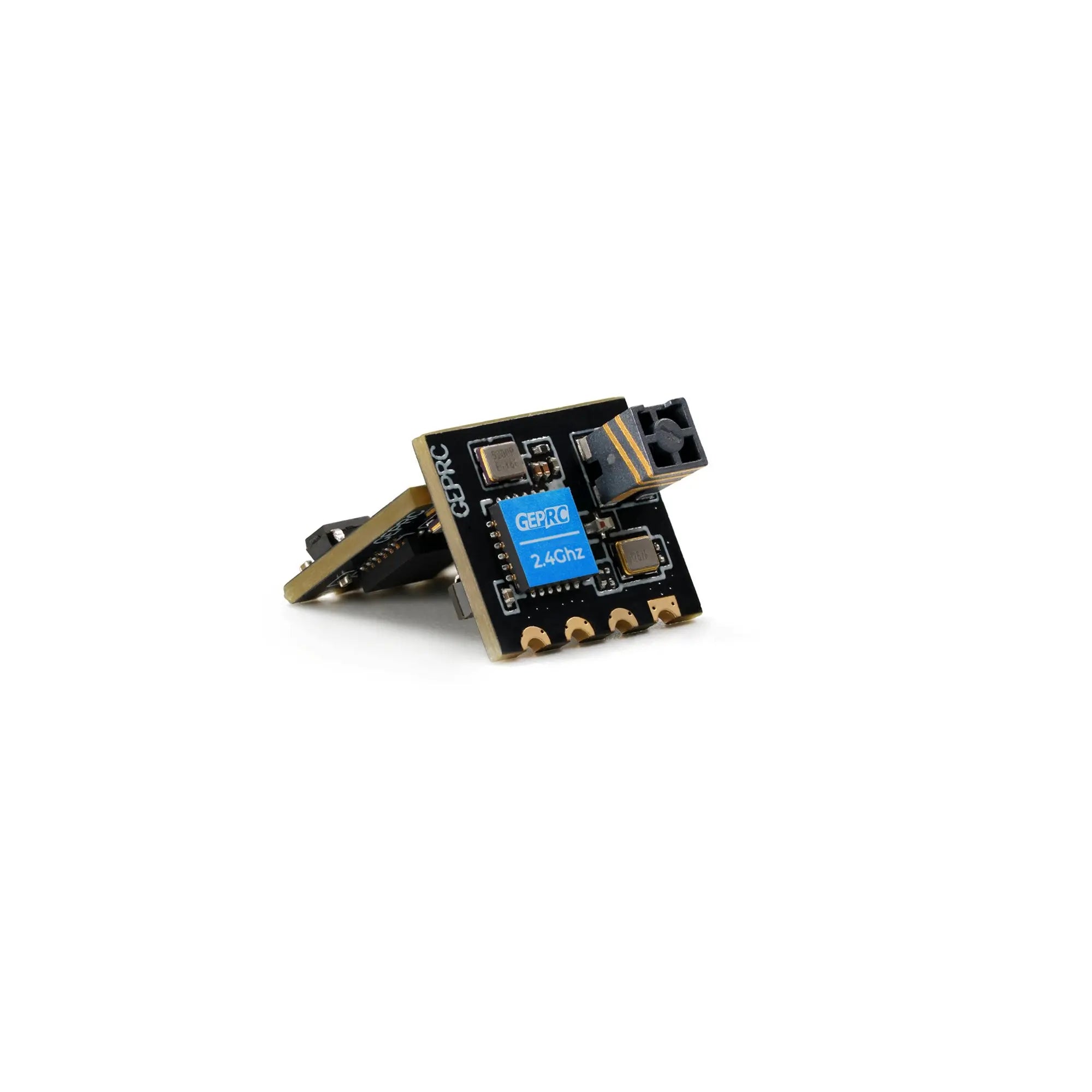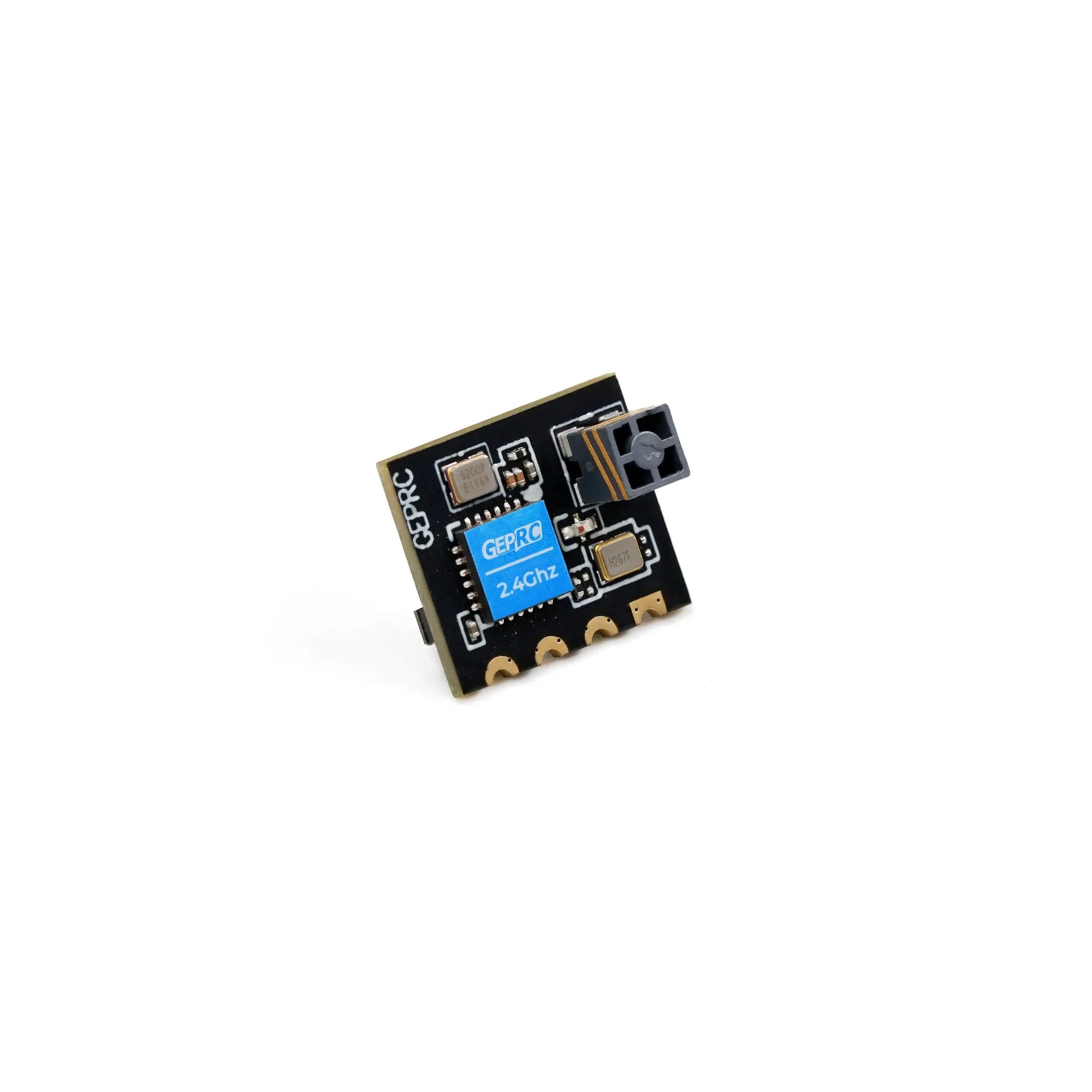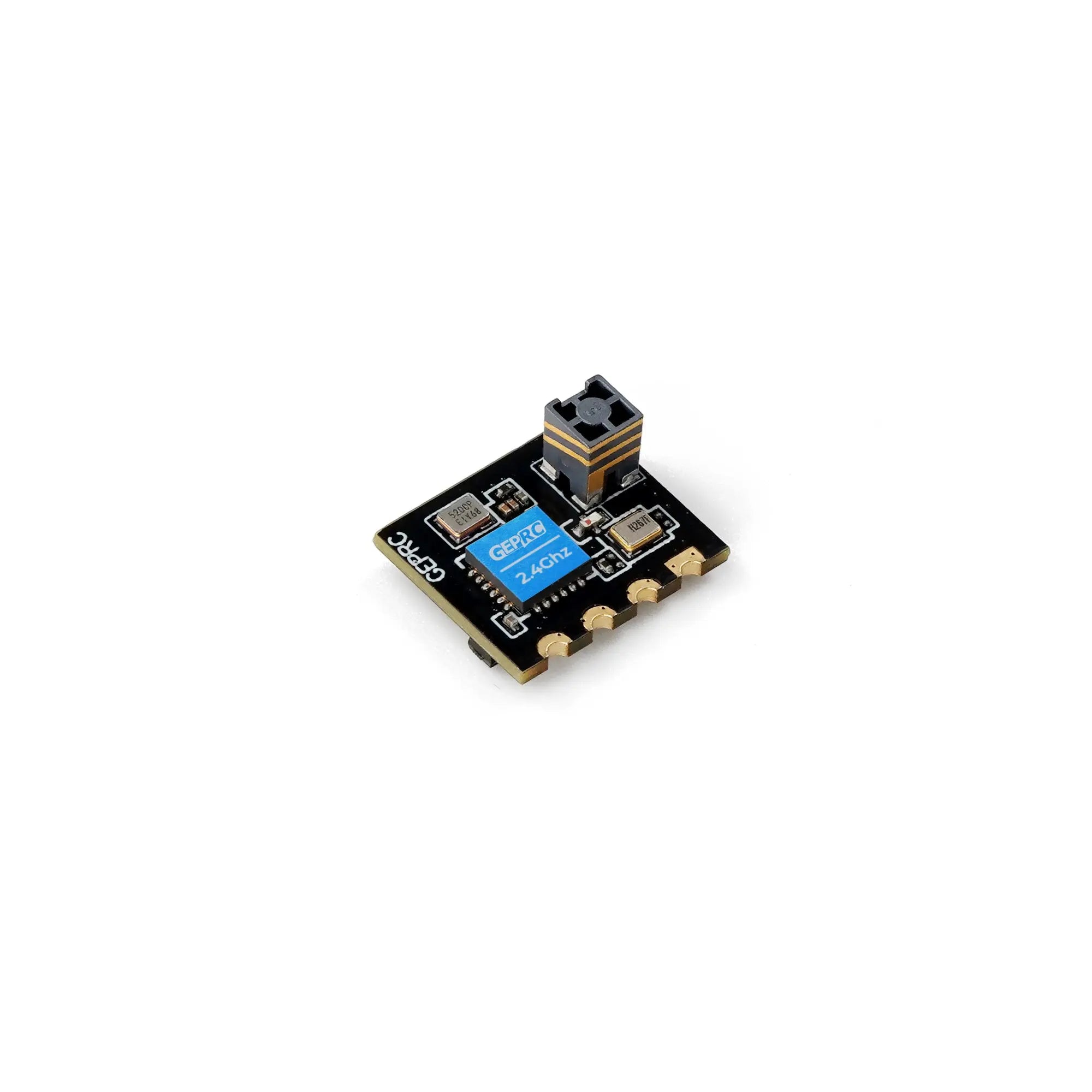
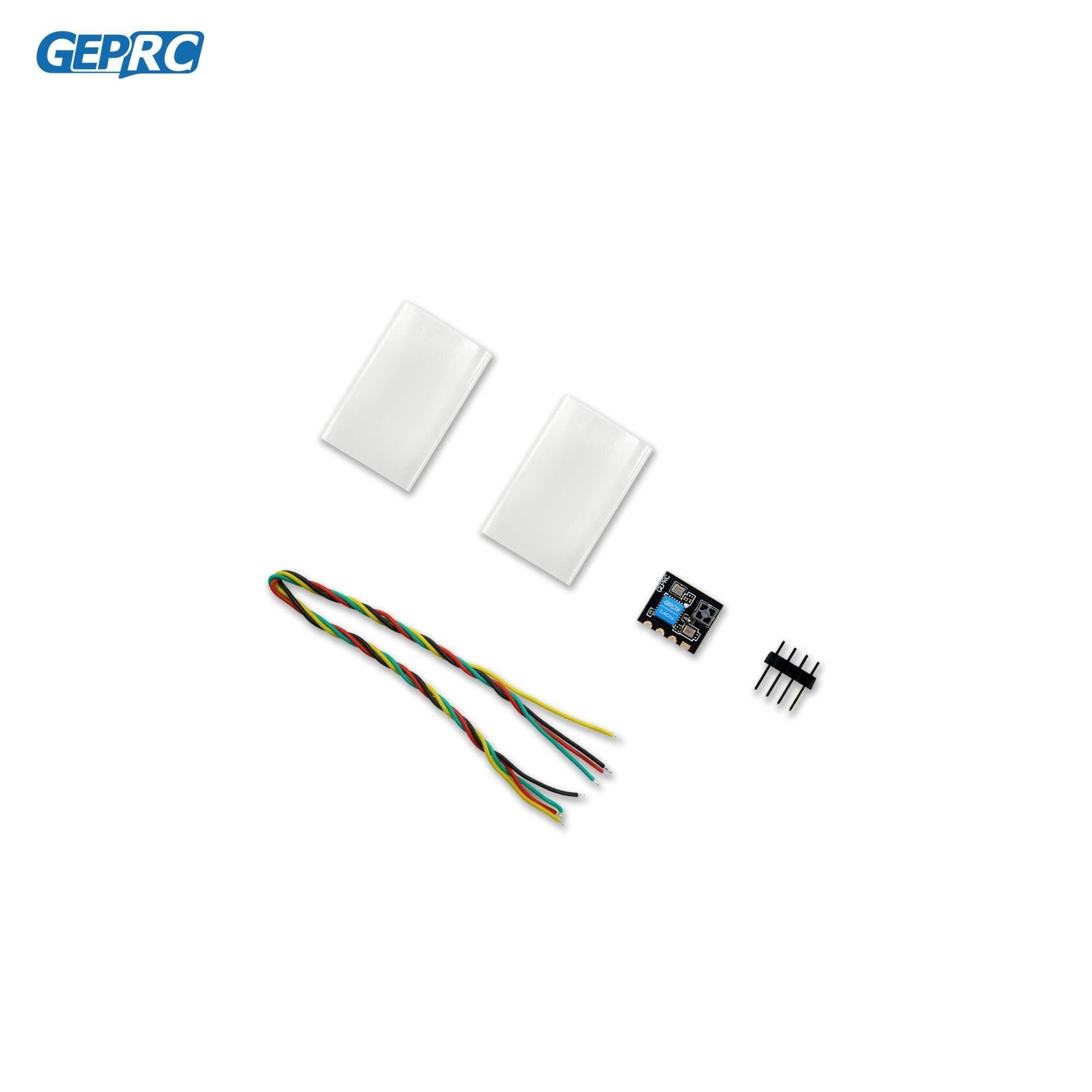

The GEPRC ELRS NanoSE Receiver ExpressLRS NANOSE Open-Source 2.4G LongRange Suiable For DIY RC FPV Quadcopter Freestyle Drone is a drone product in the Drone Transmitter & Receiver category priced at $31.59.

,

GEPRC ELRS NanoSE Receiver ExpressLRS NANOSE Open-Source 2.4G LongRange Suiable For DIY RC FPV Quadcopter Freestyle Drone

$31.59

+ Free Shipping
- +

Regional payment methods

Payssion regional payment methods
Ask for more info

Best Use Cases

  • Suitable for use on drones with limited space and light weight.

Compared to Alternatives

Compared to 3 alternatives in the Drone Transmitter & Receiver category, the GEPRC ELRS NanoSE Receiver ExpressLRS NANOSE Open-Source 2.4G LongRange Suiable For DIY RC FPV Quadcopter Freestyle Drone is $31.59.

How to choose Drone Transmitter & Receiver

2.4GHz traditionalBest penetration and range, the classic choice for RC planes and helicopters
ELRS / ExpressLRSVery low latency with a very wide protocol family - the modern default for FPV
Cross-country radioLong range with telemetry, for fixed-wing and long-endurance craft
Trainer radioTwo-channel basics for learning to fly a plane

Compatibility checklist before you buy

  • Binding: A transmitter and receiver must speak the same protocol and the same sub-protocol version to bind
  • Failsafe: The radio protocol and the FC failsafe setting have to agree - mismatches are a common cause of a flyaway
  • Channel map: Airmode and arming switches are channel assignments; they must be configured on both ends
  • Voltage: The receiver input voltage has to match the flight controller rail
  • Antenna: A diversity receiver needs both antennas connected, and a proper antenna rather than a bare connector

What pilots and builders report in the field

  • Beginner thread on choosing a transmitter and receiver pair for drones, where binding and protocol compatibility between the two units is the main practical question.

    www.eevblog.com
  • Build record for a 2.4GHz 24-channel ACCESS radio used with FPV and RC aircraft, illustrating the multi-channel ACCESS family as a common choice for both platforms.

    rotorbuilds.com

Frequently asked questions

What is GEPRC ELRS NanoSE Receiver ExpressLRS NANOSE Open-Source 2.4G LongRange Suiable For DIY RC FPV Quadcopter Freestyle Drone best used for?

Suitable for use on drones with limited space and light weight.

How much does GEPRC ELRS NanoSE Receiver ExpressLRS NANOSE Open-Source 2.4G LongRange Suiable For DIY RC FPV Quadcopter Freestyle Drone cost in the Drone Transmitter & Receiver category?

GEPRC ELRS NanoSE Receiver ExpressLRS NANOSE Open-Source 2.4G LongRange Suiable For DIY RC FPV Quadcopter Freestyle Drone is available at priced at $31.59 on 100drone.com.

How do I bind a transmitter to a receiver?

Put the receiver into bind mode - usually by holding a button on it or via a configuration setting - then start the bind procedure on the transmitter. The exact sequence depends on the protocol, and it must be the same protocol on both ends. A receiver with no antenna fitted will not bind, which is a common first-attempt failure.

What is the difference between 2.4GHz and 5.8GHz for a drone radio?

The 2.4GHz band is the radio control link, and 5.8GHz is the video link - they are separate systems. 2.4GHz radio control is used because it penetrates better and travels further, while 5.8GHz carries much more picture data but is more easily blocked. On FPV craft you will have both.

What does "failsafe" do and why does my drone fly away?

Failsafe is what the flight controller does when the radio link is lost - typically cutting throttle or returning to a set point. A flyaway usually means the failsafe was not configured for the radio protocol in use, or the receiver lost power. Configure failsafe deliberately and test it by turning the transmitter off before flying over anything valuable.

SPECIFICATIONS

Wheelbase: Screws

Use: Vehicles & Remote Control Toys

Upgrade Parts/Accessories: Adapter

Tool Supplies: Assembly Category

Size: 1 inch

Remote Control Peripherals/Devices: Receivers

Recommend Age: 14+y

Recommend Age: 12+y

RC Parts & Accs: Transmitters

Quantity: 1 pcs

Origin: Mainland China

Model Number: GEPRC ELRS NanoSE Receiver

Material: Metal

Four-wheel Drive Attributes: Assemblage

For Vehicle Type: Helicopters

Certification: FCC

Certification: WEEE

Certification: RoHS

Certification: CE

Brand Name: GEPRC
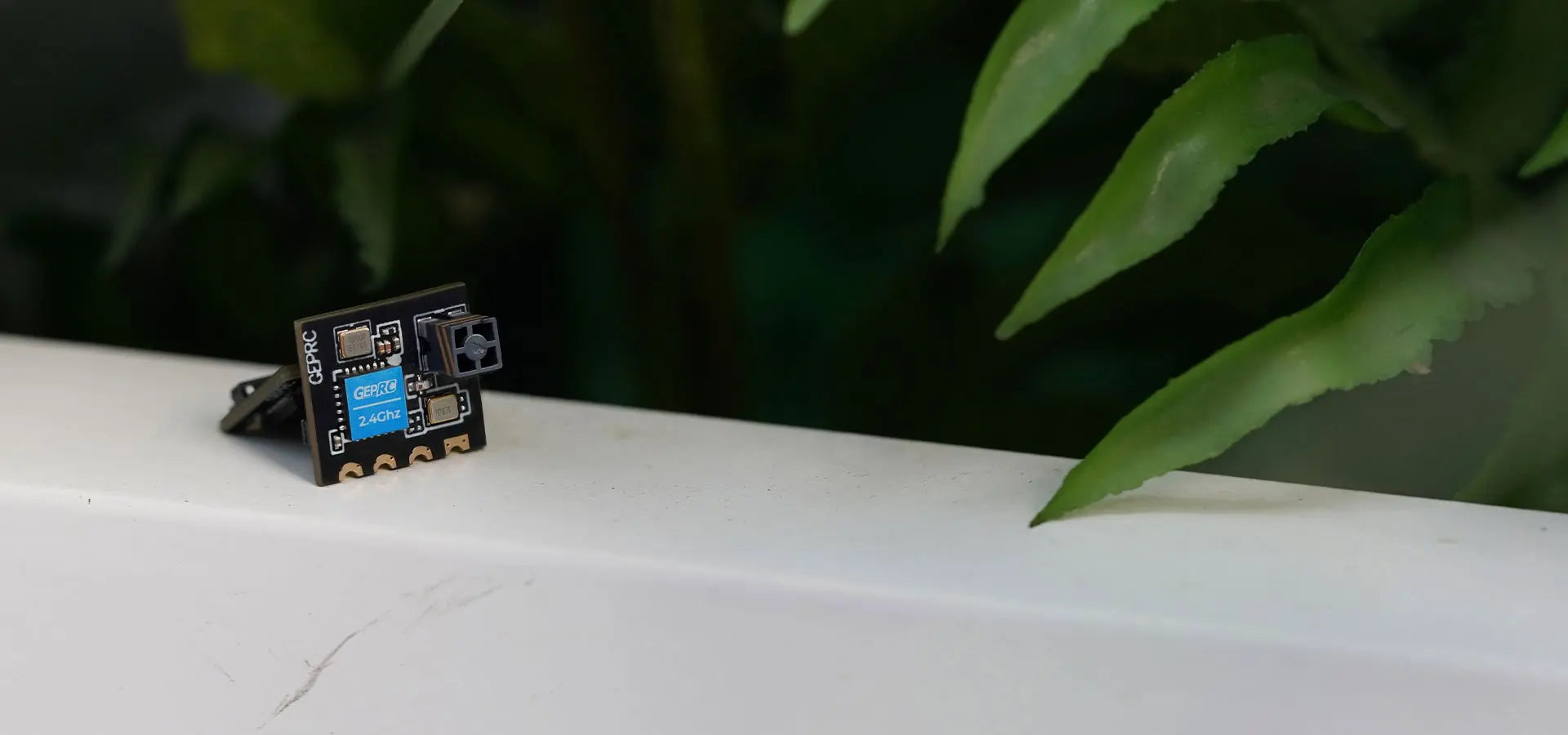
GEPRC ELRS NanoSE Receiver, the subsequent launch of flight control will solve this problem

Summary

GEPRC ELRS NanoSE receiver is a new generation remote control system developed based on the ExpressLRS open source project. ExpressLRS sets new standartds for long-range connection, low latency and Maximum refresh rate of 500Hz.

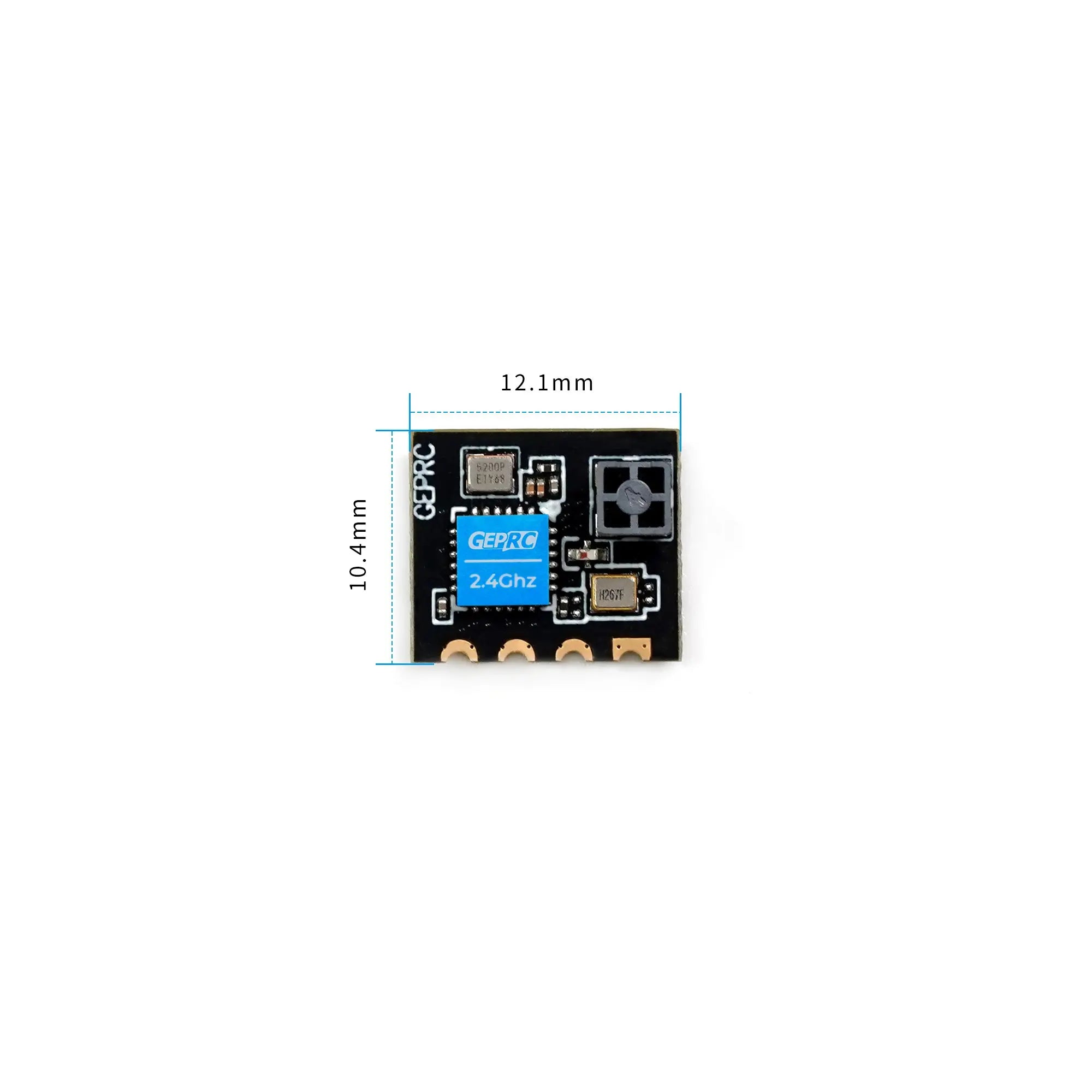
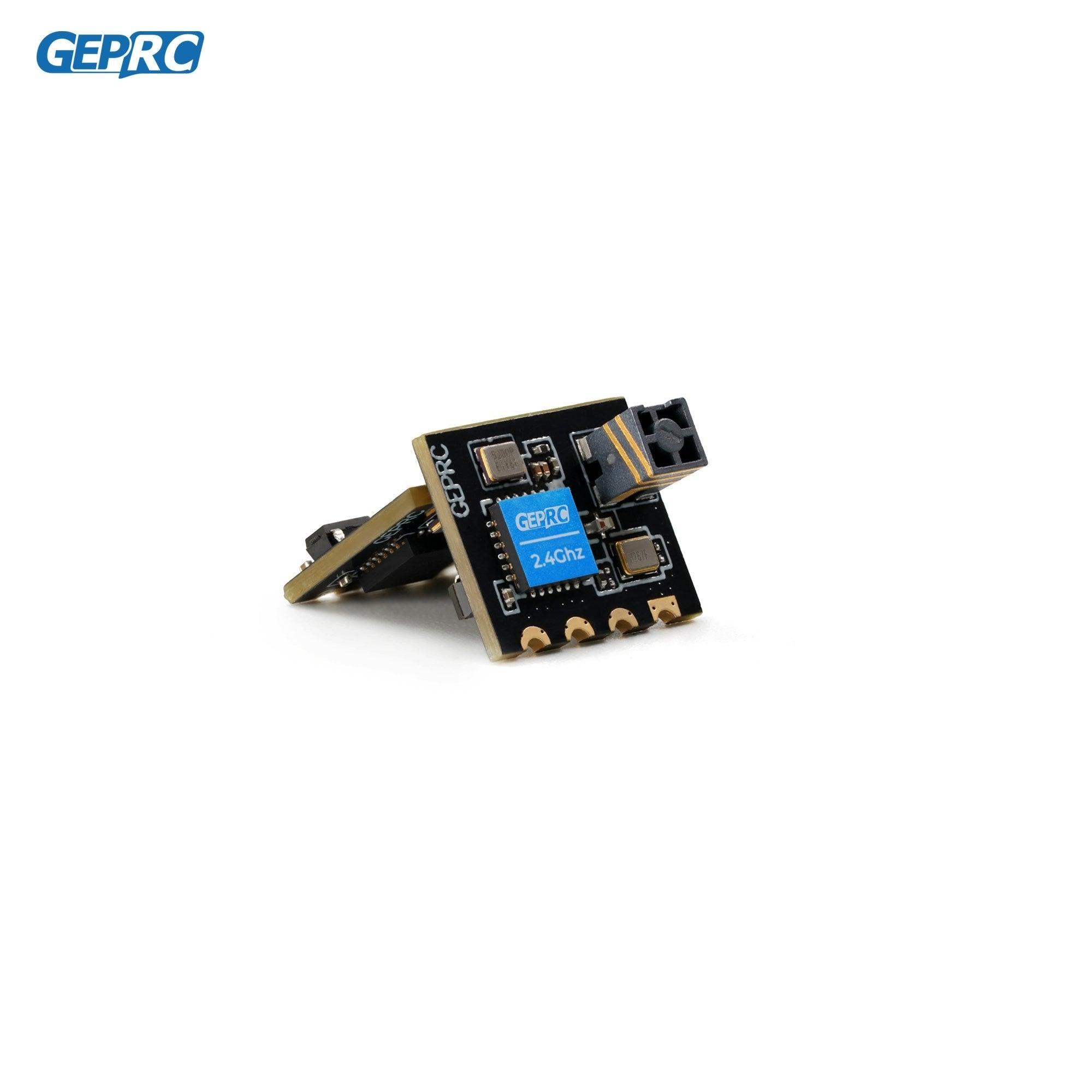
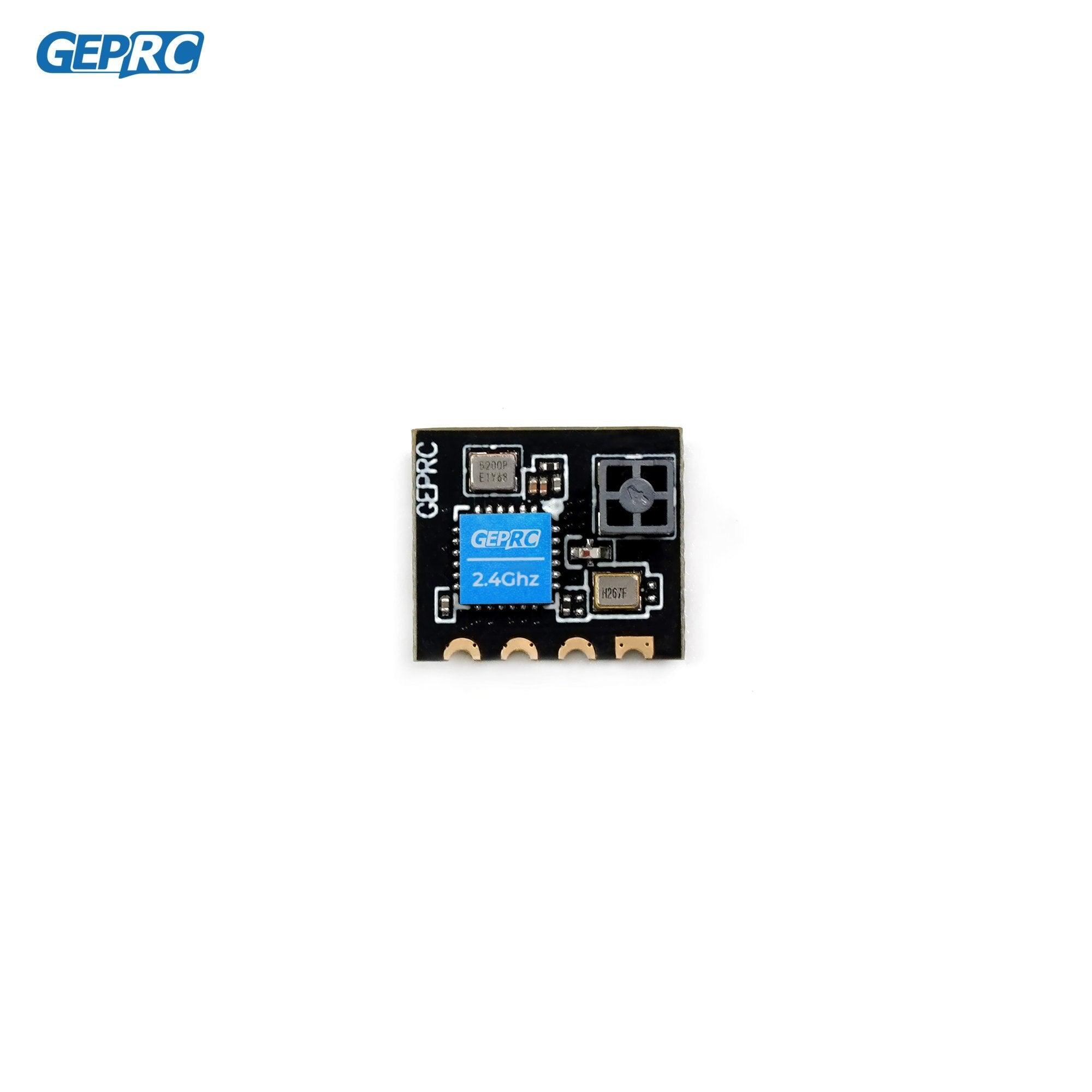
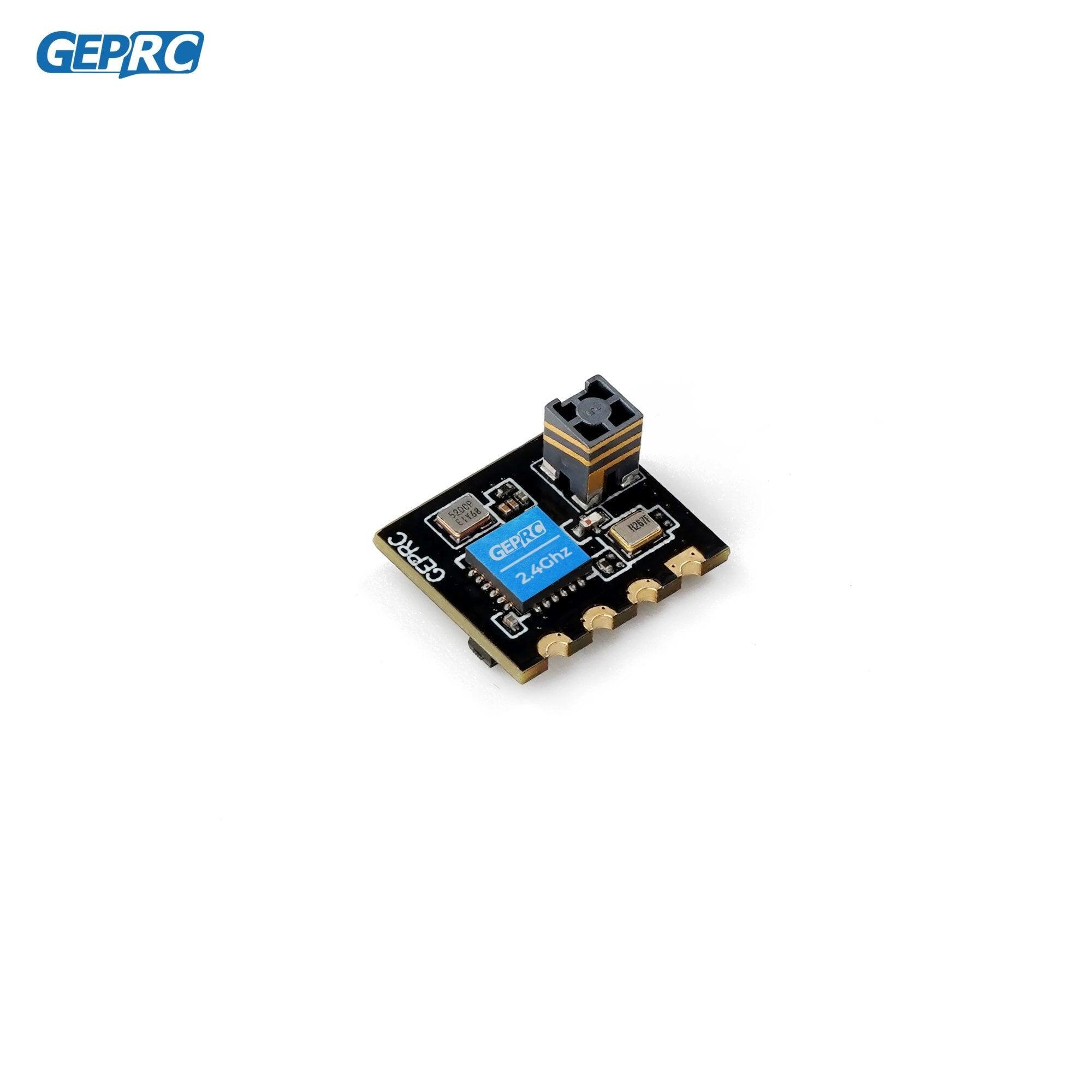
GEPRC ELRS NanoSE receiver operates at a frequency of 2.4 GHz. Compared with Nano receiver, NanoSE receiver uses an Integrated SMD ceramic antenna, which further reduces its size while ensuring signal reception, making it more suitable for use on drones with limited space and light weight.

Note:ELRS products now shipping have been pre-flashed with 2.x firmware. 2.x is not compatible with version 1.x, so you need to upgrade the transmitter to 2.x for proper frequency matching.

Specifications

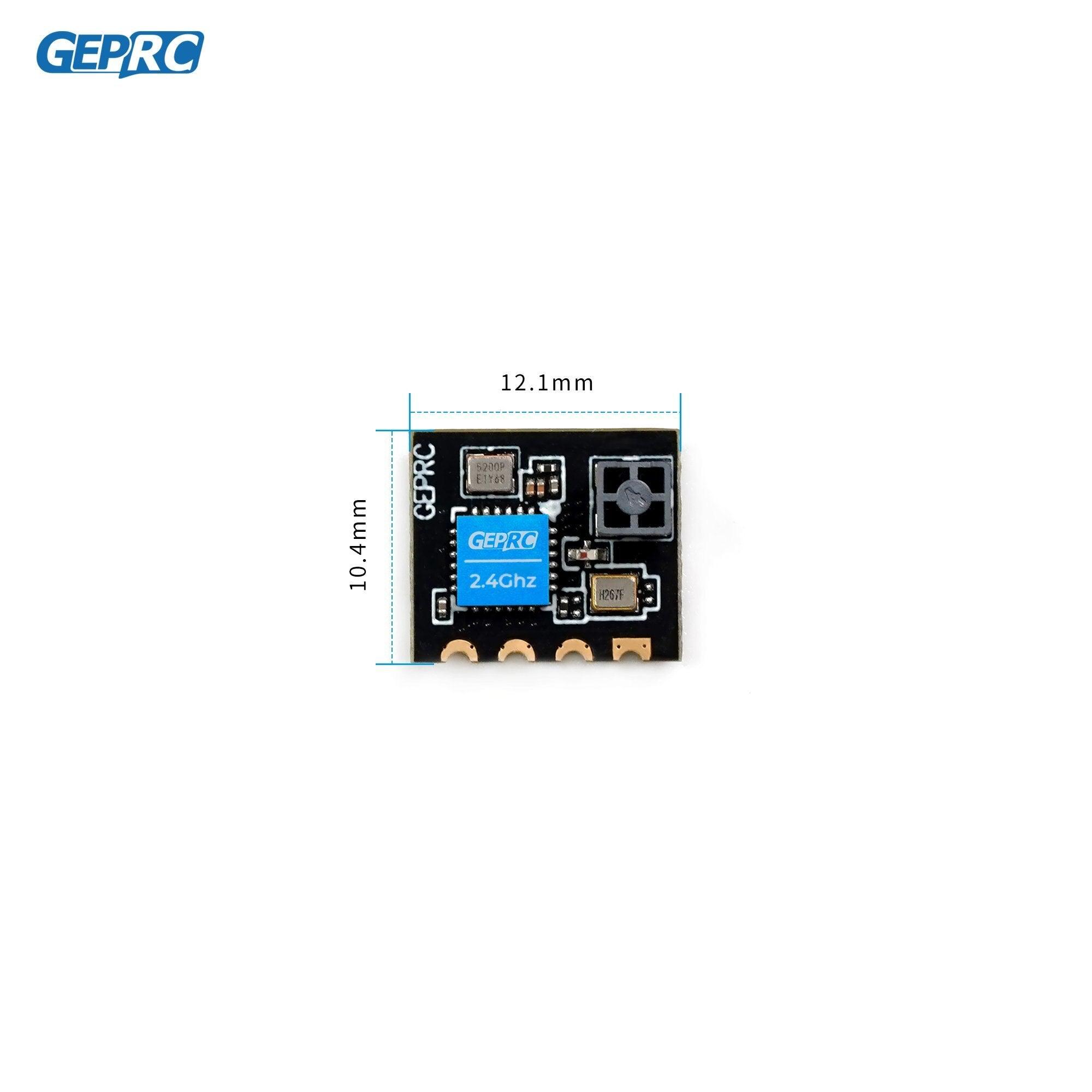
Size:12.1mm*10.4mm
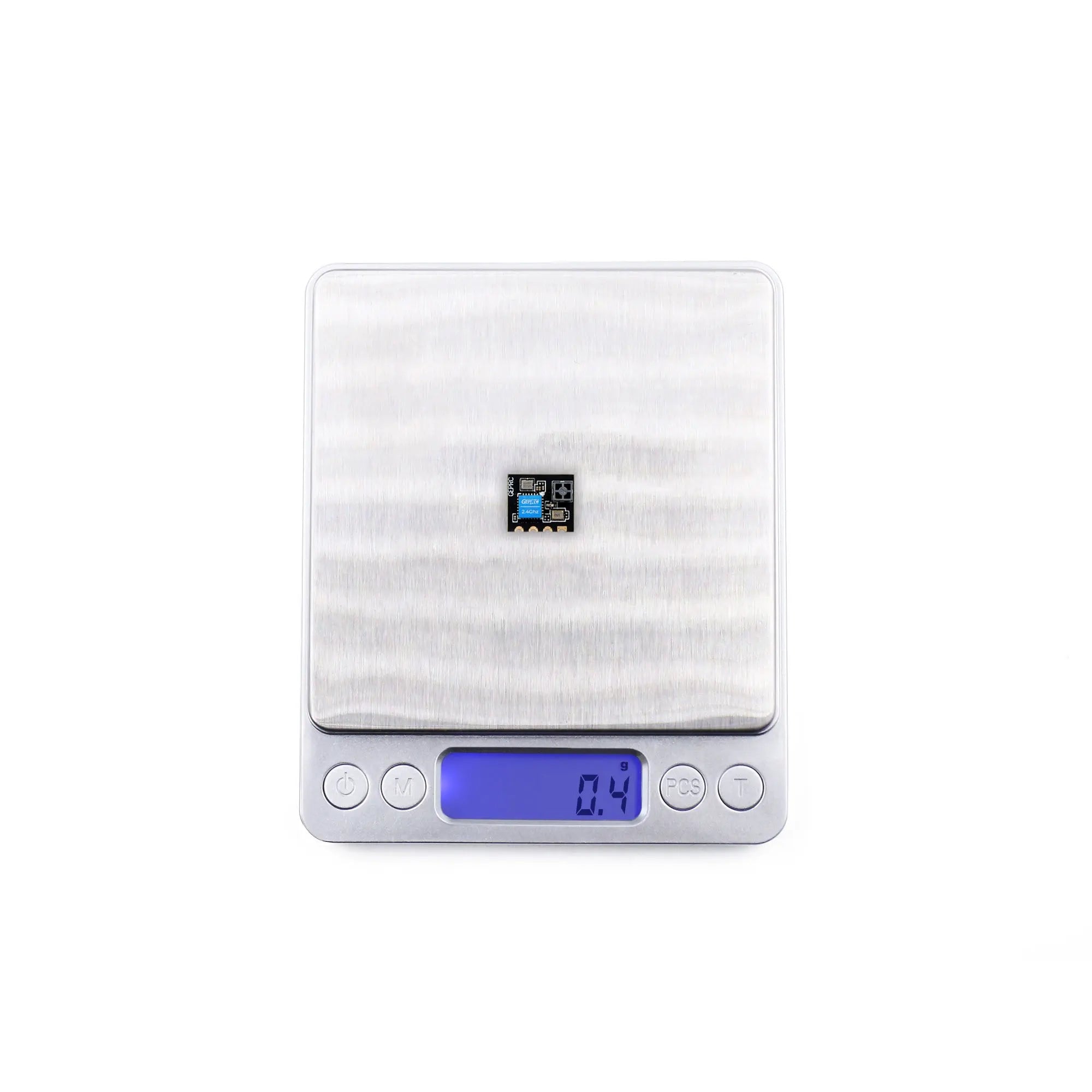
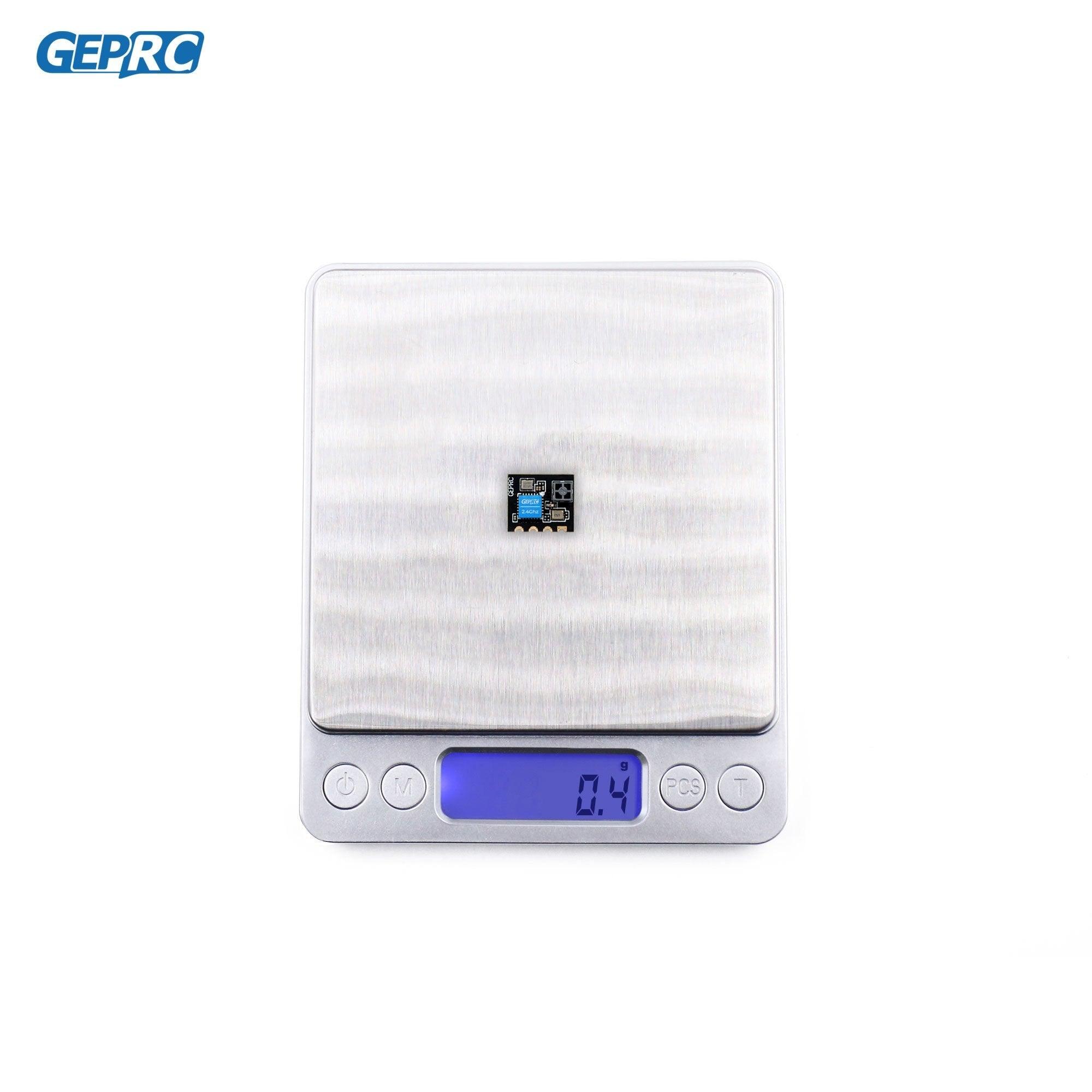
Weight:0.4g
Chips:ESP8285,SX1281
Frequency band:2.4GHz ISM
Refresh rate:25Hz-500Hz
Input voltage:5V
Antenna:Integrated SMD Ceramic Antenna

Features:

Small size
0.4g weight
WIFI Upgrade firmware
ELRS open source project, remote control
Integrated SMD Ceramic Antenna
Maximum refresh rate of 500Hz
The operation is simple

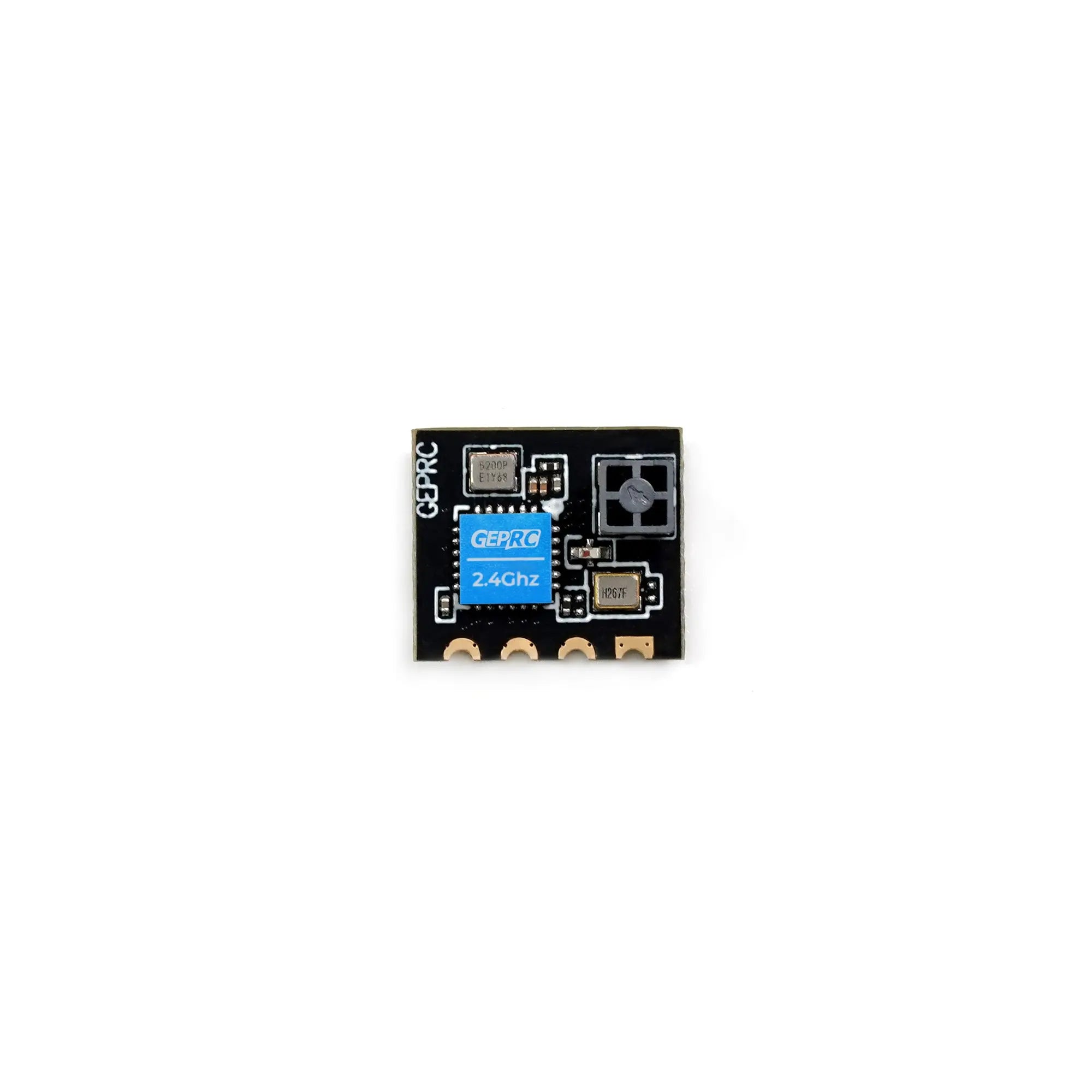
ELRS NanoSE Receiver Diagram
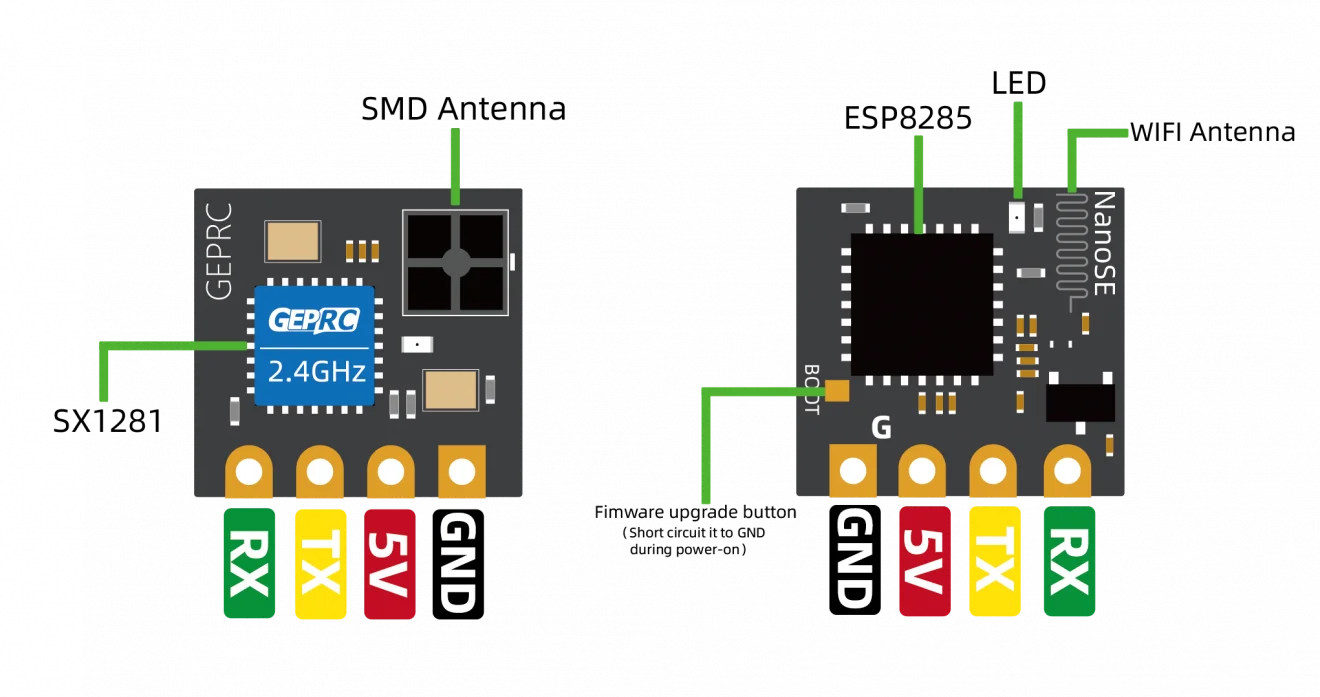
GEPRC ELRS NanoSE Receiver, GEPRC ELRS NanoSE receiver operates at a frequency of 2.4 GHz

Package Included:

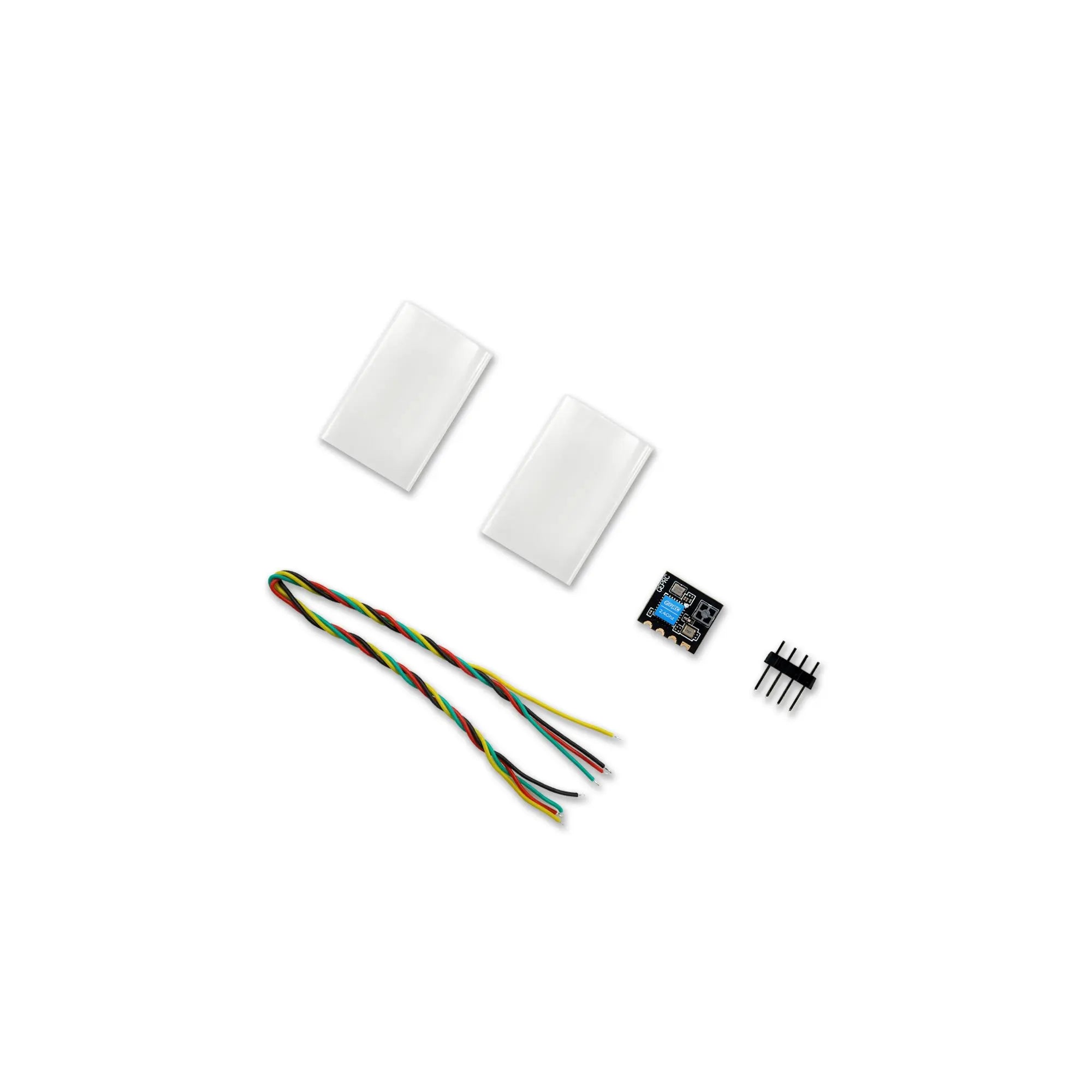
1 x NanoSE receiver
2 x Heat shrink tube
4 x Silicone cable(black, red, yellow, green)
1 x Pin (4pin)
1 x Instruction manual
1 x Sticker


LED Status indication
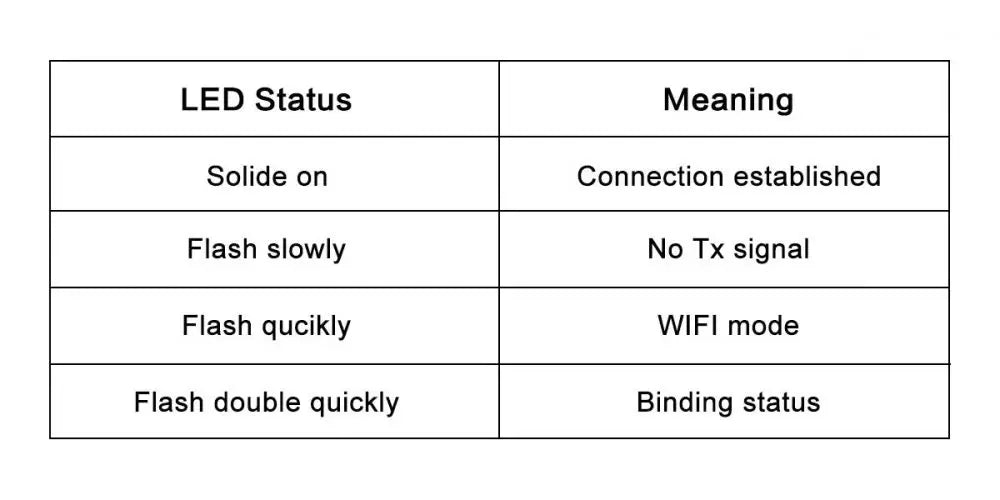
GEPRC ELRS NanoSE Receiver, LED Status Meaning Solide on Connection established Flash slowly No Tx signal Flash qucik

LED Status Indicator Meaning: Solid ON – Indicates connection established, Flashing Slowly – No TX signal detected, Flashing Quickly – In WiFi mode, Flashing Double Quickly – Binding in progress.

Instructions

ELRS NanoSE receiver and FC connection diagram:
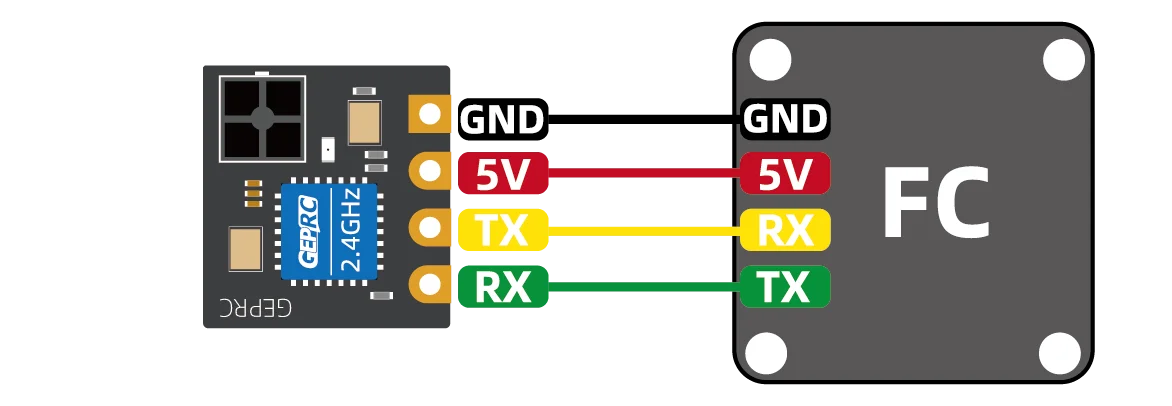
GEPRC ELRS NanoSE Receiver, Note:ELRS products now shipping have been pre-flashed with 2.x firmware

Open Betaflight Configurator, go to “Ports”tab and enable the corresponding UART as a Serial Rx (e.g. UART2 as shown below). Save and restart.
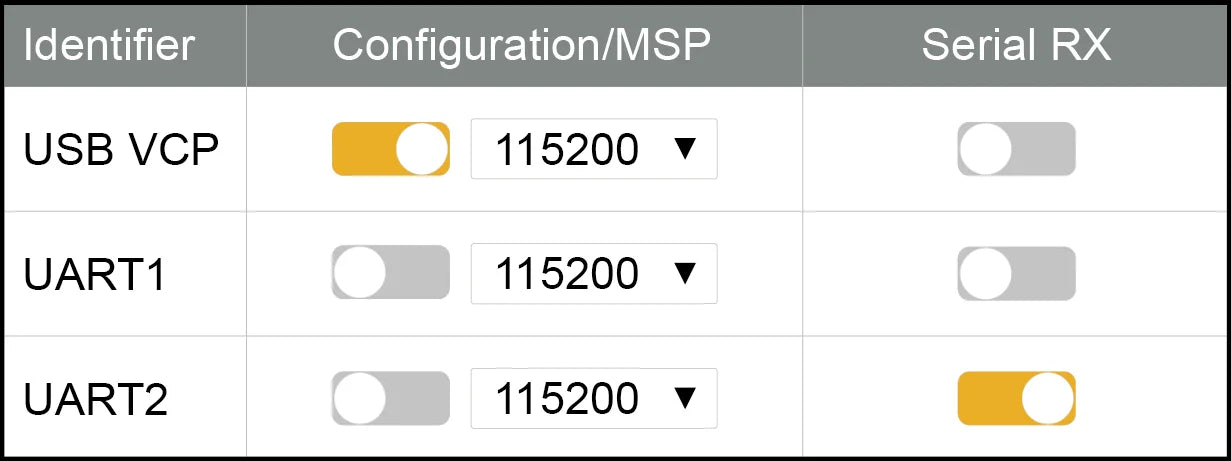
GEPRC ELRS NanoSE Receiver, Identifier Configuration/MSP Serial RX USB VCP 115200 UART

On the”Configuration”tab, click on”Serial-based receiver”on the”Receiver”panel, and select “CRSF”
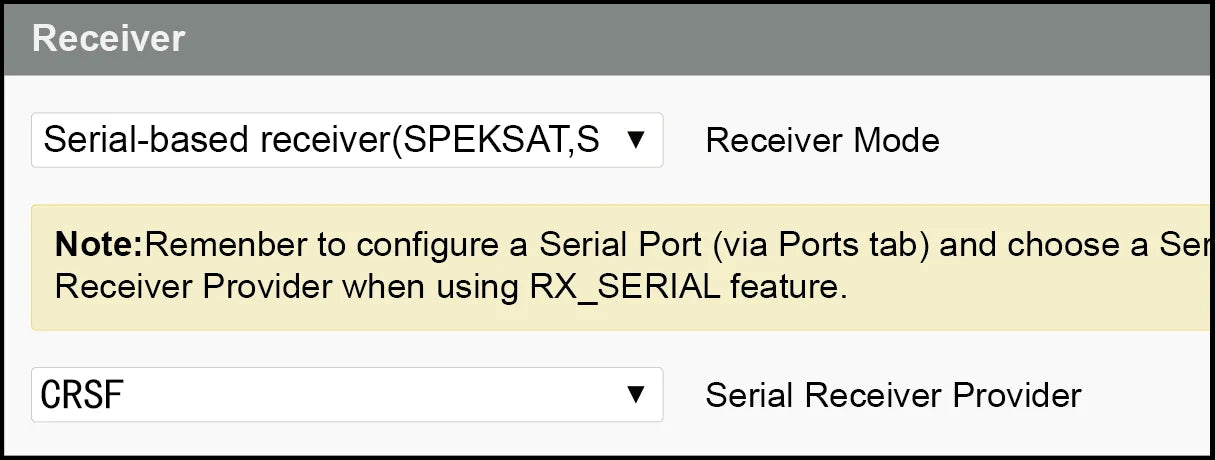
GEPRC ELRS NanoSE Receiver, configure a serial port (via Ports tab) and choose a Ser Receiver Provide

Configure a serial port via the ‘Ports’ tab, and select a receiver provider when using the RX_Serial feature.

Binding

1. The receiver is powered on and off for three consecutive times (within an interval of 1 second);

2. Receiver’s LED doing double flashing, indicating that the receiver has entered the binding mode;

3. Make the RF Tx module or radio transmitter enter binding status. Once the LED status changes to solid light, the binding is successful.

FAQ

Q:Why GEPRC ELRS rx is always on and can not work when powered it up?

A:Recently, many users have reported that some F4 flight control Uart 2 ports are wired according to the crsf receiver in the manual, and the ELRS receiver is always on and can not work.

After data inquiry and test, it is determined that for the receiver with ESP chip, if the TX interface is placed at low Vil Mode,

This is not a bug in the firmware.

This problem is well known that some FCs cause the receiver TX line to go low at power on which forces the ESP into bootloader mode, hence the solid LED.

This is not a failure of the flight control or the receiver, but the ELRS project was not popular during the development of this part of the flight control models, and this problem was not optimized. The chips of ELRS and black sheep receiver are different, so the same crsf connection black sheep receiver can be used normally. The subsequent launch of flight control will solve this problem.

There are a couple of potential fixes/workarounds.

In addition, if there is a need for this part of flight control to use ELRS receiver, try the following methods:

1. Power on repeatedly for several times (low efficiency)

2. Remove some components on the flight control (high risk)

3. Add a pull-up resistor to port 2 (reply from the developer)
You can try is to add a small value (300ohm-1kohm) pull up resistor (to 3.3V) to the receiver TX line.

4. Change the version of flight control firmware (this problem occurs in some firmware of version 4.2)

5. ELRS receiver is connected to port 1, which can be used normally (Troubleshooting perfectly)

More details please check the link below:
https://github.com/ExpressLRS/ExpressLRS/issues/655

GEPRC ELRS NanoSE Receiver, 62Q0P g E7y68 GEPRC 2.4GhzGEPRC ELRS NanoSE Receiver, some FCs cause receiver TX line to go low at power on forcing ESP into bootGEPRC ELRS NanoSE Receiver, problem occurs in some firmware of version 4.2) 5.GEPRC ELRS NanoSE Receiver, Nano receiver uses an Integrated SMD ceramic antenna, which further reduces its size .GEPRC ELRS NanoSE Receiver, GEPRC ELRS NanoSE ReceiveGEPRC ELRS NanoSE Receiver, on the"Configuration"tab, click on"Serial-based receiver" onGEPRC ELRS NanoSE Receiver, the chips of ELRS and black sheep receiver are different . the same crsf

Shopping Cart
GEPRC ELRS NanoSE Receiver ExpressLRS NANOSE Open-Source 2.4G LongRange Suiable For DIY RC FPV Quadcopter Freestyle DroneGEPRC ELRS NanoSE Receiver ExpressLRS NANOSE Open-Source 2.4G LongRange Suiable For DIY RC FPV Quadcopter Freestyle Drone
$31.59
- +