Drone Remote Controls
Precision Mastery: High-Performance Drone Remote Controls for Every PilotFor every pilot, the drone remote controller (RC) is the critical link to mastering flights, capturing cinematic shots, and navigating with surgical precision. Whether you are looking for a remote control drone with camera for professional photography or a high-latency FPV transmitter, the right hardware ensures your aircraft stays responsive and safe, even at the edge of its signal range.
Remote Control Compatibility Matrix
Before purchasing, it is vital to ensure your transmitter protocol matches your aircraft. Use the table below to find the right fit for your setup.
Controller Type
Primary Protocol
Best For
Typical Range
DJI RC-N3 / RC 2
OcuSync 4.0
DJI Mini 4 Pro, Air 3, Neo
10km – 20km
Radiomaster (ELRS)
ExpressLRS
FPV Racing & Long Range
30km+
TBS Tango 2
Crossfire
Professional Cinewhoops
40km+
Standard 2.4GHz
AFHDS / FHSS
Entry-level remote controlled drones
500m – 2km
Step-by-Step Setup: Linking Your Remote Control for a Drone
Getting your drone controller remote synced correctly is the difference between a successful maiden flight and a “flyaway.” Follow these engineering-approved steps:
Firmware Synchronization: Ensure both the drone and the remote are running compatible firmware versions. For DJI units, use the DJI Assistant 2 software; for OpenTX/EdgeTX remotes, check for the latest SD card contents.
Power & Voltage: Always check your Transmitter Batteries before a long-range session. Low voltage can cause sudden signal drops.
Binding Procedure: Put your aircraft into bind mode (usually by holding the power button) and trigger the “Bind” command on your remote. Ensure your Radio Receivers are flashing the correct status LED.
Calibration: In your control settings, calibrate the gimbals to ensure the center point is 1500us and the endpoints reach 1000-2000us.
Real-World Troubleshooting: Solving Common Pilot Pain Points
Based on community feedback and Reddit diagnostic data, here are the most common issues pilots face with their remote drone control setups:
Unexpected Shutdowns: If your controller shuts off mid-flight, as seen with some Mini 4 Pro units, it is often a battery contact issue or a firmware bug. Always check your diagnostic logs and ensure the “Return to Home” (RTH) failsafe is properly configured.
Connectivity Drops: “Get a new cable!” is the most common fix for drone remote control camera setups that lose video signal. Inconsistent connections between your phone and the RC-N1/N2 controllers are almost always due to worn-out USB-C or Lightning cables.
Pairing Glitches: If you bought a new drone remote controller, make sure the original controller is fully unpaired. A drone can typically only be bound to one primary transmitter at a time.
Stick Drift: If your remote control plane drone or quad drifts, check your “Scheme #2” settings in the app to ensure your stick inputs haven’t been remapped.
Frequently Asked Questions
Can I control a drone remotely?
Yes. A drone controller remote uses radio frequencies (typically 2.4GHz or 5.8GHz) to transmit signals to the drone, enabling safe and easy flying. Contemporary remote controls are power-efficient, lightweight, and designed for ergonomic comfort during long sessions.
How does remote control work in a drone?
Drone controllers use high-speed sensors and algorithms to translate your physical stick movements into precise digital commands. These signals are sent to the flight controller, which adjusts motor speeds hundreds of times per second to maintain stability.
Can you buy a remote for a drone separately?
Absolutely. Whether you need a replacement for a dji mini 2 se drone with remote control or you are upgrading to a multi-protocol transmitter like the Radiomaster TX16S, we offer a wide range of original drone remote controllers and receivers built for professional use.
Can I use my phone to control a drone?
Many modern remote controlled drone models allow for Wi-Fi connection directly to a mobile app (like DJI Fly). While this is convenient for short-range selfies, a dedicated drone remote control offers significantly better range, tactile feedback, and safety failsafes.
- Betafpv Remote Controller
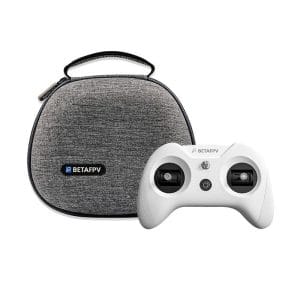
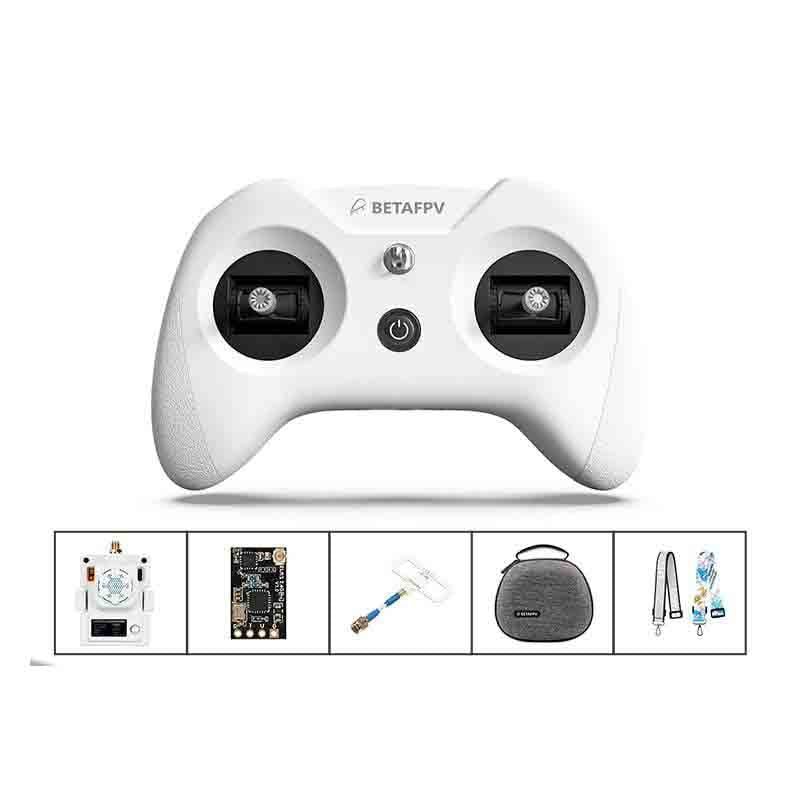
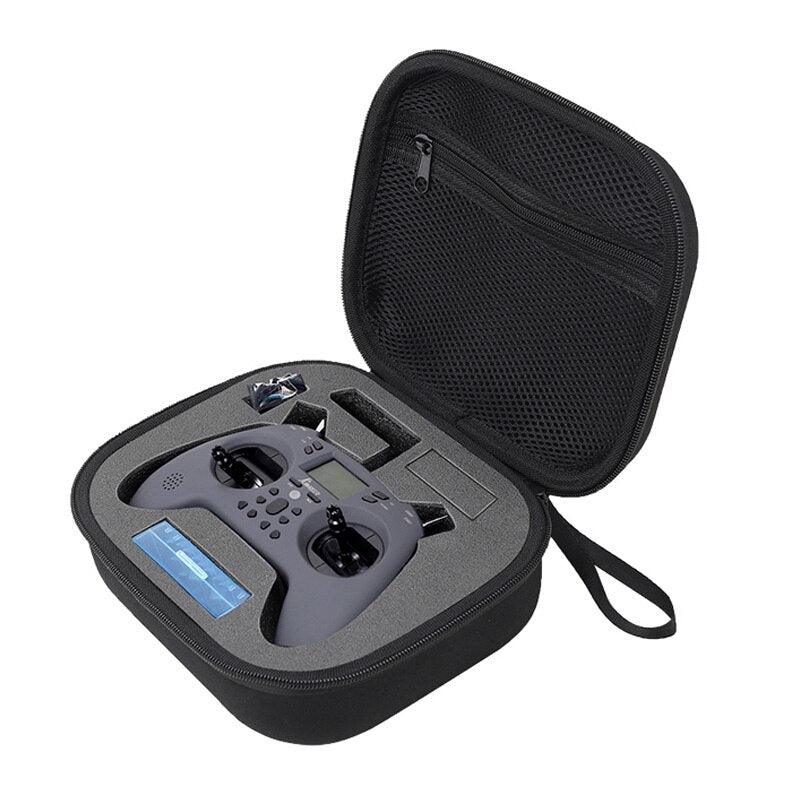
BETAFPV LiteRadio 3 Radio Transmitter Carrying Case Lanyard Belt Parts FPV Drone Remote Controller
Price range: $8.84 through $81.91 - Drone Remote Controls
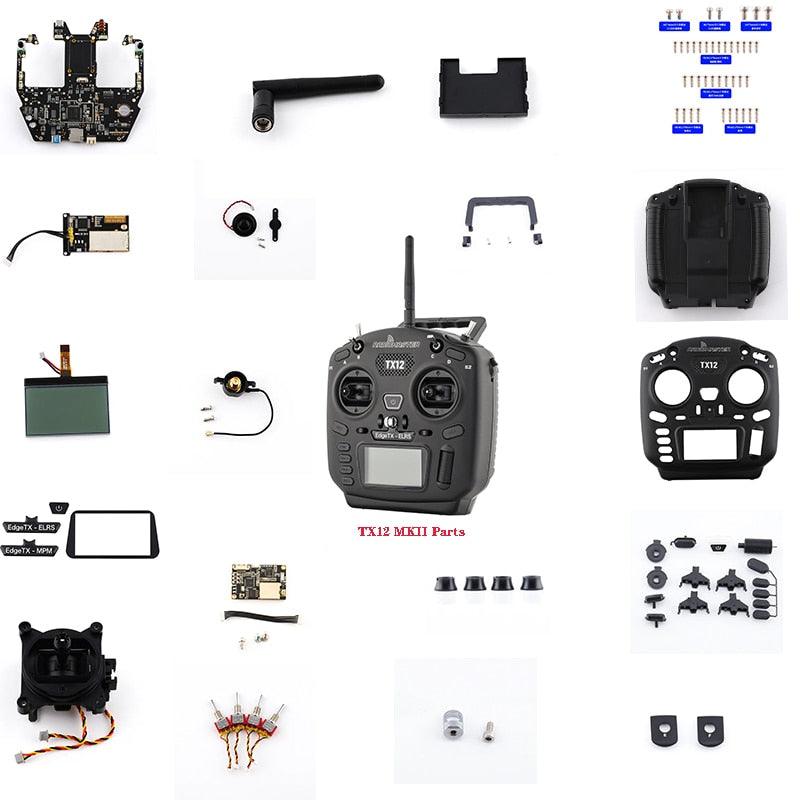
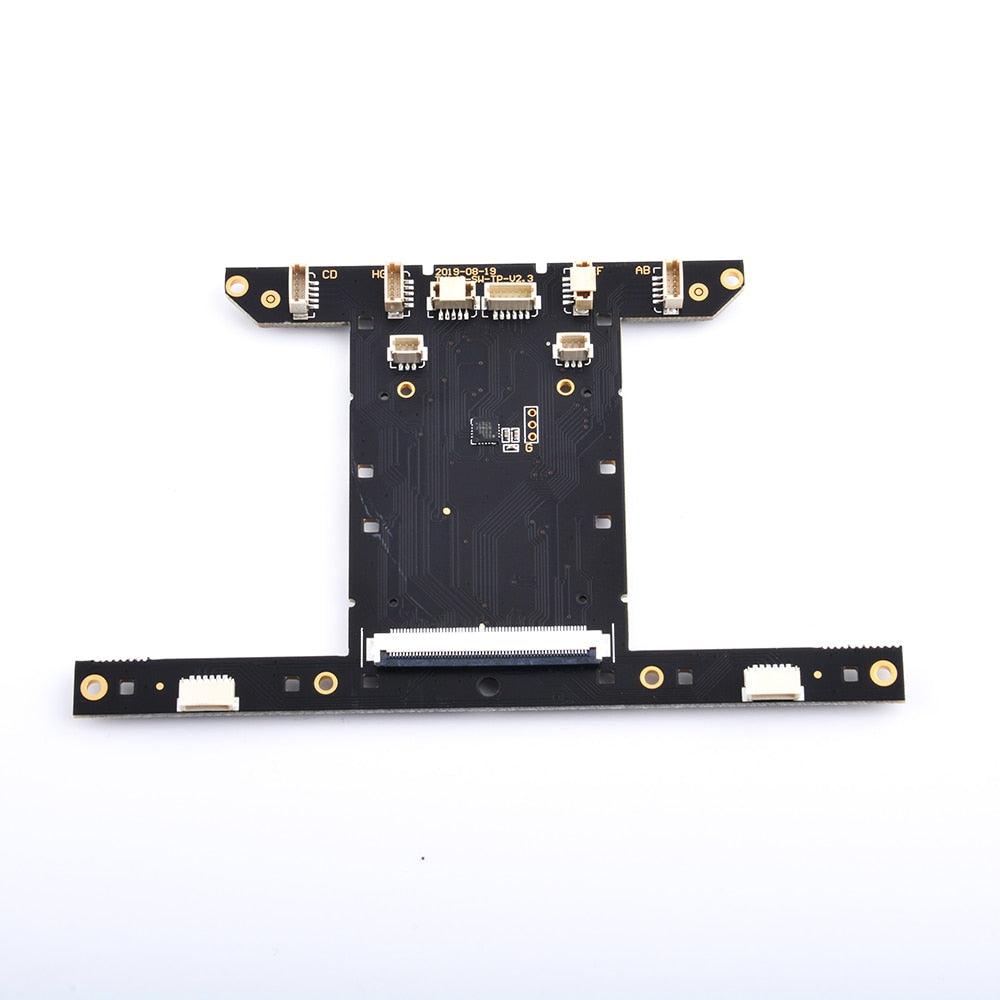
Original RadioMaster TX12MKII Parts Fit for Replacement TX12MKII As Main Board Sensor Gimbals Radio Transmitter
Price range: $9.75 through $80.42 - Drone
Original RadioMaster TX16S Parts Fit For Replacement TX16S Hall TBS Sensor Gimbals 2.4G 12CH Radio Transmitter
Price range: $10.20 through $106.51 - Drone Remote Controls
RadioMaster TX16s Rear Case Speaker Optional Upgrade set For RadioMaster TX16S
Price range: $10.20 through $119.55 - Betafpv Remote Controller
BETAFPV LiteRadio 3/2 SE Radio Transmitter – ExpressLRS Racing Drone Remote Control 8 Channel 2.4G Parts For BETAFPV Cetus PRO FPV
Price range: $11.60 through $84.70 - Drone Remote Controls
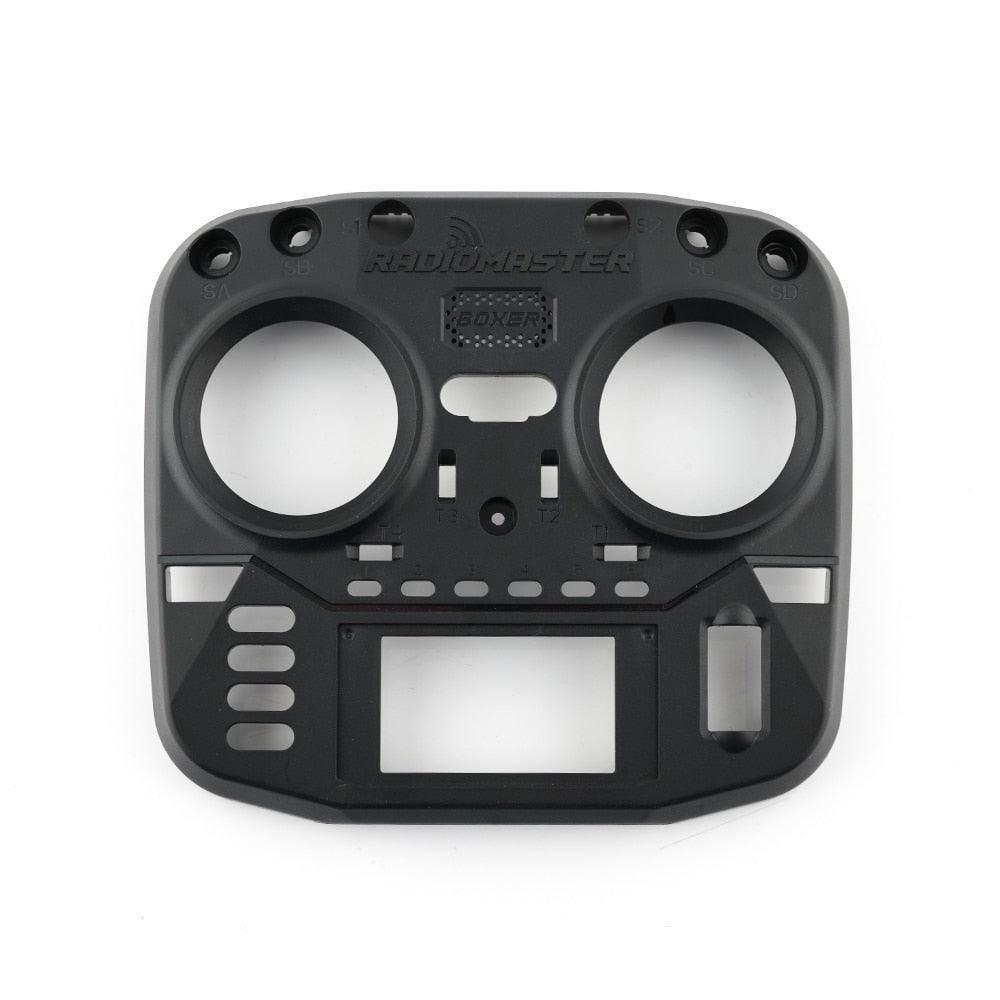
Original Radiomaster Boxer Replacement Parts Accessories for Radiomaster Boxer
Price range: $11.72 through $97.38 - RadioMaster Remote Controller
Original Radiomaster Boxer Replacement Parts Accessories for Radiomaster Boxer
Price range: $11.72 through $97.38 - Drone Remote Controls
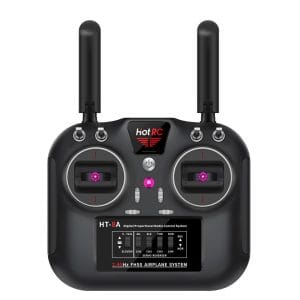
Hotrc HT-8A 2.4G 8CH RC Transmitter FHSS & 8CH Receiver With Box For FPV Drone Rc Airplane Helicopter
Price range: $16.00 through $49.61 - Drone Remote Controls
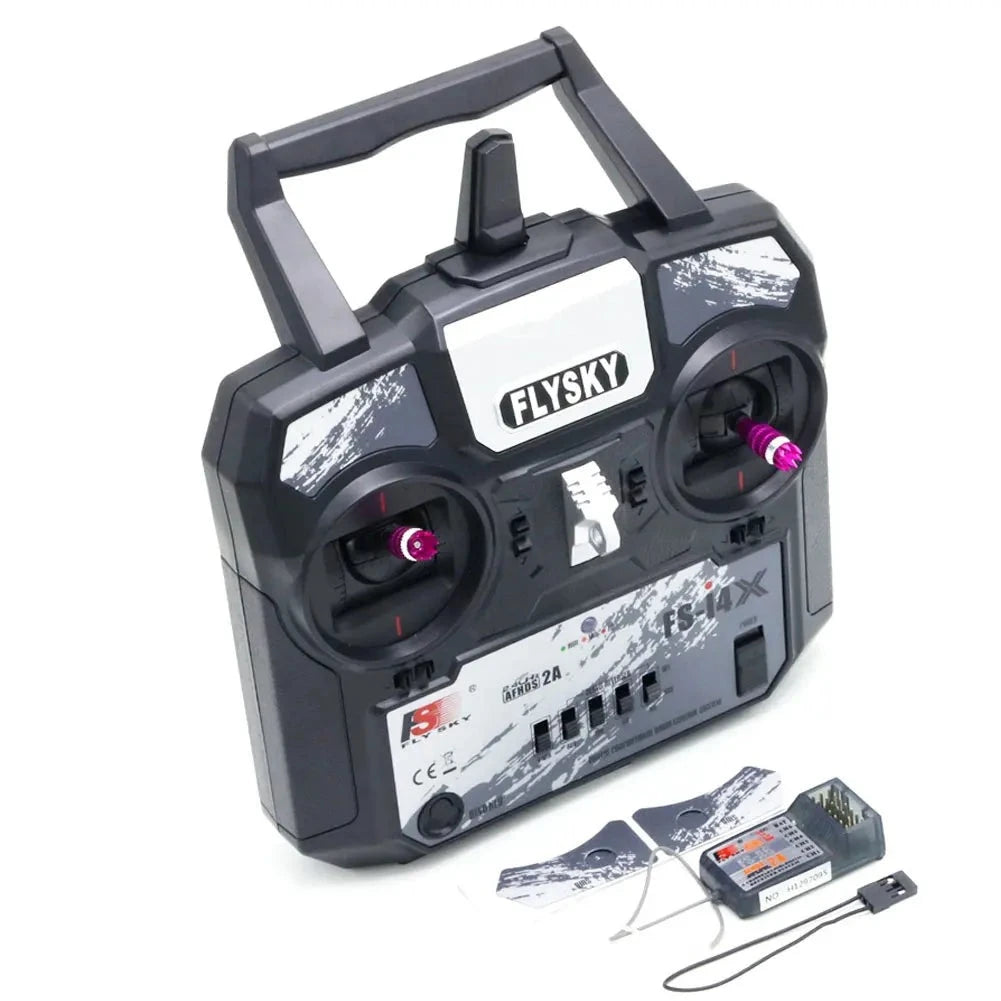
Flysky FS-i4X 2.4G 4ch RC Transmitter with FS-A6 Receiver For RC Helicopter Plane Drone
Price range: $19.45 through $53.63 - Drone Remote Controls
Hotrc HT-6A 2.4G 6CH/KT6A 2.4Ghz 6ch 4ch RC Transmitter FHSS & 6CH Receiver with Box for FPV Drone Rc Airplane Rc Car Rc Boat
Price range: $20.99 through $52.18 - Drone Remote Controls
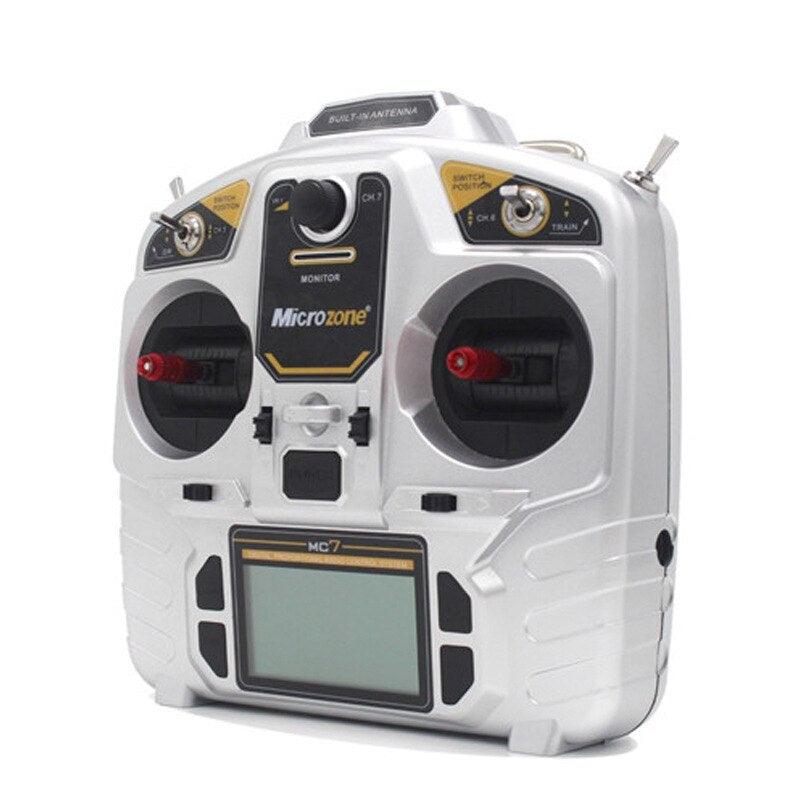
MicroZone MC7 – 2.4G Controller Transmitter With MC8RE Receiver Radio System for RC Airplane Drone multirotor Helicopter VS MC6C
Price range: $21.67 through $56.19 - Drone Remote Controls
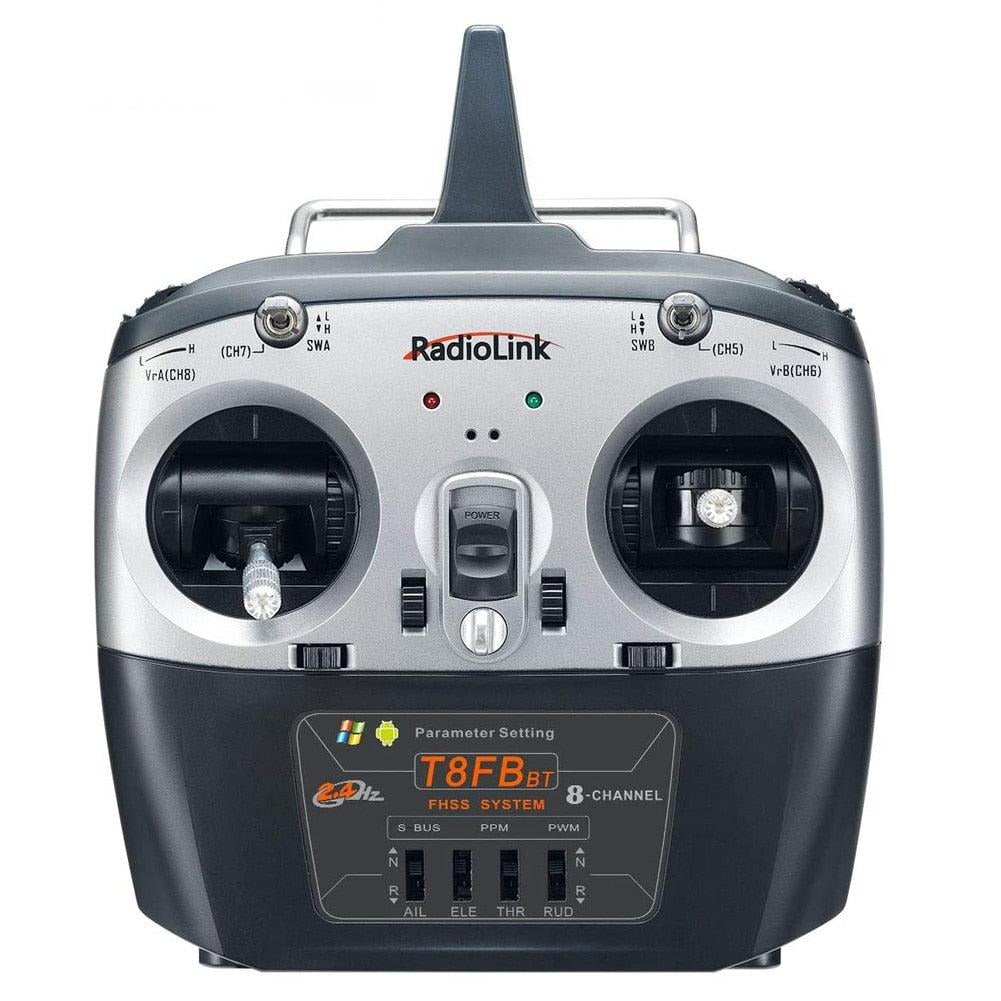
Radiolink T8FB – 2.4ghz 8 Channels RC Radio Transmitter and Receiver R8EF Dual Stick Remote Controller for Airplane Boat Car Robot
Price range: $22.04 through $63.20 - Drone Remote Controls
MicroZone MC6C Model Aircraft Remote Control With 2.4G Receiver For SU27 Fixed Wing Aircraft Through The 4 Axis KT Board Machine
Price range: $22.11 through $46.02 - 16CH Remote Controller
Hotrc KT-6A 2.4G 6CH RC Transmitter FHSS & 6CH Receiver With Box For Rc Airplane DIY KT Board Machine FPV Drone
Price range: $22.14 through $49.37 - Drone Remote Controls
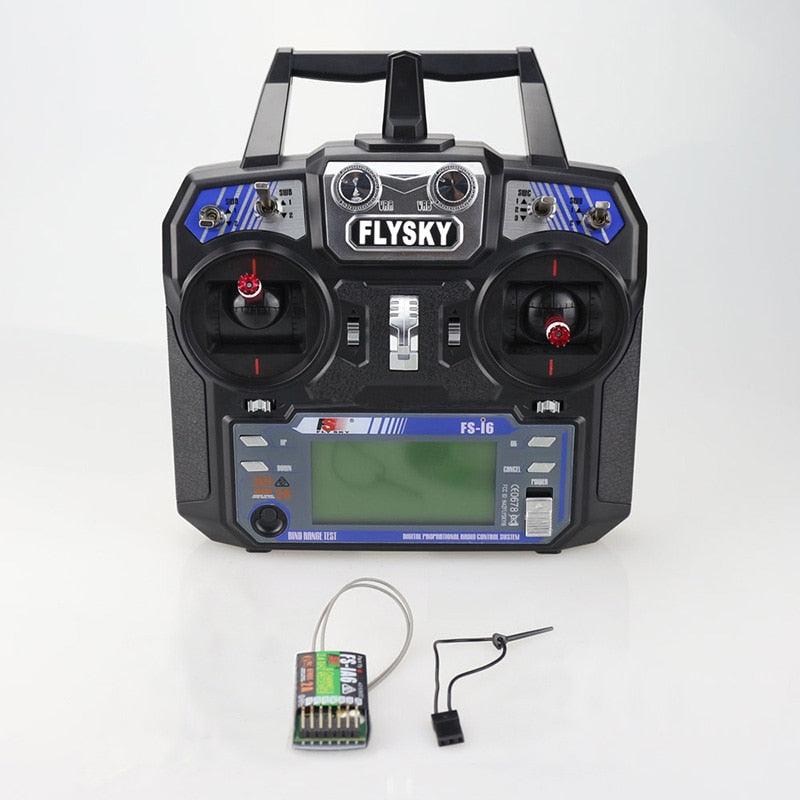
Flysky FS-i6 FS I6 2.4G 6ch RC Transmitter Controller FS-iA6 Receiver For RC Helicopter Plane Quadcopter Glider
Price range: $23.25 through $73.04 - 8Ch Remote Controller
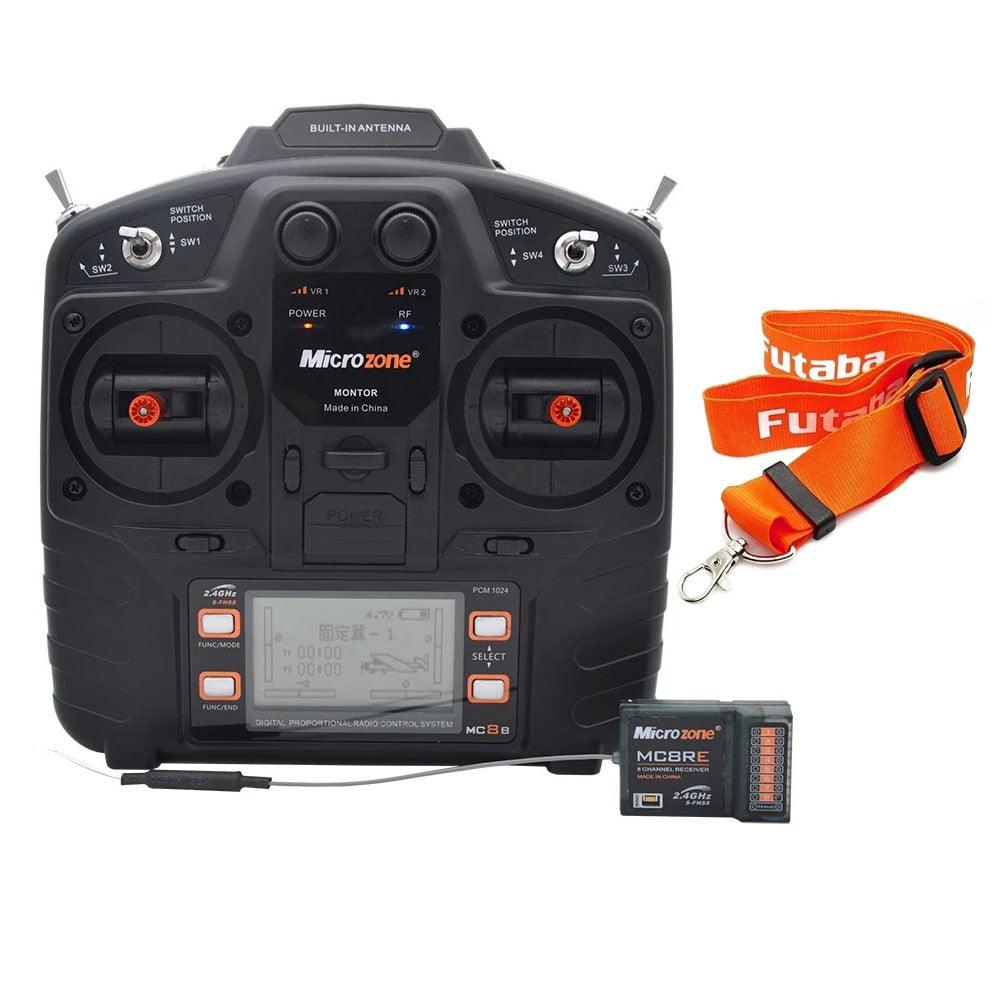
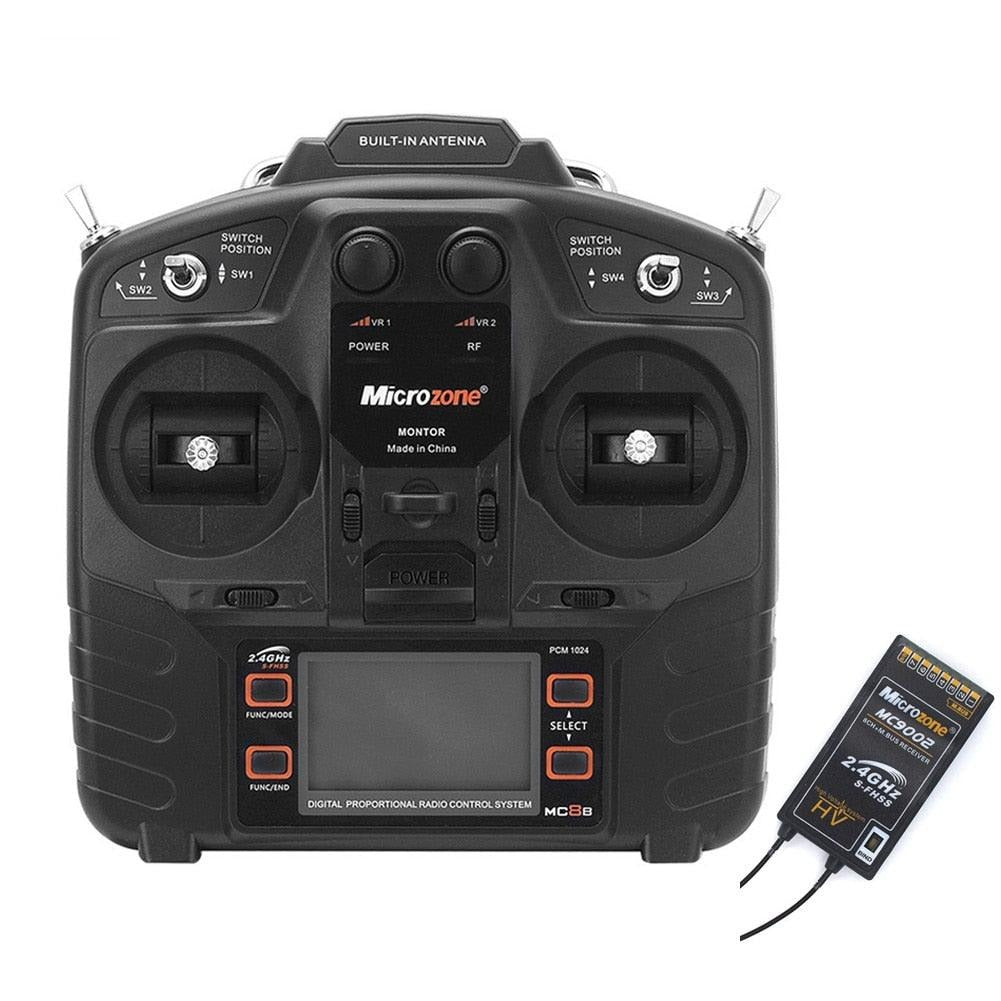
Microzone MC8B 2.4G 8CH Remote Control Transmitter & MC8RE/ MC9002 Receiver Radio System For RC Aircraft Fixed-wing Helicopter
Price range: $23.43 through $66.11 - Drone Remote Controls
Jumper T Pro Radio Controller – ELRS Internal 2.4G 1000mW ExpressLRS ELRS module Radio Controller Hall Sensor Gimbals EdgeTX/OpenTX TPRO FPV Remote Controller
Price range: $23.49 through $132.38 - Drone Remote Controls
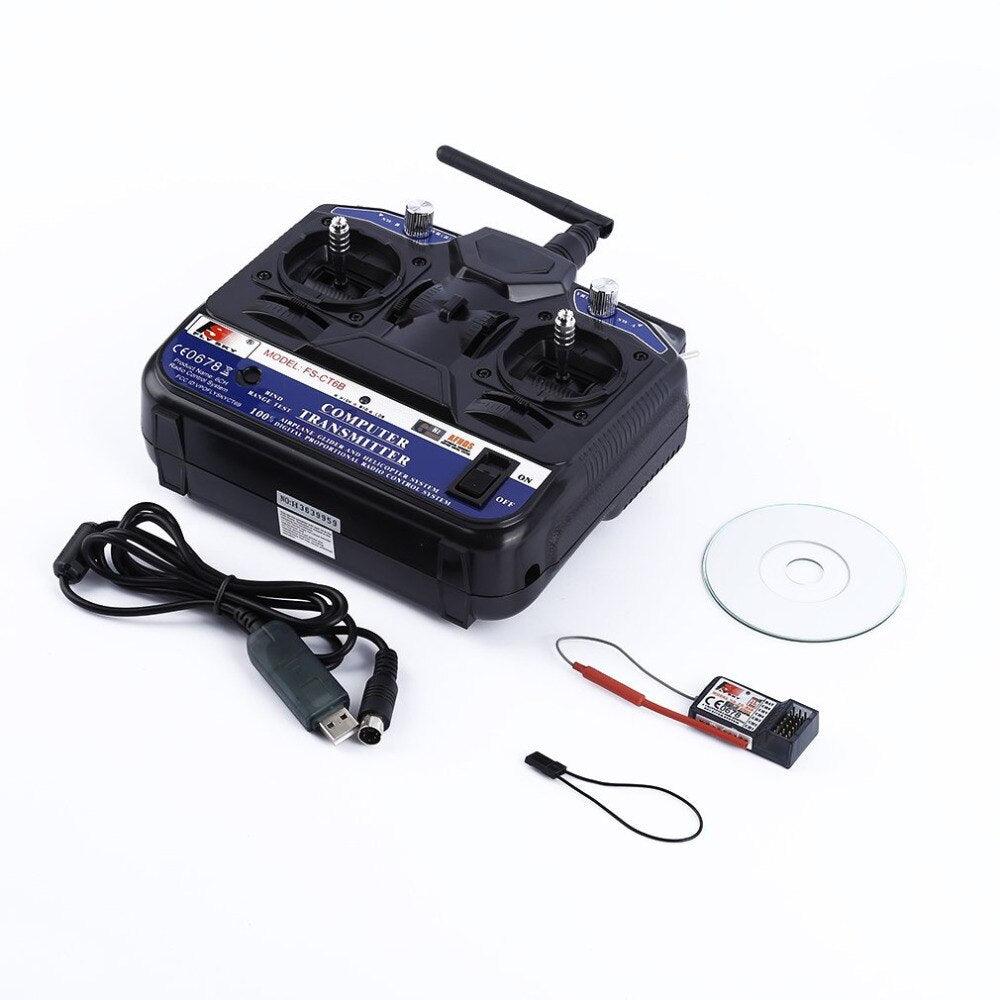
Flysky FS-CT6B 2.4G 6-Channel AFHDS Transmitter with FS-R6B Receiver for RC Quadcopter Multirotor Drone Airplane
Price range: $23.61 through $61.65 - Drone Remote Controls
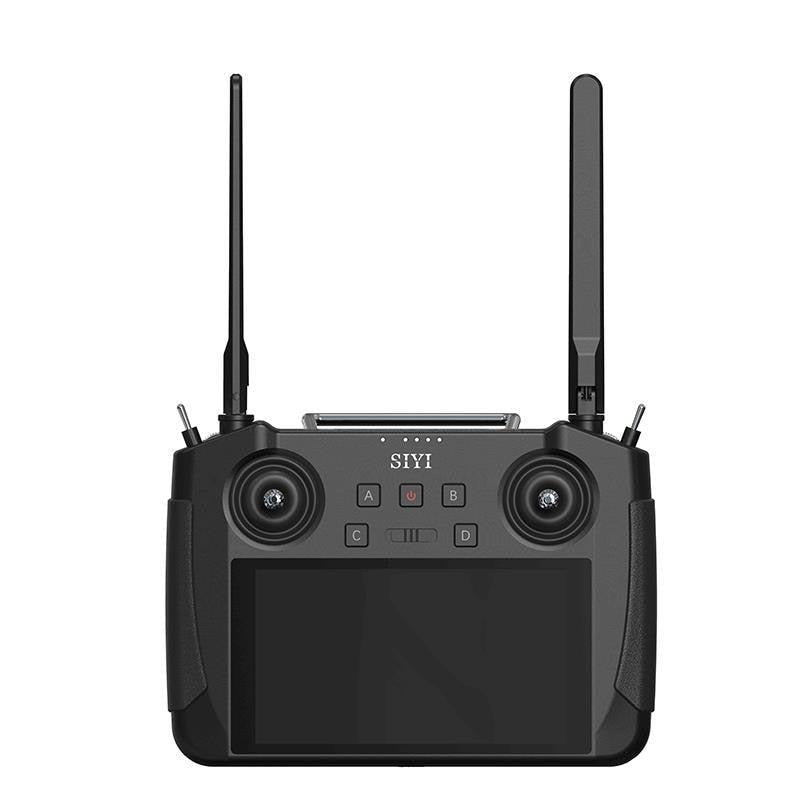
SIYI MK15E Transmitter – Mini HD Handheld Radio System Transmitter FPV Remote Control 5.5-Inch Monitor 1080p 60fps 180ms FPV Japan MIC Certified
Price range: $23.80 through $875.11 - 8Ch Remote Controller
Microzone MC8B 2.4G 8CH Remote Control Transmitter & MC9002 CH Receiver Radio System for RC Aircraft Fixed-wing Helicopter Drone
Price range: $23.82 through $67.77


 English
  Russian
  German
  Arabic