Drone Camera / FPV Camera
Next-Gen FPV Vision: 4K 10-Bit Log & Zero-Latency Digital Systems
In 2026, the gap between the pilot’s view and the cinematic final cut has vanished. Professional FPV engineering now demands a dual-purpose approach: high-bitrate recording for the edit suite and ultra-low latency for the goggles. Whether you are building a 5-inch freestyle rig or a sub-250g naked cinewhoop, selecting the right sensor dynamic range and VTX protocol is the difference between a ‘one-take’ masterpiece and a grainy, unusable flight.
2026 FPV Camera & VTX Comparison Matrix
Camera System
Max Resolution
Bitrate / Color
Latency
Best Application
DJI O4 Air Unit
4K @ 120fps
10-bit D-Log M
<21ms
All-in-one Freestyle
GoPro Hero 14 (Naked)
5.3K @ 60fps
10-bit GP-Log
N/A (Recording)
Professional Cinewhoop
Walksnail Avatar Gen 2
4K @ 60fps
50Mbps H.265
22ms
Micro & Long Range
HDZero Nano 90
720p @ 90fps
Standard Digital
<3ms
Competitive Racing
Engineering Analysis: Sensor Physics and Post-Production Workflow
As a senior engineer, I’ve seen countless builds ruined by simple integration errors. A common Reddit pitfall is the “burnt electronics smell” after a battery plug-in; always verify your wiring diagrams rather than trusting wire colors, as reversing polarity on a high-end VTX is an expensive mistake. Furthermore, if your image looks soft out of the box, it’s often not a sensor defect—you simply need to refocus the lens manually and lock it with the tension ring.
For professional results, we now adhere to the 180-Degree Shutter Rule using specialized ND filters. This ensures natural motion blur that mimics human vision. When paired with Gyroflow Optimization, pilots can record raw IMU data to achieve buttery smooth stabilization in post-production. This workflow is significantly superior to in-camera EIS, especially when grading 10-bit Log footage in DaVinci Resolve. If you’re experiencing OSD issues where the font doesn’t match Betaflight, remember to reload the font in the OSD module via the FPV Goggles menu or configurator.
For those pushing the limits of the signal, ensure your Video Receivers (VRX) are paired with high-quality Long Range Antennas. A common technical hurdle is the “IMU error” or black screen in the goggles, often caused by a loose MIPI cable or vibration-induced sensor fatigue. In these cases, a direct replacement like the Ratel 2 might be a quick fix for micro builds, though you must be wary of the narrower field of vision (FOV) compared to premium digital units.
FPV Camera Technology FAQ
How to choose between an Action Camera and a Digital VTX for FPV video?
For professional cinematic results, pilots often use both: a Digital VTX (like the DJI O4) for low-latency pilot view and an Action Camera (like a GoPro) for high-bitrate 4K/5.3K recording. If weight is a priority, such as on a sub-250g drone, a ‘Naked’ action camera or a high-end integrated VTX system is the best balance of performance and agility.
What is the importance of Gyroflow support in modern drone cameras?
Gyroflow has become the industry standard for FPV post-stabilization. By recording raw gyroscope data, it allows pilots to achieve much smoother, cinematic results than in-camera stabilization. In 2026, professional cameras from Sony, DJI, and GoPro all offer sync-ready data, enabling precise control over smoothness and horizon leveling in post-production.
Which camera sensor size is best for low-light FPV cinematic missions?
In 2026, cameras with 1/1.3-inch or 1-inch sensors are the top choices for low-light operations. These larger sensors provide better dynamic range and lower noise floor, which is critical for twilight or indoor cinematic ‘one-take’ shots where natural lighting is limited.
How do I match the right camera to my drone size?
The ideal camera depends on your drone’s power-to-weight ratio. For a standard 5-inch freestyle drone, a full-sized GoPro Hero 14 provides the best durability and image quality. However, for a 2-inch or 3-inch Cinewhoop, weight is critical; these typically require a ‘Naked’ GoPro modification or a high-performance integrated unit like the DJI O4 Air Unit to maintain agility and flight time.
In 2026, should I choose Digital or Analog FPV camera systems?
By 2026, Digital VTX systems (DJI O4/O5, Walksnail, and HDZero) have established complete dominance over analog due to their superior 4K resolution and near-zero latency. While analog remains a niche for ultra-cheap micro builds, professional pilots now prioritize the high-bitrate visual clarity of digital systems for both navigation and high-definition recording.
What is the professional workflow for stabilizing FPV drone footage in 2026?
To achieve cinema-grade results, professional creators record raw gyro data and use Gyroflow for stabilization. This data is then imported into DaVinci Resolve for 10-bit color grading. This workflow allows for more precise horizon leveling and smoothness than in-camera stabilization, ensuring that high-speed proximity shots look buttery smooth across all viewing platforms.
- Drone Camera / FPV Camera
TOPOTEK KIP30S4K Drone Camera Gimbal – 30x Optical Zoom 4K Video Camera + 3-Axis Stabilization Network IP Gimbal
$2,399.00 - Drone Camera / FPV Camera
TOPOTEK SIP30S90 Drone Camera Gimbal – 30X Optical Zoom 1080P Camera + 3-Axis IP Gimbal
$2,659.00 - Drone Camera / FPV Camera
RCDrone SY800 Heavy Lift Drone – 2KG – 10KG Payload 10KM Distance 1080P 2K 3 Axis Camera GPS Cargo Resume Industrial Drone With Thrower LoudSpeaker Lighting
Price range: $2,999.00 through $7,999.00 - Drone Camera / FPV Camera
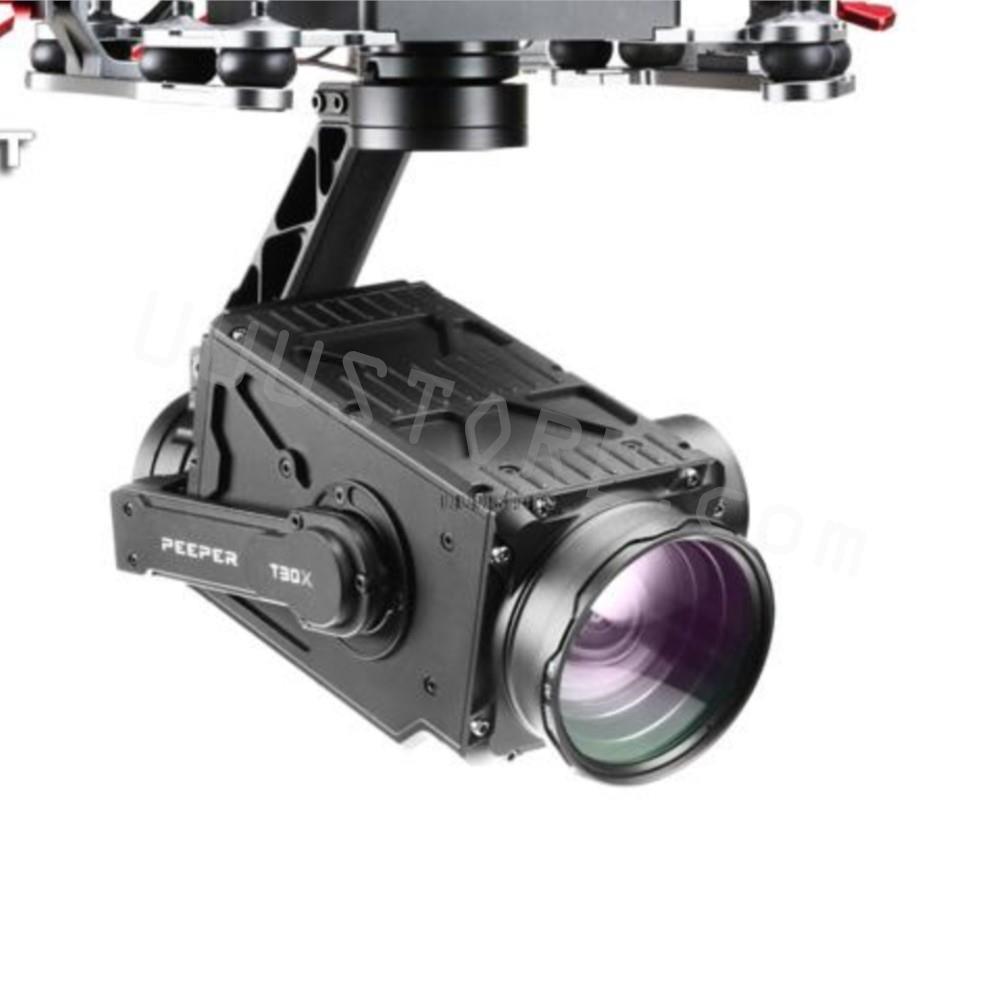
Tarot PEEPER T30X 2.07MP 3Axis Gimbal 30X Optical Zoom Camera Gimbal With Burshless Network Port T30X-Net HDMI Output T30X-HDMI
$3,043.37 - Drone Camera / FPV Camera
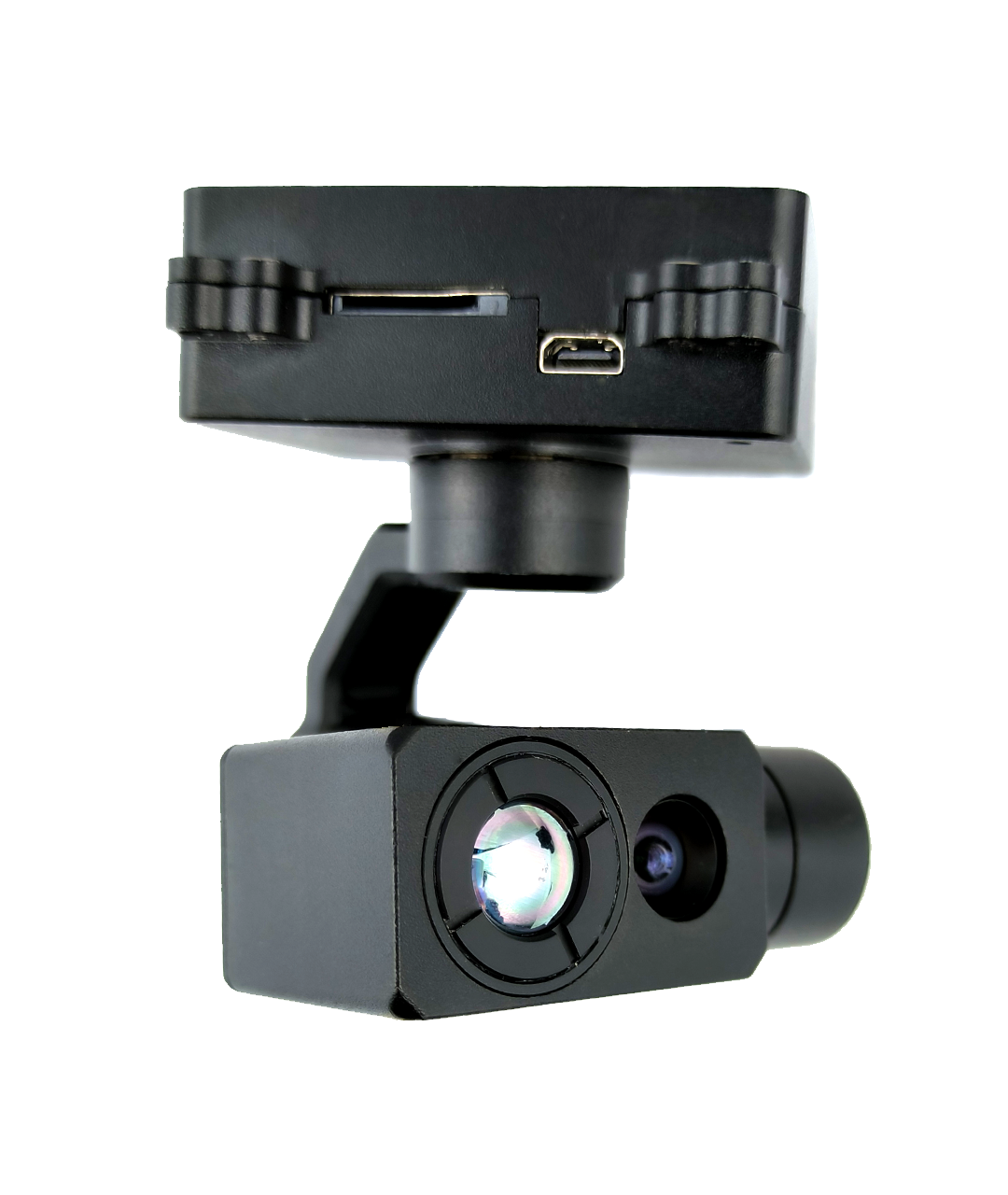
TOPOTEK DYK290G207 Dual Light Drone Gimbal – 9x Zoom 1080P Visible Light Camera + 7mm 256×192 Thermal Imaging With IP/HDMI Output 2-Axis Gimbal
$3,399.00 - Drone Camera / FPV Camera
TOPOTEK SIP10L11A Dual Light Drone Gimbal – 10xOptical Zoom Camera +1100m Laser Ranging IP network Small Gimbal
$3,799.00 - Drone Camera / FPV Camera
TOPOTEK KHP05L12 Dual Light Drone Gimbal – 45X Hybrid Zoom 1080P Camera + 1200M Laser Range Finder 3-Axis Stabilized Gimbal
$3,899.00 - Drone Camera / FPV Camera
TOPOTEK KHY10L12 Dual Light Drone Gimbal – 90x Hybrid Zoom Camera + 1200M Laser Ranging Finder 3-Axis Gimbal Pod
$3,899.00 - Drone Camera / FPV Camera
INYYO QR 20W 20X 360 Degree OPTICAL ZOOM CAMERA 1080p 60fps 1/3″ 2.0 Megapixel CMOS Camera WITH 3-AXIS GIMBAL
$4,055.72 - Drone Camera / FPV Camera
TOPOTEK KIP20S78 Drone Camera Gimbal – 20x Optical Zoom+3-Axis Stabilized 4K Night Vision Gimbal Camera With IP Output
$4,129.00 - Drone Camera / FPV Camera
Tarot Stellar camera Zoom 30X 2MP Gimbal Camera Stabilizer 1080P Z30A2 HDMI Output Stabilizer
$4,234.78 - Drone Camera / FPV Camera
TOPOTEK KHP4KS585 Drone Gimbal Camera – 4K Resolution 4x Optical Zoom 3-Axis Stabilized Gimbal IP/HDMI output
$4,399.00 - Drone Camera / FPV Camera
TOPOTEK HI20S77 Drone Camera Gimbal – 20x Optical Zoom 4K Camera + 3-Axis IP Network PTZ Gimbal
$5,399.00 - Drone Camera / FPV Camera
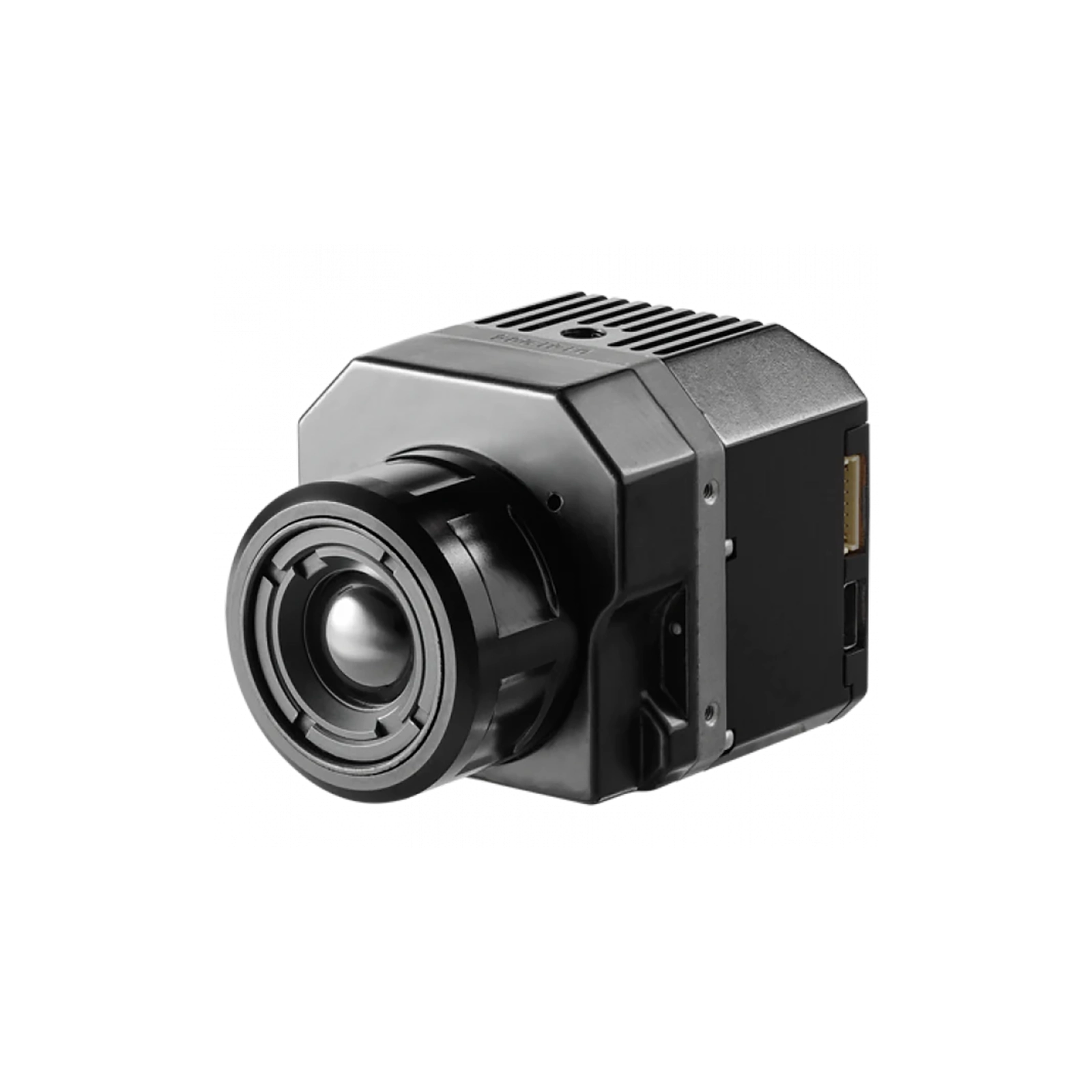
FLIR VUE PRO 336 Thermal Camera For Drone – 336 x 256 Thermal Imaging & Data Recording 6.8mm 9mm 13mm 25° 35° 44° 9HZ 30HZ
$5,999.00 - Drone Camera / FPV Camera
TOPOTEK KHY10G613 Dual Light Drone Gimbal – 10x Optical /90x Mixed Zoom EO Camera + 13mm 640×512 IR Thermal Camera 3-Axis Stabilized PTZ Gimbal
$6,599.00









Next-Gen FPV Vision: 4K 10-Bit Log & Zero-Latency Digital Systems
In 2026, the gap between the pilot’s view and the cinematic final cut has vanished. Professional FPV engineering now demands a dual-purpose approach: high-bitrate recording for the edit suite and ultra-low latency for the goggles. Whether you are building a 5-inch freestyle rig or a sub-250g naked cinewhoop, selecting the right sensor dynamic range and VTX protocol is the difference between a ‘one-take’ masterpiece and a grainy, unusable flight.
2026 FPV Camera & VTX Comparison Matrix
Camera System
Max Resolution
Bitrate / Color
Latency
Best Application
DJI O4 Air Unit
4K @ 120fps
10-bit D-Log M
<21ms
All-in-one Freestyle
GoPro Hero 14 (Naked)
5.3K @ 60fps
10-bit GP-Log
N/A (Recording)
Professional Cinewhoop
Walksnail Avatar Gen 2
4K @ 60fps
50Mbps H.265
22ms
Micro & Long Range
HDZero Nano 90
720p @ 90fps
Standard Digital
<3ms
Competitive Racing
Engineering Analysis: Sensor Physics and Post-Production Workflow
As a senior engineer, I’ve seen countless builds ruined by simple integration errors. A common Reddit pitfall is the “burnt electronics smell” after a battery plug-in; always verify your wiring diagrams rather than trusting wire colors, as reversing polarity on a high-end VTX is an expensive mistake. Furthermore, if your image looks soft out of the box, it’s often not a sensor defect—you simply need to refocus the lens manually and lock it with the tension ring.
For professional results, we now adhere to the 180-Degree Shutter Rule using specialized ND filters. This ensures natural motion blur that mimics human vision. When paired with Gyroflow Optimization, pilots can record raw IMU data to achieve buttery smooth stabilization in post-production. This workflow is significantly superior to in-camera EIS, especially when grading 10-bit Log footage in DaVinci Resolve. If you’re experiencing OSD issues where the font doesn’t match Betaflight, remember to reload the font in the OSD module via the FPV Goggles menu or configurator.
For those pushing the limits of the signal, ensure your Video Receivers (VRX) are paired with high-quality Long Range Antennas. A common technical hurdle is the “IMU error” or black screen in the goggles, often caused by a loose MIPI cable or vibration-induced sensor fatigue. In these cases, a direct replacement like the Ratel 2 might be a quick fix for micro builds, though you must be wary of the narrower field of vision (FOV) compared to premium digital units.
FPV Camera Technology FAQ
How to choose between an Action Camera and a Digital VTX for FPV video?
For professional cinematic results, pilots often use both: a Digital VTX (like the DJI O4) for low-latency pilot view and an Action Camera (like a GoPro) for high-bitrate 4K/5.3K recording. If weight is a priority, such as on a sub-250g drone, a ‘Naked’ action camera or a high-end integrated VTX system is the best balance of performance and agility.
What is the importance of Gyroflow support in modern drone cameras?
Gyroflow has become the industry standard for FPV post-stabilization. By recording raw gyroscope data, it allows pilots to achieve much smoother, cinematic results than in-camera stabilization. In 2026, professional cameras from Sony, DJI, and GoPro all offer sync-ready data, enabling precise control over smoothness and horizon leveling in post-production.
Which camera sensor size is best for low-light FPV cinematic missions?
In 2026, cameras with 1/1.3-inch or 1-inch sensors are the top choices for low-light operations. These larger sensors provide better dynamic range and lower noise floor, which is critical for twilight or indoor cinematic ‘one-take’ shots where natural lighting is limited.
How do I match the right camera to my drone size?
The ideal camera depends on your drone’s power-to-weight ratio. For a standard 5-inch freestyle drone, a full-sized GoPro Hero 14 provides the best durability and image quality. However, for a 2-inch or 3-inch Cinewhoop, weight is critical; these typically require a ‘Naked’ GoPro modification or a high-performance integrated unit like the DJI O4 Air Unit to maintain agility and flight time.
In 2026, should I choose Digital or Analog FPV camera systems?
By 2026, Digital VTX systems (DJI O4/O5, Walksnail, and HDZero) have established complete dominance over analog due to their superior 4K resolution and near-zero latency. While analog remains a niche for ultra-cheap micro builds, professional pilots now prioritize the high-bitrate visual clarity of digital systems for both navigation and high-definition recording.
What is the professional workflow for stabilizing FPV drone footage in 2026?
To achieve cinema-grade results, professional creators record raw gyro data and use Gyroflow for stabilization. This data is then imported into DaVinci Resolve for 10-bit color grading. This workflow allows for more precise horizon leveling and smoothness than in-camera stabilization, ensuring that high-speed proximity shots look buttery smooth across all viewing platforms.