Drone Camera / FPV Camera
Next-Gen FPV Vision: 4K 10-Bit Log & Zero-Latency Digital Systems
In 2026, the gap between the pilot’s view and the cinematic final cut has vanished. Professional FPV engineering now demands a dual-purpose approach: high-bitrate recording for the edit suite and ultra-low latency for the goggles. Whether you are building a 5-inch freestyle rig or a sub-250g naked cinewhoop, selecting the right sensor dynamic range and VTX protocol is the difference between a ‘one-take’ masterpiece and a grainy, unusable flight.
2026 FPV Camera & VTX Comparison Matrix
Camera System
Max Resolution
Bitrate / Color
Latency
Best Application
DJI O4 Air Unit
4K @ 120fps
10-bit D-Log M
<21ms
All-in-one Freestyle
GoPro Hero 14 (Naked)
5.3K @ 60fps
10-bit GP-Log
N/A (Recording)
Professional Cinewhoop
Walksnail Avatar Gen 2
4K @ 60fps
50Mbps H.265
22ms
Micro & Long Range
HDZero Nano 90
720p @ 90fps
Standard Digital
<3ms
Competitive Racing
Engineering Analysis: Sensor Physics and Post-Production Workflow
As a senior engineer, I’ve seen countless builds ruined by simple integration errors. A common Reddit pitfall is the “burnt electronics smell” after a battery plug-in; always verify your wiring diagrams rather than trusting wire colors, as reversing polarity on a high-end VTX is an expensive mistake. Furthermore, if your image looks soft out of the box, it’s often not a sensor defect—you simply need to refocus the lens manually and lock it with the tension ring.
For professional results, we now adhere to the 180-Degree Shutter Rule using specialized ND filters. This ensures natural motion blur that mimics human vision. When paired with Gyroflow Optimization, pilots can record raw IMU data to achieve buttery smooth stabilization in post-production. This workflow is significantly superior to in-camera EIS, especially when grading 10-bit Log footage in DaVinci Resolve. If you’re experiencing OSD issues where the font doesn’t match Betaflight, remember to reload the font in the OSD module via the FPV Goggles menu or configurator.
For those pushing the limits of the signal, ensure your Video Receivers (VRX) are paired with high-quality Long Range Antennas. A common technical hurdle is the “IMU error” or black screen in the goggles, often caused by a loose MIPI cable or vibration-induced sensor fatigue. In these cases, a direct replacement like the Ratel 2 might be a quick fix for micro builds, though you must be wary of the narrower field of vision (FOV) compared to premium digital units.
FPV Camera Technology FAQ
How to choose between an Action Camera and a Digital VTX for FPV video?
For professional cinematic results, pilots often use both: a Digital VTX (like the DJI O4) for low-latency pilot view and an Action Camera (like a GoPro) for high-bitrate 4K/5.3K recording. If weight is a priority, such as on a sub-250g drone, a ‘Naked’ action camera or a high-end integrated VTX system is the best balance of performance and agility.
What is the importance of Gyroflow support in modern drone cameras?
Gyroflow has become the industry standard for FPV post-stabilization. By recording raw gyroscope data, it allows pilots to achieve much smoother, cinematic results than in-camera stabilization. In 2026, professional cameras from Sony, DJI, and GoPro all offer sync-ready data, enabling precise control over smoothness and horizon leveling in post-production.
Which camera sensor size is best for low-light FPV cinematic missions?
In 2026, cameras with 1/1.3-inch or 1-inch sensors are the top choices for low-light operations. These larger sensors provide better dynamic range and lower noise floor, which is critical for twilight or indoor cinematic ‘one-take’ shots where natural lighting is limited.
How do I match the right camera to my drone size?
The ideal camera depends on your drone’s power-to-weight ratio. For a standard 5-inch freestyle drone, a full-sized GoPro Hero 14 provides the best durability and image quality. However, for a 2-inch or 3-inch Cinewhoop, weight is critical; these typically require a ‘Naked’ GoPro modification or a high-performance integrated unit like the DJI O4 Air Unit to maintain agility and flight time.
In 2026, should I choose Digital or Analog FPV camera systems?
By 2026, Digital VTX systems (DJI O4/O5, Walksnail, and HDZero) have established complete dominance over analog due to their superior 4K resolution and near-zero latency. While analog remains a niche for ultra-cheap micro builds, professional pilots now prioritize the high-bitrate visual clarity of digital systems for both navigation and high-definition recording.
What is the professional workflow for stabilizing FPV drone footage in 2026?
To achieve cinema-grade results, professional creators record raw gyro data and use Gyroflow for stabilization. This data is then imported into DaVinci Resolve for 10-bit color grading. This workflow allows for more precise horizon leveling and smoothness than in-camera stabilization, ensuring that high-speed proximity shots look buttery smooth across all viewing platforms.
- Drone Camera / FPV Camera
TOPOTEK KIP290G650 Dual Light Drone Gimbal – 1080P Visible Light Camera + 50mm lens 640×512 Thermal Imaging With 3-axis Gimbal
$7,199.00 - Drone Gimbals
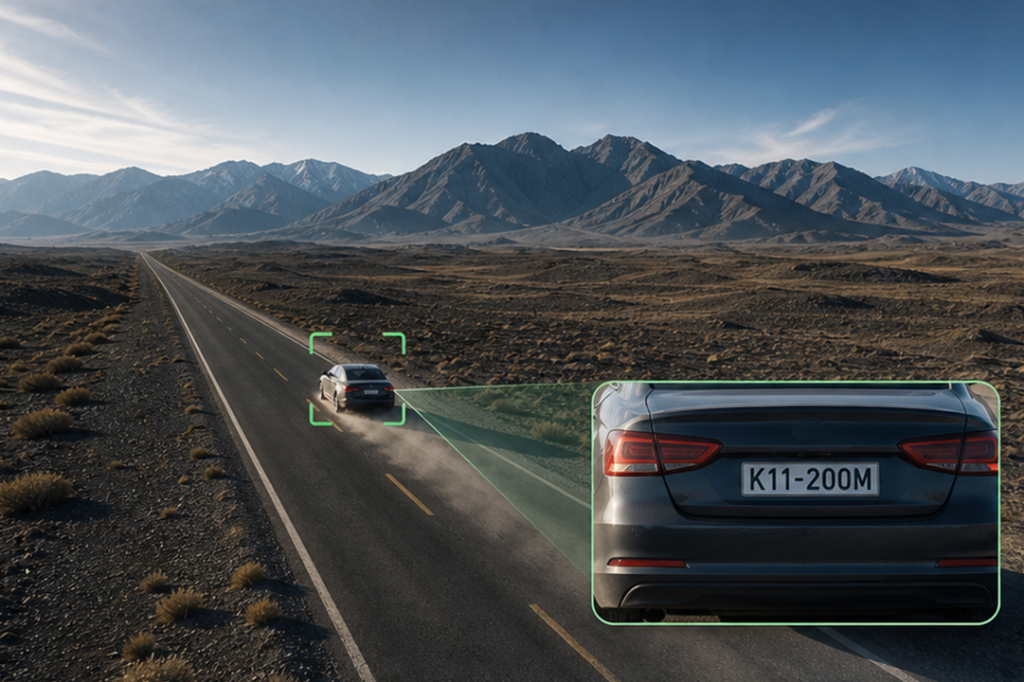
K11 Dual-Sensor Gimbal Camera (HEQ)
$7,200.00Long-range dual-sensor gimbal with AI tracking
- Drone Camera / FPV Camera
TOPOTEK KIP30L30A Dual Light Drone Gimbal – 30x Optical / 270x Mixed Zoom 1080P Camera + 3000m LRF Laser Range Finder 3-Axis Gimbal
$7,699.00 - Drone Camera / FPV Camera
Foxtech VDC-30 – 30km 800MHZ 1.4GHZ Long Range Video Transmission System data and video transmission devices
$7,999.00 - Drone Gimbals
K40T-Mini Quad-Sensor Gimbal Camera (HEQ)
$8,160.00Compact quad-sensor gimbal for lightweight UAVs
- Drone Gimbals
K40T Quad-Sensor AI Gimbal Camera (HEQ)
$9,600.00Quad-Sensor AI Gimbal Camera for UAV Thermal Inspection
- Drone Gimbals
H50T Penta-Sensor AI Gimbal Camera
$9,699.00H50T Penta-Sensor AI Gimbal Camera — professional UAV component from 100drone. Former DJI R&D team. Compatible with DJI drones. Email [email protected] for pricing.
- Drone Camera / FPV Camera
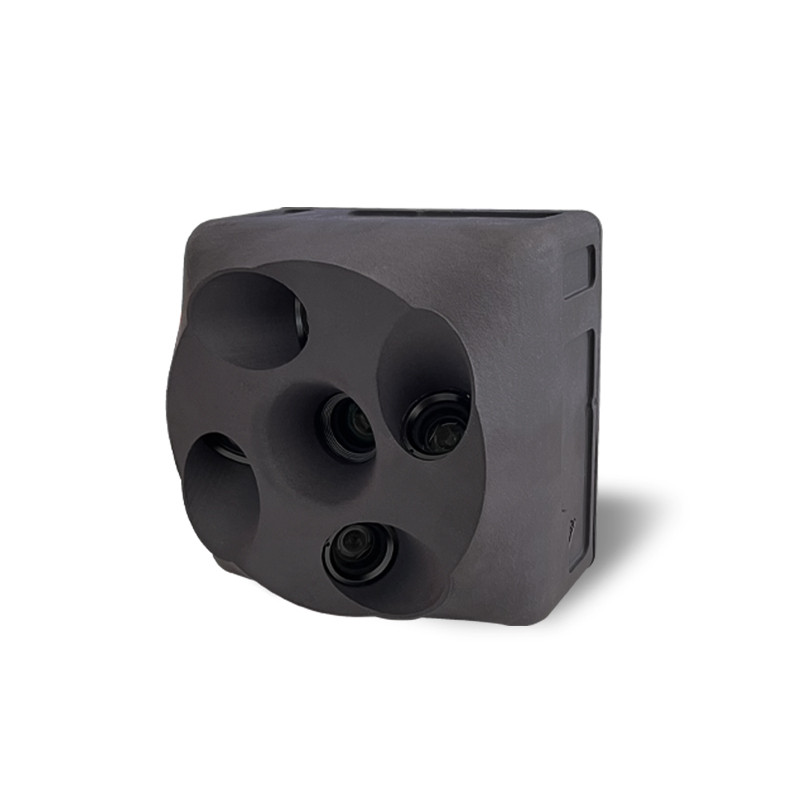
3DM Air Oblique Camera For Mapping
$9,899.10Foxtech 3DM Air is a professional aerial mapping camera with 23.5*15.7 mm sensor, 25 mm center lens and 35 mm surrounding lenses.
Priced 10% below public list. Drone-mounted payload — verify aircraft compatibility before ordering.
- Drone Camera / FPV Camera
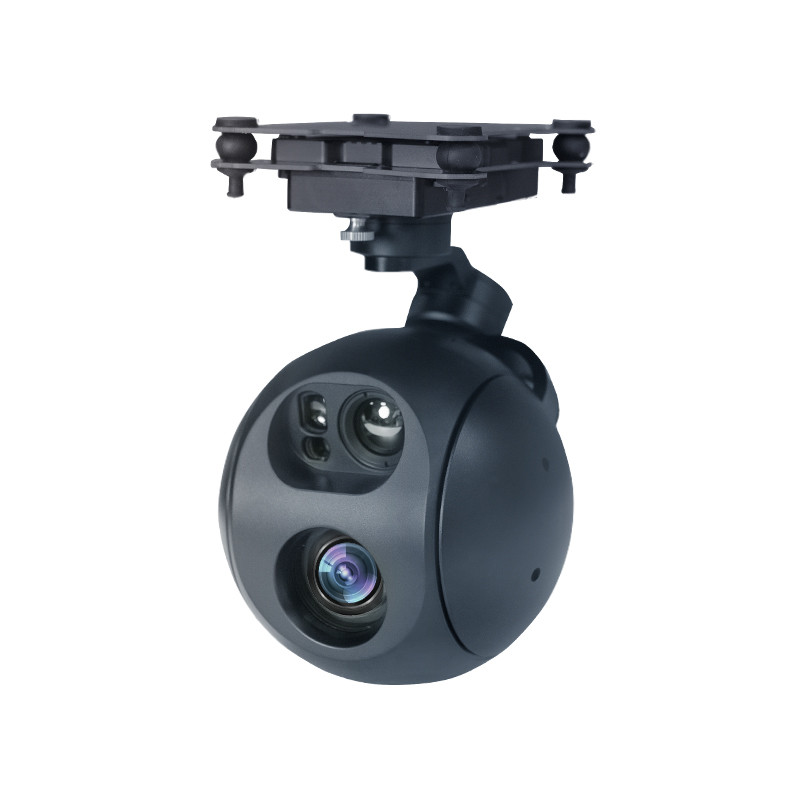
SYK-30L AI EO/IR Dual Sensor Gimbal Camera
$9,899.10Experience unmatched clarity with our SYK-30L AI dual sensor camera, featuring a 30x optical zoom lens powered by a 1/2.8 CMOS sensor, and advanced thermal imaging capabilities.
Priced 10% below public list. Drone-mounted payload — verify aircraft compatibility before ordering.
- Drone Camera / FPV Camera
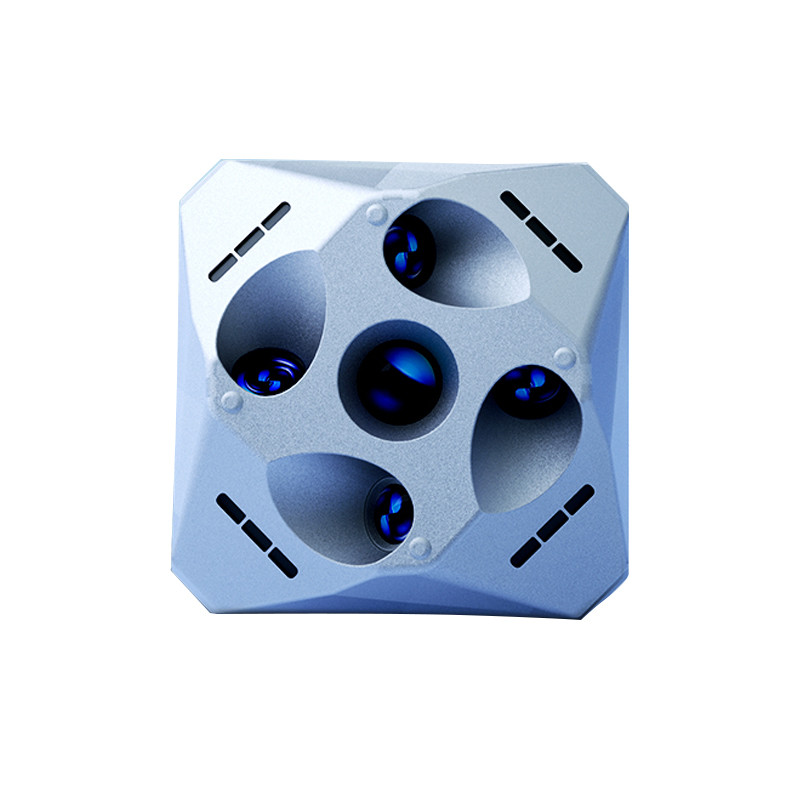
DP500 12.6 MP DJI Drone Oblique Camera Price Used for M300 RTK Or DJI M350 RTK
$12,869.10The DP500 is the first tilt photography module developed based on market demand and compatible with DJI drone platforms,adapting aircraft DJI M300 RTK/DJI M350 RTK., with a total pixel count of 12.6 million.
Priced 10% below public list. Drone-mounted payload — verify aircraft compatibility before ordering.
- Drone Camera / FPV Camera
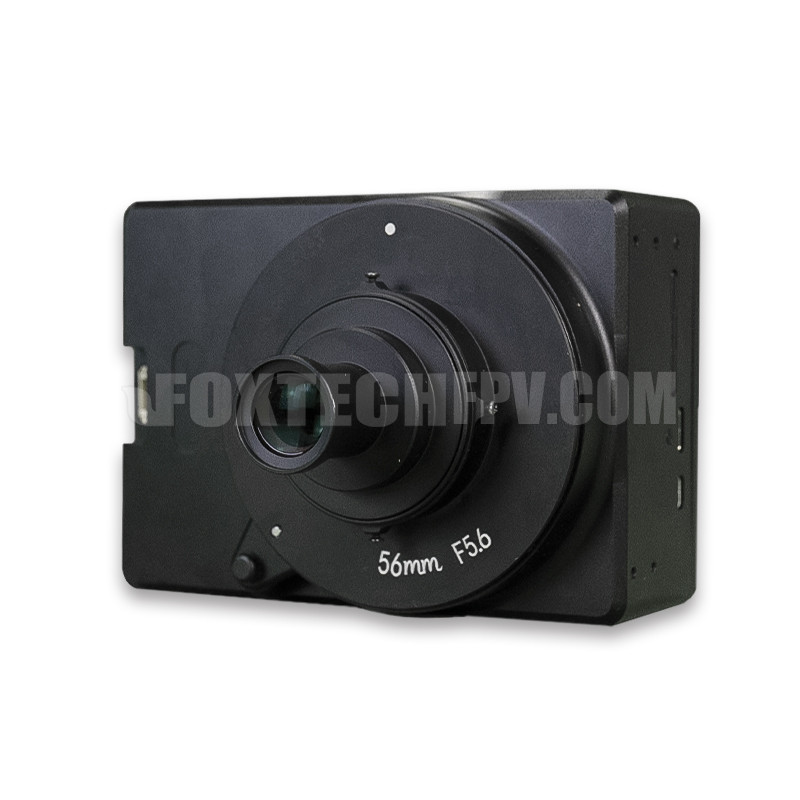
MAP-102 Medium Format Mapping Camera
$17,009.10MAP-102 with 102 megapixels and 44mm x 33mm sensor size, is a medium format camera producing high-quality images.
Priced 10% below public list. Drone-mounted payload — verify aircraft compatibility before ordering.
- Drone Camera / FPV Camera
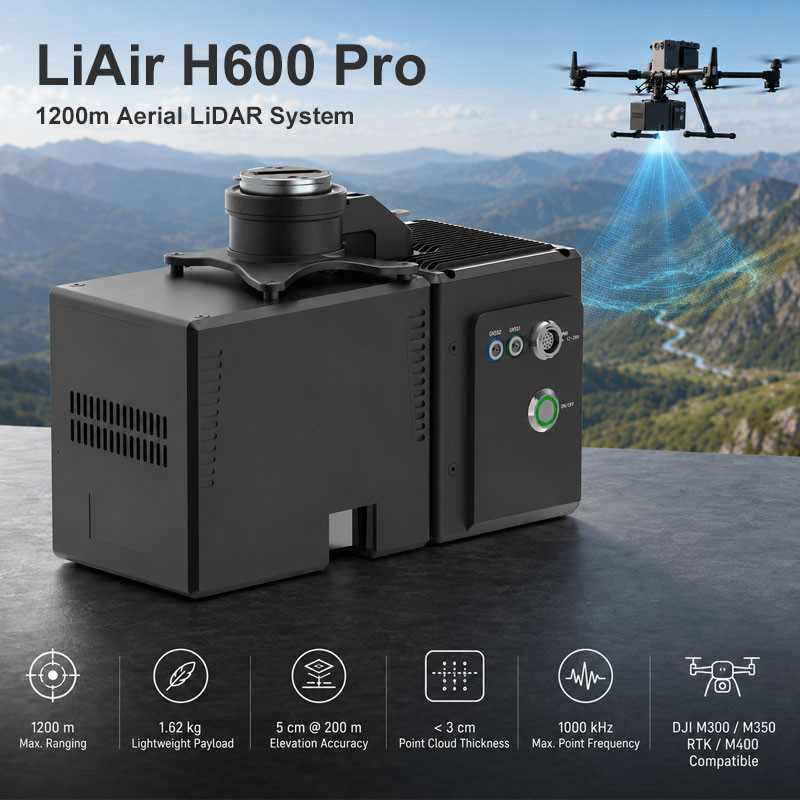
LiAir H600 Pro 1200m Surveying-Grade LiDAR Scanning System for DJI M300/M350 RTK/M400 | Power Line & Forestry Mapping
$19,620.00LiAir H600 Pro is a lightweight, surveying-grade UAV-mounted LiDAR scanning system designed for large-scale aerial mapping, power line inspection, forestry resource survey, and emergency disaster assessment.
Priced 10% below public list. Drone-mounted payload — verify aircraft compatibility before ordering.





How to choose FPV Camera
| Digital HD | For DJI O3/O4 or Walksnail systems - higher image quality |
|---|---|
| Analog | Lower latency and lower cost, still the standard for racing |
| Latency priority | Analog cameras are generally preferred where response time matters most |
| Low light | Check the low-light sensor specification if you fly at dusk |
Compatibility checklist before you buy
- System match: An analog camera will not work with a digital VTX, and a digital camera needs a matching digital system
- Voltage: 5V-only cameras need a regulated 5V rail; feeding 12V directly will destroy them
- Lens: The lens thread and image circle have to match the camera housing, otherwise you get vignetting or a focus issue
- FOV: A wide lens on a small sensor can soften the corners and add distortion
What pilots and builders report in the field
www.eevblog.comField report on the Runcam Phoenix 2 camera: the firmware needs to be 3.8 or newer, which matters when a second camera body is used alongside the original unit.
fpvdronepilots.comForum install advice: the Foxeer camera draws around 700mA at 5V but only about 300mA at 12V, so the rail you feed it changes the load on the power system - a real compatibility consideration.
Frequently asked questions
Can I use an analog FPV camera with a digital VTX?
No. The camera and the VTX have to belong to the same video standard. An analog camera outputs a composite analogue signal that a digital VTX cannot consume, and a digital camera will not drive an analog VTX. This is the single most common mismatch when mixing parts from different generations.
What voltage should I feed an FPV camera?
Most FPV cameras expect a regulated 5V rail, and connecting them directly to a higher voltage will destroy the camera. Some cameras accept a wider input range - for example one community report measured about 700mA at 5V versus roughly 300mA at 12V for the same unit. Check the camera specification before wiring.
Does a wider lens always give a better FPV camera image?
No. A wide lens on a small sensor tends to soften the corners and add barrel distortion, and the effective sharpness falls off towards the edge of the frame. For racing, a moderate lens is usually easier to fly with because the centre of the frame stays crisp where you are looking.
Next-Gen FPV Vision: 4K 10-Bit Log & Zero-Latency Digital Systems
In 2026, the gap between the pilot’s view and the cinematic final cut has vanished. Professional FPV engineering now demands a dual-purpose approach: high-bitrate recording for the edit suite and ultra-low latency for the goggles. Whether you are building a 5-inch freestyle rig or a sub-250g naked cinewhoop, selecting the right sensor dynamic range and VTX protocol is the difference between a ‘one-take’ masterpiece and a grainy, unusable flight.
2026 FPV Camera & VTX Comparison Matrix
Camera System
Max Resolution
Bitrate / Color
Latency
Best Application
DJI O4 Air Unit
4K @ 120fps
10-bit D-Log M
<21ms
All-in-one Freestyle
GoPro Hero 14 (Naked)
5.3K @ 60fps
10-bit GP-Log
N/A (Recording)
Professional Cinewhoop
Walksnail Avatar Gen 2
4K @ 60fps
50Mbps H.265
22ms
Micro & Long Range
HDZero Nano 90
720p @ 90fps
Standard Digital
<3ms
Competitive Racing
Engineering Analysis: Sensor Physics and Post-Production Workflow
As a senior engineer, I’ve seen countless builds ruined by simple integration errors. A common Reddit pitfall is the “burnt electronics smell” after a battery plug-in; always verify your wiring diagrams rather than trusting wire colors, as reversing polarity on a high-end VTX is an expensive mistake. Furthermore, if your image looks soft out of the box, it’s often not a sensor defect—you simply need to refocus the lens manually and lock it with the tension ring.
For professional results, we now adhere to the 180-Degree Shutter Rule using specialized ND filters. This ensures natural motion blur that mimics human vision. When paired with Gyroflow Optimization, pilots can record raw IMU data to achieve buttery smooth stabilization in post-production. This workflow is significantly superior to in-camera EIS, especially when grading 10-bit Log footage in DaVinci Resolve. If you’re experiencing OSD issues where the font doesn’t match Betaflight, remember to reload the font in the OSD module via the FPV Goggles menu or configurator.
For those pushing the limits of the signal, ensure your Video Receivers (VRX) are paired with high-quality Long Range Antennas. A common technical hurdle is the “IMU error” or black screen in the goggles, often caused by a loose MIPI cable or vibration-induced sensor fatigue. In these cases, a direct replacement like the Ratel 2 might be a quick fix for micro builds, though you must be wary of the narrower field of vision (FOV) compared to premium digital units.
FPV Camera Technology FAQ
How to choose between an Action Camera and a Digital VTX for FPV video?
For professional cinematic results, pilots often use both: a Digital VTX (like the DJI O4) for low-latency pilot view and an Action Camera (like a GoPro) for high-bitrate 4K/5.3K recording. If weight is a priority, such as on a sub-250g drone, a ‘Naked’ action camera or a high-end integrated VTX system is the best balance of performance and agility.
What is the importance of Gyroflow support in modern drone cameras?
Gyroflow has become the industry standard for FPV post-stabilization. By recording raw gyroscope data, it allows pilots to achieve much smoother, cinematic results than in-camera stabilization. In 2026, professional cameras from Sony, DJI, and GoPro all offer sync-ready data, enabling precise control over smoothness and horizon leveling in post-production.
Which camera sensor size is best for low-light FPV cinematic missions?
In 2026, cameras with 1/1.3-inch or 1-inch sensors are the top choices for low-light operations. These larger sensors provide better dynamic range and lower noise floor, which is critical for twilight or indoor cinematic ‘one-take’ shots where natural lighting is limited.
How do I match the right camera to my drone size?
The ideal camera depends on your drone’s power-to-weight ratio. For a standard 5-inch freestyle drone, a full-sized GoPro Hero 14 provides the best durability and image quality. However, for a 2-inch or 3-inch Cinewhoop, weight is critical; these typically require a ‘Naked’ GoPro modification or a high-performance integrated unit like the DJI O4 Air Unit to maintain agility and flight time.
In 2026, should I choose Digital or Analog FPV camera systems?
By 2026, Digital VTX systems (DJI O4/O5, Walksnail, and HDZero) have established complete dominance over analog due to their superior 4K resolution and near-zero latency. While analog remains a niche for ultra-cheap micro builds, professional pilots now prioritize the high-bitrate visual clarity of digital systems for both navigation and high-definition recording.
What is the professional workflow for stabilizing FPV drone footage in 2026?
To achieve cinema-grade results, professional creators record raw gyro data and use Gyroflow for stabilization. This data is then imported into DaVinci Resolve for 10-bit color grading. This workflow allows for more precise horizon leveling and smoothness than in-camera stabilization, ensuring that high-speed proximity shots look buttery smooth across all viewing platforms.