
ToolkitRC Charger
Master Your Power: Why ToolkitRC Chargers Are FPV Bench Essentials
As a senior FPV engineer, I’ve seen chargers come and go, but ToolkitRC has carved out a niche by offering high power density at a price point that’s hard to beat. Whether you are looking for the ultra-portable ToolkitRC M4 Pocket charger for field repairs or the beastly ToolkitRC M8D charger for your home workshop, understanding the nuances of these devices is the difference between a healthy flight and a puffed pack.
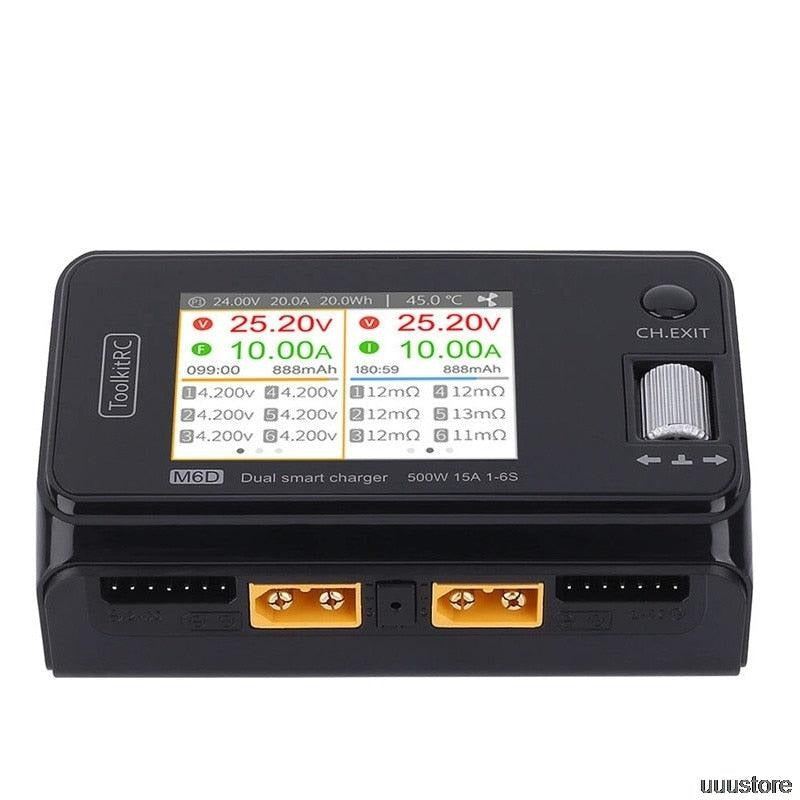
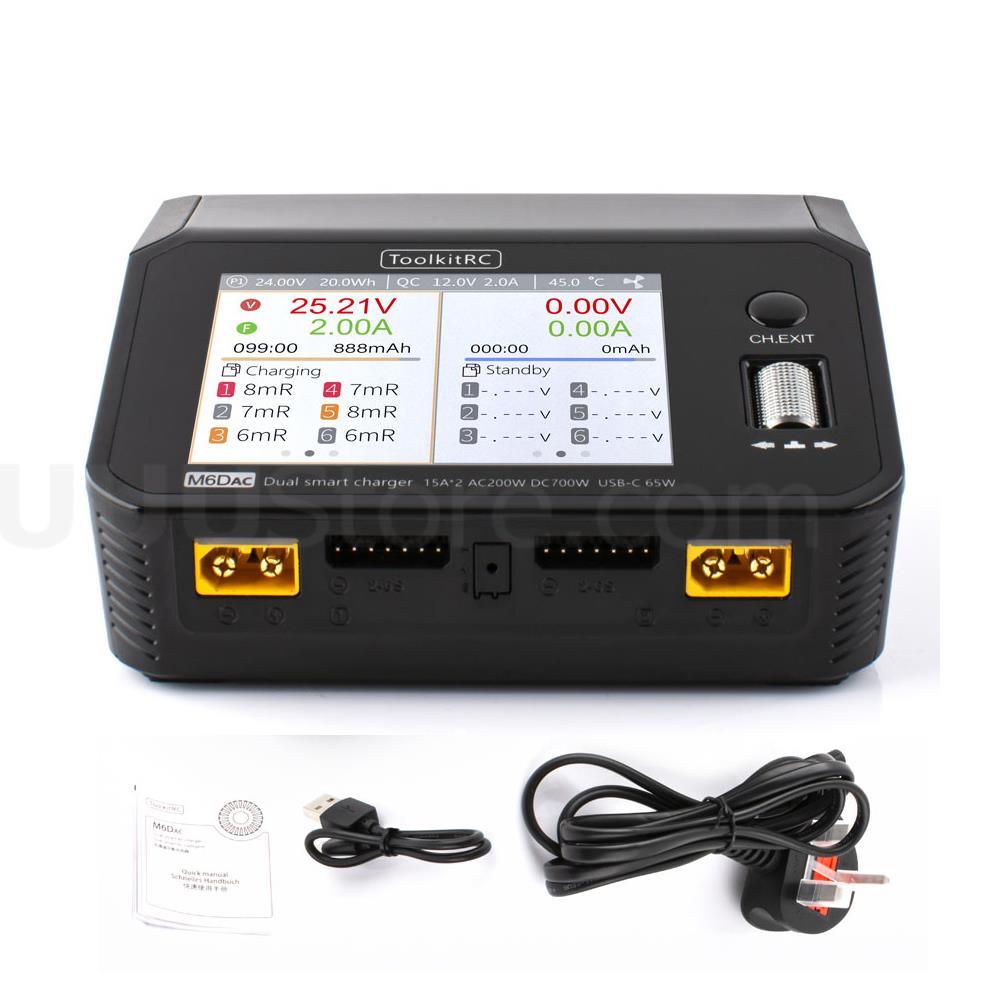
When you are finishing a fresh build with a high-end FPV Frame Kit, the last thing you want is a faulty charging algorithm ruining your electronics. ToolkitRC units like the M6D offer dual-channel flexibility, but they require a solid understanding of DC power input to avoid the common pitfalls seen in community forums.
ToolkitRC Comparison Table: M4 vs. M6D vs. M8D
Model
Power Output
Input Type
Key Feature
M4 Pocket
80W
XT60 & USB-C
Ultra-Portable
M6D
500W (Asynchronous)
DC Only
Dual Channel / Mobile Charging
M8D
800W
DC Only
High Power / Large Screen
M6DAC
200W (AC) / 700W (DC)
AC/DC
Built-in Power Supply
Pro Tips: Avoiding Common ToolkitRC Issues
While the ToolkitRC M6D charger review scores are generally high, Reddit users have noted specific “pain points” that every pilot should know. First, some users have reported that the balancing algorithm can struggle with older packs. To ensure your 100C Lipo Battery stays healthy, I recommend plugging the balance lead directly into the charger. Avoid using cheap balance plug adapter boards, as they introduce resistance that can confuse the charger’s sensors.
Additionally, be wary of the 1S LiHv overcharging bug reported on some firmware versions. Always keep your firmware updated and never leave 1S batteries unattended. If you’re looking for more maintenance gear, check out our full selection of Drone Tools to keep your fleet in top shape.
Frequently Asked Questions (FAQ)
Is the ToolkitRC M6D charger any good?The ToolkitRC M6D is an excellent option for charging multiple batteries simultaneously. It features optimized heat dissipation and a compact form factor. Note that it is a DC-only charger, meaning you will need an external power supply for home use.
How do I choose the right LiPo charger?Ensure the charger’s voltage and amperage match your battery requirements. It is generally safest to charge at a 1C rate (e.g., 1.5A for a 1500mAh battery). Compatibility with your specific cell count (S) is also vital.
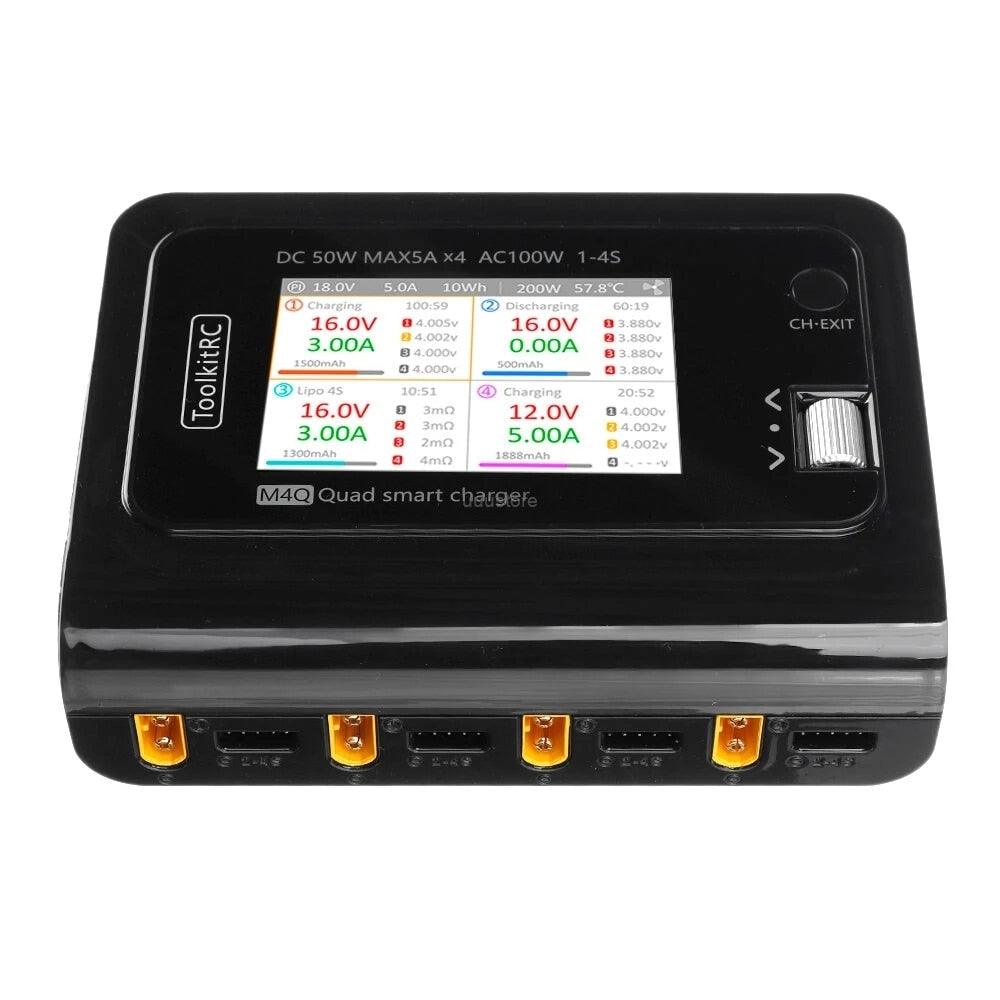
What is a good LiPo balance charger for small batteries?For AEP or small 2S packs, USB-based chargers like the Novritsch SSE18 are popular, but for FPV, the ToolkitRC M4Q charger offers four channels of independent charging which is far superior for high-volume sessions.
What is the 80/20 rule for charging?While often applied to EVs, the principle holds for LiPos: avoid discharging below 20% and, for long-term storage, never leave them at 100%. Use the ‘Storage’ function on your ToolkitRC M8 charger to keep your batteries at a safe 3.80-3.85V per cell.
- Drone Accessories
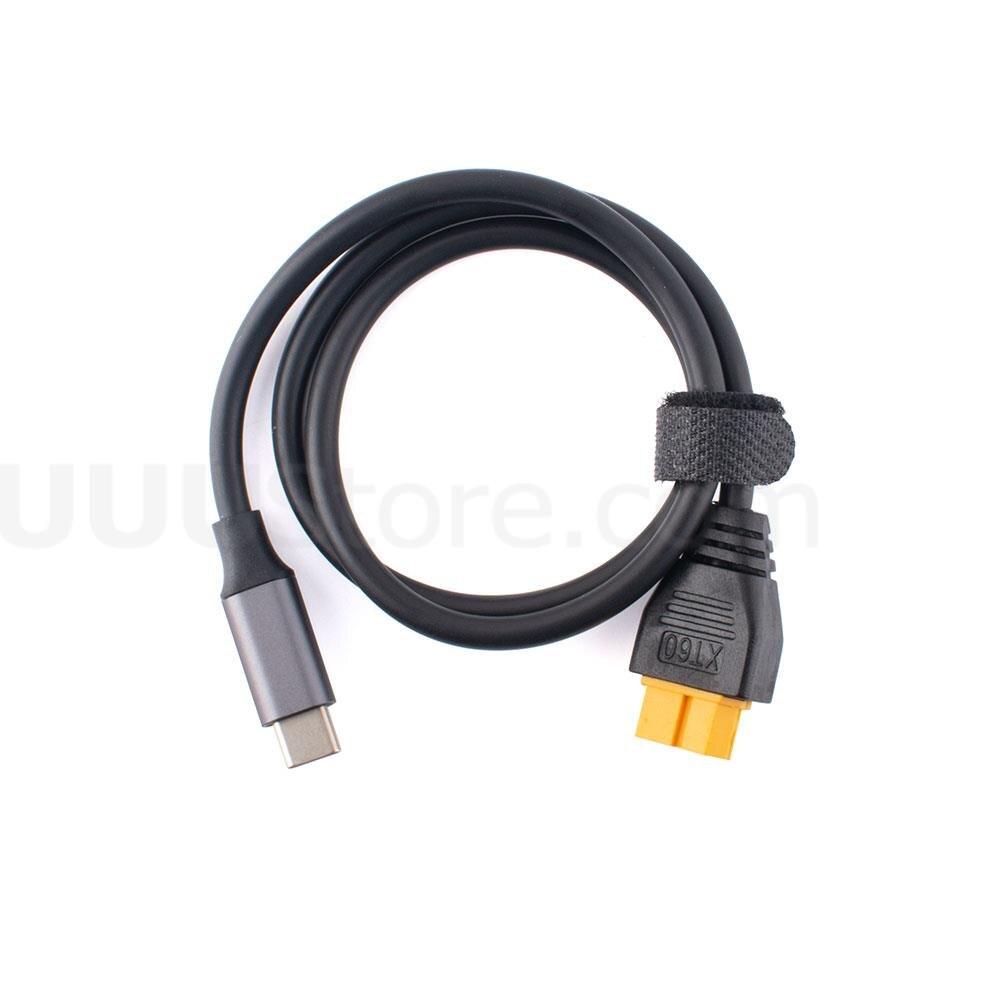
Toolkitrc SC100 Type-C to XT60 Charging Cable for toolkitrc M7 M6 M6D M8S Charger
$21.73 - Power Supply
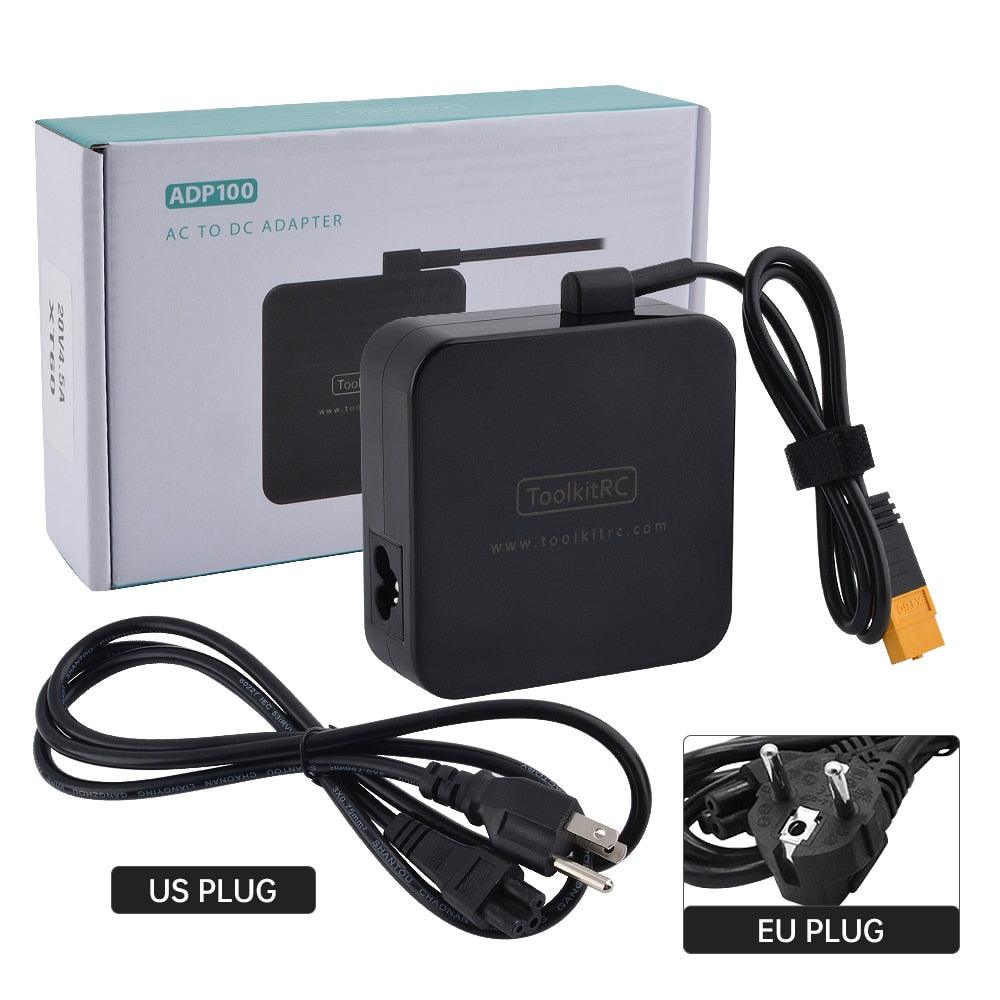
ToolKitRC ADP100 – 100W 20V Power Supply with XT60 Output Adapter For ISDT Q8 Q6 GT Power Hota HTRC SkyRC Charger RC FPV Drone
Price range: $44.54 through $48.80 - Drone Accessories
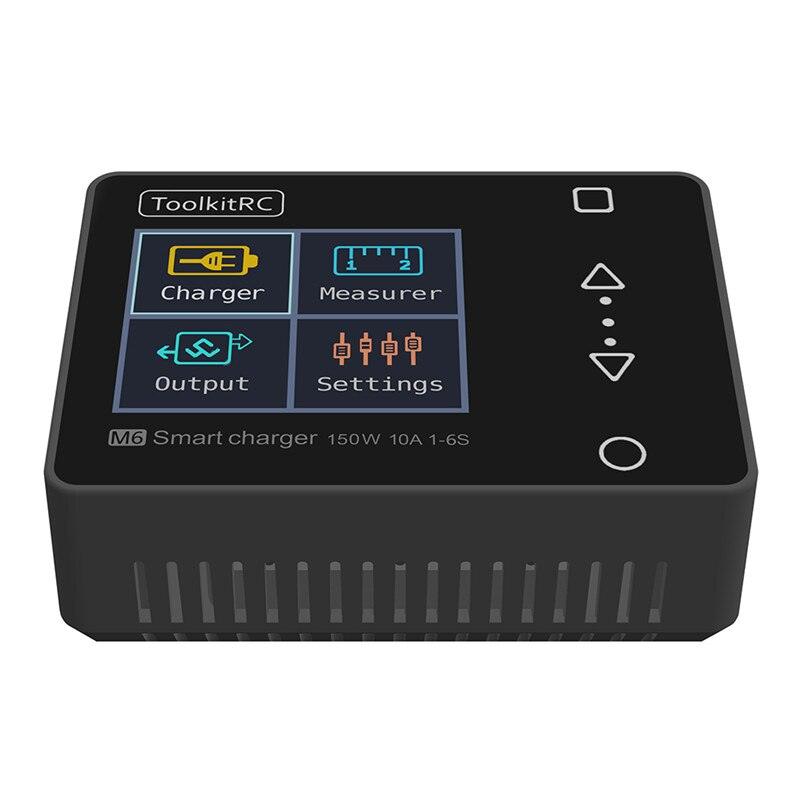
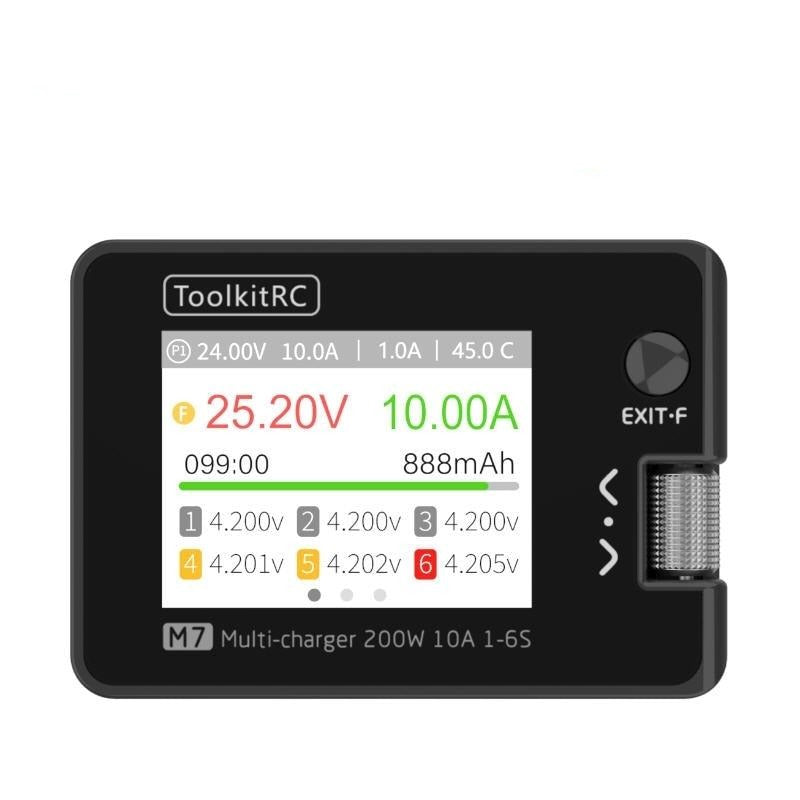
ToolkitRC M7 Charger – 200W 10A DC Balance Charger Discharger for 1-6S Lipo Battery With Voltage Servo Checker ESC Receiver Signal Tester
Price range: $59.67 through $60.76 - Drone Battery Charger
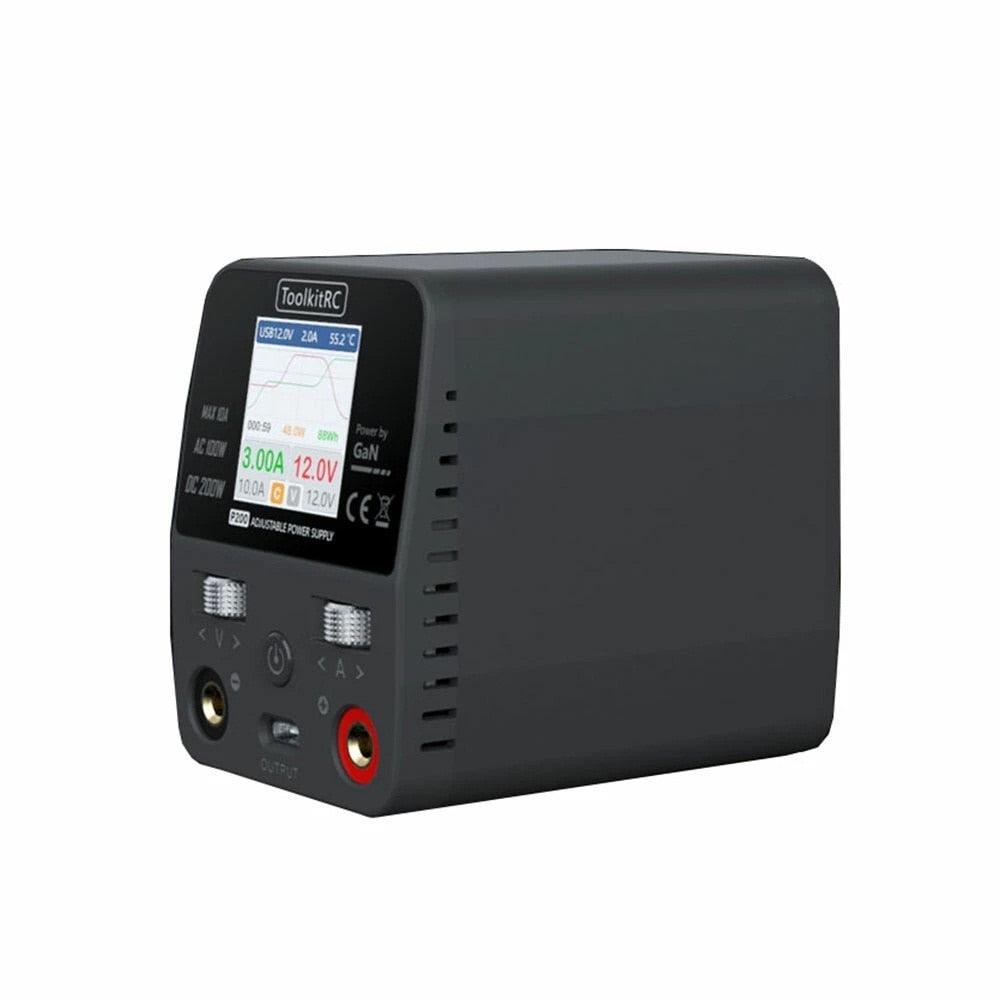
ToolkitRC P200 Power Supply – Mini 30V AC100W DC200W 10A GaN Adjustable Mini Desktop Power Supply USB Output Drone Battery Charger
Price range: $106.39 through $111.82
 English
  Russian
  German
  Arabic