
6S 22.2V Lipo Battery
Eliminate Voltage Sag: The Engineering Advantage of 6S 22.2V Power
As a veteran engineer in the FPV space, I’ve seen the industry shift from 4S to 6S for one primary reason: efficiency. A 6S 22.2V Lipo battery isn’t just about raw speed; it’s about linear throttle response and consistency. By increasing the voltage, your system pulls fewer Amps to achieve the same wattage, resulting in cooler motors and a battery that feels just as punchy at the end of the flight as it did at the start.
Choosing Your Cell Type: Racing LiPos vs. Long Range Li-ion
When pilots ask, “Which is better 18650 or 21700 for drones?”, the answer depends entirely on your mission profile. For high-intensity freestyle or racing, a standard LiPo pack is essential for its high C-rating. However, for long-range endurance, 21700 cells (like the Molicel P45B) have overtaken the classic 18650. While 18650s are lighter, 21700s offer a significantly better capacity-to-discharge ratio, allowing for 20+ minute flight times on 7-inch frames without the massive voltage sag typically seen in older lithium-ion tech.
Feature
Standard 6S LiPo
6S Li-ion (21700)
Max Discharge (C)
100C – 150C
10C – 45A
Energy Density
Moderate
Very High
Best Use Case
Freestyle & Racing
Long Range & Cinematic
Pro Engineering Tips for 6S Longevity
The Storage Secret: Don’t leave your packs fully charged. Reddit pilots and pros alike agree: always discharge your LiPos to a storage voltage of 3.7V-3.8V per cell. This prevents internal chemistry breakdown and significantly extends the life of your 22.2V system.
Connector Choice: For 5-inch drones, an XT60 is standard. But if you’re building a heavy-lift rig or a high-amp racing machine, consider an XT90 to ensure the full 22.2V potential reaches your ESCs without melting the plastic housing.
Safety First: High-voltage packs carry more energy. Always charge using high-quality Balance Chargers and store your gear in Fireproof Bags. Don’t forget to secure your pack with heavy-duty Battery Straps to prevent ejections during crashes.
Frequently Asked Questions
What is the max voltage of a 6S 22.2V Lipo battery?
A standard 6S Lipo battery has a nominal voltage of 22.2V (3.7V per cell). When fully charged, the maximum voltage is 25.2V (4.2V per cell). For LiHV (High Voltage) cells, the max can reach 26.1V (4.35V per cell).
Why is 6S considered better than 4S for FPV drones?
6S systems are more efficient because the higher voltage requires less current (Amps) to produce the same power (Watts). This results in less heat, reduced voltage sag during “punch-outs,” and more consistent power throughout the entire discharge cycle.
What is the safe discharge limit for a 22.2V 6S battery?
To avoid permanent damage, never let your 6S pack drop below 21.0V (3.5V per cell) under load. Most experienced pilots land when the OSD shows 22.2V (3.7V per cell) to ensure the resting voltage remains in a healthy range.
Why is monitoring Internal Resistance (IR) essential for 6S Lipo packs?
With six cells in series, a 6S pack is more prone to “cell drift.” If one cell has a significantly higher IR than the others, it becomes a weak link that can lead to pack failure or fire. Check your IR regularly on your charger to ensure a balanced and safe power source.
- 6S 22.2V Lipo Battery
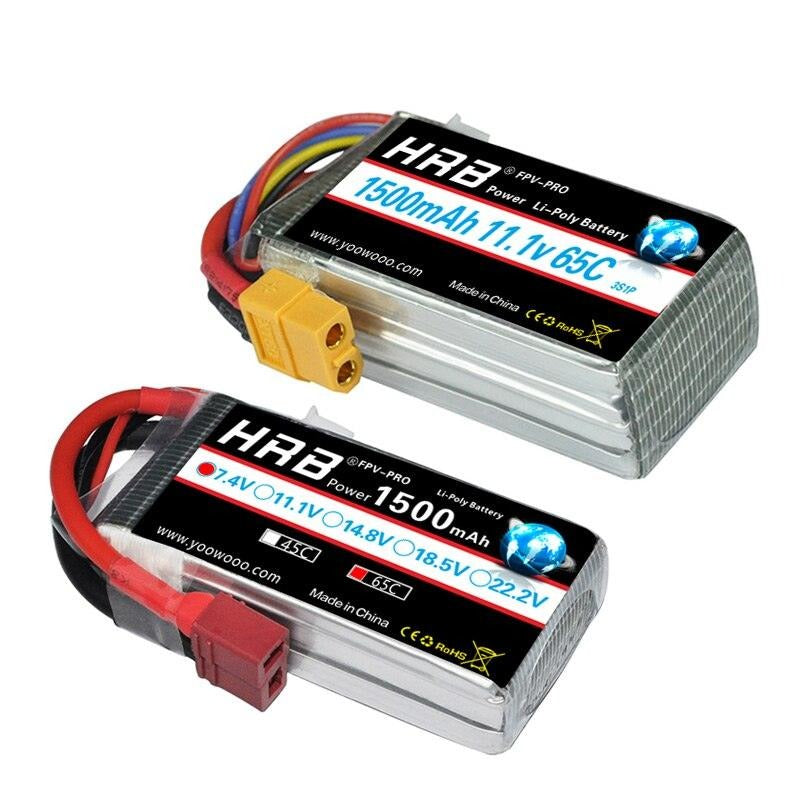
HRB 2S 3S 4S 5S 6S lipo Battery 1500mah 7.4V 11.1V 14.8V 18.5V 22.2V Lipo Battery 65C For RC Car UAV Drone Truck Truggy Airplane FPV Drone
Price range: $22.41 through $47.75 - 6S 22.2V Lipo Battery
HRB Battery Lipo 2S 3S – 1300mah 4S 5S 6S 1500mah 1800mah 2200mah 2600mah 7.4V 11.1V 14.8V 18.5V 22.2V For Drone FPV Airplanes
Price range: $25.72 through $97.50 - 6S 22.2V Lipo Battery
HRB 4200mah Lipo Battery 14.8V – T Deans 7.4V 11.1V 2S 3S 18.5V 22.2V 4S 5S 6S XT60 RC Quadcopter FPV Airplane Drone Car Parts 60C
Price range: $25.78 through $97.23 - 2S 7.4V Lipo Battery
HRB 5200mah 3S 11.1V – Deans T XT60 Lipo Battery 14.8V 50C 4S 5S 6S 7.4V 2S 18.5V 22.2V For Airplanes Catamaran Boats Car RC Drone FPV Parts
Price range: $31.96 through $116.39 - 6S 22.2V Lipo Battery
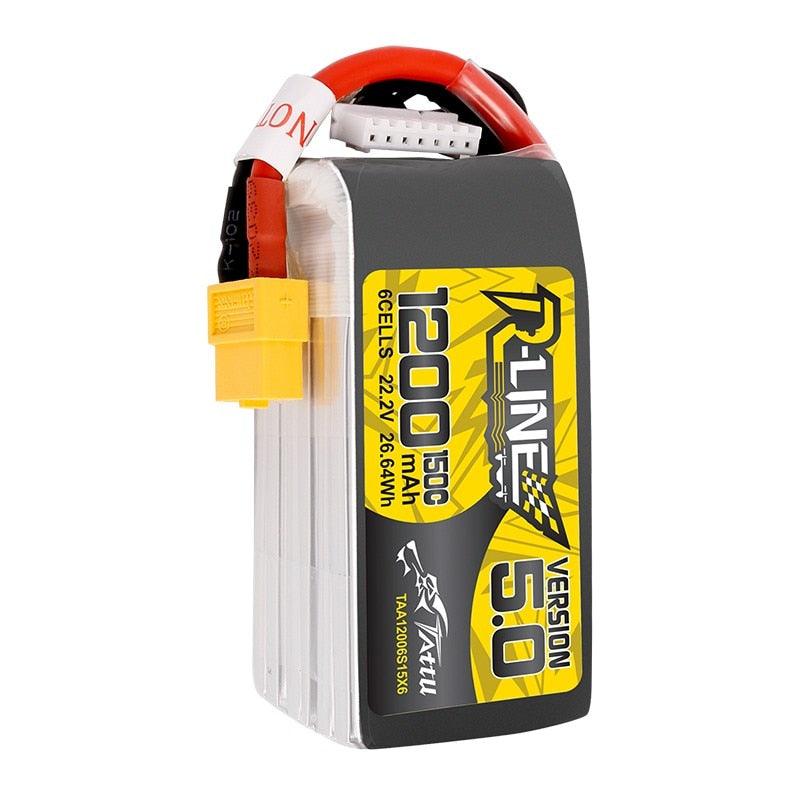
Tattu R-Line Version 5.0 V5 1200 1400mAh 150C 6S 22.2V Lipo Battery XT60 Plug FPV Racing Drone RC Quadcopter
Price range: $35.41 through $40.90 - 6S 22.2V Lipo Battery
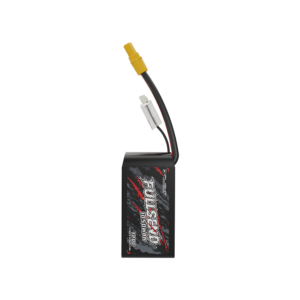
iFlight Fullsend 6S1P 1400mAh 150C 22.2V Lipo Battery with XT60H Connector for FPV
Price range: $59.99 through $209.99 - 6S 22.2V Lipo Battery
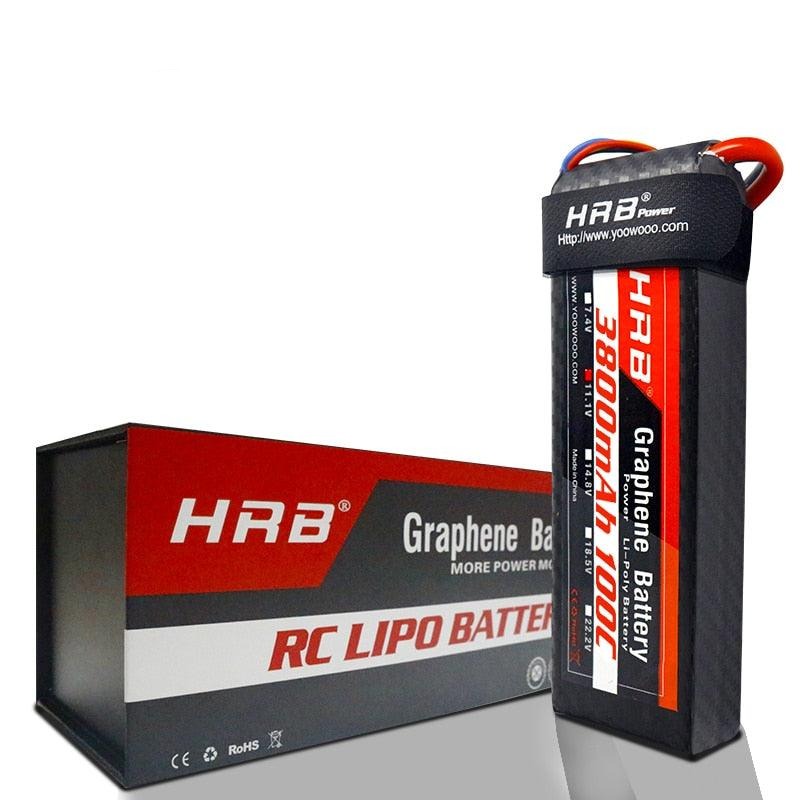
HRB 3800mah Graphene 7.4V 11.1V Lipo Battery 2S 3S 4S 100C 14.8V XT90 XT60 Deans T EC5 RC Airplanes Car Parts 5S 18.5V 6S 22.2V
Price range: $60.01 through $153.90 - 6S 22.2V Lipo Battery
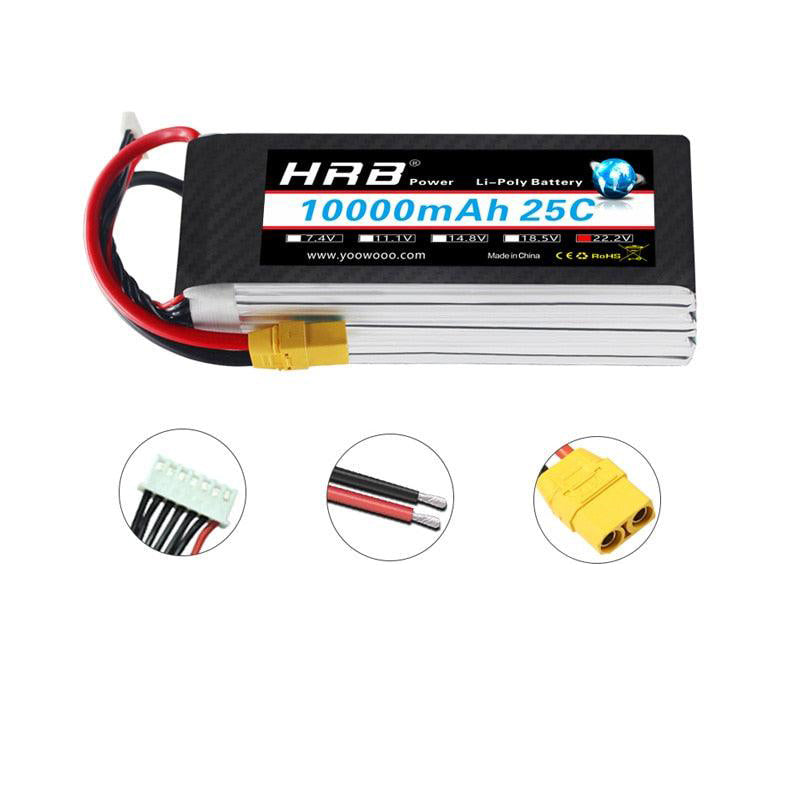
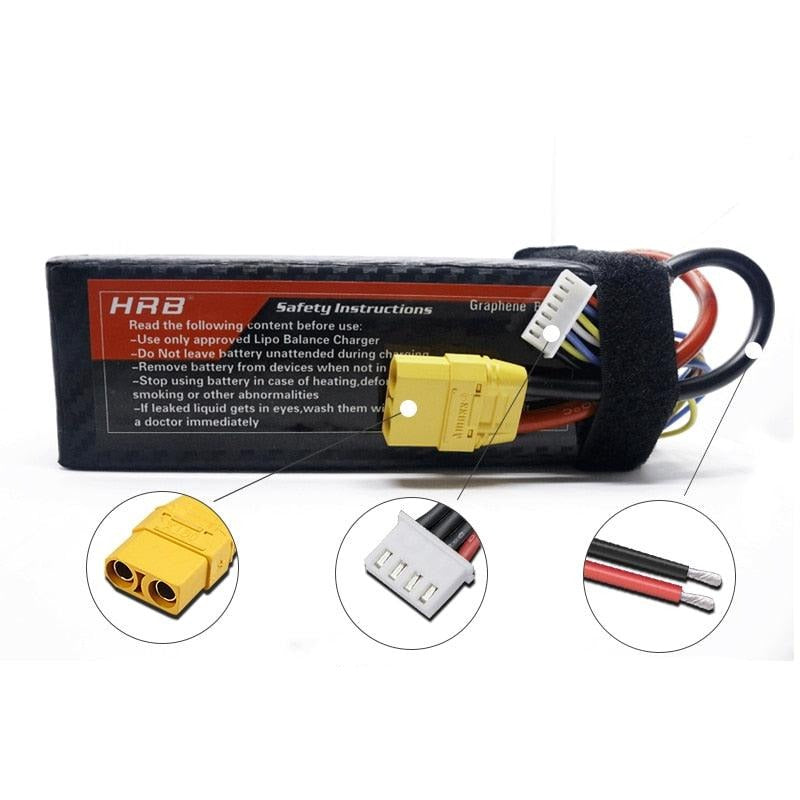
HRB Battery Lipo 2S 3S 4S 5S 6S 12S 8000mah 10000mah 12000mah 16000mah 22000mah 7.4V 11.1V 14.8V 18.5V 22.2V 44.4V 5000mah for FPV Drone Car Helicopter Airplane Toys
Price range: $65.58 through $382.91 - 6S 22.2V Lipo Battery
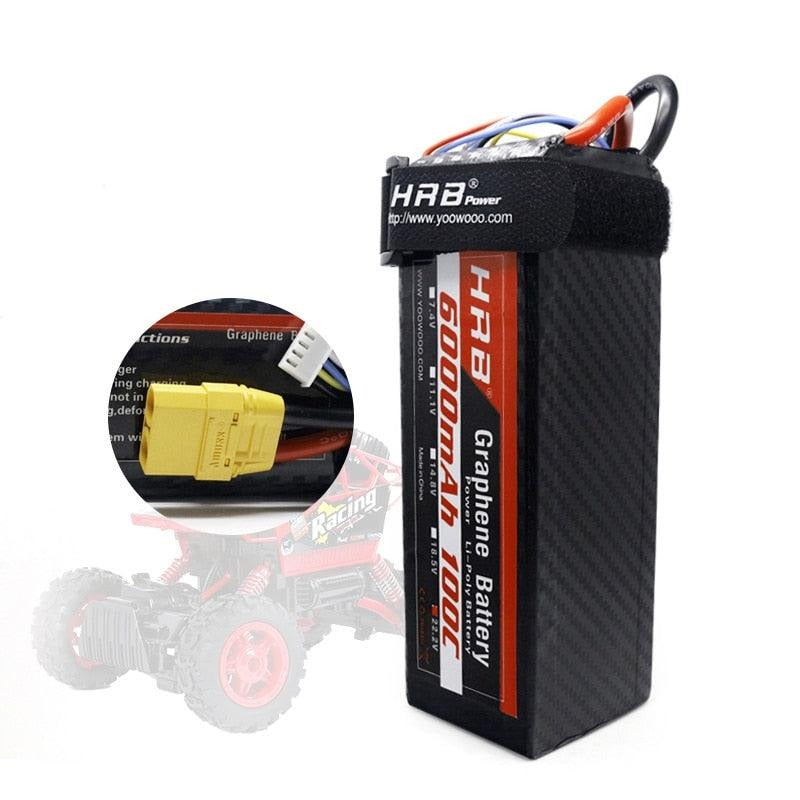
HRB Graphene 2S 3S 4S 5S 6S Lipo Battery – 3000mah 3800mah 5000mah 6000mah 7.4V 11.1V 14.8V 18.5V 22.2V 100C XT90 EC5 RC Toy Parts
Price range: $70.38 through $204.46 - 50C Lipo Battery
Youme 6S 22.2V 5200mah Lipo Battery – 50C XT60 T XT90 XT150 EC3 EC5 for RC Helicopter Airplane Boat Quadcopter
Price range: $87.57 through $187.81 - 6S 22.2V Lipo Battery
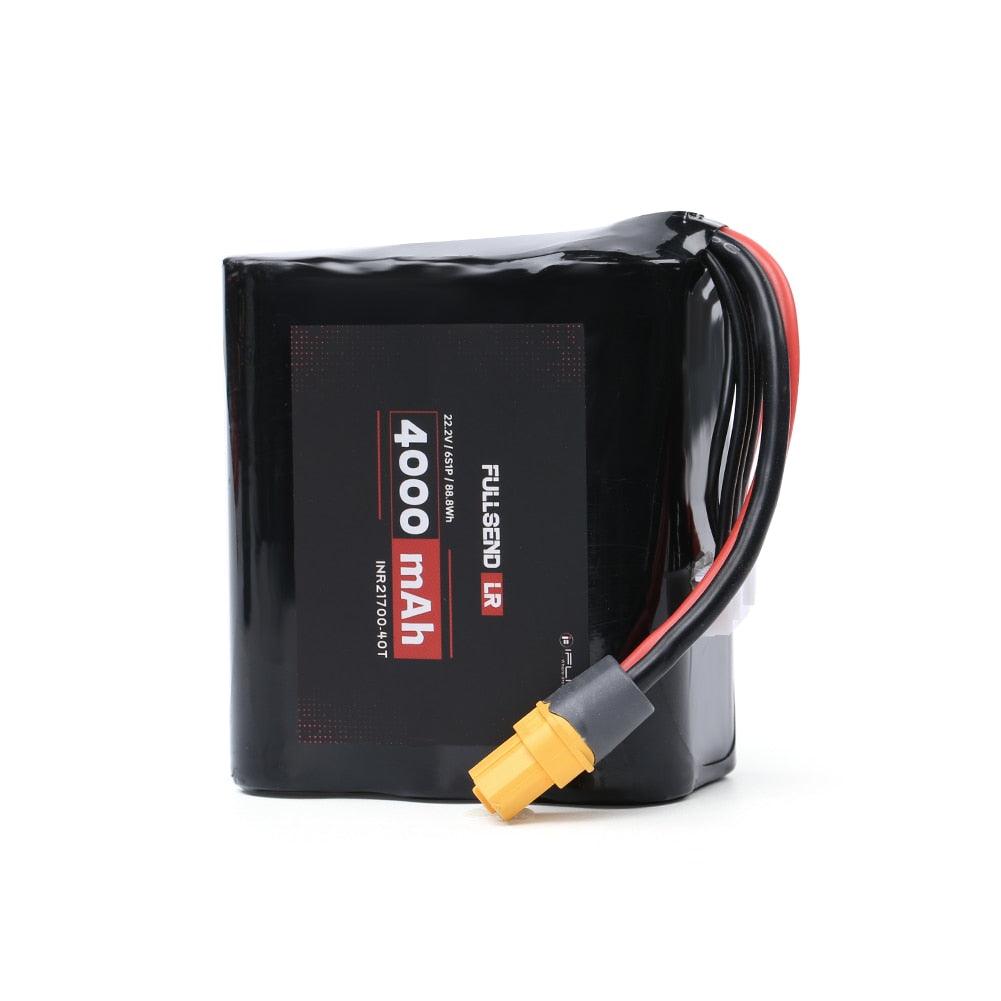
iFlight FULLSEND 6S 4000mAh Battery – 6S1P 22.2V Li-Ion LR INR21700-40T Battery with XT60H Connector FPV Drone Battery
Price range: $108.98 through $111.81 - 6S 22.2V Lipo Battery
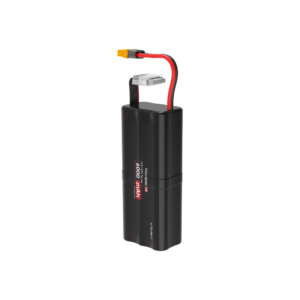
iFlight Fullsend 6S2P 22.2V 6000mAh Li-Ion Battery With XT60H plug Perfect for long-range quads like XL10 V6
$145.00 - 6S 22.2V Lipo Battery
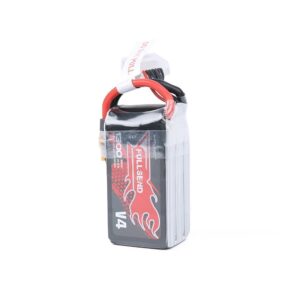
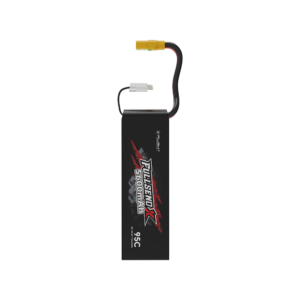
iFlight Fullsend X 6S1P 22.2V 5600mAh 95C Lipo Battery With XT60H XT90H
$165.00 - 6S 22.2V Lipo Battery
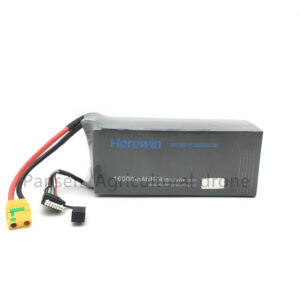
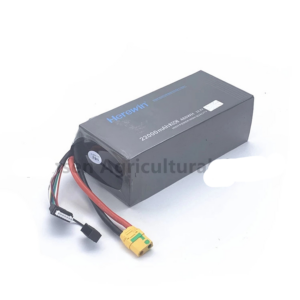
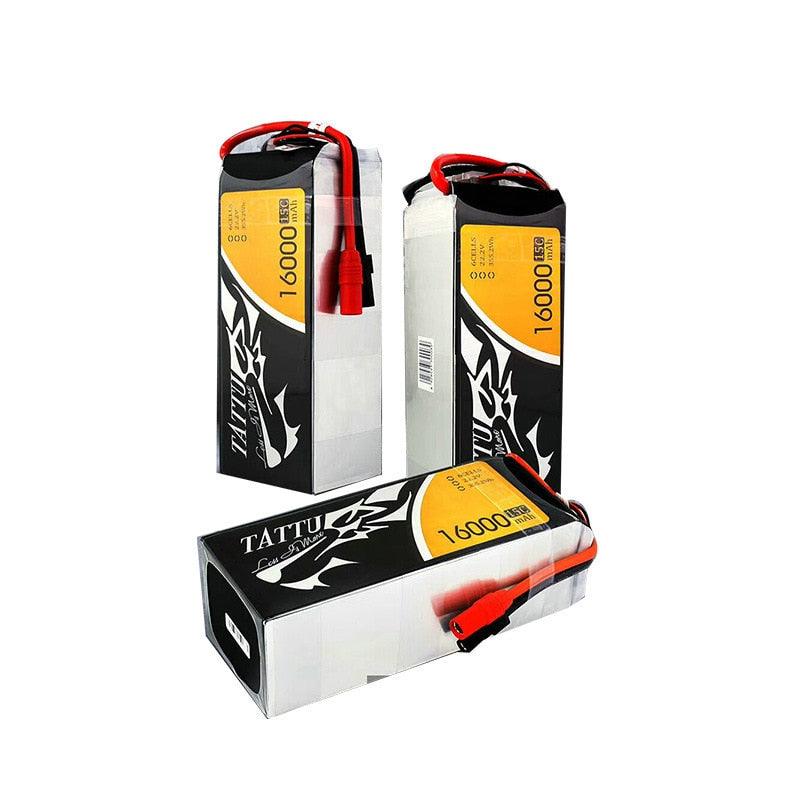
Herewin 16000MAH 22000MAH Battery 22.2v 6S 20C Agricultural Drone Battery – Plant Protection UAV Battery
$175.33 - 6S 22.2V Lipo Battery
Herewin 6s 12000mah 16000mah 22000mah Battery 22.2v 20C shaft battery Agricultural Drone battery
Price range: $175.33 through $226.63 - 6S 22.2V Lipo Battery
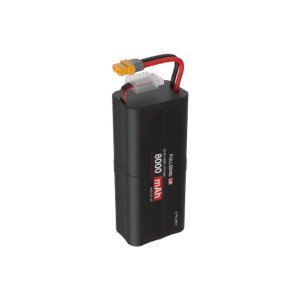
iFlight Fullsend 6S 8000mAh Battery – 2P 22.2V Li-Ion FPV Battery with XT60 connector for FPV Drone
$188.05

 English
  Russian
  German
  Arabic