
Video Transmitters
# Premium FPV Video Transmitters for Racing & Freestyle Drones
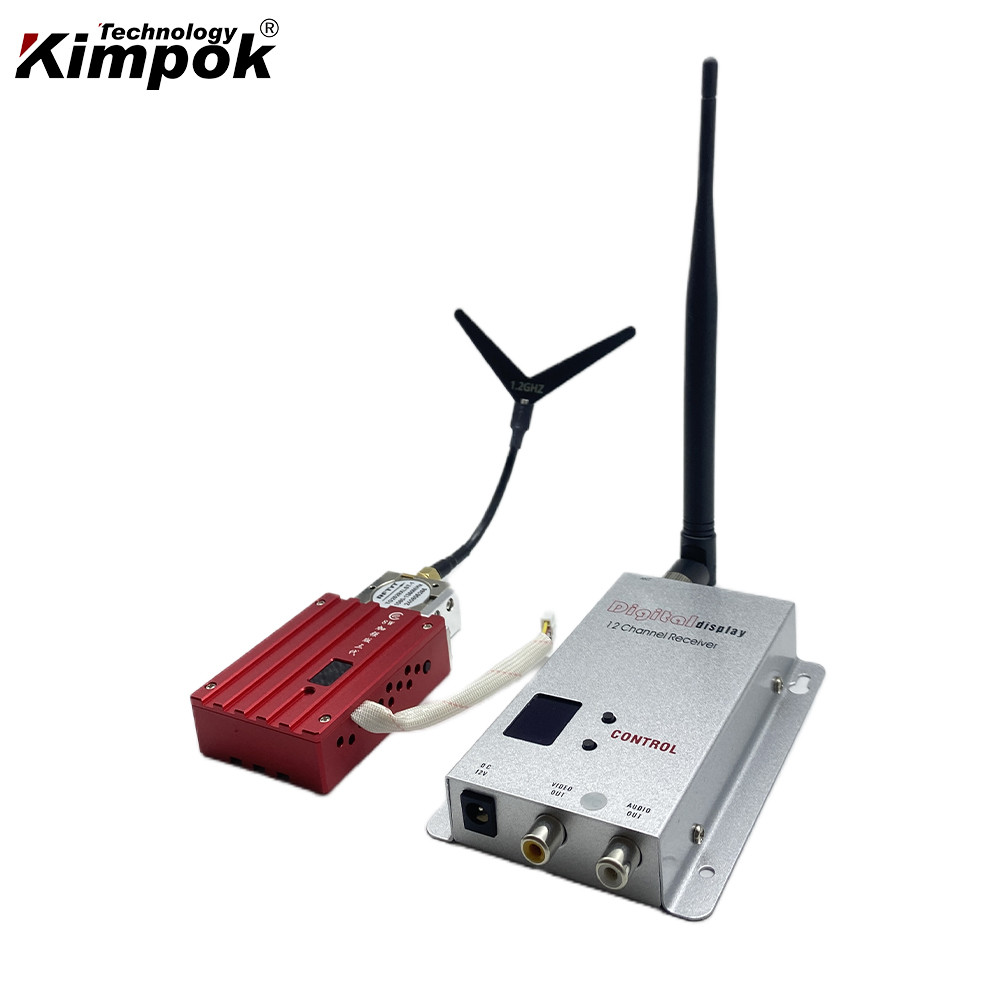
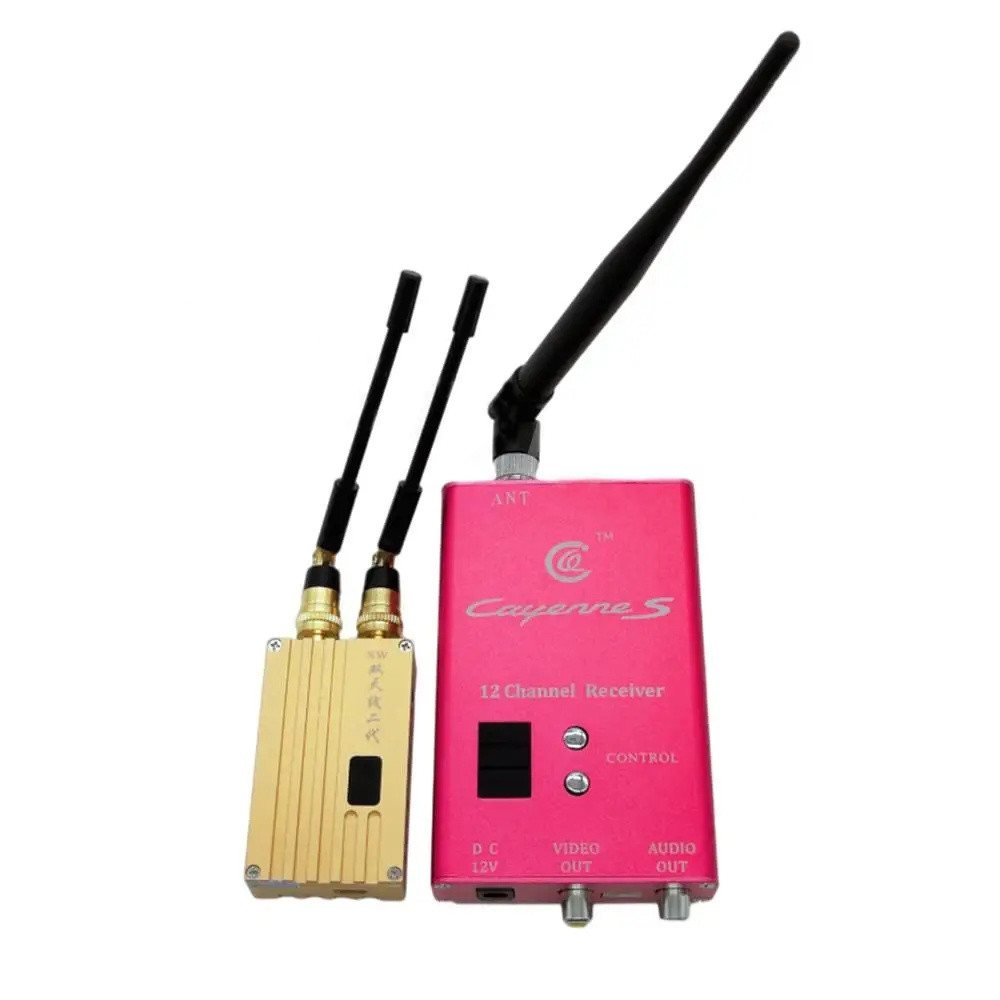
After logging over 500 flight hours testing VTX systems, I can confirm that a quality video transmitter is the lifeline between your aircraft and goggles. Modern FPV video transmitters operate primarily on 5.8GHz frequency bands (5645-5945MHz), delivering real-time analog or digital feeds with latency as low as 28ms. Most pilots rely on adjustable power output ranging from 25mW to 800mW (or even 1.6W for long-range applications), though I recommend staying within 25-200mW for most freestyle and racing scenarios to comply with FCC regulations. Look for VTX units with IRC Tramp or SmartAudio protocol support for seamless BetaFlight integration, allowing pit mode activation and channel switching directly from your transmitter. Temperature management is critical—quality transmitters feature integrated heatsinks or require active cooling above 400mW to prevent thermal shutdowns mid-flight.
When selecting a video transmitter, prioritize compatibility with your existing ecosystem: analog systems work with traditional FatShark or Skyzone goggles, while DJI O3 or HDZero digital VTX units require matching receivers. **Safety Warning**: Always verify local regulations regarding transmission power and frequency authorization before flight—unauthorized operation can result in significant fines. Check for CE or FCC certification markings on legitimate products. Consider mounting position carefully; VTX antennas need clear line-of-sight and should mount away from carbon fiber to minimize signal interference. Browse our certified selection to find the perfect video transmitter for your build requirements.
Top products in Video Transmitters
- Cutting-Edge Technology 1080P HD Digital Wireless Video Transmitter and Receiver with H.264 Compression AV Communication - $7,800.00
- 8 Channels 1.2Ghz 8W FPV Wireless Video Transmitter And Receiver For Drones DC 12V Power 40km Range - $139.00
- UAV Long Distance Transmission 1080P HD Wireless Video Transmitter And Receiver with FEC 7/8 and AES 128 bits Encryption - $3,700.00
- 600Mhz FPV/Drone Video Transmitter 40km VTX and VRX Wireless Video Link with 8 Channels Ultra Long Range 83g 4 Watt - $108.29
- 40km LOS Drone Remote Control 500Mhz Low Frequency FPV Video Transmitter and Receiver for Long Distance - $69.00
- 5W Full Power 8 Channels Long Range Wireless Video Transmitter and Receiver for UAV at 1.2Ghz in 150*65*30mm Size - $190.00
- Video Transmitters
1.2Ghz 1.5W UAV Video Transmitter and Receiver 1.2G FPV VTX VRX Image Transmission
$27.871.2Ghz 1.5W UAV Video Transmitter and Receiver 1.2G FPV VTX VRX Image Transmission. Price reference: AliExpress (1.2GHz 8CH 1.5W/1500mW 图传收发套装). price source
- Video Transmitters
FPV Video Link 10km LOS 2.4Ghz Wireless Video Transmitter Long Range Transmitter and Receiver 1000mW RF Power
$34.25FPV Video Link 10km LOS 2.4Ghz Wireless Video Transmitter Long Range Transmitter and Receiver 1000mW RF Power. Price reference: AliExpress (Kimpok Wireless Solution Store). price source
- Video Transmitters
5.8Ghz FPV Long Range Wireless Video Transmitter and Receiver with 9 Channels DC 12V Power Supply
$38.645.8Ghz FPV Long Range Wireless Video Transmitter and Receiver with 9 Channels DC 12V Power Supply. Price reference: AliExpress. price source
- Video Transmitters
Private Mold 1.2Ghz FPV Wireless Video Transmitter and Receiver Lightweight with 4 Channels 200g
$48.01Private Mold 1.2Ghz FPV Wireless Video Transmitter and Receiver Lightweight with 4 Channels 200g. Price reference: AliExpress. price source
- Video Transmitters
FPV 2.2G 1.6W VTX 2.2Ghz PIT 25mW 200mW 1600mW Drone Video Transmitter and Receiver for Audio Video Transmission
$49.63FPV 2.2G 1.6W VTX 2.2Ghz PIT 25mW 200mW 1600mW Drone Video Transmitter and Receiver for Audio Video Transmission. Price reference: AliExpress. price source
- Video Transmitters
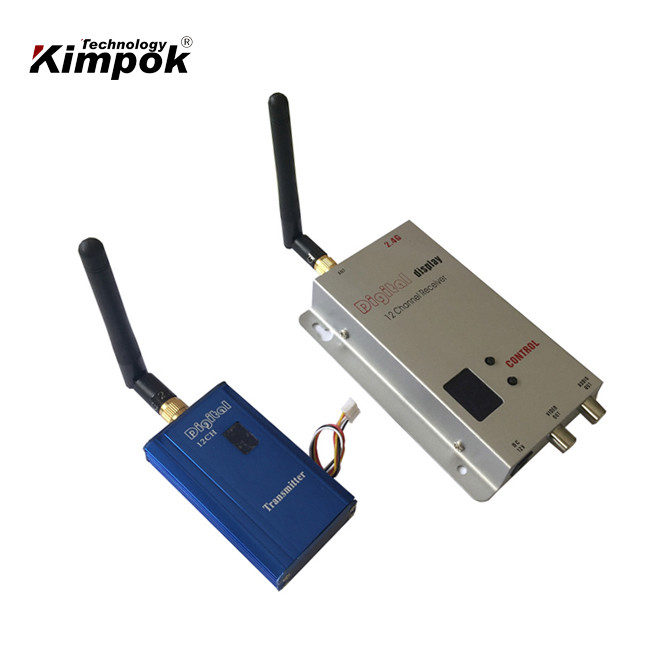
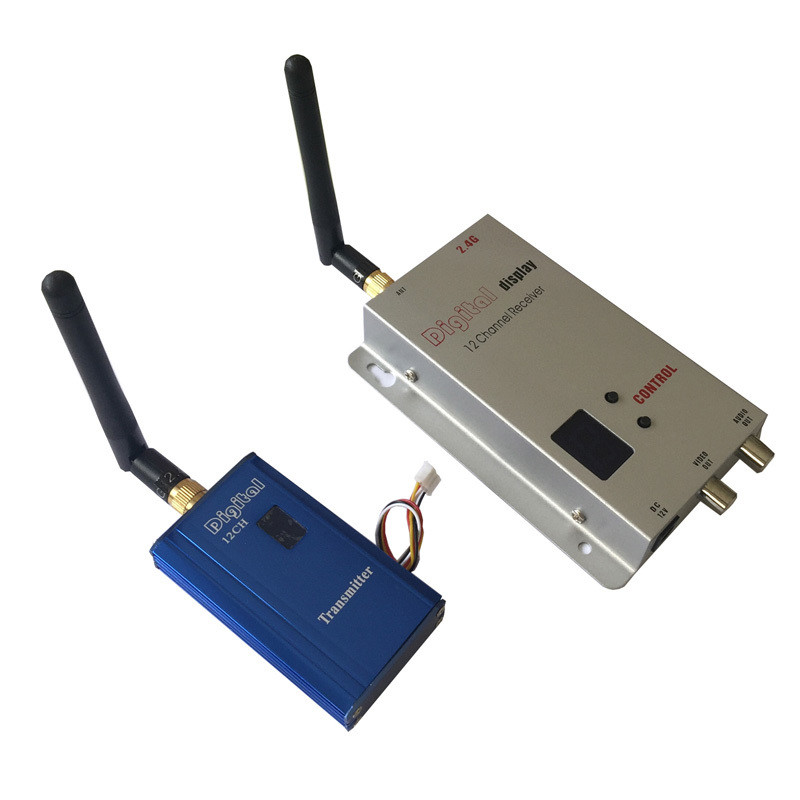
Private Mold Yes 2.4Ghz FM Wireless Video Transmitter 12 Channels Long Range Transmitter and Receiver DC 12V
$58.00Private Mold Yes 2.4Ghz FM Wireless Video Transmitter 12 Channels Long Range Transmitter and Receiver DC 12V. Price reference: Alibaba (Kimpok showroom). price source
- Video Transmitters
1.2Ghz 1.6W Wireless Transmitter and Receiver Modulation Type FM 8 Channel for 1.2G Image Transmission FPV
$65.941.2Ghz 1.6W Wireless Transmitter and Receiver Modulation Type FM 8 Channel for 1.2G Image Transmission FPV. Price reference: aliexpress. price source
- Video Transmitters
2.4Ghz Wireless Video Transmitter and Receiver with Long Range Transmission
$68.002.4Ghz Wireless Video Transmitter and Receiver with Long Range Transmission. Price reference: Kimpok 官网多语言站点 (korean.kimpok.com). price source
- Video Transmitters
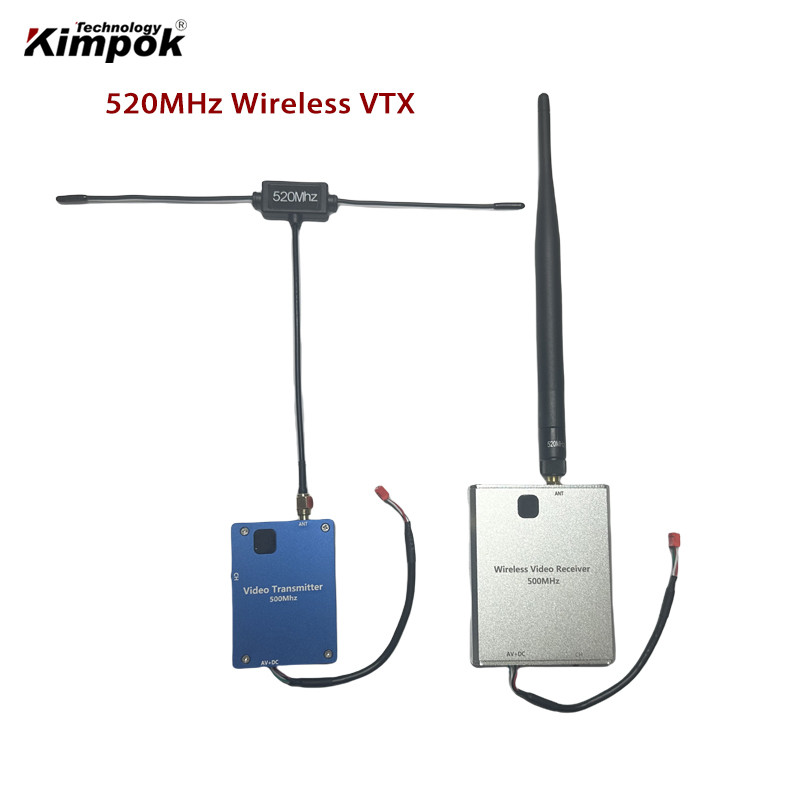
40km LOS Drone Remote Control 500Mhz Low Frequency FPV Video Transmitter and Receiver for Long Distance
$69.0040km LOS Drone Remote Control 500Mhz Low Frequency FPV Video Transmitter and Receiver for Long Distance. Price reference: RCDrone. price source
- Video Transmitters
2.4Ghz 8km FPV/UAV Wireless Video Transmitter 400mW Real-time Analog AV Transmitter and Receiver 12 Channels
$83.002.4Ghz 8km FPV/UAV Wireless Video Transmitter 400mW Real-time Analog AV Transmitter and Receiver 12 Channels. Price reference: alibaba. price source
- Video Transmitters
1.2G 1.3G FPV VRX VTX 8W Wireless Video Receiver and Transmitter Long Range Transmission
$91.791.2G 1.3G FPV VRX VTX 8W Wireless Video Receiver and Transmitter Long Range Transmission. Price reference: alibaba. price source
- Video Transmitters
1.2Ghz 8W Wireless Video Transmitter and Receiver FPV VTX VRX for Drone Image Sender
$91.791.2Ghz 8W Wireless Video Transmitter and Receiver FPV VTX VRX for Drone Image Sender. Price reference: Alibaba (Kimpok listing). price source
- Video Transmitters
8 Channels 1.2GHz 8W Long Range Video Transmitter and Receiver 40km DC 12V
$91.798 Channels 1.2GHz 8W Long Range Video Transmitter and Receiver 40km DC 12V. Price reference: Alibaba.com (Shenzhen Kimpok Technology). price source
- Video Transmitters
High Power 1.2Ghz 8W LOS UAV / FPV Wireless Video Transmitter and Receiver for Drones Private Mold 6 Channels
$95.81High Power 1.2Ghz 8W LOS UAV / FPV Wireless Video Transmitter and Receiver for Drones Private Mold 6 Channels. Price reference: Alibaba (Kimpok 官方店商品页). price source
- Video Transmitters
3.3G 4W VTX racing drone image transmission 3.3GHz image transmission antenna model aircraft VRX wireless transmitter and receiver
$95.863.3G 4W VTX racing drone image transmission 3.3GHz image transmission antenna model aircraft VRX wireless transmitter and receiver. Price reference: Megadron (PL FPV shop, EN). price source
- Video Transmitters
12V DC Wireless Video Transmission 550Mhz 8 Channels Long Range Video Transmitter and Receiver for FPV
$98.0012V DC Wireless Video Transmission 550Mhz 8 Channels Long Range Video Transmitter and Receiver for FPV. Price reference: alibaba. price source
- Video Transmitters
Private Mold Yes Frequency 1.2Ghz 1.2G 8W FPV Long Range Wireless Video Transmitter and Receiver with 6 Channel for Drone
$99.19Private Mold Yes Frequency 1.2Ghz 1.2G 8W FPV Long Range Wireless Video Transmitter and Receiver with 6 Channel for Drone. Price reference: AliExpress. price source
- Video Transmitters
1.2GHz 1.3GHz FPV Video Transmitter and Receiver Long Range 8W Wireless Video Link 12V DC
$105.151.2GHz 1.3GHz FPV Video Transmitter and Receiver Long Range 8W Wireless Video Link 12V DC. Price reference: alibaba. price source
- Video Transmitters
600Mhz FPV/Drone Video Transmitter 40km VTX and VRX Wireless Video Link with 8 Channels Ultra Long Range 83g 4 Watt
$108.29600Mhz FPV/Drone Video Transmitter 40km VTX and VRX Wireless Video Link with 8 Channels Ultra Long Range 83g 4 Watt. Price reference: AliExpress. price source
- Video Transmitters
8 Channels 1.2Ghz 8W FPV Wireless Video Transmitter And Receiver For Drones DC 12V Power 40km Range
$139.008 Channels 1.2Ghz 8W FPV Wireless Video Transmitter And Receiver For Drones DC 12V Power 40km Range. Price reference: alibaba. price source








# Premium FPV Video Transmitters for Racing & Freestyle Drones
After logging over 500 flight hours testing VTX systems, I can confirm that a quality video transmitter is the lifeline between your aircraft and goggles. Modern FPV video transmitters operate primarily on 5.8GHz frequency bands (5645-5945MHz), delivering real-time analog or digital feeds with latency as low as 28ms. Most pilots rely on adjustable power output ranging from 25mW to 800mW (or even 1.6W for long-range applications), though I recommend staying within 25-200mW for most freestyle and racing scenarios to comply with FCC regulations. Look for VTX units with IRC Tramp or SmartAudio protocol support for seamless BetaFlight integration, allowing pit mode activation and channel switching directly from your transmitter. Temperature management is critical—quality transmitters feature integrated heatsinks or require active cooling above 400mW to prevent thermal shutdowns mid-flight.
When selecting a video transmitter, prioritize compatibility with your existing ecosystem: analog systems work with traditional FatShark or Skyzone goggles, while DJI O3 or HDZero digital VTX units require matching receivers. **Safety Warning**: Always verify local regulations regarding transmission power and frequency authorization before flight—unauthorized operation can result in significant fines. Check for CE or FCC certification markings on legitimate products. Consider mounting position carefully; VTX antennas need clear line-of-sight and should mount away from carbon fiber to minimize signal interference. Browse our certified selection to find the perfect video transmitter for your build requirements.
