
Spray Drone Water Tank
The Evolution of the Drone Water Tank: Precision Meets Payload
As a senior FPV engineer, I’ve seen the industry shift from simple hobbyist rigs to heavy-lift industrial machines. Whether you are looking for a drone with water tank capabilities for crop dusting or an underwater drone for potable water tank inspection, the engineering challenges remain the same: weight distribution, fluid dynamics, and power management. Integrating a drone water tank isn’t just about strapping a plastic container to a frame; it’s about balancing the center of gravity while the payload depletes, ensuring the flight controller can compensate for the ‘slosh’ effect.
Drone Water Tank Comparison: Spraying vs. Inspection
Feature
Agricultural Spray Drone
Inspection ROV (Water Tank)
Primary Goal
Precision Application
Structural Integrity Monitoring
Typical Capacity
10L – 50L (Largest drone water tank)
N/A (Submersible)
Environment
Aerial / Open Fields
Confined Underwater Spaces
Key Hardware
Pumps & Nozzles
4K Cameras & Sonar
Solving the Reddit Reality: Battery Swaps and Specialist Tools
If you browse Reddit’s drone communities, the #1 complaint for spray pilots is the constant cycle of “swapping batteries and topping the tank every pass.” Real-world experience shows that while drones are marketed as generalist tools, they are truly specialist instruments. To minimize downtime, professionals use high-discharge 100C Lipo Battery packs to handle the high-amp draw of heavy-lift motors. Furthermore, maintaining these complex systems requires a dedicated set of Drone Tools for field repairs, especially when dealing with the corrosive nature of some fertilizers. If you are building a custom rig to carry a largest drone water tank, starting with a reinforced FPV Frame Kit is critical to ensure the structural integrity of the arms under 30kg+ of stress.
Professional Drone Water Tank Inspection
It’s not all about spraying. Drone water tank inspection has become a multi-million dollar industry. Using an underwater drone for potable water tank inspection allows municipalities to check for sediment and cracks without draining millions of gallons of water. These ROVs (Remotely Operated Vehicles) must have high IP ratings to ensure no contaminants enter the drinking supply, highlighting the importance of specialized seals and brushless motor maintenance.
Frequently Asked Questions (PAA)
Can drones spray water?Yes, drones can apply water precisely where it’s needed. Integrated pumps deliver water at the specific pressure and volume required for optimal spray patterns, which is vital for sustainable farming in water-scarce regions.
What is the lifespan of a spray drone?While brushless motors can last 10,000+ hours, Electronic Speed Controllers (ESCs) typically last between 150 to 300 hours. Props should be replaced seasonally or whenever chips appear.
What are the disadvantages of drone spraying?The primary drawbacks are short battery life and limited flight time. This requires frequent landings for battery swaps, which can reduce overall productivity during tight seasonal windows.
Is a drone ruined if it gets wet?Unless the drone has a high IP rating (like the JOUAV PH-20), moisture can ruin electronics and void warranties. Standard spray drones are designed for moisture resistance, but they are not fully waterproof.
What is a water drone called?Water drones are commonly referred to as ROVs (Remotely Operated Vehicles), submersibles, or underwater drones, allowing operators to “fly” beneath the surface for drone inspection of water tanks.
- RCDrone
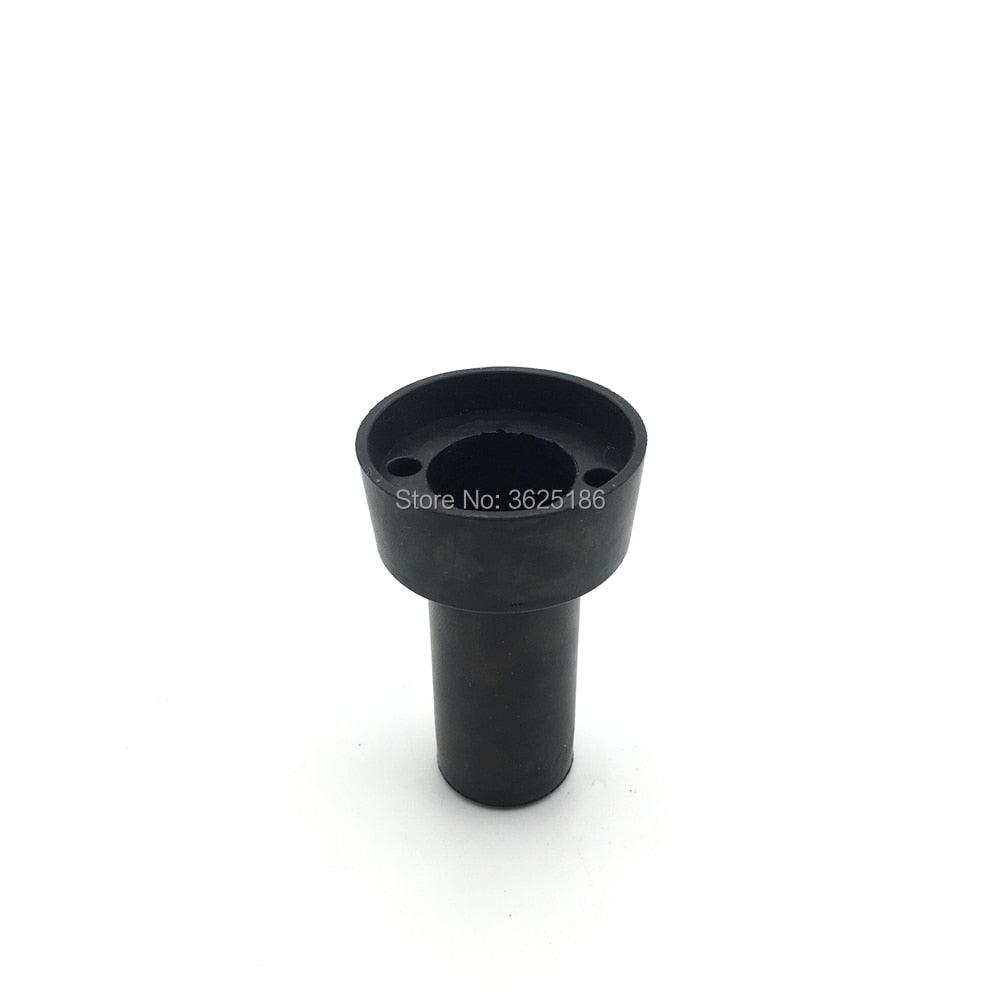
10L 16kg water tank pneumatic cover – 8mm 10mm 12mm water diameter medicine box pneumatic Connector agricultural spray drone UAV
Price range: $15.45 through $16.63 - Spray Drone Water Tank
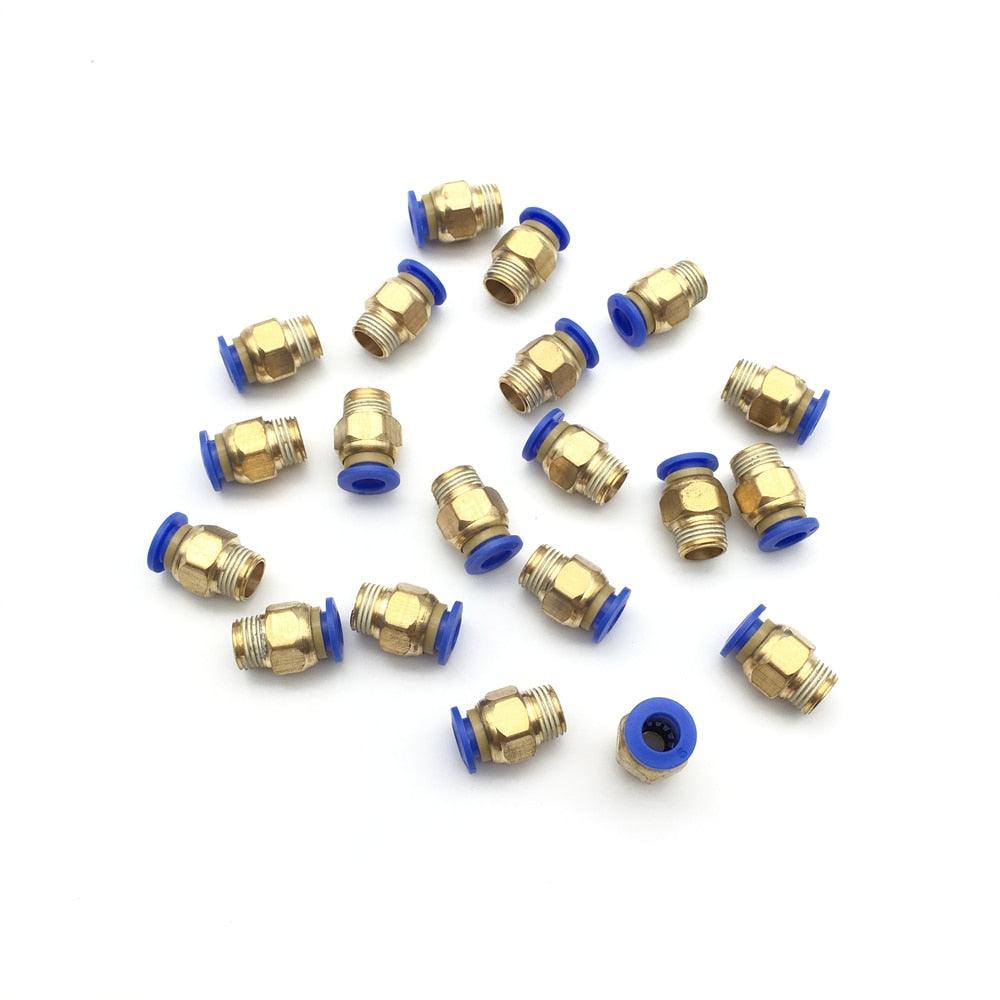
6mm 8mm LICHENG Nozzle water outlet connector – trachea quick connector/external thread straight through for agricultural drones
Price range: $19.99 through $20.32 - Spray Drone Water Tank
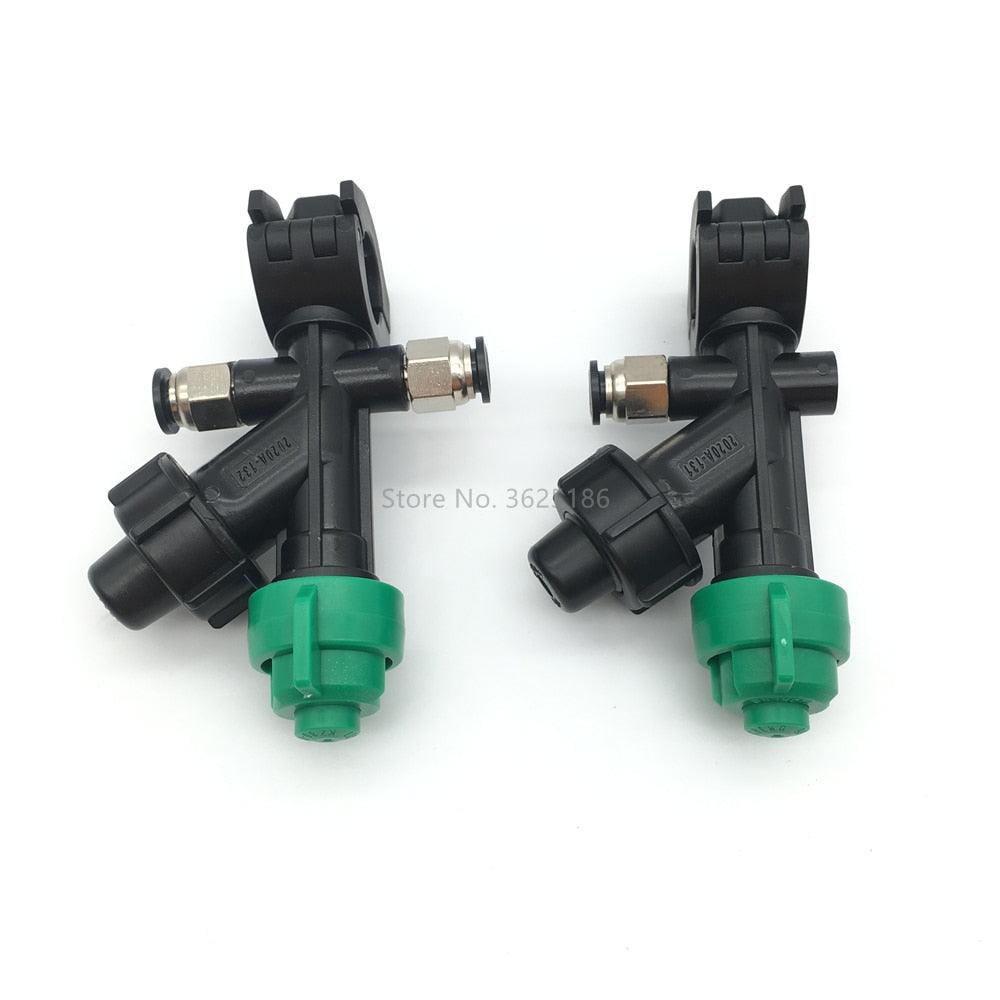
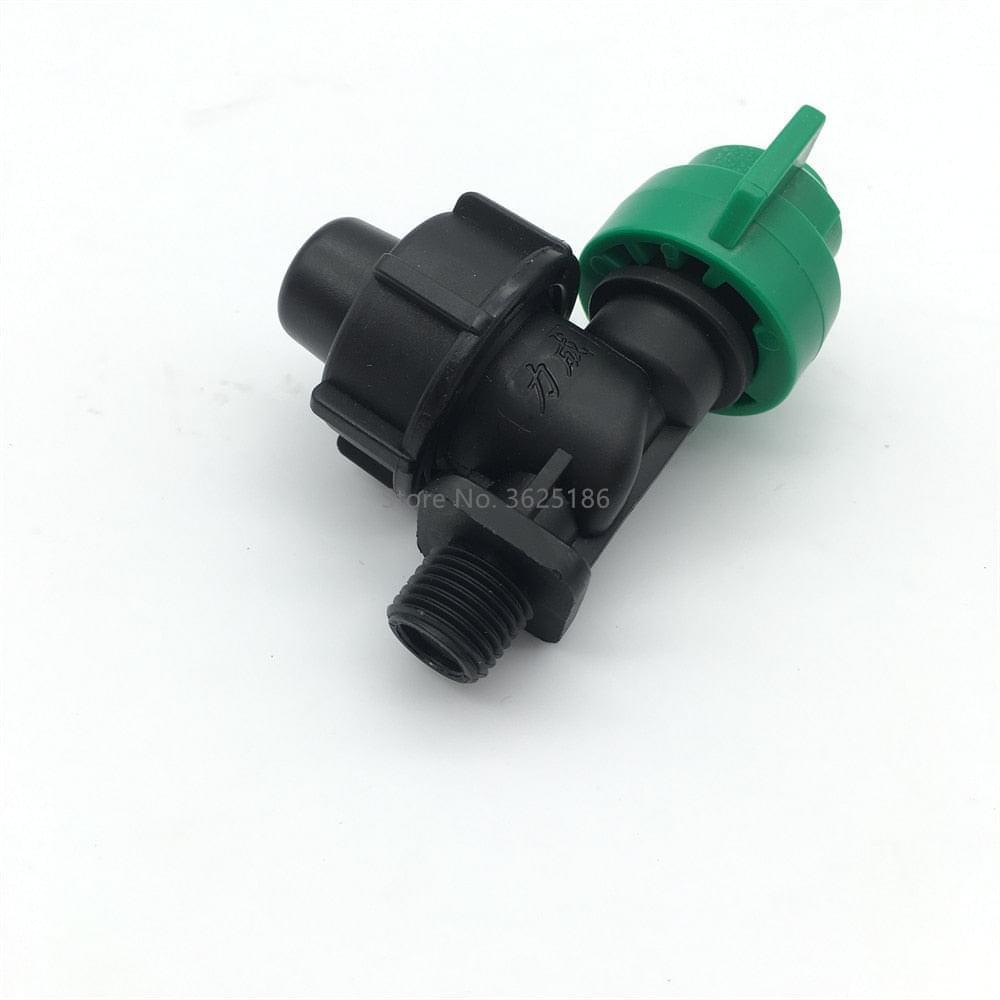
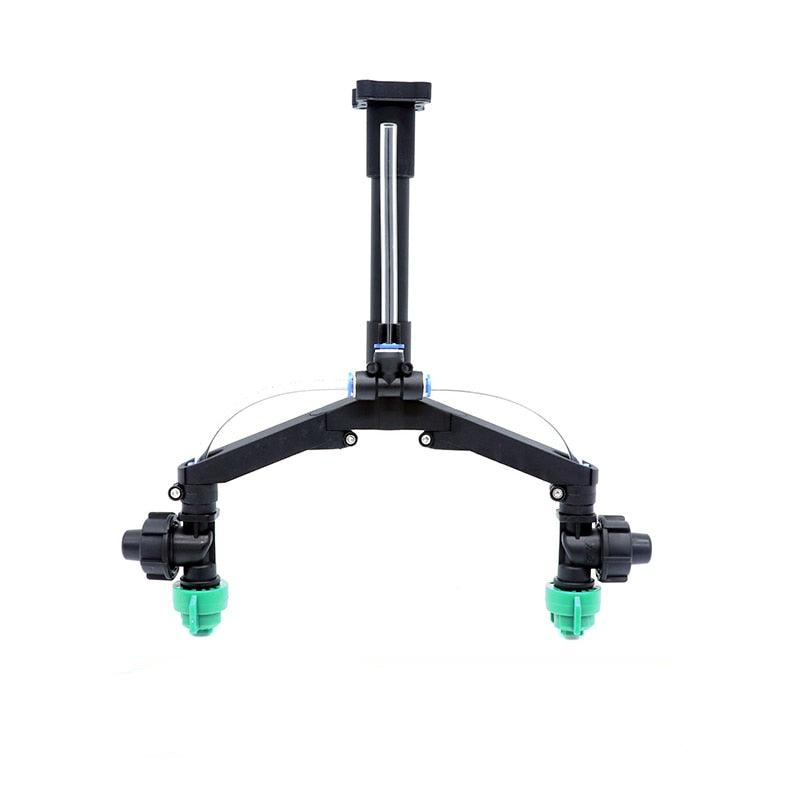
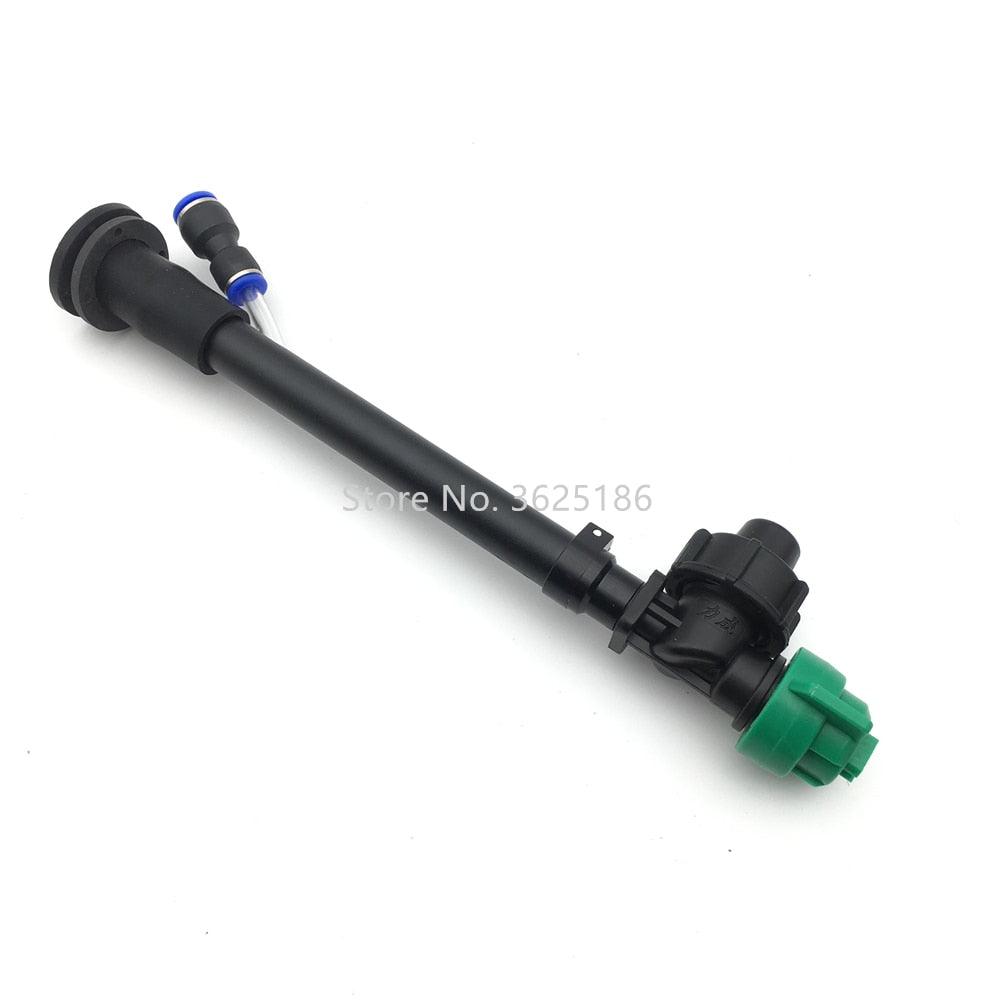
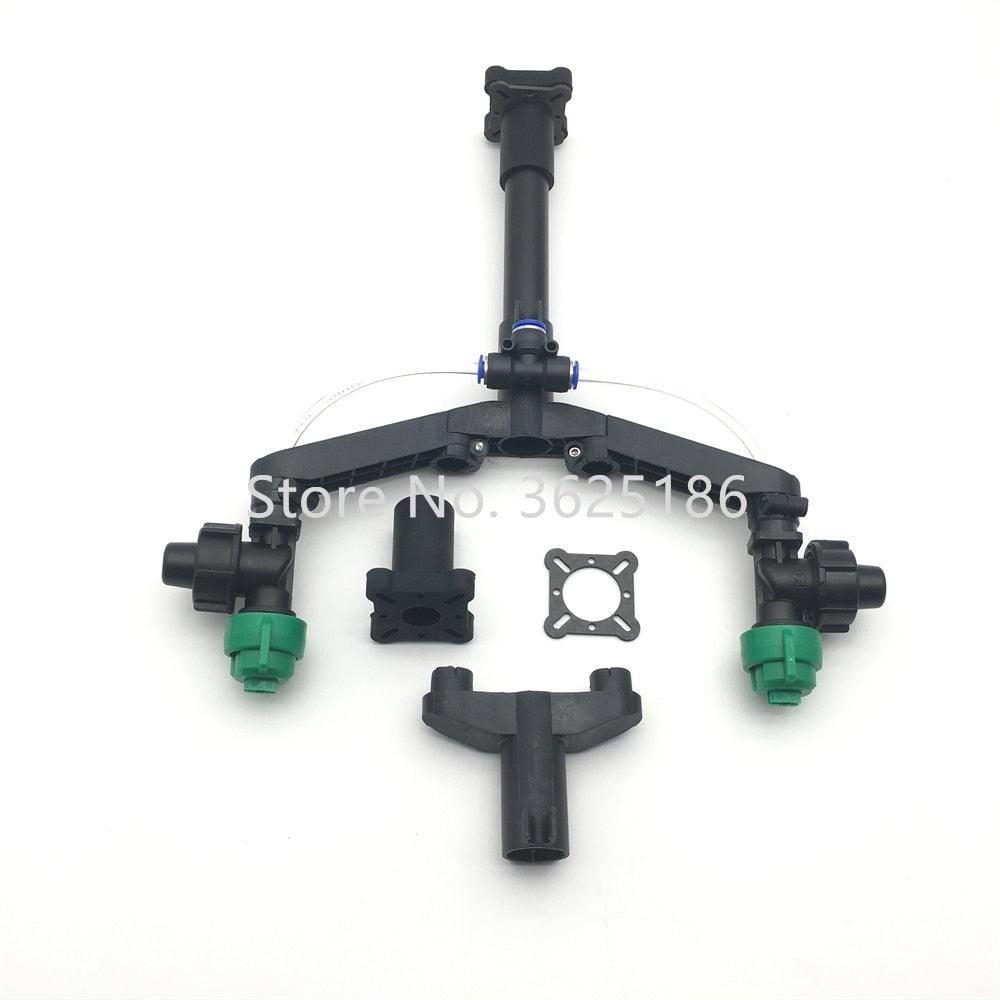
Y double Nozzle – NEW EFT agricultural plant protection uav Y double nozzle extended rod pressure double nozzle
Price range: $21.99 through $41.52 - RCDrone
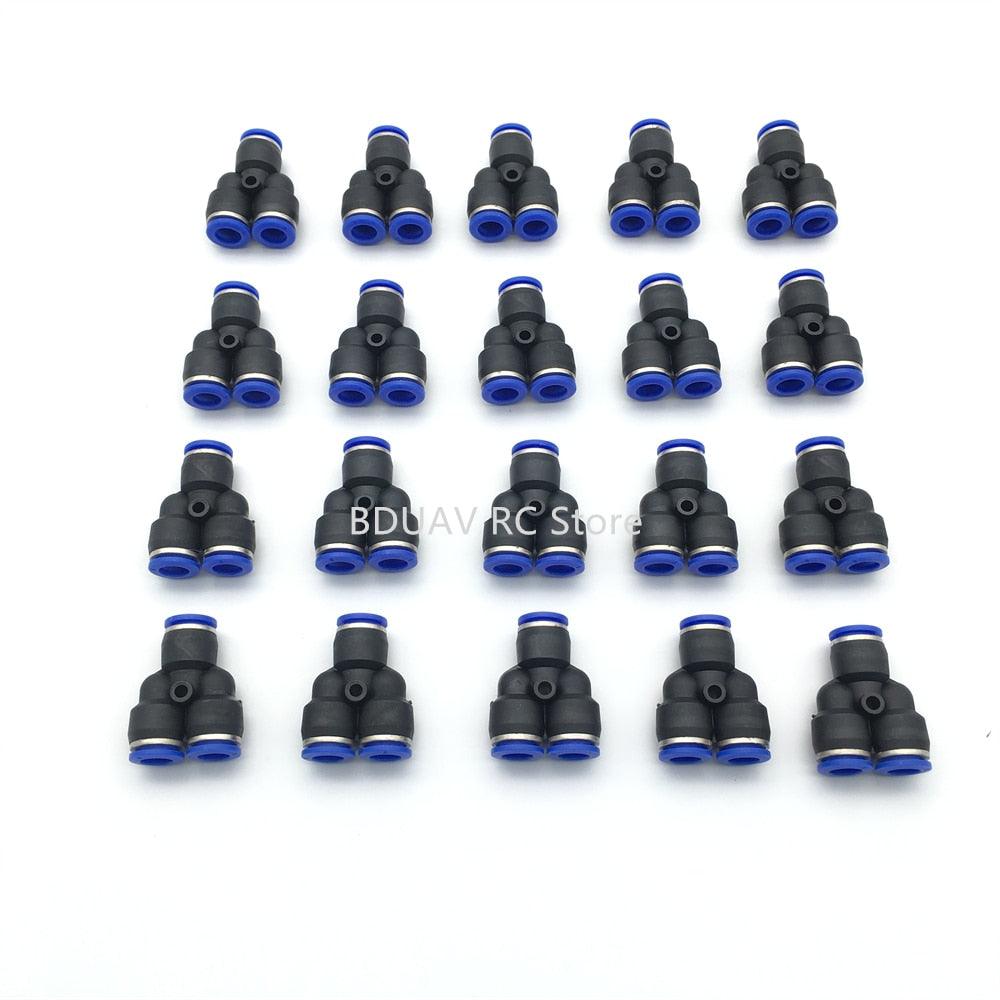
Y-type Trachea Quick Connector – 20pcs 8mm 12mm Y-type tee/trachea quick connector for agricultural plant protection drone Agriculture Drone Accessories
Price range: $22.85 through $24.67 - Spray Drone Water Tank
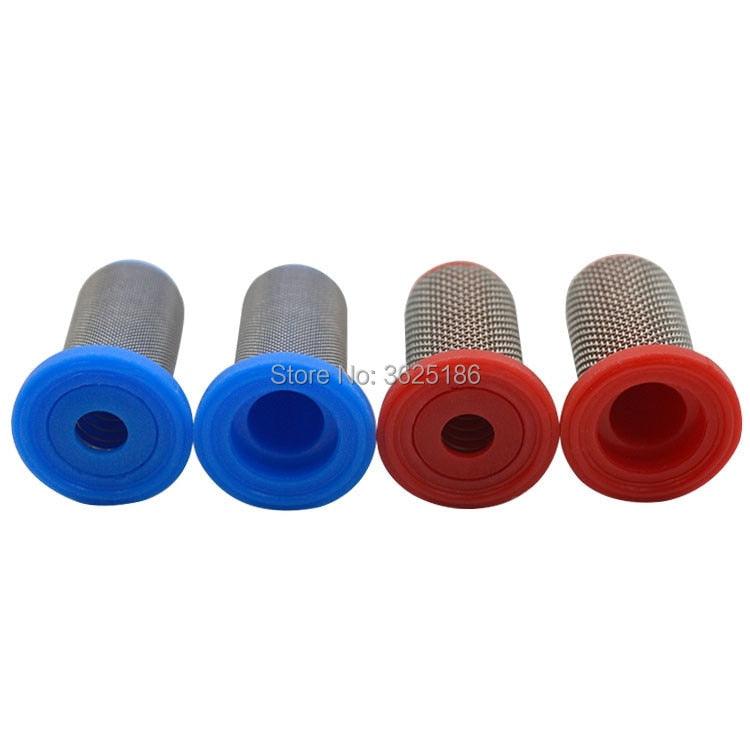
20pcs EFT Plant UAV water pipe Nozzle – Sprayer Nozzle Filter net Drip proof and non-drop proof 50 mesh Agriculture Drone Accessories
Price range: $23.34 through $30.33 - RCDrone
Connector Extend Y-typed Nozzle – 4pcs Agricultural drone sprayer parts Carbon sheet silicone connector extend the nozzle Y-typed Y Double Head EFT E416P E616
Price range: $25.53 through $28.76 - RCDrone
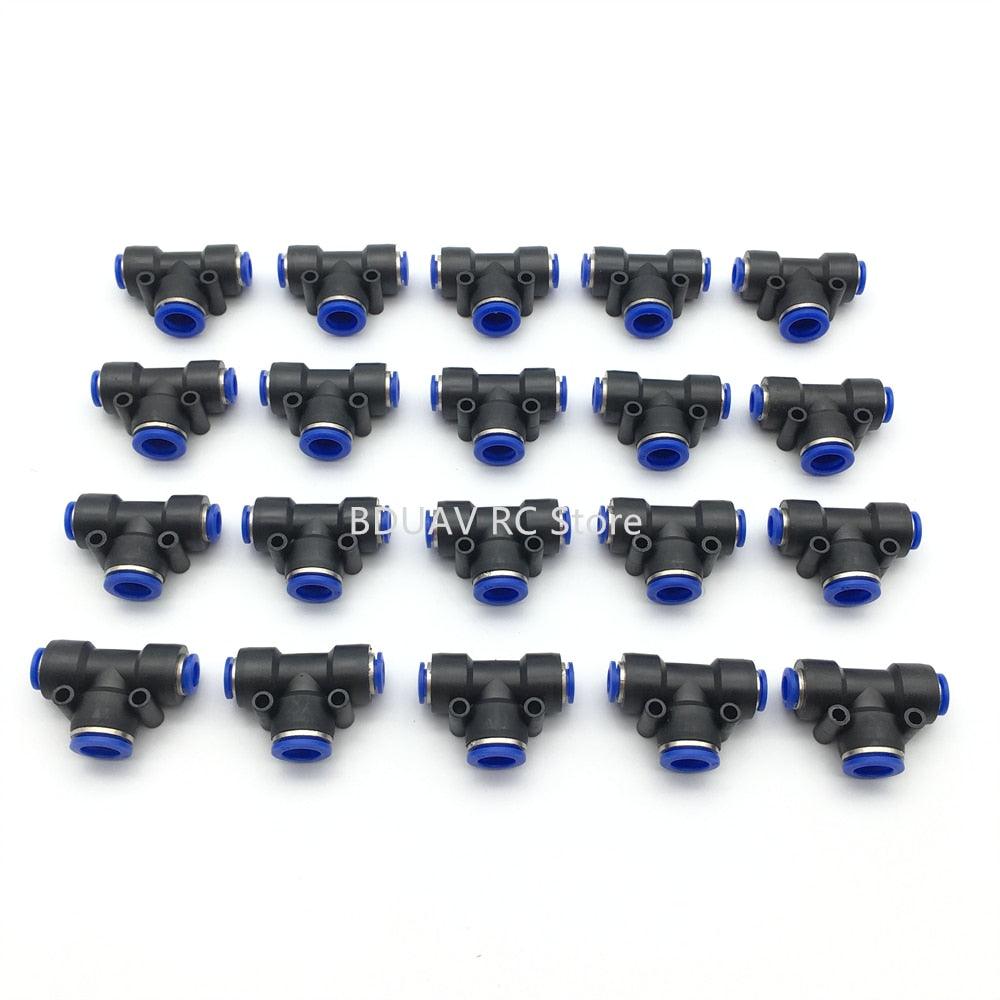
T-Type Air Tube Quick Connector – 20 pcs 8 mm 12 mm Plastic Pneumatic Tee Fitting T-Type Air Tube Quick Connector for Agricultural Drones
Price range: $26.30 through $28.57 - Spray Drone Water Tank
EFT Plant Protection UAV Y-typed Bi-Nozzle – Y Double Head Atomization Sprayers Extension Rod for RC Agricultural Spraying Drone Accessories
Price range: $26.45 through $48.03 - RCDrone
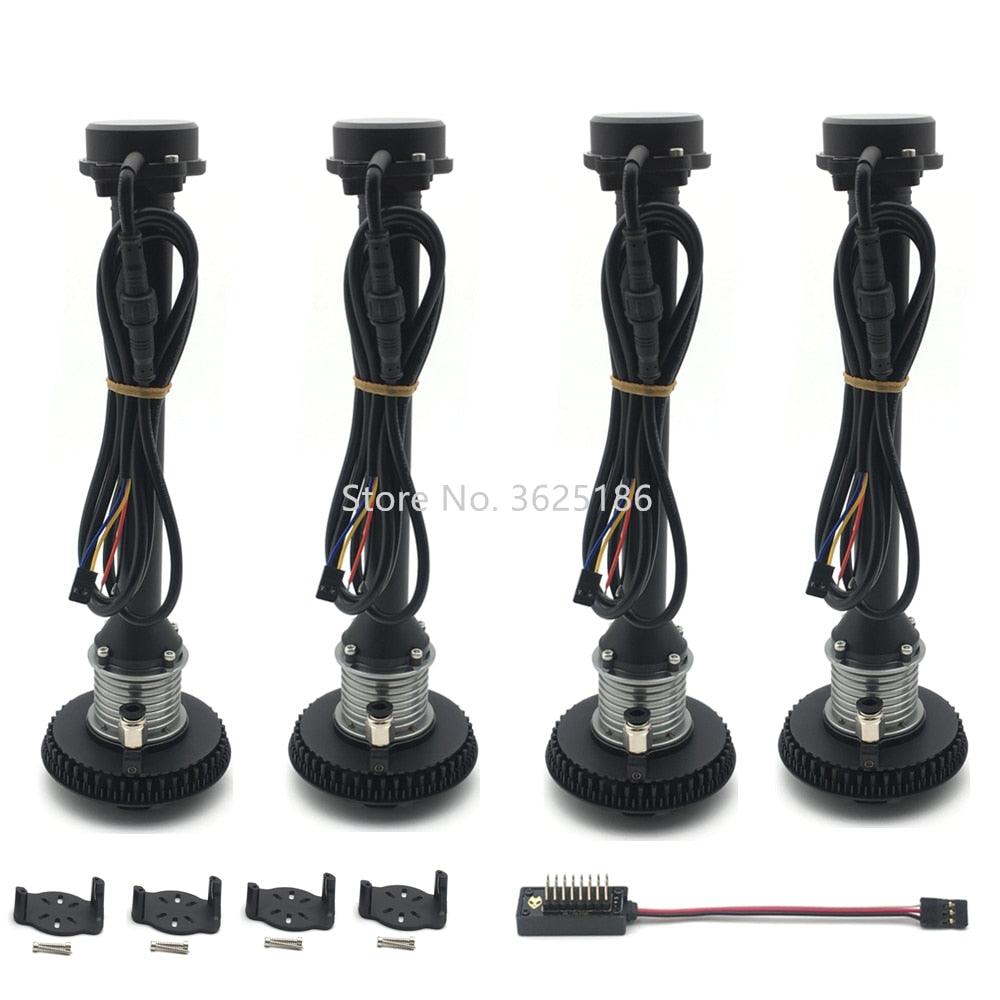
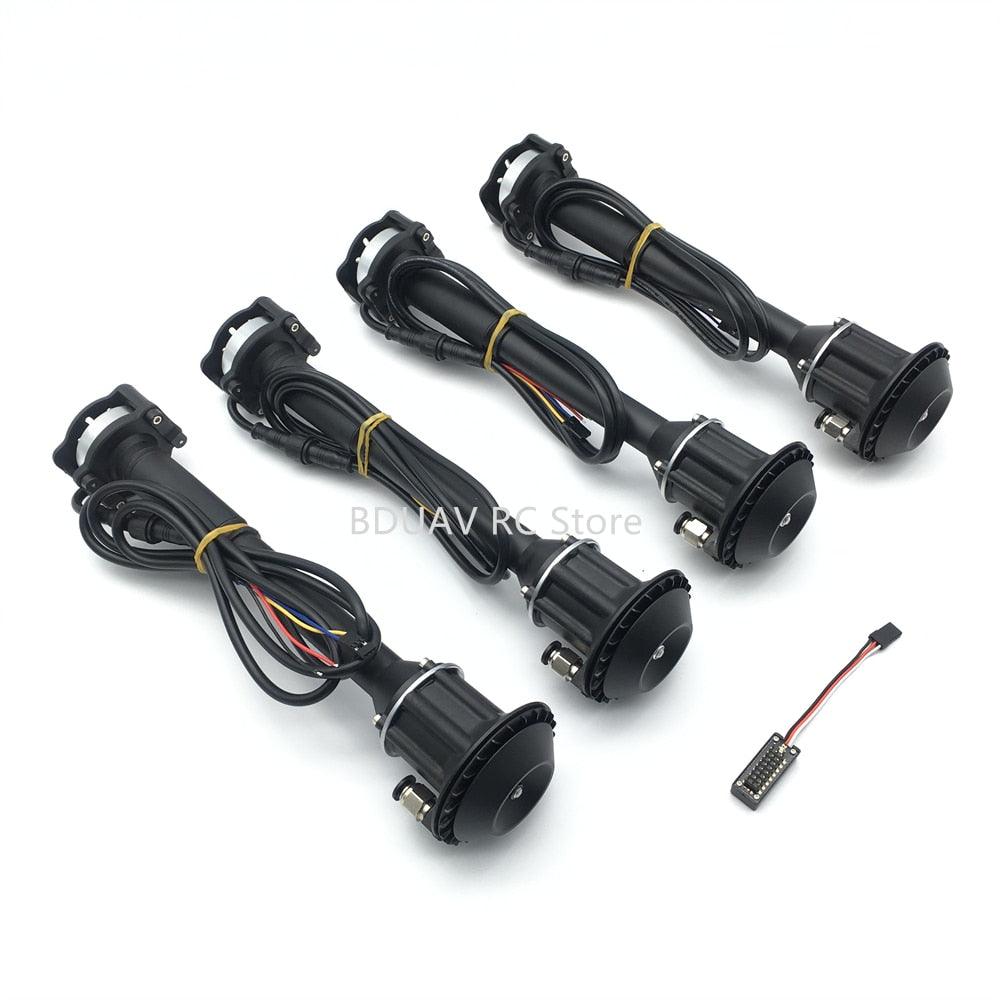
New Miniature Centrifugal Nozzle – 12S 48V Brushless Motor Centrifugal Nozzle DIY Agricultural Spray Drone Spray System
Price range: $26.50 through $391.03 - RCDrone
3810 Miniature Centrifugal Nozzle – 6S 12S 14S 48V brushless motor centrifugal nozzle DIY agricultural spray drone spray system Agriculture Drone Accessories
Price range: $27.05 through $321.84 - RCDrone
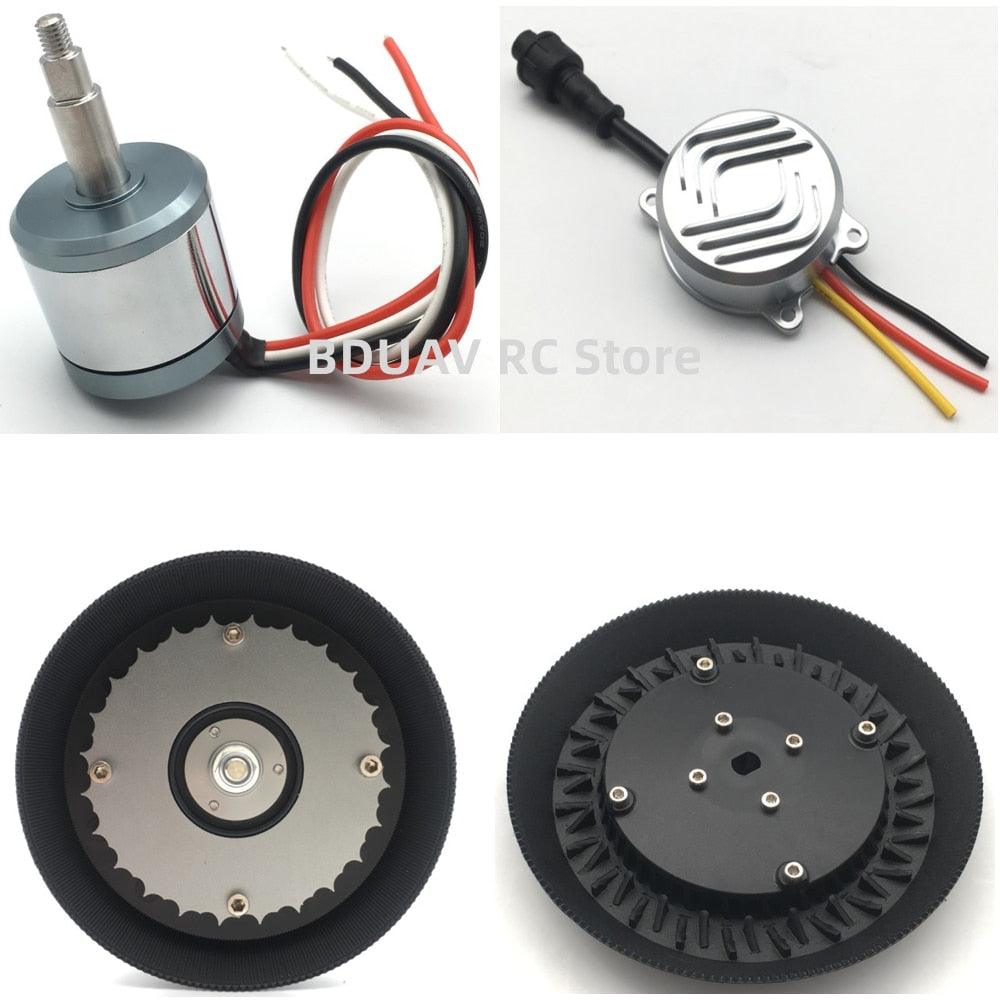
3810 4810 Centrifugal Atomizing Nozzle Sprinkler Motor – /12S 14S ESC/Centrifugal Disc for Agricultural Plant Protection Drone
Price range: $27.52 through $55.57 - RCDrone
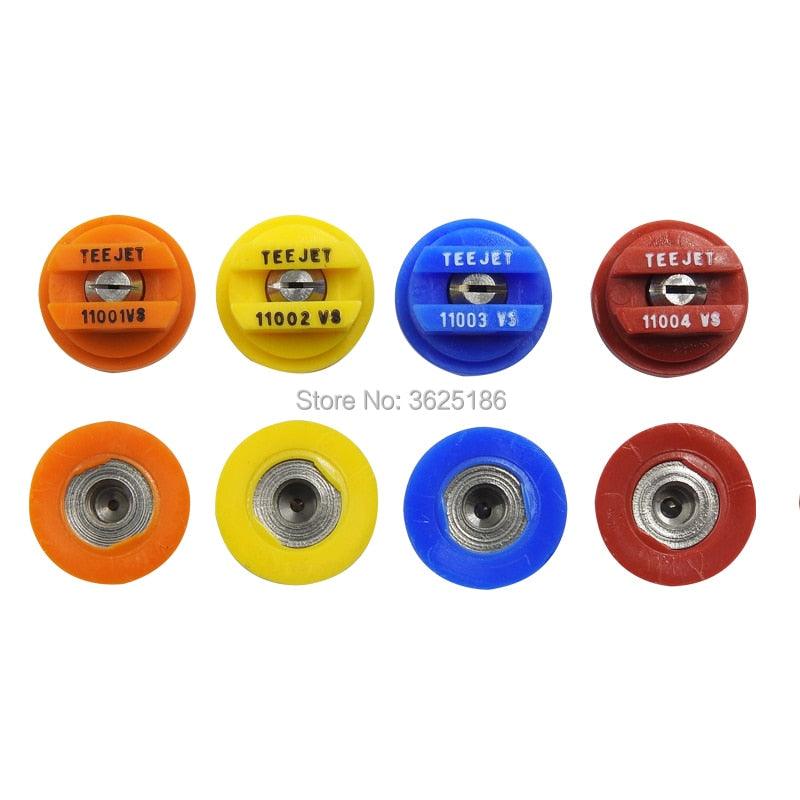
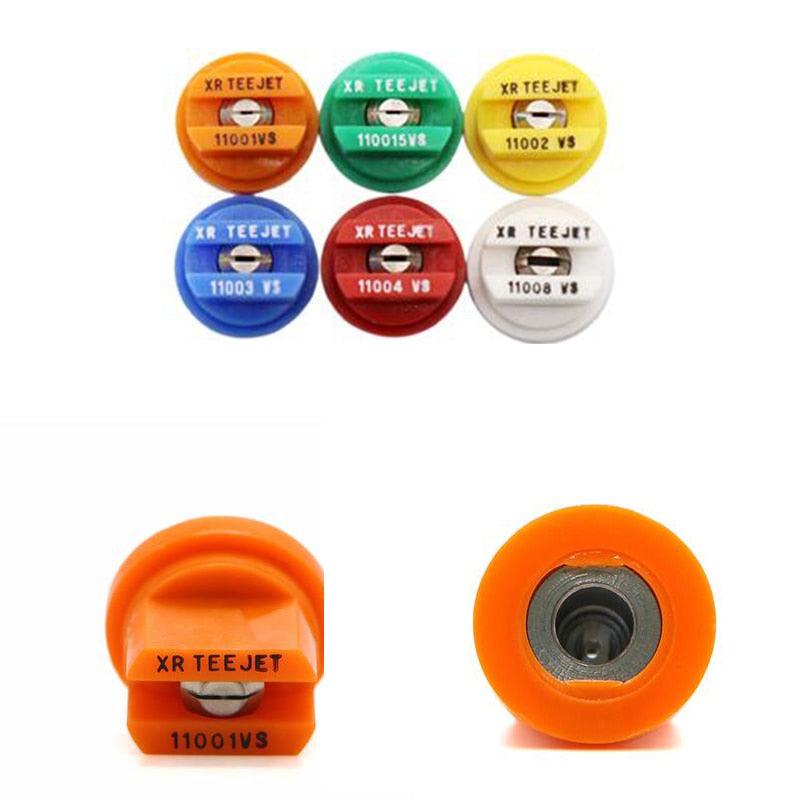
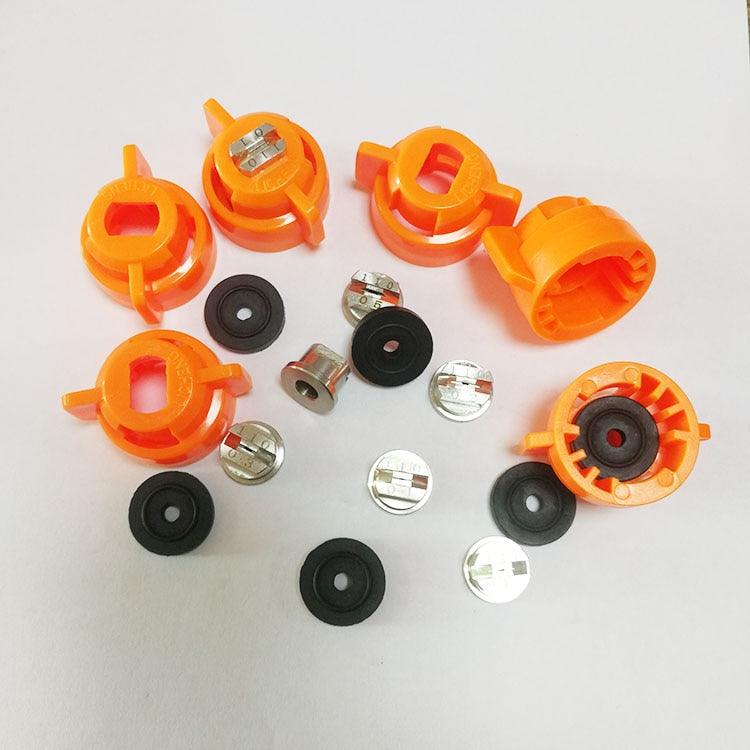
Spraying Drone Nozzle – 20pcs T16 T20 T30 Agricultural Sprayer TPU 11001 Flat Fan Spray Tip Stainless Steel Plant Protection Spraying Drone Nozzle
Price range: $27.52 through $57.50

 English
  Russian
  German
  Arabic