Drone Transmitter & Receiver
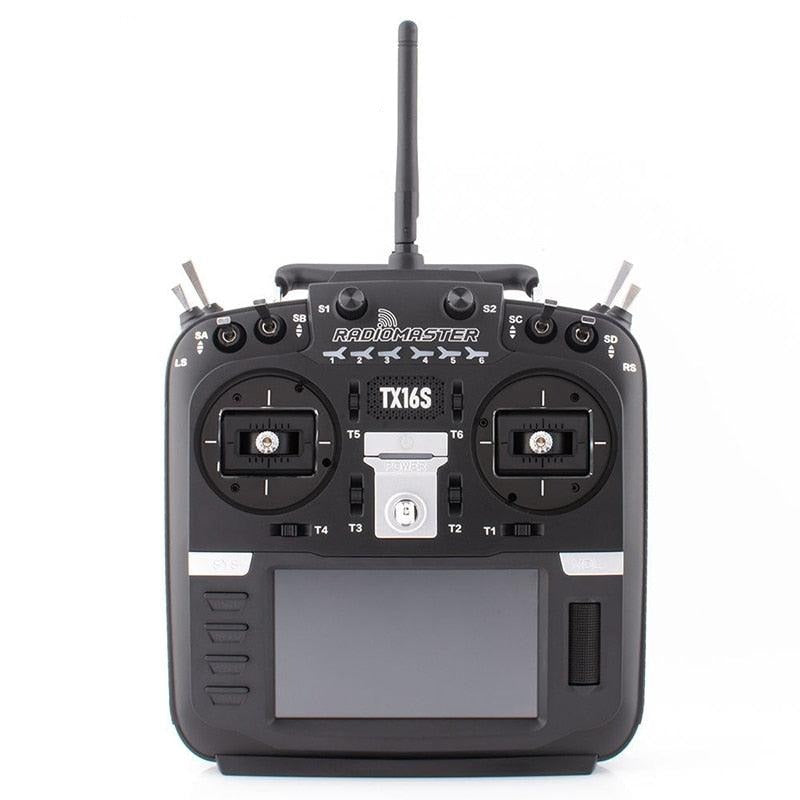
Precision Control: Why Your Drone Transmitter and Receiver Choice Defines Your FlightIn the world of FPV, your drone transmitter and receiver are the nervous system of your aircraft. Choosing the best drone transmitter and receiver isn’t just about brand names; it’s about link budget, packet rates, and protocol reliability. Whether you are building a long-range cruiser or a racing quad, a high-quality drone radio transmitter and receiver setup ensures that your stick inputs are translated into movement with millisecond precision, preventing the dreaded ‘failsafe’ mid-air.
Technical Comparison of Top FPV Control Protocols
Protocol
Frequency
Max Packet Rate
Best For
ExpressLRS (ELRS)
2.4GHz / 915MHz
1000Hz
Racing & Long Range
TBS Crossfire
868/915MHz
150Hz
Ultra Long Range & Reliability
FrSky ACCST
2.4GHz
50Hz
Budget / Legacy Builds
DJI O3/Fpv Remote
2.4/5.8GHz
Variable
All-in-one Digital Integration
Engineering Analysis: Troubleshooting the RF Link
As a senior engineer, I often see pilots struggling with signal loss at short distances. If you’ve ever experienced your drone rc transmitter and receiver losing signal at 50 feet, it’s rarely a power issue and usually a hardware fault or wiring error. A common Reddit pain point involves the drone transmitter and receiver circuit: remember that the Flight Controller must listen (RX) to what the receiver is saying (TX). If your Betaflight receiver tab is dead, check your soldering; often, swapping the RX and TX wires on the FC fixes the communication immediately.
For those using modern AIO (All-In-One) boards, flashing the latest firmware is critical. We’ve seen issues with SPI ELRS receivers on Meteor85 builds where the transmitter connection drops after a Betaflight update. Always ensure your Radio Receivers are running compatible major versions (e.g., ELRS v3.x) with your transmitter. Furthermore, don’t neglect your power source; using high-discharge Transmitter Batteries ensures your internal RF module maintains a consistent 1W or 2W output without voltage sag affecting the signal integrity.
Frequently Asked Questions: Drone Transmitter & Receiver Setup
What is a drone transmitter and receiver?
The radio transmitter is the handheld device that turns your manual inputs into digital signals. It sends these commands through specific channels (throttle, yaw, pitch, roll) to the drone receiver installed on the aircraft, which then communicates with the flight controller to execute movement.
What is the best drone transmitter in 2024?
The current market leaders include the RadioMaster Zorro for its ergonomic gamepad feel, the Jumper T20 for ELRS enthusiasts, and the TBS Tango 2 for those prioritizing the Crossfire ecosystem. For beginners, the BetaFPV LiteRadio 3 Pro offers a great entry point into drone fpv transmitter and receiver systems.
How do I make a transmitter and receiver for a drone?
While most pros buy pre-built modules, an arduino drone transmitter and receiver can be built using NRF24L01 modules. This requires soldering the components, programming the Arduino flight controller, and following a specific drone transmitter and receiver circuit diagram to ensure the SPI pins are correctly mapped.
What is the 1 to 1 rule for drones?
The 1:1 rule is a spatial safety guideline. It dictates that your drone’s horizontal distance from the pilot must always be equal to or greater than its current altitude. This ensures that if a signal loss occurs between your transmitter and receiver drone components, the aircraft stays within a safe recovery or landing zone.
Why is my drone receiver not connecting to my MacBook?
This is a common issue with kits like the Cetus PRO. Often, it’s a driver conflict or a faulty USB-C cable. Ensure you are using a data-sync cable and check if the drone receiver and transmitter are correctly bound before attempting to calibrate in a simulator like Velocidrone or Liftoff.
- Drone Transmitter & Receiver
Namimno ExpressLRS ELRS TX & VX – 2.4GHz Flash Low Latency High Refresh Rate TX Module With OLED WIFI Nano RC Receiver
$225.98 - Drone Transmitter & Receiver
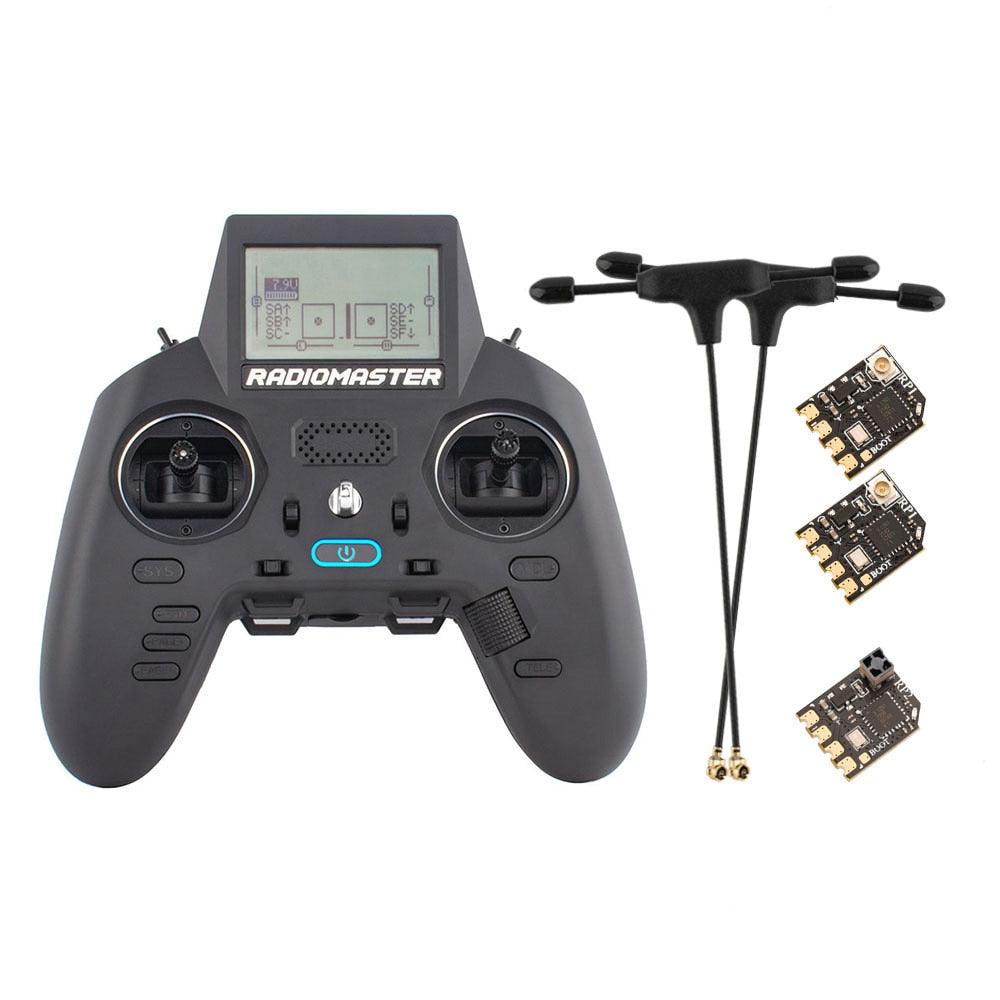
RadioMaster High-Frequency Hall Handle Radio Control Multi-protocol JP4in1 CC2500 ELRS Starter Set
$226.23 - Drone Transmitter & Receiver
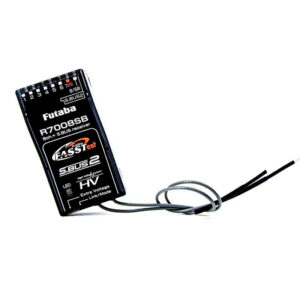
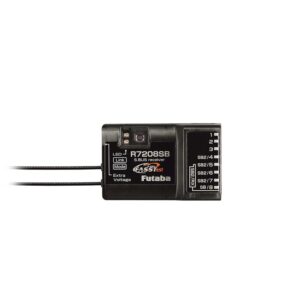
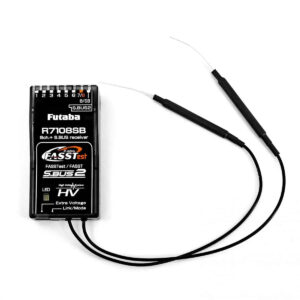
Futaba R7008SB – FASSTest Bi-Directional Communication System S.Bus/S.Bus2 Port and 8 Channels for Conventional System Receiver
$229.00 - Drone Transmitter & Receiver
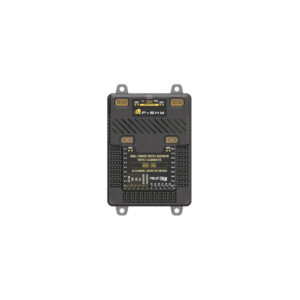
FrSky RB35 Redundancy – Supports External LED Indication Dual BEC Outputs
$230.00 - Drone Transmitter & Receiver
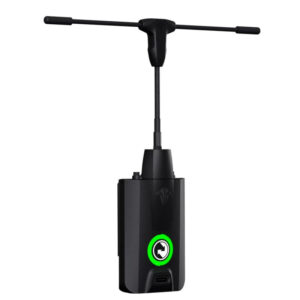
TBS Crossfire Nano Tx – Team BlackSheep 868MHz / 915MHz 1.1W 2W 48g Transmitter
$231.25 - Drone Transmitter & Receiver
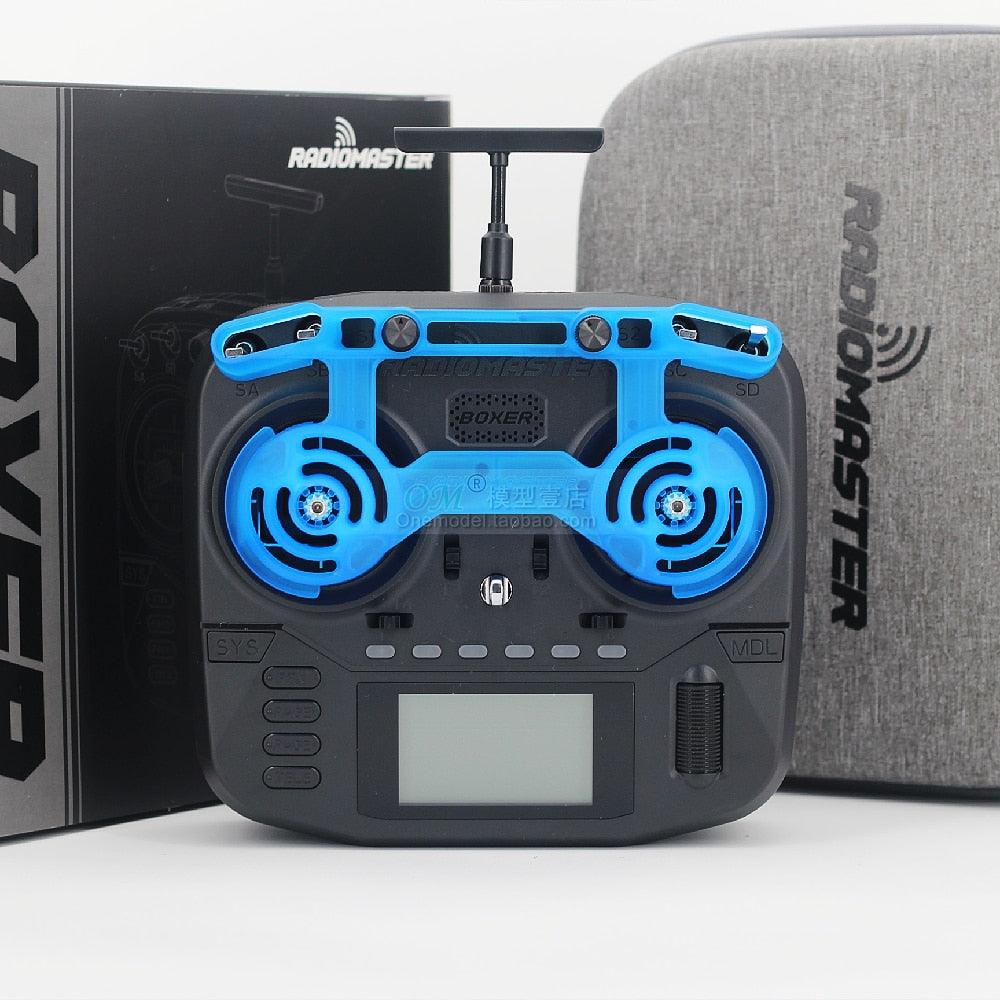
Original RadioMaster Boxer 2.4G 16CH EdgeTX High Precision Hall Gimbal Radio Transmitter CC2500 / 4in1 / ELRS for RC Drone FPV
$232.24 - Drone Transmitter & Receiver
WFLY X9 Radio Remote Controller – 2.4ghz 9CH Transmitter With RG209S Receiver Extra X9 Dedicated SG01 GPS F Racing Crawlers Cars
$236.28 - Drone Transmitter & Receiver
Team BlackSheep TBS TANGO 2 / 2 PRO V4 – Built-in CrossfireSensor Gimbals RC FPV Racing Drone Radio Controller
$239.31 - Drone Transmitter & Receiver
Jumper T-Pro Tpro JP4IN1 ELRS ExpressLRS Radio Control Hall Gimbals Drones Airplane Multi-protocol Frsky Flysky DSM
$243.55 - Drone Transmitter & Receiver
RadioMaster Boxer Transparent Version – ExpressLRS 2.4G 16ch Hall Gimbals Transmitter Remote Control
Price range: $246.37 through $290.63 - Drone Transmitter & Receiver
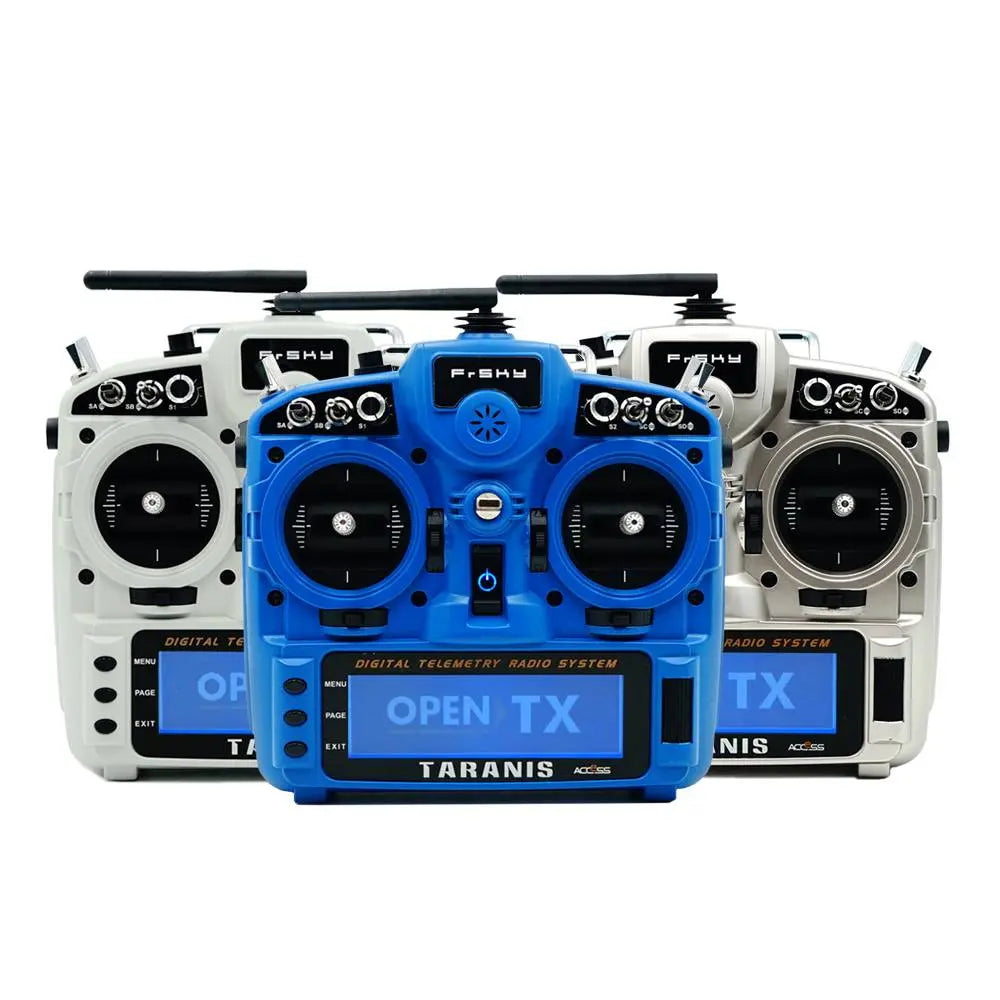
New Frsky Taranis X9D Plus 2019 Transmitter 2.4GHz Remote Controller for RC FPV Multirotor Racing Drone
$248.38 - Drone Transmitter & Receiver
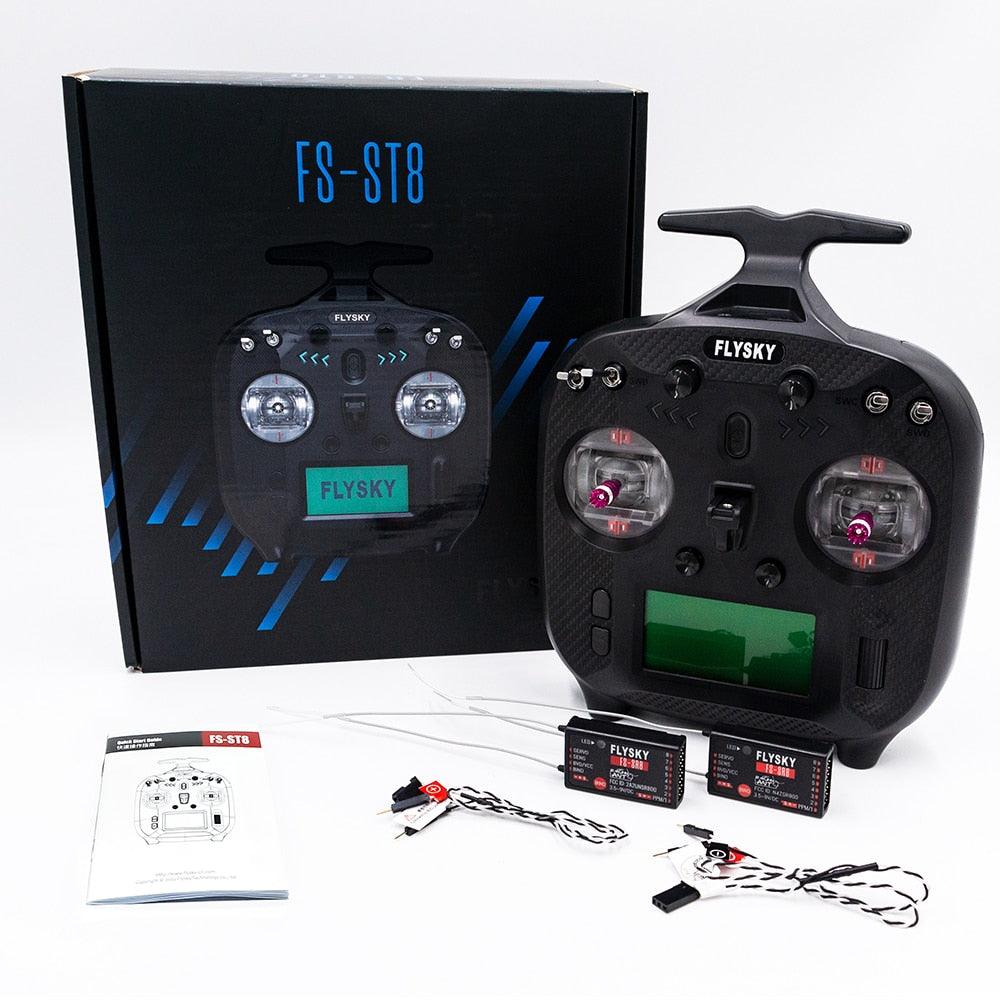
FlySky FS-ST8 2.4GHz 10CH Radio Transmitter ANT RGB Assistant 3.0 with SR8 Receiver for RC Drone Airplane Car Boat
$249.33 - Drone Transmitter & Receiver
RadioMaster TX16S Mark II V4.0 Hall Gimbal 4IN1 ELRS Radio Controller Support EdgeTX/OpenTX Built-in Dual Speakers for RC Drone
Price range: $258.67 through $425.70 - Drone Transmitter & Receiver
FrSky RB35S – Built_in Advanced Stabilization Functions, Telemetry Sensor, Dual Power Input & Triple Receiver Redundant Guarantee
Price range: $260.00 through $299.00 - Drone Transmitter & Receiver
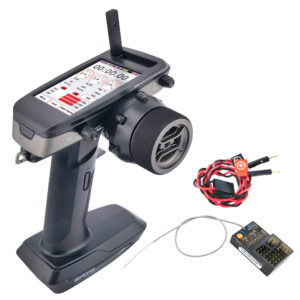
Flysky Noble NB4 2.4G 4CH Radio Transmitter – Remote Controller with FGR4 FGR4S Receiver AFHDS 3 Protocol for RC Car Boat Models
$262.68 - Drone Transmitter & Receiver
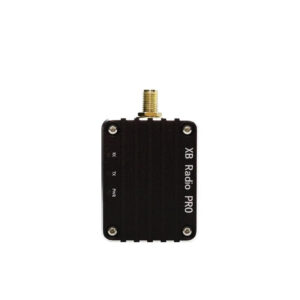
Cuav XB Radio Pro xbee – Wireless Digital Flight Control System Pix / V5 + Flight Control Signal Transmission Accessories
$273.70
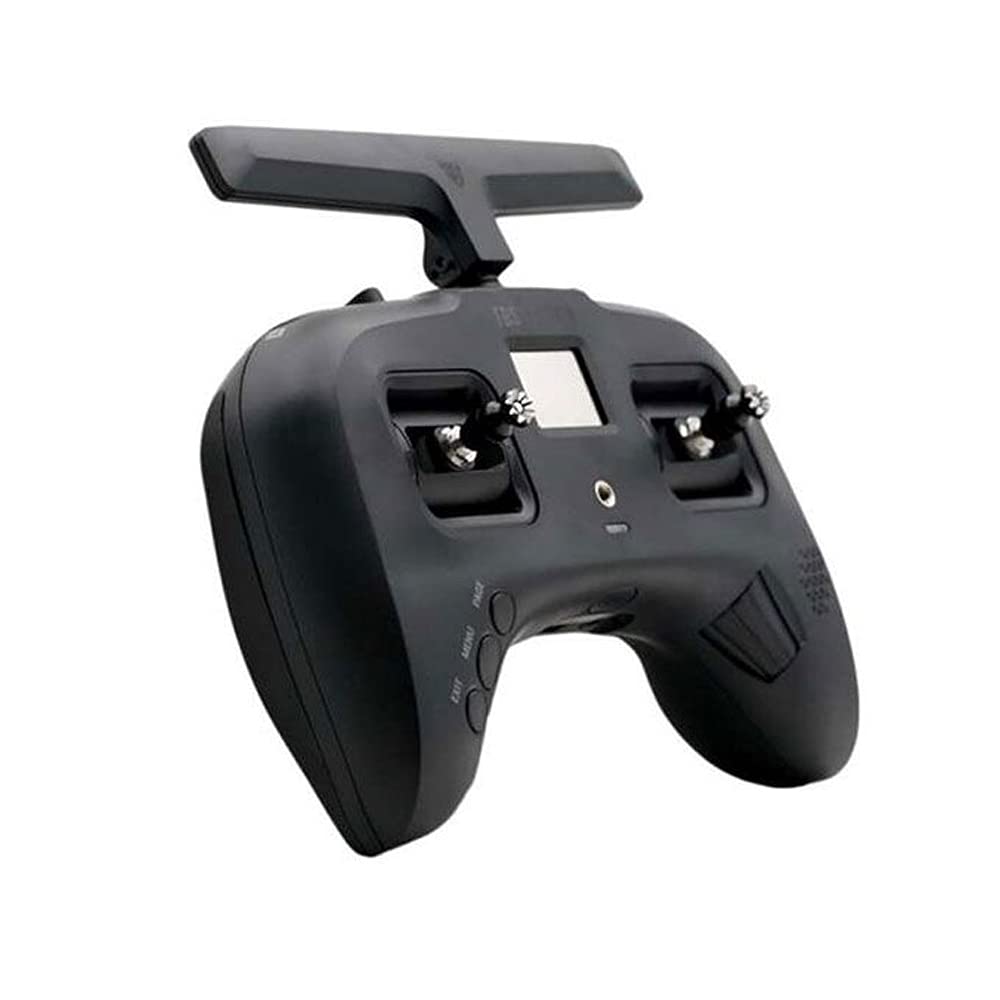
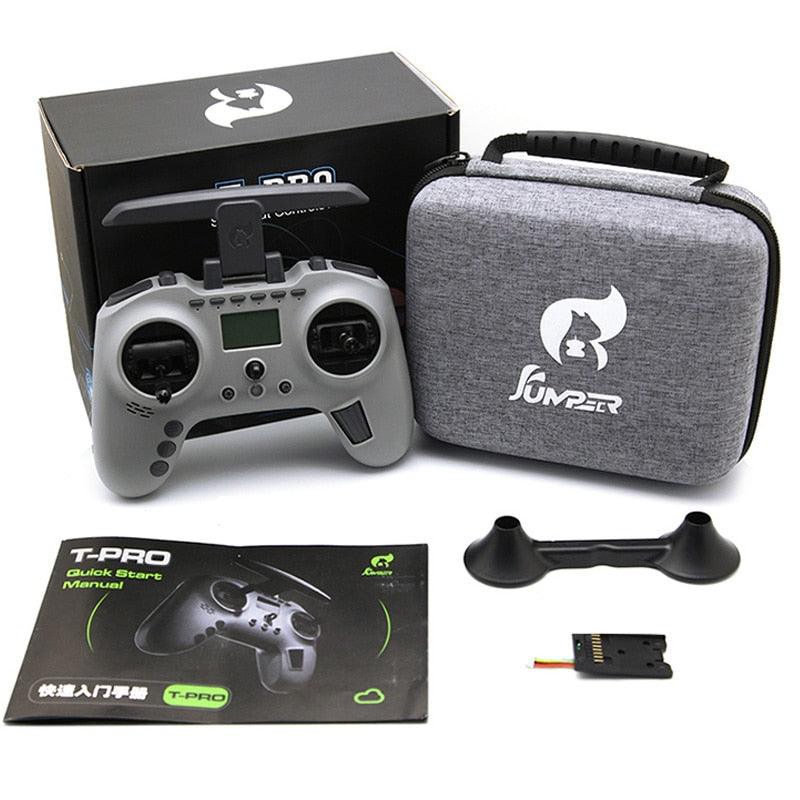
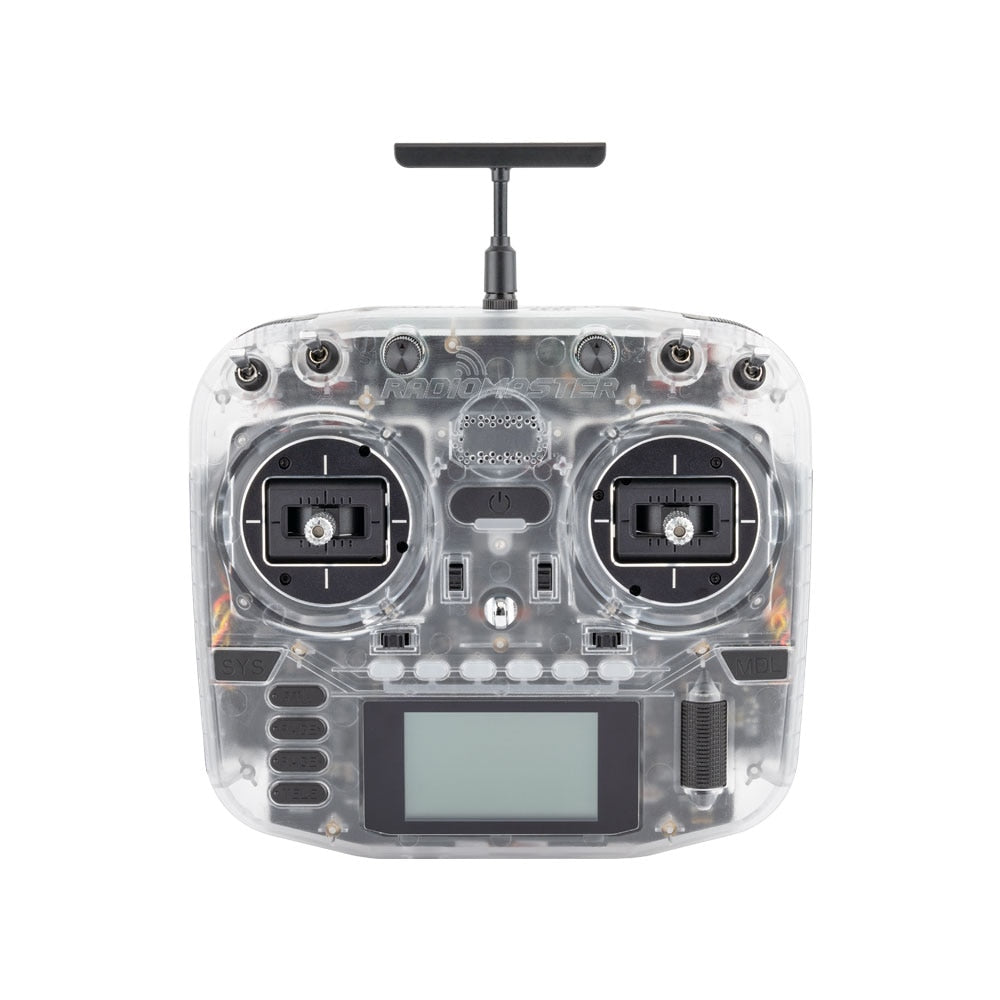
Precision Control: Why Your Drone Transmitter and Receiver Choice Defines Your FlightIn the world of FPV, your drone transmitter and receiver are the nervous system of your aircraft. Choosing the best drone transmitter and receiver isn’t just about brand names; it’s about link budget, packet rates, and protocol reliability. Whether you are building a long-range cruiser or a racing quad, a high-quality drone radio transmitter and receiver setup ensures that your stick inputs are translated into movement with millisecond precision, preventing the dreaded ‘failsafe’ mid-air.
Technical Comparison of Top FPV Control Protocols
Protocol
Frequency
Max Packet Rate
Best For
ExpressLRS (ELRS)
2.4GHz / 915MHz
1000Hz
Racing & Long Range
TBS Crossfire
868/915MHz
150Hz
Ultra Long Range & Reliability
FrSky ACCST
2.4GHz
50Hz
Budget / Legacy Builds
DJI O3/Fpv Remote
2.4/5.8GHz
Variable
All-in-one Digital Integration
Engineering Analysis: Troubleshooting the RF Link
As a senior engineer, I often see pilots struggling with signal loss at short distances. If you’ve ever experienced your drone rc transmitter and receiver losing signal at 50 feet, it’s rarely a power issue and usually a hardware fault or wiring error. A common Reddit pain point involves the drone transmitter and receiver circuit: remember that the Flight Controller must listen (RX) to what the receiver is saying (TX). If your Betaflight receiver tab is dead, check your soldering; often, swapping the RX and TX wires on the FC fixes the communication immediately.
For those using modern AIO (All-In-One) boards, flashing the latest firmware is critical. We’ve seen issues with SPI ELRS receivers on Meteor85 builds where the transmitter connection drops after a Betaflight update. Always ensure your Radio Receivers are running compatible major versions (e.g., ELRS v3.x) with your transmitter. Furthermore, don’t neglect your power source; using high-discharge Transmitter Batteries ensures your internal RF module maintains a consistent 1W or 2W output without voltage sag affecting the signal integrity.
Frequently Asked Questions: Drone Transmitter & Receiver Setup
What is a drone transmitter and receiver?
The radio transmitter is the handheld device that turns your manual inputs into digital signals. It sends these commands through specific channels (throttle, yaw, pitch, roll) to the drone receiver installed on the aircraft, which then communicates with the flight controller to execute movement.
What is the best drone transmitter in 2024?
The current market leaders include the RadioMaster Zorro for its ergonomic gamepad feel, the Jumper T20 for ELRS enthusiasts, and the TBS Tango 2 for those prioritizing the Crossfire ecosystem. For beginners, the BetaFPV LiteRadio 3 Pro offers a great entry point into drone fpv transmitter and receiver systems.
How do I make a transmitter and receiver for a drone?
While most pros buy pre-built modules, an arduino drone transmitter and receiver can be built using NRF24L01 modules. This requires soldering the components, programming the Arduino flight controller, and following a specific drone transmitter and receiver circuit diagram to ensure the SPI pins are correctly mapped.
What is the 1 to 1 rule for drones?
The 1:1 rule is a spatial safety guideline. It dictates that your drone’s horizontal distance from the pilot must always be equal to or greater than its current altitude. This ensures that if a signal loss occurs between your transmitter and receiver drone components, the aircraft stays within a safe recovery or landing zone.
Why is my drone receiver not connecting to my MacBook?
This is a common issue with kits like the Cetus PRO. Often, it’s a driver conflict or a faulty USB-C cable. Ensure you are using a data-sync cable and check if the drone receiver and transmitter are correctly bound before attempting to calibrate in a simulator like Velocidrone or Liftoff.