
GEPRC Motor
Elevate Your Flight Dynamics with High-Performance GEPRC Motors
As a senior FPV engineer, I’ve seen how the right propulsion system can transform a sluggish build into a precision instrument. GEPRC motors, ranging from the micro-class geprc 1103 5500kv motor to the beastly geprc gr2306.5 1850kv, are engineered for pilots who demand efficiency without sacrificing raw punch. Whether you are searching for the best motor for geprc phoenix 3 or upgrading your CinePro, selecting the correct KV and stator size is the foundation of a successful build.
GEPRC Motor Comparison Table
Motor Model
Ideal Application
KV Range
Recommended Prop Size
GEPRC GR1103
Toothpick / Micro Quads
5500KV – 10000KV
2 – 3 inch
GEPRC 1206
3-inch Cinewhoops
4500KV – 7500KV
2.5 – 3 inch
GEPRC 1408
CinePro / 4-inch Long Range
2500KV – 4100KV
3 – 4 inch
GEPRC GR2306.5
5-inch Racing / Freestyle
1850KV – 2450KV
5 – 5.1 inch
Pro-Engineer Insights: Solving Common Motor Issues
In the FPV community, we often see pilots struggle with motor longevity. Recent Reddit discussions highlight that micro motors like the geprc gr1102 can burn out if over-propped or run on aggressive PIDs. To prevent this, always ensure your FPV Frame Kit is rigid enough to prevent vibrations that lead to motor overheating. Furthermore, if you experience desyncs or stuttering with high-KV geprc 1206 motors, pairing them with a high-quality Hobbywing ESC can provide the smooth signal processing needed for high-RPM stability.
Safety Tip: A common beginner mistake is testing motors in Betaflight without props. As noted by experienced builders, freshly built drone motors may rotate violently upon arming if the firmware is not flashed correctly or if the CLI dump is mismatched. Always use a smoke stopper for your first power-up!
Frequently Asked Questions (FAQ)
How do I know what size motor I need for my drone?
To determine the ideal motor size, follow this sequence: Frame Size => Prop Size => Motor Size. By identifying the frame size, you can estimate the appropriate stator size and KV required to spin the chosen propellers efficiently. If you are flying a DJI platform rather than a custom FPV build, ensure you are using the correct DJI Propeller for your specific model.
How to pick a motor for a drone?
It depends on the application. Racing Drones require high-KV, high-RPM motors for agility. Aerial Photography quads benefit from low-KV, high-torque motors for stability. Industrial Drones use large, low-KV motors to lift heavy payloads.
Which motor is best for an FPV drone?
Brushless motors are the industry standard for FPV. Compared to brushed motors, brushless options like the geprc gr1105 brushless motor are significantly more powerful, efficient, and have a longer lifespan, making them the superior choice for any serious pilot.
Is a higher KV motor more powerful?
Not necessarily. Higher KV means more rotations per volt, which is great for small props and speed. However, lower KV motors provide more torque, allowing them to spin larger, heavier propellers that generate more total thrust.
Which is better: BLDC or DC motor?
For FPV drones, BLDC (Brushless DC) is superior. They offer precision, space-saving designs, and long-term cost savings through energy efficiency and reduced maintenance compared to traditional brushed DC motors.
- GEPRC Motor
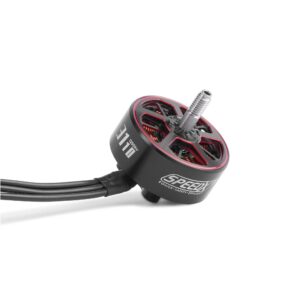
GEPRC SPEEDX2 1102 10000KV Motor – ESC 12A Brushless Motor Black with Mini 1.6 -2 Inch RC FPV Racing Drone Multicopter Accessories
Price range: $13.74 through $48.68 - GEPRC Motor
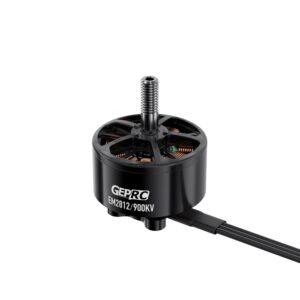
GEPRC EM2812 EM3110 EM3115 900KV Motor – 60A-80A Brushless Motor Black with 7/8/9/10 Inch RC FPV Racing Drone Multicopter
Price range: $30.42 through $36.51


 English
  Russian
  German
  Arabic