
Thermal Camera
Beyond the Visible: How Thermal Cameras Work in the Age of iPhone 17
As a senior FPV engineer, I’ve seen thermal technology transition from bulky military hardware to something we can strap onto a 5-inch drone or plug into a smartphone. Whether you’re curious about the iPhone 17 thermal camera rumors or trying to understand how do thermal cameras work for search and rescue, the core tech remains the same: detecting infrared radiation and converting it into a visual map of heat.
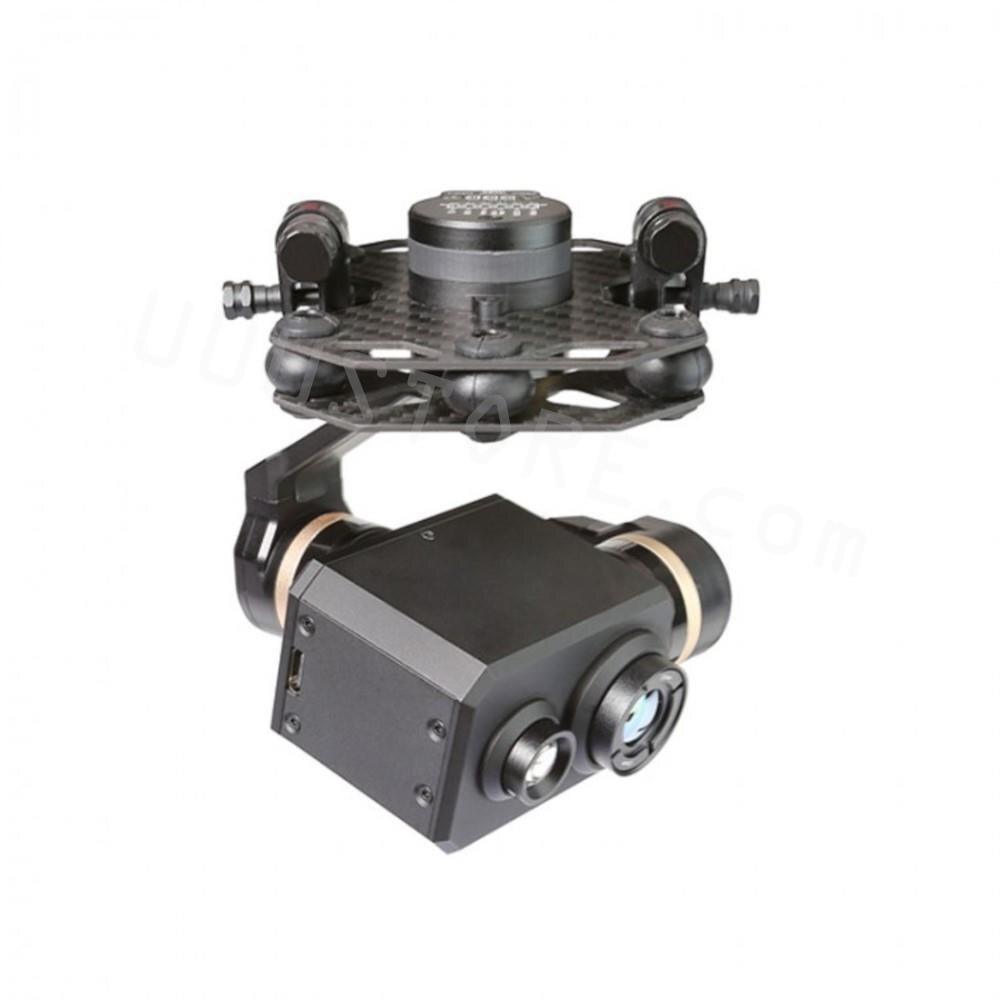
In the FPV world, thermal imaging is a game-changer. When we integrate these sensors, we rely on a high-quality geprc-vtx to ensure the thermal data reaches the pilot without latency. Without a solid video transmitter, that expensive heat signature is just noise.
Thermal Camera Comparison: Budget vs. Professional
Feature
Budget (Smartphone Dongle)
Professional / FPV Grade
Resolution
32×32 to 160×120
640×480+
Refresh Rate
9Hz (Export Restricted)
30Hz – 60Hz
Primary Use
Home Insulation/DIY
SAR, Industrial Inspection
The Reality Check: Reddit Insights & Common Pitfalls
If you’re looking at cheap thermal cameras for 2025, be wary of the “32×32 resolution” trap. Reddit users often complain that entry-level sensors use aggressive edge-sharpening algorithms that actually blur the heat data rather than clarifying it. Another pro-tip: watch out for display autoscaling. A common beginner mistake is thinking a component is overheating because it looks “white hot,” when in reality, the camera is just scaling to the narrow temperature range of a cold room.
To get the most out of a thermal setup on a drone, signal integrity is everything. I always recommend a premium Drone Antenna to prevent signal multipathing, which can ghost your thermal image. For the best experience, viewing the feed through high-resolution FPV Goggles allows you to spot heat leaks or missing persons with much higher focus than a small phone screen.
Frequently Asked Questions
Can I use my phone as a thermal camera?
Yes! While standard phone cameras cannot see thermal, you can use external hardware like Guideir to turn your device into a full-featured thermal imaging camera for cell phones.
What is a thermal camera used for?
They are essential for home security, wildlife monitoring, and automotive diagnostics. Mechanics use them to find hotspots in engines, brakes, and cooling systems instantly.
Is it worth buying a thermal imaging camera?
Absolutely. For homeowners, it is the best tool for spotting insulation gaps and air leaks, which can significantly lower your energy bills over time.
Can you detect water leaks with a thermal camera?
Yes. Thermal imagers detect the heat capacitance of water. Since wet areas hold heat differently than dry ones, you can easily spot moisture behind walls or under flat roofs.
Can an iPhone act as a thermal camera?
While rumors about the iPhone 17 having a built-in thermal sensor persist, currently, iPhones require an external Lightning or USB-C thermal accessory to function as a heat camera.
- RCDrone
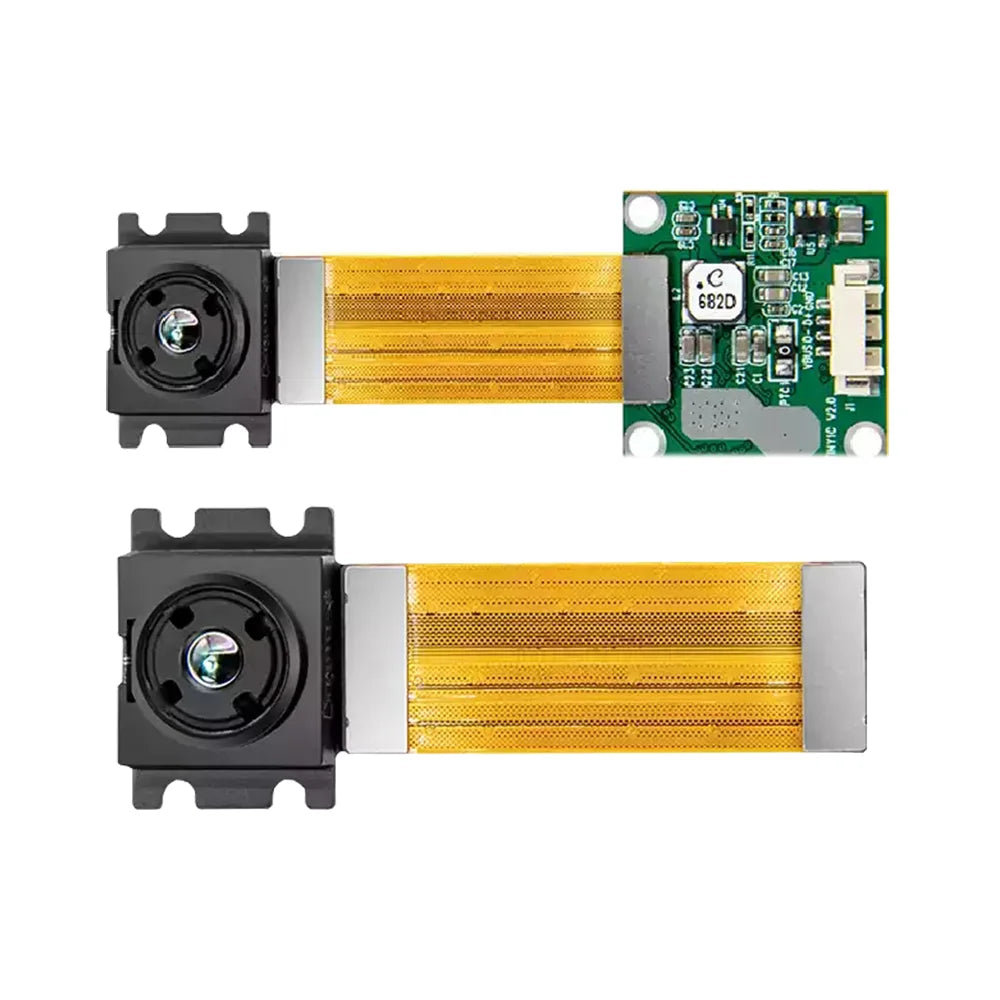
New Tiny1-C 25Hz Micro 8~14um LWIR Thermal Imaging Camera Module 256*192 12um Resolution Uncooled Infrared Detector
Price range: $356.35 through $527.54

 English
  Russian
  German
  Arabic