
FPV Camera
Ultra-Low Latency FPV Cameras: The Pilot’s Digital CockpitIn the world of high-speed flight, your fpv camera is your most critical sensor. Whether you are building a 5-inch fpv racing drone camera setup or mounting an fpv camera for rc car bashing, the difference between a crash and a podium finish is measured in milliseconds. A high-quality drone fpv camera doesn’t just show you the path; it provides the spatial awareness needed for manual freestyle aerobatics and tight proximity flying.FPV Camera Compatibility MatrixChoosing the right fpv camera kit requires understanding mounting standards and signal types. Use the table below to match your frame to the correct sensor size.Camera SizeMounting WidthBest Use CaseCommon ResolutionNano14mmTiny Whoops & Toothpicks700TVL – 1200TVLMicro19mmModern Racing & Freestyle Drones1200TVL / 720p DigitalMini21mmOlder Frames & Fixed Wings1200TVLFull Size28mmLong Range & FPV Thermal Camera rigs1200TVL / 1080pStep-by-Step Setup: Wiring Your FPV Camera and TransmitterMounting & Stability: Secure the camera using the provided M2 bolts. If your frame is improperly designed, the camera might wobble. Stiffen the system by tightening the bolts or adding TPU 3D-printed vibration dampers.Wiring: Connect the 5V-36V power lead (check your fpv camera with transmitter voltage requirements), the Ground, and the Video Signal wire to your Flight Controller or directly to your Video Receivers (VRX).OSD Configuration: Ensure the ‘Video’ wire passes through the FC to get your battery voltage on-screen. If you follow setup guides but only see the video feed without the OSD, check your PAL/NTSC settings in your FPV Goggles.Antenna Check: Always pair your VTX with high-quality Long Range Antennas to prevent signal dropouts during high-speed maneuvers.Pro-Tips: Fixing Common Field IssuesExperienced pilots know that gear fails in the field. If you experience a ‘muddy’ image after a crash, don’t toss the camera yet. We often take the camera apart and clean the ports and lens with alcohol and a cotton swab to remove fine dust. If you’ve swapped to a popular sensor like the Ratel 2 and find the field of vision is awful, double-check your lens focal length—switching from a 1.8mm to a 2.1mm can drastically change your perspective.For those into specialized applications, an fpv thermal imaging camera can identify heat signatures for search and rescue, while a camera fpv 2 k provides the crispness needed for professional cinematography. However, if you are trying to see bullet holes at an indoor range with an inexpensive fpv rc camera, you may need a dedicated zoom lens or a higher-resolution digital dji fpv camera system, as standard analog resolution is often too low for fine detail.Frequently Asked QuestionsWhat is an FPV camera?An FPV (First-Person View) camera is a specialized video sensor used to pilot radio-controlled aircraft or UAVs. It feeds real-time video to goggles or a monitor, giving the operator a cockpit-style perspective.What is the difference between a FPV camera and a normal camera?While a normal camera (like on a DJI Mavic) focuses on stabilized, high-resolution cinematography, an fpv racing camera is optimized for zero latency and high dynamic range (HDR) to handle rapid lighting changes during fast-paced maneuvers.Do FPV drones need WiFi?No, FPV drones typically use 5.8GHz analog or digital radio frequencies for video, not WiFi. However, WiFi may be used for periodic firmware updates or map data on high-end ground stations.What is the difference between DJI V2 and Walksnail night cameras?This is a major point of debate on Reddit. While Walksnail offers impressive dedicated ‘low light’ sensors, many pilots holding onto DJI V2 gear argue that the bit-rate and consistency of the dji fpv camera remain the benchmark for digital night flying.
- FPV Camera
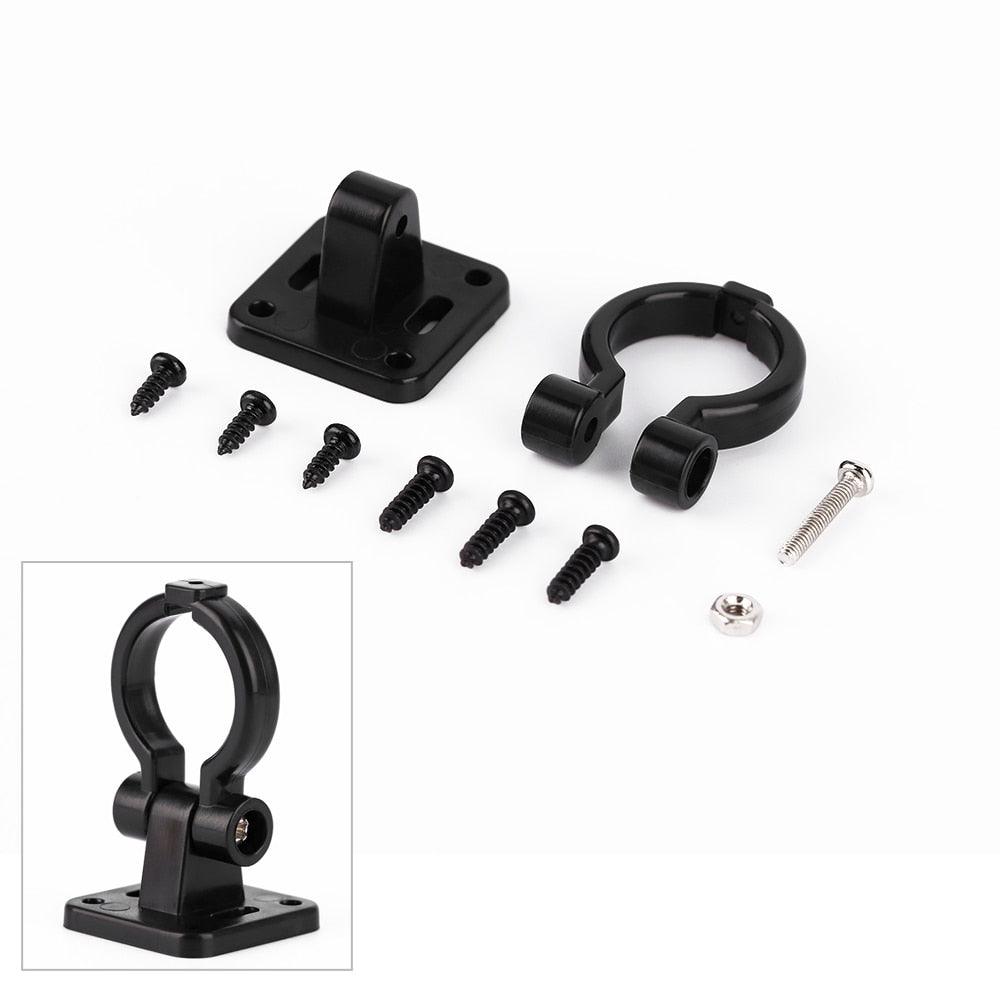
Adjustable Holder Racing Camera Lens Angle Adjust Mount Base Adjustable Tilt for FPV Camera FPV Racing Quadcopter
Price range: $10.83 through $133.74 - Drone Sensor
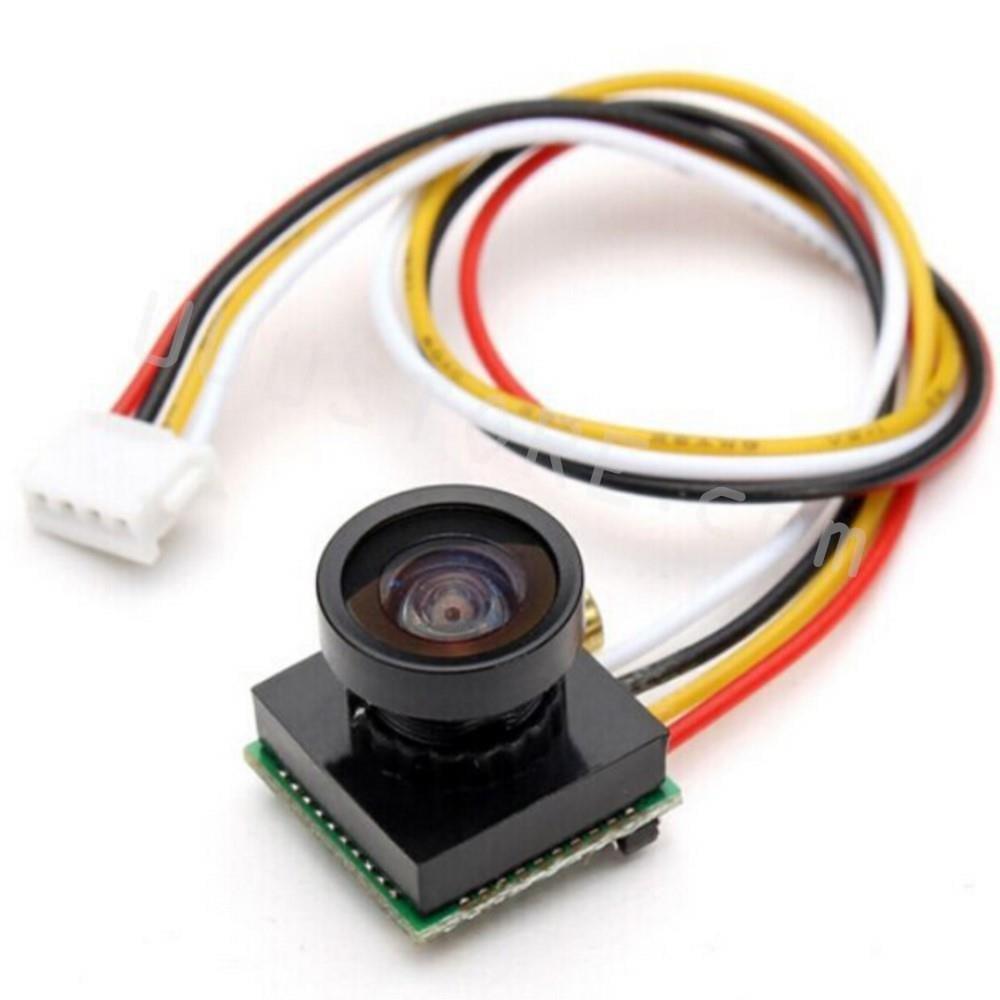
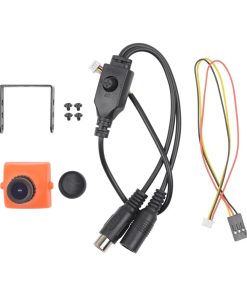
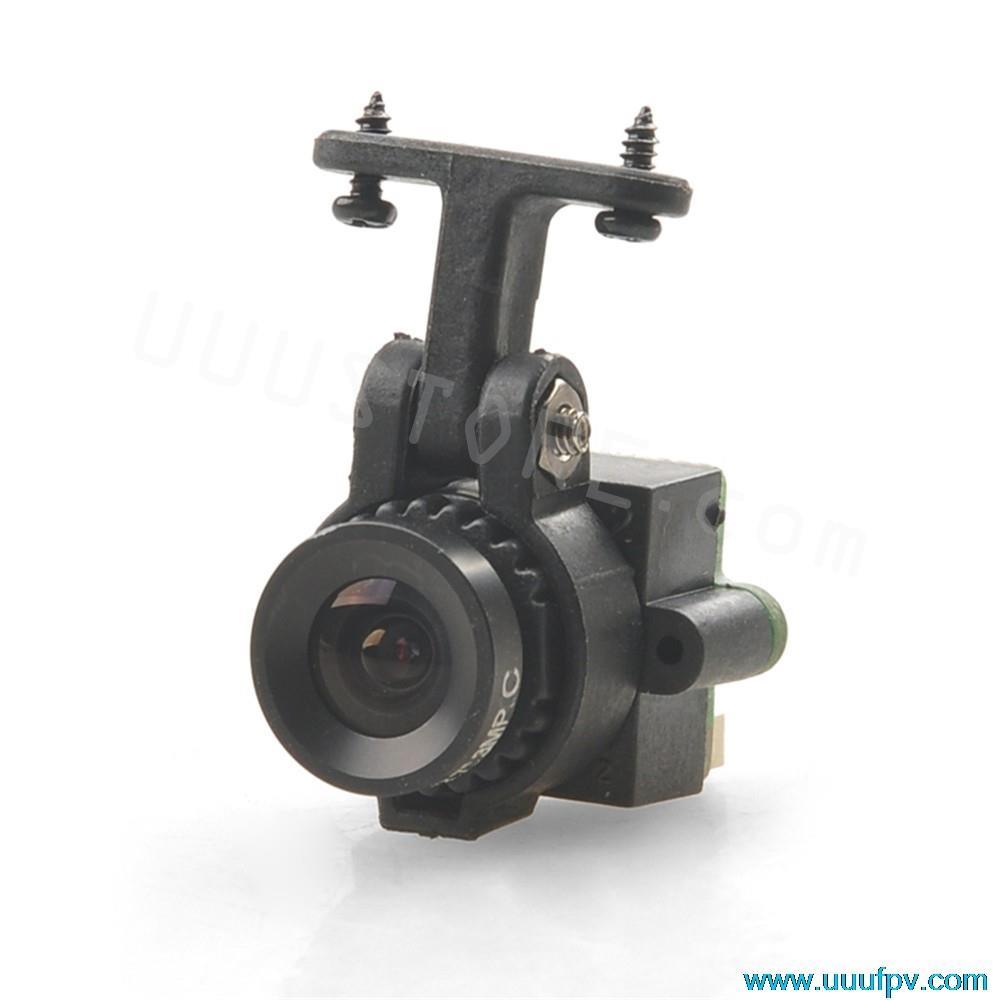
1/2/4PCS FPV 600TVL 1/4 1.8mm CMOS 170 Degree Wide Angle Lens Camera PAL/NTSC image sensor CCTV camera module chip board RC Toy
Price range: $14.01 through $36.96 - FPV Camera
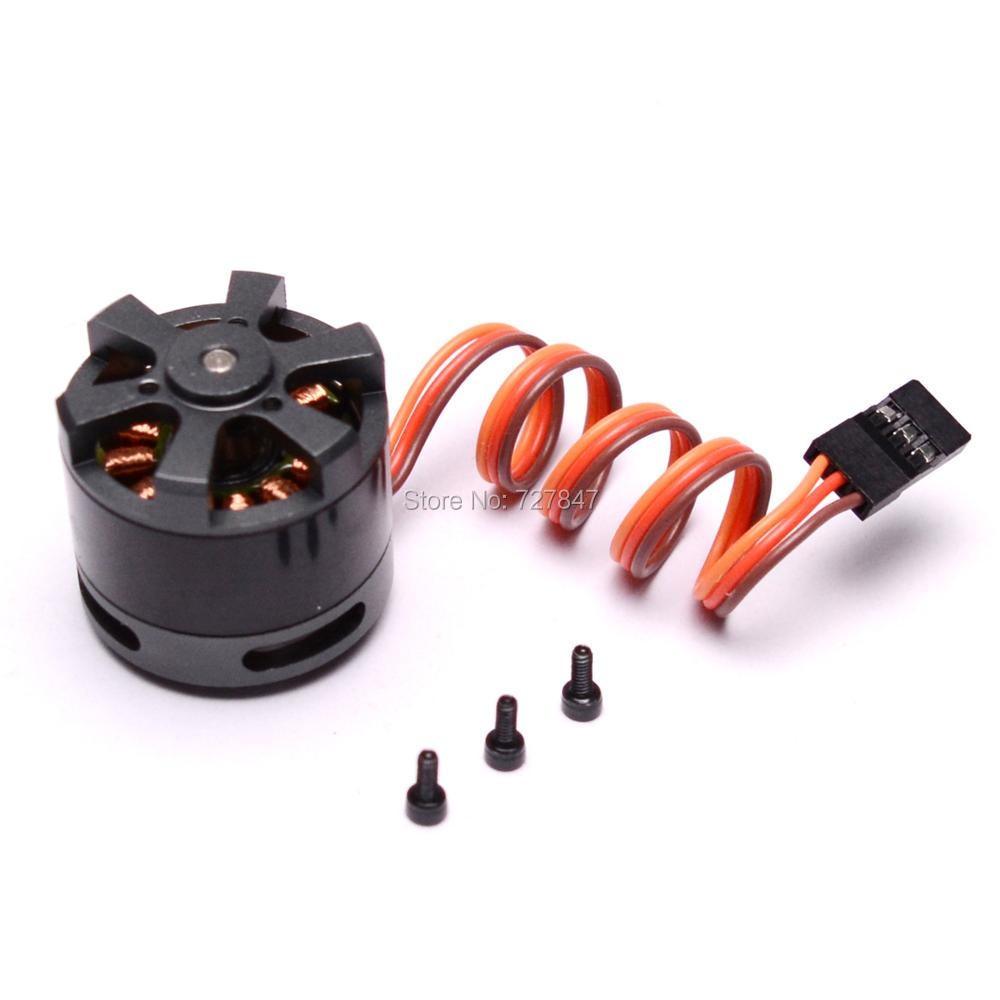
2208 Gimbal Brushless Motor – 1PCS / 2PCS LD-POWER 2208 39g 3mm shaft Gimbal Brushless Motor 80KV for 100-200g GoPro Gimbal frame
Price range: $15.97 through $22.79 - Caddx Camera
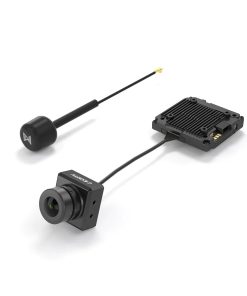
Caddx Walksnail Avatar HD Kit V2 Camera V2 – Without Gyroflow+8G 32G VTX 1080P 120fps for Goggles Caddx FPV
Price range: $16.39 through $172.17 - FPV Camera
AKK CA20 Camera 600TVL Sony Super Had II CCD high picture/CA40 700TVL K31P AV FPV Transmitter for FPV Quadcopter
Price range: $16.58 through $27.98 - FPV Camera
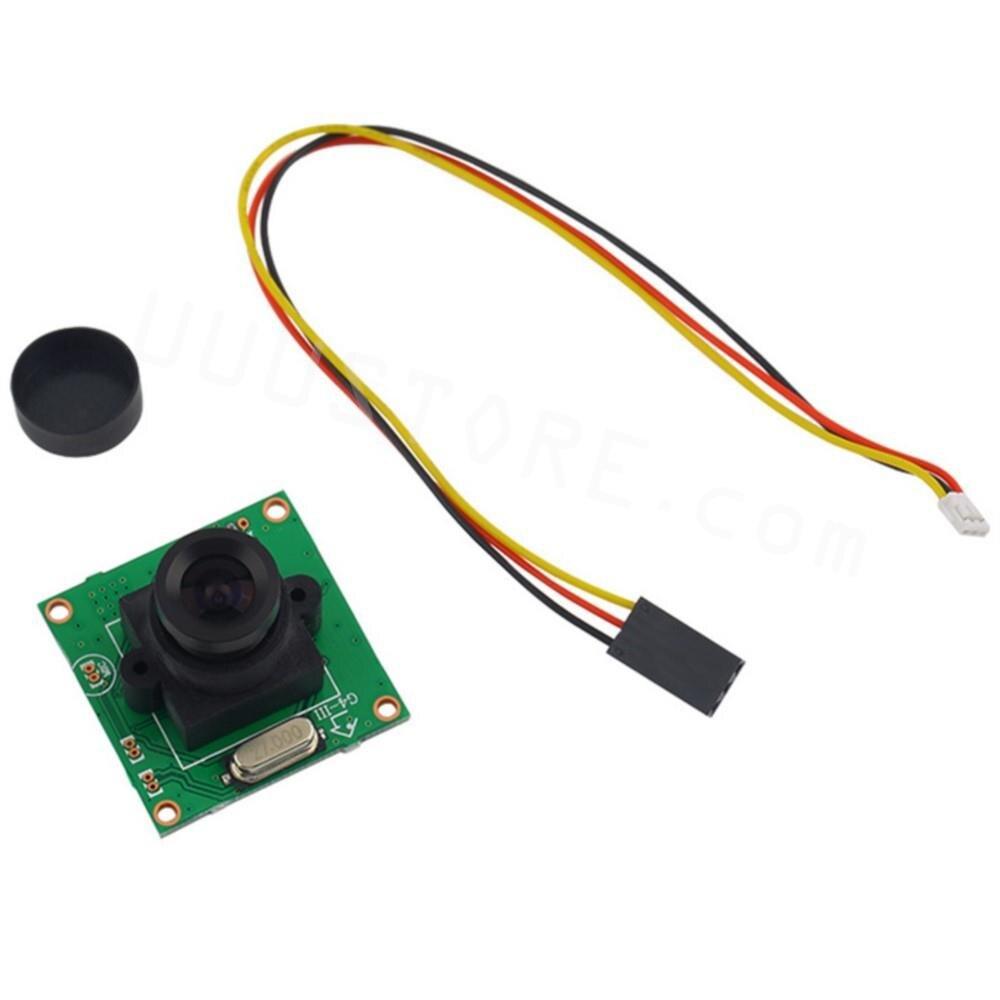
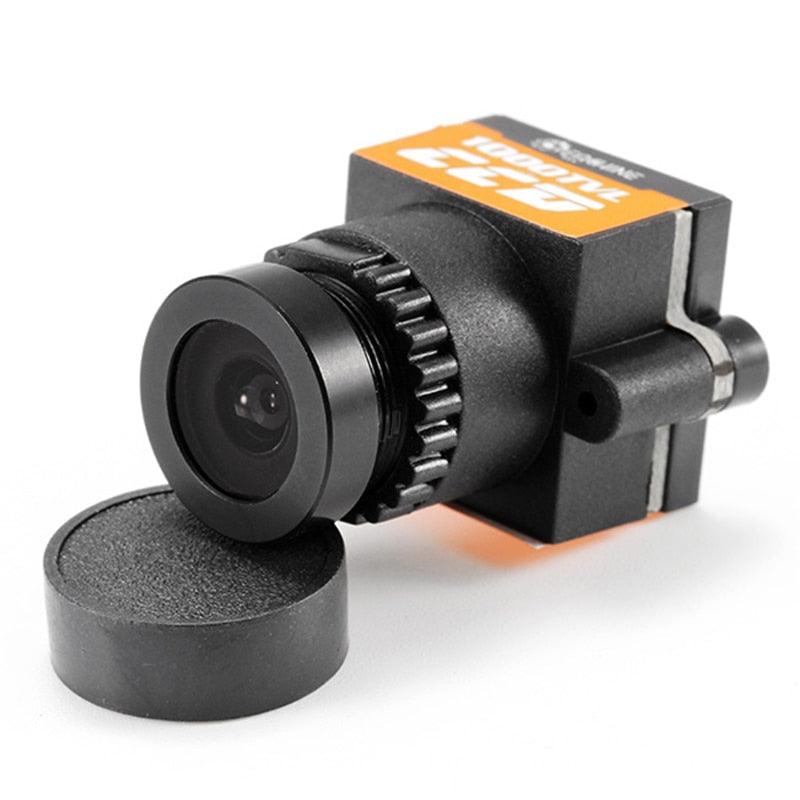
Eachine FPV Camera – 1000TVL 1/3 CCD 5-20V M12 110 Degree 2.8mm Lens Mini FPV Camera NTSC PAL Switchable For FPV Camera Drone NTSC/PAL
Price range: $20.10 through $27.07 - DJI Accessories
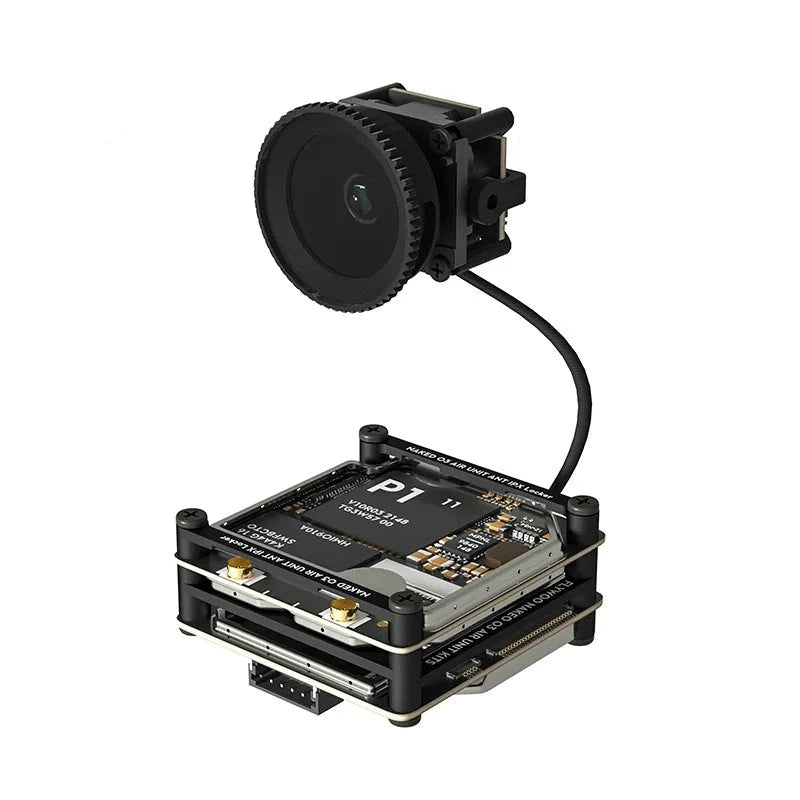
Flywoo Naked O3 Lite / Ultra Air Unit – Reducing Weight 50% Fit for Micro FPV Drone
Price range: $23.48 through $452.86 - FPV Camera
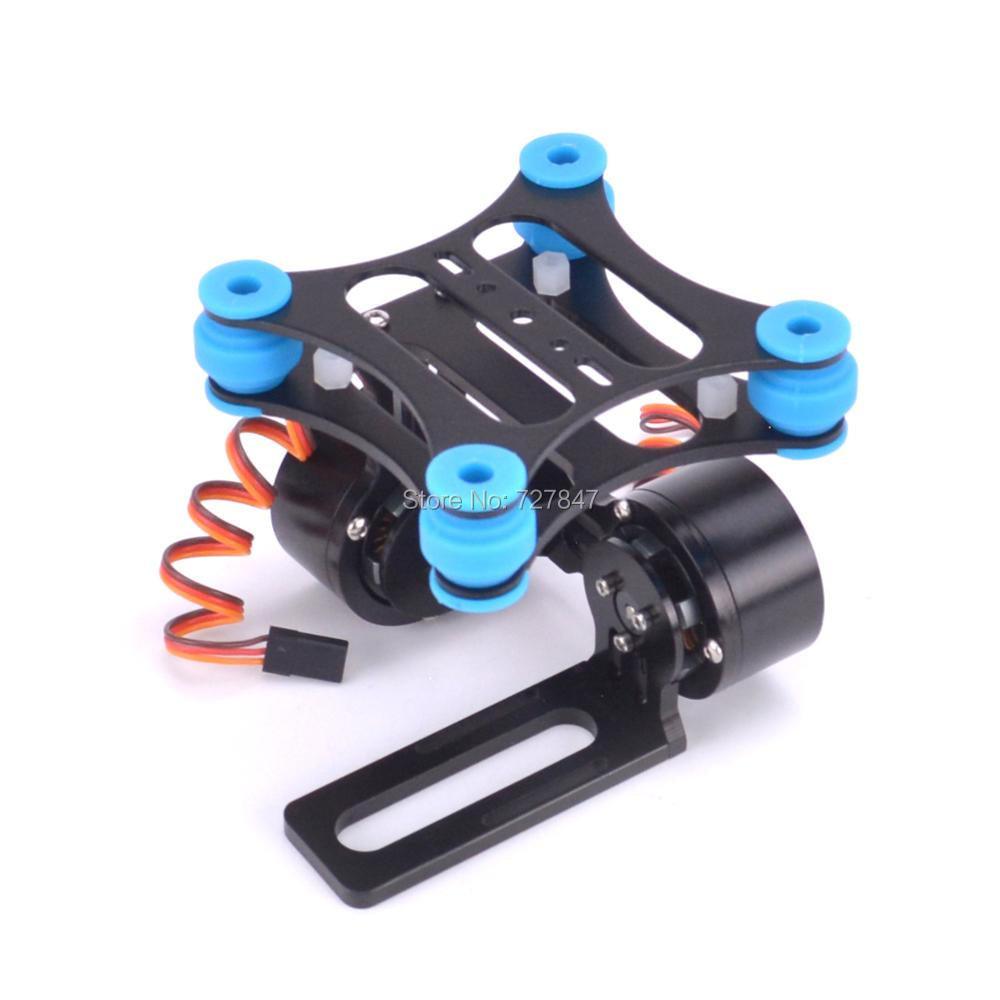
Brushless Camera Gimbal Frame – 1PCS Shock Absorbing CNC Metal Brushless Camera Gimbal Frame & 2PCS 2208 80KV Motor for Gopro 2 3 Xiaomi Xiaoyi Camera
Price range: $24.07 through $44.48 - FPV Camera
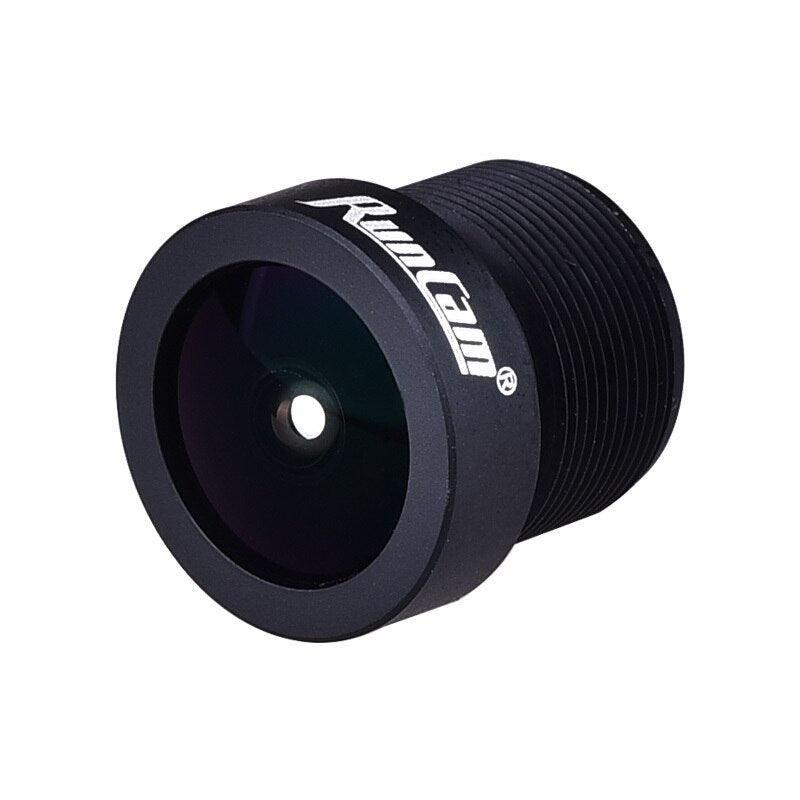
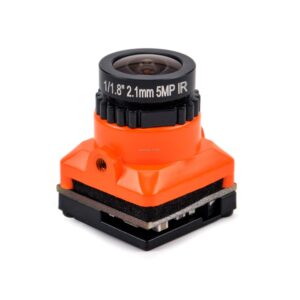
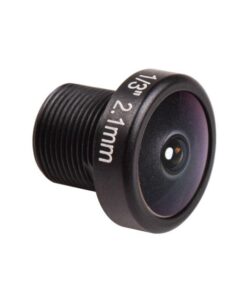
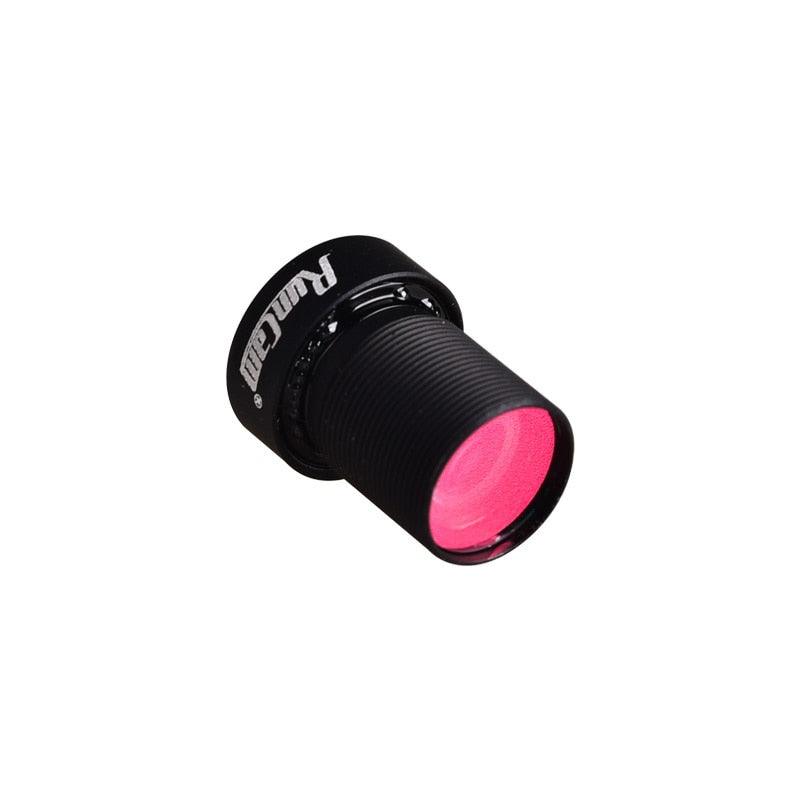
RunCam RC18G RC18M RC21M 1.8MM/2.1MM Lens for Racer Series Micro Swift/Sparrow 1/2 Robin
Price range: $27.02 through $30.28 - FPV Camera
GEPRC CineLog35 FPV Camera 5/6/7/8/9/10 Adjustable TPU Mount Cinelog35 Series DIY RC FPV Quadcopter Drone Accessories Parts
Price range: $27.65 through $29.05
 English
  Russian
  German
  Arabic