Drone Lens Filter
Cinematic Mastery: Precision-Engineered Drone Lens Filter Sets for Professional Optics
Achieving buttery-smooth cinematic motion blur and perfect exposure isn’t just about your sensor—it’s about the glass in front of it. Whether you are hunting for the best lens filter for drone photography or looking to fix ‘jello’ in your FPV footage, our selection of high-transmission filters ensures color neutrality and edge-to-edge sharpness. From the DJI Phantom 4 Advanced drone lens filter to specialized drone GoPro lens filters, we provide the optical tools needed to master the 180-degree shutter rule in any lighting condition.
Technical Specifications & Compatibility Matrix
Filter Type
Light Reduction (Stops)
Ideal Environment
Optical Coating
ND4 / ND8
2-3 Stops
Golden Hour / Overcast
Multi-Layer Hydrophobic
ND16 / ND32
4-5 Stops
Bright Daylight / Sunny
Anti-Reflective Nano
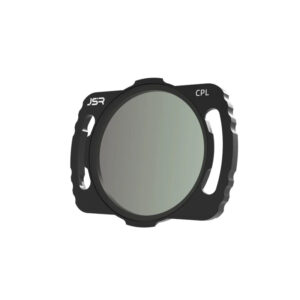
CPL (Polarizer)
1.5 Stops
Water, Snow, Glass
Circular Polarization
IR Lens Filter
N/A
Specialized Surveillance
Infrared Pass/Cut
Engineering Analysis: Gimbal Balance and Optical Density
As a senior engineer, I cannot stress enough how critical weight-matching is for your flight controller’s PID loop. A common Reddit complaint is that heavy filters “add too much weight and put the balance of the drone off,” leading to motor overheating or gimbal vibration. When selecting lens filter for Mavic drone platforms, our filters utilize aircraft-grade aluminum frames to stay under 0.5g. This prevents the dreaded ‘Gimbal Overload’ error, even on the Mavic 4 when filming in vertical mode where tilt angles are restricted.
For those flying the Mini 5 Pro or Mavic Pro Platinum, using an ND filter DJI Mavic Pro enthusiasts trust is vital to avoid the ‘hovering drift’ caused by imbalanced sensors. If you are pushing your rig with New FPV Arrivals, remember that a screw-in dji lens filter is always superior to snap-on versions for high-G maneuvers. Don’t forget to use proper Drone Tools for installation to avoid stripping the delicate threads on your camera housing.
Drone Lens Filter FAQ
Which is better, CPL or ND filter?
Go for an ND filter if you want to control shutter speed for motion blur or achieve a shallow depth of field on bright days. A CPL (Circular Polarizer) is your go-to for cutting reflections from water or glass and making skies pop. For the best results, many pros use an ND/PL hybrid.
Are ND filters for drones worth it?
Absolutely. Without a drone lens filter, you risk overexposure and high shutter speeds that make video look choppy. ND filters allow you to lock your shutter at double your frame rate (the 180-degree rule) for that professional cinematic look.
How to choose the right ND filter for my drone?
Choosing the right nd filter dji mavic pro or similar depends on the EV (Exposure Value). ND8 is great for cloudy days, ND16 for standard sun, and ND32 or ND64 for extremely bright environments like snow or white sand beaches.
What filter is better, UV or CPL?
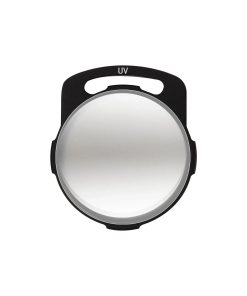
A UV filter is primarily for lens protection and cutting atmospheric haze. A CPL filter is a creative tool used to manage reflections and enhance color saturation. If you’re flying in high-risk areas, a UV filter is a cheap insurance policy for your glass.
When should I use an IR lens filter for a drone?
An ir lens filter for drone use is typically reserved for multispectral imaging, agriculture, or specialized night surveillance where you need to isolate specific wavelengths of light beyond the visible spectrum.
- Drone Lens Filter
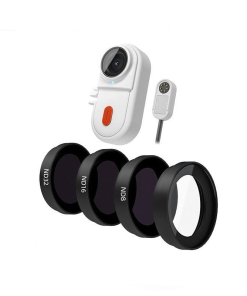
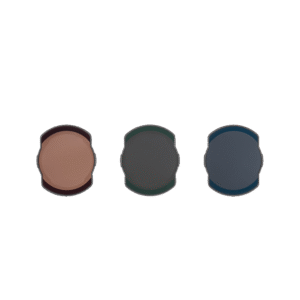
Adjustable Filter for DJI Avata O3 Sky End ND Filter Set – Camera Lens Filter Kit for Filter CPL NDPL MCUV Polarizer Accessories
Price range: $7.45 through $42.34 - Drone Lens Filter
Flywoo Action Camre ND CPL Filter Set For GP9 GP10 GP11 SMO Naked Gopro 67
Price range: $13.08 through $56.68 - Drone Lens Filter
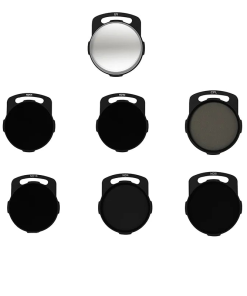
GEPRC O3 Air Unit ND Filters lens – ND8 ND16 ND32 CPL Lens Filter Set Aluminium Alloy Frame for O3 Air Black Action Camera CPL Len
Price range: $16.13 through $70.72 - Caddx Camera
ND8 / ND16 / ND32 UV Lens Filter for CADDX Peanut Camera Lens Ratel FPV Camera Spare Part for RC Racer Drone Quadcopter CaddxFPV
Price range: $16.78 through $40.08 - Drone Lens Filter
iFlight ND Filters Set for DJI O3 Air Unit – includes ND8, ND16, and ND32 Filter
$79.00
 English
  Russian
  German
  Arabic