
Drone Gimbal
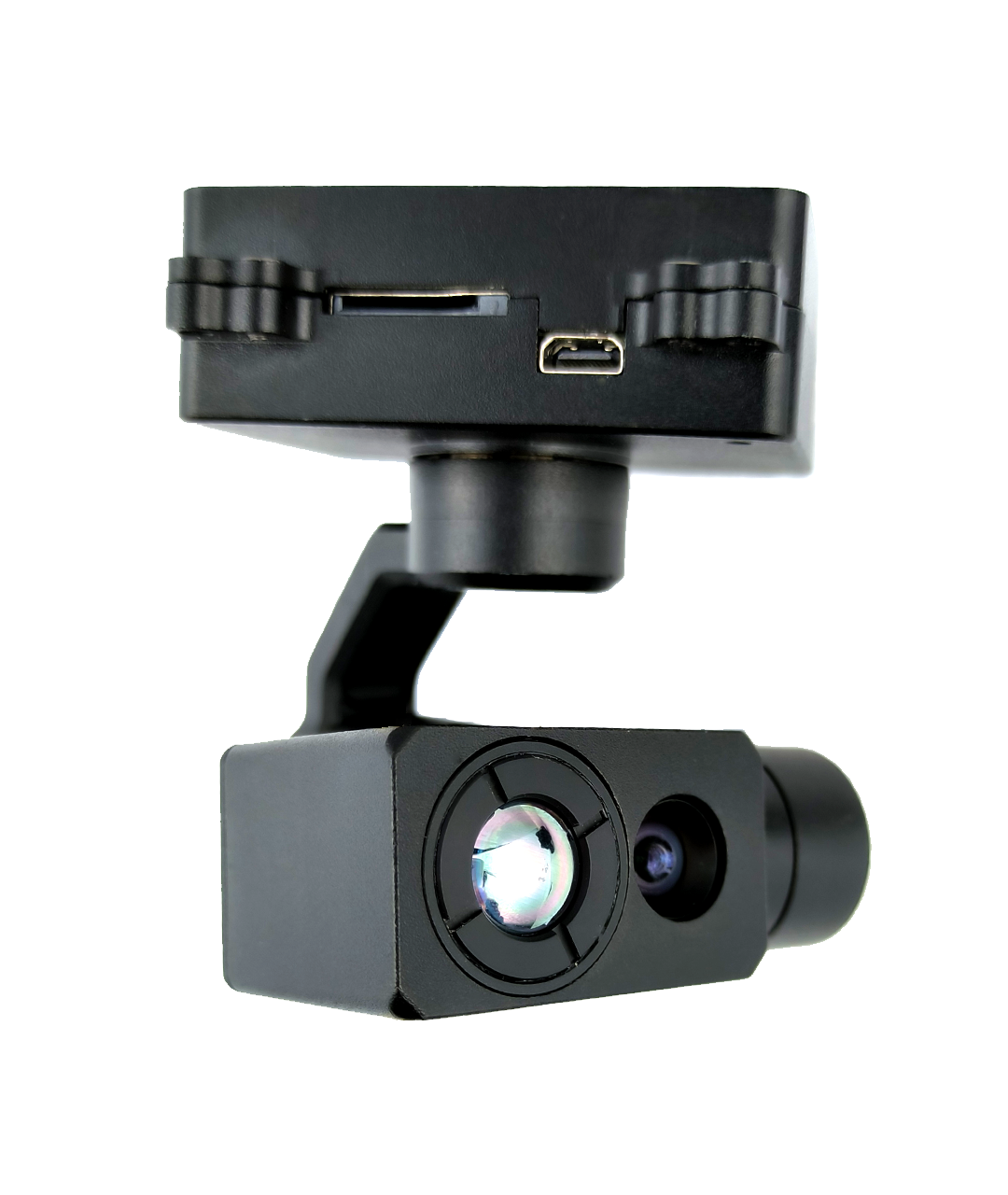
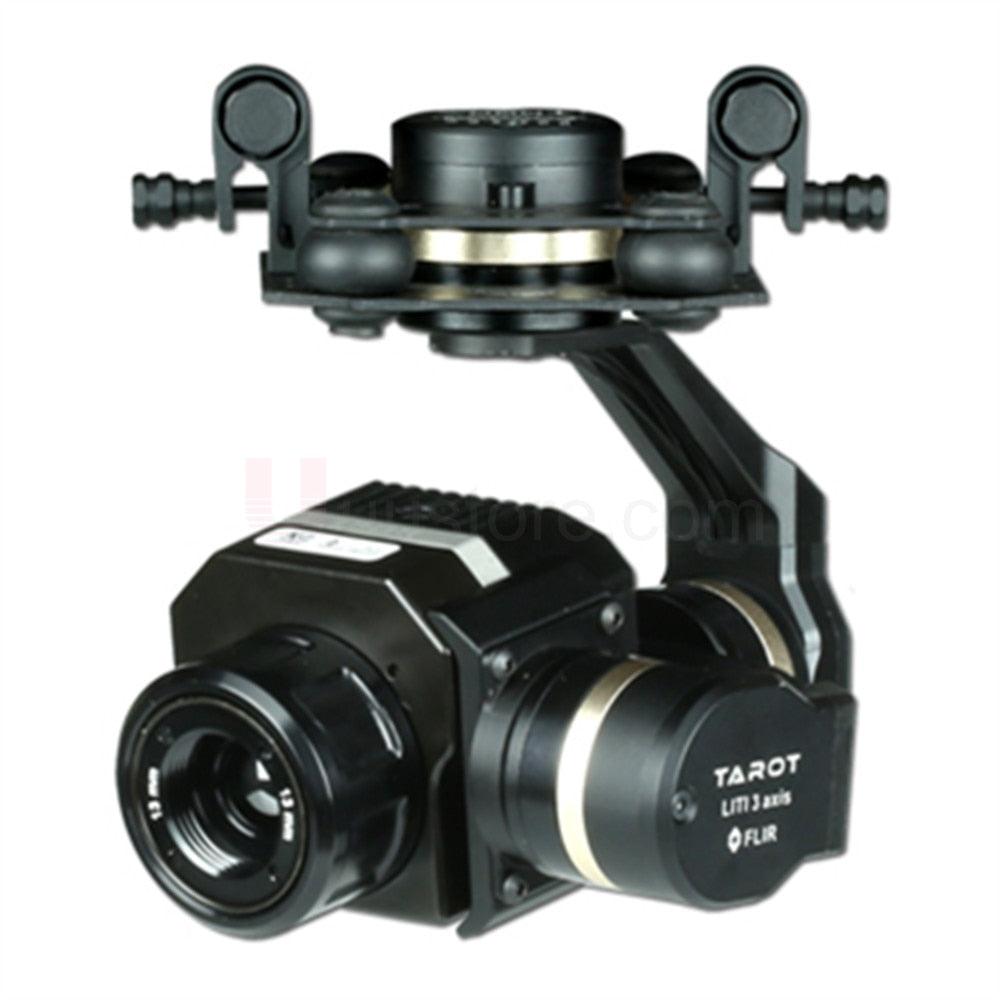
Pro-Grade Drone Gimbals: The Secret to Professional Cinematic FPVStop settling for shaky, unusable footage. Whether you are building a custom long-range rig or repairing a cinematic cinewhoop, choosing the right drone gimbal is the difference between a professional production and a ‘jello-filled’ disaster. As senior engineers, we know that gimbals ensure drone cameras can capture clear, high-resolution imagery regardless of aerial turbulence, making them the most essential best drone accessories for any serious pilot.Gimbal Compatibility & Spec MatrixBefore you buy, ensure your flight controller and frame can handle the weight and communication protocol of your chosen unit. Check our New FPV Arrivals for the latest compatible frames.Gimbal TypeBest ForWeight ClassControl Protocol3-Axis Brushless (BLG)Cinematic Filmmaking250g – 1kgPWM / S.Bus / Serial2-Axis LightweightRacing/Freestyle Point-of-View50g – 150gPWMIntegrated DigitalSub-250g Micro Drones<30gO3 Air Unit / ProprietaryStep-by-Step Setup & Installation GuideInstalling a gimbal requires more than just a few screws; it’s about balancing the center of gravity (CoG) to prevent motor burnout.Mechanical Mounting: Secure the dampening balls to the mounting plate. Ensure the gimbal hangs freely without touching the frame or landing gear.Wiring: Connect the power leads directly to a regulated BEC (Battery Eliminator Circuit). Avoid connecting high-power gimbals directly to the FC to prevent voltage sag. You can find high-quality soldering supplies in our Drone Tools section.IMU Calibration: Place the drone on a perfectly level surface. Use the gimbal software to calibrate the accelerometer and gyroscope.Balance Check: With the power off, the camera should stay level in any position. If it tilts, adjust the sliding counterweights.Solving Real-World Issues: The “Gimbal Stuck” NightmareWe’ve seen a surge in reports, specifically regarding the Neo 2 factory gimbal issue where users experience a “motor overload” on their very first flight. If your roll axis gets “stuck” at a specific angle, don’t panic. Based on community feedback, many “Gimbal Stuck” errors after a crash—even a minor one—are caused by tiny grains of dirt or debris between the motor and the axis. Before ordering expensive replacement cables, use an air duster to clean the motor gaps and re-calibrate on the ground. If the plastic housing is cracked but the motors work, you can often buy just the plastic gimbal frame and swap the internals to save money.Frequently Asked QuestionsWhat is a gimbal on a drone?Gimbals use motors and sensors to counteract shake and keep the camera balanced in real time. This results in smooth, fluid footage that looks like it was shot on rails, regardless of the aircraft’s motion or external forces like wind.Do you need a gimbal on a drone?Without a gimbal, even a tiny bump in flight—especially at longer focal lengths—leads to entirely unusable, shaky shots. The algorithm inside the gimbal eliminates the shake, making it a non-negotiable part for aerial photography.Can you add a gimbal to a drone?Yes! While many drones come with integrated cameras, you can add Brushless Gimbals (BLG) to almost any DIY FPV frame. High-end gimbals are expensive, but they offer the smoothest results for professional filmmaking.What are the legal requirements for drones in Singapore?If your drone (including the gimbal and camera) weighs more than 250g, you must register it with the Civil Aviation Authority of Singapore (CAAS). You must be at least 16 years old and have the registration label affixed to the drone to avoid legal action.Why are DJI drones being banned in some regions?As of late 2025, certain DJI products have been placed on the FCC Covered List in the United States due to national security concerns. This means new models may face import restrictions, making third-party FPV drone parts and open-source gimbals even more critical for pilots.
- Drone Gimbal
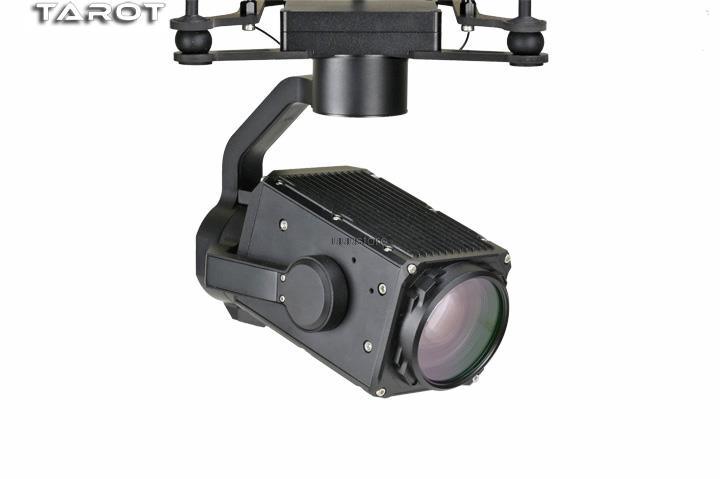
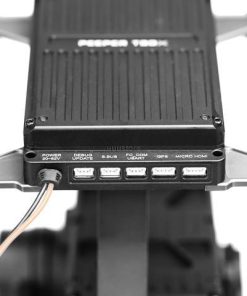
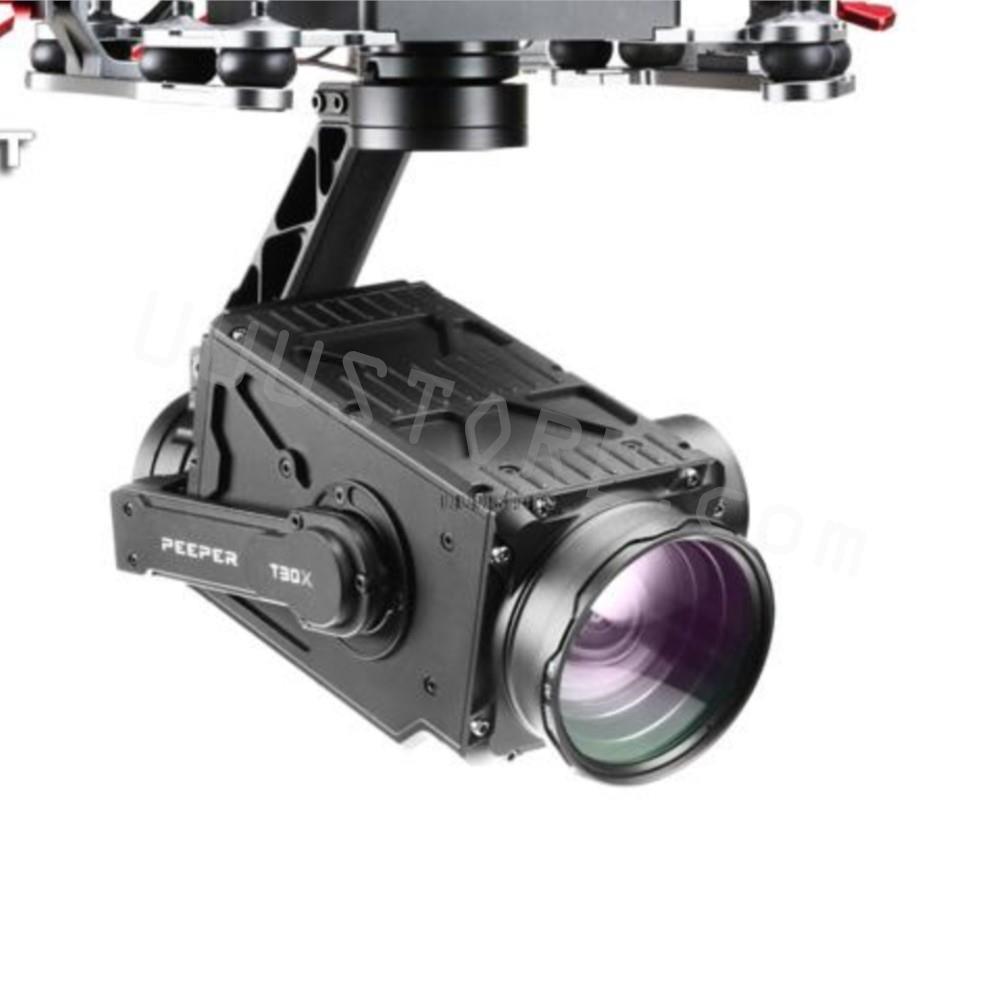
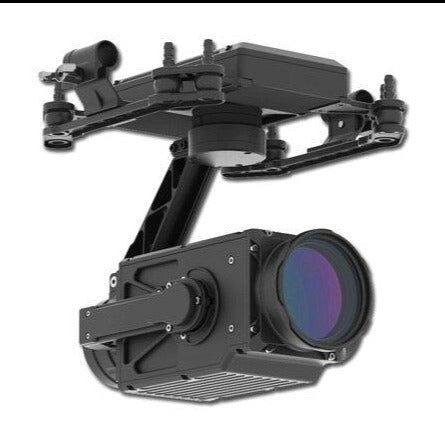
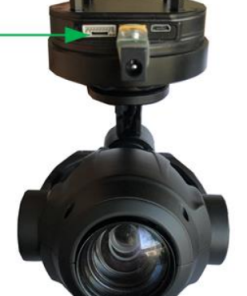
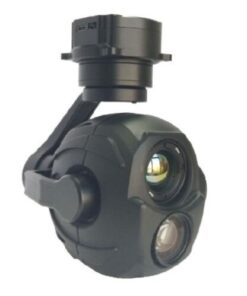
T30-Pro 30X Optical Zoom PTZ 2MP Pixels w/ HDMI Output 1080P Tracking Function Z30P1
$3,847.43










 English
  Russian
  German
  Arabic