
DJI
“DJI doesn’t just build drones; they build ecosystems. As an engineer, I see the genius in their integration, even if the closed-source nature makes my soldering iron itch for a more open platform.” — Senior FPV Engineer
When we talk about Da-Jiang Innovations, or DJI, we are discussing the ‘Great Frontier Innovations’ of the sky. Headquartered in Shenzhen, this Chinese powerhouse has redefined what it means to fly. However, the landscape is shifting. With the US Department of Defense designating DJI as a “Chinese Military Company,” the regulatory climate has become quite chilly. While some hobbyists worry about a total ban, the reality *appears to* be more nuanced. Currently, the 2024 Joe Biden National Defense Authorization Act and the subsequent FCC Covered List mean that new products won’t be approved for import unless a security review is completed by late 2025. This creates a strange limbo for pilots who rely on their gear for daily operations.
Core Features of the DJI Ecosystem:
OcuSync transmission for long-range reliability.
Advanced obstacle avoidance and sensory arrays.
Automated flight modes like ActiveTrack and MasterShots.
High-density proprietary battery management systems.
Integrating DJI tech into your workflow requires a specific mindset. If you are used to the raw power of a custom build using a 100C Lipo Battery, the smooth, stabilized flight of a Mavic might feel almost too easy. The controls feel refined, the gimbal movements are buttery, and the high-pitched hum of the motors is remarkably consistent. Yet, it isn’t always perfect. Reddit users often report frustrations with the “GEO lock” system, which can ground your drone in areas where you might actually have permission to fly. Furthermore, some users *may suggest* that customer service struggles to keep up with firmware errors, like the sudden ‘signal drop’ that can happen even when you’re just 1km away. It’s a heart-stopping moment when the screen goes black and you’re left staring at the sky, hoping the Return-to-Home feature kicks in.
For those who enjoy the mechanical side of the hobby, maintaining these sophisticated machines is a task in itself. You will need a dedicated set of Drone Tools to handle the proprietary screws and delicate internal ribbons. It is a far cry from the rugged, open nature of a carbon fiber FPV Frame Kit, but that is the trade-off for such high-end imaging tech. It *appears to* be a trade-off most are willing to make. Despite rumors, DJI is not owned by Sony; they are a privately held entity focused solely on their own vision of aerial creative tools.
Professional Buyer’s Guide
Before you invest, consider your local regulations. For example, if you are flying in Singapore, you can generally fly without a permit as long as your drone weighs 7 kilograms or less and you stay below 200 feet. If you’re in the US, keep an eye on the NDAA updates for 2025. Always check for LED flicker in your footage, which can happen if your shutter speed isn’t synced with local power frequencies. If you encounter persistent firmware errors, a factory reset is your first line of defense, though it isn’t a guaranteed fix for hardware-level signal issues. Choose DJI for the camera, but keep a custom rig for the freedom.
- DJI
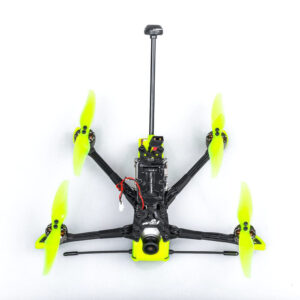
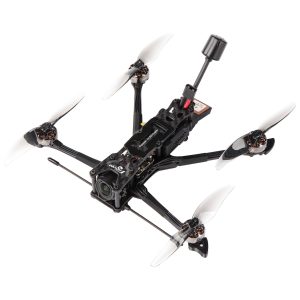
FLYWOO Explorer LR 4 V2.2 – HD Micro Long Range FPV Ultralight Quad Bnf Wasp ( GN405 FC ) 1404 2750KV
Price range: $494.59 through $533.07 - DJI
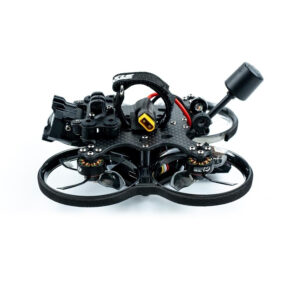
Axisflying CineON C20 V2 – 2 inch Sub250g DJI O3 Air Unit FPV Drone – 4S
Price range: $576.60 through $172,460.94 - DJI
FLYWOO Explorer LR 4 HD DJI O3 Sub250 4K/1080P Micro Long Range
Price range: $639.05 through $677.53 - DJI
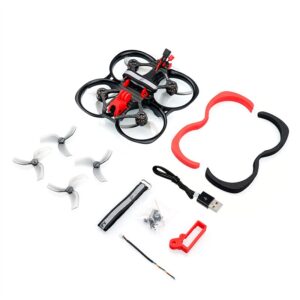
BETAFPV Pavo25 Walksnail Whoop Quadcopter – With/ Without Walksnail VR Goggles LiteRado Remote Controller FPV Racing Drone
Price range: $681.94 through $1,502.81 - BNF (Bind And Fly) FPV
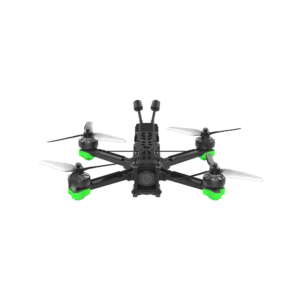
iFlight Nazgul Evoque F5 V2 HD 5inch 6S FPV Drone BNF F5X F5D(Squashed-X or DC Geometry)with GPS module/ DJI O3 Air Unit for FPV
Price range: $710.31 through $784.80 - DJI
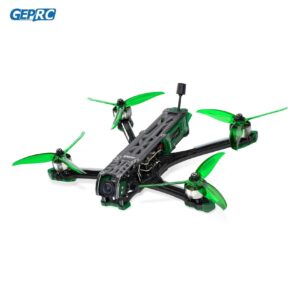
GEPRC MARK5 C HD O3 Freestyle FPV Drone VTX DJi O3 Air Unit System RC FPV Camber Bracket Built Bluetooth Quadcopter Freestyle
Price range: $712.49 through $756.24 - DJI
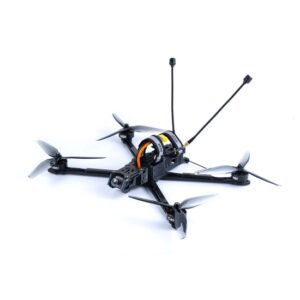
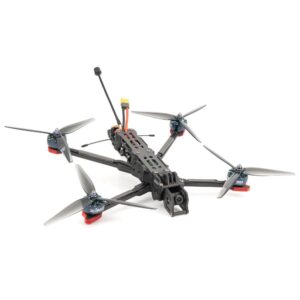
iFlight Chimera7 Pro HD 6S 7.5 inch Long Range FPV Racing Drone
Price range: $739.00 through $779.00 - DJI
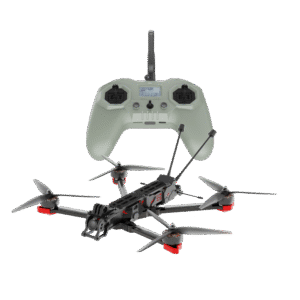
iFlight Chimera7 Pro V2 HD 6S FPV Drone BNF with DJI O3 Air Unit / GPS + Commando 8 Radio Transmitter – ELRS for FPV
Price range: $1,138.57 through $1,151.39
 English
  Russian
  German
  Arabic