
DJI Drone & Accessories
I still remember the sinking feeling in my stomach when I first saw my Mavic 2 Pro drifting toward a power line during a sunset shoot; it was a stark reminder that even the most advanced DJI drones require a pilot’s full attention and the right support gear to stay airborne. While DJI’s out-of-the-box experience is legendary, the real magic—and the real frustration—often lies in the ecosystem of accessories and the maintenance required to keep these birds in the air. Have you ever wondered why some pilots seem to have zero technical issues while others struggle with constant firmware errors? It often comes down to how you treat the tech during the off-season.
Take, for instance, a recent story from the community where a pilot dusted off their Mini 3 Pro after a long summer only to be met with a cascade of system errors that a factory reset couldn’t fix. This appears to suggest that long-term storage without proper battery cycling can lead to more than just a dead cell; it can confuse the internal flight controller’s logic. When you’re performing these delicate repairs or just swapping out a damaged gimbal, having a dedicated set of Drone Tools is absolutely essential to avoid stripping those tiny, proprietary screws. Cheap, generic screwdrivers from the local hardware store might seem like a bargain, but they often lack the precision needed for high-end electronics and may suggest a lack of seriousness in your maintenance routine.
Pros: Unmatched gimbal stabilization, intuitive flight apps, and a massive global support network for parts.
Cons: High repair costs for out-of-warranty hardware, complex regulatory hurdles in the US regarding new imports, and proprietary battery systems that can be expensive to replace.
Speaking of batteries, while DJI’s intelligent flight batteries are convenient for the average consumer, they lack the raw, unbridled power delivery found in a high-discharge 100C Lipo Battery used in the custom FPV world. For those looking to bridge the gap between cinematic flight and freestyle agility, starting with a durable FPV Frame Kit is often the best path forward. It may suggest a steeper learning curve, but the durability compared to a standard plastic Mavic arm is night and day. We’ve seen users send in Mavic 3 Pros with three out of four arms snapped off; a carbon fiber frame would likely have survived that impact with just a few scratches and a prop change.
Imagine you are planning a trip to Singapore. You’ve checked the CAAS regulations and registered your drone because it’s over 250g, but then it starts to drizzle. Is it worth the risk? It appears to be a common misconception that these drones are weather-sealed. Most consumer models are definitely not waterproof, and flying in the rain is a quick way to fry your ESCs. While some third-party “wet suits” exist, they often add bulk and can interfere with cooling, which is a trade-off many professional pilots are hesitant to make. Always remember that while DJI drones are powerful, they are still sensitive electronic instruments that require a bit of TLC and the right gear to thrive.
Pro Pilot Tips for DJI Owners
Always check the latest FCC and local regulations, especially if you are importing newer models after the December 2025 cutoff.
Avoid updating firmware immediately; wait a week to see if the community reports any “bricking” issues or major bugs on the DJI forums.
Store your batteries at 50% charge in a fire-proof bag to extend their lifespan and prevent the “hibernation” errors seen on Reddit.
If you use ND filters, ensure they are seated perfectly; poorly fitted filters can strain the gimbal motor and cause “gimbal overloaded” warnings.
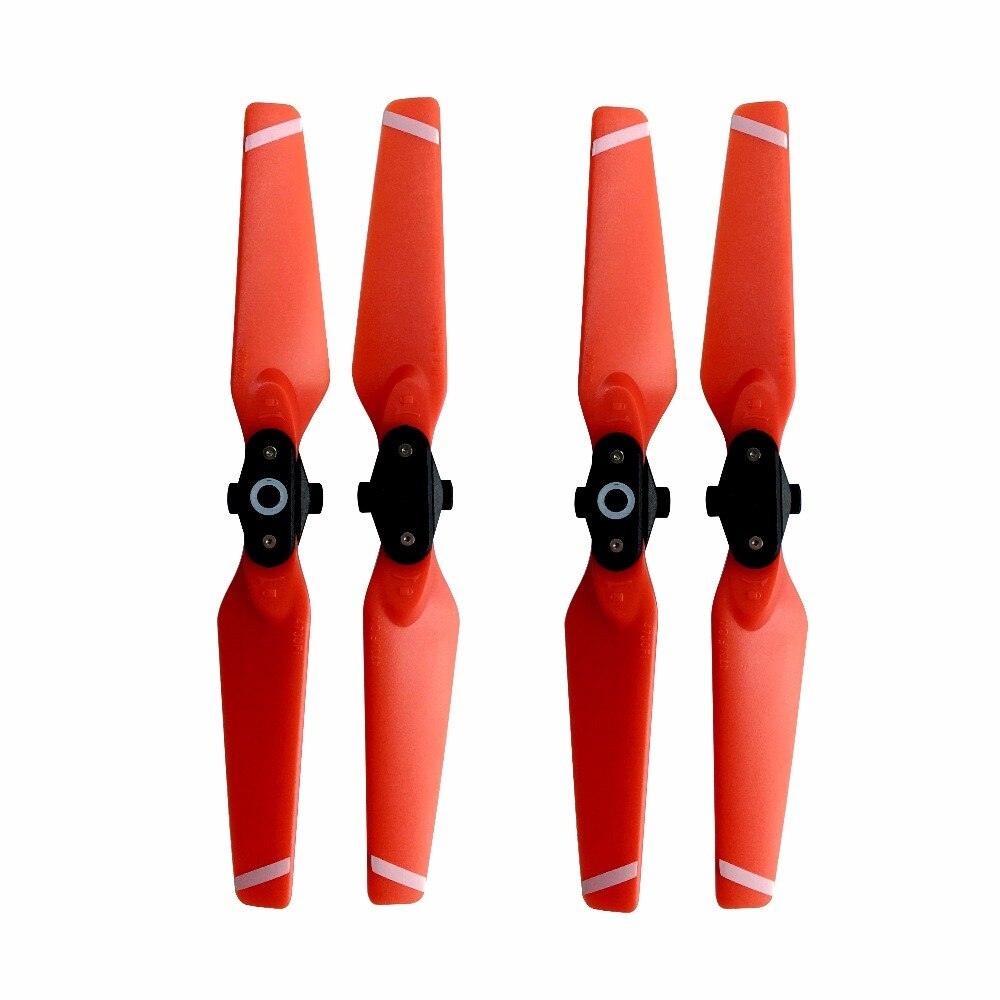
- DJI Propeller
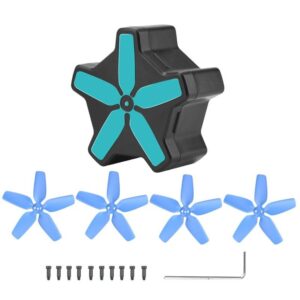
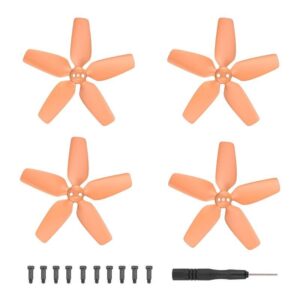
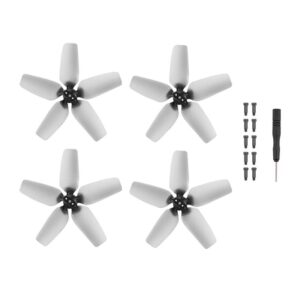
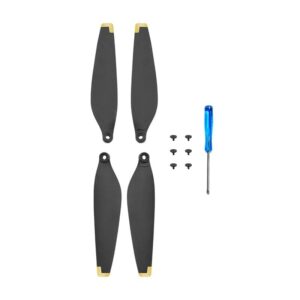
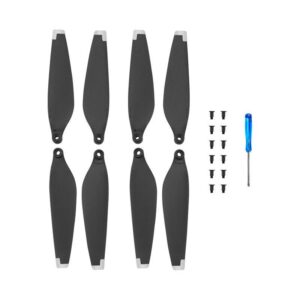
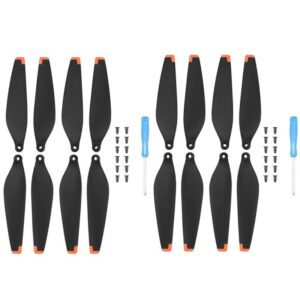
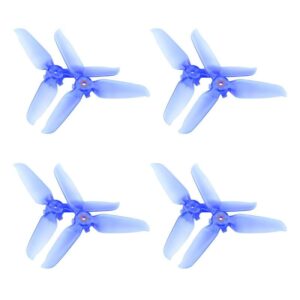
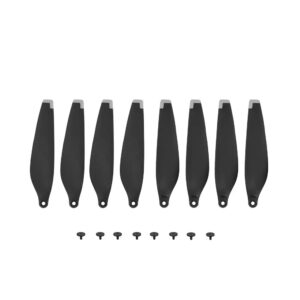
Sunnylife Propellers for DJI Mini 3 Pro MINI 4 PRO drone – Prop Accessories Less Lower Noise Reduction Quick Release Propeller
Price range: $6.72 through $9.09 - DJI Propeller
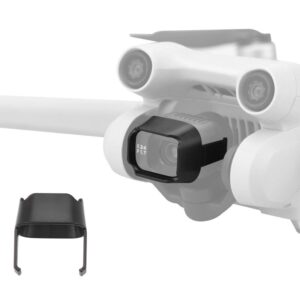
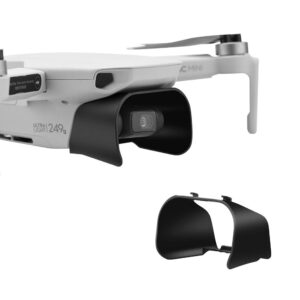
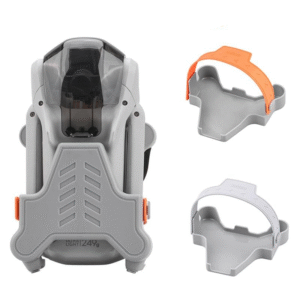
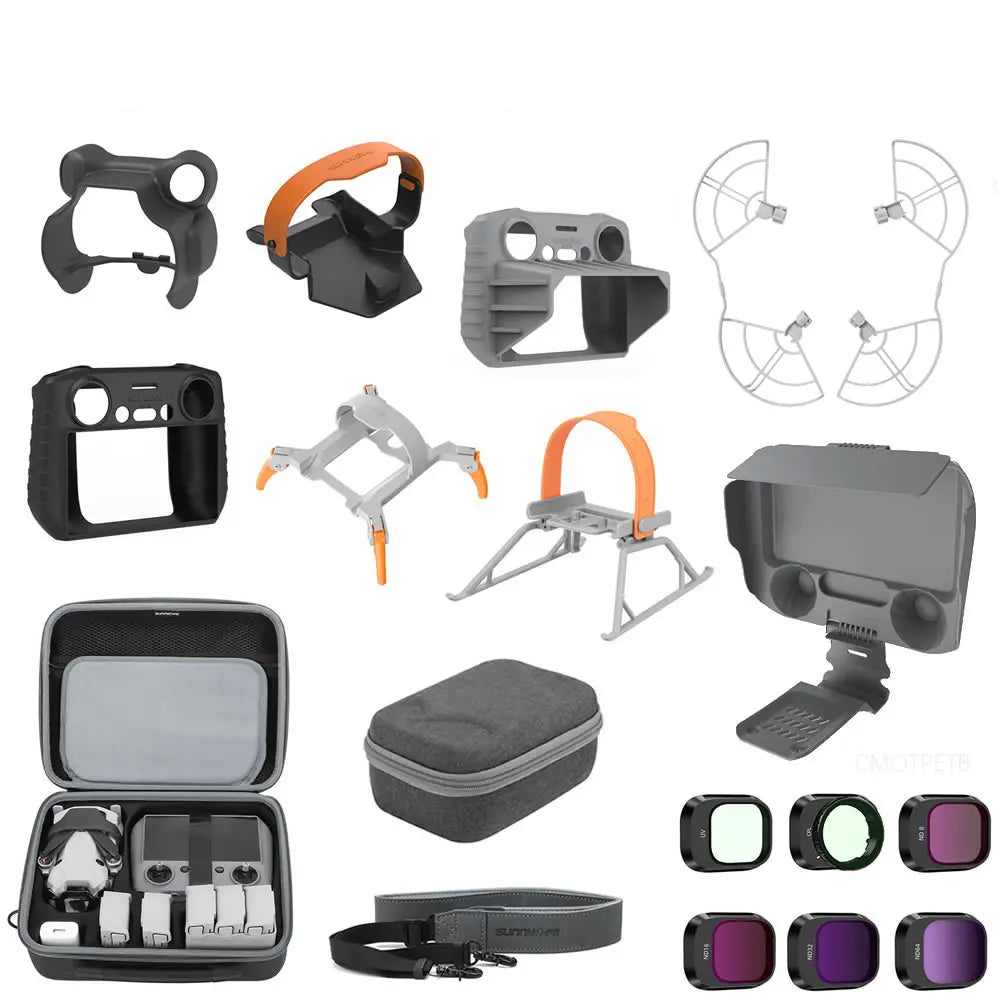
Accessories Kit for DJI Mini 4 Pro – Landing Gear Lens Cap Propeller Guard Cage Holder Filter RC 2 Controller Silicone Case bag
Price range: $7.81 through $36.39 - DJI Propeller
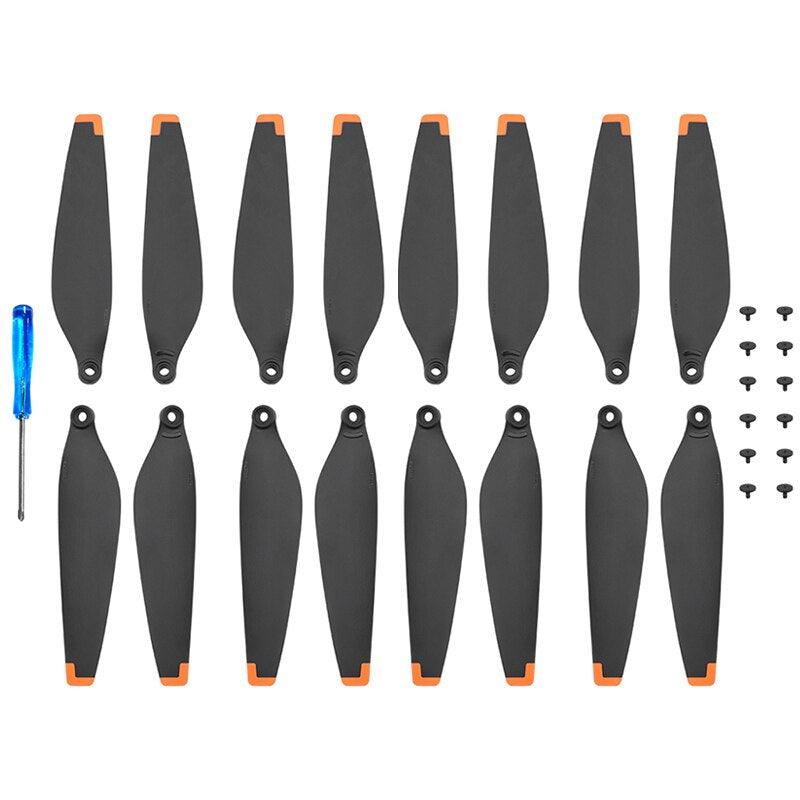
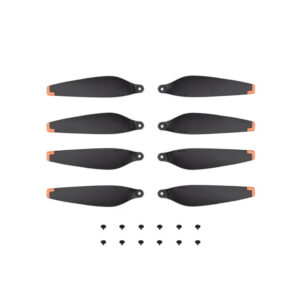
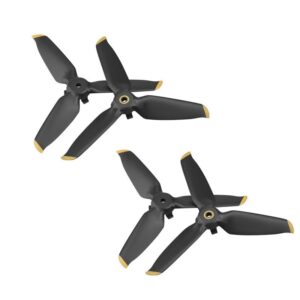
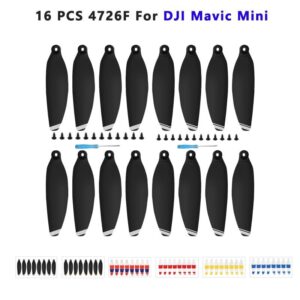
4726 Propeller – 16PCS Replacement Propeller for DJI Mavic Mini Drone 4726 Light Weight Props Blade Wing Fans Accessories Spare Parts Screw Kits
Price range: $9.32 through $11.74
I still remember the sinking feeling in my stomach when I first saw my Mavic 2 Pro drifting toward a power line during a sunset shoot; it was a stark reminder that even the most advanced DJI drones require a pilot’s full attention and the right support gear to stay airborne. While DJI’s out-of-the-box experience is legendary, the real magic—and the real frustration—often lies in the ecosystem of accessories and the maintenance required to keep these birds in the air. Have you ever wondered why some pilots seem to have zero technical issues while others struggle with constant firmware errors? It often comes down to how you treat the tech during the off-season.
Take, for instance, a recent story from the community where a pilot dusted off their Mini 3 Pro after a long summer only to be met with a cascade of system errors that a factory reset couldn’t fix. This appears to suggest that long-term storage without proper battery cycling can lead to more than just a dead cell; it can confuse the internal flight controller’s logic. When you’re performing these delicate repairs or just swapping out a damaged gimbal, having a dedicated set of Drone Tools is absolutely essential to avoid stripping those tiny, proprietary screws. Cheap, generic screwdrivers from the local hardware store might seem like a bargain, but they often lack the precision needed for high-end electronics and may suggest a lack of seriousness in your maintenance routine.
Pros: Unmatched gimbal stabilization, intuitive flight apps, and a massive global support network for parts.
Cons: High repair costs for out-of-warranty hardware, complex regulatory hurdles in the US regarding new imports, and proprietary battery systems that can be expensive to replace.
Speaking of batteries, while DJI’s intelligent flight batteries are convenient for the average consumer, they lack the raw, unbridled power delivery found in a high-discharge 100C Lipo Battery used in the custom FPV world. For those looking to bridge the gap between cinematic flight and freestyle agility, starting with a durable FPV Frame Kit is often the best path forward. It may suggest a steeper learning curve, but the durability compared to a standard plastic Mavic arm is night and day. We’ve seen users send in Mavic 3 Pros with three out of four arms snapped off; a carbon fiber frame would likely have survived that impact with just a few scratches and a prop change.
Imagine you are planning a trip to Singapore. You’ve checked the CAAS regulations and registered your drone because it’s over 250g, but then it starts to drizzle. Is it worth the risk? It appears to be a common misconception that these drones are weather-sealed. Most consumer models are definitely not waterproof, and flying in the rain is a quick way to fry your ESCs. While some third-party “wet suits” exist, they often add bulk and can interfere with cooling, which is a trade-off many professional pilots are hesitant to make. Always remember that while DJI drones are powerful, they are still sensitive electronic instruments that require a bit of TLC and the right gear to thrive.
Pro Pilot Tips for DJI Owners
Always check the latest FCC and local regulations, especially if you are importing newer models after the December 2025 cutoff.
Avoid updating firmware immediately; wait a week to see if the community reports any “bricking” issues or major bugs on the DJI forums.
Store your batteries at 50% charge in a fire-proof bag to extend their lifespan and prevent the “hibernation” errors seen on Reddit.
If you use ND filters, ensure they are seated perfectly; poorly fitted filters can strain the gimbal motor and cause “gimbal overloaded” warnings.