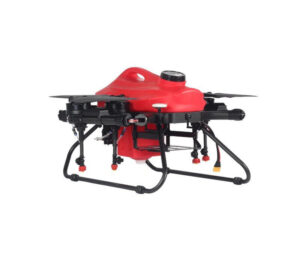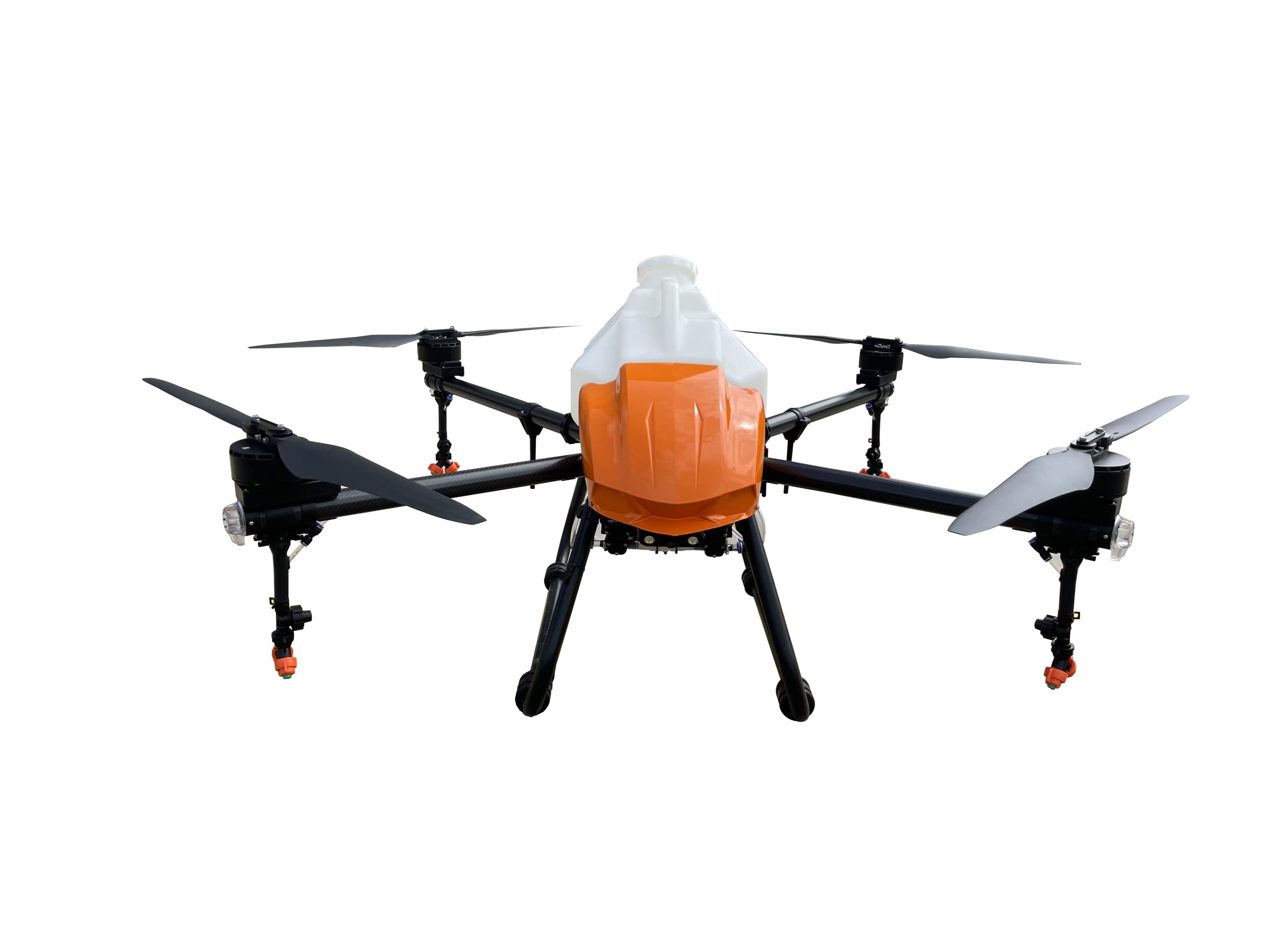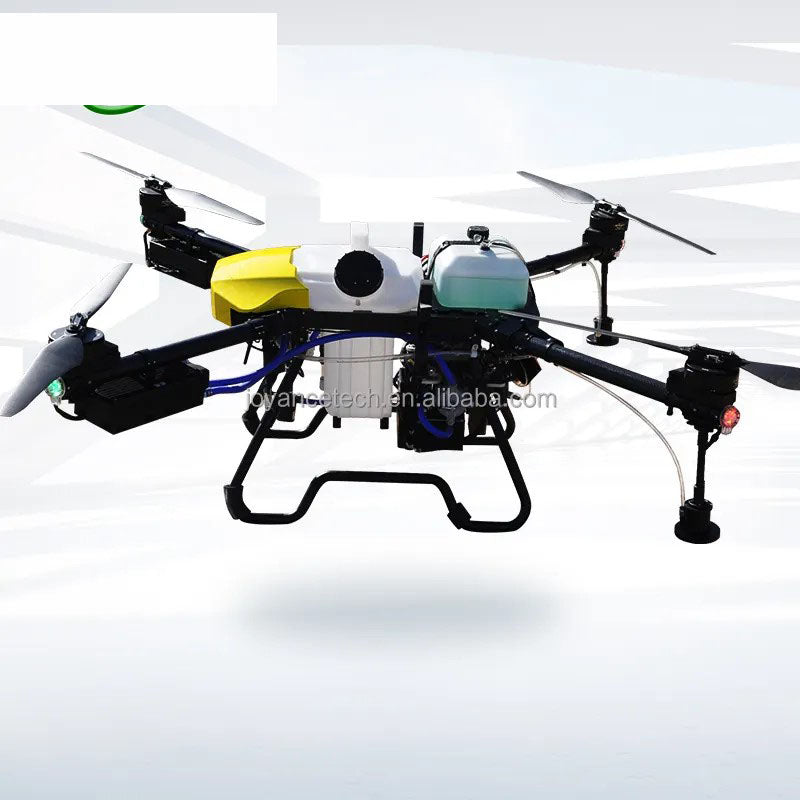
16L Agriculture Drone
Advanced 16L Agriculture Drones: Precision Engineering for Modern FarmingAs a Senior FPV Engineer with a decade in the field, I’ve seen the 16L agriculture drone evolve from a niche DIY project into the industry’s ‘gold standard’ for medium-scale operations. A 16L payload offers the perfect equilibrium between flight endurance and chemical coverage, but the real breakthrough lies in the control link. Integrating a high-performance ELRS transmitter, such as the iFlight Commando 8 or the ExpressLRS transmitter ecosystem, ensures that your heavy-lift rig maintains a rock-solid connection even in RF-congested rural environments.Technical Specifications & ComparisonChoosing the right 16L platform requires understanding the interplay between payload weight and propulsion efficiency. Below is a comparison of common configurations used in modern precision agriculture.FeatureStandard 16L HexacopterHigh-Performance 16L QuadControl Protocol2.4GHz ExpressLRS (ELRS)915MHz Long RangeRecommended RadioRadioMaster TX12 MKII ELRSBetaFPV LiteRadio 3 ProPump Flow Rate4-5 L/min5.5 L/min (Dual Pump)Battery Configuration12S 16000mAh – 22000mAh14S 18000mAh High-DensitySignal PenetrationHigh (ELRS Lora)Maximum (Lower Frequency)Expert Buying Guide: Solving Real-World Field IssuesIn the FPV community, we often talk about ‘voltage sag’. On a 16L rig, this isn’t just a minor performance dip—it’s the difference between a successful spray run and a catastrophic crash. When your tank is at 100% capacity, the initial punch-out requires massive current. To mitigate this, ensure your ESCs are rated for at least 80A and your battery C-rating is genuine.Another common pain point discussed on Reddit is ‘jello’ in the FPV feed. For a 16L sprayer, vibration isolation is critical because the shifting liquid mass creates unique harmonic frequencies. Using Drone Tools to properly balance your 30-inch props is non-negotiable. Furthermore, if you are using a BetaFPV LiteRadio 3 or LiteRadio 2 SE ELRS, ensure you are running the latest V3.x firmware to prevent failsafes during long-range passes.Check out our latest New FPV Arrivals for the newest telemetry-enabled flight controllers that integrate directly with your Best ELRS transmitter for real-time tank level monitoring.Engineer’s Safety Note: 16L drones carry significant kinetic energy. Always perform a pre-flight range test using your BetaFPV LiteRadio 2 SE ELRS or Literadio 3 Pro in low-power mode to verify link health before takeoff.Frequently Asked QuestionsWhat is the largest drone for crop spraying?The Sprayhawk currently holds the title for the largest agricultural drone, based on the Robinson R44 helicopter frame. It can carry 110 gallons. However, for most commercial applications, the 16L to 30L multirotor class is preferred for its VTOL precision and cost-efficiency.How much does a drone for spraying fields cost?A professional 16L drone package typically starts around $23,000 for a complete kit. This includes the aircraft, a high-output generator for field charging (approx. $7,500), and a specialized trailer for transport. Annual maintenance for custom operators usually averages $4,000.What is the cost of a DJI Agras T16 agricultural spraying drone?The DJI Agras T16 is priced at approximately INR 800,000 (approx. $9,600 USD) for the base unit. It is highly regarded for its intelligent flight modes and robust build, though many engineers now prefer custom ELRS-based builds for easier repairability and lower long-term parts costs.How much does drone spraying cost per hectare?Operational costs vary by water rate. Typically, spraying at a 30L/ha rate costs about $44 per hectare, while higher volume applications (60L/ha) can cost up to $85 per hectare due to increased flight time and battery cycles.Can the Hermes 450 be used for agriculture?While the Hermes 450 is a high-endurance UAV capable of 18-30 hours of flight, it was designed by Elbit Systems for military surveillance and combat. It is not optimized for the low-altitude, high-precision liquid dispersal required in crop spraying.
- 16L Agriculture Drone
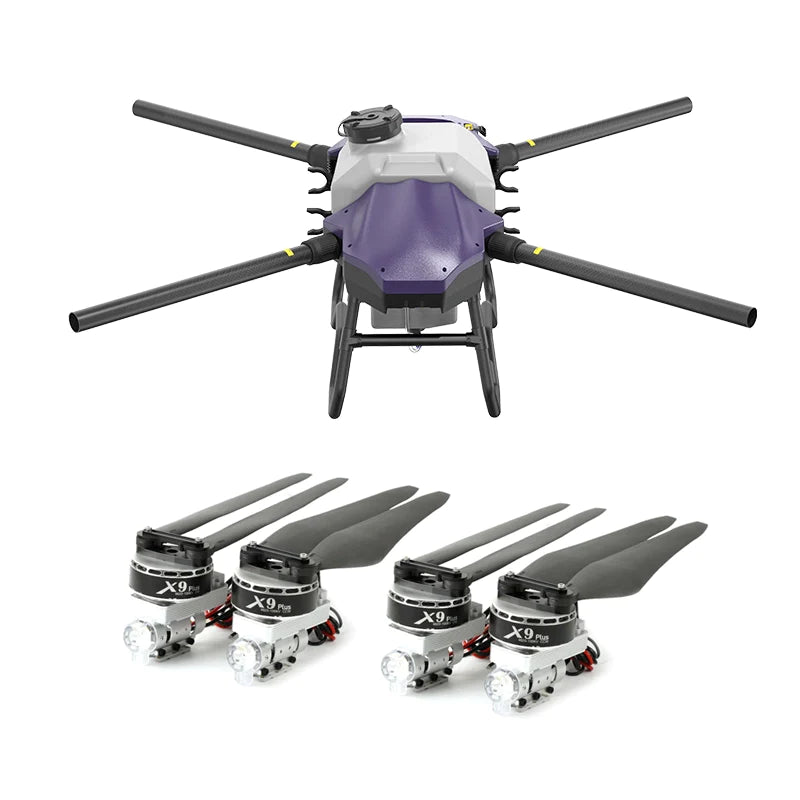
JIS NV16 16L Agriculture Drone – 4 Axis 16kg Agricultural Spraying Drone With Hobbywing X9 Motor, JIYI K++ V2 Flight Controller, 14S Battery
Price range: $599.00 through $2,699.00 - 16L Agriculture Drone
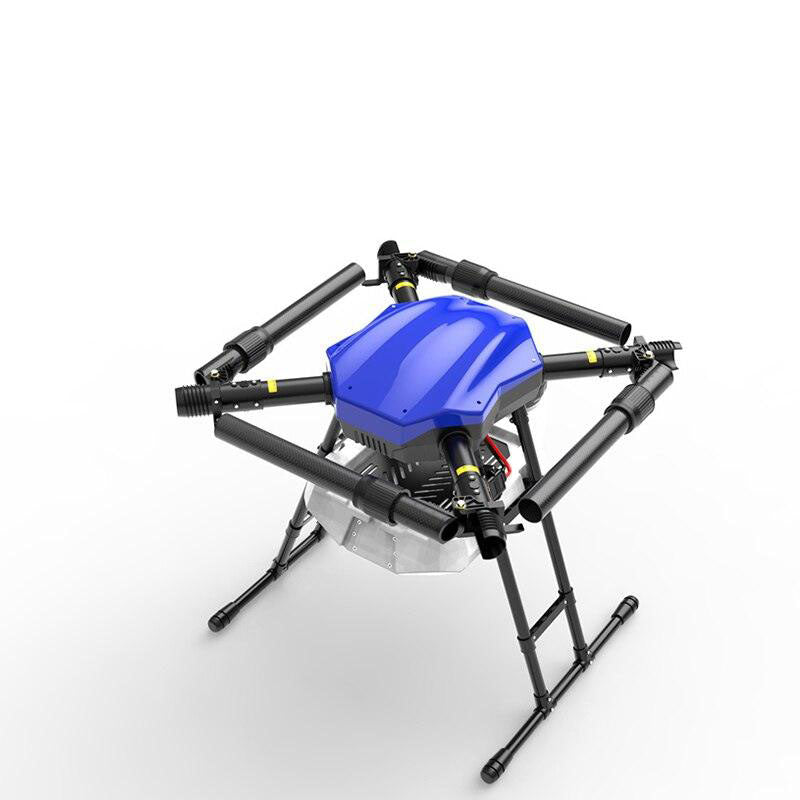
EFT E416P 16L Agriculture Drone – 4 Axis Drone Frame 16L Water Tank 16kg Agriculture Sprayer Spreader Drone With Hobbywing X9 Motor, JIYI K3A PRO
Price range: $849.00 through $3,599.00 - 16L Agriculture Drone
JIS EV616 16L Agriculture drone – Spraying pesticides Frame parts motor with propeller agriculture spray pump misting nozzle
Price range: $944.79 through $2,202.71 - 16L Agriculture Drone
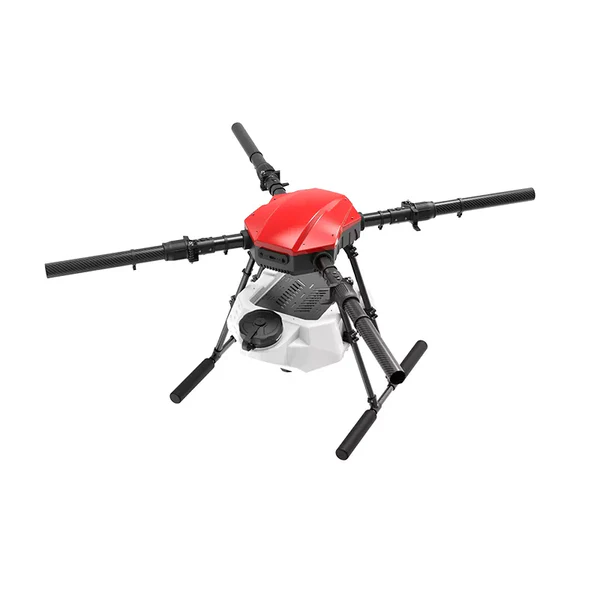
JIS EV416 16L Agriculture drone – Spraying pesticides Frame parts motor with propeller agriculture spray pump misting nozzle
Price range: $1,002.84 through $1,887.84 - 16L Agriculture Drone
EFT G616 16L Agriculture Drone – 6 Axis 16kg 16L farming spraying system spreader sprayer drone compact with Hobbywing X8 JIYI K3A Pro FC, Skydroid T12
Price range: $1,299.00 through $5,299.00 - 16L Agriculture Drone
AGR A16 16L Agriculture Drone – 16KG agriculture diy sprayer drone UAV frame
$7,000.00 - 16L Agriculture Drone
TTA G200 16L Agriculture Drone – 6 Axis 4 Acre/10min RTK Positioning Seed Sprayer Spreader Agri Drone
Price range: $13,500.00 through $19,250.00