
10L Agriculture Drone
Professional 10L Agriculture Drone Solutions
As a senior engineer in the UAV sector, I’ve seen the 10L capacity—often referred to as the ‘sweet spot’ for localized precision—evolve from experimental kits to industrial-grade agri spray drones. Whether you are looking for a dji agriculture drone or a custom 10L build, these ag drones are engineered to handle the rigorous duty cycles of pesticide application, liquid fertilization, and cover crop seeding.
When evaluating agriculture drone price vs. performance, a 10L system offers the best balance of transportability and field efficiency. Unlike the massive DJI Agras T40, a 10L spray drone can be operated by a single person, significantly reducing the drone spraying cost per acre for small to medium-sized plots.
Technical Specifications: 10L vs. Industrial Benchmarks
Choosing the right agricultural drones for sale requires understanding the payload-to-power ratio. Below is a technical comparison of the 10L platform against larger industrial standards.
Feature
10L Standard (Entry)
20L-30L (Mid-Range)
T40/Hylio (Heavy)
Payload Capacity
10 kg (22 lbs)
20-30 kg
40-50 kg
Typical Motor KV
100-120 KV
75-90 KV
<70 KV
Flight Time (Loaded)
10-12 Mins
8-10 Mins
7-9 Mins
Expert Buying Guide: Avoiding Common Field Failures
In the FPV and Ag-drone community, we talk a lot about ‘voltage sag’. When your 10L tank is full, the initial punch-out requires massive current. If your ESCs (Electronic Speed Controllers) aren’t rated for the burst, you’ll experience a brownout. Always ensure your power distribution system is over-spec’d for the weight.
Another critical factor is ‘penetration’. This isn’t just about signal; it’s about the downward prop-wash forcing the droplets through the crop canopy. If your prop-to-motor pairing is inefficient, you’ll get ‘jello’ in your FPV feed and poor chemical coverage on the underside of leaves. For those building custom rigs, check our Drone Tools for precision calibration equipment and see the New FPV Arrivals for the latest in HD transmission tech to monitor your spray patterns in real-time.
Safety Warning: 10L drones utilize high-voltage LiPo or LiHV batteries (typically 12S to 14S). Always use a dedicated fire-safe charging area and inspect for cell swelling after heavy spray sessions in high heat.
Agriculture Drone FAQ
What are drones used for in agriculture?
The primary use is precision application of crop protectants (pesticides) and fertilizers. They are also increasingly used for cover crop seeding and multi-spectral crop health analysis to identify nitrogen deficiencies before they are visible to the naked eye.
What is the price of a DJI agriculture drone?
The dji agras t40 price typically ranges from $15,000 to $25,000 depending on the battery package and charging station. Smaller 10L units or legacy models like the MG-1 can be found for significantly less, often starting around $5,000 to $8,000 for refurbished units.
How much can an AG drone lift?
A standard 10L agriculture drone is designed for a 10kg liquid payload. However, the total lift capacity (MTOW) is often double that to account for the frame, batteries, and a safety margin. Industrial heavy-lifters can exceed 50kg (110 lbs) of payload.
What are the negatives of drones in agriculture?
The biggest hurdle is battery density. Limited flight times mean you need a robust charging infrastructure (generators and cooling fans) in the field. Additionally, ‘voltage sag’ under heavy loads and the maintenance required for high-pressure pumps and nozzles can increase downtime if not managed by a skilled operator.
- 10L Agriculture Drone
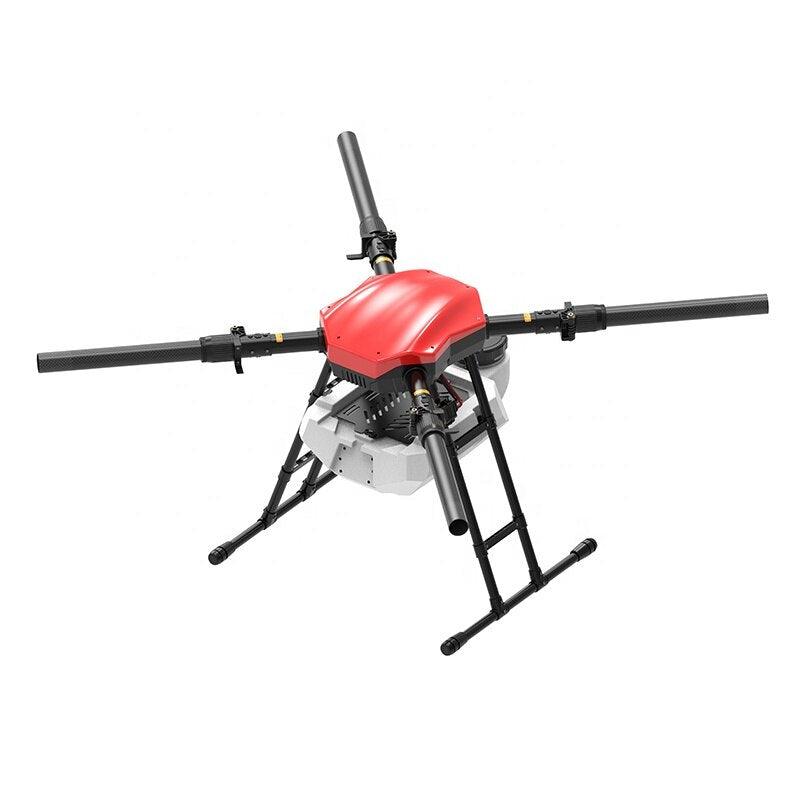
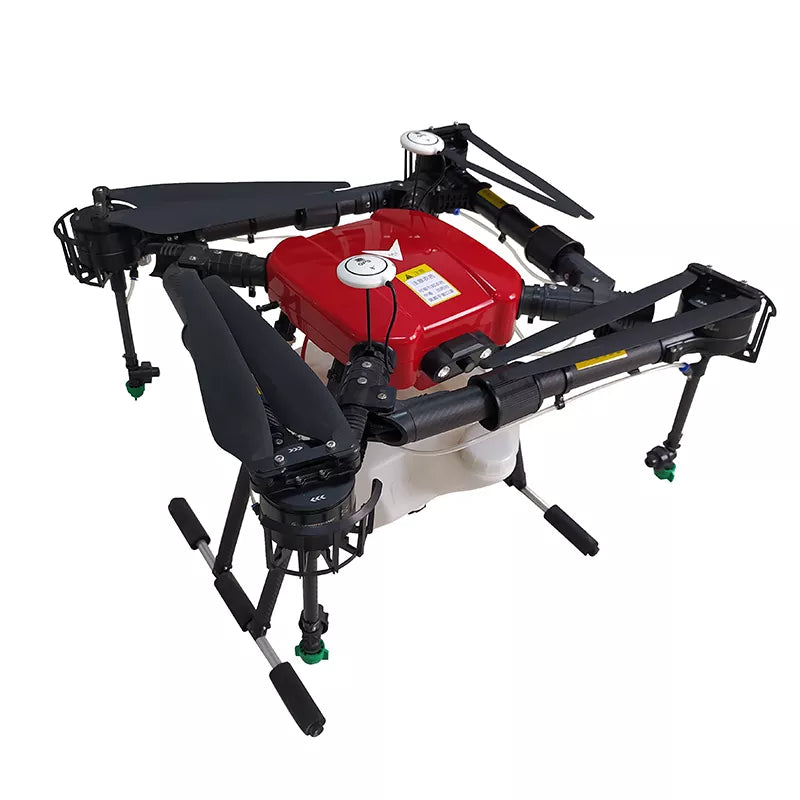
JIS EV410 10L Agriculture drone – Spraying pesticides Frame parts
Price range: $769.03 through $1,710.15 - 10L Agriculture Drone
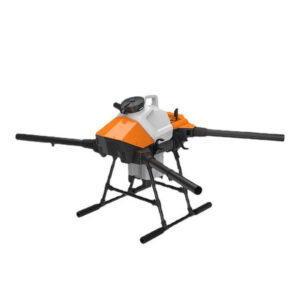
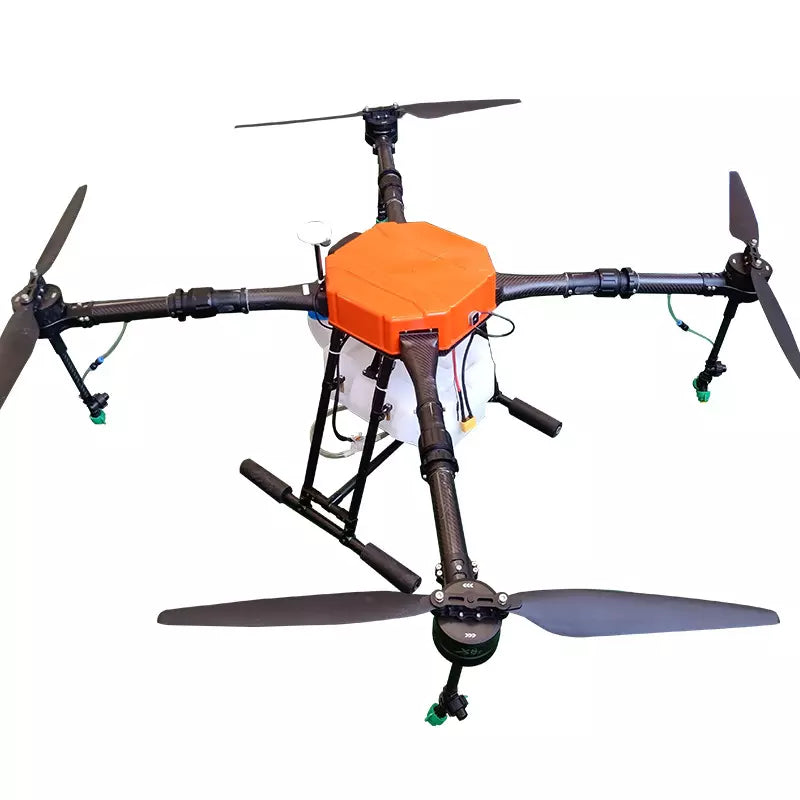
EFT E410P 10L Agriculture Drone – 4 Axis Agriculture Drone frame 10L Water Tank 30inch Propeller Compact With Hobbywing X8, JIYI K3A Pro,Skydroid H12
Price range: $790.00 through $4,129.00 - 10L Agriculture Drone
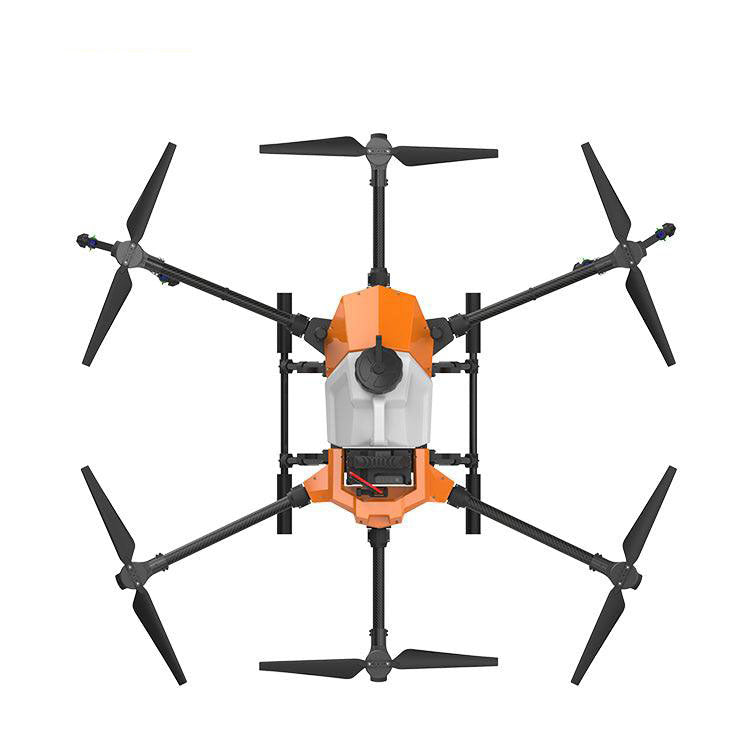
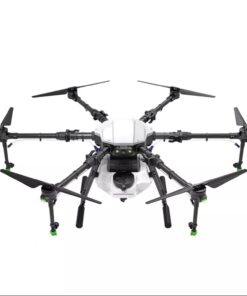
EFT G610 10L Agriculture Drone – 6 Axis 10L Full Load Weight 27KG Spreading And Spraying With Hobbywing X6, JIYI K++, Skydroid H12, Tattu 12S 22000mAh Battery
Price range: $879.00 through $3,899.00 - 10L Agriculture Drone
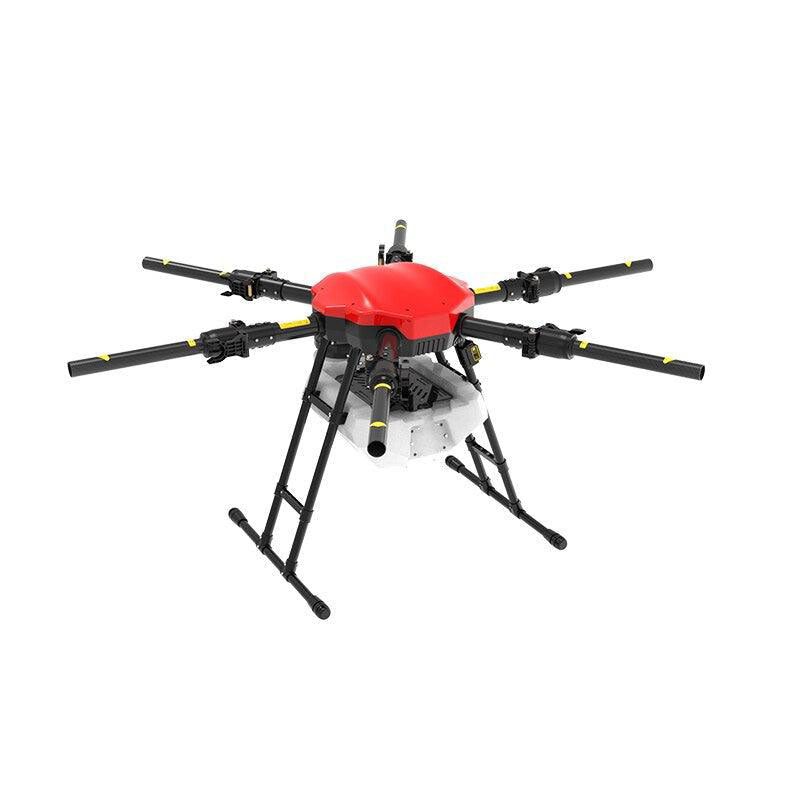
JIS EV610 10L Agriculture drone – Spraying pesticides Frame parts motor with propeller agriculture spray pump misting nozzle
Price range: $891.23 through $1,888.90 - 10L Agriculture Drone
EFT G410 10L Agriculture Drone – 4 Axis Drone Frame Kit 10L Water tank Brushless Spraying System With Hobbywing X8 Motor, JIYI K++ V2, Skydroid H12, Tattu 12S Battery
Price range: $939.00 through $3,899.00 - 10L Agriculture Drone
EFT E610P 10L Agriculture Drone – 6-Axis Sprayer Spreader Drone 10L Water Tank Compact With Hobbywing X6, JIYI K++ V2, Skydroid H12,TATTU 12S Battery
Price range: $996.00 through $3,879.00 - 10L Agriculture Drone
Bang Win BW-TG 10L/20L/30L/40L Agriculture Drone – Crop Sprayer Uav Drone Crop Sprayer For Agriculture Sprayer Drone
Price range: $1,999.00 through $6,999.00 - 10L Agriculture Drone
TYI TYI4-10L 10L Agricultrure Drone – 4-axis 10L Surrounding Drone 10kg drone TYI drone agricultural sprayer uav
$2,999.00 - 10L Agriculture Drone
JOYANCE JT10L-404QC 10L Agriculture Drone – 10L K++ Agri Drone Sprayer Agriculture Spray Pesticide With Obstacle Avoidance Radar
$3,900.00 - 10L Agriculture Drone
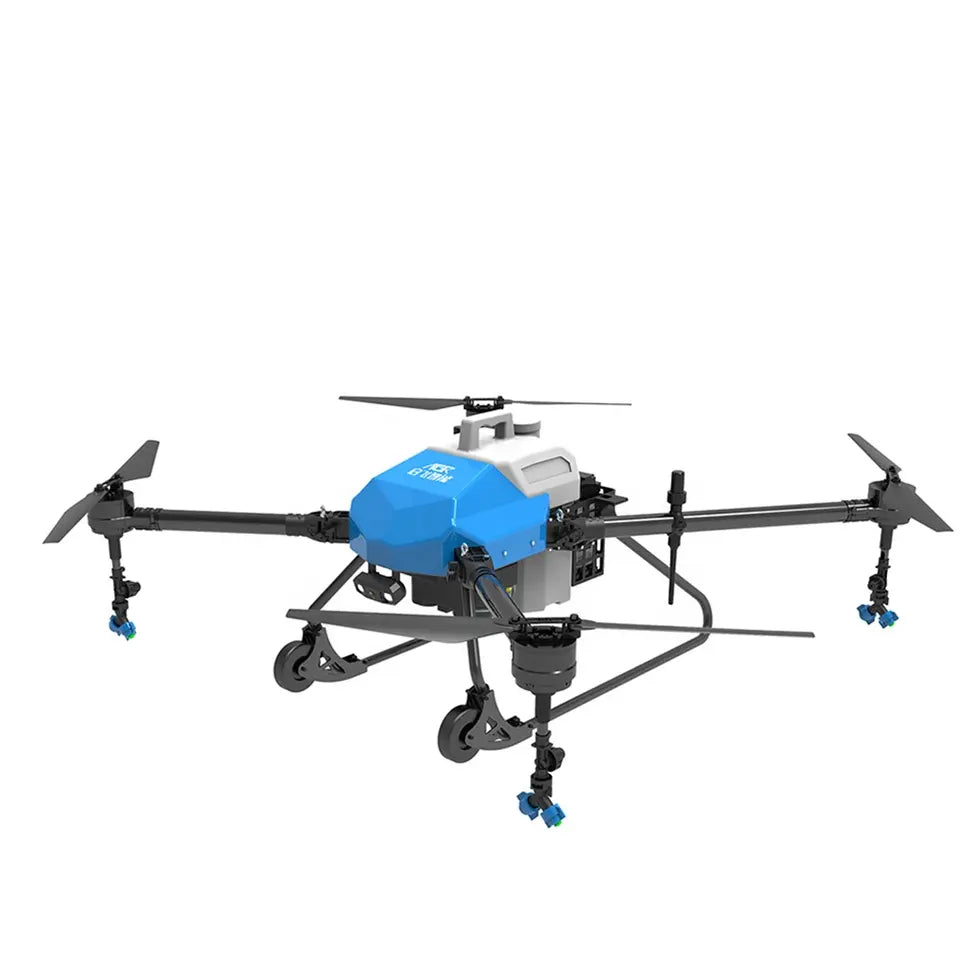
AGR A10 10L Agriculture Drone – 10kg RTK intelligent battery agricultural sprayer drone uav with water tank for crop
$5,500.00 - 10L Agriculture Drone
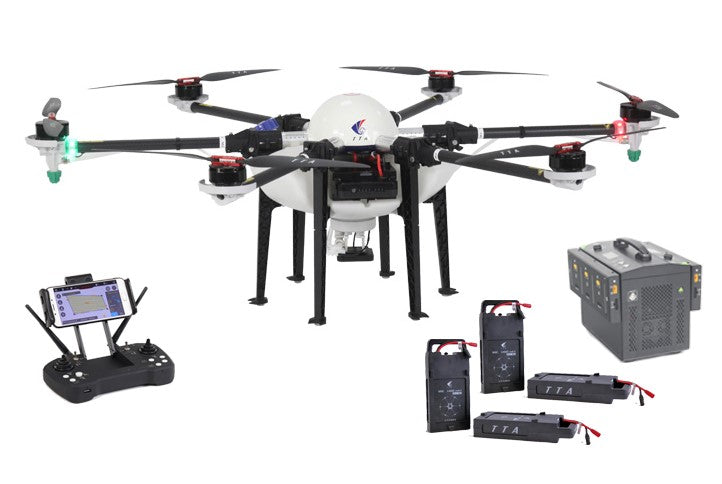
TTA M6E-X V2 10L Agriculture Drone – 6 Axis 30min 22AC/hr 10L Spray Tank Spreader Sprayer Drone
Price range: $11,550.00 through $16,500.00

 English
  Russian
  German
  Arabic