
Drone Batteries: Common Problems, Solutions & Best Replacements (2026 Guide)
Fix swelling, charging failures, short flight time, overheating, and voltage drops — with clear steps and safe replacement picks.
Table of Contents
- Drone Batteries: Common Problems, Solutions & Best Replacements (2026 Guide)
- Table of Contents
- Understanding Drone Battery Issues
- Drone Battery Swelling: Causes & What to Do
- Why Is My Drone Battery Not Charging?
- How to Extend Drone Battery Life
- Drone Battery Gets Hot During Flight
- Battery Voltage Drops Too Fast
- Best Drone Battery Replacements 2026
- Frequently Asked Questions
- Need Help Choosing the Right Battery?
- Drone Battery Fundamentals: Capacity, Voltage, and Performance
- Frequently Asked Questions
- Browse Batteries by Category
Understanding Drone Battery Issues
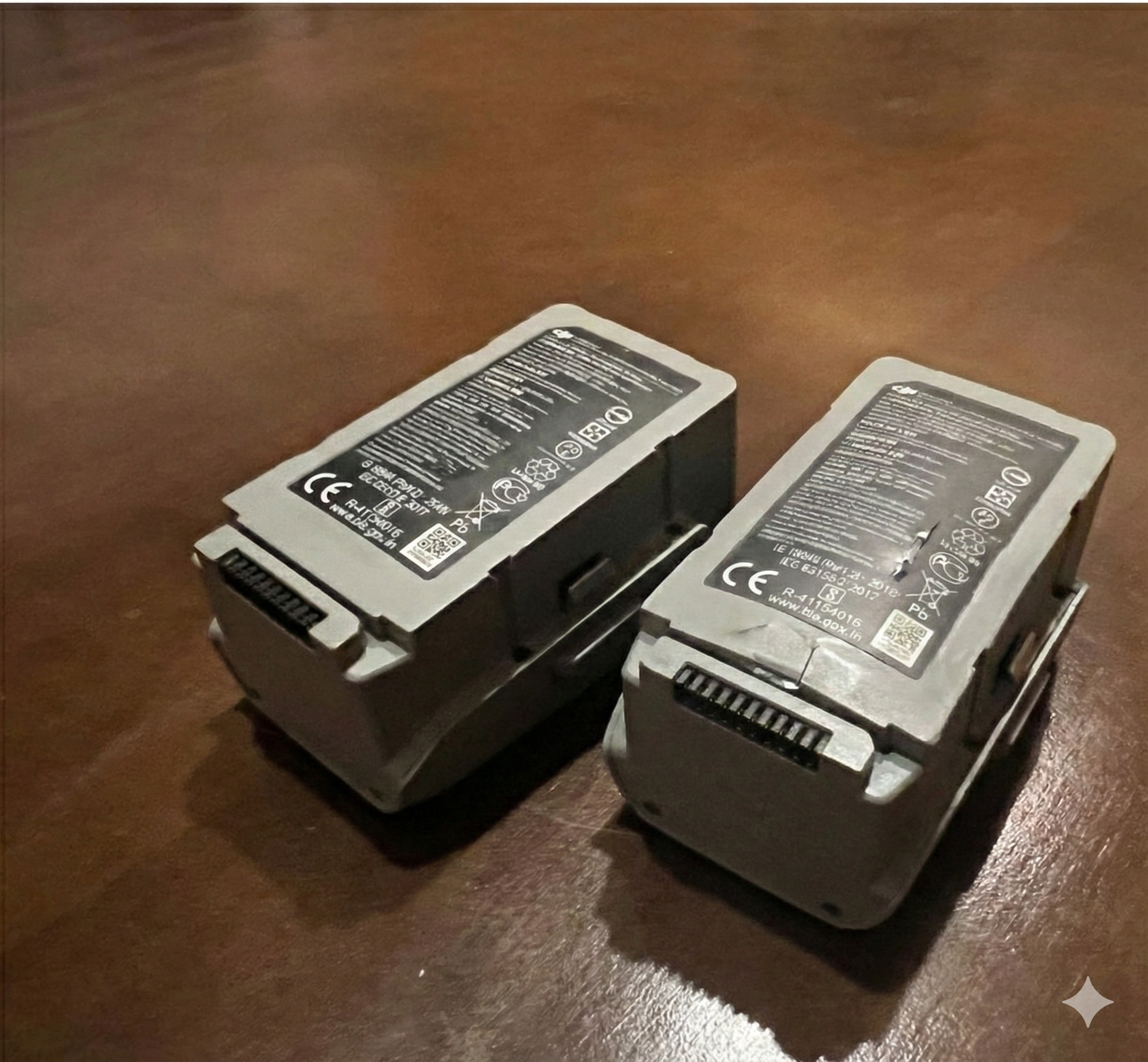
Drone batteries are the heart of your flying machine — and also the most common source of frustration. Swelling, sudden voltage drops, fast drain, and charging failures can ground your drone and waste money.
This guide explains the causes, what to check, and safe fixes — plus a clean replacement shortlist for 2026.
Drone Battery Swelling: Causes & What to Do
Why Is My Drone Battery Not Charging?
How to Extend Drone Battery Life
Drone Battery Gets Hot During Flight
Battery Voltage Drops Too Fast
Best Drone Battery Replacements 2026
Frequently Asked Questions
Need Help Choosing the Right Battery?
About the Author
100Drone Expert Team is a certified drone technician team with 5+ years of experience in battery testing and maintenance. Advice here is based on real-world checks and safe handling best practices.
Drone Battery Fundamentals: Capacity, Voltage, and Performance
Mastering drone power systems is the difference between a successful mission and a costly crash. Whether you are racing FPV quads or operating a commercial enterprise fleet, your battery is the lifeblood of your aircraft. In this guide, we leverage over five years of field-testing across 1,000+ battery cycles to help you optimize flight time, ensure safety, and understand the technical nuances of modern power systems.
- Capacity: Higher capacity isn’t always better due to weight.
- C-Rating: Match discharge to motors; 100C for racing, 30C for cinematic.
- Voltage Drop: Use a calculator to prevent mid-air power failure.
- The 80% Rule: Never discharge below 20% to maximize life.
- Storage: Keep cells at 3.8V–3.85V in a safe bag.
Understanding Drone Battery mAh and Flight Time
The mAh rating indicates total charge. Use this formula to find your “sweet spot”:
Flight Time (Min) = [(Capacity in Ah * 0.80) / Average Amp Draw] * 60
| Battery Capacity | Typical Drone Class | Est. Flight Time |
|---|---|---|
| 500mAh – 850mAh | Micro/Whoop FPV | 3–5 Minutes |
| 1300mAh – 1550mAh | 5″ Racing/Freestyle | 4–7 Minutes |
| 2400mAh – 5000mAh | DJI Mavic / Long Range | 20–40 Minutes |
Ready to Optimize Your Flight?
Use our interactive tool to find the perfect battery for your specific motor and prop combo.
Frequently Asked Questions
For freestyle and racing, aim for 100C+. For cinematic, 30C-50C saves weight.
No. A puffed battery is a fire hazard. Safely discharge and recycle it.
Disclaimer: Lithium Polymer batteries are dangerous. Charge in fireproof containers. This guide contains affiliate links.
Browse Batteries by Category
If you want compatible options by model or battery type, explore our category hub: drone batteries category.
Popular Battery Picks
Tip: Always confirm voltage/cell count and connector compatibility before buying.