
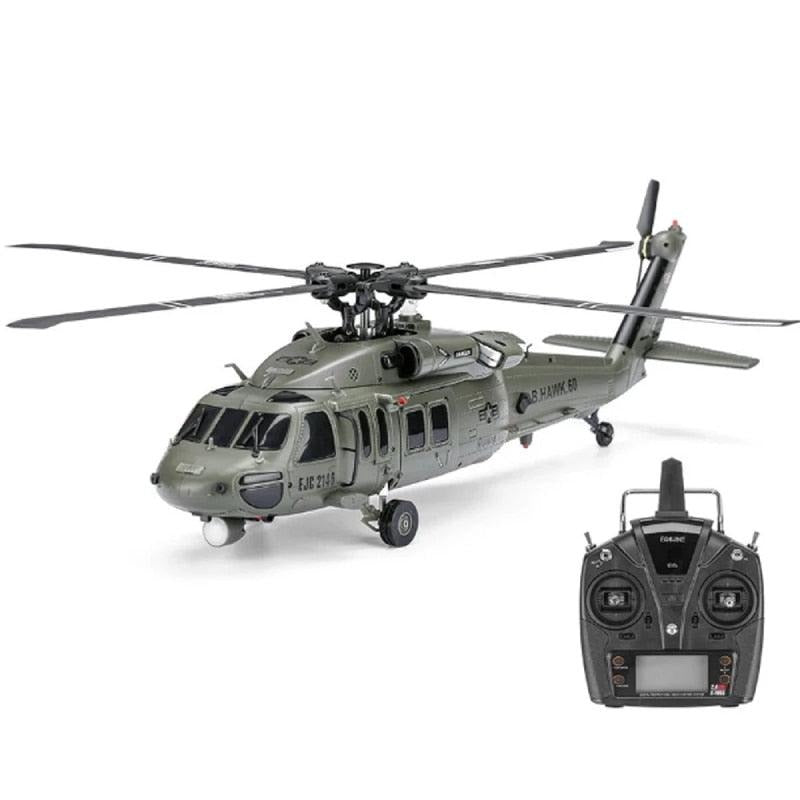
6CH RC вертолет
Precision Engineering: Mastering the Flywing FW450 and JCZK 300C PlatformsStepping into the world of 6CH RC helicopters requires more than just steady thumbs; it demands an engineering-first approach to power management and flight dynamics. Whether you are piloting the GPS-stabilized Flywing FW450 or the scale-accurate JCZK 300C RC helicopter, the synergy between your brushless motor and LiPo C-rating determines whether you’re performing a smooth hover or a high-G tic-tock.
Характеристика
Flywing FW450 V3
JCZK 300C (450 Class)
Контроллер полета
H1-V2 GPS Technology
Mini Pix / Fly Wing H1
Battery Compatibility
4S 2200mAh – 6S 5000mAh
6S 1350mAh – 1800mAh
Recommended C-Rating
35C Continuous / 60C Burst
50C Continuous
Motor Architecture
Direct Drive Brushless
Belt/Gear Driven Brushless
Engineering Analysis: Voltage Sag and the 80/20 Rule
As a senior engineer, I often see pilots asking, “What is the difference between a 25C and 50C LiPo battery?” In a 6CH setup, the 50C rating is vital for preventing voltage sag during aggressive pitch pumps. While a 25C pack might suffice for scale flying, 3D maneuvers require the rapid discharge of a 50C or 60C burst cell to maintain head speed. To ensure longevity, always follow the 80/20 rule for charging: never discharge your flight pack below 20% capacity (typically 3.7V per cell) and avoid leaving them at full charge overnight.
When looking at high-voltage setups, such as 60V systems often found in heavy-lift or custom builds, the question of “How fast is 60V 3000W in mph?” arises. While a 3000W motor can propel a ground vehicle to 45-50mph, in the RC heli world, that wattage translates into massive torque for the main rotor, allowing for instantaneous recovery from stalls. If you are building custom rigs, check out our New FPV Arrivals for the latest in high-KV motor tech.
There’s a famous Reddit experiment involving a 3-inch paper driver in a yogurt cup to simulate spatial audio; similarly, a well-tuned 6CH helicopter should feel “invisible” to the pilot—a seamless extension of your intent. If you’re experiencing vibration or tail blowouts, you likely need the right Drone Tools for digital pitch gauge calibration and mechanical leveling.
6CH RC Helicopter & LiPo FAQ
What does 60C mean on a LiPo battery?
The C rating indicates the discharge capacity. For a 1000mAh battery, a 60C burst rate means the battery can safely provide 60,000mA (60 Amps) of current for several seconds without damaging the internal chemistry.
Which battery is better, LiPo or lithium (Li-ion)?
For 6CH RC helicopters, LiPo is superior due to its high discharge rate (C-rating). Lithium-ion (Li-ion) batteries like those in EVs have higher energy density but cannot provide the rapid bursts of power required for collective pitch maneuvers.
How long will a 60V 20Ah battery last?
A 60V 20Ah battery holds 1200Wh of energy. If your motor draws a constant 600W, the battery would theoretically last 2 hours. However, in high-performance RC flight, we measure runtime in minutes due to significantly higher average watt draws.
Is 100Ah enough for camping and field charging?
Yes, a 100Ah deep-cycle battery is an excellent field charging station. It provides enough capacity to recharge typical 6S 1500mAh heli packs dozens of times, making it ideal for a full day at the flight line.
What is the difference between a 25C and 50C LiPo battery?
The 25C battery is designed for lower-amp draw applications. The 50C battery can deliver twice the continuous current, which is essential for 3D helicopters like the Flywing FW450 to prevent the flight controller from rebooting due to voltage drops.
- 6CH RC вертолет
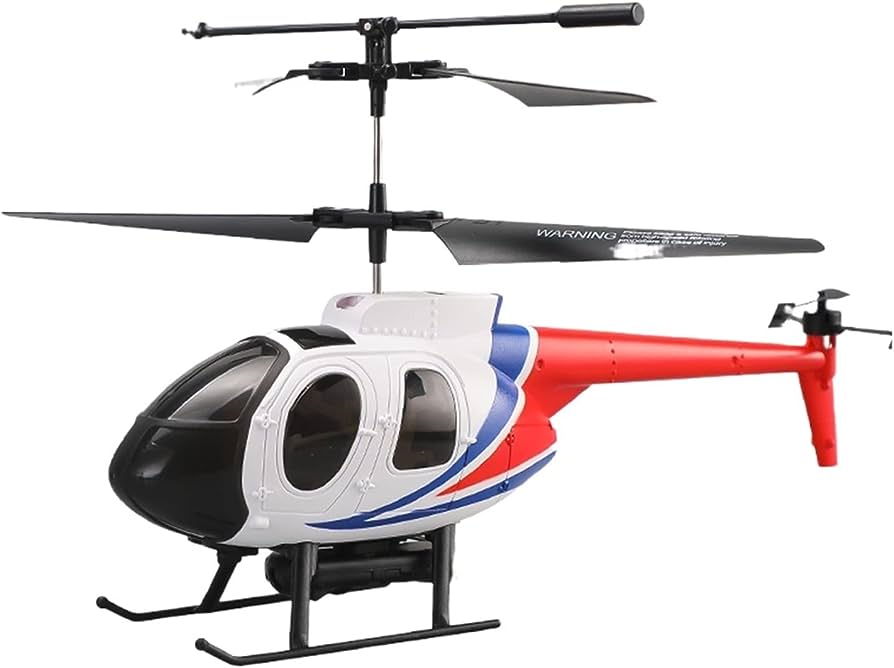
6Ch Rc Helicopter Pane Mini Drones with Camera Hd 8K Wifi FPV Dron Aircraft Rc Airplane Toys for Boys Children Adults
Диапазон цен: $41.49 - $65.77 - 6CH RC вертолет
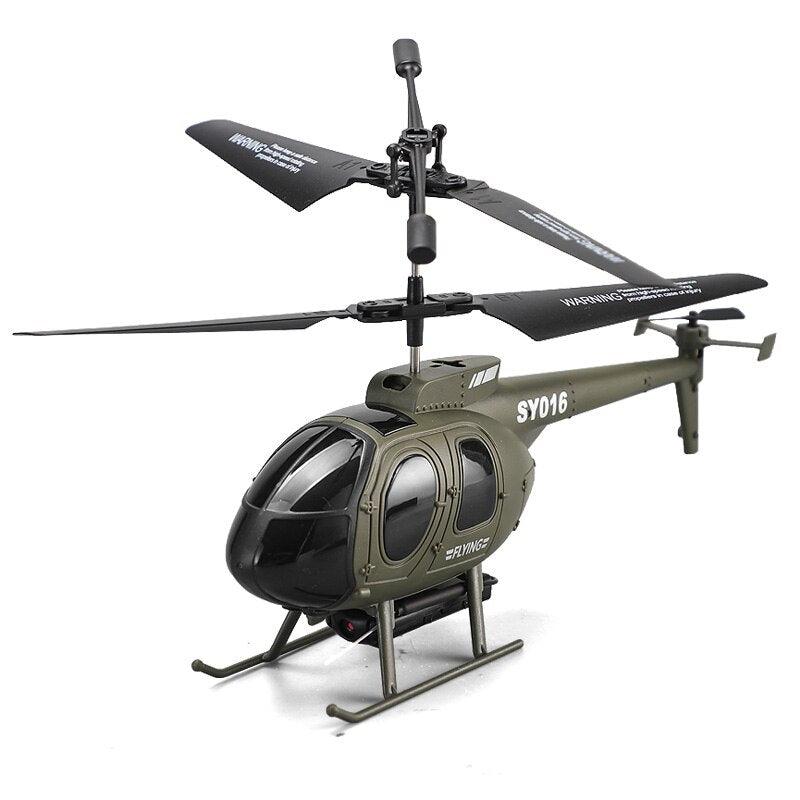
SY06 RC Helicopter – 2023 New RC Plane 2.4G 6CH Gyro Altitude Hold RC Helicopter with Camera 8k Drone Remote Control Airplane Toys for Kids
Диапазон цен: $51.82 - $53.91 - 6CH RC вертолет
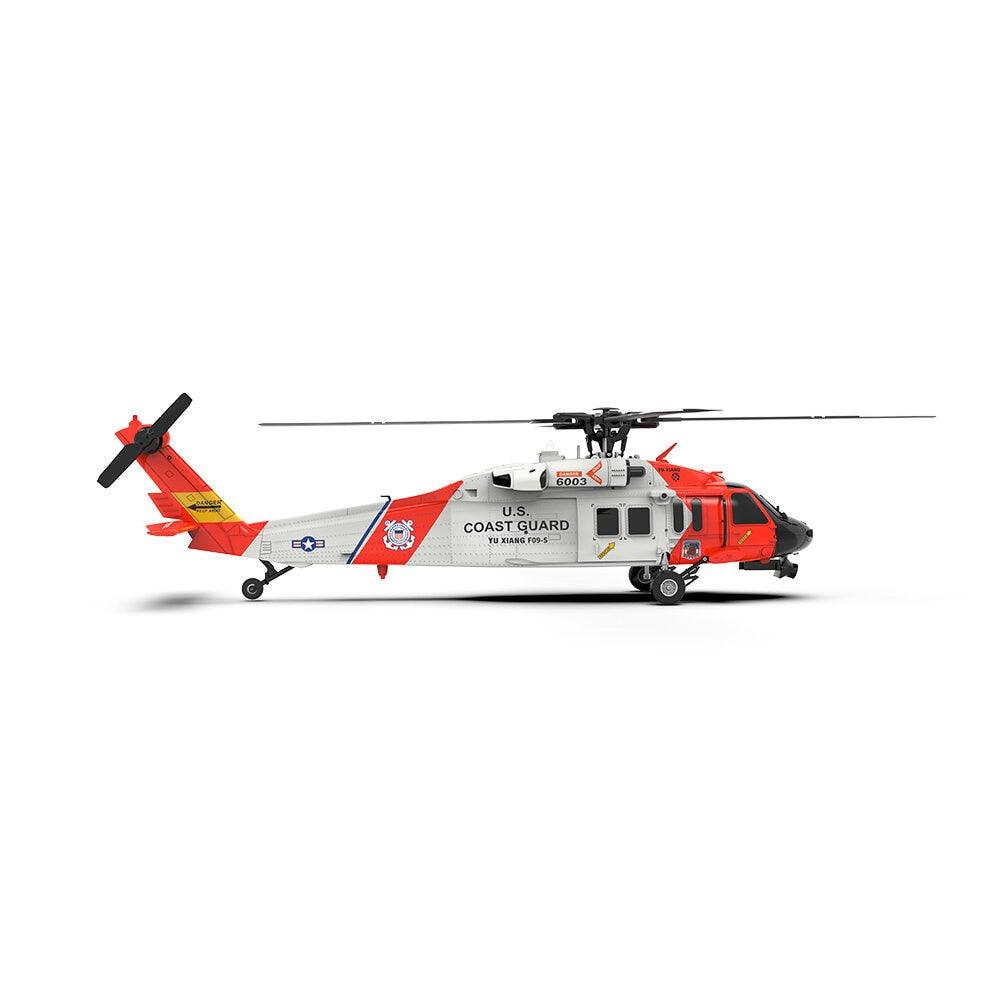
YXZNRC F09-S Flybarless RC Helicopter - 2.4G 6CH Gyro GPS Optical Flow Positioning 5.8G FPV Camera Dual Brushless Motor 1:47
Диапазон цен: $68.00 - $609.00 - 6CH RC вертолет
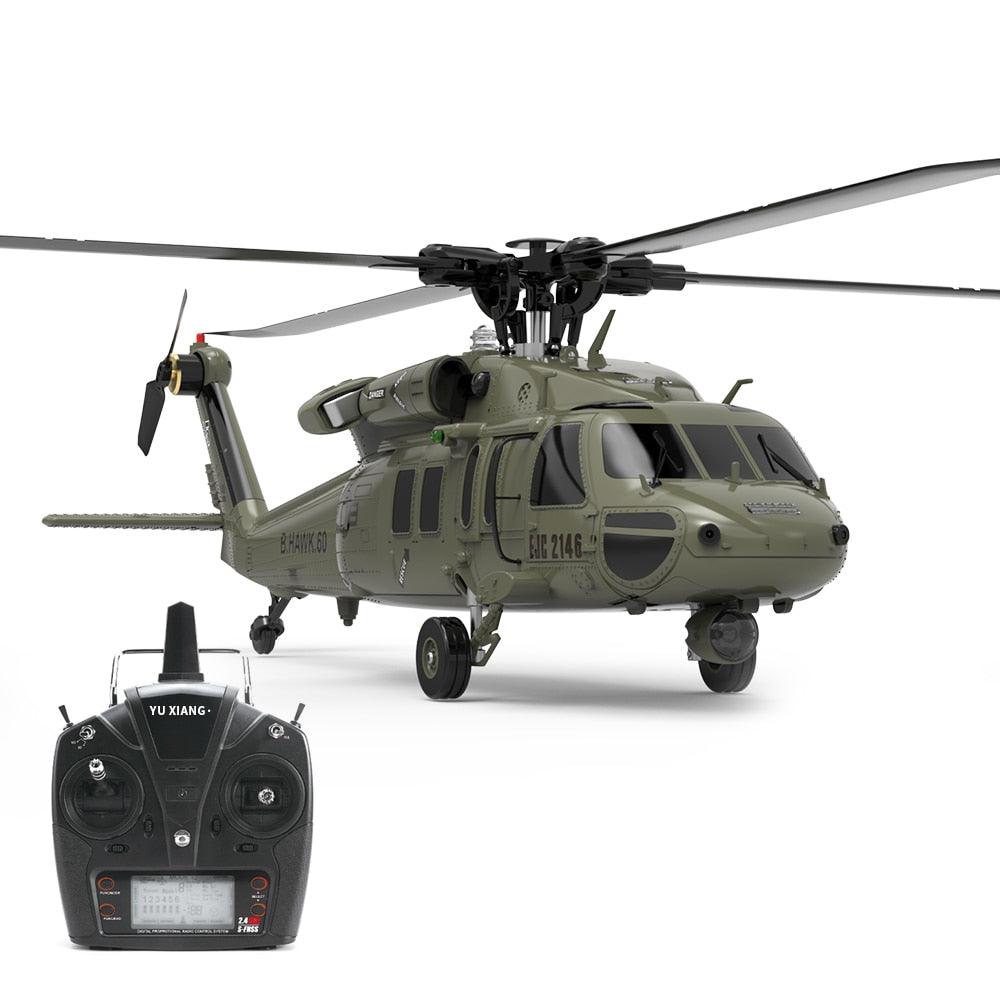
YXZNRC F09 RC Helicopter - 1:47 Scale UH60 Black Hawk 6CH 3D Flybarless Direct Drive Dual Brushless With Transmitter RTF/BNF
Диапазон цен: $81.98 - $499.00 - 6CH RC вертолет
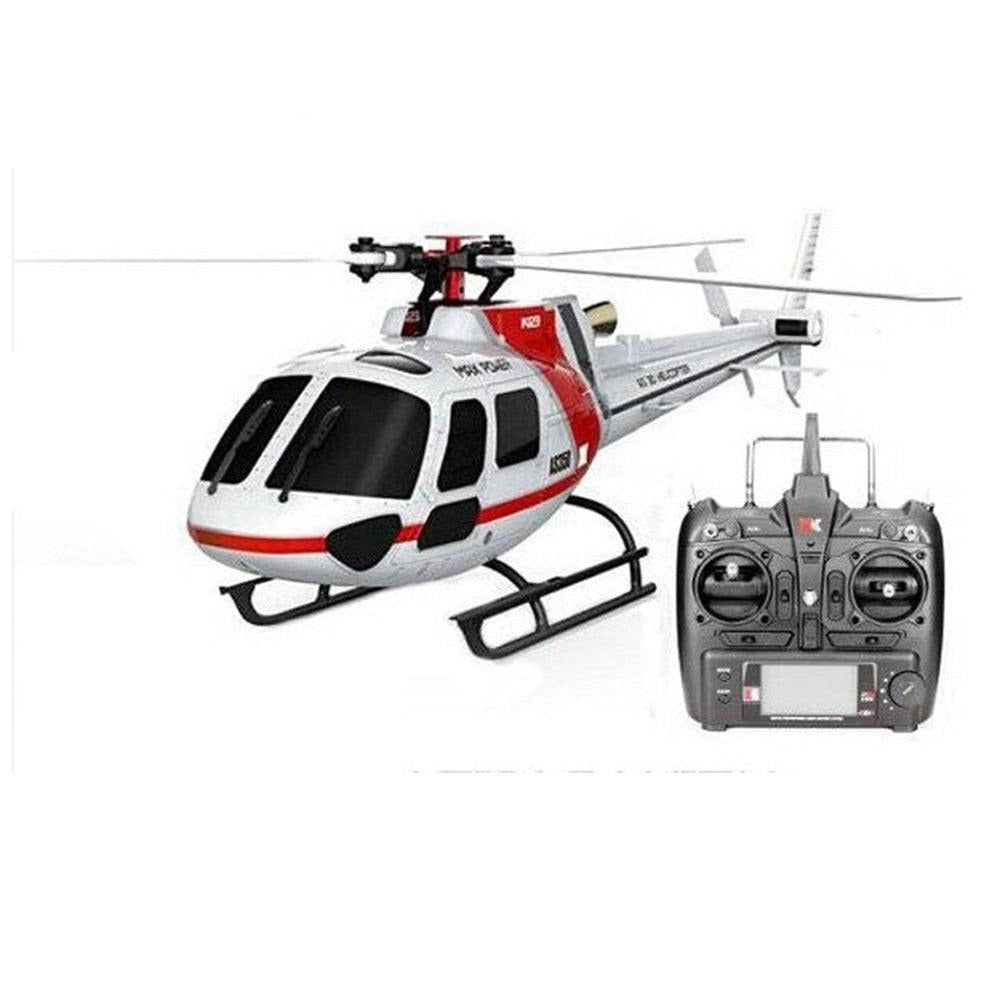
WLtoys XK K123 RC Helicopter – Mini Simulator AS350 RTF 2.4G 6CH 3D 6G 6-Axis Modes Brushless Motor RC Quadcopter Drone Toys for Boys
Диапазон цен: $127.34 - $173.86 - 6CH RC вертолет
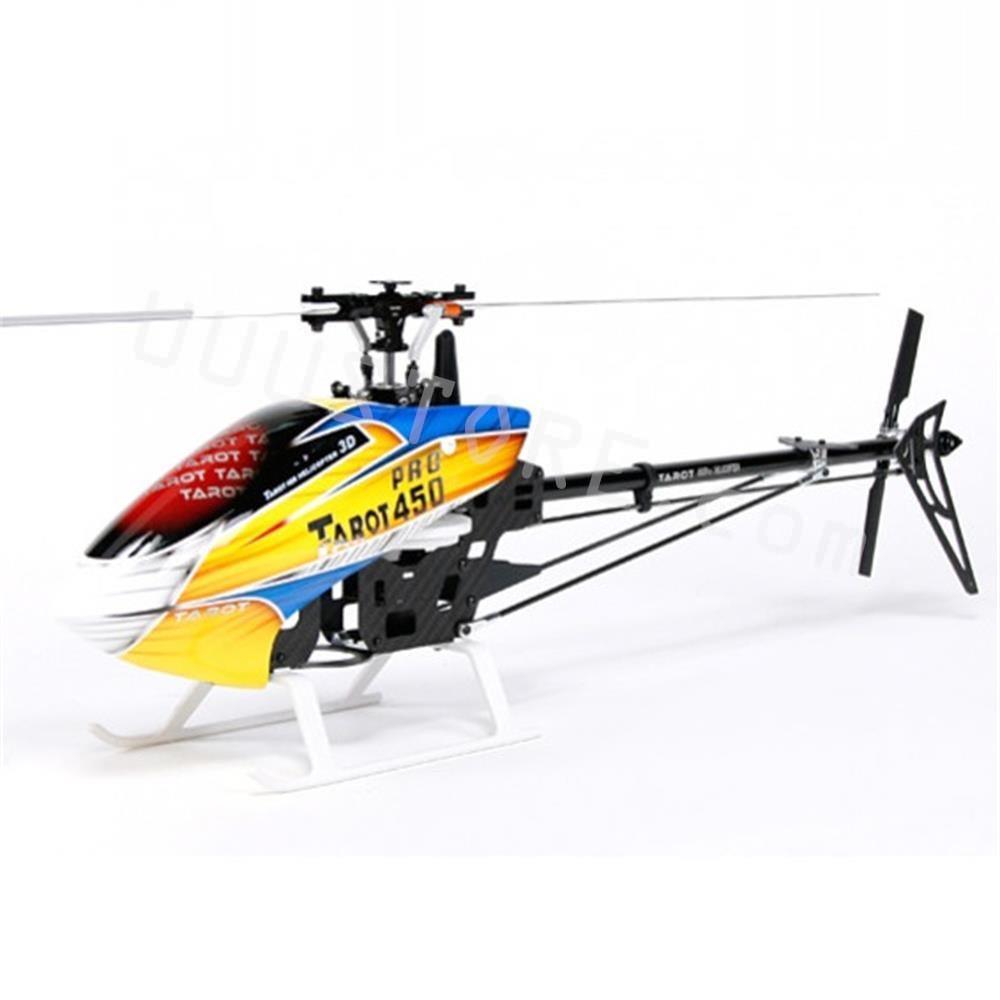
Original Tarot 450 PRO V2 FBL Flybarless RC 6CH Helicopter Metal Kit with Propeller TL20006
$196.19 - 6CH RC вертолет
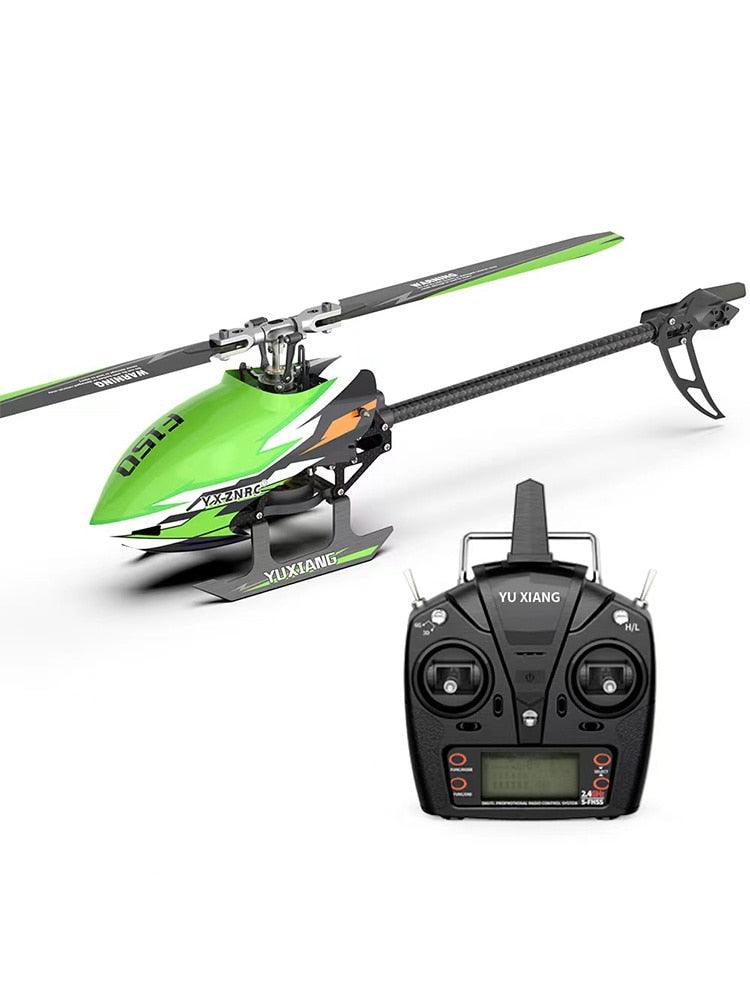
JDHMBD F150 F05 RC Helicopter – 2.4G 6CH 6-Axis Gyro 3D6G Dual Brushless Motor Flybarless RTF Compatible With FUTABA S-FHSS Toys
Диапазон цен: $255.73 - $324.99 - 6CH RC вертолет
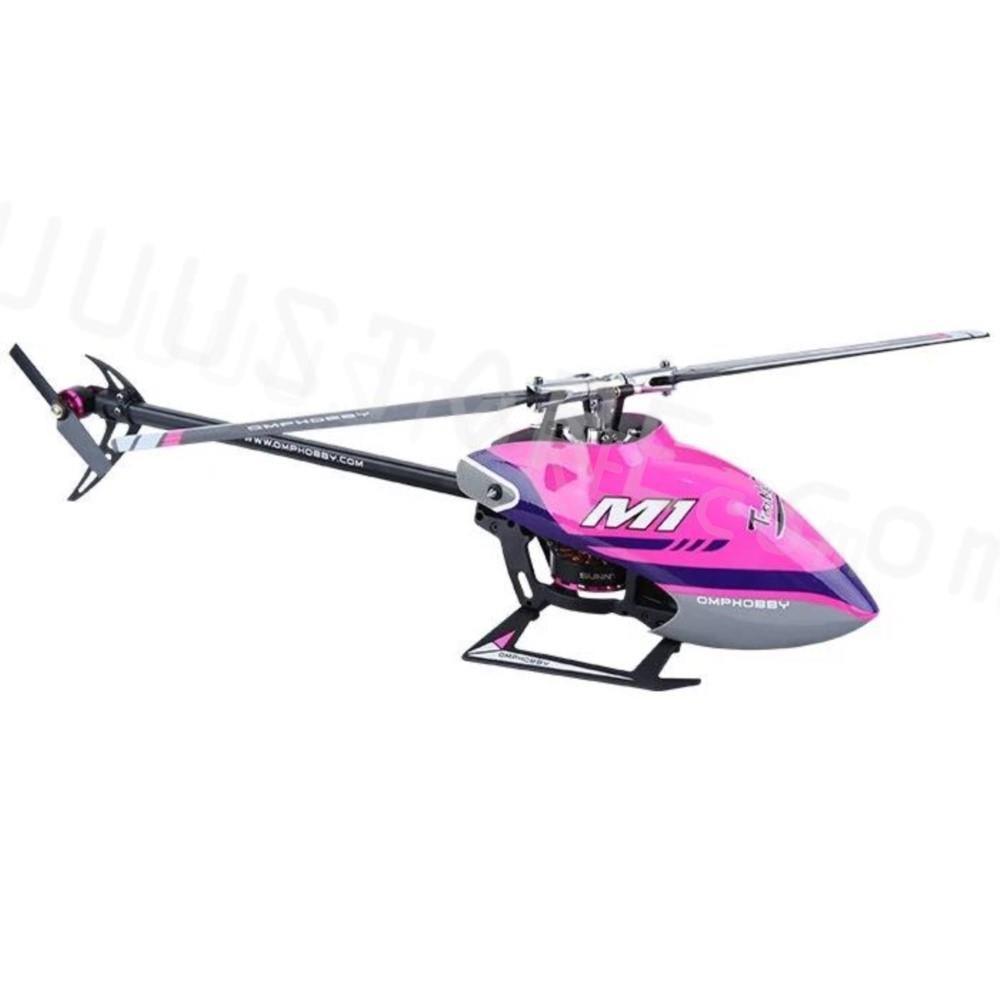
2023 Новый OMPHOBBY M1 290 мм 6CH 3D Flybarless Dual Brushless Direct-Drive Motor RC Helicopter With Flight Controller for RC Model
Диапазон цен: $320.13 - $343.22 - 6CH RC вертолет
Eachine E200 RC Helicopter – 2.4G 6CH 3D 6G 6-Axis System Dual Brushless Direct Drive Motor 147 Scale Flybarless BNF RTF RC Dron RC Drone
Диапазон цен: $548.71 - $693.74
 Russian
  English
  German
  Arabic