
Гонки FPV
Pushing the Limits: Why Racing FPV is the Ultimate Adrenaline Rush
As a senior FPV engineer, I’ve seen the sport evolve from backyard experiments to a global phenomenon. Racing FPV isn’t just about flying; it’s about the perfect synergy between pilot intuition and mechanical precision. To reach those blistering speeds of up to 120 mph, every component must be tuned to perfection. Whether you are battling throttle bobbing in tight turns or trying to eliminate mid-air desyncs, understanding the engineering behind your craft is what separates the podium finishers from the rest of the pack.
Racing vs. Freestyle: The Technical Divide
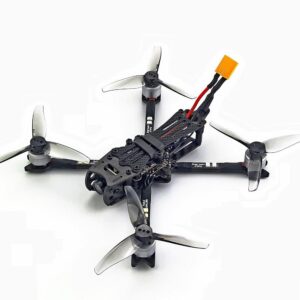
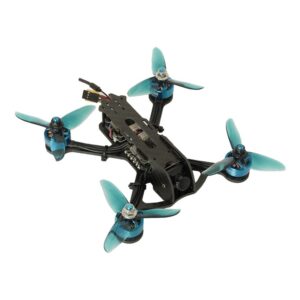
One of the most common questions for beginners is the difference between racing and freestyle setups. In the racing world, weight distribution is everything. We prioritize a centralized mass to ensure the drone remains stable during high-speed maneuvers.
Характеристика
Гонки FPV
Фристайл FPV
Frame Design
Ultra-light, aerodynamic, centered weight.
Durable, spacious, room for HD cameras.
Flight Goal
Speed, precision, and lap times.
Flow, tricks, and cinematic captures.
Battery Requirement
High discharge (e.g., 100C+).
Balanced for flight time and punch.
Solving Real-World Pilot Pain Points
On forums like Reddit, many pilots struggle with “throttle bobbing” during turns. This is often a mix of PID tuning and physical weight management. To maintain a locked-in feel, you need a rigid Комплект рамы FPV that minimizes resonance. Furthermore, technical glitches like erratic flight behavior or a missing OSD are usually symptoms of poor wiring or mechanical vibration.
To keep your rig in race-ready condition, having a dedicated set of Drone Tools is non-negotiable. You’ll need them to programmatically detect issues like desyncs or excessive noise in your blackbox logs. To sustain the high-current draws required for 193 km/h straights, we always recommend a high-quality Аккумулятор 100C Lipo to prevent voltage sag when it matters most.
Racing FPV FAQ
What is FPV racing?First person viewer/video (FPV) drone racing is a motorsport type where participants control quadcopters equipped with cameras while wearing head-mounted displays showing the live stream feed.
What does FPV stand for?FPV stands for First Person View. It is a method of operating radio-controlled craft by remotely viewing an onboard camera via goggles or a screen.
How fast is FPV racing?Designed for agility, racing drones can achieve speeds of up to 120 mph (193 km/h) in optimal conditions.
How much do FPV drone racers make?Semi-pro racers typically earn between $5,000 – $25,000, while full-time professional pilots can earn $50,000 – $100,000+ depending on sponsorships and race winnings.
What is the difference between freestyle and racing FPV?Racing frames are centered and compact for stability and speed. Freestyle frames offer more room for components and are built to withstand the crashes associated with learning new tricks.
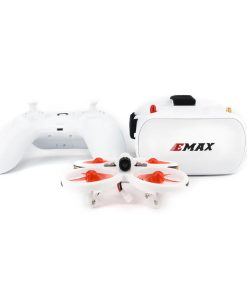
- Беспилотник Emax FPV
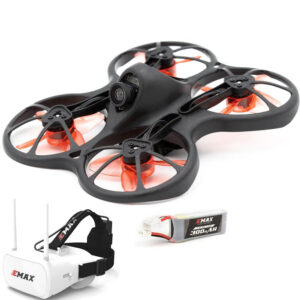
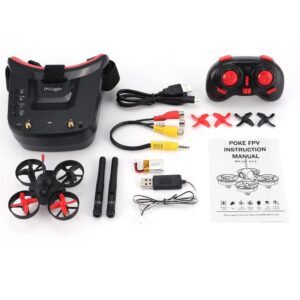
Emax 2S Tinyhawk S Мини FPV гоночный дрон - с камерой 0802 15500KV бесщеточный двигатель поддержка 1/2S батареи 5.8G FPV очки RC самолет
Диапазон цен: $20.66 - $134.57 - Фристайл FPV
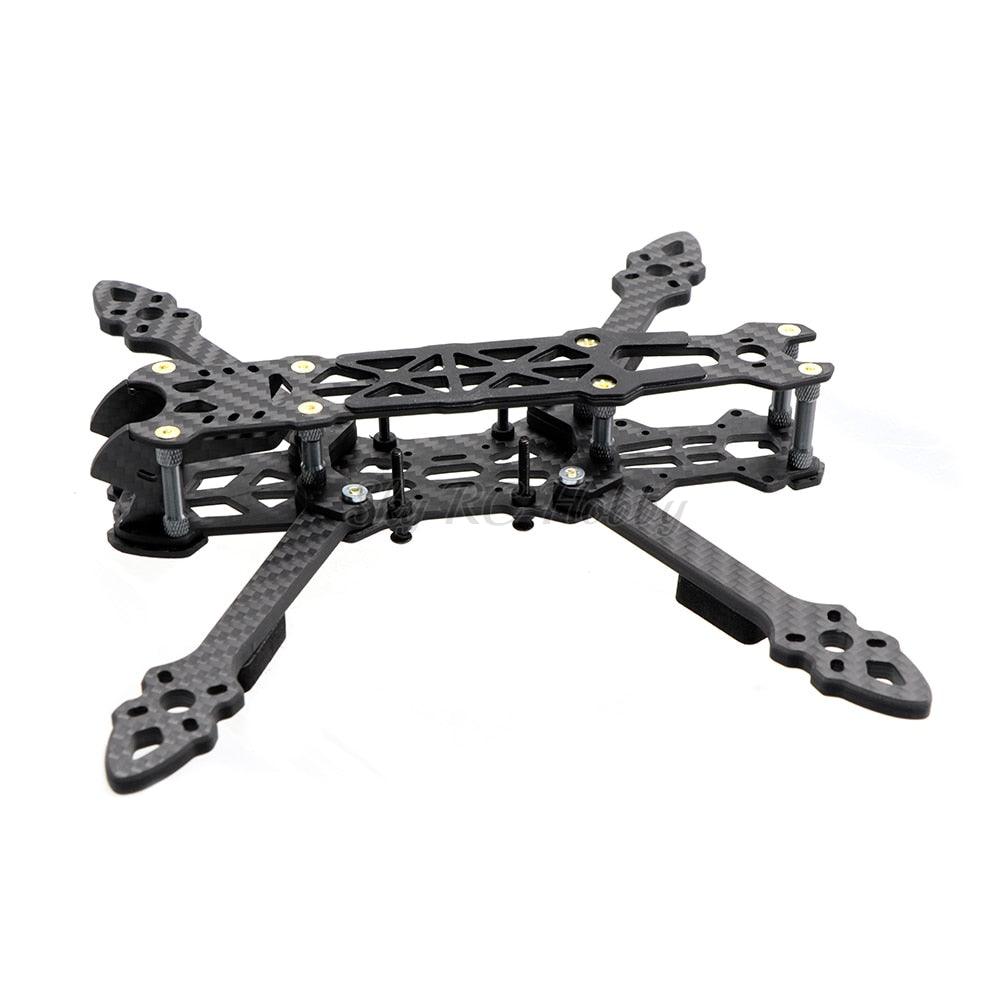
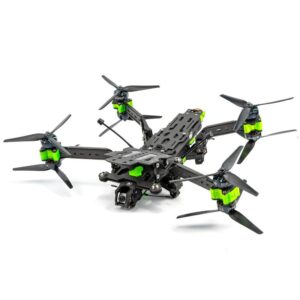
Mark4 Frame Kit - Mark 5 дюймов 225 мм / 6 дюймов 260 мм / 7 дюймов 295 мм с 5 мм Arm Quadcopter Frame 5″ 6″ 7″ FPV Freestyle RC Racing Drone
Диапазон цен: $35.18 - $39.47 - GEPRC Racing FPV
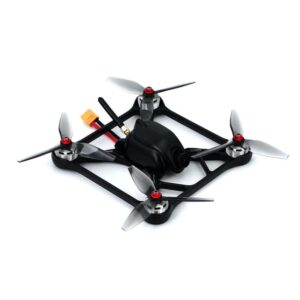
TCMMRC Night Phoenix - 4Inch Long Range RC Kit UAV Caddx Nebula Nano V2 HD VTX GPS FPV Racing Drone Quadcopter Радиоуправляемые игрушки
Диапазон цен: $47.11 - $1,066.81 - GEPRC Racing FPV
TCMMRC Dolphin Racing Drone – 3 Inch 3-6s 1507-2400KV Quadcopter RC Plane with Camera FPV Racing Drone DIY mini drone Kit new year gifts 2023
Диапазон цен: $47.82 - $316.78 - GEPRC Racing FPV
TCMMRC Night Phoenix - 5-дюймовый дрон FPV Racing Drone kit Drones Toys Quadcopters with Camera HD 4K
Диапазон цен: $50.22 - $866.26 - FPV дрон
TCMMRC Metsaema215 - FPV гоночный дрон камуфляж пропеллер гоночный фристайл летать гибкий RC дрон комплект fpv гоночный дрон игрушка
Диапазон цен: $66.14 - $796.35 - FPV дрон
Очки приемник монитор 5.8G 40CH FPV камеры мини RC Racing Drone Quadcopter самолетов с 3in гарнитура авто-поиск
Диапазон цен: $68.28 - $84.34 - GEPRC Racing FPV
TCMMRC Avenger 225 HD - DSHOT600 бесщеточный двигатель PNP/RTF 5 дюймов Quadcopter FPV Racing Drone RC Kit подарки на новый год 2023
Диапазон цен: $76.49 - $865.49 - BNF (Bind And Fly) FPV
iFlight Taurus X8 Pro HD 8-inch 450mm 8S Racing FPV Drone BNF DJI TBS
Диапазон цен: $79.00 - $2,529.00 - GEPRC Racing FPV
TCMMRC Racing Bee - 1104 8600kv бесщеточный двигатель углеродного волокна высокой тяги гоночный дрон 720TVL Камера fpv беспилотник 2.5 дюйма Fpv Racing Drone
Диапазон цен: $83.04 - $232.05 - FPV дрон
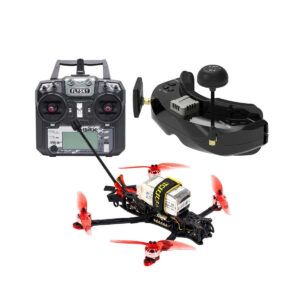
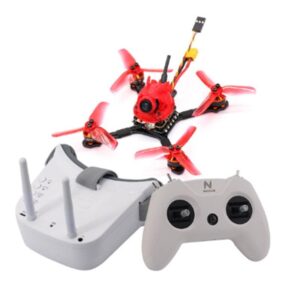
Emax EZ pilot FPV Racing Drone Kit - 5.8G Camera Goggle 2~3S RTF Easy to Fly for Beginners With Goggle
Диапазон цен: $88.11 - $150.97 - FPV дрон
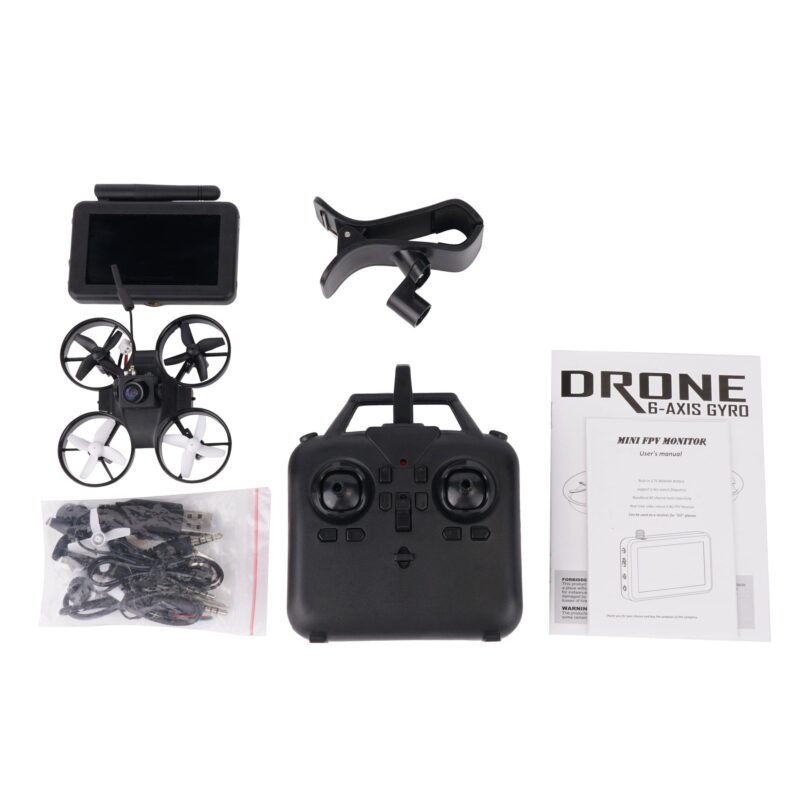
RTF Micro FPV RC Racing Drone - Quadcopter Toys w/ 5.8G S2 800TVL 40CH Camera / 3Inch LCD Screen Auto Search Monitor Helicopter Drone
Первоначальная цена составляла $199.00.$90.27Текущая цена: $90.27. - Камера Caddx
DarwinFPV Baby Ape Pro V2 Drone - 3 дюйма 2-3S FPV Racing RC Drone PNP Quadcopter F4 FC 15A AIO ESC 1104 Motor 5.8G VTX Caddx Ant Camera
Диапазон цен: $109.90 - $141.20 - FPV дрон
Darwin FPV Baby Ape/Pro 142 мм 3 дюйма 2-3S FPV Racing RC Drone PNP Quadcopter F4 FC 15A AIO ESC 1104 Motor 5.8G VTX 700TVL Camera
Диапазон цен: $112.90 - $124.90 - FPV дрон
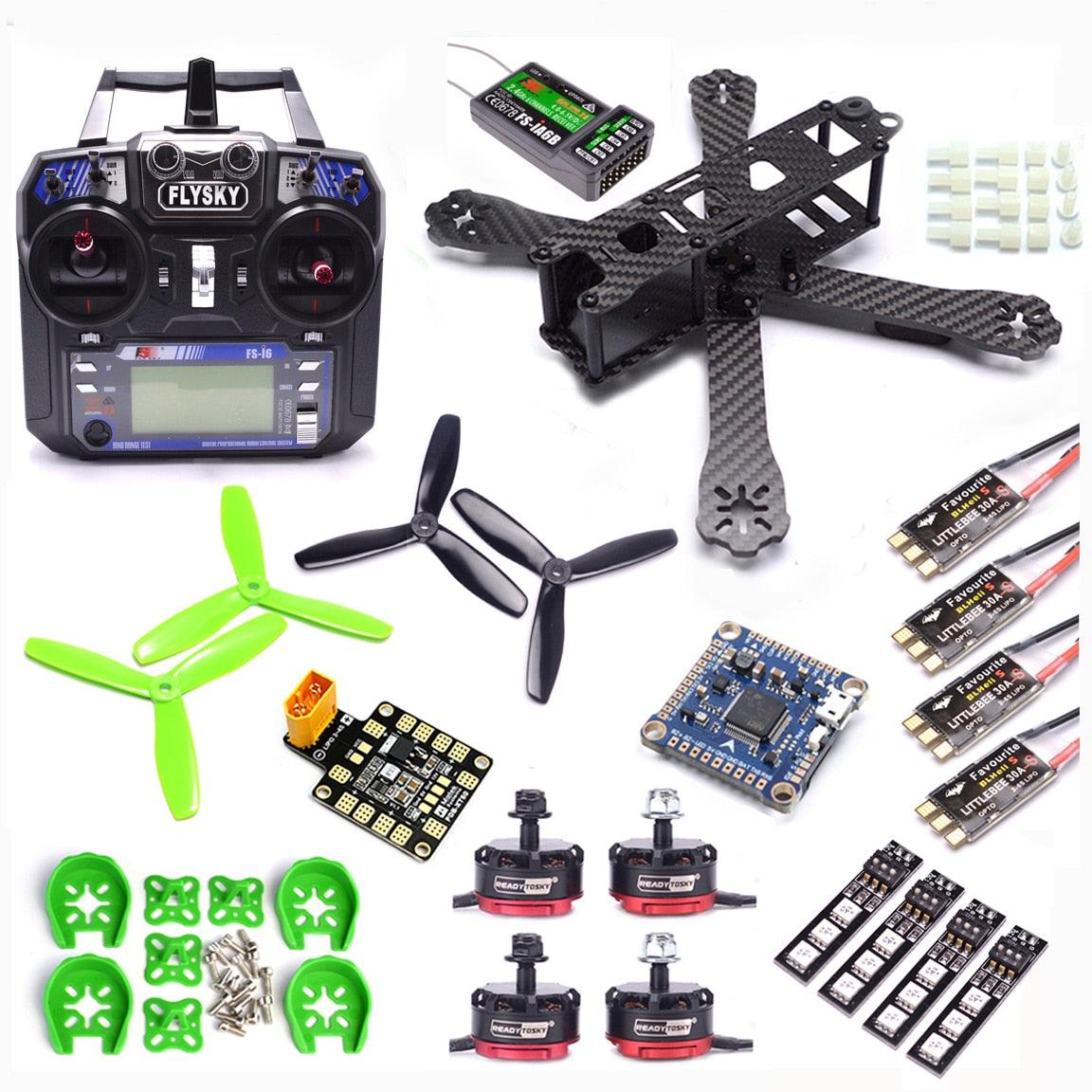
QAV-R 220mm 220 Carbon Fiber Racing Drone - F4 V3S Plus Flight Control RS2205 2300KV LittleBee 30A-S ESC BLHeli I6 Quadcopter
Диапазон цен: $138.13 - $214.80 - BNF (Bind And Fly) FPV
DarwinFPV CineApe 25 FPV Drone – 112mm 4S Cinematic Whoop Analog/ AVATAR MINI HD 1504 3600KV Motor FPV Racing RC Drone PNP/BNF
Диапазон цен: $139.90 - $303.88
 Russian
  English
  German
  Arabic