
Промышленный дрон
The Evolution of Industrial Drones: Engineering the Future of Inspection
As a senior FPV drone engineer, I’ve watched the industry pivot from simple aerial photography to complex industrial system engineering. Today, industrial drones are no longer just ‘flying cameras’; they are sophisticated data collection platforms. Whether it’s the Wispr Ranger Pro for precision tasks or heavy-lift platforms for the oil and gas industry, the focus has shifted toward autonomy, AI SLAM (Simultaneous Localization and Mapping), and extreme reliability.
Maintaining these high-stakes machines requires precision. Engineers often rely on specialized Drone Tools to ensure every sensor is calibrated and every bolt is torqued to spec. For those building custom industrial rigs, selecting a rigid Комплект рамы FPV is the foundation of a stable flight controller tune, especially when carrying expensive LiDAR payloads.
Industrial Drone Comparison: Choosing the Right Tool
Drone Type
Typical Flight Range
Typical Flight Time
Primary Application
Multi-Rotor
5–7 miles
20–40 mins
Close-up Industrial Inspection
Fixed-Wing
15+ miles
60+ mins
Large Scale Mapping / Agriculture
Hybrid VTOL
10–15 miles
45–90 mins
Oil & Gas Pipeline Monitoring
Solving Real-World Industrial Pain Points
According to recent industry discussions on Reddit, the biggest hurdle for commercial drone services isn’t just the hardware—it’s reliability in high-interference environments. Experienced pilots note that even high-end models like the Autel EVO V3 can suffer from signal loss that triggers an unwanted Return to Home (RTH), potentially ruining a mission. Furthermore, there is a growing demand for manufacturers to optimize aerodynamics and propulsion systems rather than relying on off-the-shelf parts.
To combat these issues, industrial systems must prioritize power consistency. Utilizing a high-discharge Аккумулятор 100C Lipo ensures that during high-wind maneuvers or heavy-payload climbs, the voltage sag doesn’t trigger a failsafe. While studies suggest many incidents are pilot error, engineering a more resilient drone through better AI SLAM integration is the future of the industry.
Industrial Drone FAQ
What is an industrial drone?An industrial drone is a remotely piloted or autonomous aircraft specifically designed to perform professional tasks such as land surveying, building inspection, and payload delivery in industrial settings.
Why are DJI drones blacklisted?The FCC added DJI to a “Covered List” due to concerns that the equipment poses an unacceptable risk to the national security of the United States, leading to bans on new imports and sales for federal use.
How much does an industrial drone cost?Depending on their capabilities and sensor arrays, prices typically range from $5,000 to $20,000, with specialized systems exceeding $50,000.
What are the 4 main types of drones?The industry standard categories are Multi-Rotor, Fixed-Wing, Single Rotor (Helicopter style), and Hybrid VTOL (Vertical Take-Off and Landing).
The future of the drone industry lies in sustainability and smarter regulation. Companies like Anduril Industries are already reshaping the market by focusing on defense and industrial security, proving that the next generation of drones will be defined by their software as much as their hardware.
- Промышленный дрон
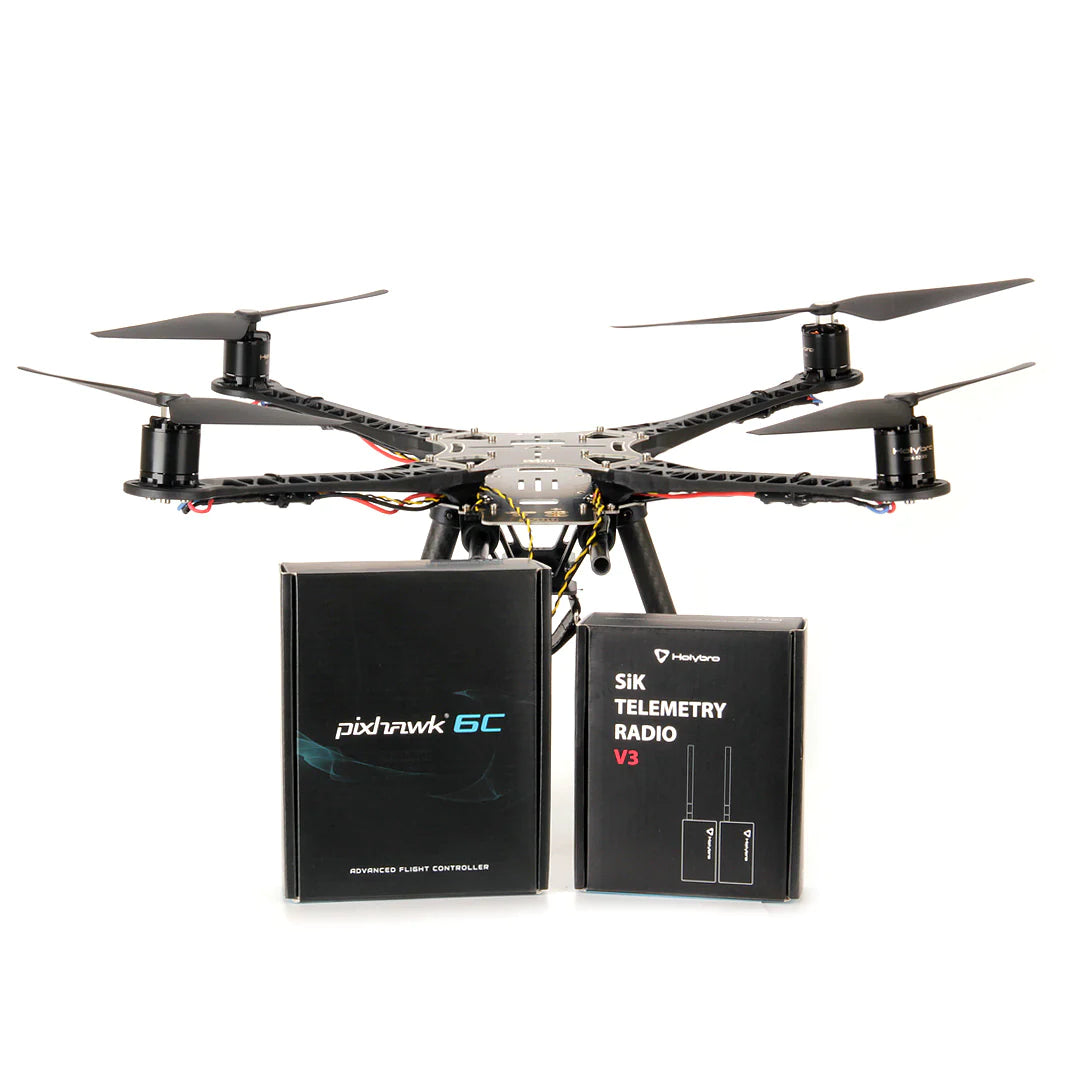
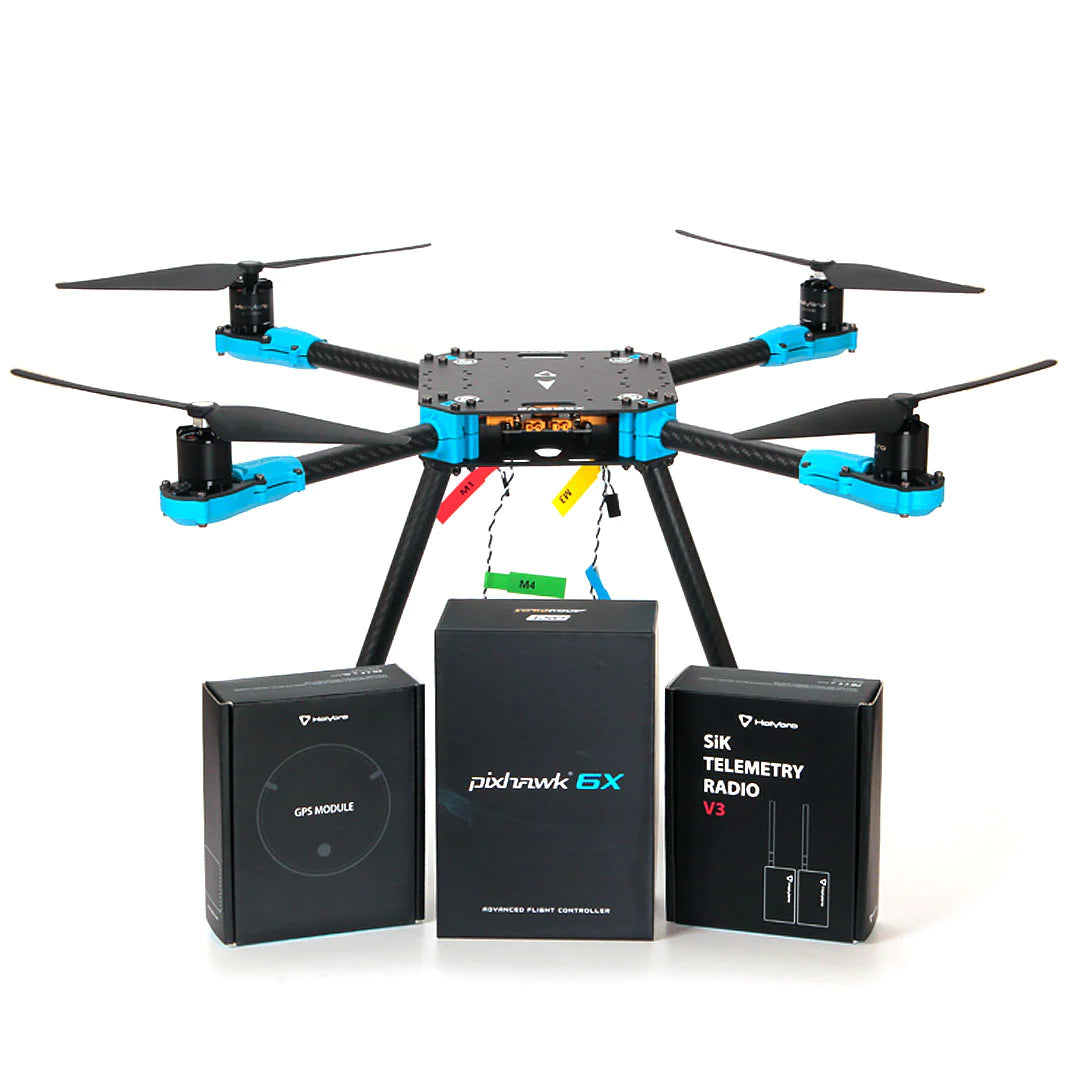
Holybro S500 V2 Development Kit - с Pixhawk 6C M10 GPS Module SiK Telemetry Radio V3, Can Dev as Industrial Drone
Диапазон цен: $69.00 - $629.00 - Промышленный дрон
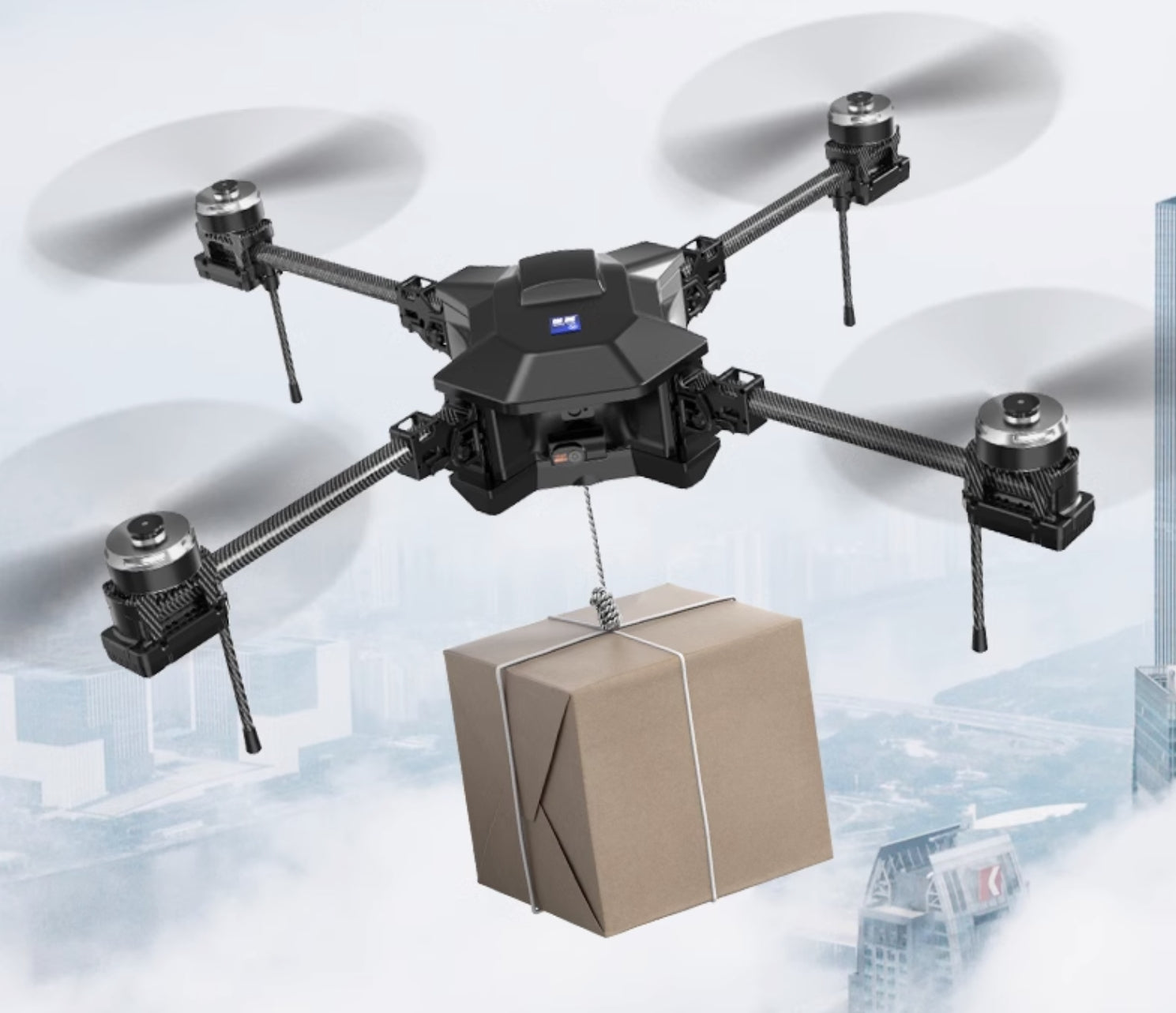
RCDrone R630 Delivery Drone - 30KG полезной нагрузки GPS RTK грузовой дрон для спасательных работ, геодезии и картографии Поддержка Настройка Промышленный дрон
Диапазон цен: $600.00 - $22,999.00 - Промышленный дрон
Holybro X500 v2 PX4 Development Kit – Carbon Fiber Drone Kit With Holybro Pixhawk 6C / 6X , M8N GPS , SiK Telemetry Radio, Industrial Drone
Диапазон цен: $719.00 - $795.00 - Промышленный дрон
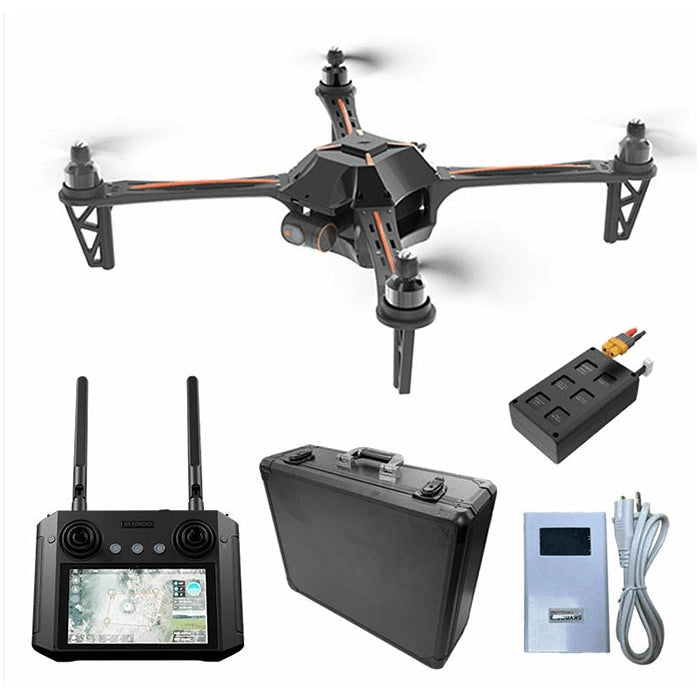
Skydroid MX450 Training Drone - 1080P камера 5KM дальность 450MM колесная база многофункциональный учебный дрон RTF промышленный дрон
Диапазон цен: $749.00 - $809.00 - Промышленный дрон
ARRIS M900 промышленный дрон - 4 оси 1080P 60min 30KM дальность максимального взлета 10 кг с CUAV Pixhack V5 Plus FC GPS Combo, Skydroid H12 для инспекции безопасности аэрофотосъемка
Диапазон цен: $1,749.00 - $2,079.00 - Промышленный дрон
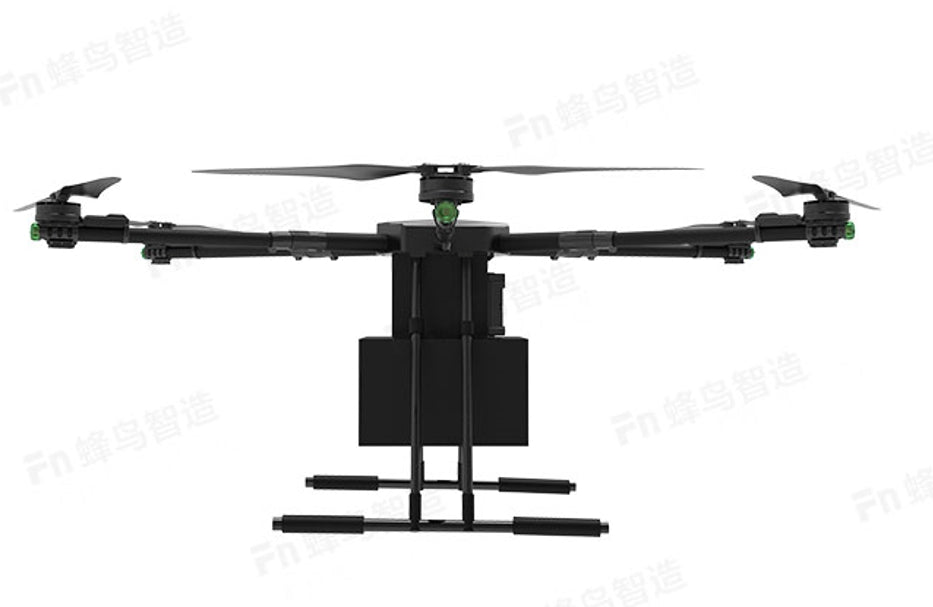
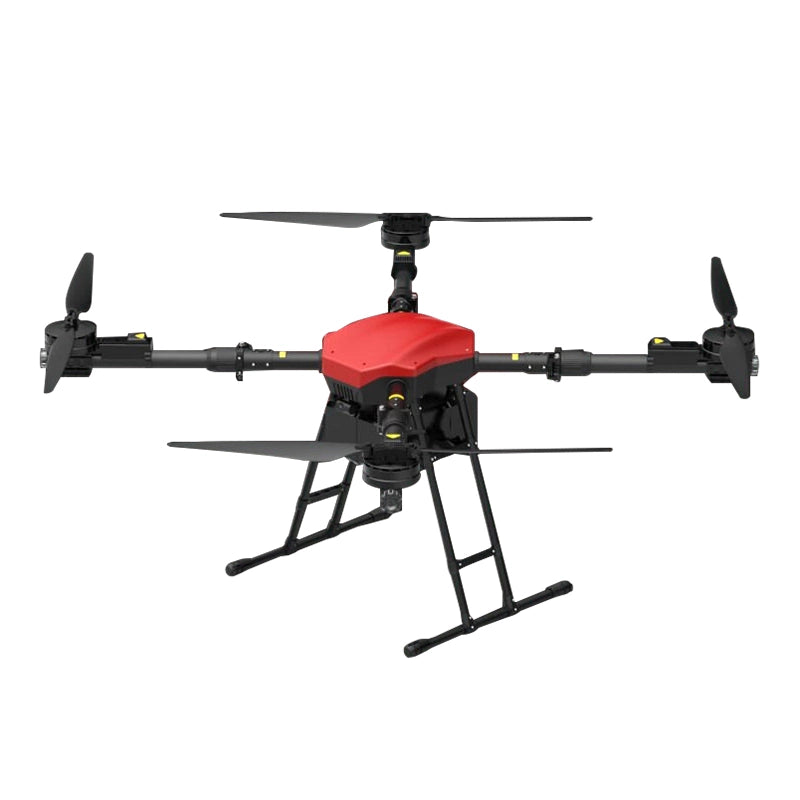
ARRIS M1200 Промышленный дрон - 4 оси 7KG 30KM 30Min Большой радиус действия Большая грузоподъемность Длительное время полета GPS Доставка Промышленный дрон UAV
Диапазон цен: $2,799.00 - $3,959.00 - Промышленный дрон
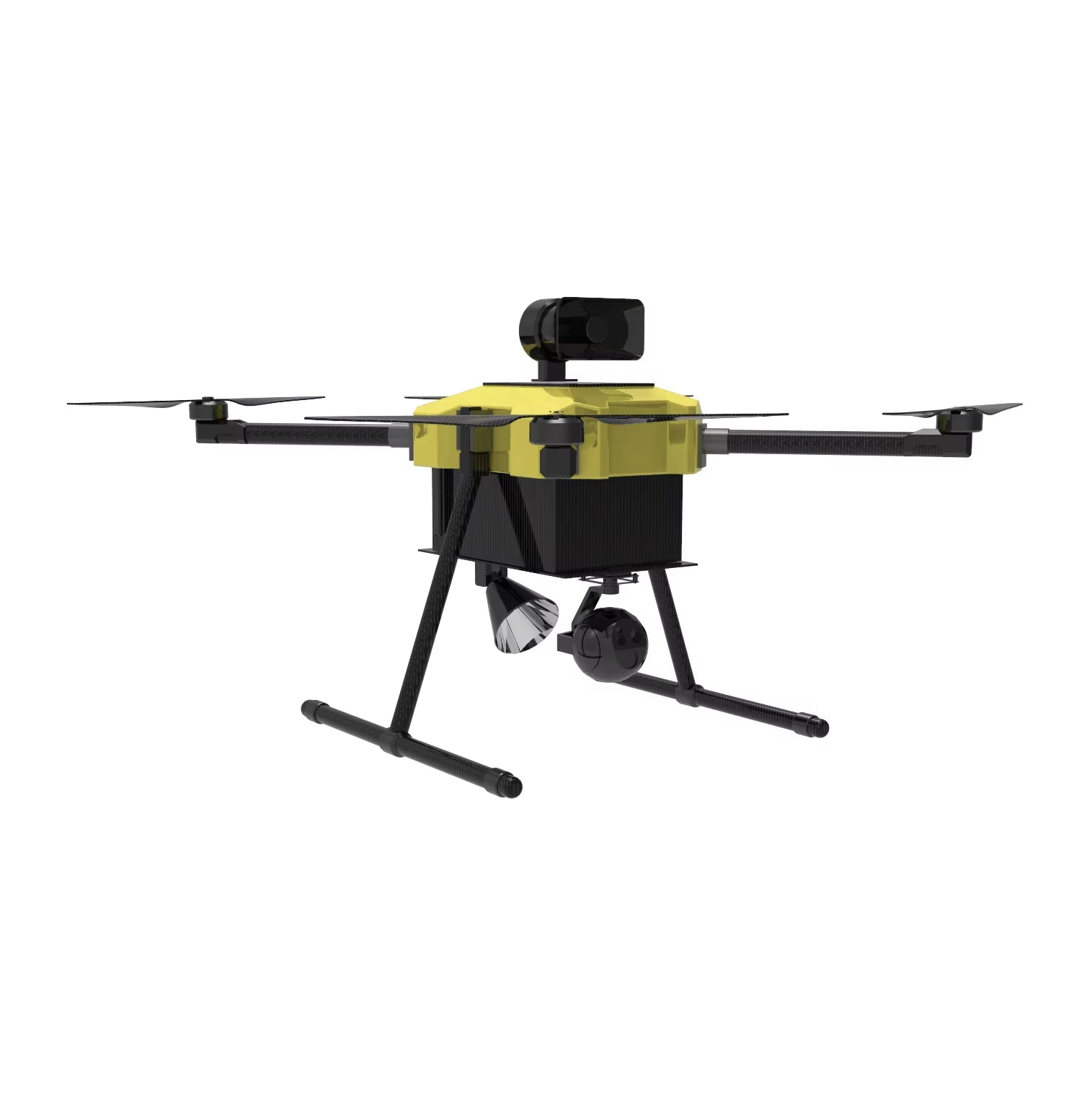
RCDrone SY800 Heavy Lift Drone - 2KG - 10KG Грузоподъемность 10KM Расстояние 1080P 2K 3 Axis Камера GPS Грузовой Резюме Промышленный Дрон С Метатель LoudSpeaker Освещение
Диапазон цен: $2,999.00 - $7,999.00 - Промышленный дрон
RCDrone MX4-10 промышленный дрон - 5KG грузоподъемность 10KM многофункциональный тяжелый дрон DIY громкоговоритель, сильное освещение, метатель, спасательный дрон Поддержка OEM ODM Поддержка
Диапазон цен: $4,699.00 - $5,299.00 - Сельскохозяйственный дрон 30L
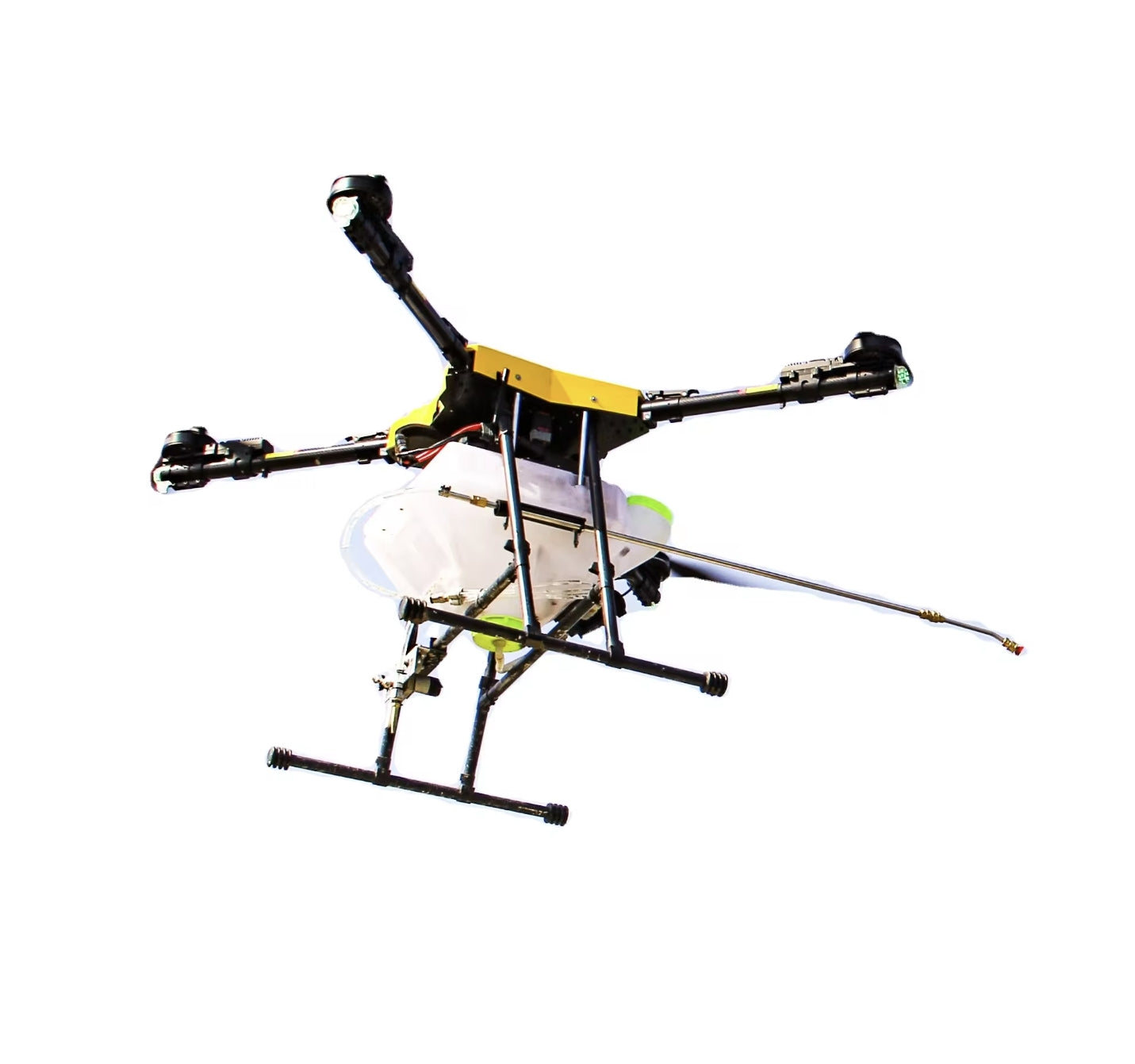
TYI 30L пожарный дрон - 6-осевой 30L 30 кг многофункциональный промышленный дрон аварийно-спасательный пожарный дрон
$6,500.00
 Russian
  English
  German
  Arabic