
Серия 915MHZ
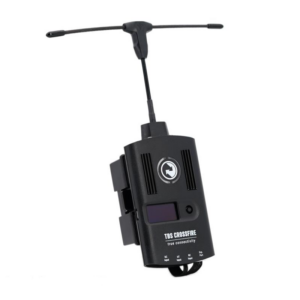
Master the 915MHz Band: Why TBS Crossfire is the ‘God Frequency’ for Long RangeWhen it comes to pushing the limits of FPV, the 915MHz series is the undisputed champion of penetration and distance. Often called the ‘God Frequency’ by long-range enthusiasts, this band offers the perfect balance between the massive range of sub-GHz waves and the low-latency requirements of modern flight controllers. Whether you are running a TBS Crossfire Micro TX V2 or the ultra-compact TBS Crossfire Nano RX, our gear ensures your link remains rock-solid beyond 40km.
915MHz Compatibility & Hardware Matrix
Before you solder your next build, check the compatibility of our top-tier 915MHz components. Make sure to browse our New FPV Arrivals for the latest revisions of these modules.
Component
Максимальная мощность
Frequency Band
Best For
TBS Crossfire Nano RX
N/A (Telemetry 100mW)
915MHz (FCC) / 868MHz (LBT)
Racing & Freestyle Micros
TBS Micro TX V2
Up to 1W
915MHz / 868MHz
General Long Range & Mid-Range
915MHz Dipole Antenna
Passive
902-928MHz
Maximum LOS Penetration
Step-by-Step Setup & Pro Tips
UART Wiring: Connect the RX to a free UART on your FC (TX to RX, RX to TX). If you experience a ‘hardware fault’ on an AIO’s serial port, try swapping to a different UART; sometimes manufacturing defects on tiny AIOs can cause signal dropouts.
Antenna Mounting: Ensure your antenna is mounted vertically for the best polarization. Don’t forget to use proper Drone Tools to secure your SMA connectors.
Binding: Power up the RX, hit the bind button, and activate the bind command on your TX. Ensure your firmware versions match to avoid the ‘flashing green’ loop.
Real-World Troubleshooting (The ‘Reddit’ Fixes)
We see it all the time in the pits: pilots complaining about failsafes when they should have miles of headroom. One common rookie mistake is the SMA connection. As seasoned pilots have confirmed, antennas index off the SMA connector’s outer shells mating up, NOT the shoulder of the antenna’s housing. If there’s a gap, you’re losing dBi.
Also, watch out for local interference. In the US, the 915MHz band is heavily used by smart meters and Amazon Sidewalk. If you are flying in suburban areas, your noise floor might be higher than in the mountains. Lastly, if you are moving from a Heltec v4 or similar LoRa gear, double-check your U.FL connectors—it is incredibly easy to plug the antenna into the wrong port, leading to instant magic smoke or zero range.
915MHz Frequently Asked Questions
What is 915 MHz used for?
FC=915MHz provides ample bandwidth to support complex communication needs. In the FPV world, it is the primary frequency for long-range RC links (like TBS Crossfire and ELRS), while in the broader tech world, it supports IoT and wireless sensor networks.
Which is better, 433MHz or 915MHz?
915 MHz is generally better for modern FPV because it has fewer power limitations than 433 MHz. While 433 MHz has slightly better diffraction around obstacles, 915 MHz allows for smaller antennas and higher update rates, making it superior for drone racing and agile long-range flight.
Is 915 MHz unlicensed?
Yes, 915 MHz is part of the ISM (Industrial, Scientific, and Medical) band. In North America, it is license-free for error-tolerant communications, including wireless LANs, cordless phones, and our FPV radio links.
How far can 915MHz travel?
With a clear line-of-sight (LOS), 915MHz signals can easily exceed 10 kilometers. High-end systems like TBS Crossfire have been pushed beyond 40km in ideal conditions, though performance drops significantly if you lose LOS or fly behind dense concrete structures.
- Серия 915MHZ
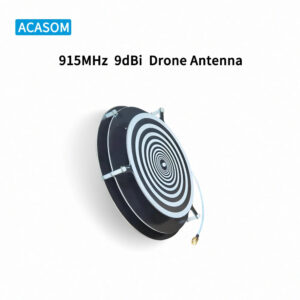
900MHz 915MHz 50W высокая антенна усиления SMA мужская антенна дрон направление антенны
Диапазон цен: $4.35 - $42.61 - Серия 915MHZ
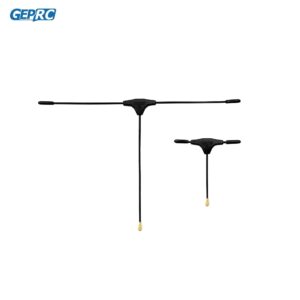
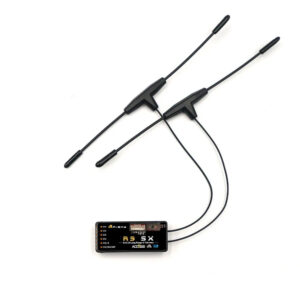
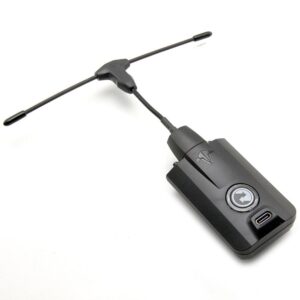
iFlight Defender 25 Micro приемник антенна - с ELRS 2.4GHz / ELRS 868MHz/915MHz / VTX антенна с посадочные салазки для FPV частей
Диапазон цен: $9.97 - $25.86 - Серия 2.4GHZ
iFlight ELRS 915MHz / ELRS 2.4G Receiver / TX Module with 70mm / 40mm Antenna / Dual-Band Antenna / Stick for Commando 8 FPV Drone Remote Controller
Диапазон цен: $13.08 - $52.11 - Серия 915MHZ
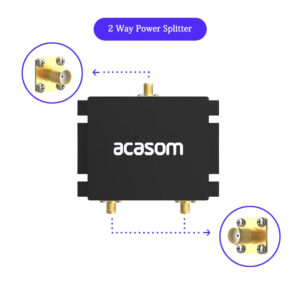
2-3-4 Way Helium Power Splitter 868MHz Power Divider 915MHz Power Spltter SMA Type N Type
Диапазон цен: $42.61 - $60.87 - Серия 915MHZ
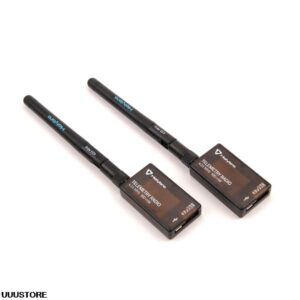
HolyBro Радио Телеметрия Набор - 433Mhz 915Mhz 100mW 500mW трансивер Радио Телеметрия Набор V3 для PIXHawk 4 Flight Controller APM2.6 Для гоночных дронов
Диапазон цен: $75.98 - $77.85 - Серия 915MHZ
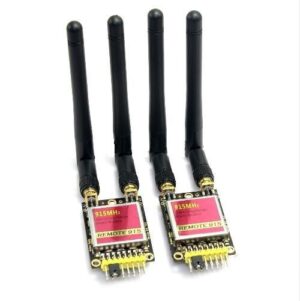
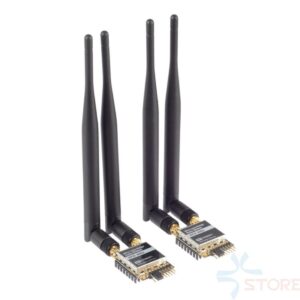
RDF900 Data Diversity Telemetry – 915Mhz Radio Modem Remote 900 Data Diversity Telemetry for APM Pixhawk Flight Controller 40KM Long Range System for Drone
Диапазон цен: $119.01 - $196.61 - Серия 915MHZ
TBS CROSSFIRE NANO TX – 40km Long Range 915Mhz Teamblacksheep Transmitter Radio system For FrSky X-lite and X9D R/C System
Диапазон цен: $135.00 - $231.25 - Серия 915MHZ
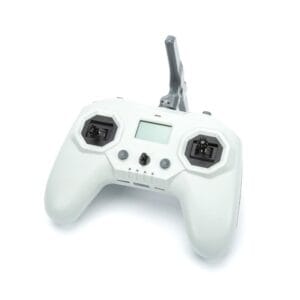
Jumper T20S T20 V2 - 2.4G 915MHz 1W RDC90 HALL VS-M полноразмерный радио пульт дистанционного управления Edgetx ELRS
Диапазон цен: $138.94 - $173.67 - Серия 915MHZ
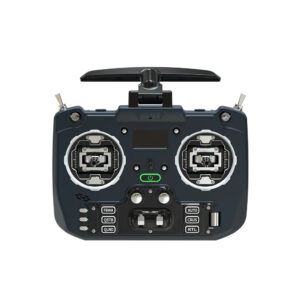
iFlight Commando 8 Радиопередатчик- ELRS 868/915MHz 1000mW / ELRS 2.4GHz 500mW FPV пульт дистанционного управления
Диапазон цен: $171.14 - $184.22 - Серия 915MHZ
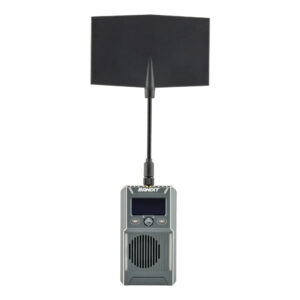
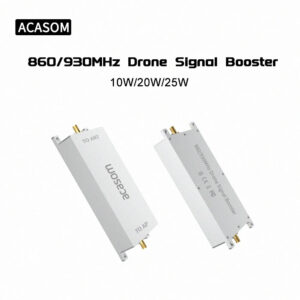
868MHz 915MHz 10W 20W Drone FPV усилитель сигнала Extender Signal Booster Drone Range Extender Tarot FPV Image Transmission
Диапазон цен: $184.11 - $230.42
 Russian
  English
  German
  Arabic