
Axisflying
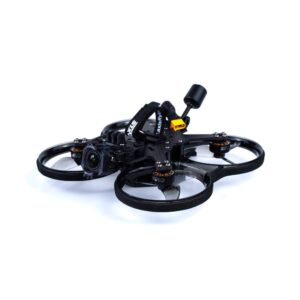
Precision-Engineered Cinematic Power: Why Axisflying Dominates 2026Axisflying has redefined the cinematic FPV landscape with the C-Series motors and the legendary C35 frame. By prioritizing high-torque brushless efficiency and CNC-machined bell precision over raw racing speed, Axisflying provides the ‘buttery smooth’ throttle response required for professional commercial projects. Whether you’re building a 3.5-inch cinewhoop or a long-range rig, these components are designed to eliminate the high-frequency vibrations that ruin 4K footage.
Axisflying Compatibility Matrix: 2026 Edition
Модель
Primary Use Case
Recommended VTX
Motor Series
Axisflying C25
Sub-250g Cinematic
DJI O3/O4 Lite
C157 / AE15
Axisflying C35
Professional Cinewhoop
DJI O4 / Walksnail
C287 (Cinematic)
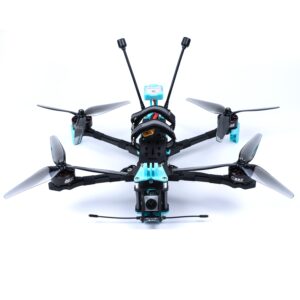
Manta 30
Durable Freestyle/GPS
Analog / HDZero
AE25 (Access Edition)
Step-by-Step Setup: Building with the Axisflying F7 Stack
To get the most out of your New FPV Arrivals, follow this engineering workflow for an Axisflying build:
Mounting the Stack: Use the included dampening mounts for the Axisflying F7 FC. This is critical for 150A FOC ESC performance to prevent electrical noise from reaching the gyro.
VTX Installation: If you are using the DJI O4 system, note that you will likely need a longer camera cable and a custom VTX case to fit the C35 frame properly.
Motor Direction: Always perform an accelerometer calibration in Betaflight first. Ensure your motor order and direction are set to ‘props out’ to keep the FOV clear of propellers.
Radio Protocol: The Axisflying stacks are ‘Plug and Play’ for ELRS and TBS Crossfire. Use your Drone Tools to secure the antenna mounts for maximum range.
Solving Common Pilot Issues: Reddit Community Insights
Many pilots transitioning to the Axisflying Manta 30 find it’s a durable ‘workhorse’ that handles crashes well, especially with the integrated GPS. However, new pilots often struggle with stability mode, finding it hard to maintain altitude due to constant RPM changes. We recommend switching to Acro mode early to fully utilize the high-torque C-Series magnets. If you experience ‘prop wash’ or sudden drops in tight turns, check your 4K cinematic FPV tune; Axisflying frames are optimized for ‘smoothness’ rather than aggressive snap-turns. For those experimenting with thermal camera modules, ensure your voltage regulator can handle the extra draw to avoid mid-flight blackouts.
Frequently Asked Questions
Why are Axisflying C-Series motors preferred for professional cinematic FPV?
Axisflying C-Series motors are engineered for cinematic smoothness. They feature high-precision CNC bell designs and premium magnets that minimize throttle stepping and vibration, resulting in cleaner gyro data for professional commercial projects in 2026.
How does the Axisflying C35 optimize the DJI O3/O4 Air Unit performance?
The C35 features specialized dampening mounts and a ‘prop-out’ configuration. This keeps propellers out of the high-definition view, allowing for stable 4K recording without heavy post-stabilization.
What is the difference between Axisflying’s AE and C series motors?
The AE (Access Edition) series focuses on high value and durability for freestyle, while the C (Cinematic) series prioritizes efficiency and torque consistency for heavy-lift rigs.
How does Axisflying’s CNC motor design eliminate Jello effect?
Unlike cast motors, CNC-machined bells ensure near-perfect dynamic balance. This eliminates the high-frequency vibrations that cause Jello, providing ‘buttery smooth’ footage straight out of the camera.
- Axisflying
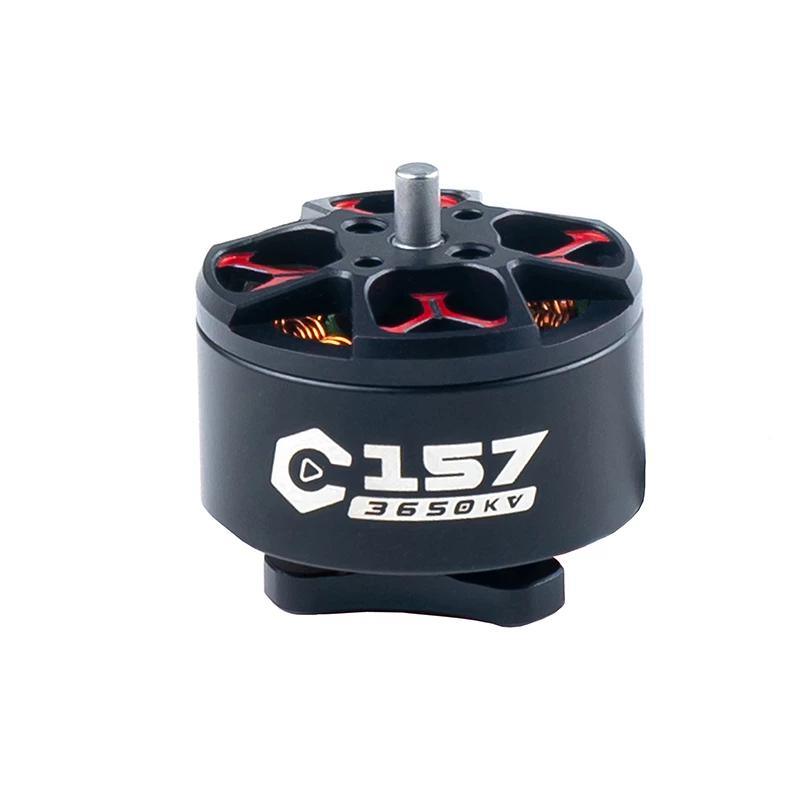
DJI Avata Motor - Axisflying C157 1507 3650KV бесщеточный двигатель 4S Lipo для DJI Avata Motor 3 ~ 4 дюйма Cinewhoop дроны DIY
Диапазон цен: $27.85 - $79.10 - Axisflying
Axisflying CineON C30 - 3inch Cinewhoop / Cinematic Drone - 4S BNF
Диапазон цен: $350.25 - $172,460.94 - Axisflying
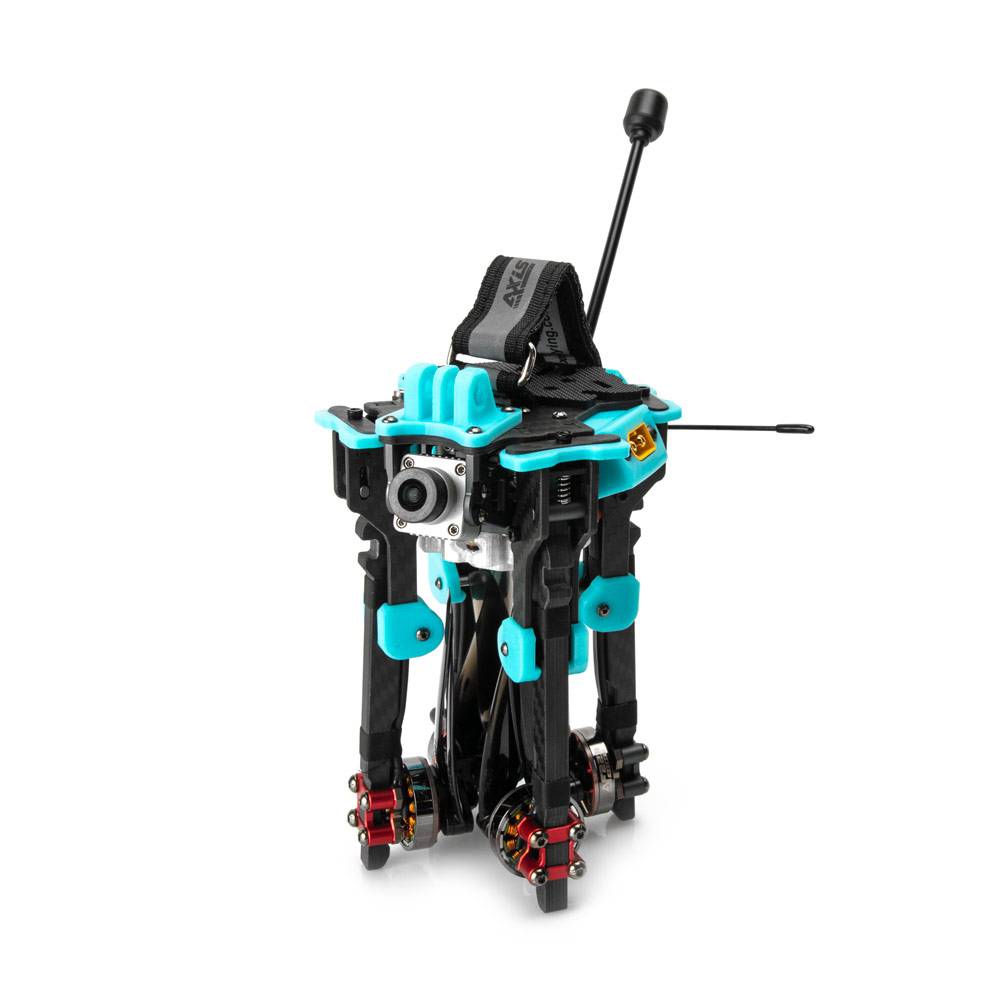
Axisflying KOLAS7″ - 7-дюймовый складной FPV / аналоговый 4.9-5G / дрон для дальних полетов / с GPS
Диапазон цен: $368.68 - $463.52 - Axisflying
Axisflying KOLAS6″ - 6-дюймовый складной FPV дрон средней дальности / кинематографический дрон с GPS - 4S
Диапазон цен: $382.43 - $172,451.49 - Axisflying
Axisflying CineON C20 V2 - 2 дюйма Sub250g Walksnail Avatar HD Pro Kit 32G FPV Drone-4S
Диапазон цен: $470.93 - $172,460.94 - Axisflying
Axisflying CineON C30 V2 - 3inch Walksnail Avatar HD Pro Kit 32G FPV Drone - 4S
Диапазон цен: $499.93 - $172,460.94 - Axisflying
Axisflying cineon C35 V2 4S FPV - 3,5 дюйма Walksnail Avatar HD Pro Kit 32G FPV Drone
Диапазон цен: $563.08 - $172,460.94 - Axisflying
Axisflying CineON C25 V2 - 4S 2.5 дюйма Sub250g DJI O3 Air Unit FPV Drone
Диапазон цен: $595.37 - $172,460.94 - Axisflying
Axisflying KOLAS7″ - DJI O3 Складной FPV дрон для LR- дальнего действия / кинематографический / с GPS
Диапазон цен: $646.65 - $776.50
 Russian
  English
  German
  Arabic