
Аналоговая камера FPV
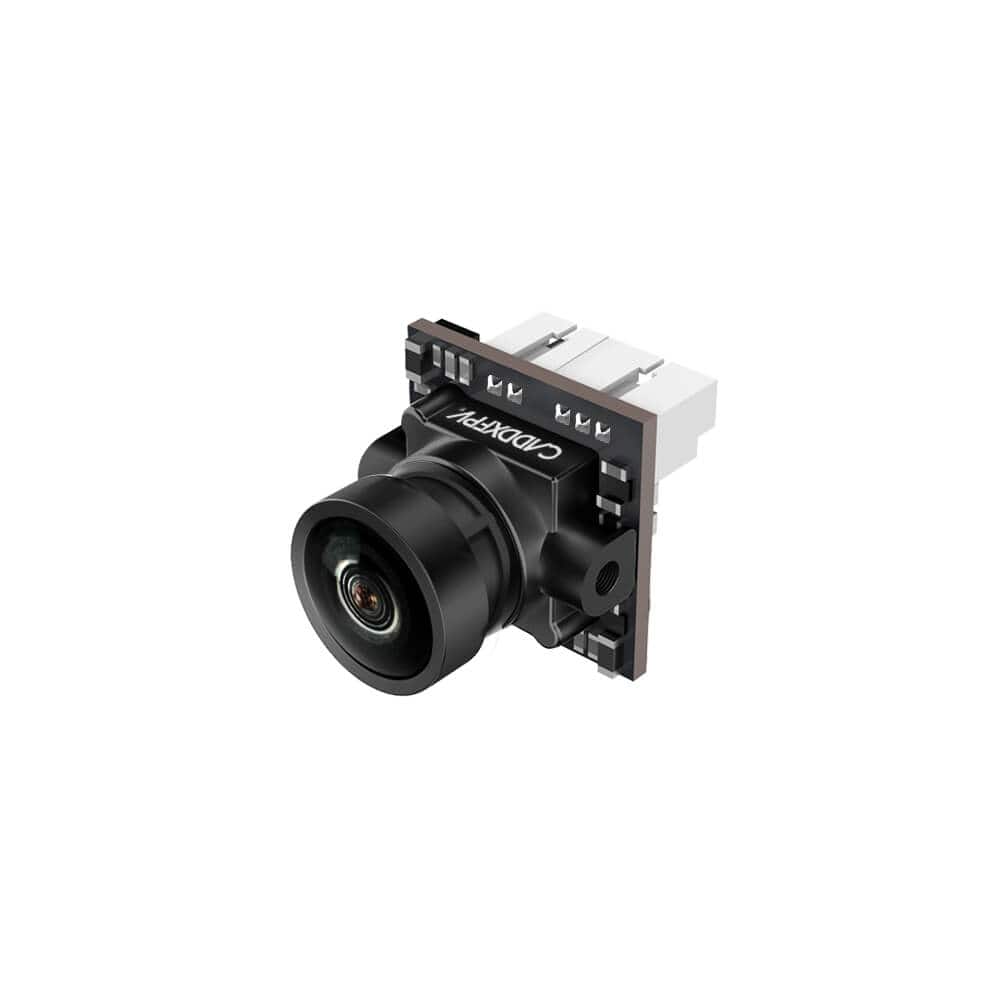
Ultra-Low Latency: Why the Best Analog FPV Cameras Still Rule the SkiesIn a world dominated by digital HD systems, the analog fpv camera remains the backbone of competitive racing and micro-whoop freestyle. With near-zero latency and the ability to recover from a signal ‘breakup’ without a total freeze, choosing the right sensor—like the legendary Caddx Ratel—is the difference between hitting the gap and a costly repair. Whether you are troubleshooting analog fpv cameras or building a fresh 5-inch, getting the signal path right is critical.Use-Case Scenarios: Racing vs. Long RangeWhen selecting your analog camera fpv, your flying style dictates the specs. For FPV racing, most pilots prefer a 4:3 aspect ratio because it provides a greater vertical field of view (FOV). This is essential when your drone is tilted at 60 degrees; you need to see the gates, not just the ground. For Long Range, clarity and light handling are king. Pairing a high-quality camera with high-gain Long Range Antennas ensures that even at 10km, your image remains flyable.FeatureRacing (e.g., Ratel 2)Freestyle/Long RangeSensor TypeCMOS (Low Latency)CMOS/CCD (High Dynamic Range)Aspect Ratio4:3 Preferred16:9 or SwitchableLatency<10ms15-25msNight PerformanceGoodExcellent (Starvis/Thermal)Pros and Cons of Analog SystemsPros: Instantaneous feedback, lightweight, and incredibly resilient. If you have a “major crash” and break a lens, replacing an analog unit is a fraction of the cost of a digital air unit.Cons: Subject to multipathing and static. Unlike digital, the image quality degrades with distance rather than cutting out entirely.Expert Tips: Maintenance and TroubleshootingAs a senior engineer, I’ve seen every failure mode. If you’re experiencing “weird shadows” or a blurry image, don’t just toss the camera. Many pilots find that taking the camera apart and cleaning the ports and lens with alcohol and a cotton swab fixes 90% of image artifacts. If you see a “burnt electronics smell” or a black XT60 pin, immediately check the connection of the VTX signal wire (yellow) at the FC. A short circuit on the 5V rail can fry your camera’s sensitive CMOS sensor instantly. For those flying at night, you can even take the lens out and remove the small IR filter for a DIY night-vision rig, though a dedicated axisflying 256 thermal imaging analogue fpv camera is a better pro-grade solution.To get the most out of your feed, ensure your Video Receivers (VRX) are properly calibrated to your goggles. Even the best camera looks like mud through a poorly tuned receiver.Frequently Asked QuestionsIs 16/9 or 4:3 better for FPV?4:3 is generally preferred for FPV flying. It provides more vertical FOV, which is vital when the drone tilts forward or backward during aggressive maneuvers. This allows you to see the horizon and obstacles more clearly than the cropped 16:9 widescreen format.Why are FPV cameras analog?Analog cameras are used because they offer the lowest possible latency. In high-speed drone flight, even a 30ms delay can cause a pilot to overcorrect. Analog signals also degrade gracefully; you get static (snow) rather than a frozen screen, allowing you to fly back to safety even with a weak signal.Is HDZero analog or digital?HDZero is a digital FPV system, but it is unique because it mimics the fixed-latency behavior of analog. It is a step up from traditional analog systems, offering 720p resolution while maintaining the “instant” feel pilots love.Is Walksnail analog?No, Walksnail is a digital system. However, many Walksnail products, like the Goggles X, include an AV IN interface. This means you can still use your favorite analog fpv camera and transmitter by plugging an external receiver into the goggles.Ready to upgrade your view? Browse our selection and pair your new camera with the best Очки FPV on the market for a crystal-clear flight experience.
- Аналоговая камера FPV
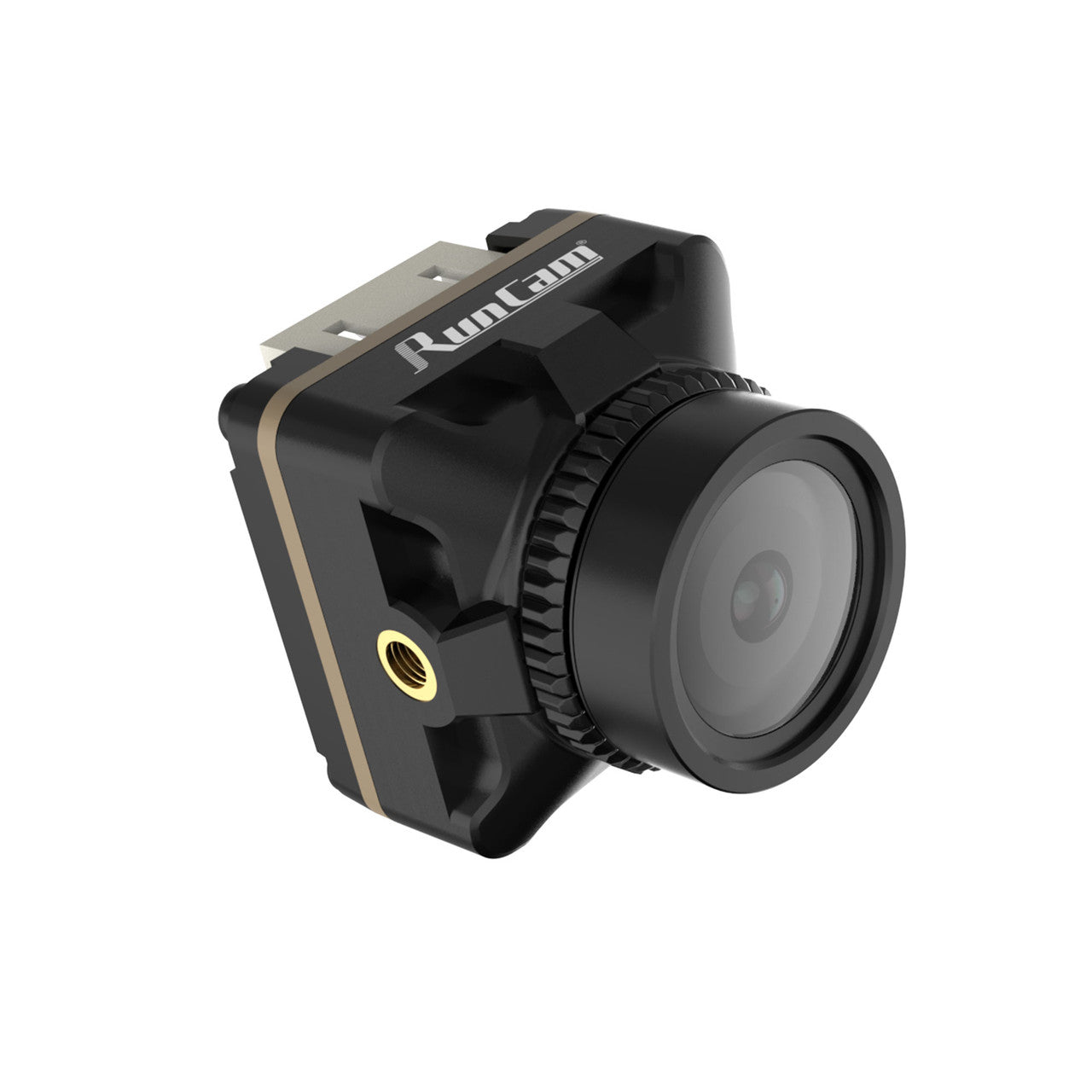
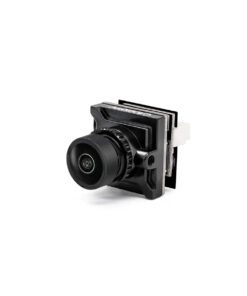
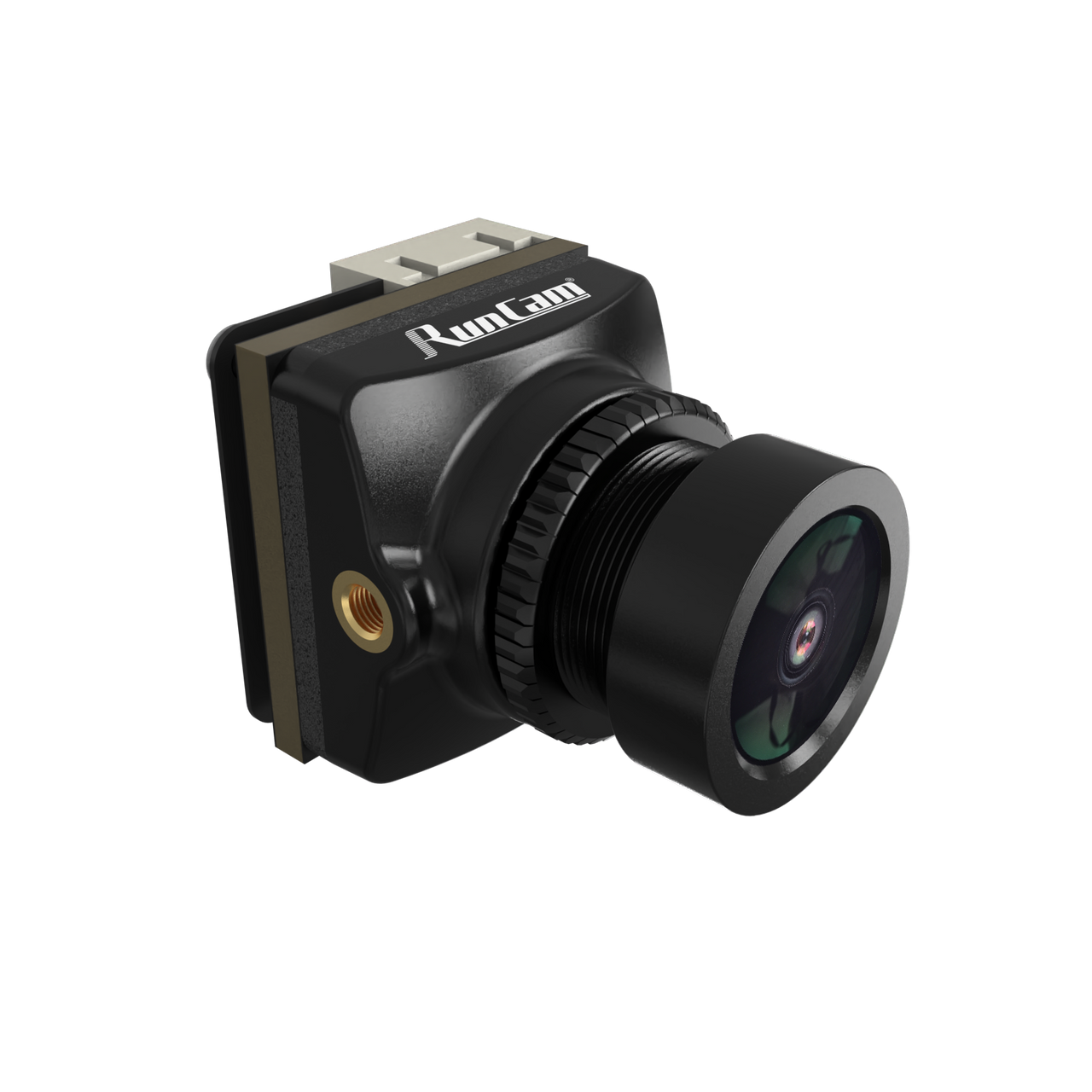
Аналоговая камера RunCam Robin 3 - 1/3″ CMOS 1200TVL FOV 150° 4:3 FPV камера
$25.00 - Аналоговая камера FPV
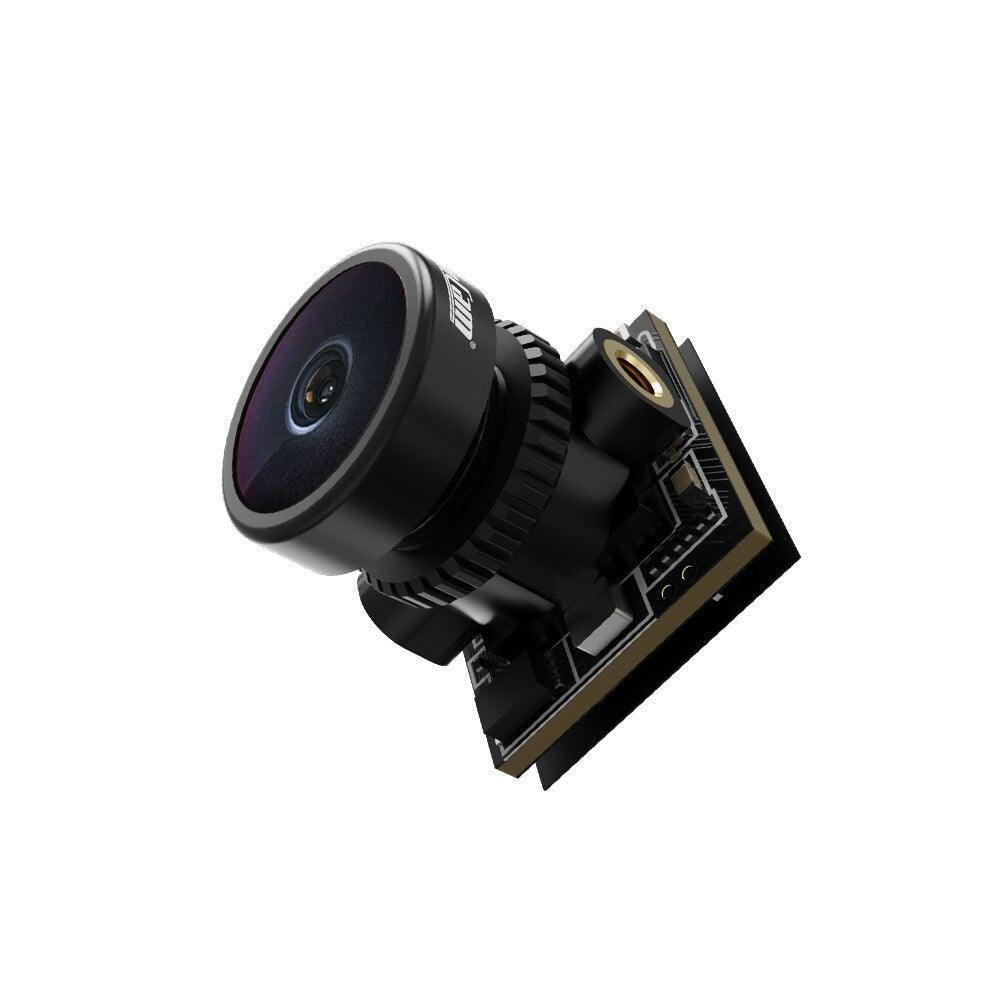
Аналоговая камера RunCam Nano4 - 1/3" 800TVL CMOS FPV камера Tiny whoop Camera Nano Size 14*14
Диапазон цен: $27.16 - $55.42 - Датчик для дронов
Аналоговая камера Runcam Nano 3 - 800TVL 1/3 CMOS Sensor FOV 160° Wide Angle 1.1g Lightest NTSC для крошечного RC дрона
Диапазон цен: $27.16 - $55.42 - Аналоговая камера FPV
RunCam ATOM-W Analog Camera – 1/3″ 800TVL 16mm*10mm CMOS FPV Camera for New Frame
$32.60 - Аналоговая камера FPV
Аналоговая камера RunCam Nano 2 - 700ТВЛ 1/3″ CMOS 2,1 мм FOV 155° / 1,8 мм FOV 170° FPV камера
$35.00 - Датчик для дронов
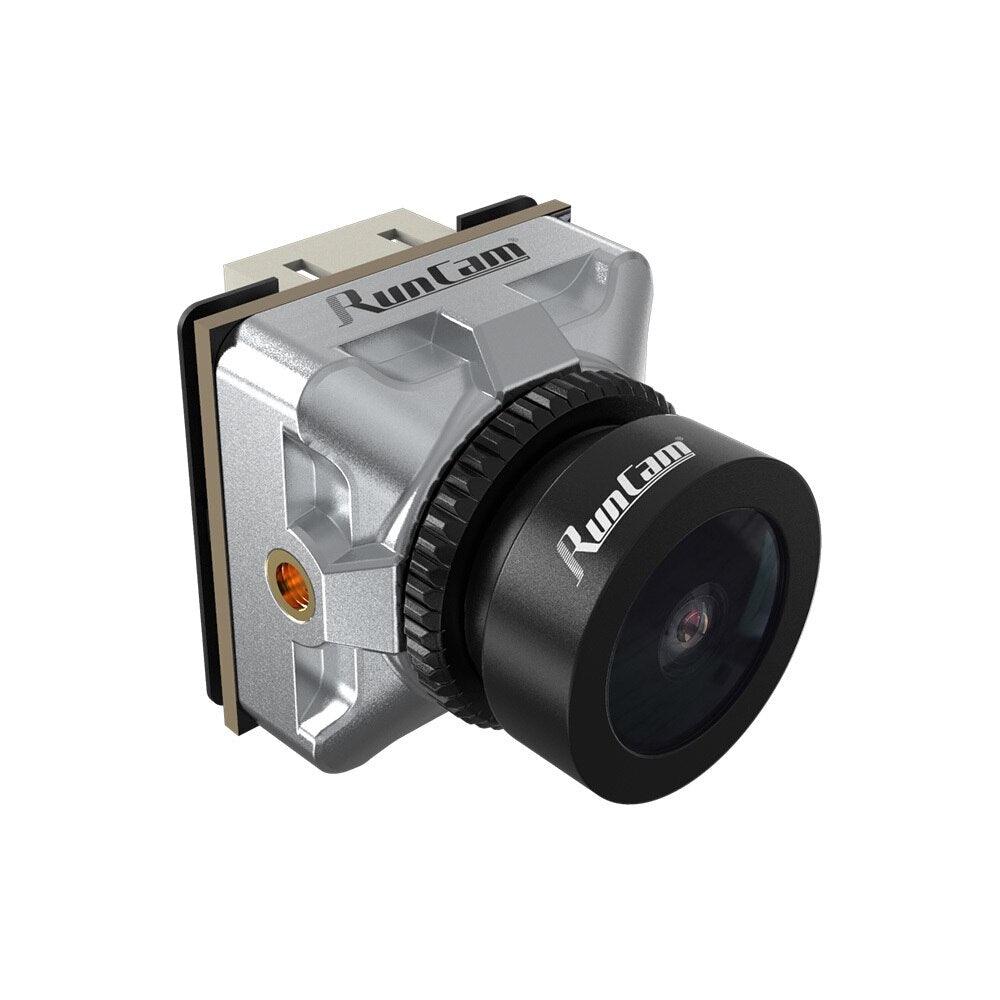
RunCam Phoenix 2 SP Analog Camera – 1500TVL FOV 155° 1/2.8″ Starlight COMS Sensor FPV Camera
$39.00 - Аналоговая камера FPV
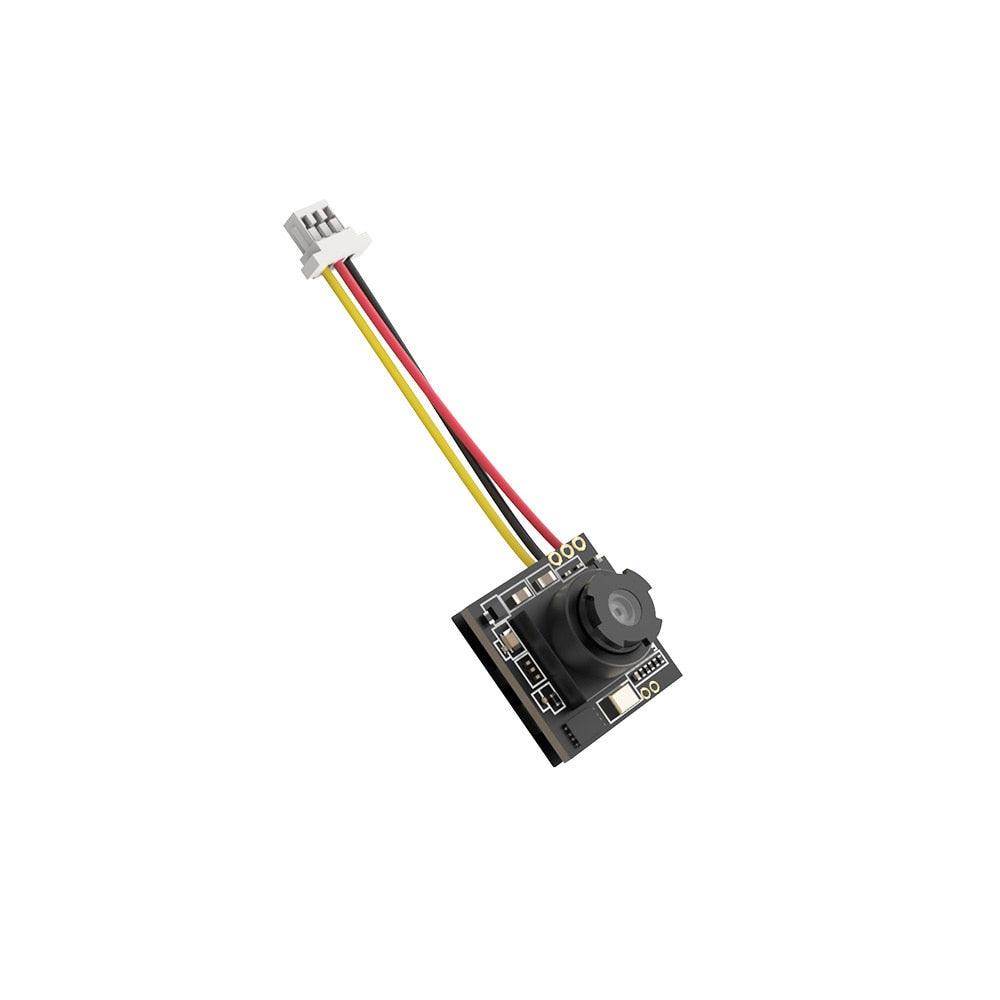
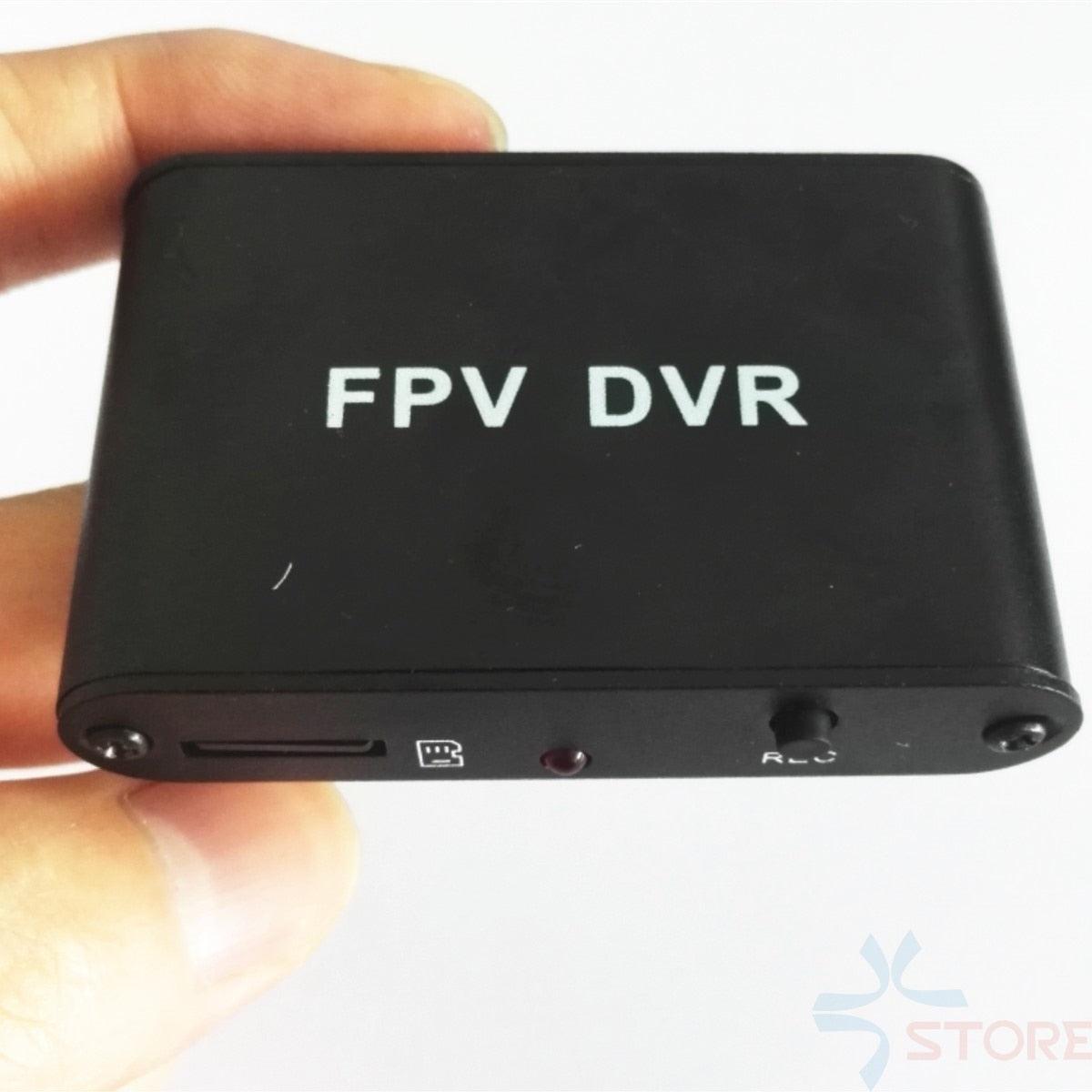
Micro D1M 1CH 1280×720 30f/s HD DVR FPV AV Recorder Support 32G TF SD Works with CCTV ANALOG camera
$41.29 - Аналоговая камера FPV
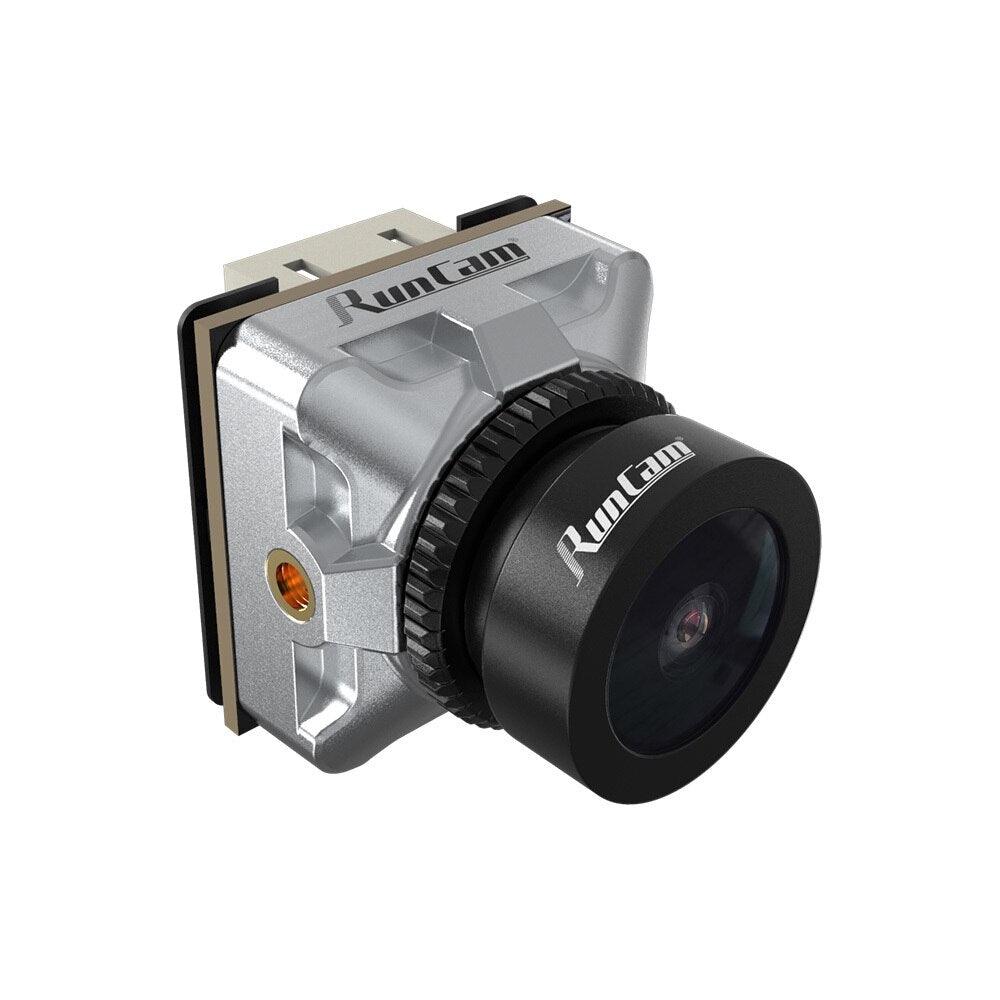
RunCam Phoenix 2 Analog FPV Camera – 1000TVL 2.1mm 16:9/4:3 Micro 19×19 / Nano 14×14 PAL NTSC Switchable For Rc FPV Drones
Диапазон цен: $42.88 - $47.00 - Аналоговая камера FPV
RunCam Phoenix 2 Analog FPV Camera – 1/2.8″ 1000TVL Joshua COMS PAL / NTSC Switchable for Drone
$43.47 - Аналоговая камера FPV
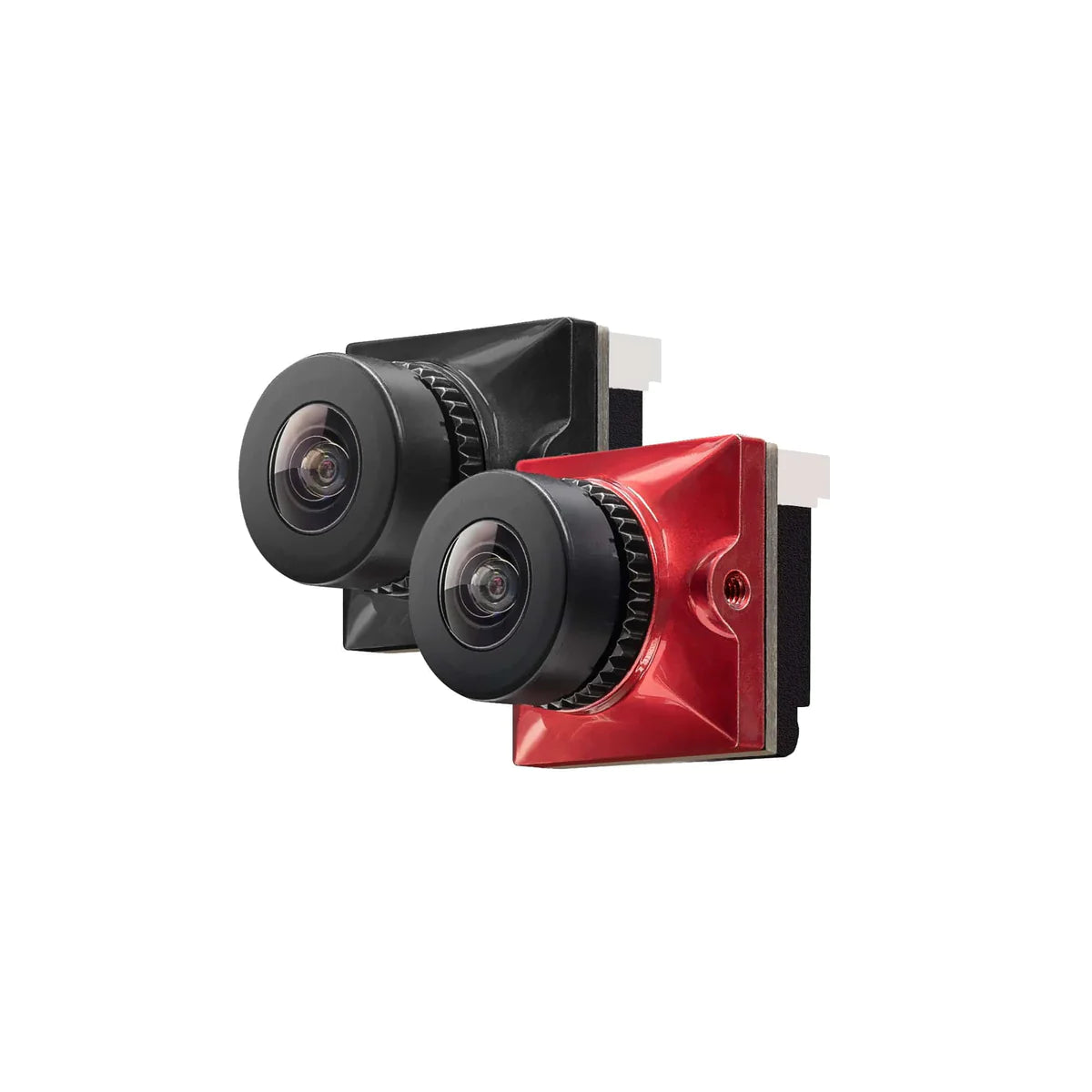
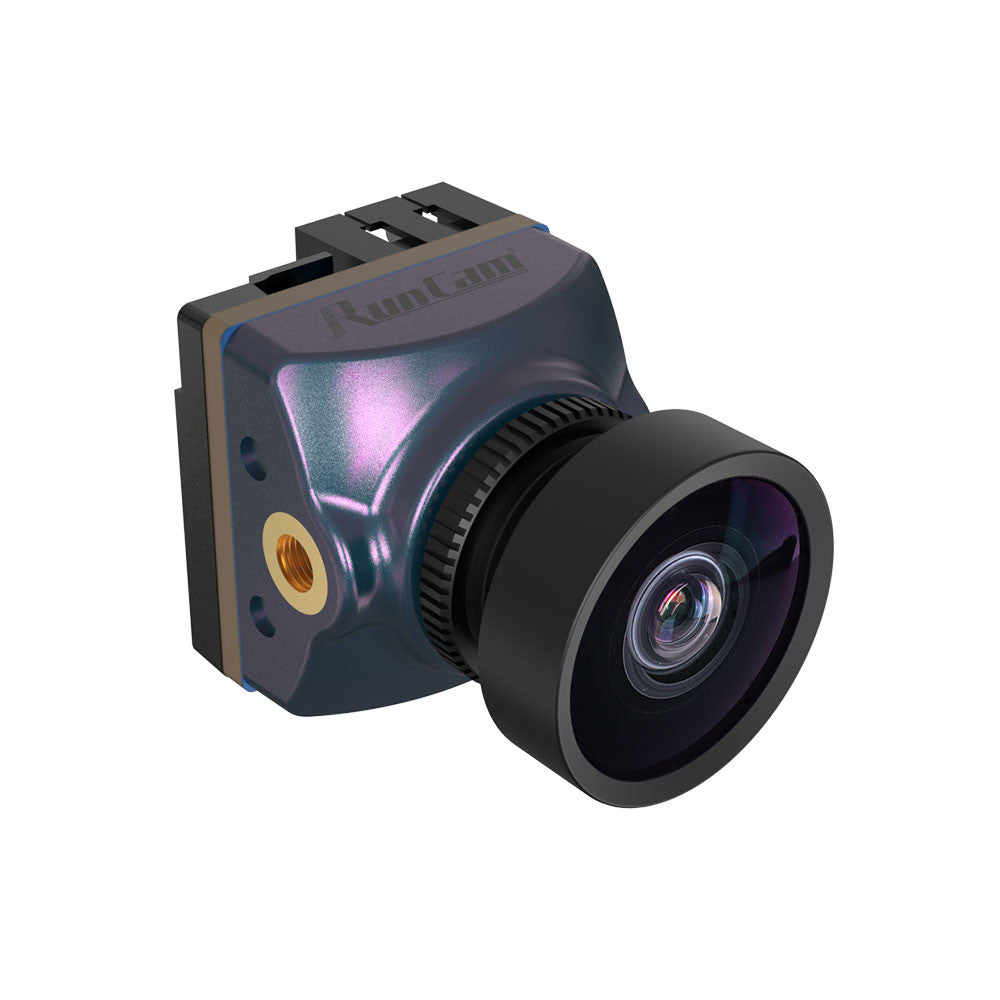
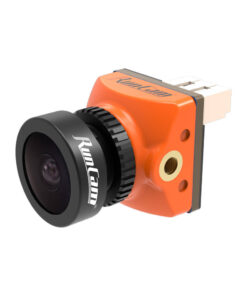
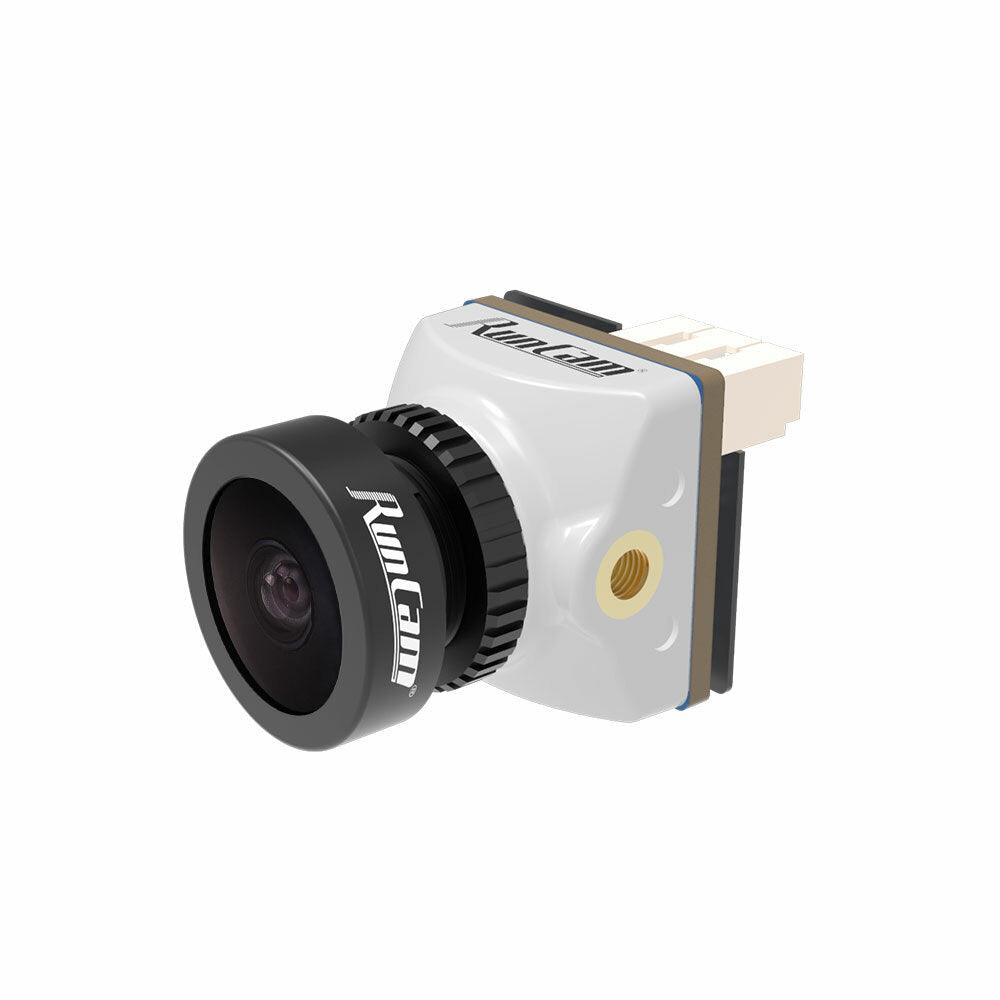
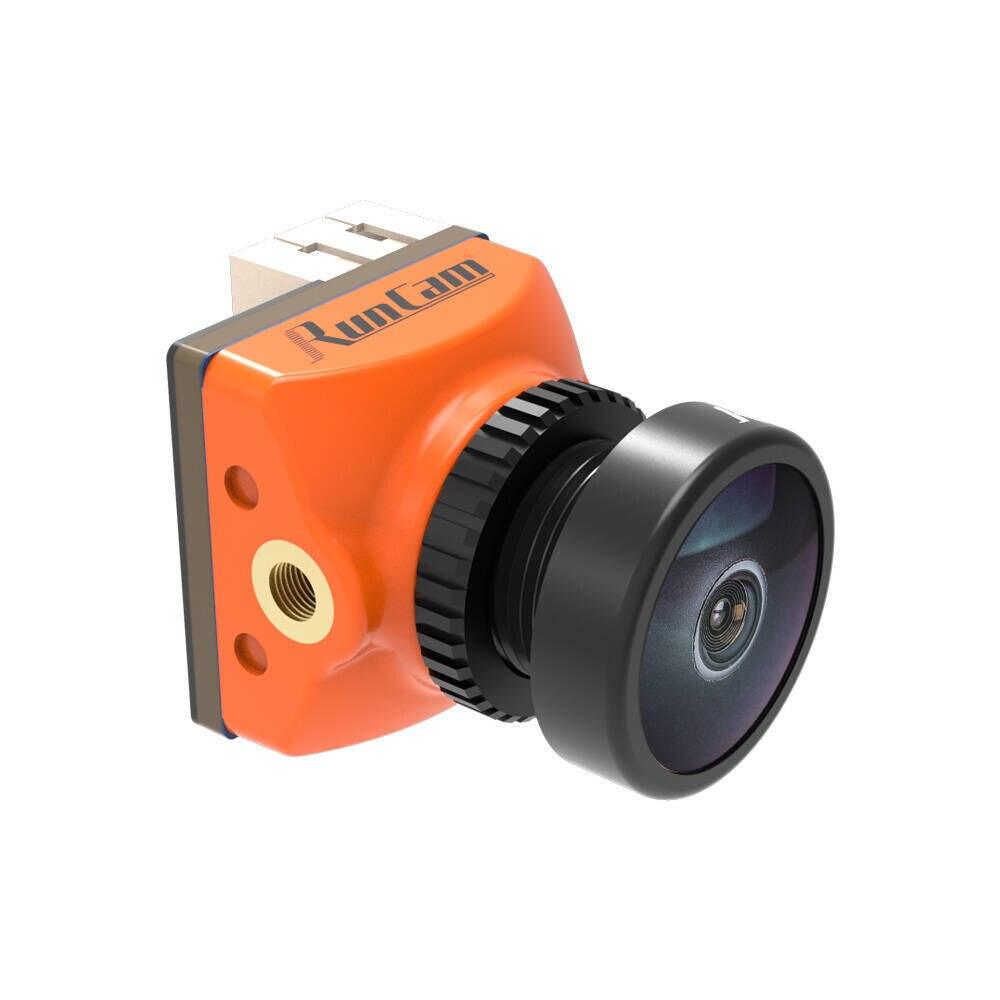
RunCam Racer Nano 4 Analog Camera – 1200TVL FOV 160° Super WDR NTSC/PAL FPV Camera
$49.00 - Датчик для дронов
RunCam Phoenix 2 Nano Analog Camera – 1/2″ CMOS Sensor 1000TVL FOV 155° 5g FPV Camera
$49.00 - Аналоговая камера FPV
RunCam Racer Nano 2 V2 Analog Camera – 1000TVL 2.1mm FOV 145° / 1.8mm FOV 160° Super WDR CMOS FPV Camera
$49.00 - Аналоговая камера FPV
RunCam Racer Nano3 Analog Camera MCK version – 1000TVL 1.8mm FOV 160° Lens FPV Camera
$56.51 - Аналоговая камера FPV
Аналоговая FPV камера RunCam Racer Nano 2 - 1000TVL Super WDR 6ms Low Latency Gesture Control для гоночного дрона
Диапазон цен: $80.99 - $92.92
 Russian
  English
  German
  Arabic