
50C Lipo аккумулятор
Reliable Punch Without the Premium Price: Mastering the 50C Discharge Rate
For many FPV pilots and RC enthusiasts, the 50C discharge rate represents the ultimate ‘sweet spot.’ It provides enough current for aggressive freestyle maneuvers and high-torque rover builds without the massive price premium or weight penalty of 120C professional racing packs. Whether you are looking at an Ovonic 3s lipo for a custom project or a Spektrum 3s 5000mah 50c for an RC plane, understanding how to manage this energy is crucial for both performance and safety.
50C Battery Compatibility & Specs Matrix
Choosing the right pack depends on your motor’s amp draw and your frame’s physical constraints. Use the table below to cross-reference popular 50C configurations.
Battery Model
Capacity (mAh)
Max Continuous Amps
Best Use Case
Ovonic 3S / 3S 5200mah
5200
260A
Medium Rovers / Large RC Cars
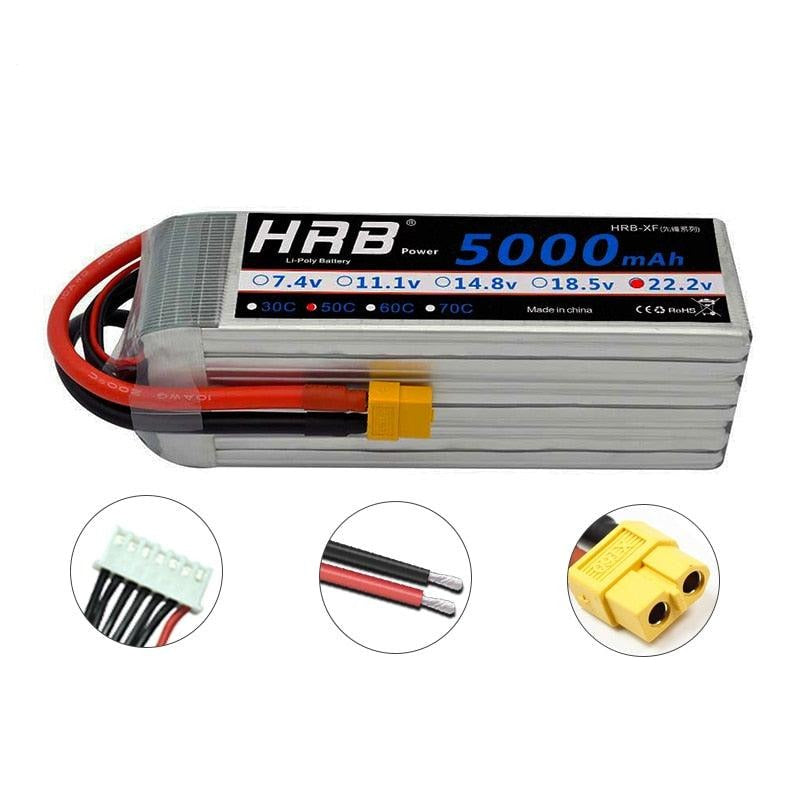
HRB 6S 5000mah
5000
250A
7-inch Long Range FPV / Cinelifters
Spektrum 3S 5000mah
5000
250A
Smart Ecosystem RC Aircraft
Step-by-Step Setup: Integrating 50C Packs Safely
Calculate Your Load: Ensure your ESC and motor combination won’t exceed the continuous 50C rating. For a 5200mAh pack, that’s a 260A limit—plenty for most builds, but always check your logs.
Connector Verification: High-capacity 50C packs like the HRB 6S 5000mah often use XT90 or EC5 connectors. Ensure your lead is soldered correctly to avoid resistance-induced heat.
Secure the Pack: High-G maneuvers can eject a heavy battery. Always use high-grip Battery Straps to prevent the battery from becoming a projectile.
Initial Charge: Use dedicated Balance Chargers to ensure all cells are within 0.02V of each other before the first flight.
Real-World Engineering: Solving Common 50C Pain Points
Based on recent engineering discussions and community feedback from Reddit, many users struggle with “voltage sag” when using 50C packs in high-stress environments like full-auto airsoft builds or heavy-lift rovers. If you are building a university rover and need a “quick swap” configuration, we recommend a parallel harness, but be wary: adding resistors to limit current often results in excessive heat and potential failure.
Furthermore, while iPhones use LiPo batteries (specifically Lithium-ion Polymer), they are optimized for energy density, not high-discharge like these 50C packs. For hobbyist use, remember that LiPos are more prone to fire than Li-ion or LiFePO4 cells. Always store your gear in Fireproof Bags to mitigate risks during storage and transport.
Frequently Asked Questions
What does 50C mean on a Lipo battery?
The ’50C’ refers to the continuous discharge rate. It means the battery can safely handle a constant current output of 50 times its capacity (mAh). For example, a 1500mAh 50C battery can discharge at 75 Amps.
Is 50C enough for FPV racing?
For casual flying and freestyle, 50C is often sufficient. However, for professional FPV racing where rapid throttle punches are common, pilots usually prefer 100C or 120C batteries to avoid ‘voltage sag’ during high-stress maneuvers.
What is the difference between 50C and 100C Lipo?
The primary difference is the ability to deliver bursts of power. A 100C battery provides double the peak current of a 50C battery, resulting in more ‘punch’ or acceleration, but often at the cost of increased weight and price.
Does LiPo last longer than Li-ion?
In terms of cycle life, Li-ion typically lasts longer (300-500 cycles) compared to high-performance LiPos (150-300 cycles). However, LiPos provide the high current necessary for drones that Li-ion cannot match.
What are the disadvantages of a LiPo battery?
LiPo batteries are chemically volatile. They require careful balance charging, cannot be left fully charged for long periods without degrading, and pose a fire risk if punctured or over-discharged.
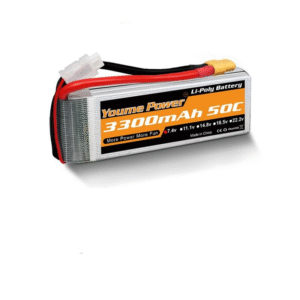
- Аккумулятор 2S 7.4V Lipo
Youme 2S Lipo батарея 7.4V 3300mah - 50C XT60 T XT90 XT150 EC3 EC5 для RC вертолет самолет лодка Quadcopter
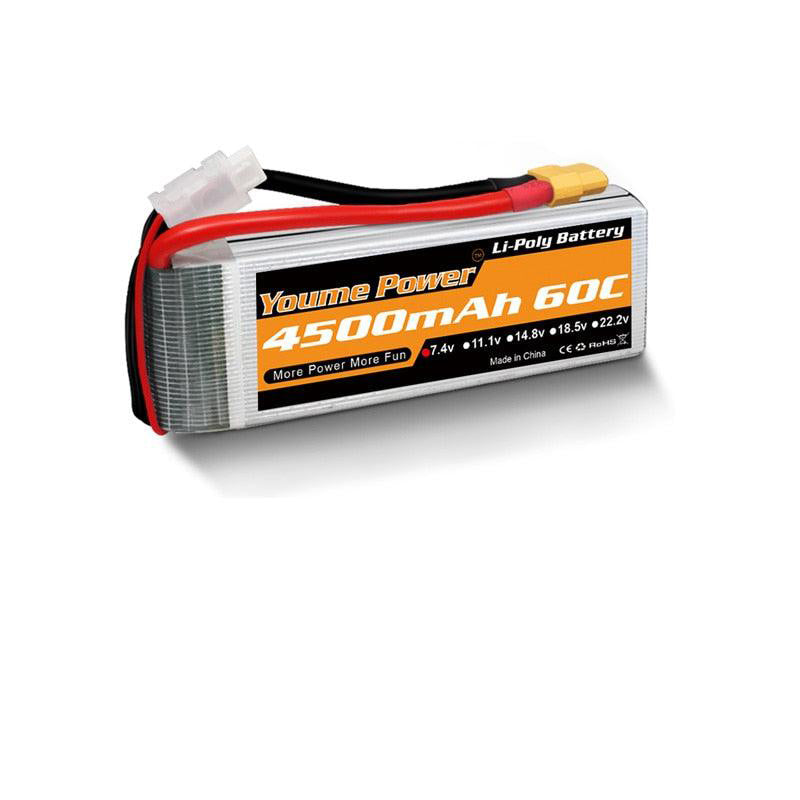
Диапазон цен: $30.82 - $59.45 - Аккумулятор 2S 7.4V Lipo
Youme 2S Lipo батарея 7.4V 4500mah - 50C XT60 T XT90 XT150 EC3 EC5 для FPV дрона RC вертолет самолет лодка Quadcopter
Диапазон цен: $41.40 - $66.99 - 50C Lipo аккумулятор
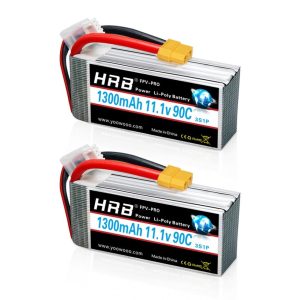
2PCS HRB 7.4V 11.1V 2S 3S Lipo Аккумулятор 1300mah 1500mah 1800mah 2200mah 2600mah 50C 60C 90C 100C XT60 T Plug RC Самолет FPV Автомобиль
Диапазон цен: $44.15 - $125.26 - 50C Lipo аккумулятор
Аккумулятор HRB 6S 22.2V Lipo - XT60 1300mah 1500mah 1800mah 2200mah 2600mah 100C 50C 30C 60C RC Parts
Диапазон цен: $46.80 - $79.35 - Аккумулятор 2S 7.4V Lipo
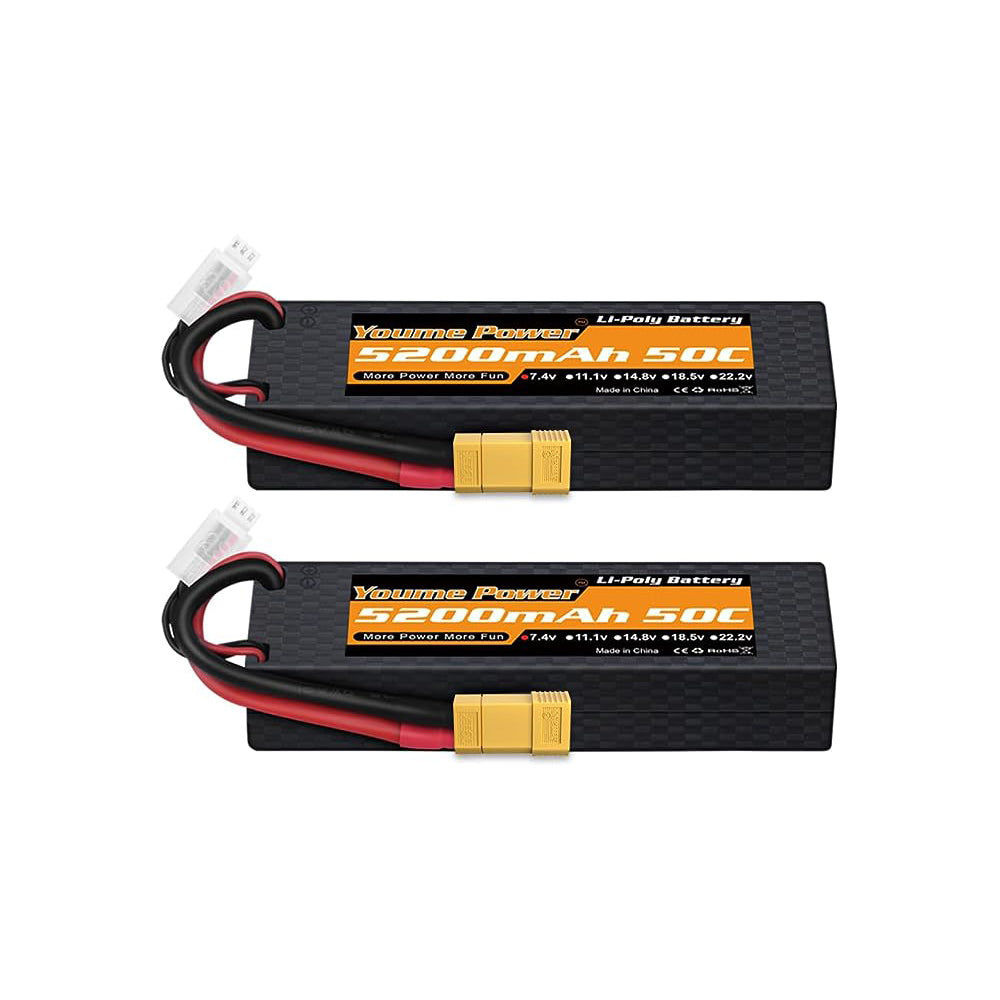
2PCS Youme Lipo 2S батарея 7.4V 5200mah - жесткий чехол 50C XT60 T XT90 XT150 EC3 EC5 для RC вертолет самолет лодка Quadcopter
Диапазон цен: $71.50 - $74.28 - 50C Lipo аккумулятор
Youme 6S 22.2V 5200mah Lipo батарея - 50C XT60 T XT90 XT150 EC3 EC5 для RC вертолет самолет лодка Quadcopter
Диапазон цен: $87.57 - $187.81
 Russian
  English
  German
  Arabic