
هوائي FPV
Maximize Your Link: High-Gain 5.8GHz & Long Range FPV AntennasIn the world of FPV, your antenna is the most critical link between your goggles and the sky. Whether you are hunting for a 5.8ghz lhcp fpv antenna for your racing quad or a high-gain long range fpv antenna for mountain surfing, the right choice determines if you see a clear image or a screen full of ‘snow.’ Our selection covers everything from ultra-durable readytosky fpv mini antennas to specialized 1.3 ghz fpv antennas for deep penetration.Use-Case Scenarios: Racing vs. Long RangeChoosing an antenna for fpv goggles depends entirely on your flight style. For fpv racing antennas, durability and omnidirectional coverage are key; you need a signal that stays consistent even when the drone is at extreme tilt angles. Conversely, long range antenna fpv setups require directional high-gain patches. If you are pushing 10km+, an antenna 20dbi fpv patch on a tracker is the gold standard, whereas a standard 5.8ghz fpv antenna stubby is perfect for bando bashing.Antenna TypeFrequency RangeBest ForTypical GainOmnidirectional5.8GHz / 2.4GHzRacing & Freestyle2.0 – 2.5 dBiPatch (Directional)5.8GHz / 900MHzLong Range / Cruising8.0 – 14.0 dBiHelical / Parabolic1.3GHz / 5.8GHzExtreme Distance12.0 – 20.0 dBiPro Engineer Tips: Avoiding Signal DropoutsBased on years of field testing, signal issues often aren’t the antenna’s fault alone. Before you swap your 5.8 g fpv antenna, check your VTX output power in your goggle settings; it might be locked in pit mode. We also recommend performing a ‘slow 360 yaw’ during your initial flight to monitor your LQ (Link Quality) and RSSI. If you experience flickering during punch-outs, your VTX might be suffering from voltage sag—consider adding a capacitor to your regulator. Most importantly, ensure your polarization matches! If you use a 5.8ghz lhcp fpv antenna on your drone but an RHCP on your goggles, you will lose up to 30dB of signal. For those building new rigs, check our New FPV Arrivals for the latest VTX/Antenna combos and grab essential Drone Tools for a clean install.Frequently Asked Questions (FAQ)What is an FPV antenna?Antennas used in FPV systems are crucial for video signal exchange and data transmission. They are employed on the transmitter (TX) and receiver (RX) sides, available in linear or circular polarized (LHCP/RHCP) formats.How do I increase the range of my FPV drone?Use High-Gain Antennas. Directional patch antennas provide much higher gain than omnidirectional ones. If your goggles support diversity, use a combination of a Patch and an Omni antenna for the best of both worlds.What are the three types of antennas?The key types include dipole (linear), patch (directional), and helical/parabolic (high-gain). Dipoles are common for basic kits, while patches are the go-to for antenna fpv high gain requirements.Is 16/9 or 4:3 better for FPV?4:3 is generally preferred for FPV flying because it provides more vertical FOV. This is vital when your drone tilts forward, allowing you to see the horizon clearly while speeding up.Does mounting orientation matter?Yes. For max range, antennas should be parallel. If you use a T-antenna on your TX, ensure your RX antennas are oriented to match that polarization plane during flight to avoid ‘null zones.’
- جهاز إرسال واستقبال الطائرة بدون طيار
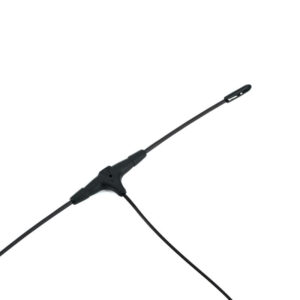
سلسلة هوائيات TBS Crossfire Antenna Series Immortal T Antenna V2 Extended / هوائي Tx V2 الموسع / هوائي Tx V2 المضبوط / هوائي Tx V2 الخالد T V2 / هوائي Rx الصغير / هوائي Tx المضبوط 90DEG
النطاق السعري: من $6.90 إلى $25.90 - جهاز إرسال واستقبال الطائرة بدون طيار
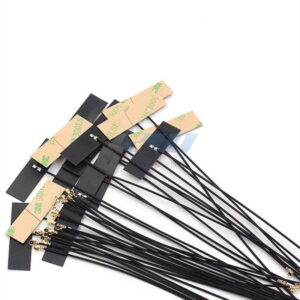
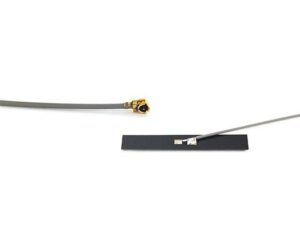
5 PCS/LOT WiFi 2.4G WiFi 2.4G عالي الكسب 5dbi، هوائي مرن مرن FPC ناعم مدمج وحدة ZigBee Bluetooth Module IPEX1/IPEX4-K Patch Antenna 5dBi
النطاق السعري: من $7.05 إلى $16.46 - جهاز إرسال واستقبال الطائرة بدون طيار
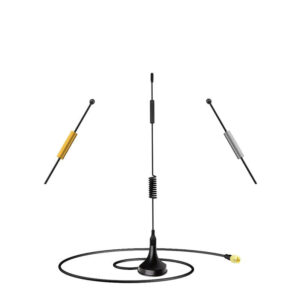
هوائي لاسلكي 2.4 جيجا هرتز 3 ديسيبل باي واي فاي 2.4 جيجا هوائي 2.4 جيجا هوائي، SMA-KY، ذكر موجه لاسلكي + 17 سم PCI U.FL IPX إلى SMA-KY، كابل ضفيرة ذكر ESP8266 ESP32
النطاق السعري: من $7.26 إلى $7.30 - سلسلة 5.8 جيجا هرتز
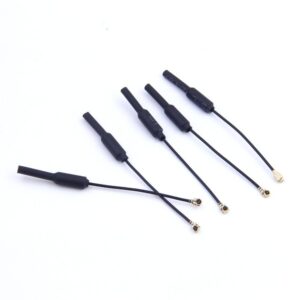
5.8G 5.8G 3DB UFL IPEX Omni Directional 70mm Brass Brass Soft FPV Antenna لسباق الطائرات بدون طيار RC FPV Quadcopter Racing Freestyle Tinywhoop Drones DIY Parts
النطاق السعري: من $7.42 إلى $10.70 - جهاز إرسال واستقبال الطائرة بدون طيار
هوائي 868 ميجا هرتز LoRa هوائي واي فاي 915 ميجا هرتز هوائي طويل المدى لـ 923 ميجا هرتز RP SMA ذكر هوائي هيليوم مينر داخلي منخفض SWR
النطاق السعري: من $8.04 إلى $12.28 - جهاز إرسال واستقبال الطائرة بدون طيار
2.4 جيجا هرتز 2.4 جيجا هرتز هوائي موجه لاسلكي 2.4 جيجا هرتز هوائي صغير 2.4 جيجا هوائي لوحدة لاسلكية ZigBee SMA ذكر 2.4 جيجا هوائي صغير للإنترنت المنزلي
النطاق السعري: من $8.08 إلى $9.74 - جهاز إرسال واستقبال الطائرة بدون طيار
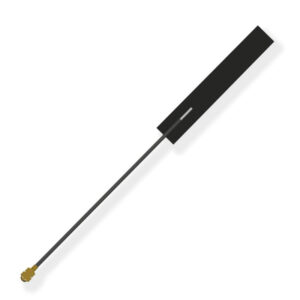
10 قطع / لوت TX2400-PCB-5010 CDEBYTE هوائي ثنائي الفينيل متعدد الكلور 2.4 جيجا هرتز واجهة IPEX 50Ω مقاومة كسب 2.0 ديسيبل باي 2.4G
$8.13 - ملحقات DJI
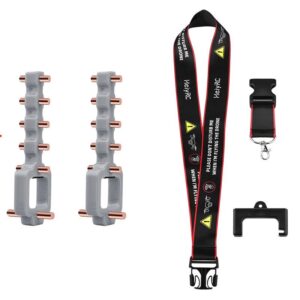
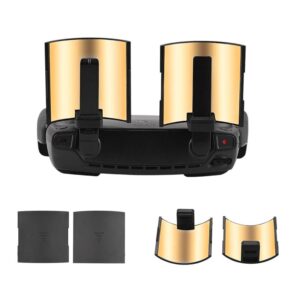
Yagi Antenna Signal Booster Strengthen for DJI Mavic 3/Air 2/2S Mini 2 Drone Remote Controller Signal Range Extender Accessory
النطاق السعري: من $8.73 إلى $11.18 - جهاز إرسال واستقبال الطائرة بدون طيار
هوائي TBS Tracer Flex Dipole Rx Antenna / هوائي TBS Tracer ثنائي القطب Rx / هوائي TBS Tracer Immortal T / هوائي Tracer ثنائي القطب Rx بأكمام Tracer / هوائي أحادي القطب Rx
$8.90 - سلسلة 5.8 جيجا هرتز
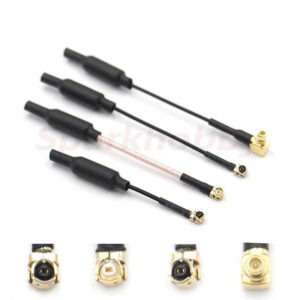
5 قطع سباركهوبي 5.8G هوائي أنبوب نحاسي لنقل الصور 5.8G هوائي أنبوب نحاسي صغير جداً FPV لمنفذ FPV صغير لجهاز إرسال الفيديو RC طائرات بدون طيار كوادكوبتر
النطاق السعري: من $9.17 إلى $10.99 - جهاز إرسال واستقبال الطائرة بدون طيار
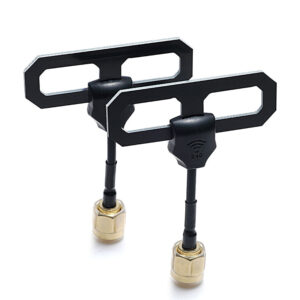
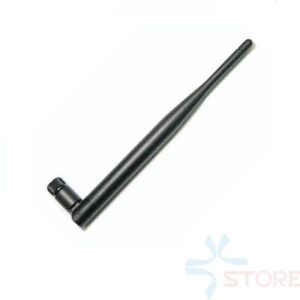
استبدال هوائي 2.4G 4.18DBI T طويل المدى لهوائي 2.4G 4.18DBI T طويل المدى لجهاز التحكم عن بعد للتحكم عن بعد للطائرة بدون طيار RC FPV
$9.37 - جهاز إرسال واستقبال الطائرة بدون طيار
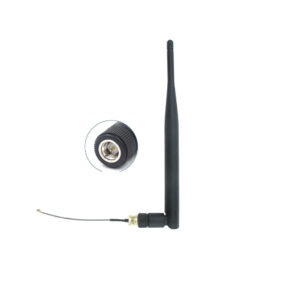
هوائي لاسلكي خارجي 2.4 جيجا هرتز 2.4 جيجا هرتز 5.8 جيجا هرتز ثنائي النطاق 5 جيجا هرتز لجهاز التوجيه اللاسلكي 2.4 جيجا هرتز مع كابل محول IPEX IPX Pigtail
النطاق السعري: من $9.46 إلى $10.11 - سلسلة 5.8 جيجا هرتز
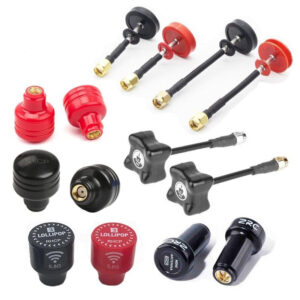
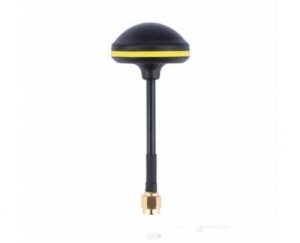
5.8G FPV Antenna Pagoda 2/Lollipop 4/BlackSheep/Stubby Antenna SMA/RP-SMA/MMCX/UFL موصل لجزء طائرة بدون طيار لسباق الطائرات بدون طيار RC FPV Racing
النطاق السعري: من $9.46 إلى $12.27 - جهاز إرسال واستقبال الطائرة بدون طيار
820 ميجا هرتز - 960 ميجا هرتز RPSMA هوائي متعدد الاتجاهات 5DBI ل XBee PRO 900HP و XTEND Micorhard P900
النطاق السعري: من $9.49 إلى $20.24 - جهاز إرسال واستقبال الطائرة بدون طيار
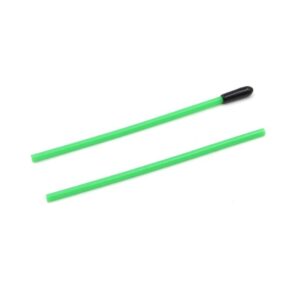
10pcs 2.4G Receiver Antenna Protective Tube Length 90mm OD 3.1mm ID 1.5mm Parts for RC Micro Drone
$9.64 - ملحقات DJI
Remote Controller Signal Booster for DJI Mavic Mini 1/SE Air 2 Pro Zoom Drone Accessories Antenna Amplifier Range Extender Part
النطاق السعري: من $9.73 إلى $13.27 - جهاز إرسال واستقبال الطائرة بدون طيار
868 MHz Antenna Omnidirectional 5dBi External Antennas 868MHz SMA Male Connector Foldable Mini LoRa 868M Antenne Wireless module
النطاق السعري: من $9.94 إلى $10.89 - سلسلة 915 ميجا هرتز
iFlight Defender 25 Micro Receiver Antenna – with ELRS 2.4GHz / ELRS 868MHz/915MHz / VTX Antenna with Landing Skids for FPV parts
النطاق السعري: من $9.97 إلى $25.86 - سلسلة 1.2 جيجا هرتز
1.2G 3DBi Omnidirectional Antenna SMA Male for Wireless Audio/Video Tranmitter Receiver LawMate FPV
النطاق السعري: من $10.07 إلى $16.15 - جهاز إرسال واستقبال الطائرة بدون طيار
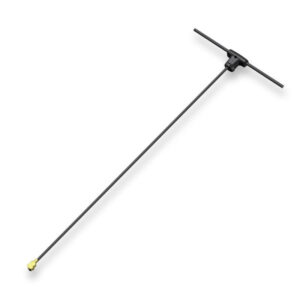
2 قطعة 915 ميجا هرتز 915 ميجا هرتز MINI T-type T IPEX 1 IPEX 4 هوائي استقبال لجهاز استقبال TBS CROSSFIRE جهاز استقبال Frsky FRSKY R9mm FPV RPV سباق الطائرات بدون طيار حرة
$10.51


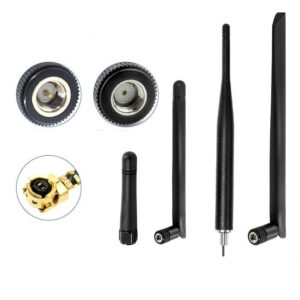
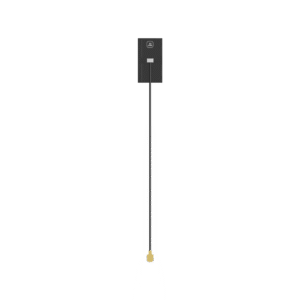


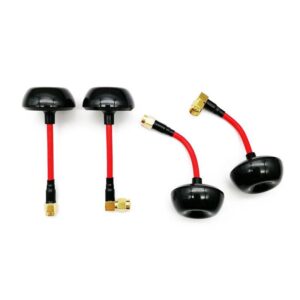
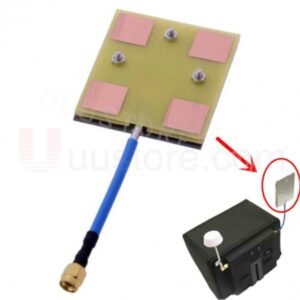
 Arabic
  English
  Russian
  German