
طائرة Atomrc ذات الأجنحة الثابتة
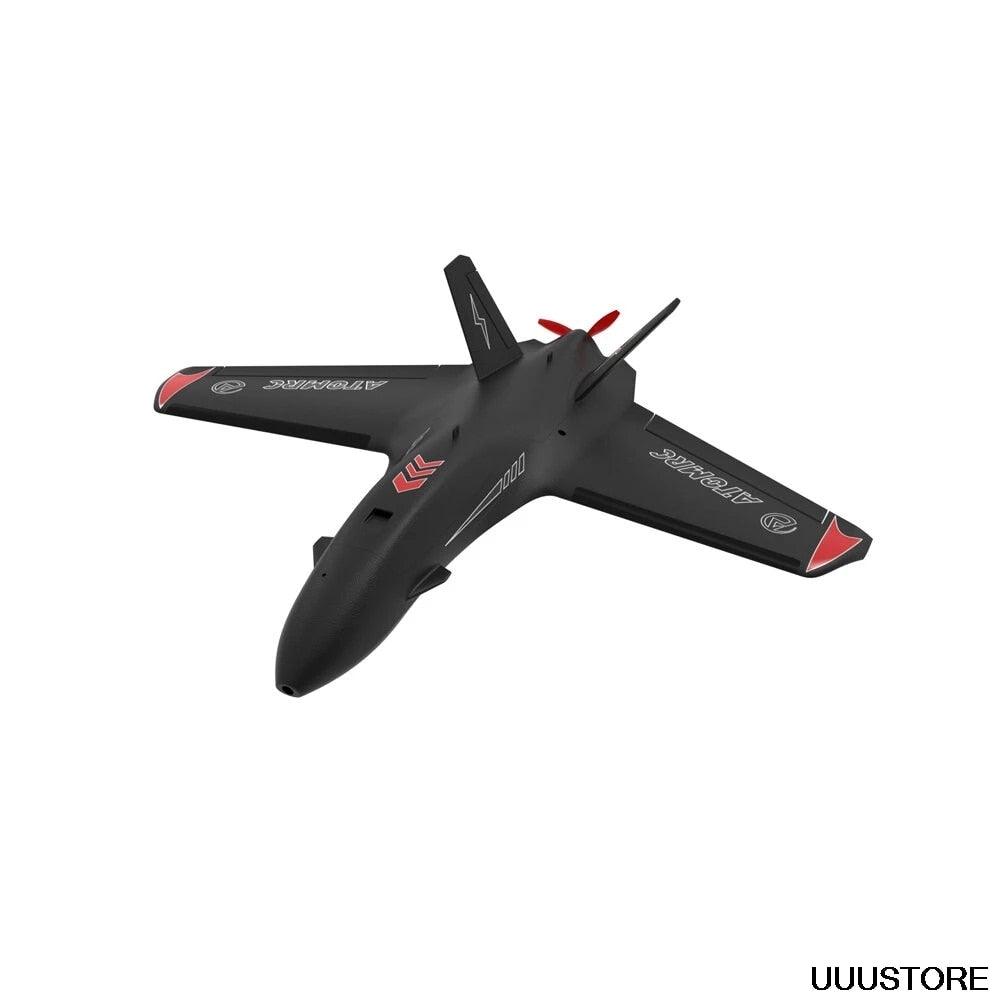
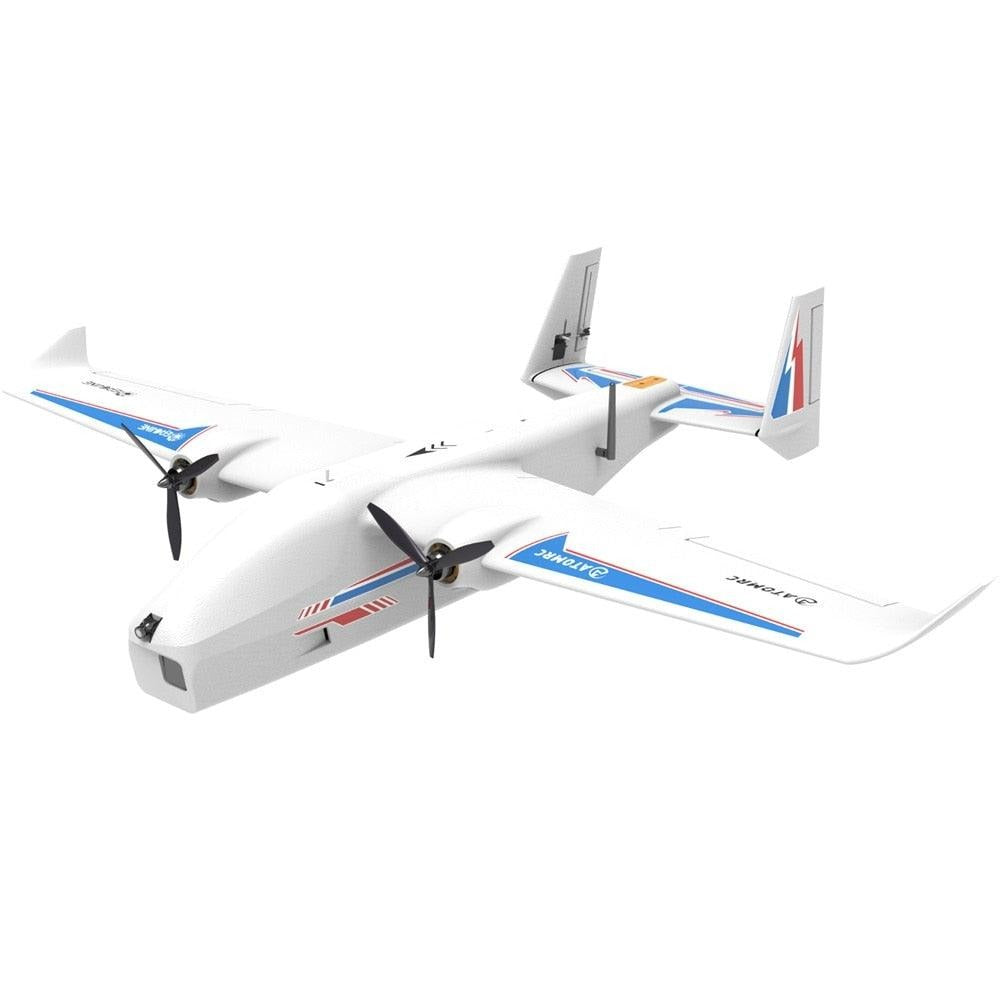
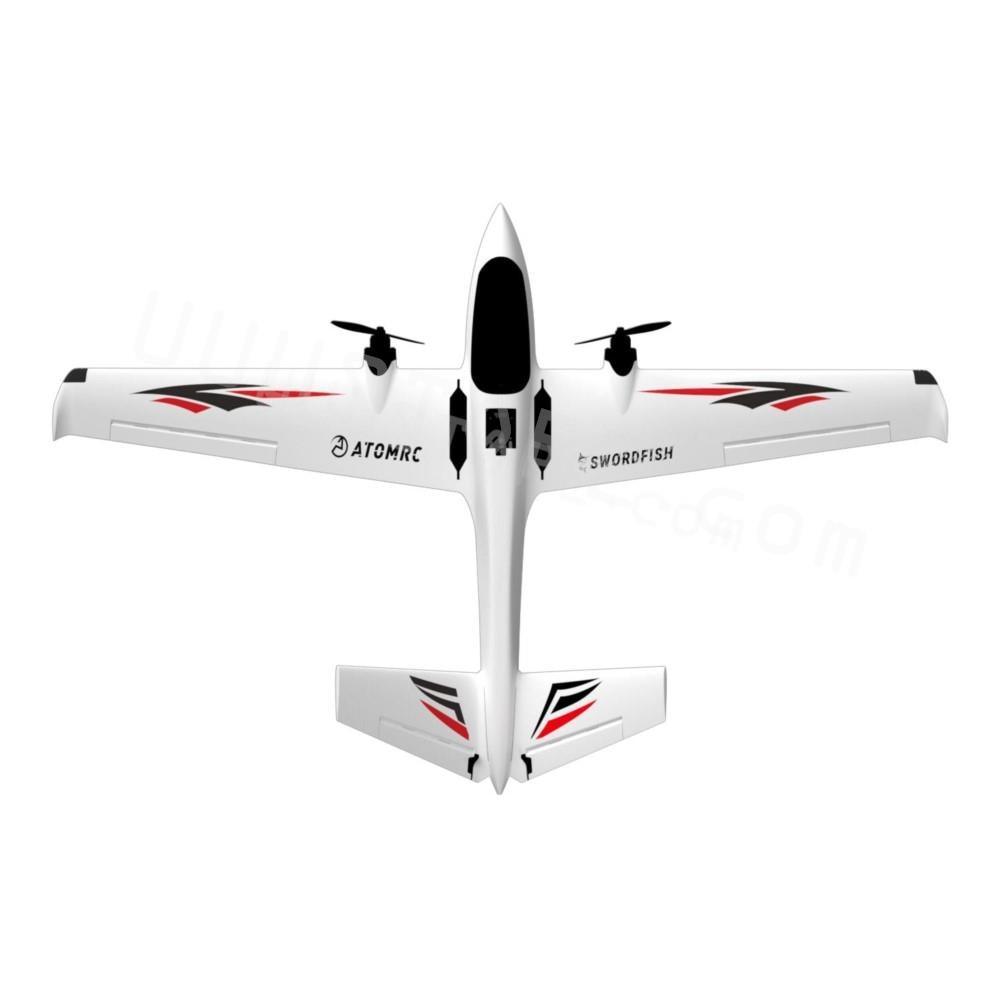
Master Long-Range Exploration with ATOMRC Aerodynamic EfficiencyStop worrying about 5-minute flight times. ATOMRC fixed-wing airplanes are engineered for pilots who crave 45-60 minute missions and the thrill of 20-30km aerial exploration. Utilizing high-density EPP airframe technology, these planes offer a level of aerodynamic efficiency and crash resilience that multirotors simply can’t match. Whether you are chasing clouds or skimming the terrain, ATOMRC provides the perfect platform for your next FPV adventure.Fixed-Wing Mission Profiles: Racing vs. Long RangeChoosing the right ATOMRC airframe depends on your mission profile. For high-speed proximity and ‘bando’ bashing, the Atomrc Dolphin is the gold standard; its forward-swept wing design provides incredible agility. However, if you’re looking for stable, twin-motor reliability for long-distance mapping or HD filming, the Atomrc Swordfish أو Killer Whale are the superior choices. These models feature dedicated internal bays for GPS and flight controllers, making them perfect candidates for New FPV Arrivals in the autonomous flight space.ModelWingspanConfigurationBest ForAtomrc Dolphin845mmSingle Motor PusherHigh-Speed Proximity / AcroAtomrc Swordfish1200mmTwin MotorLong Range / Stable HD VideoAtomrc Killer Whale1250mmTwin Motor / Large BayHeavy Payload / Long EnduranceThe Reality of the Build: Expert Insights & Reddit FeedbackTransitioning from FPV quads to fixed-wing can be a steep learning curve. While ATOMRC planes are highly regarded, the community on Reddit often points out that the Dolphin Pro can be a bit of a ‘pain to set up’ for perfectly smooth flight without the right CG (Center of Gravity) adjustments. As a senior engineer, my advice is to invest in quality Drone Tools for precise assembly. Unlike quads, a fixed-wing’s performance is 90% physics and 10% software. Ensure your linkages are slop-free and your 4S Li-Ion battery pack is secured to prevent center-of-gravity shifts mid-flight.Pros and Cons of ATOMRC AirframesPros: High-density EPP foam is nearly indestructible and easily repairable with contact cement; superior flight times (up to 60 mins); modular PNP/KIT versions.Cons: Larger wingspans can be difficult to transport; fixed-wings require a dedicated take-off/landing area compared to quads.Expert Tips for INAV & GPS SetupTo get the most out of your ATOMRC plane, I highly recommend an INAV-capable flight controller like the F405 NAVI. Setting up GPS Return-to-Home (RTH) is your best insurance policy against video signal loss. Always perform a ‘toss test’ in an open field to check your trims before engaging auto-launch modes. If you’re coming from quads, remember: you can’t hover! Maintain your airspeed to avoid tip stalls, especially during those low-altitude proximity runs.Frequently Asked QuestionsWhat are the benefits of choosing an ATOMRC fixed-wing plane for long-range FPV?Compared to multirotors, ATOMRC fixed-wing planes like the Dolphin offer superior aerodynamic efficiency, allowing for flight times of 45-60 minutes on a single battery. Their high-density EPP airframes are optimized for long-distance cruising and stable aerial exploration, making them the preferred choice for 20-30km missions.How does the EPP foam construction of ATOMRC planes improve durability?ATOMRC uses specialized EPP (Expanded Polypropylene) which is significantly more resilient than standard EPO foam. In the event of a crash, EPP absorbs the impact and maintains its structural integrity. It is easily repairable with contact cement or hot glue, ensuring pilots spend more time in the air.Which version should I buy: ATOMRC KIT, PNP, or FPV?The KIT version is for DIY experts who want to choose their own electronics. The PNP (Plug and Play) version comes with pre-installed motors, ESCs, and servos, requiring only your own receiver and battery. The FPV version is the most complete, including a pre-configured camera and Video Transmitter (VTX).Can I install a GPS and flight controller for autonomous RTH on ATOMRC planes?Absolutely. Most ATOMRC fixed-wing models feature dedicated internal bays designed to house flight controllers. When paired with GPS and firmware like INAV or ArduPilot, these planes support full autonomous Return-to-Home (RTH), auto-launch, and waypoint mission capabilities.
- أتومرك
2023 ATOMRC Killer Whale RC Airplane 1255mm Wingspan AIO EPP FPV Plane With Camera Mount UAV Aircraft KIT/PNP/FPV RC Toys
النطاق السعري: من $153.80 إلى $312.89 - طراز إيرباص
ATOMRC Swordfish Fixed Wing Aircraft – 1200mm Fixed Wing Wingspan RC Airplane KIT PNP FPV PNP Outdoor Hobby Toys for Children
النطاق السعري: من $172.89 إلى $382.53
 Arabic
  English
  Russian
  German