
مروحة GEPRC
Elevate Your Flight Precision with High-Performance GEPRC Propellers
As a senior FPV engineer, I’ve seen how the right blade profile can transform a sluggish quad into a locked-in racing machine. Whether you are building a micro whoop using 65mm and 2.5inch propellers GEPRC or a full-scale freestyle rig, choosing the right pitch and diameter is critical. When assembling your next طقم إطار FPV, the propeller is your primary interface with the air—don’t treat it as an afterthought.
GEPRC Propeller Comparison Table
Propeller Model
Best For
Key Characteristic
65mm / 2.5 Inch
CineWhoops & Micros
High efficiency for GEPRC 2inch propeller guard setups.
GEPRC 5040 V2 (5 Inch)
Freestyle/Racing
Balanced 3-blade design for smooth cornering.
GEPRC vs HQ Propeller
Tuning Preference
GEPRC offers slightly more durability in crashes.
Pro-Tips for Propeller Maintenance and Safety
Based on common community pain points, many pilots struggle with props flying off during high-throttle punch-outs. If you notice a motor suddenly hitting 100% while the drone tumbles, you likely lost a prop nut. Always use high-quality Drone Tools to ensure your nylon-insert locknuts are tightened securely. For micro builds where press-fit props are loose, a tiny dab of E6000 or even dental floss can increase friction on the motor shaft.
Furthermore, never plug in your battery to check motor direction in Betaflight without removing your GEPRC propellers L R first. Freshly built motors can rotate violently upon arming if the firmware or orientation isn’t correctly flashed, leading to injury or damage.
Powering Your Propulsion
To maximize the thrust of the GEPRC 5040 V2 5 inch 3 blade propeller, your power delivery must be flawless. Aggressive props require a high-discharge بطارية ليبو 100C to prevent voltage sag during technical maneuvers. A weak battery will limit the propeller’s ability to ‘bite’ the air, resulting in a ‘washy’ feel during prop wash recovery.
Frequently Asked Questions
How do I know what size propeller I need for my drone?
For your drone to hover effectively, the propeller must produce at least 1 gram of thrust for every gram of total drone weight. For freestyle or racing, you generally want a thrust-to-weight ratio of at least 4:1 or higher.
What is the best material for drone propellers?
Polycarbonate is the industry standard for FPV because it is durable and bends rather than shattering. While carbon fiber is stiff and wood is traditional for large UAVs, fiberglass-filled nylon offers a middle ground for those seeking less vibration.
Does a bigger diameter prop increase speed?
Larger diameter propellers generally provide better acceleration (low-end ‘punch’) because they move more air. However, they can sometimes limit top-end speed due to increased drag and the torque limits of the motor.
What does ‘1045’ propeller mean?
The first two digits (10) represent the diameter in inches, and the last two (45) represent the pitch. In the FPV world, you’ll more commonly see GEPRC props labeled like ‘5040’, meaning a 5-inch diameter with a 4.0-inch pitch.
- ملحقات الدرون
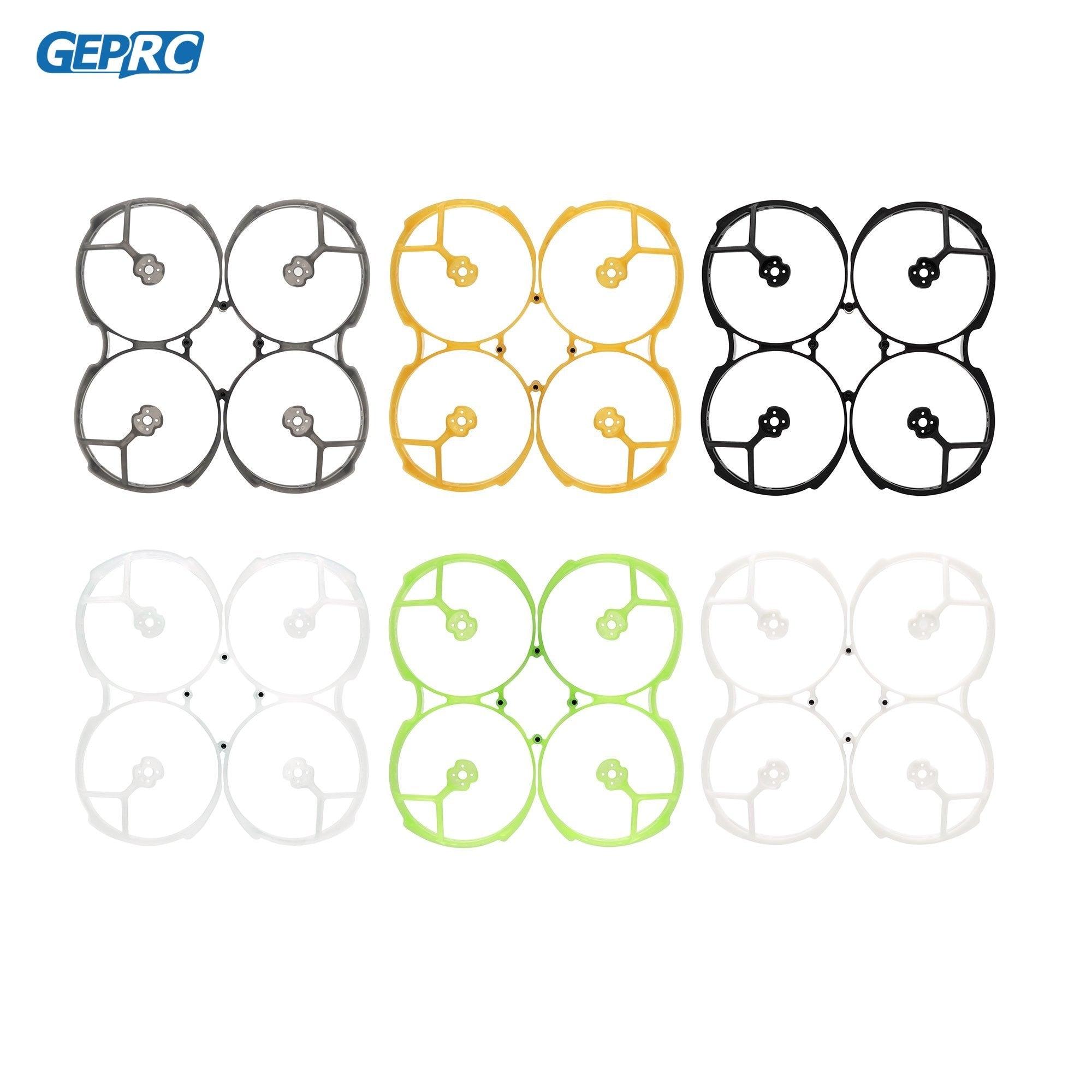
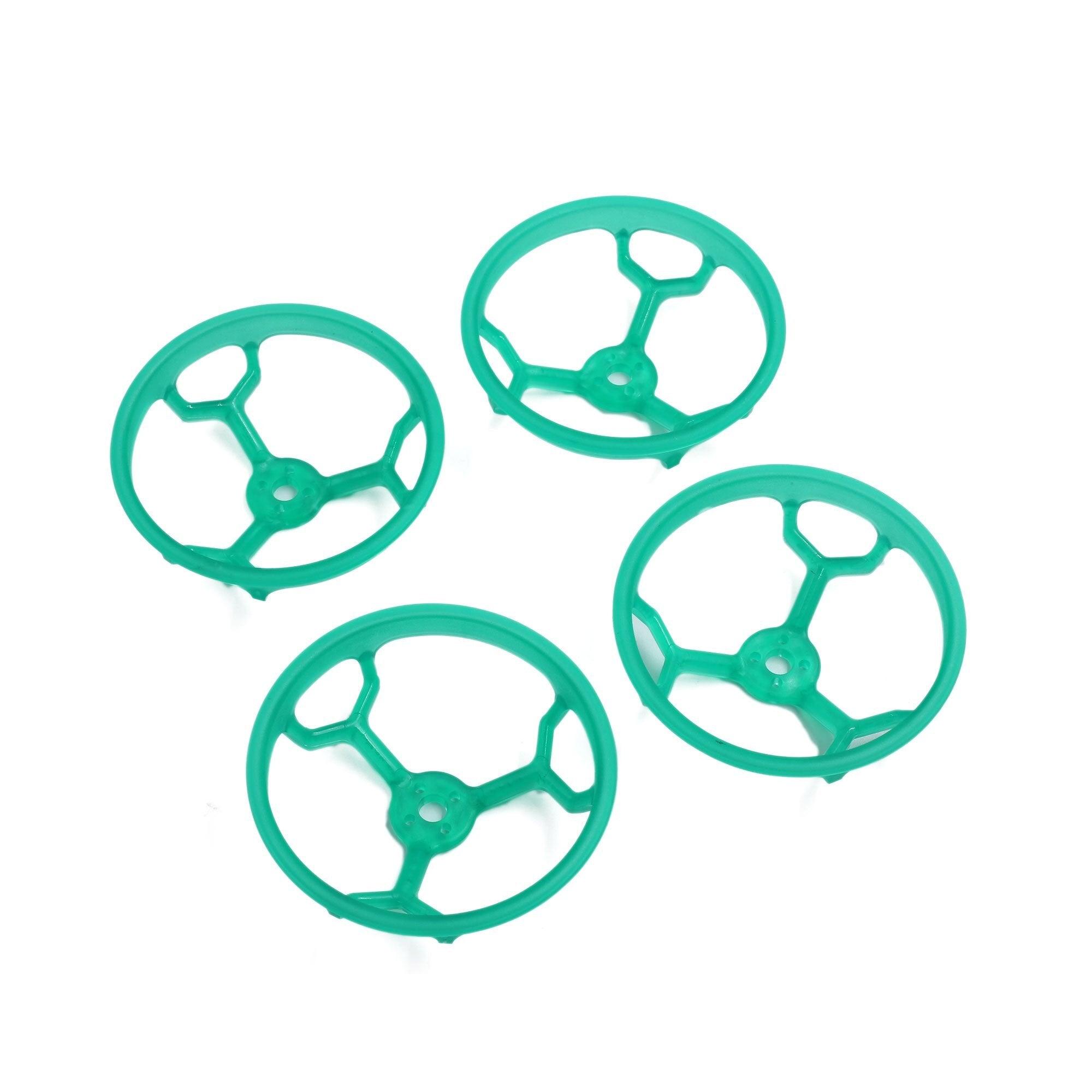
واقي المروحة GEP-CL35 من GEPRC - أجزاء إطار مناسبة للطائرة بدون طيار من سلسلة Cinelog35 لملحقات استبدال المروحية الرباعية FPV الرباعية التي تعمل بنظام التحكم عن بعد (RC FPV)
النطاق السعري: من $18.97 إلى $19.87
 Arabic
  English
  Russian
  German