
بطارية FPV
High-Discharge Power Cells: Pro-Grade 6S & 4S FPV Drone Batteries
Stop settling for voltage sag during punch-outs. Whether you are pushing a 5-inch freestyle rig to its limits or looking for a reliable dji fpv battery, your power source is the heart of your propulsion system. Our selection of 6s battery fpv و fpv lipo battery options are engineered for low internal resistance (IR) and maximum cycle life, ensuring you have the current needed for aggressive maneuvers without killing your cells prematurely.
Technical Specifications & Performance Metrics
Battery Type
الجهد الاسمي
Ideal Application
Discharge Rate (C)
6S LiPo (1300-1500mAh)
22.2V
5″ Racing/Freestyle
100C – 150C
4S LiPo (450-850mAh)
14.8V
Micro/Toothpick Drones
70C – 100C
6S Li-ion (21700)
21.6V
Long Range / Cinematic
35A – 45A
DJI FPV Intelligent
22.2V
DJI FPV Ecosystem
Proprietary
Engineering Analysis: Discharge Curves and IR Stability
As a senior engineer, I’ve seen countless pilots ruin packs by ignoring Internal Resistance (IR). High IR readings off a charger are a leading indicator of a failing cell; while they shouldn’t be used in isolation, drifting IR over time means your fpv drone battery is losing its ability to deliver current. For high-performance racing, a 100C LiPo is mandatory to handle rapid bursts, whereas a 50C pack is sufficient for casual cruising.
A common mistake in the community—often discussed on Reddit—is pushing cells past their limits. You should aim to land when your battery is around 3.5V per cell to avoid permanent chemical degradation. If you’re building a long-range rig, the 21700 Li-ion cell is the gold standard, offering significantly higher energy density than 18650s. However, be wary of voltage behavior on Li-ion packs; they sag more under load but can be discharged much lower than LiPos. To keep your gear safe, always use high-quality Battery Straps and store your packs in Fireproof Bags. When it’s time to juice up, utilize precision Balance Chargers to ensure cell parity.
FPV Battery Frequently Asked Questions
What battery should I get for my FPV drone?
For most 5-inch FPV racing drones, a 6S LiPo battery (22.2V nominal) is recommended if your motors and ESCs are rated for it. For smaller or lightweight whoops, a 4S battery (14.8V nominal) is better to maintain agile handling and a lower weight-to-power ratio.
What is the battery life of a FPV drone?
The average flight time for a freestyle battery for fpv drone is about 5-7 minutes. This depends heavily on throttle management and drone weight. Larger capacity Li-ion batteries used for long-range cruising can extend this up to 20 minutes or more.
Which is better 18650 or 21700 for drones?
The 21700 cell is generally superior for modern UAVs. It offers a higher energy density (Wh/kg) compared to the 18650, allowing for longer runtimes and higher discharge current, which is critical for maintaining control during the end of a flight.
What’s the difference between a 50C and 100C LiPo battery?
The “C” rating refers to the discharge rate. A 50C LiPo is a moderate-high discharge rate suitable for general flying. A 100C LiPo battery is a high-performance option designed for racing, providing the rapid bursts of current needed for aggressive maneuvers without significant voltage sag.
What should I do if my dji fpv battery is not charging?
Common dji fpv battery problems include the battery entering “hibernation mode” if left discharged for too long. Ensure you are using the official dji fpv battery charger أو dji fpv battery charging hub. If the LEDs do not light up, the battery may have a failed cell or a tripped protection circuit.
- طارية ليبو 1S 3.7 فولت
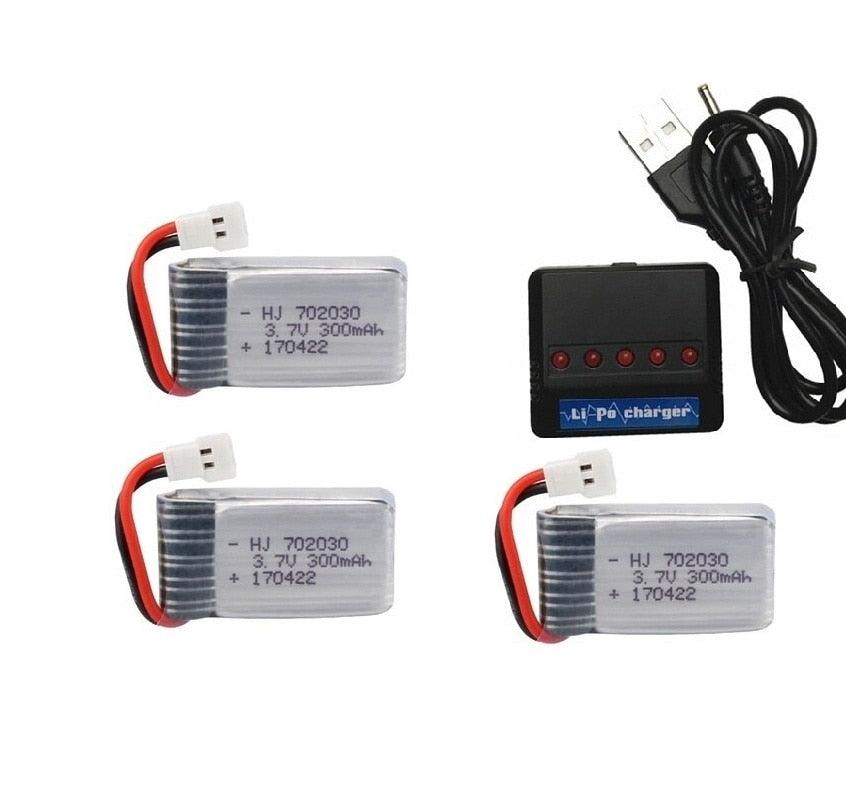
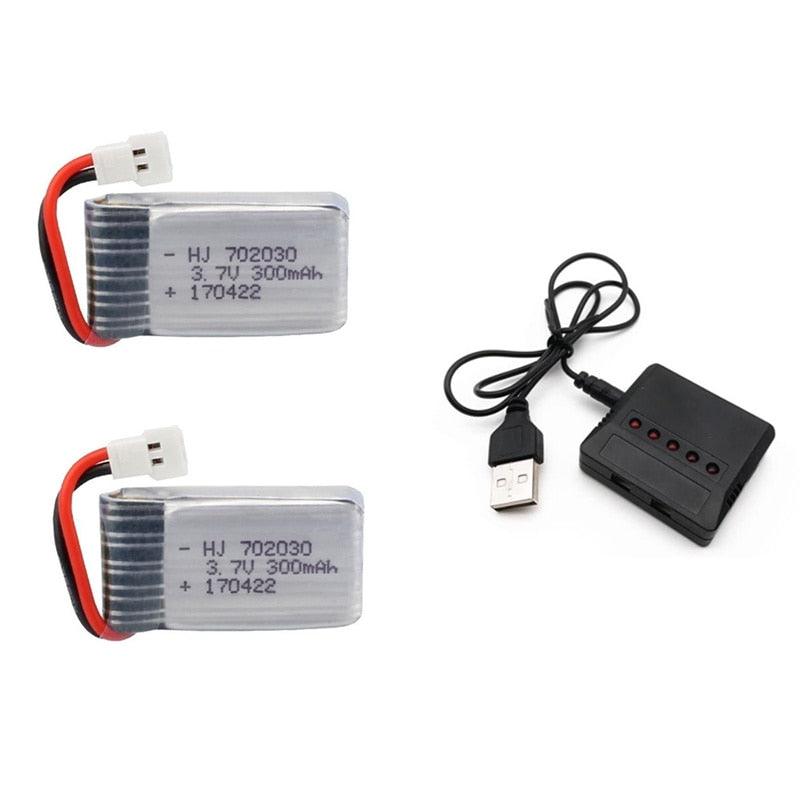
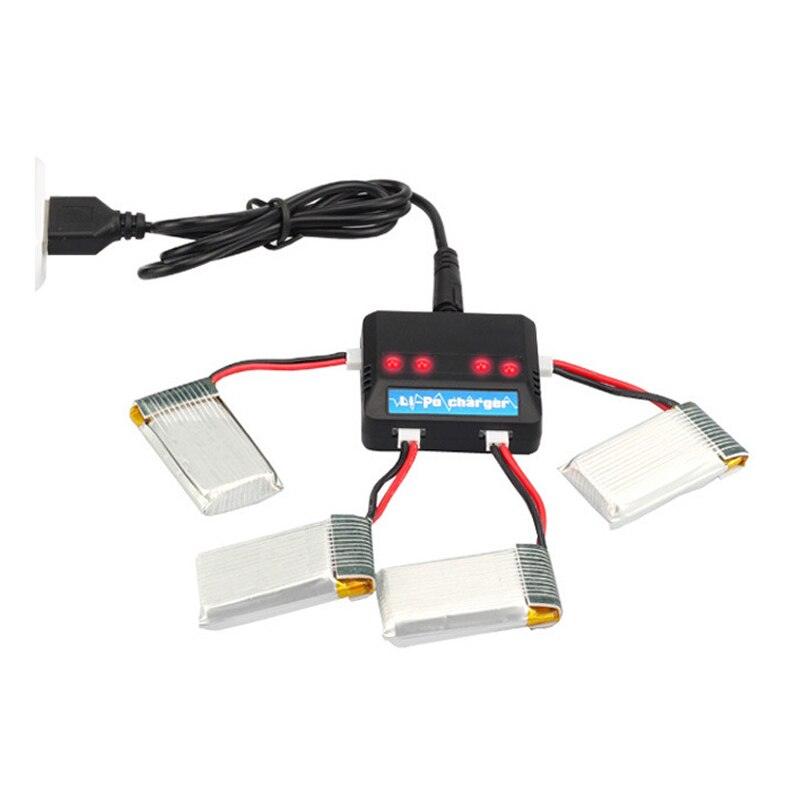
بطارية ليبو 3.7 فولت 300 مللي أمبير مع شاحن 5 في 1 لبطارية Udi U816 U816 U830 F830 F180 E55 FQ777 FQ17W Hubsan H107 Syma X11C FY530 RC Drone
النطاق السعري: من $4.93 إلى $15.71 - طارية ليبو 1S 3.7 فولت
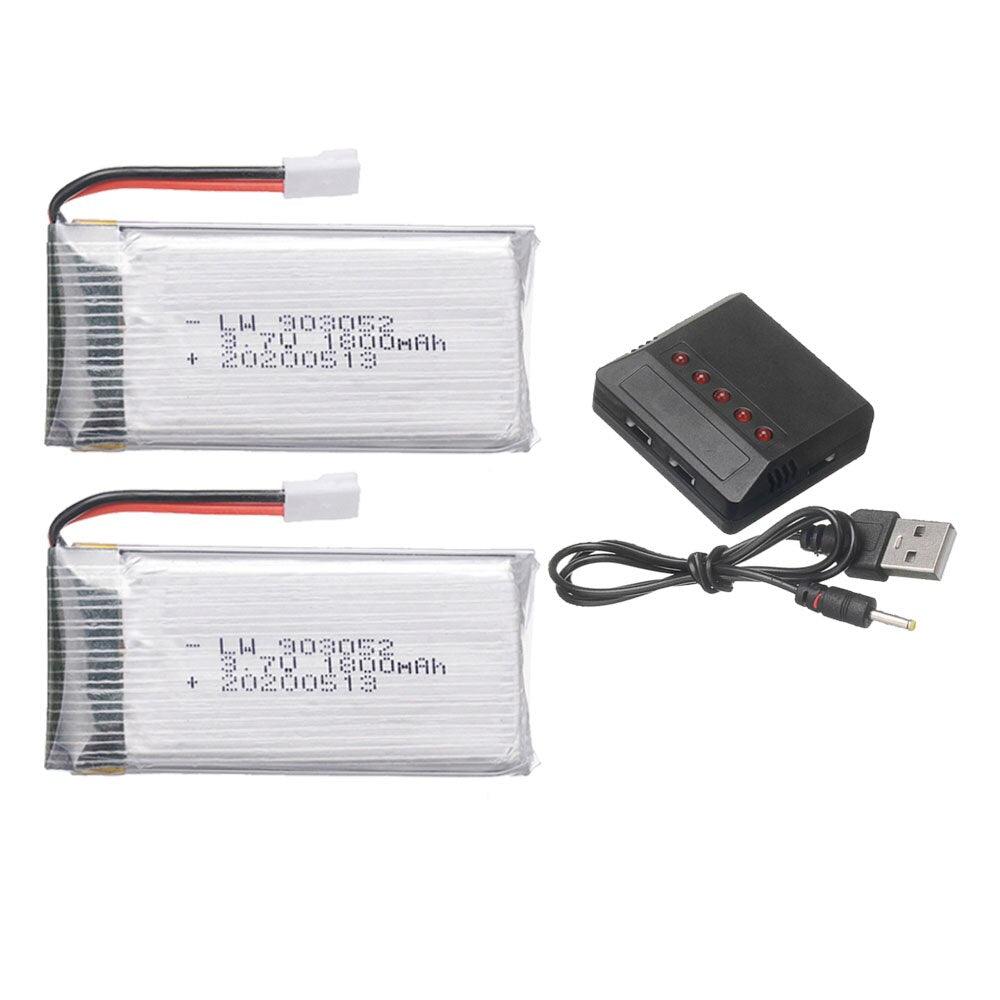
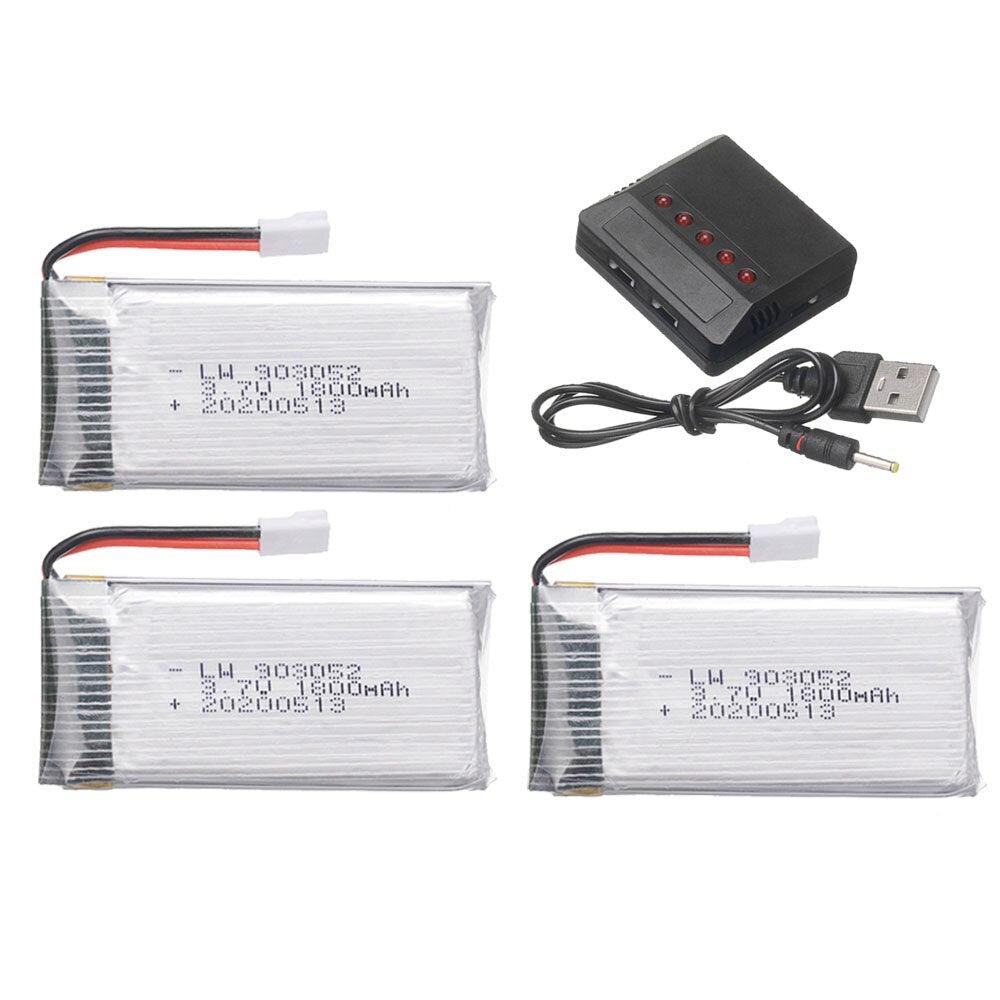
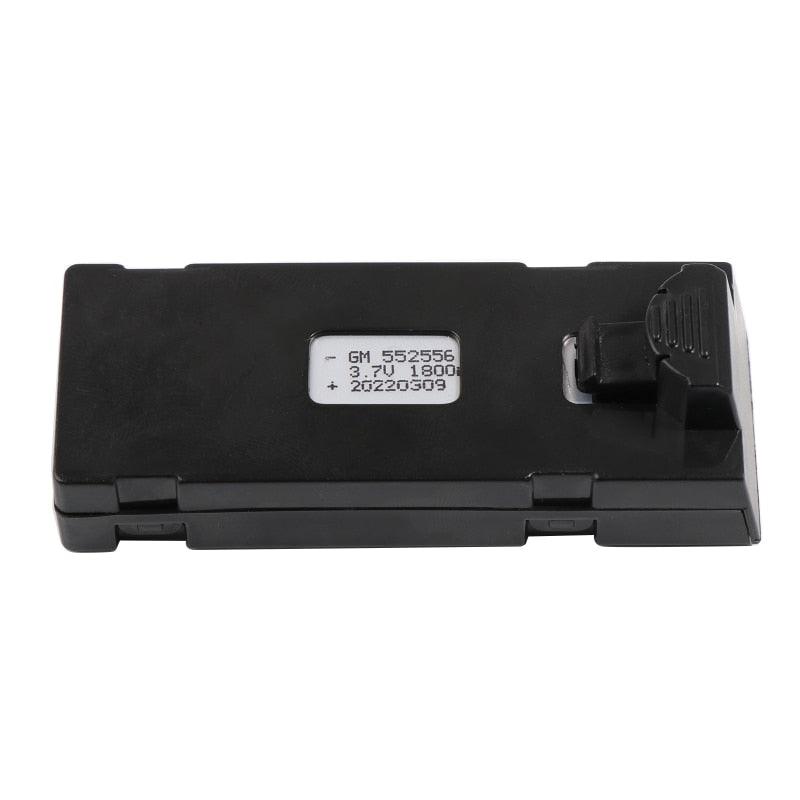
3.7 فولت 1800 مللي أمبير 903052 بطارية وشاحن ليبو 3.7 فولت 1800 مللي أمبير 903052 لقطع غيار المروحية الرباعية طراز Syma X5 X5 X5C X5SW X5SC X5SC X5S X5S X5SC-1 M18 H5P RC Quadcopter 3.7V بطارية طائرة بدون طيار
النطاق السعري: من $5.32 إلى $34.67 - طارية ليبو 2S 7.4 فولت
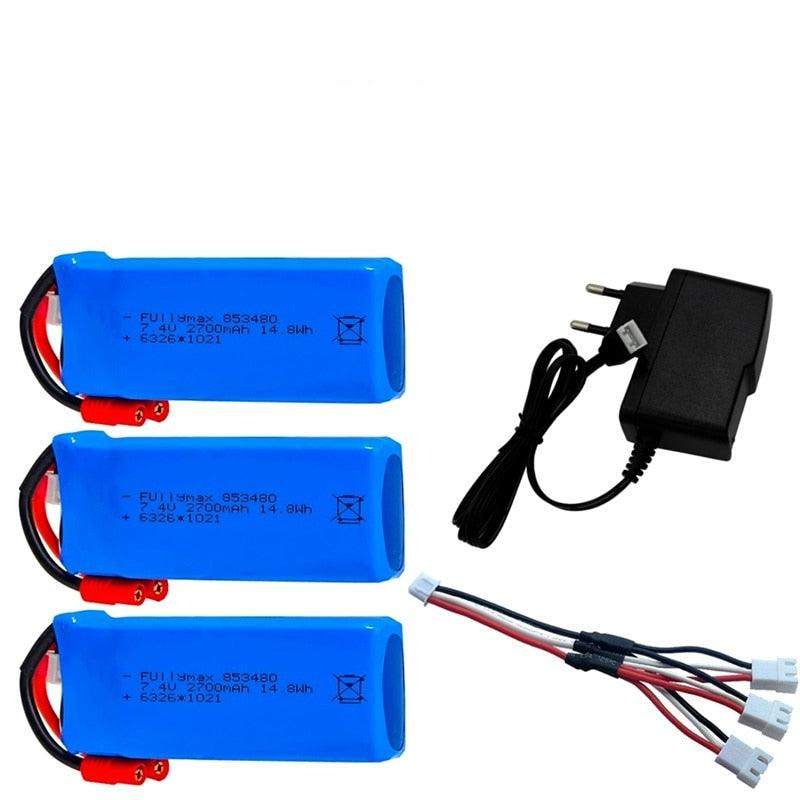
بطارية ليبو قابلة للشحن 7.4 فولت 2700 مللي أمبير في الساعة مع شاحن USB 7.4 فولت لطائرات Syma X8C X8W X8G X8G X8 RC بدون طيار كوادكوبتر 2S 903480
النطاق السعري: من $5.36 إلى $41.15 - بطارية الطائرة بدون طيار
بطارية ترقية لبطارية الطائرة بدون طيار SYMA X21 X21W X21W x26 X26A قطع غيار لملحقات المروحية الرباعية RC كوادكوبتر 3.7 فولت 380 مللي أمبير مع شاحن 5 في 1
النطاق السعري: من $5.99 إلى $34.77 - طارية ليبو 2S 7.4 فولت
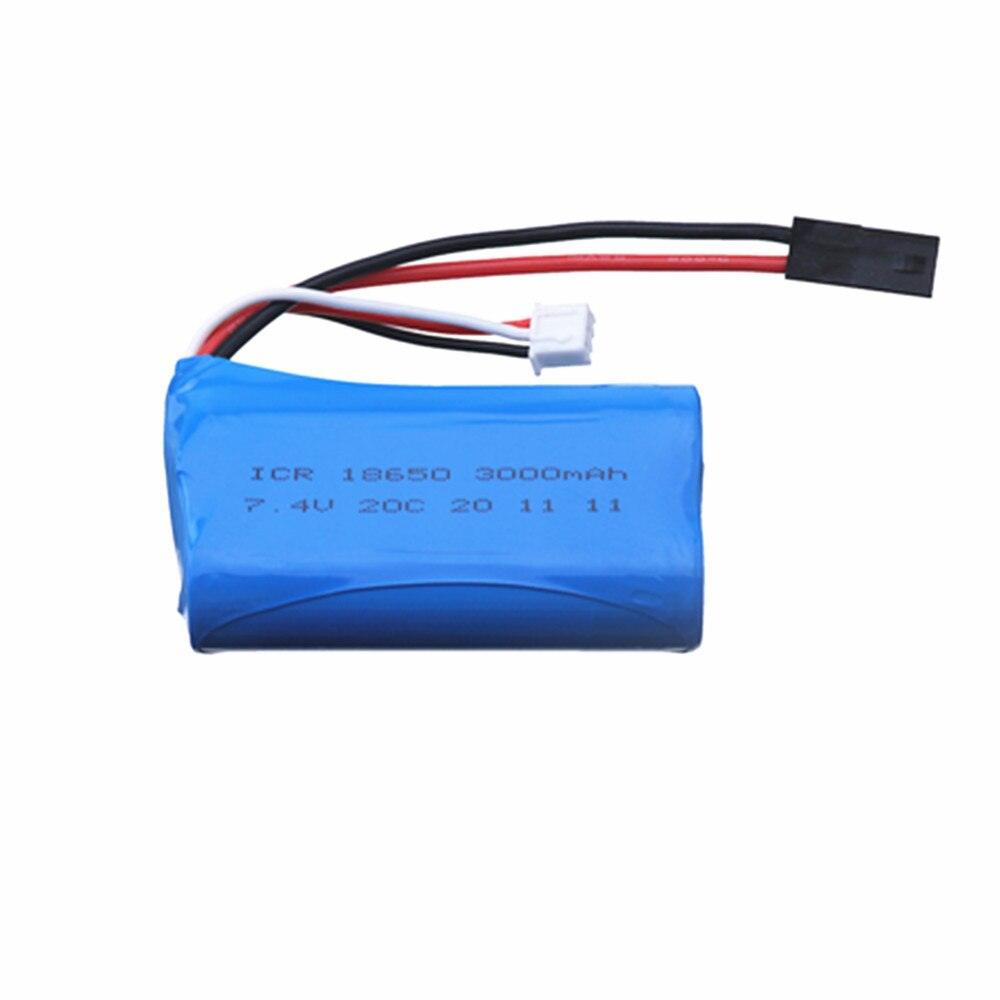
7.4 فولت 3000 مللي أمبير بطارية ليبو 18650 لبطارية MJX T40 T40 T40C F39 F49 T39 Syma 822 RC هليكوبتر بدون طيار جزء ل BG1518 BG1513 BG1515
النطاق السعري: من $6.74 إلى $47.03 - طارية ليبو 1S 3.7 فولت
بطارية ليبو 3.7 فولت 300 مللي أمبير مع شاحن لطائرة بدون طيار RC Udi U816 U816 U830 F830 F180 E55 FQ777 FQ17W Hubsan H107 Syma X11C FY530 RC Drone
النطاق السعري: من $7.50 إلى $12.66 - طارية ليبو 1S 3.7 فولت
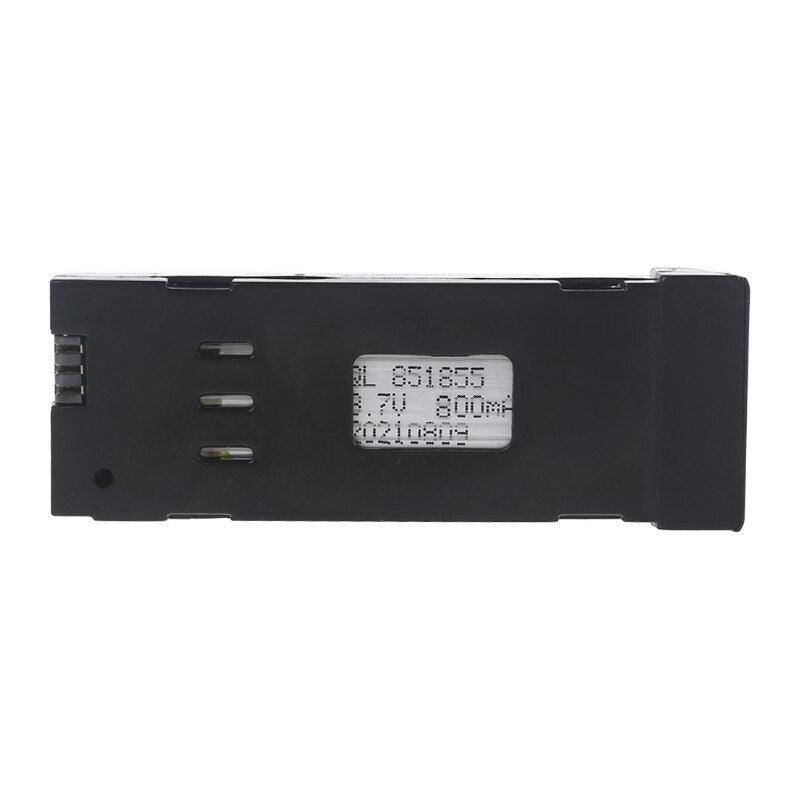
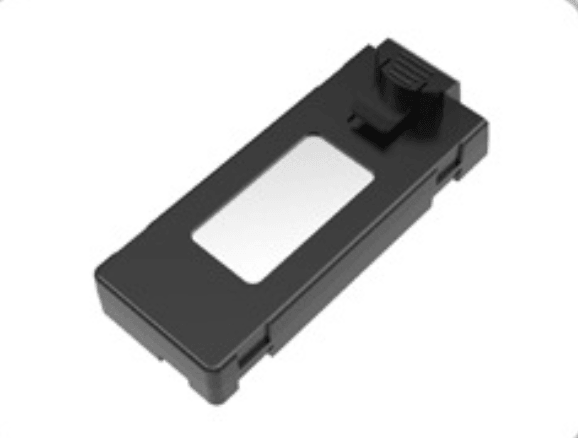
3.7V 850mAH Lipo Battery for E58 JY019 S168 RC Drone Quadcopter Spare Parts For RC Rechargeable Modular battery
النطاق السعري: من $7.56 إلى $26.59 - طارية ليبو 1S 3.7 فولت
3.7V 1800mAh Lithium Battery Li-po Battery for Eachine E58 L800 JY019 S168 Drone X Pro RC Modular Battery
$7.95 - طارية ليبو 1S 3.7 فولت
3.7 فولت 1800 مللي أمبير بطارية ليبو 3.7 فولت 1800 مللي أمبير في الساعة لطائرة بدون طيار RC Drone KY601S SYMA X5 X5S X5SC X5SC X5SC X5SC X5SH X5SW M18 H5P H11P H11D H11C RC كوادكوبتر قطع غيار طائرات الهليكوبتر
النطاق السعري: من $8.70 إلى $24.78 - طارية ليبو 1S 3.7 فولت
بطارية ليبو 3.7 فولت 300 مللي أمبير في الساعة لبطارية FQ777 FQ17WUdi U816 U816 U830 F830 F180 E55 Hubsan H107 Syma X107 X11C FY530 بطارية طائرة بدون طيار بدون طيار RC شاحن بطارية الطائرة بدون طيار
النطاق السعري: من $10.31 إلى $47.13 - بطارية الطائرة بدون طيار
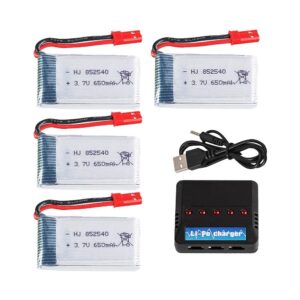
3.7 فولت 650 مللي أمبير بطارية ليبو بوليمر 3.7 فولت 650 مللي أمبير لبطارية بوليمر قابلة لإعادة الشحن لبطارية الطائرة بدون طيار Syma X5c X5c-1 X5 H5 H5c RC Quadrotor قطع غيار بطارية قابلة للشحن 2-6 قطع
النطاق السعري: من $11.44 إلى $21.88 - طارية ليبو 1S 3.7 فولت
3.7 فولت 1800 مللي أمبير 903052 مجموعة شاحن بطارية ليبو 903052 لقطع غيار الطائرات بدون طيار KY601S SYMA X5 X5S X5S X5C X5SC X5SC X5SSH X5SW M18 H5P RC
النطاق السعري: من $11.50 إلى $26.00 - BETAFPV Battery
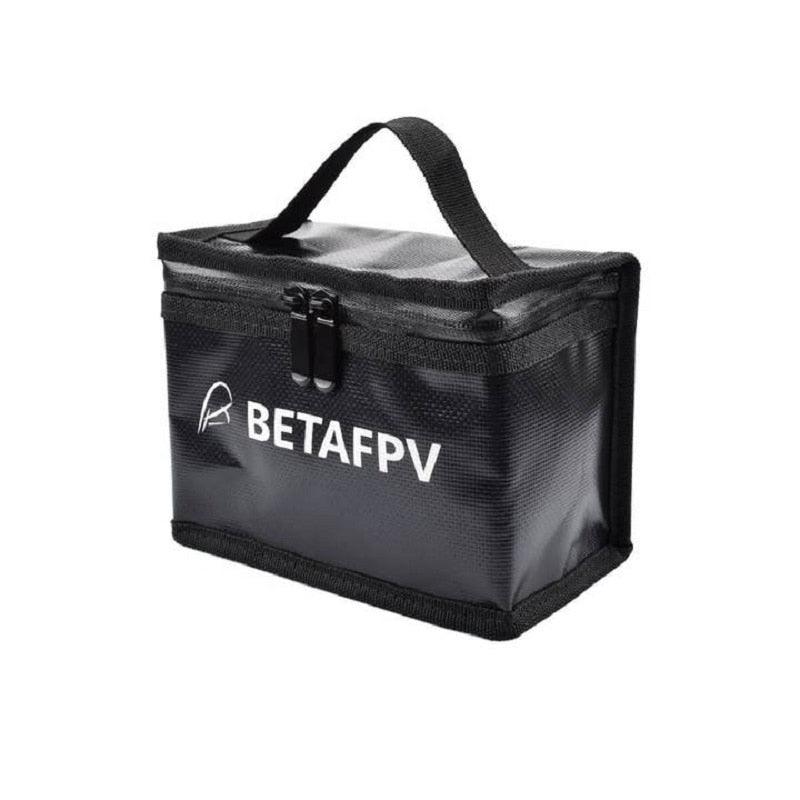
BETAFPV Handbag – Lipo Batteries Safety Handbag for FPV Drone Battery
النطاق السعري: من $11.95 إلى $18.82 - طارية ليبو 2S 7.4 فولت
بطارية بوليمر ليثيوم ليثيوم بوليمر بوليمر 7.4 فولت 11.1 فولت بطارية ليبو الأصلية لبطارية ليبو ليبو AEG Airsoft 2s 3s لبطارية وحدات سباق الطائرات بدون طيار RC FPV
النطاق السعري: من $12.29 إلى $18.71 - بطارية الطائرة بدون طيار
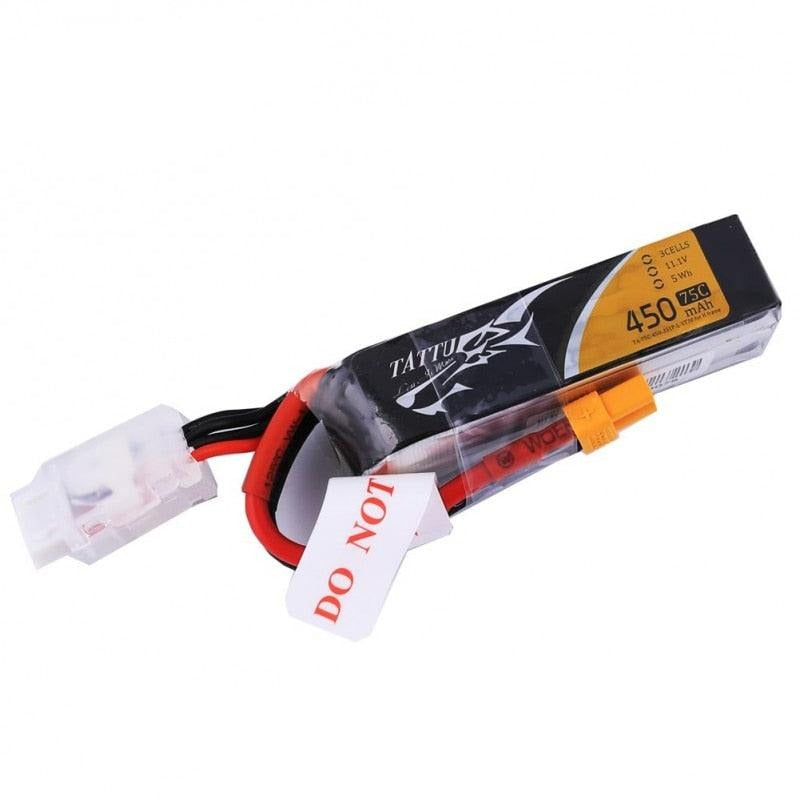
Ace Tattu Lipo Battery 450mAh 1s 2s 3s 4s 75C 95C with XT30 Plug Long size RC Batteries for 120 Size FPV Drone Frame
النطاق السعري: من $13.01 إلى $24.12 - بطارية الطائرة بدون طيار
بطارية قابلة لإعادة الشحن لملحقات بطارية SYMA X23/X23W لقطع غيار طائرات SYMA X23/X23W RC 3.7V 500mah بطارية سوداء بيضاء
$13.68 - طارية ليبو 1S 3.7 فولت
Original SG106 Drone Battery – 1600mAh 3.7V Lipo Battery for RC Helicopter Drone Quadcopter Spare Parts 3.7v Rechargeable Battery Modular Battery
النطاق السعري: من $13.84 إلى $20.27 - بطارية الطائرة بدون طيار
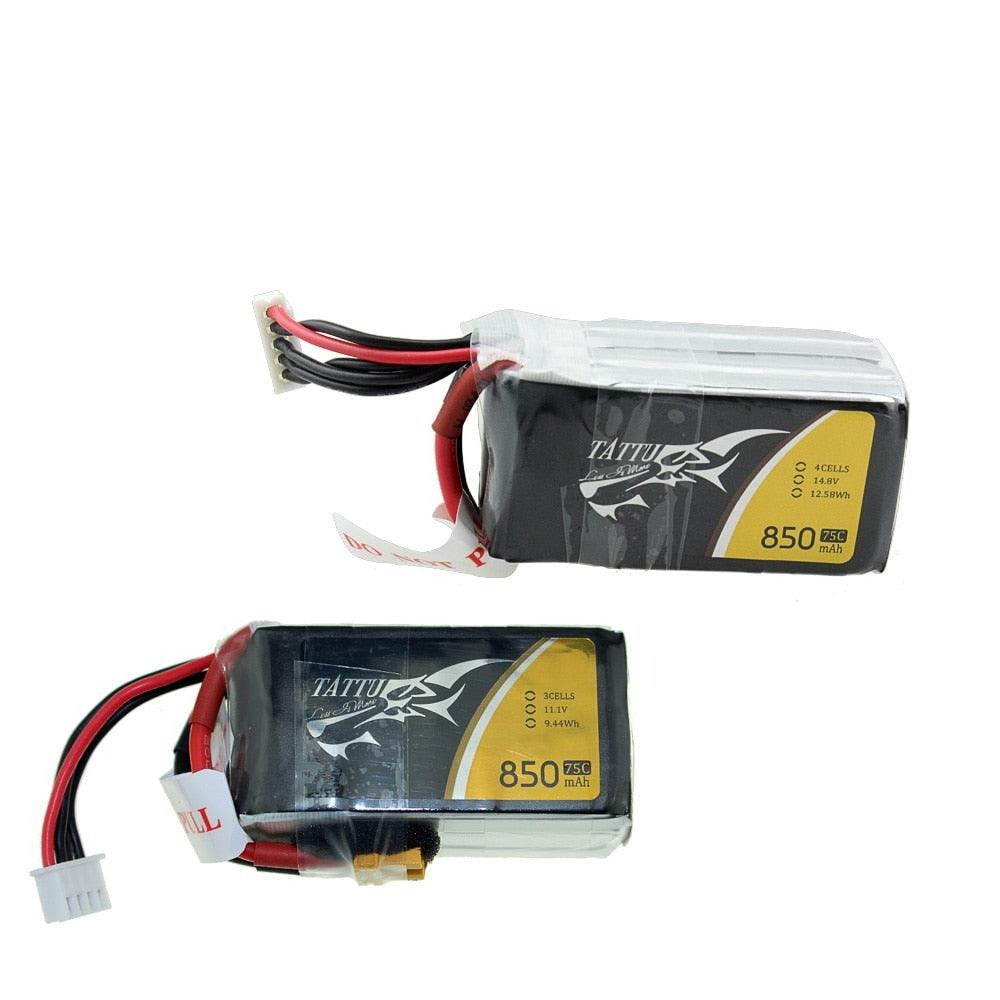
Ace Tattu LiPo Rechargeable Battery 850mAh 75C 45C 3S 4S 1P for RC FPV Racing Drone Quadcopter
النطاق السعري: من $14.45 إلى $19.04


 Arabic
  English
  Russian
  German