
سلسلة 5.8 جيجا هرتز
Master the Airwaves: High-Performance 5.8GHz VTX for Zero-Latency FPV
In the world of FPV, signal is everything. While some might wonder if the ‘Sleeping Beauty Body’ is still on Everest, professional pilots are more concerned with whether their vtx fpv signal will survive a mountain dive or a high-speed race. Our 5.8GHz series, featuring powerhouses like the speedybee tx800, is engineered for those who demand crystal-clear video feeds without the crushing latency of standard WiFi systems.
5.8GHz Use-Cases: Racing vs. Long Range
Whether you are building a 4-layer PCB racing rig or a long-range cruiser, choosing the right frequency is critical. For racing, 5.8GHz is the gold standard because it offers a massive number of channels, allowing multiple pilots to fly simultaneously without stomping on each other’s feeds. If you’re looking for the latest tech, check out our New FPV Arrivals to see the newest high-output transmitters.
الميزة
5.8GHz VTX (Analog/Digital)
2.4GHz Control Link
5GHz WiFi
Latency
<10ms (Ultra-Low)
Low
High (>100ms)
Range
Up to 10km+ (with high gain)
Long Range (ELRS)
Short (100-300m)
Wall Penetration
Moderate
High
Low
Pros and Cons of the 5.8GHz Band
Pros:
Virtually zero image latency compared to WiFi-based drones like the DJI Mini 2.
Less congested than the 2.4GHz band, reducing interference from household electronics.
Compact antenna sizes, perfect for micro-quads and streamlined racing frames.
Cons:
Limited wall penetration; signals can drop off quickly behind dense concrete.
High-power VTX modules (like those pushing 800mW+) require serious thermal management.
Expert Engineering Tips: Avoiding the Burnout
As a senior engineer, I see many newcomers struggle with VTX overheating. If you’re pushing a speedybee tx800 to its max, don’t skimp on cooling. Some Reddit users even recommend using high-quality $20 thermal paste between the VTX shield and your frame’s carbon fiber to act as a heat sink. Also, ensure your RF design accounts for interference; while 2.4GHz signals usually don’t bleed into 5.8GHz, a poorly shielded 4-layer board can still cause ‘motor overload’ errors or gimbal jitters. Always use the right Drone Tools to secure your U.FL connectors—a loose antenna is the fastest way to fry a transmitter.
Frequently Asked Questions
What is 5.8 GHz used for?
5.8GHz is widely used in ISM applications, including WiFi, wireless audio/video systems, and most importantly, FPV drone video transmission. It provides the bandwidth necessary for high-quality video with minimal delay.
Is 5.8 GHz WiFi good?
For FPV, 5.8GHz is significantly better than WiFi. The benefit of 5.8GHz VTX systems is that the signal can travel much further (tens of kilometers with high-gain antennas) and offers almost no image latency, which is crucial for real-time piloting.
How far can a 5.8 GHz drone go?
While a standard 25mW setup might only reach 500 meters, a high-power 5.8GHz VTX with proper directional antennas can reach 10km or more. However, for mini-quads in urban environments, 500m to 1km is the reliable expectation.
Can 5GHz WiFi go through walls?
Yes, but not as effectively as 2.4GHz. 5.8GHz signals have shorter wavelengths, which means they are more easily absorbed by solid objects like brick or concrete. For the best FPV experience, maintain a clear line of sight.
- سلسلة 5.8 جيجا هرتز
هوائي 5.8 جيجا هرتز RHCP 20 ديسيبل هوائي مضخم مضخم عالي الكسب للطائرات بدون طيار FPV هوائي معزز هوائي اتجاه مانع الطائرات بدون طيار
النطاق السعري: من $4.35 إلى $91.30 - سلسلة 5.8 جيجا هرتز
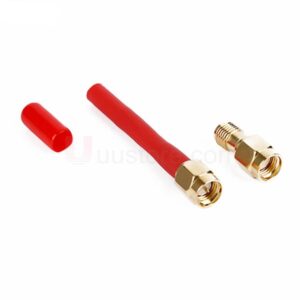
5.8 جيجا هرتز 2.8 ديسيبل باي SMA ذكر RP-SMA ذكر هوائي إبرة داخلية FP-SMA هوائي متسابق FPV متعدد المروحيات لكاميرا RC بدون طيار
النطاق السعري: من $6.33 إلى $237.28 - سلسلة 5.8 جيجا هرتز
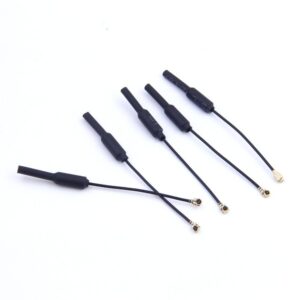
5.8G 5.8G 3DB UFL IPEX Omni Directional 70mm Brass Brass Soft FPV Antenna لسباق الطائرات بدون طيار RC FPV Quadcopter Racing Freestyle Tinywhoop Drones DIY Parts
النطاق السعري: من $7.42 إلى $10.70 - سلسلة 5.8 جيجا هرتز
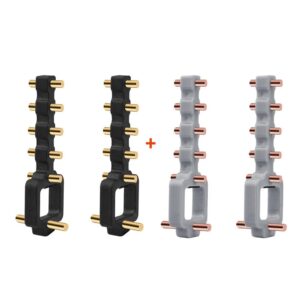
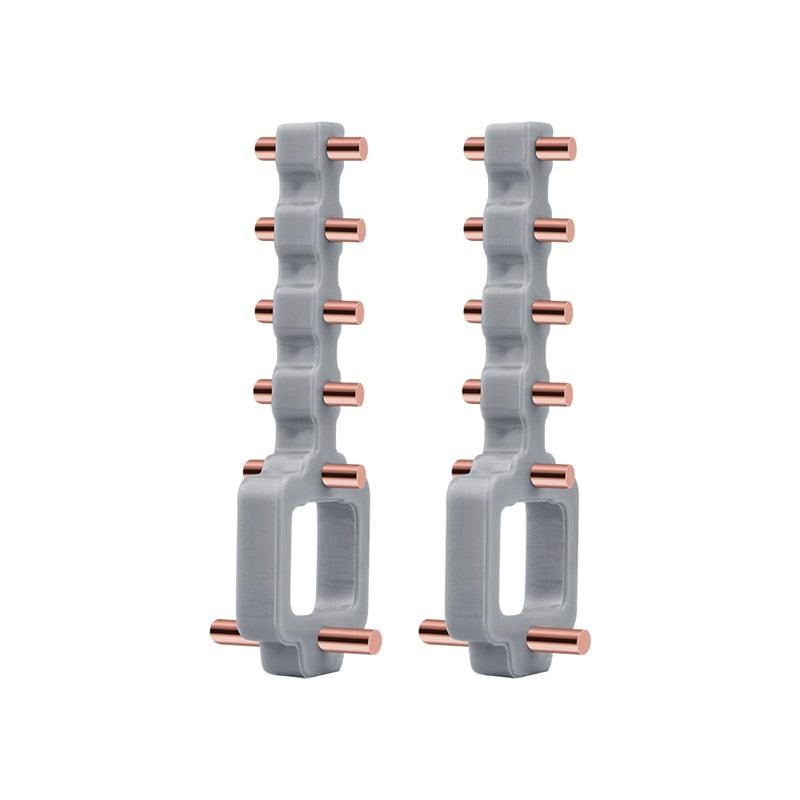
5.8GHz Yagi Antenna Signal Booster Amplifier for DJI Mini 2/Mavic 3/3 Classic/Air 2S/2/Mini 3 Remote Controller Signal Extender
النطاق السعري: من $8.63 إلى $10.16 - سلسلة 5.8 جيجا هرتز
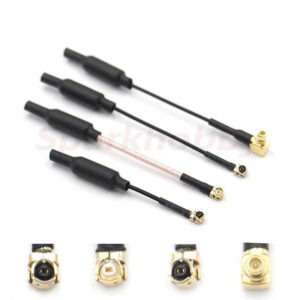
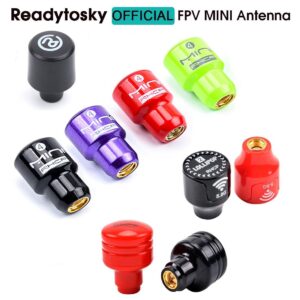
5 قطع سباركهوبي 5.8G هوائي أنبوب نحاسي لنقل الصور 5.8G هوائي أنبوب نحاسي صغير جداً FPV لمنفذ FPV صغير لجهاز إرسال الفيديو RC طائرات بدون طيار كوادكوبتر
النطاق السعري: من $9.17 إلى $10.99 - سلسلة 5.8 جيجا هرتز
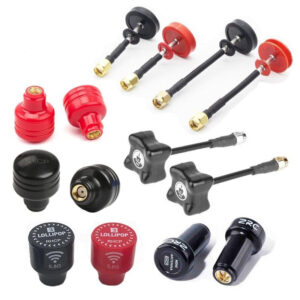
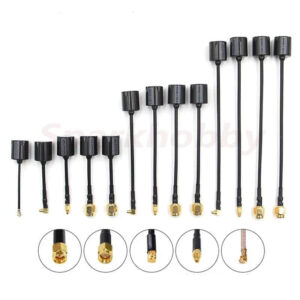
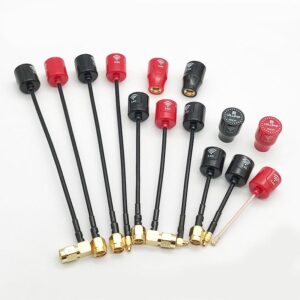
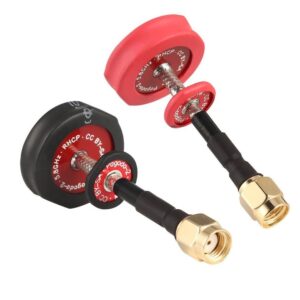
5.8G FPV Antenna Pagoda 2/Lollipop 4/BlackSheep/Stubby Antenna SMA/RP-SMA/MMCX/UFL موصل لجزء طائرة بدون طيار لسباق الطائرات بدون طيار RC FPV Racing
النطاق السعري: من $9.46 إلى $12.27 - سلسلة 5.8 جيجا هرتز
Super Mini Stubby 3.5dBi / Lollipop 2.5dBi / Lollipop 4 2.8dBi 5.8G QAV RHCP RP SMA / SMA Antenna for FPV Drone RC Quadcopter
النطاق السعري: من $10.56 إلى $18.76 - سلسلة 5.8 جيجا هرتز
iFlight Albatross 5.8GHz 75mm LHCP FPV Antenna ipex for IH2 HD/Alpha 75HD drone part
النطاق السعري: من $11.07 إلى $20.18 - سلسلة 5.8 جيجا هرتز
iFlight Albatross 5.8GHz 60mm LHCP FPV Antenna ipex for Alpha A85 HD Whoop part
النطاق السعري: من $11.07 إلى $20.18 - سلسلة 5.8 جيجا هرتز
5.8 جيجا هرتز 5.8 جيجا هرتز FPV هوائي نحاسي ثنائي القطب CERXUS 3 دي بي ثنائي الاتجاه متعدد الاتجاهات كاميرا AIO صغيرة كوادكوبتر IPEX منفذ 5 مم للطائرة بدون طيار Mini VTX
النطاق السعري: من $11.53 إلى $13.34 - سلسلة 5.8 جيجا هرتز
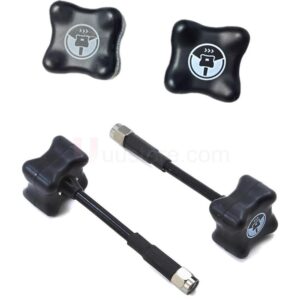
هوائي TBS Team BlackSheep VAS 5.8 جيجا هرتز مستقطب دائري ثلاثي الأبعاد لسباق FPV للسباقات الرباعية المروحية
النطاق السعري: من $11.89 إلى $24.14 - سلسلة 5.8 جيجا هرتز
5.8G BlackSheep / Lollipop 4 RHCP Antenna – High Gain 2.8Dbi FPV Transmitter/Receiver SMA/RP-SMA/MMCX/UFL for RC FPV Racing
النطاق السعري: من $12.39 إلى $13.06 - سلسلة 5.8 جيجا هرتز
1pcs 5.8G 5dBi Omnidirectional Antenna SMA Connector/RP-SMA Connector For Pagoda Racing Drone(5CM/8CM)
$12.82


 Arabic
  English
  Russian
  German