
Drone Series
Industrial Precision: Why the DJI Matrice and Mavic 3 Enterprise Series Rule the Air
Whether you are deploying a Mavic 3 Enterprise RTK for high-accuracy photogrammetry or a DJI Matrice 30 for rapid-response thermal imaging, choosing the right drone series is the difference between a successful mission and a costly failure. The DJI Mavic series drones have evolved from simple consumer gadgets into the DJI Matrice 4 series enterprise drones, offering centimeter-level precision and thermal capabilities that were once reserved for military-grade hardware.
Use-Case Scenarios: Industrial Surveying vs. Consumer Content
For industrial pilots, the DJI M30 و Matrice 30 series drone provide weather-sealed reliability and heavy-lift capabilities. If you are looking for portability without sacrificing the RTK module, the DJI Mavic 3 Enterprise RTK is the gold standard for surveying. Conversely, for creators, the DJI Mini series drones and the new DJI Neo 2 offer sub-250g freedom, though we often see users on Reddit debating between the Neo 2 and the DJI Flip for better RC2 controller compatibility.
Model Series
Best For
Key Feature
Mavic 3 Enterprise
Surveying/Mapping
Mechanical Shutter + RTK
Matrice 30T
Public Safety
IP55 Rating & Thermal
Mini 4 Pro
Travel/Vlogging
Omnidirectional Sensing
Pros & Cons: The Engineering Reality
Pros: The DJI ecosystem is incredibly polished. Using the DJI Assistant 2 consumer drone series software makes firmware updates seamless, and the AI obstacle avoidance is world-class. If you need cinema-grade results, the DJI Inspire 3 is currently the only Netflix-approved drone in its class.
Cons: Repairability remains a hurdle. As we often discuss in the FPV community, if you crash an Avata 2 and break the battery housing, you might find yourself needing to resolder internal connections or struggle with recalibration in DJI Assistant. Furthermore, there is a constant fear in the community regarding future bans that might “brick” older models through software locks.
Expert Tips for Maintaining Your Fleet
Fixing Error Code 30064: This “Unable to take off” error is often a software glitch. Always ensure your DJI Fly app and firmware are synced via the DJI Assistant 2.
Weight Management: If you are stripping a drone down to reduce weight (e.g., to 3kg), be careful with the center of gravity. Logic says it should fly better, but it can often cause the flight controller to refuse takeoff if the motor idle speed doesn’t match the new weight profile.
Tool Up: Don’t rely solely on software. Keep a high-quality soldering iron and leaded rosin core solder in your Drone Tools kit for emergency wire repairs.
Looking for something faster? Check out our New FPV Arrivals for high-speed builds that go beyond the standard consumer limits.
Frequently Asked Questions
What are the 4 types of drones?
Drones are generally classified into Multi-Rotor, Fixed-Wing, Single Rotor, and Hybrid VTOL (Vertical Take-Off and Landing).
Which drone is Netflix approved?
The DJI Inspire 3 is officially Netflix-approved for its 4K Originals production, featuring the Zenmuse X9-8K Air camera system.
Can a drone fly 200 km?
Yes, medium-range Fixed-Wing UAVs are designed for distances between 50-200 km, making them ideal for large-scale mapping and surveillance, though they require more space for takeoff than the dji matrice series drone.
What are category 3 drones?
Category 3 drones weigh less than 55 lbs, have no exposed rotating parts that cause lacerations, and must meet specific kinetic energy injury limits (under 25 ft-lb) as per FAA regulations.
- Axisflying
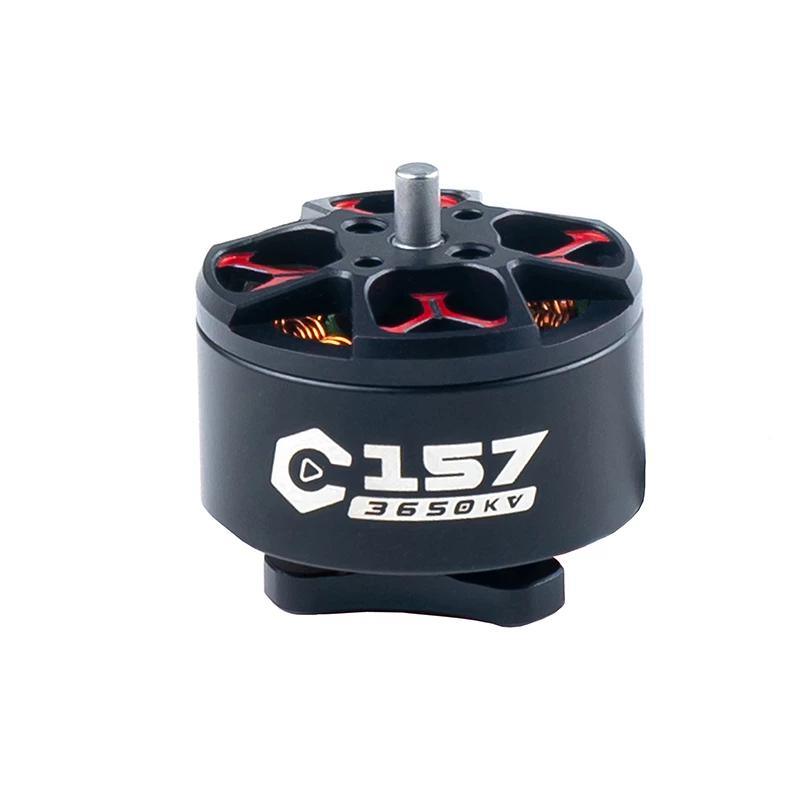
DJI Avata Motor – Axisflying C157 1507 3650KV Brushless Motor 4S Lipo for DJI Avata Motor 3~4inch Cinewhoop Drones DIY
النطاق السعري: من $27.85 إلى $79.10 - Axisflying
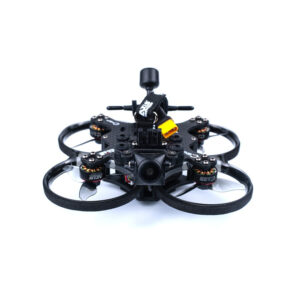
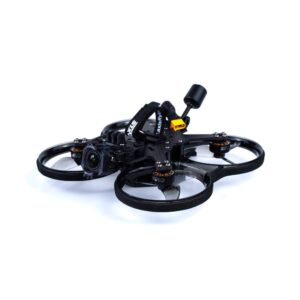
Axisflying CineON C30 – 3inch Cinewhoop / Cinematic Drone – 4S BNF
النطاق السعري: من $350.25 إلى $172,460.94 - Axisflying
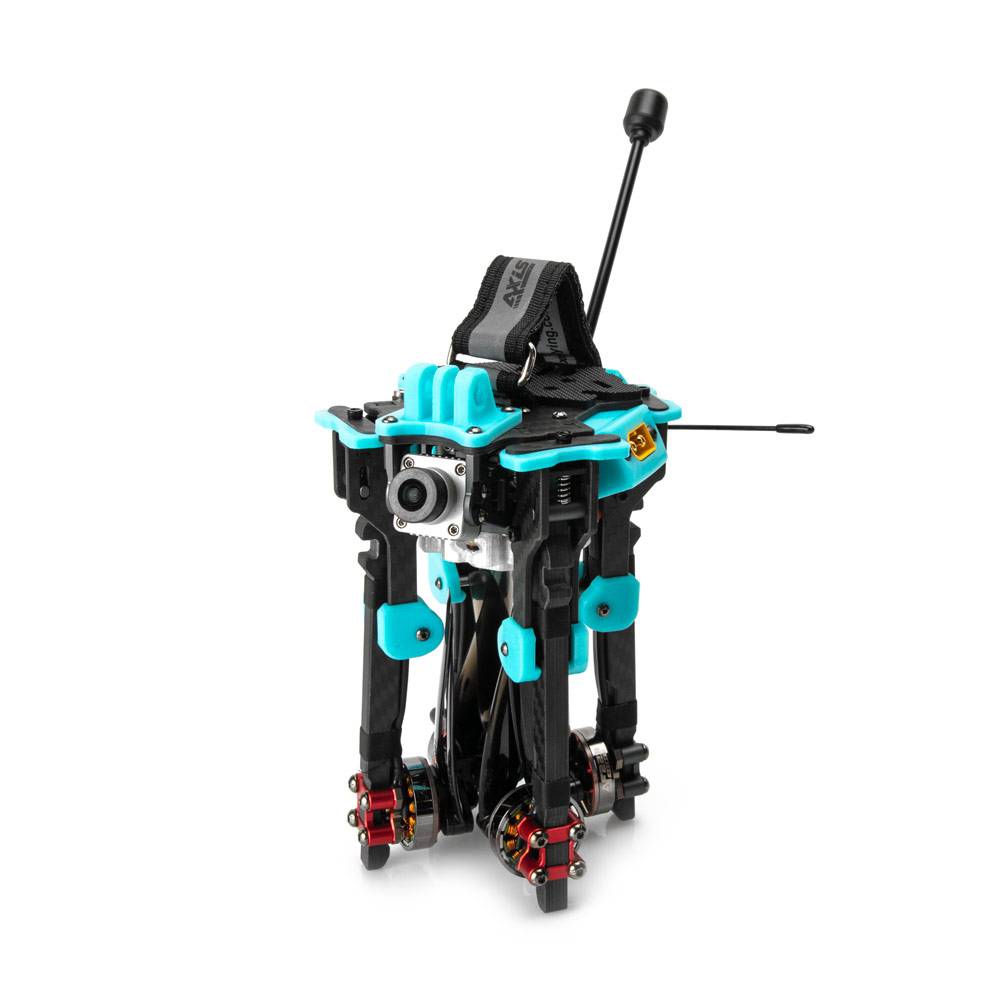
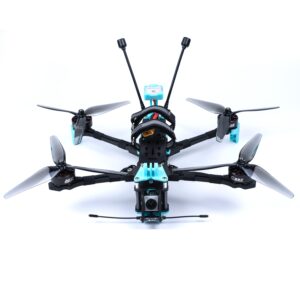
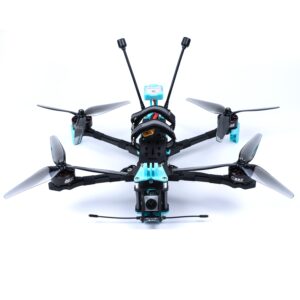
Axisflying KOLAS7″ – 7inch Foldable FPV / Analog 4.9-5G / Drone for Long Range / with GPS
النطاق السعري: من $368.68 إلى $463.52 - Axisflying
Axisflying KOLAS6″ – 6inch Foldable FPV for Mid Long Range / Cinematic Drone with GPS – 4S
النطاق السعري: من $382.43 إلى $172,451.49 - Axisflying
Axisflying CineON C20 V2 – 2 inch Sub250g Walksnail Avatar HD Pro Kit 32G FPV Drone-4S
النطاق السعري: من $470.93 إلى $172,460.94 - Axisflying
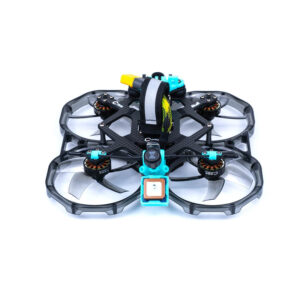
Axisflying CineON C30 V2 – 3inch Walksnail Avatar HD Pro Kit 32G FPV Drone – 4S
النطاق السعري: من $499.93 إلى $172,460.94 - Axisflying
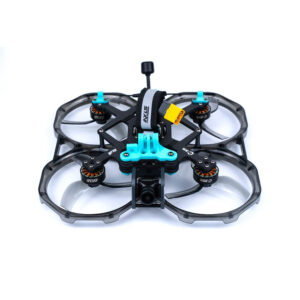
Axisflying cineon C35 V2 4S FPV – 3.5 inch Walksnail Avatar HD Pro Kit 32G FPV Drone
النطاق السعري: من $563.08 إلى $172,460.94 - Axisflying
Axisflying CineON C25 V2 – 4S 2.5 inch Sub250g DJI O3 Air Unit FPV Drone
النطاق السعري: من $595.37 إلى $172,460.94 - Axisflying
Axisflying KOLAS7″ – DJI O3 Foldable FPV Drone for LR- Long Range / Cinematic / with GPS
النطاق السعري: من $646.65 إلى $776.50
 Arabic
  English
  Russian
  German