
مروحة طائرة بدون طيار
Unlock Maximum Thrust: Precision-Engineered Drone Propellers for Every MissionWhether you’re looking for a drone propeller replacement for your DJI Air 3s or building a custom coaxial two propeller drone, the right blade is the difference between a smooth hover and a mid-air failure. Our selection of propel drones hardware ensures peak efficiency, reduced noise, and the durability needed to survive high-speed maneuvers.
Propeller Compatibility & Performance Matrix
Choosing the right drone propeller requires matching the motor KV with the appropriate blade pitch. Refer to the table below for common configurations found in our New FPV Arrivals section.
Drone Type
Propeller Size
المواد
Best For
Micro (Propel Atom 1.0)
30mm – 2 inch
Polycarbonate
Indoor Agility
DJI Consumer (Mavic/Air)
8 – 9 inch
Glass Fiber Composite
Quiet Flight
FPV Racing
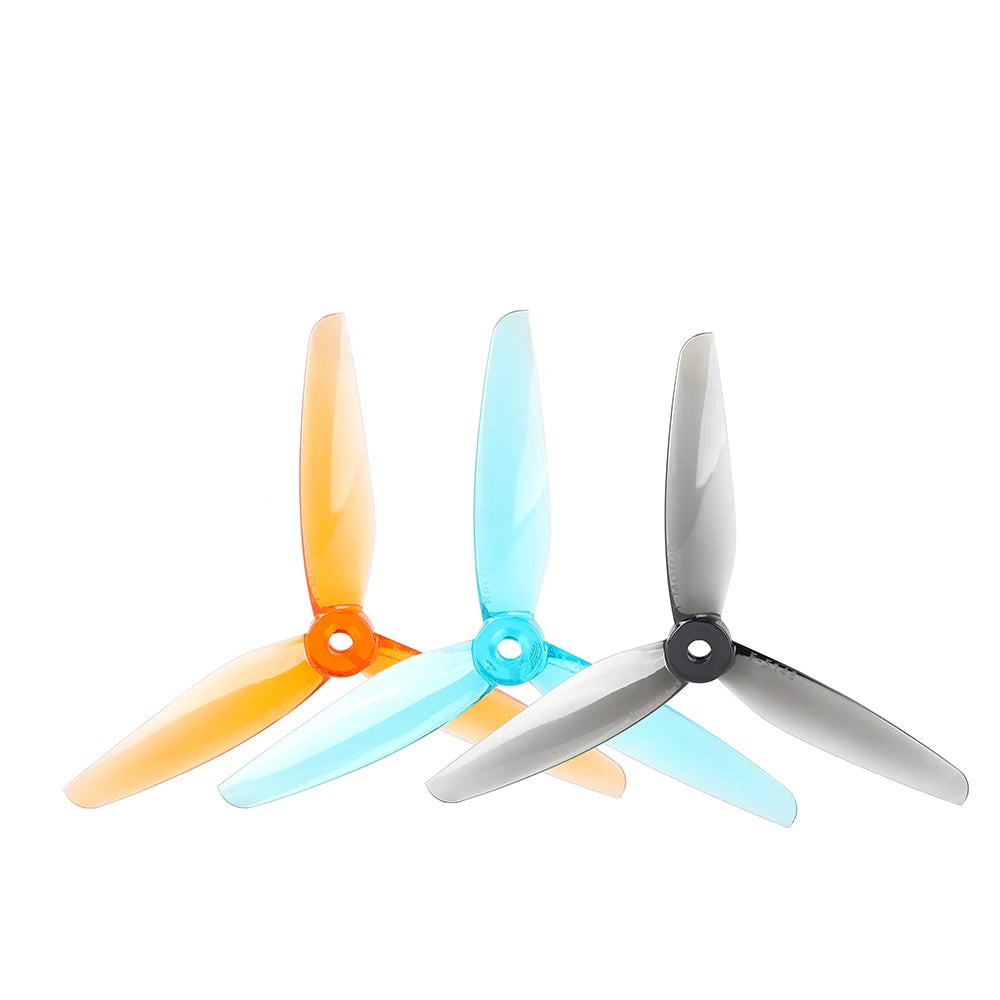
5 inch (Tri-blade)
Reinforced Nylon
High-Speed Response
Enterprise (Matrice)
21+ inch
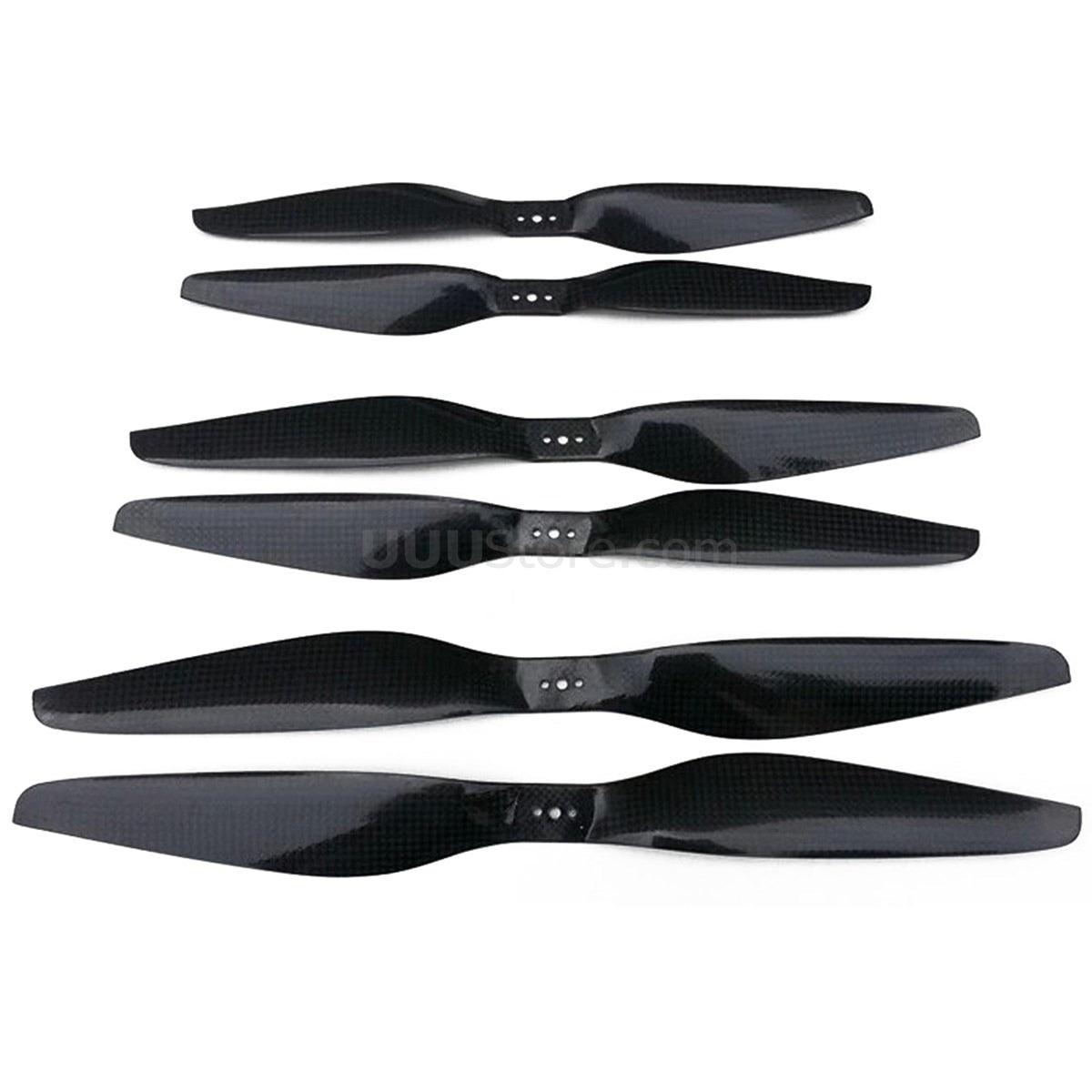
ألياف الكربون
Heavy Lift
Step-by-Step: How to Fit and Secure Your Propellers
Verify Drone Propeller Direction: Most drones use a mix of CW (Clockwise) and CCW (Counter-Clockwise) motors. Look for markings on the blades or the propel drone app layout to ensure you aren’t installing them upside down.
Inspect for Damage: Never fly with a “shaved piece” or a “nasty dent.” At high RPMs, these imperfections cause vibrations that can lead to motor bearing failure.
Mounting & Torque: For DJI-style push-and-click props, ensure they lock fully. For FPV props using nuts, grab the motor with one hand and tighten the prop with the other using proper Drone Tools. It should be snug enough that the prop doesn’t spin independently of the motor bell.
Pre-Flight Check: If the drone feels like it has “exponential power” or shoots up uncontrollably, double-check that your prop pitch matches your ESC settings.
Common Engineering Issues & Reddit Insights
A common frustration in the community is the drone replacement propellers price gap between official stores and third-party Amazon sellers. While cheap props are tempting, FPV pilots often report that low-quality blades can come loose during ascent if the hub material is too soft. As one senior engineer noted, “If you put the propeller on and it’s super easy to get off, your motor shaft or the prop hub is out of spec.” Always prioritize quiet drone propellers that utilize glass fiber or carbon fiber reinforcement to avoid the efficiency loss associated with “prop wash” and blade flutter.
Frequently Asked Questions
What is a propeller in a drone?
A drone propeller is a rotary fan or a spinning blade connected to a motor. It produces lift and thrust by creating variations in air pressure, allowing the drone to maneuver, hover, and transition between altitudes.
Are all drone propellers the same?
No. Propellers vary significantly in pitch, diameter, and material. For example, silent drone propellers feature swept-tip designs to reduce turbulence, while racing props focus on aggressive pitch for instant thrust.
Can a drone fly with a broken propeller?
Standard quadcopters cannot fly safely with a broken propeller. A chip or crack disrupts the aerodynamic balance, causing extreme vibration and likely leading to a crash. Always use a drone propeller guard if flying in tight spaces to prevent blade damage.
What material are drone propellers made of?
Materials depend on the application. DJI Phantom props often use glass fiber reinforced composite, while professional platforms like the Matrice 600 utilize high-performance carbon fiber for maximum rigidity and weight savings.
Can drones fly without propellers?
While experimental “bladeless” drones exist—using internal fans to regulate airflow and convert wind into downward flow—the vast majority of commercial and hobbyist drones require traditional propellers to generate sufficient lift.
- مروحة طائرة بدون طيار
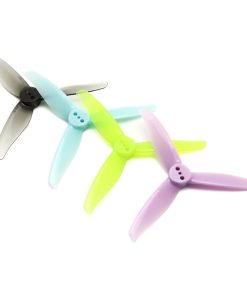
2/4/8/16 Pairs HQ HQProp DT90 Duct-T90MMX3 Propeller – 90mm 3-Blade 1.5mm PC Prop For RC FPV Drone Cinelog35 CL35 ProTek35 3.5inch
النطاق السعري: من $10.34 إلى $34.41 - مروحة طائرة بدون طيار
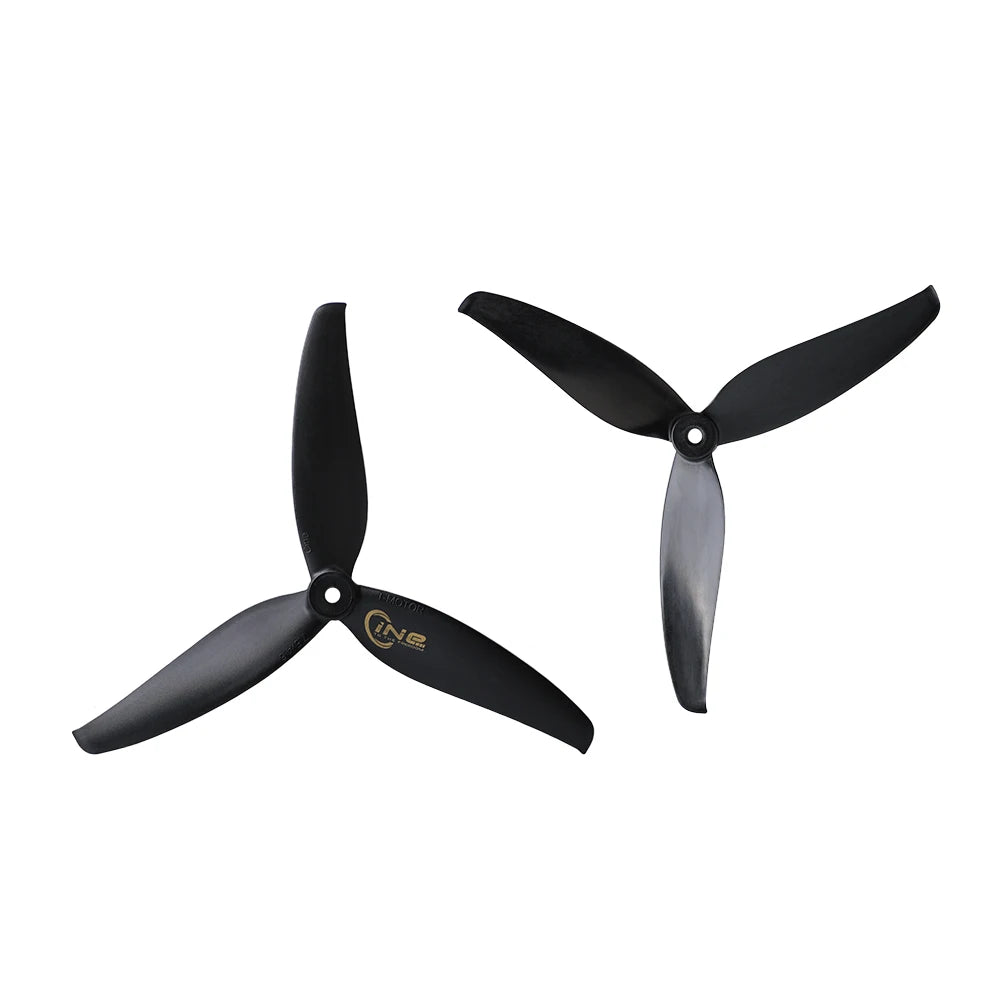
T-MOTOR F5146 3 blades F series Racing Prop For F40PROV/F60PROV/PACER V3/VELOX V3 KV1950
$10.41 - مروحة T-Motor
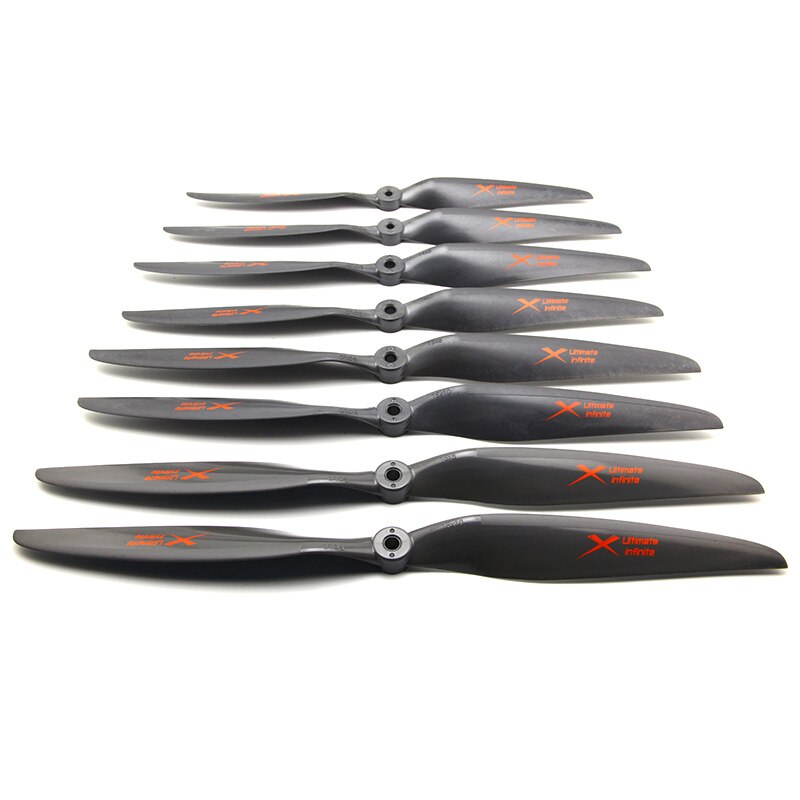
T-Motor Carbon Fiber Propeller 5030 6030 7030 8055 9055 1055 1155 1255 1355 1455 1555 1655 1755 1855 2055 2255 2455 2655 2CW2CCW
النطاق السعري: من $11.12 إلى $92.03 - مروحة طائرة بدون طيار
5045 3 شفرات مروحة ذات أنف ثور - 6 / 12 زوجًا من المروحة CW / CCW لسباق 250 طائرة بدون طيار FPV Radcopter FPV Drone ZMR210 250
النطاق السعري: من $11.90 إلى $17.71 - مروحة طائرة بدون طيار
6/12 Pairs Gemfan Hurricane 3016 Propeller – 3 Inch Blade 1.5mm Hole CW CCW Props FPV DarwinFPV Cinewhoop Racing Drone Quadcopter
النطاق السعري: من $11.91 إلى $17.63 - مروحة طائرة بدون طيار
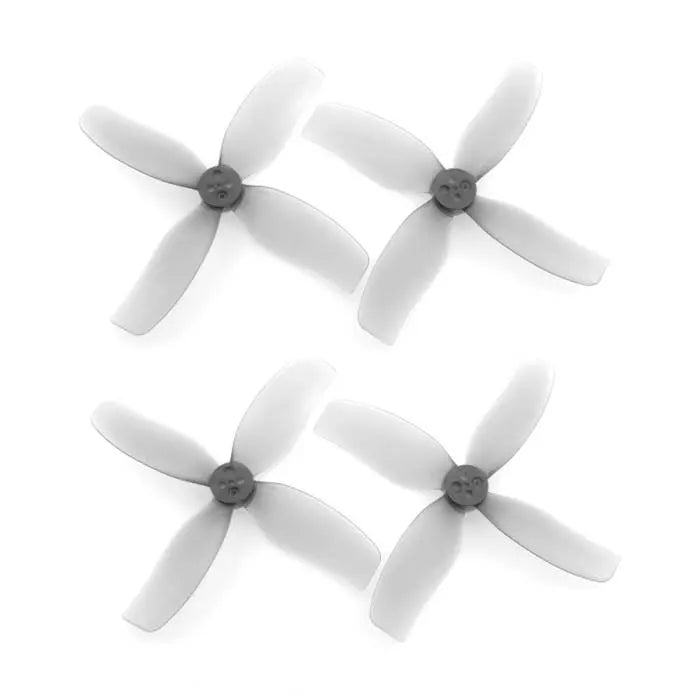
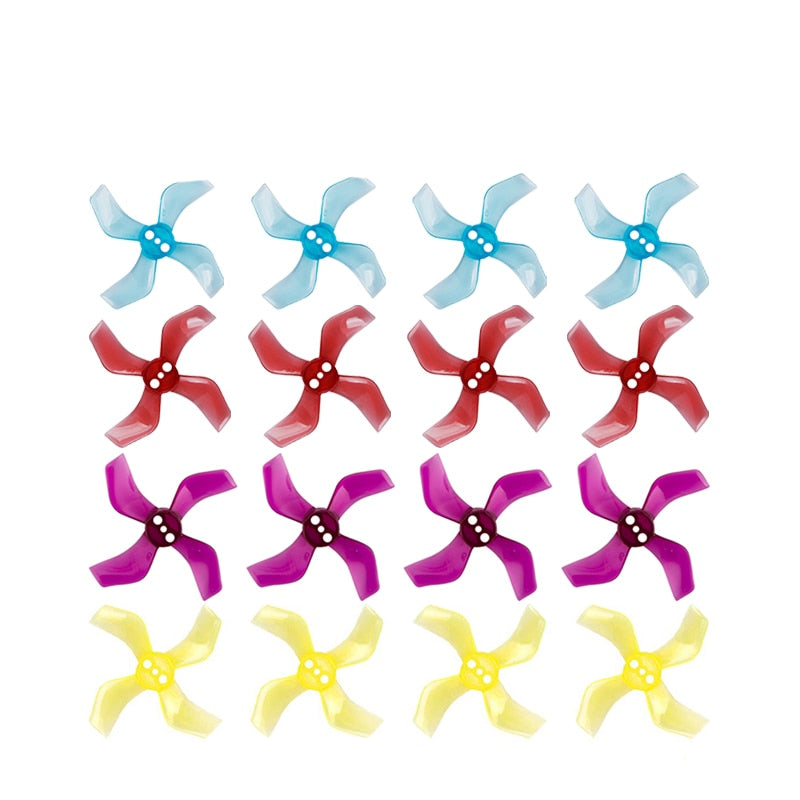
8/16 Pairs Gemfan 1636 1.6X3.6X4 4-Blade PC Propeller – 1mm/1.5mm Hole For RC FPV Racing Freestyle Geprc TinyGo Tinywhoop Drone
النطاق السعري: من $11.98 إلى $20.57 - مروحة طائرة بدون طيار
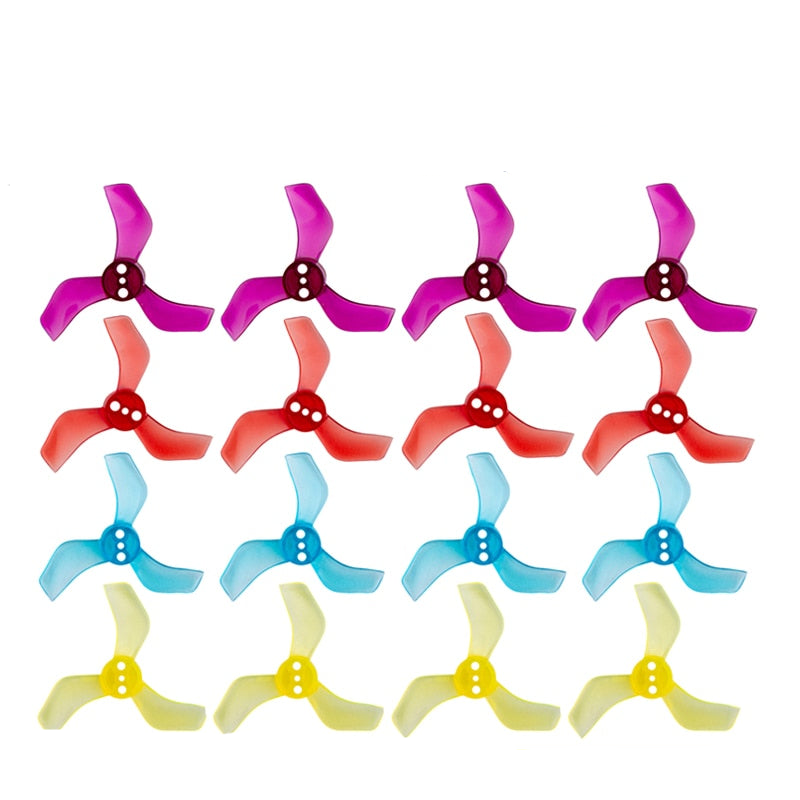
8/16 Pairs Gemfan 1635 1.6X3.5X3 3-Blade PC Propeller – 1mm 1.5mm 40mm CW/CCW For FPV Racing Brushless Tinywhoop Drones 1103 1105
النطاق السعري: من $11.98 إلى $20.57 - مروحة طائرة بدون طيار
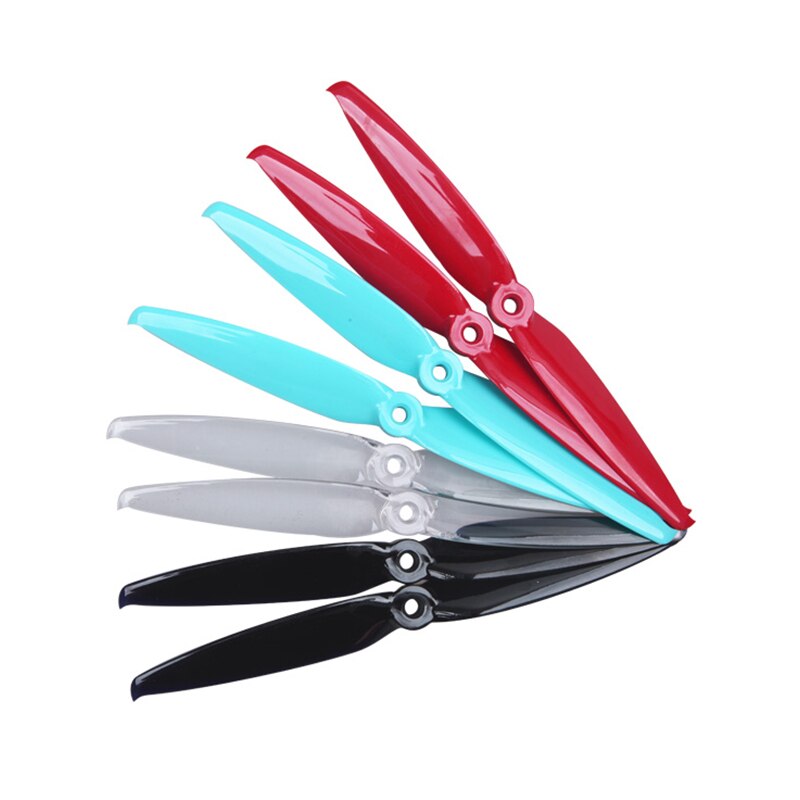
4/6 Pairs Gemfan Flash 7042 Propeller – 7X4.2 7inch PC 2-blade Props For RC FPV Freestyle Racing Drone Quadcopter Long Range
النطاق السعري: من $12.07 إلى $14.43 - مروحة DJI
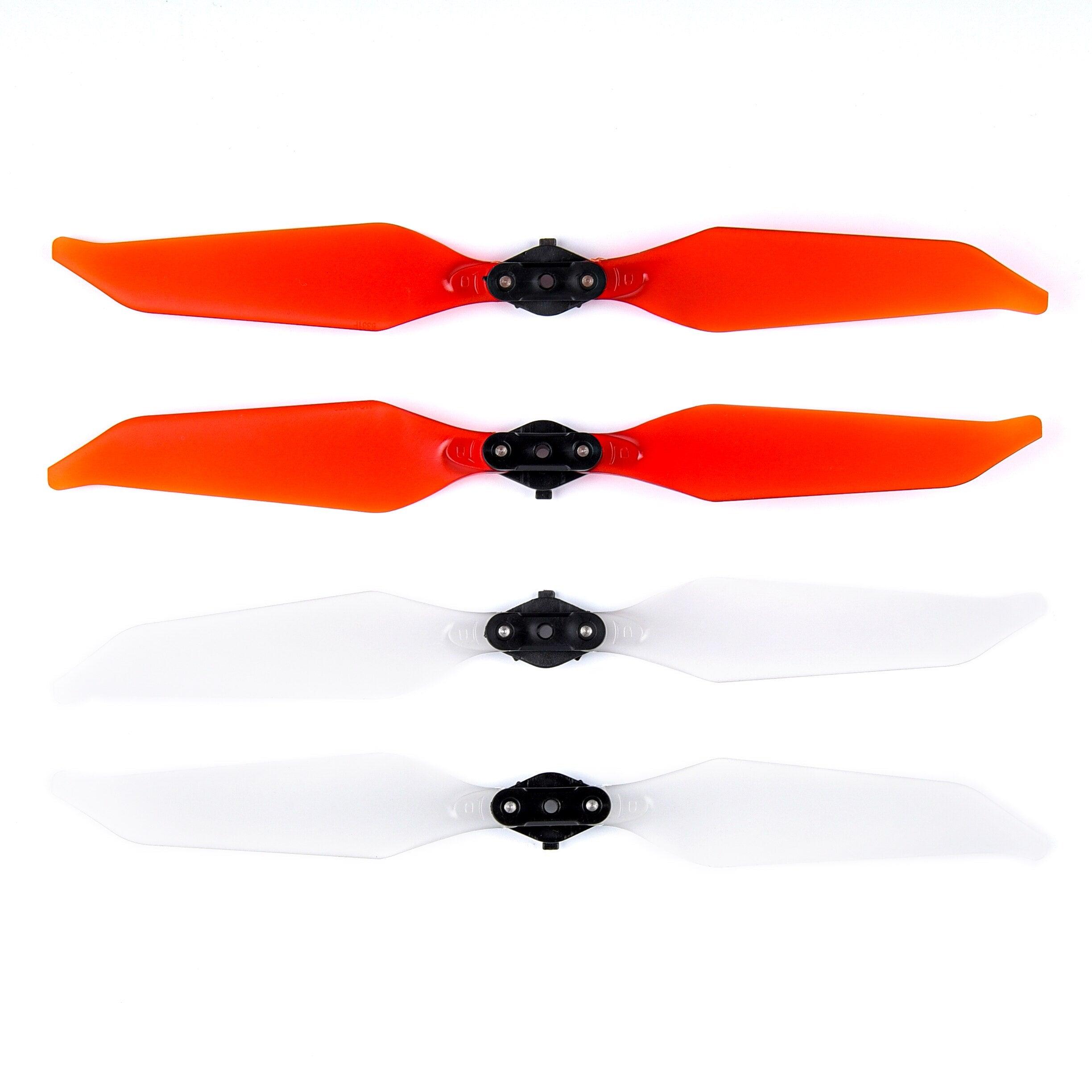
8331 8331F Low Noise Propeller – 4Pair/8pcs Replacement Propellers for MAVIC PRO Platinum Drone Spare Parts Props Folding Blade Wing
النطاق السعري: من $12.39 إلى $18.30 - مروحة طائرة بدون طيار
10PCS High-Efficiency Slow Speed Propeller – 6030 7040 7060 8043 8060 9047 9060 7070 1047 1147 For RC FPV Airplane Drone Parts
النطاق السعري: من $12.53 إلى $23.41 - مروحة طائرة بدون طيار
SUNNYSKY EOLO 12 13 14 15 16 inch Propeller – 30-70E Fixed Wing Paddle Drone Cruise Propeller
النطاق السعري: من $12.85 إلى $17.96 - مروحة طائرة بدون طيار
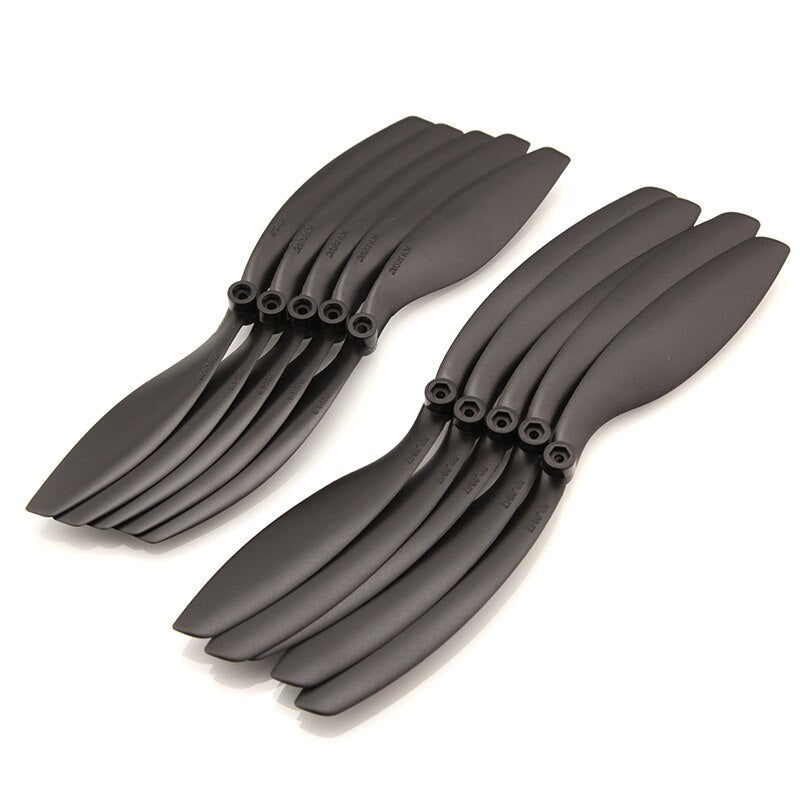
10 Pairs Propellers – 3″ 4″ 5″ 6″ Prop 3030 4045 5045 6045 BULLNOSE Props CW CCW 150 180 210 250 Quadcopter Mini FPV Drone
النطاق السعري: من $13.08 إلى $20.95 - مروحة طائرة بدون طيار
GEPRC G3045 Propeller – 3” Props Suitable For Crown Drone DIY RC FPV Quadcopter Drone Replacement Accessories Parts
$13.18 - مروحة طائرة بدون طيار
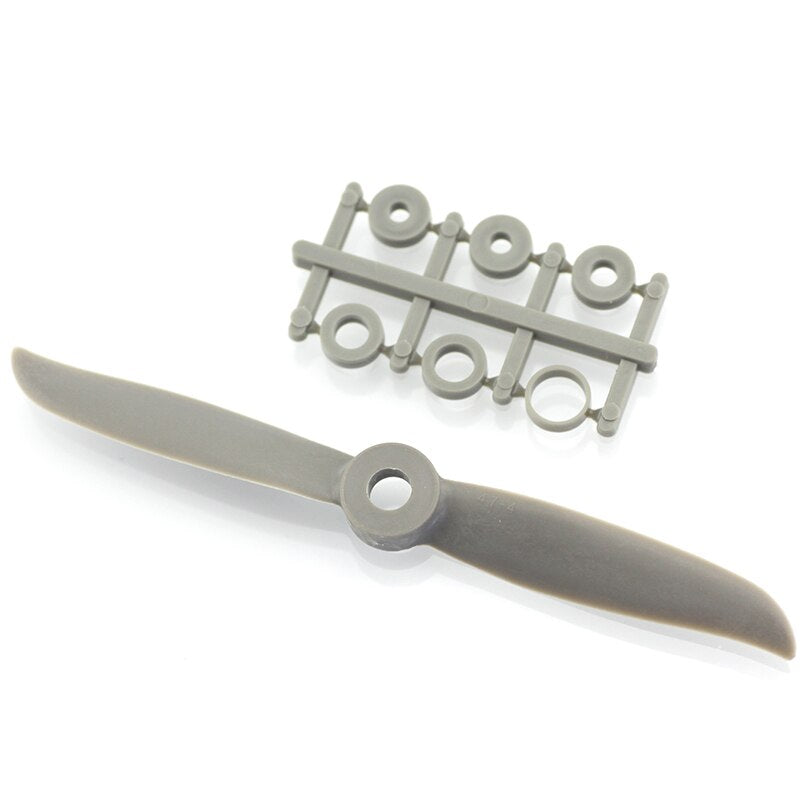
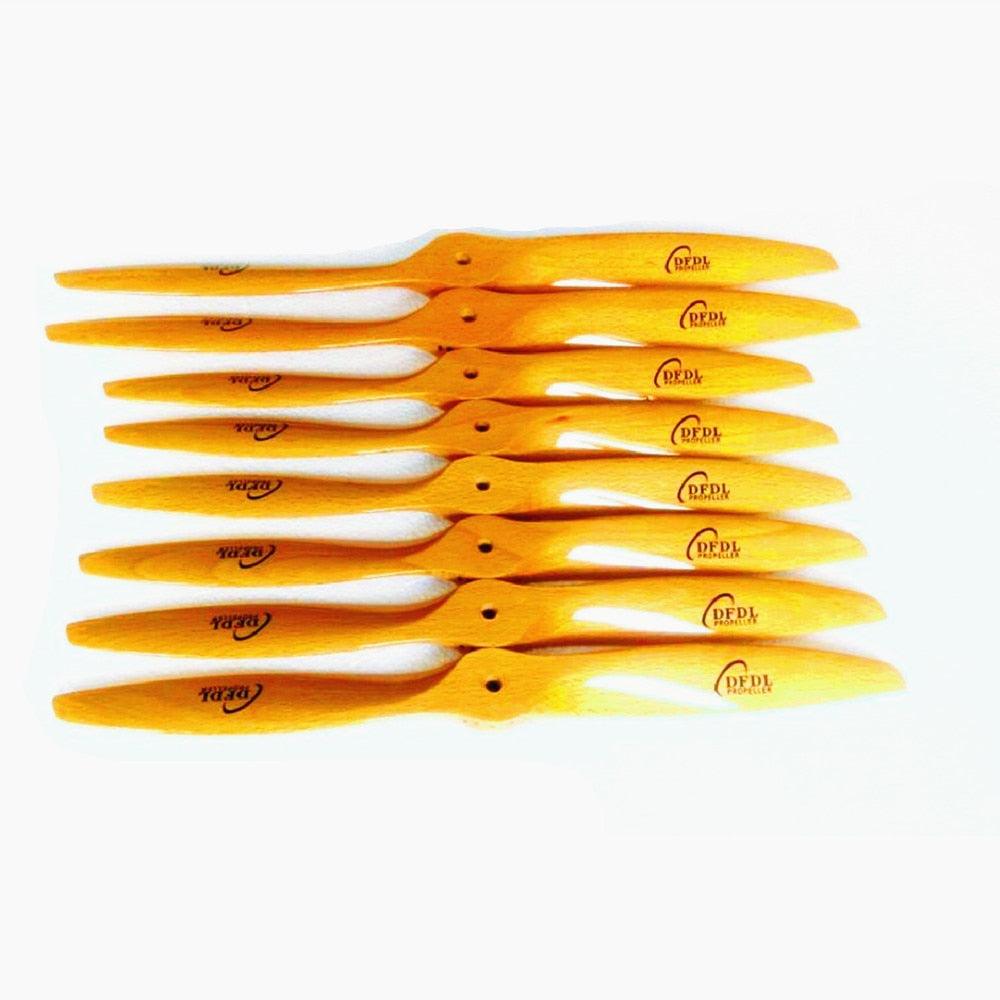
DFDL High-efficiency CW Wood Beech Propeller For RC Nitro engine and Gasoline engine Airplane
النطاق السعري: من $13.26 إلى $30.22 - مروحة طائرة بدون طيار
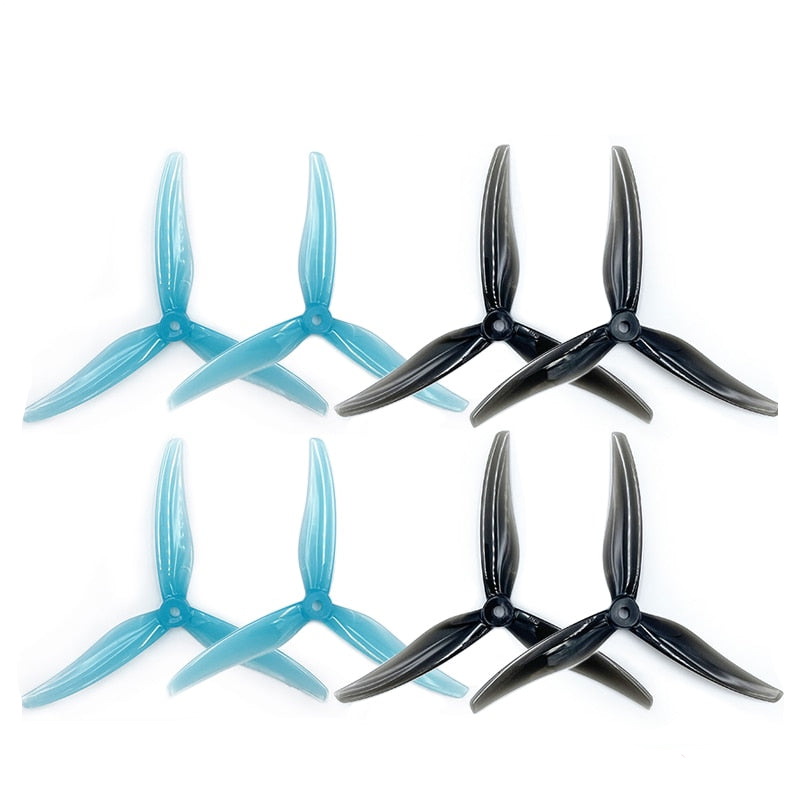
4/10Pairs HQProp R35 Racing35 Propeller – CW/CCW 5.1inch 3-blade PC Props For RC FPV Freestyle Racing Drone Quadcopter Parts
النطاق السعري: من $13.29 إلى $23.54 - مروحة طائرة بدون طيار
4/8/12 Pairs Gemfan Freestyle 6030 Propeller – 6inch 3 Blade Tri-blade Props CW CCW 2207-2306 Brushless Motor FPV Drone Quadcopter
النطاق السعري: من $13.38 إلى $26.45

 Arabic
  English
  Russian
  German