
كاميرا الحركة
Cinematic FPV Mastery: Why Your Action Camera Choice Defines the EditIn the world of high-speed FPV, your camera isn’t just a recorder; it’s a flight-critical component. Whether you are deciding which camera is better, 12 Pro or 13, or weighing the DJI Osmo Action 6’s low-light superiority against GoPro’s color science, the hardware must survive high-G maneuvers and thermal stress. Professional pilots choose these cameras for their 4K@120fps capability and robust gyro-logging, ensuring every proximity dive is buttery smooth.
Technical Specifications & Compatibility
الميزة
GoPro Hero 13 Black
DJI Osmo Action 6 (Est.)
Naked GoPro (Custom)
الوزن
154g
145g
~30g
Max Resolution
5.3K @ 60fps
4K @ 120fps
5.3K @ 60fps
Stabilization
HyperSmooth 6.0 / Gyroflow
RockSteady 3.0+
Gyroflow (Post-Process)
Best SD Card
V30 / U3 (A2 Recommended)
V30 / U3
V30 High Endurance
Engineering Analysis: Reliability vs. Image Quality
As an engineer, I see the DJI vs. GoPro debate through the lens of hardware reliability. Reddit users often highlight that GoPro has ‘countless overheating and crashing issues,’ especially when mounted on drones with limited airflow. Conversely, the DJI Osmo Action series works much better in lower light, though some pilots report the white balance can look ‘off’ in full sun. When mounting your camera using a suction cup for car reviews or a TPU mount for a 5-inch racer, vibrations are your enemy. This is why professional FPV pilots prefer Gyroflow over in-camera stabilization; it preserves the widest FOV and handles high-frequency jitter that HyperSmooth might struggle with.
Storage is another failure point. Is 256GB enough for GoPro Hero 12 or 13? Yes, for a day of shooting, but you must ask: Should you format a SD card after every shoot? Absolutely. This maintains the file system integrity and prevents the ‘corrupt file’ errors that plague high-bitrate recording. Remember that the lifespan of a SD card is finite; they don’t exactly ‘expire’ like food, but their write cycles are limited. To keep your SD card healthy, avoid filling it to 100% and always format in-camera. For long-range missions where you are pushing your Long Range Antennas to the limit, ensuring your onboard recording is flawless is paramount, as your نظارات FPV Goggles feed may break up while the action camera captures the 4K glory.
Action Camera FAQ
Which action camera is best for FPV drones in 2025: GoPro or DJI?
For 2025, the choice depends on use case: GoPro (Hero 12/13) remains the king of image quality and color grading, while the DJI Osmo Action series offers better low-light performance and seamless integration with the DJI ecosystem. FPV pilots often prefer DJI for its robust ‘RockSteady’ stabilization and faster startup times.
What is a ‘Naked GoPro’ and why is it used on small drones?
A ‘Naked GoPro’ is a standard GoPro camera stripped of its waterproof housing, battery, and screen to reduce weight (often from 150g down to 30g). This is essential for micro drones (3-inch and below) that need 4K 10-bit video capability but lack the payload capacity to carry a full-sized camera.
Do I need ND filters for my action camera when flying a drone?
Yes, ND (Neutral Density) filters are essential for high-quality drone footage. They act as ‘sunglasses’ for your lens, allowing you to lower the shutter speed to double your frame rate (the 180-degree rule). This creates natural motion blur, making your aerial videos look cinematic rather than jittery. Should I shoot in 24 or 25 fps? 24 fps is the cinematic standard for NTSC regions, while 25 fps is the PAL standard—matching your shutter speed to these values is key.
Why do professional FPV pilots prefer Gyroflow over in-camera stabilization?
While GoPro’s HyperSmooth and DJI’s RockSteady offer great real-time results, they often crop the frame and can struggle with high-frequency drone vibrations. Professional pilots often disable in-camera stabilization to record ‘raw’ gyroscope data, then use open-source software like Gyroflow in post-production. This allows for a much wider FOV, custom smoothness levels, and superior horizon leveling even during aggressive freestyle maneuvers monitored via your Video Receivers (VRX).
Why is 4K at 120fps considered essential for high-speed FPV cinematography?
In high-speed drone racing and freestyle, motion happens instantly. 4K resolution ensures high-bitrate clarity for professional color grading, while 120fps is the gold standard for smooth slow-motion. Recording at 120fps allows a pilot to slow down a technical ‘dive’ by 4 to 5 times in a 24fps cinematic timeline, resulting in silky-smooth footage without any motion stutter.
How do SuperView and HyperView FOV settings enhance the visual impact of drone diving?
Ultra-wide lens settings like GoPro’s SuperView and HyperView use dynamic stretching to fit a 4:3 sensor image into a 16:9 frame, providing a massive immersive field of view (FOV). For FPV ‘dives,’ this exaggerated perspective increases the perceived sense of speed and height, pulling the viewer into the action.
- كاميرا الحركة
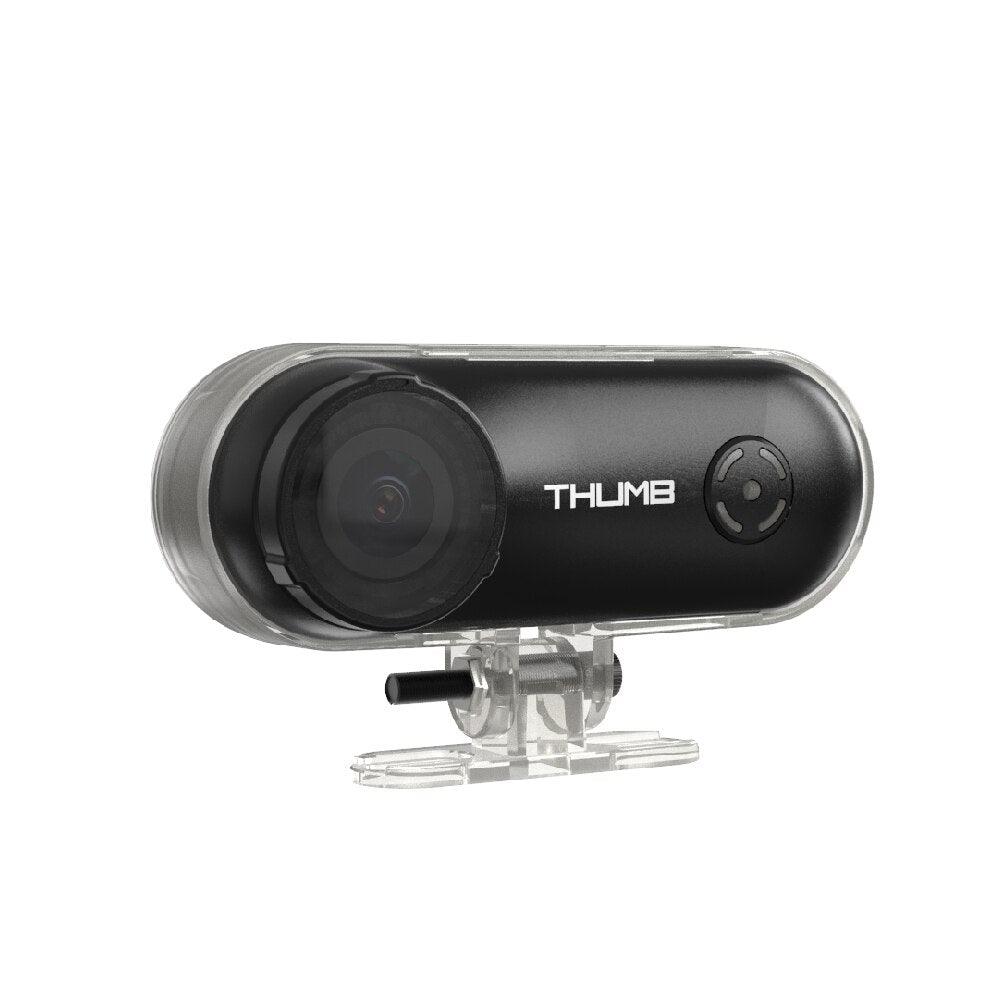
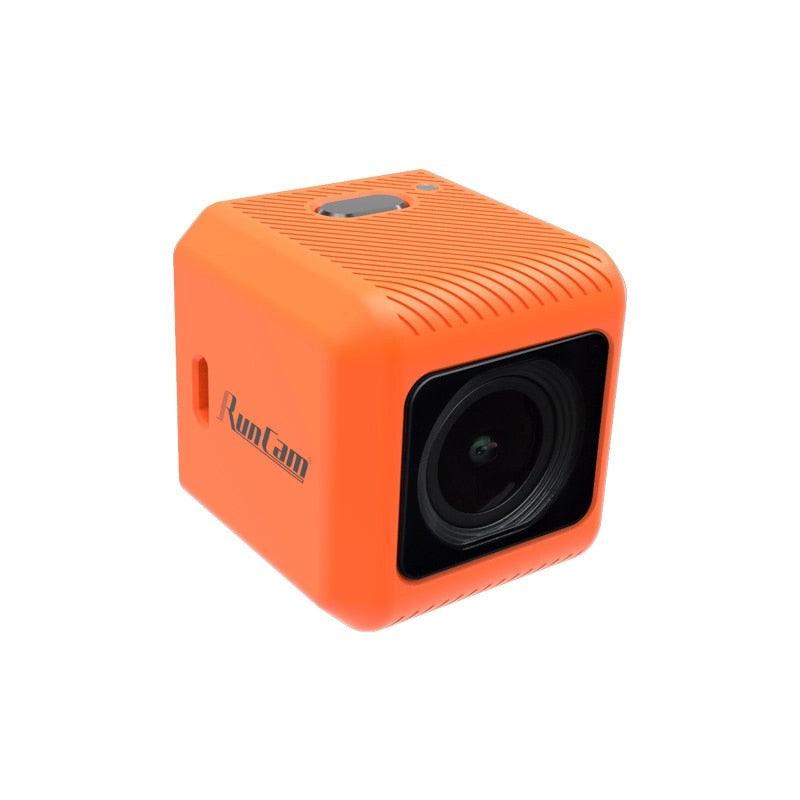
RunCam Thumb Camera – HD Action Camera 1080P/60FPS FOV 150°Built-in Gyro Stabilization 128G SD Card 9.8g FPV Camera
النطاق السعري: من $52.16 إلى $71.81 - كاميرا الحركة
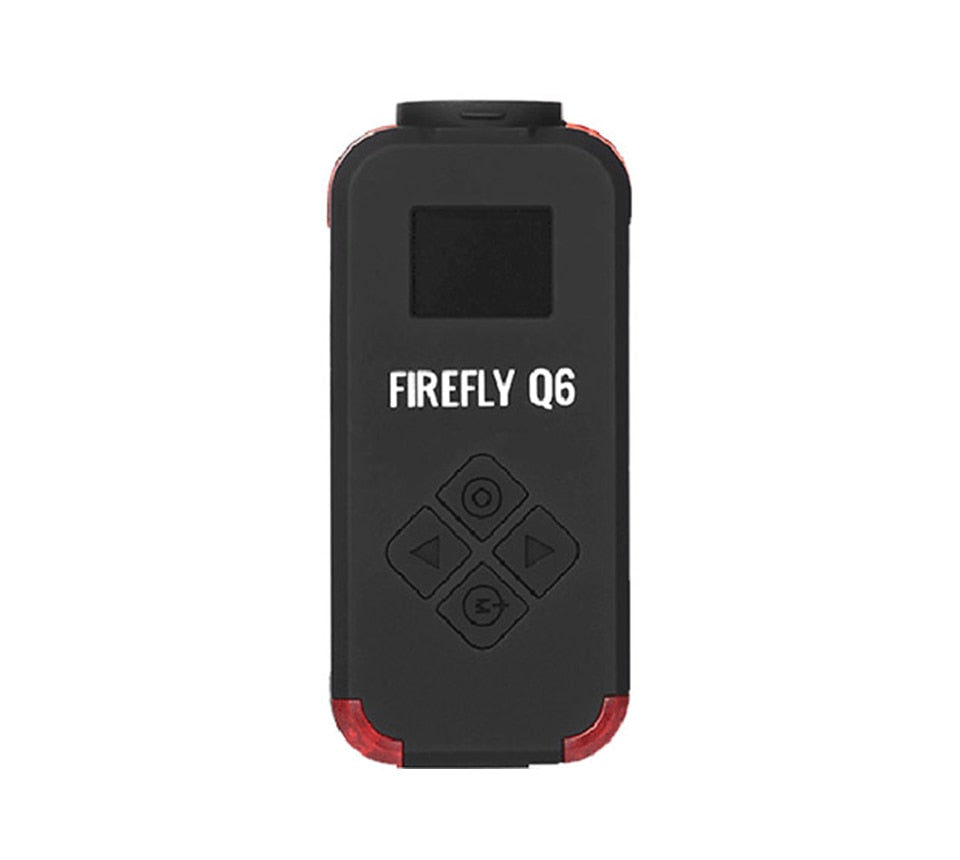
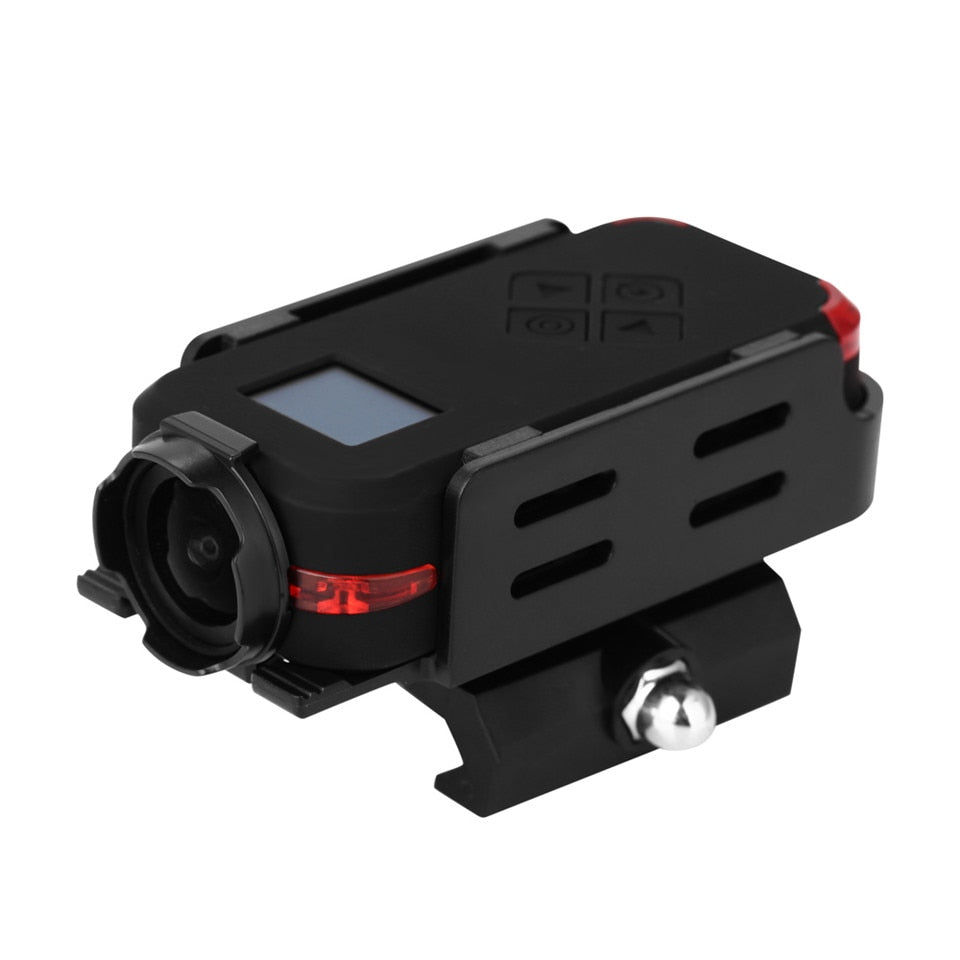
Hawkeye FIREFLY Q6 Action Camera – 1080P / 4K HD Multi-functional Sports Camera Action Cam Black Yellow For FPV Racer Part Drone Accs
النطاق السعري: من $85.27 إلى $97.20 - كاميرا الحركة
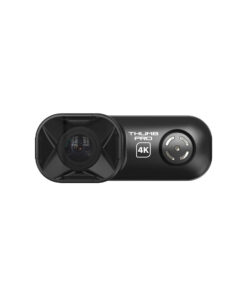
RunCam Thumb Pro New Version – 4K/30fps 2.7K/60fps 1080P/120fps FOV 155° 256G Max Action Camera Suitable for 2″ 2.5″ Cinewhoop FPV
النطاق السعري: من $110.00 إلى $139.00 - كاميرا الحركة
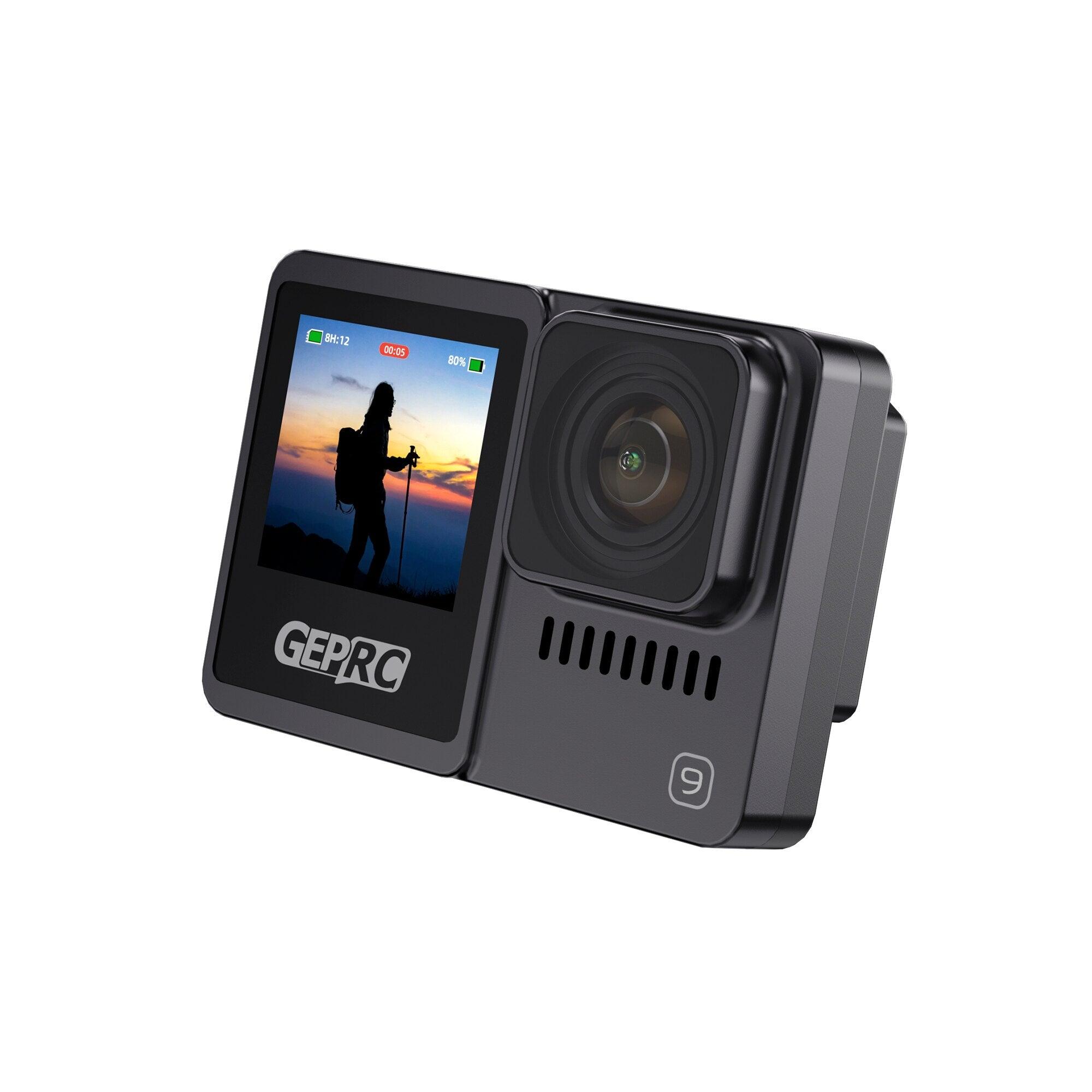
GEPRC Naked Camera GP11 – Full Action Camera GP9/GP10/GP11 Ultimate Fpv 4K 5K Suitable for CineLog 35 Cinebot MAKE5 RC FPV Drones
النطاق السعري: من $111.94 إلى $838.03 - كاميرا الحركة
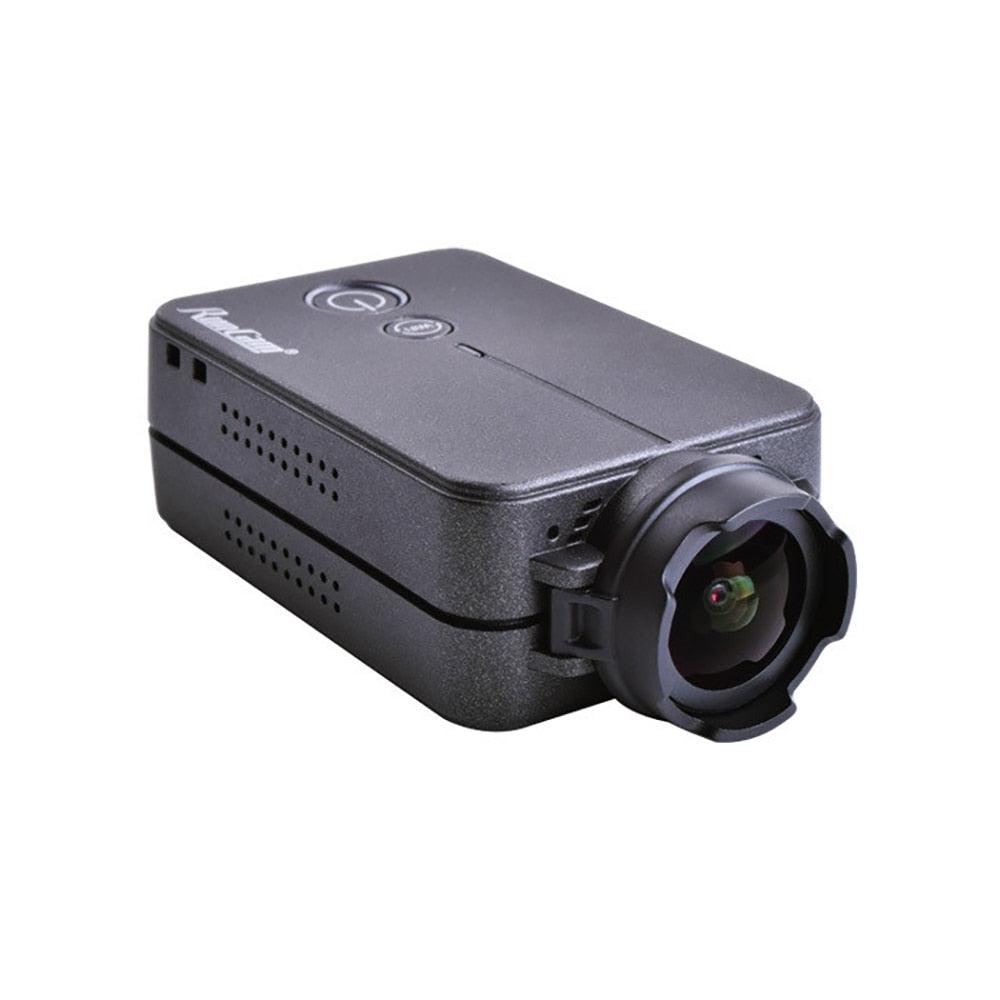
RunCam2 Black Light Action Mini Outdoor Sport Drone Shooting Video Camera Recorder 1080P 60FPS HD Wi-Fi APP Replaceable Battery
النطاق السعري: من $119.55 إلى $120.86 - كاميرا الحركة
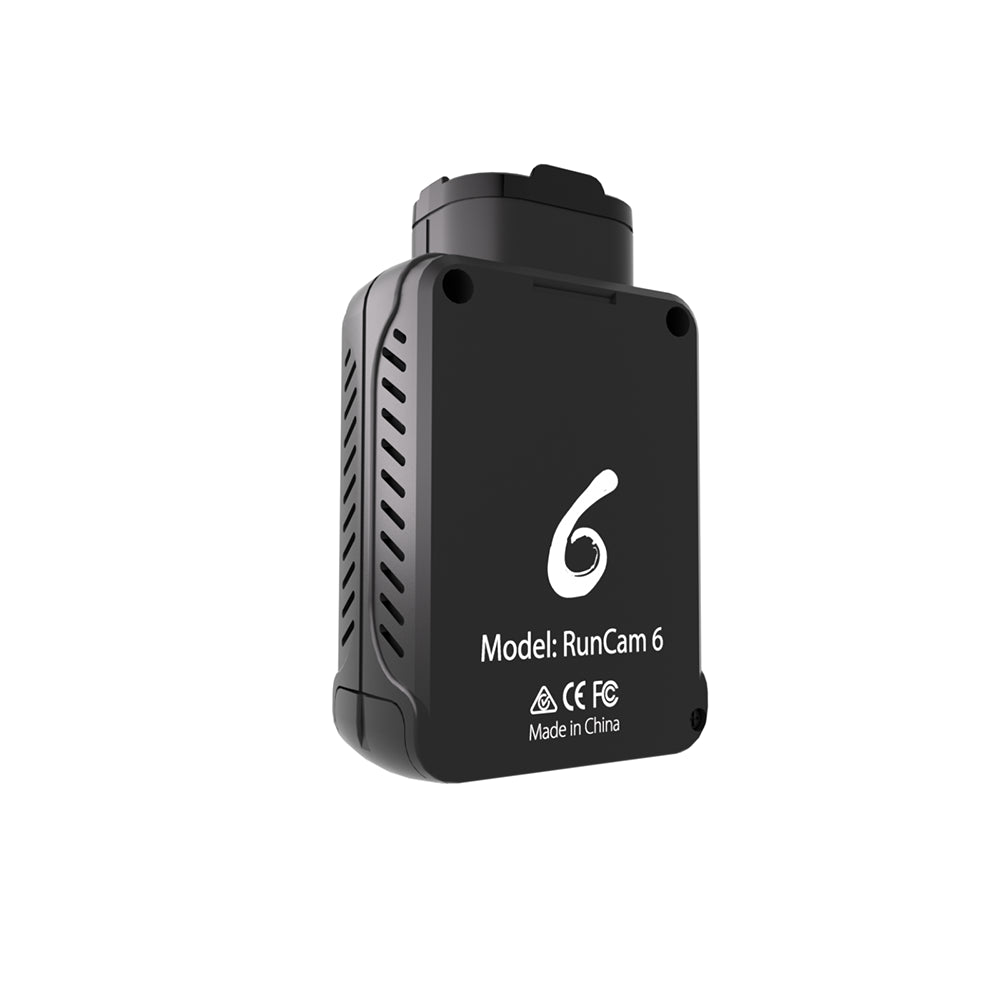
RunCam 6 Action Camera – 4K/30fps 1/2.3″ Sensor EIS&GyroFlow Supported OLED Display 128G SDCard FPV Camera
النطاق السعري: من $125.00 إلى $169.00 - كاميرا الحركة
RunCam 5 Action Camera – 4K 2.7K@60FPSOrange Black RunCam5 Stabilizer Sport Drone RC Car for FPV EIS 128G Gopro Hero Session 5
النطاق السعري: من $132.99 إلى $145.81 - كاميرا الحركة
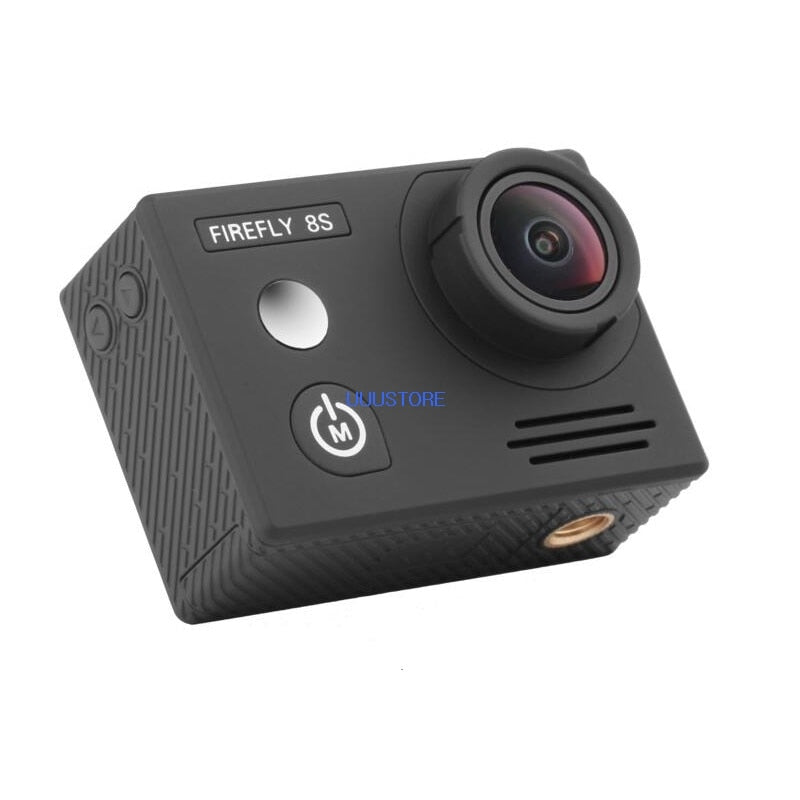
Hawkeye Firefly 8S Action Camera – 4K 170/90 Degree Super-View Bluetooth FPV Sport Action Cam FPV HD WiFi Camera For RC Racing Drone
النطاق السعري: من $170.07 إلى $192.19 - كاميرا الحركة
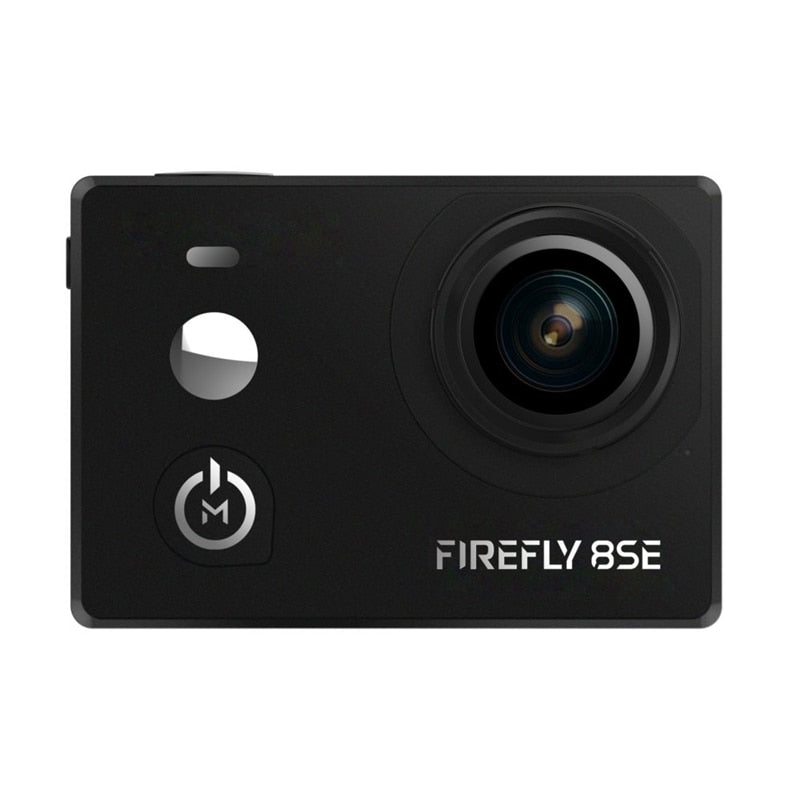
Hawkeye Firefly 8SE Action Camera – 4K 90 Degree / 170 Degree Screen WIFI FPV Action Camera Ver2.1 Sports Recording RC Models
النطاق السعري: من $192.95 إلى $208.23 - كاميرا الحركة
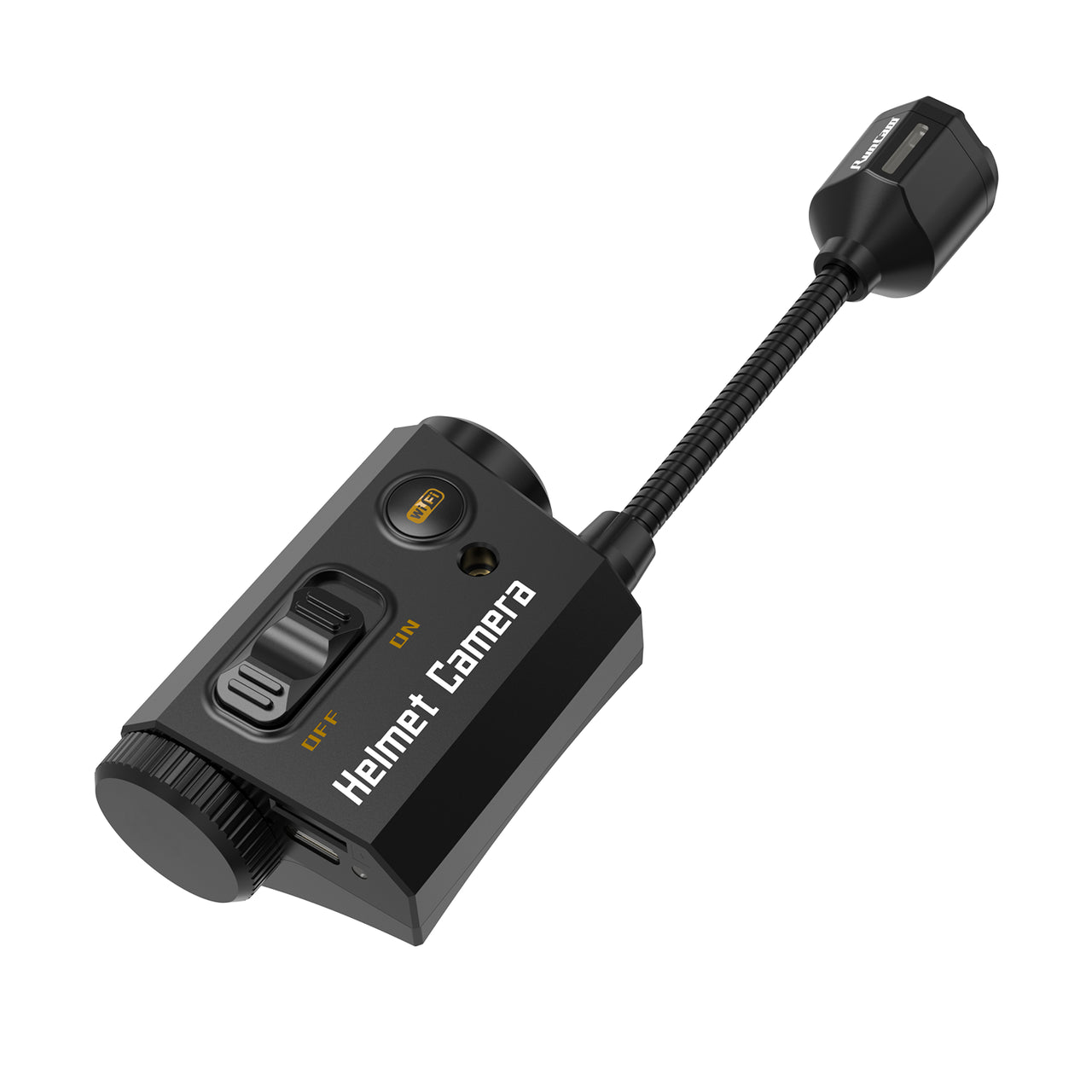
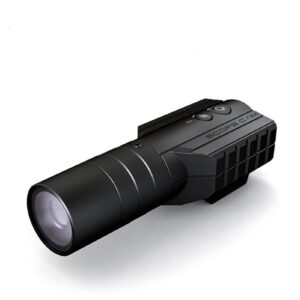
RunCam Scope Cam Lite 1080P HD Built-in WiFi APP Scopecam 2 Military Airsoft Tactical Paintbal Hunting Action Zoom Camera
النطاق السعري: من $213.99 إلى $309.99

 Arabic
  English
  Russian
  German