
شاحن بطارية الطائرة بدون طيار
Industrial-Grade Power: Why Your Drone Battery Charger is the Heart of Your Bench
As a senior engineer, I’ve seen more FPV drones grounded by poor battery maintenance than by mid-air collisions. A high-quality drone battery charger isn’t just an accessory; it is the lifeblood of your fleet. Whether you are managing 6S racing packs or 1S tiny whoops, your charger must deliver precise voltage regulation to ensure longevity and flight safety. If your current hub is flickering green or failing to charge multiple packs, you likely have an amperage bottleneck.
Technical Performance Specifications
الميزة
Engineering Standard
Input Voltage Range
DC 10-30V / AC 100-240V
Charging Power
Min 65W per channel (Recommended 100W+)
Balance Current
500mA – 1500mA per cell
Chemistry Support
LiPo, LiHV, LiFe, NiMH, Smart Batteries
Safety Protocols
Short Circuit, Over-temp, Cell Mismatch Detection
Engineering Analysis: Solving the “Insufficient Power” Bottleneck
A common issue reported in the FPV community is the “Sequential Charging Stall,” where a charger seems to ignore middle batteries or flickers red. This is almost always due to an insufficient power supply. If you are using a charger rated below 30W, you cannot effectively charge multiple high-capacity packs. For optimal performance, I recommend using a minimum 65W or 120W power brick to avoid the dreaded yellow status light. High-end Balance Chargers allow you to monitor internal resistance, which is the only way to truly gauge if your cells are degrading.
Safety shouldn’t be an afterthought. Always secure your packs with heavy-duty Battery Straps during transport and, most importantly, always charge inside certified Fireproof Bags. If a battery has been sitting at 0V, you might attempt a 24-hour low-current recovery, but never leave it unattended as the chemical stability is compromised.
Drone Battery Charging FAQ
How can I charge my drone without a charger?
While some consumer drones allow USB charging via power banks or laptops, it is not recommended for high-performance FPV batteries. Dedicated chargers provide the necessary balance leads to ensure each cell is charged equally, preventing fire hazards and cell swelling.
How many times can you charge a drone battery?
Typically, a LiPo battery lasts between 300 and 500 charge cycles. A “cycle” is a full discharge and recharge. You can extend this lifespan by avoiding deep discharges (keep cells above 3.5V) and using a storage charge (3.8V-3.85V) when not flying for more than 48 hours.
Can I charge a drone with a powerbank?
Yes, modern field chargers with USB-C PD (Power Delivery) inputs allow you to use high-output power banks. However, ensure your power bank can output at least 30W-65W; otherwise, the charging hub may fail to initialize or will only charge one battery at a time very slowly.
How do I know if my drone battery is charging?
Most hubs use LED arrays: blinking green or yellow usually indicates active charging, while solid green signals a full charge. If you see a flickering red light immediately after plugging in, it indicates a voltage error or a damaged cell that the charger’s safety circuit has rejected.
- شاحن بطارية الطائرة بدون طيار
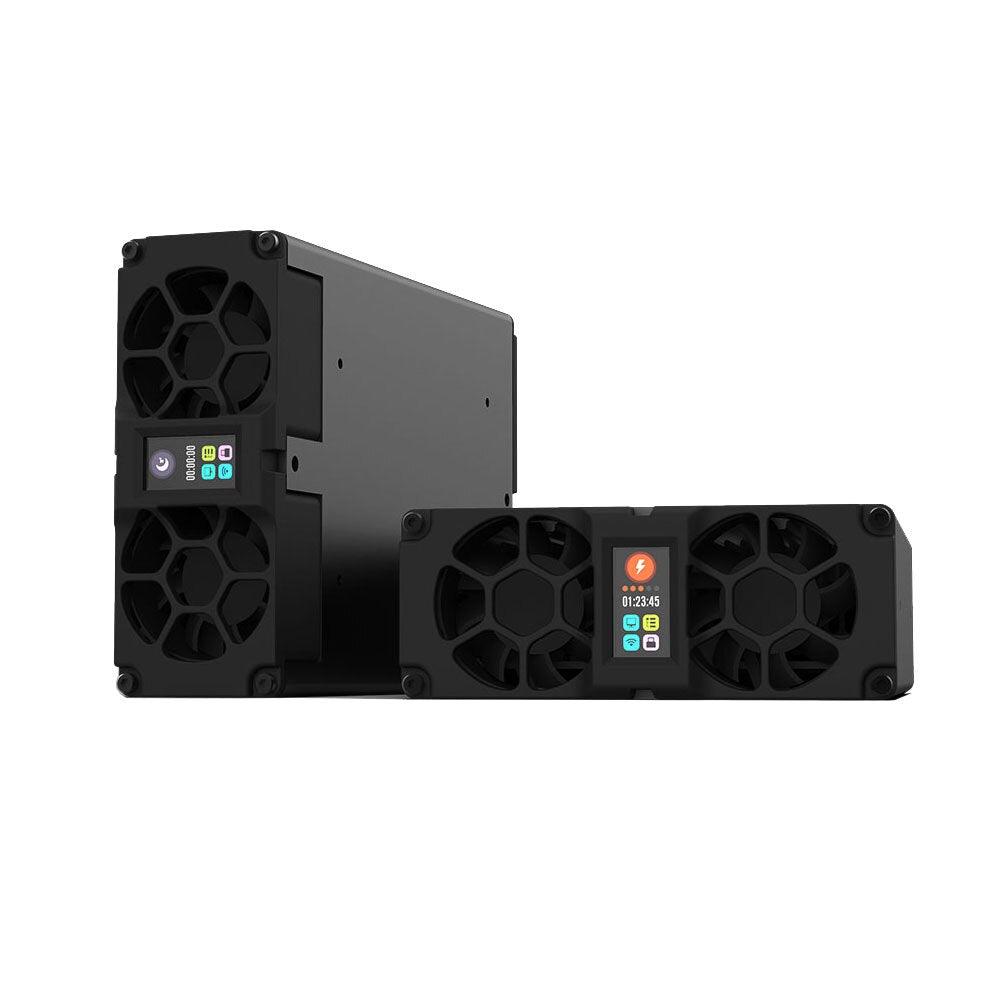
ISDT CM1620 Charger – 1100W 20A Charger Module for 2s 4s 8s 16S LiHv LiPo LiFe UAV eBike Industrial Drone Battery Charger
$182.63 - شاحن بطارية الطائرة بدون طيار
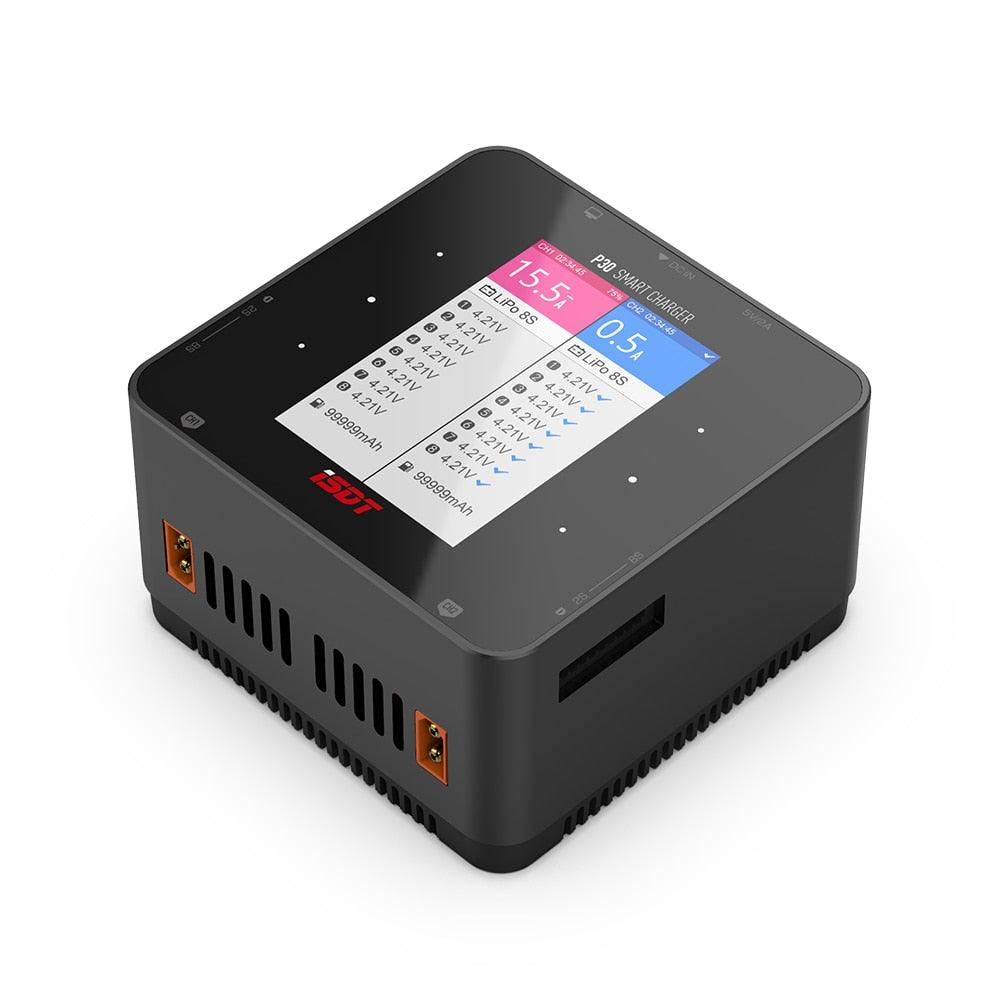
ISDT P30 Charger – 1000WX2 30AX2 High Power Dual Channel BattGo Battery Balance FPV Drone Charger Discharger for 1-8S Lipo Battery RC FPV Drone
$234.64 - شاحن بطارية الطائرة بدون طيار
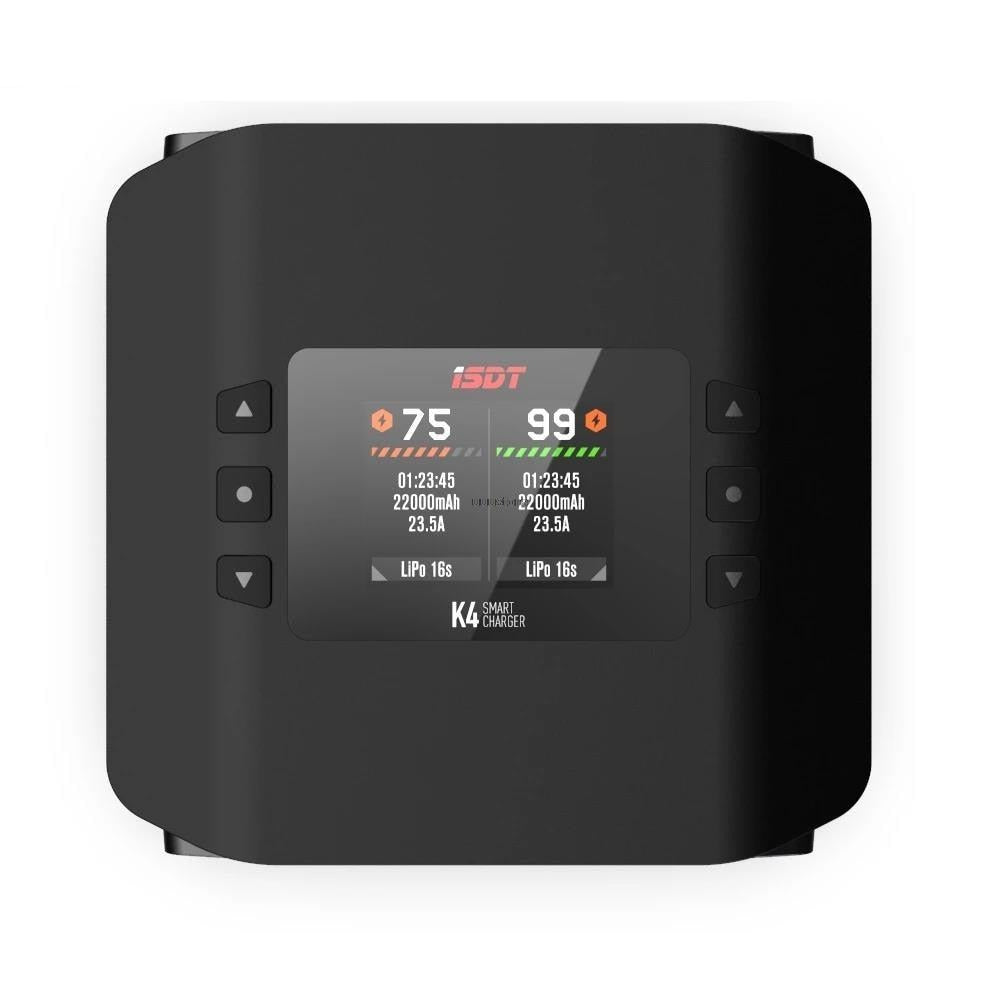
ISDT K4 Charger – 1S – 8S Lithium Battery Smart Charger 20A 600W AC/DC Independent Dual Mode Dual Channel For Lipo Battery charge Drone Charger
$269.19 - شاحن بطارية الطائرة بدون طيار
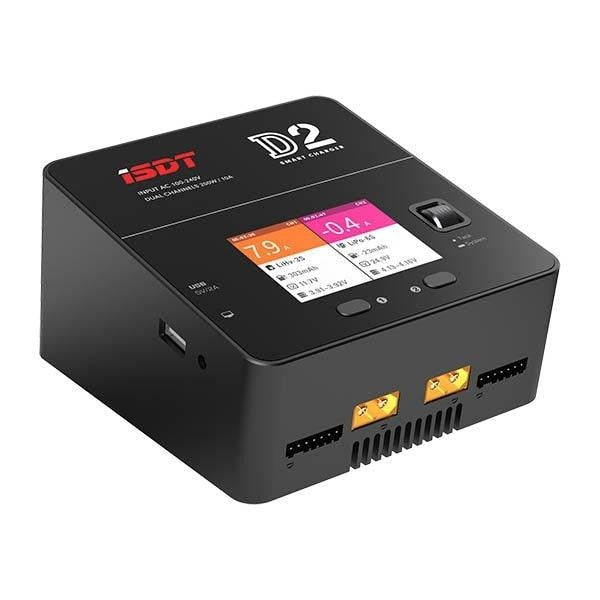
ISDT D2 Drone Charger – 200W 20A AC Dual Channel Output Smart Battery Balance Charger
$270.87 - شاحن بطارية الطائرة بدون طيار
ISDT SP3060 Power Supply – 20V-30V 1800W 60A Power Supply Adapter Battery Charger for iCharger 3010B RC Fpv Drone Charger
$430.82 - شاحن بطارية الطائرة بدون طيار
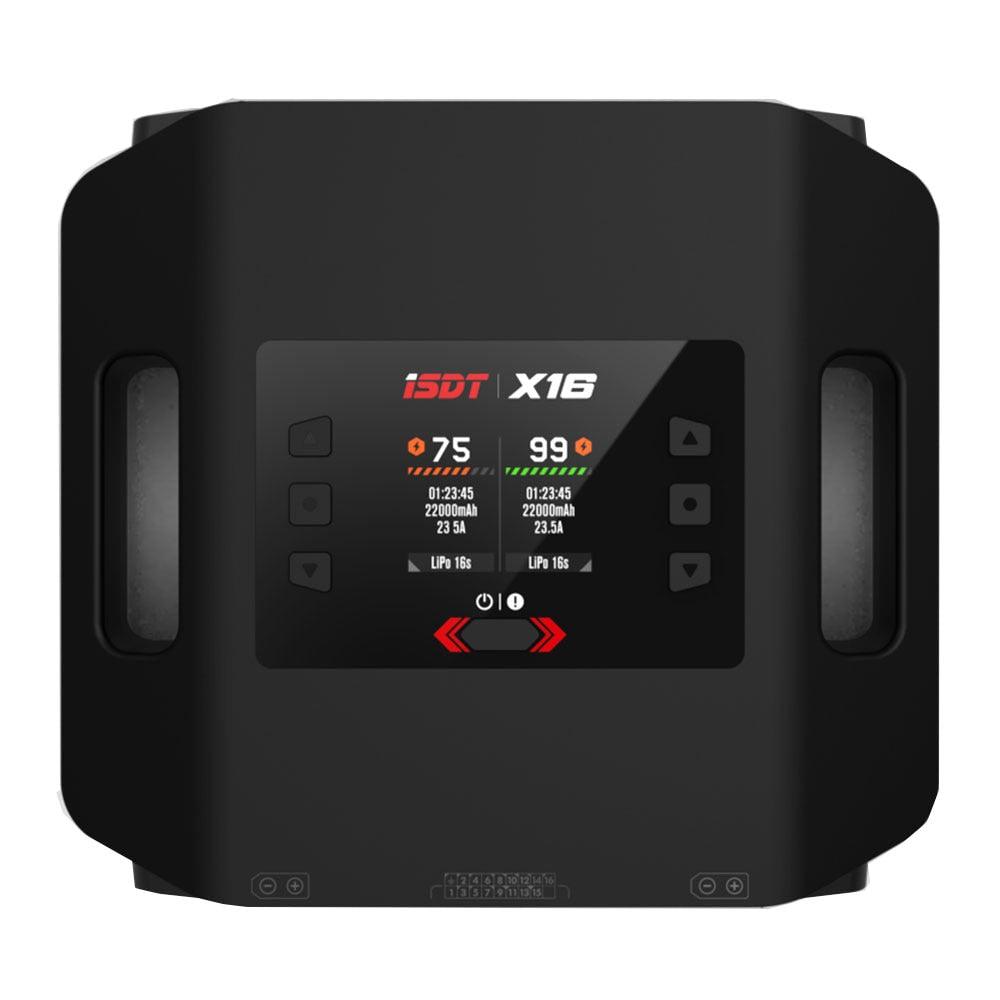
ISDT X16 Charger – 2 X 1100W 2X20A Dual Channel Battery Charger for 2-16S Lipo Batter Drone Charger
$831.63
 Arabic
  English
  Russian
  German