
بطارية الطائرة بدون طيار
Ultra-High Energy Density Packs: Push the Limits of Long-Range Flight
To answer the burning question—what’s the furthest distance a drone can fly?—you have to look beyond the airframe and into the chemistry of your power source. While standard consumer rigs struggle to hit 30 minutes, our high-performance drone battery selection is engineered for pilots who need to push past the 10km mark and into the realm of long-range endurance. Whether you are chasing 100km milestones with fixed-wing hybrids or looking for punchy LiPos for freestyle, we provide the hardware that prevents ‘DOA support’ nightmares.
Technical Specifications & Chemistry Comparison
Battery Type
Energy Density
Discharge Rate (C)
Best For
Lithium Polymer (LiPo)
Medium
75C – 150C
FPV Racing & Freestyle
Lithium-Ion (Li-ion)
High
10C – 35C
Long Range & Endurance
Solid State (Emerging)
Very High
Low/Medium
Commercial Surveying
Engineering Analysis: Solving the ’12V Problem’ and Voltage Sag
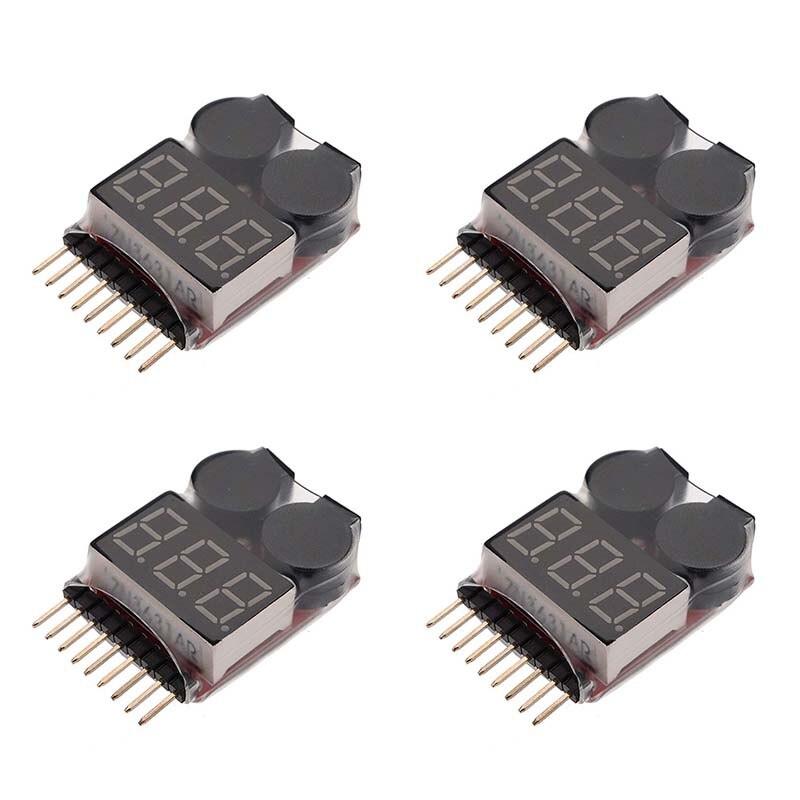
In my 10+ years of FPV engineering, I’ve seen countless pilots lose expensive rigs because they didn’t understand discharge curves. A common issue reported in the community is the ’12V Battery Problem,’ where internal resistance spikes cause the drone to drop out of the sky despite showing remaining capacity. To avoid this, we recommend landing when your battery hits 3.5V per cell. If you notice your 4th LED blinking 2 times on repeat, that’s often a signal of cell imbalance or a ‘ghosted’ BMS.
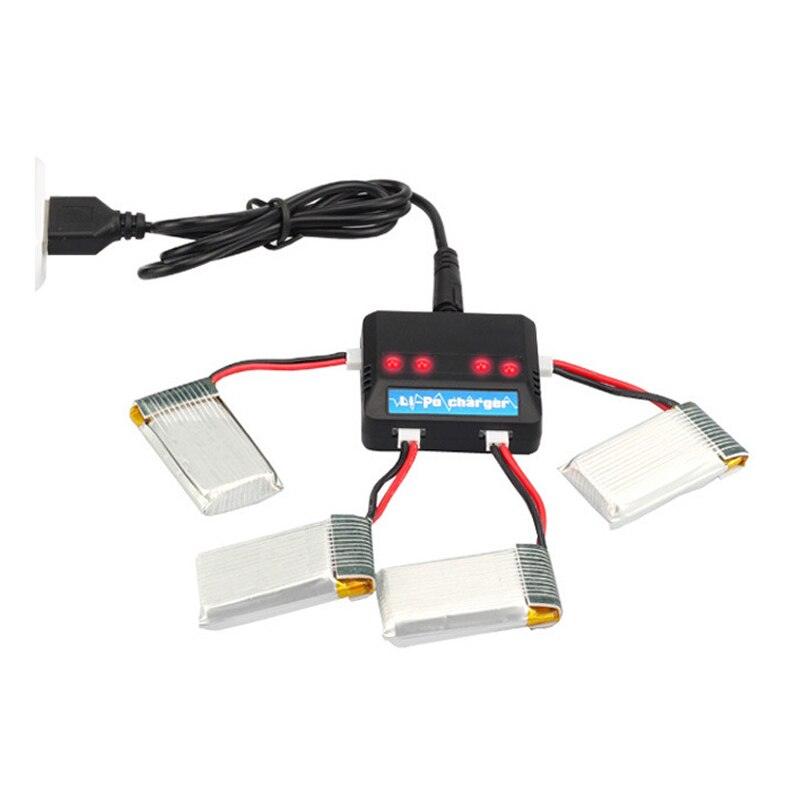
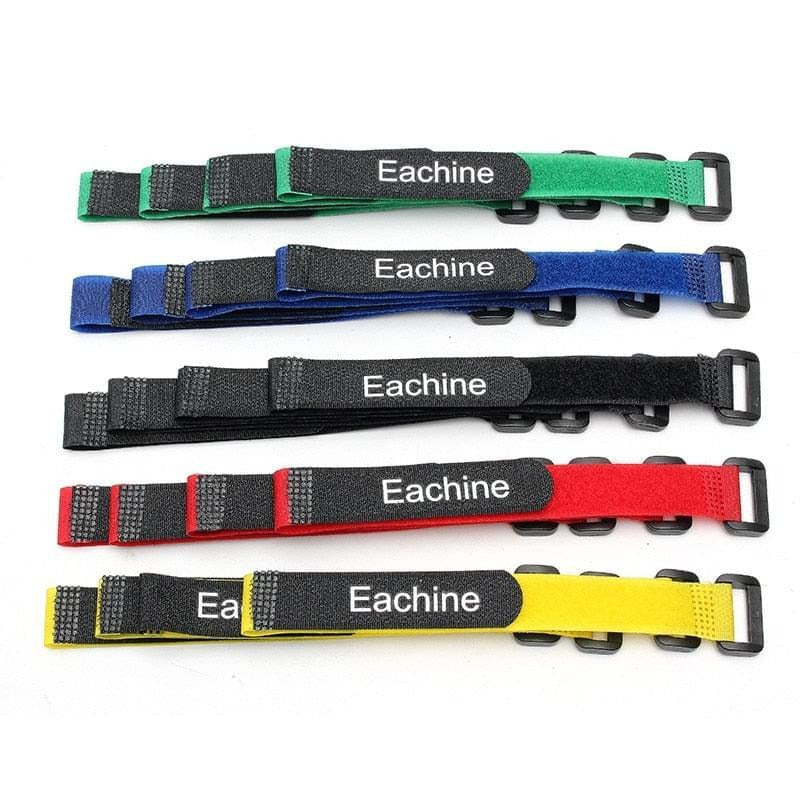
For those flying ‘nice’ batteries, don’t be afraid to push them, but always ensure they are secured with reinforced Battery Straps to prevent ejection during high-G maneuvers. When you’re back at the bench, utilizing high-precision Balance Chargers is non-negotiable for maintaining cell health and preventing the dreaded ‘middle battery won’t charge’ syndrome. Always store your high-capacity packs in Fireproof Bags to mitigate risks from crash-damaged cells or bent corners.
Frequently Asked Questions
What kind of battery is used in drones?
Most modern drones use Lithium Polymer (LiPo) or Lithium-Ion (Li-ion) batteries. LiPo batteries are the industry standard for high-discharge applications like FPV because they are light and can deliver massive bursts of power. Li-ion batteries offer higher energy density, making them the choice for long-endurance flights where weight-to-capacity ratios are critical.
Can a drone fly 100 km?
Yes, but typically only specialized fixed-wing commercial or military drones with hybrid propulsion systems can achieve distances over 100 km (60 miles). Consumer multi-rotors are usually limited to a 5-10 km range due to battery capacity and signal penetration constraints.
How long will a drone battery last?
A standard consumer drone battery lasts between 20-40 minutes. Entry-level models usually hover around 20 minutes, while premium platforms like the DJI Mavic series or Autel EVO can reach up to 45 minutes under ideal conditions. Custom-built long-range FPV drones using Li-ion packs can also push into the 30-50 minute window.
Can a drone fly for 24 hours?
Standard untethered drones cannot fly for 24 hours. However, ‘Tethered Drones’ connected to a ground-based power station can stay airborne indefinitely, with some systems recently tested for non-stop 24-hour flights in challenging conditions for surveillance and emergency relay purposes.
Which is better, a Li-ion or LiPo battery?
It depends on your flight style. Li-ion is better for slow, steady flights where you need maximum time in the air (high energy density). LiPo is better for racing, freestyle, or heavy-lift drones that require high discharge rates to perform aggressive maneuvers without massive voltage sag.
- بطارية الطائرة بدون طيار
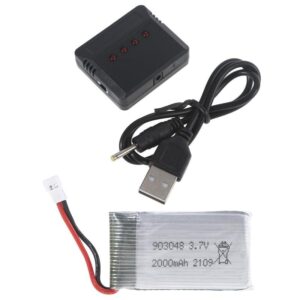
R58A 3.7 فولت 2000 مللي أمبير بطارية ليبو 903048 بطارية ليثيوم أيون/شاحن بطارية ليثيوم أيون R58A 3.7 فولت 2000 مللي أمبير بطارية ليثيوم أيون 903048 بطارية/شاحن RC كوادكوبتر رباعية المروحيات قطعة غيار لإصلاح ملحقات KY601S H11D H11C RC
النطاق السعري: من $4.91 إلى $5.47 - طارية ليبو 1S 3.7 فولت
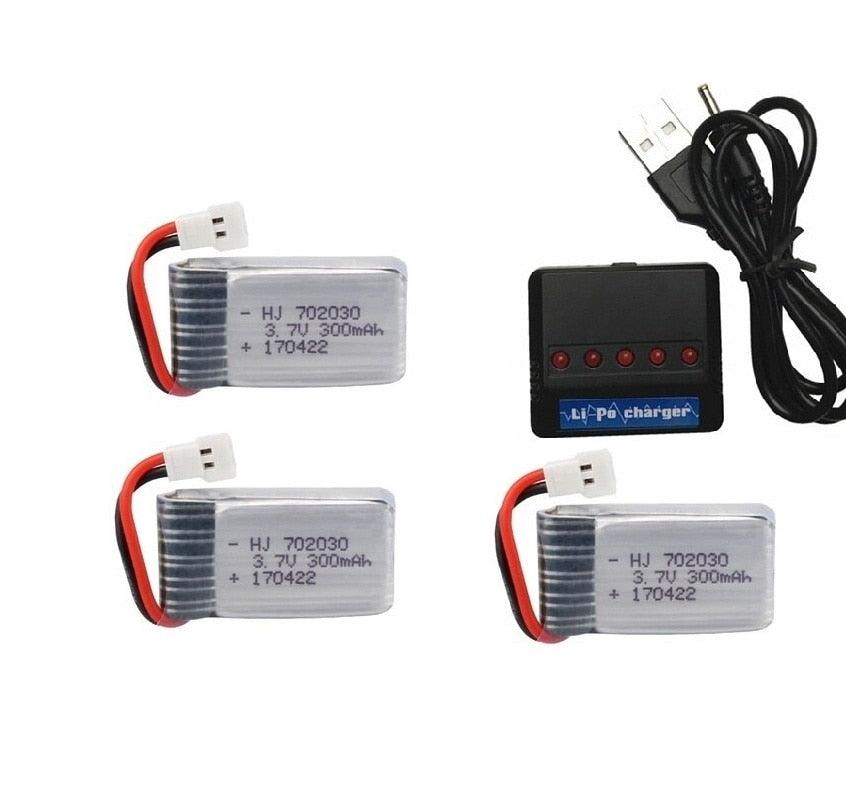
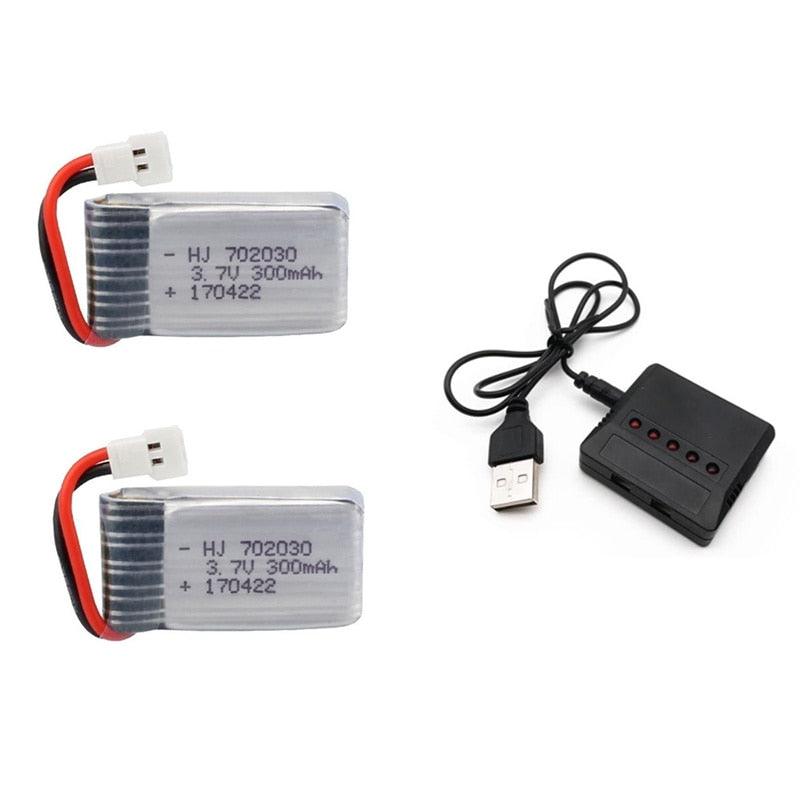
بطارية ليبو 3.7 فولت 300 مللي أمبير مع شاحن 5 في 1 لبطارية Udi U816 U816 U830 F830 F180 E55 FQ777 FQ17W Hubsan H107 Syma X11C FY530 RC Drone
النطاق السعري: من $4.93 إلى $15.71 - طارية ليبو 1S 3.7 فولت
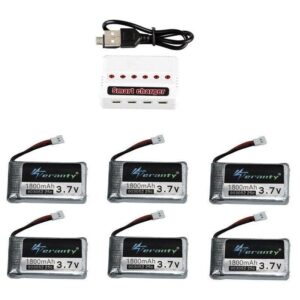
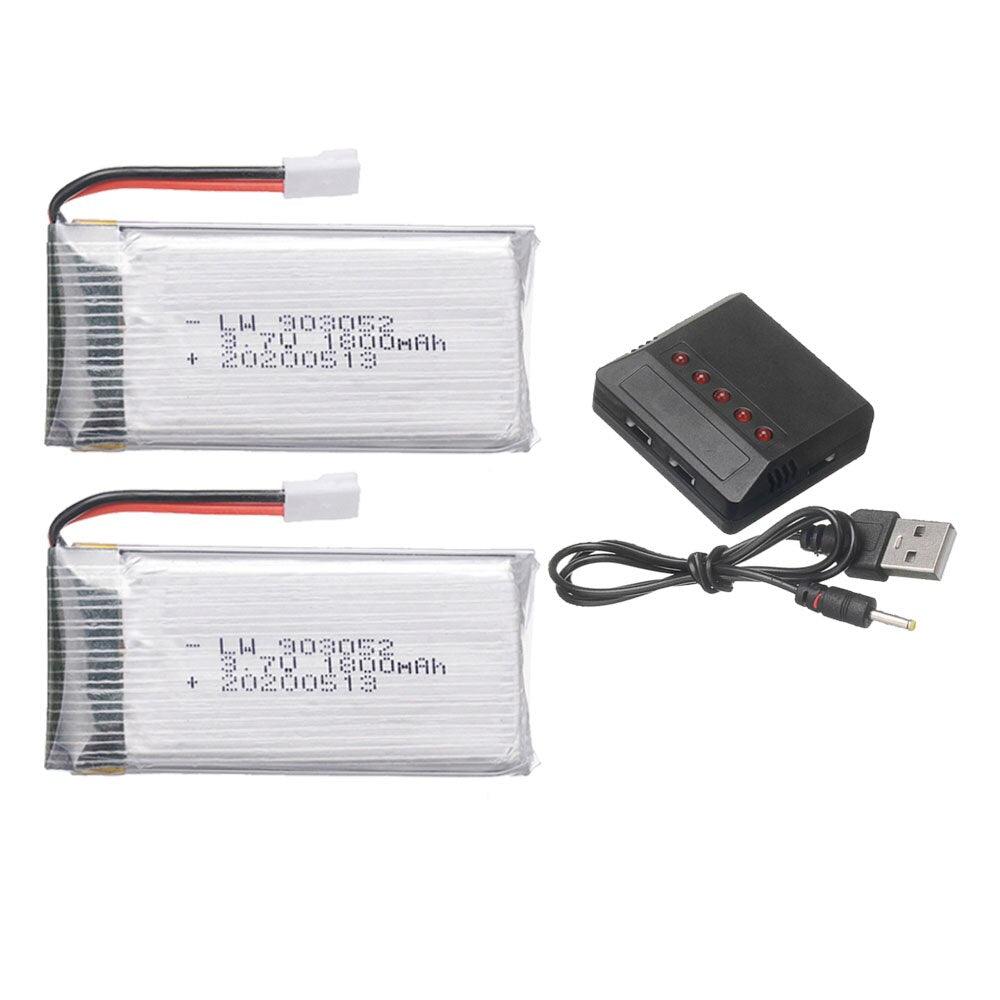
3.7 فولت 1800 مللي أمبير 903052 بطارية وشاحن ليبو 3.7 فولت 1800 مللي أمبير 903052 لقطع غيار المروحية الرباعية طراز Syma X5 X5 X5C X5SW X5SC X5SC X5S X5S X5SC-1 M18 H5P RC Quadcopter 3.7V بطارية طائرة بدون طيار
النطاق السعري: من $5.32 إلى $34.67 - طارية ليبو 2S 7.4 فولت
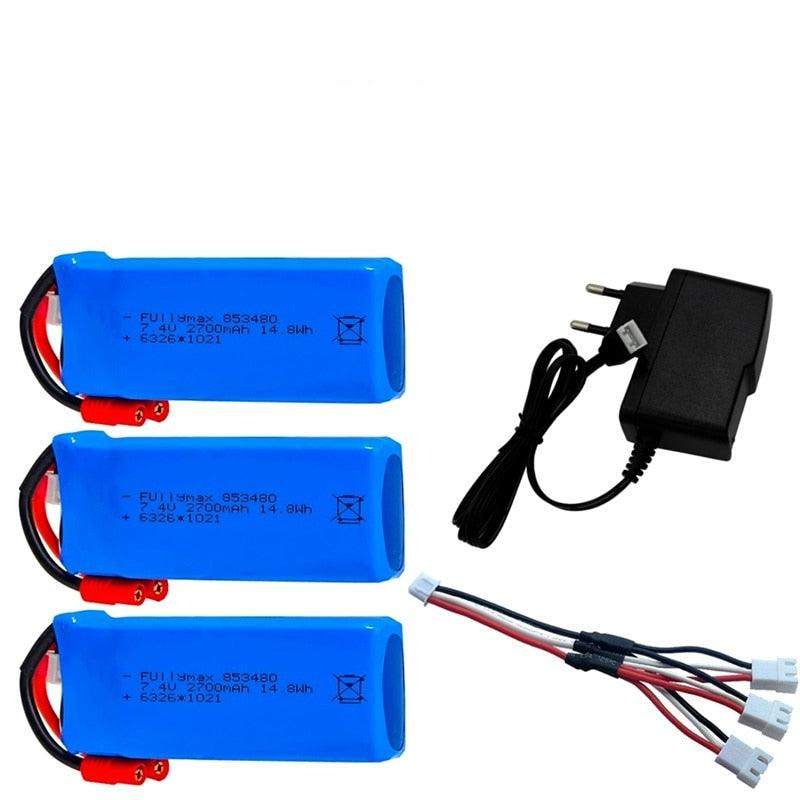
بطارية ليبو قابلة للشحن 7.4 فولت 2700 مللي أمبير في الساعة مع شاحن USB 7.4 فولت لطائرات Syma X8C X8W X8G X8G X8 RC بدون طيار كوادكوبتر 2S 903480
النطاق السعري: من $5.36 إلى $41.15 - بطارية الطائرة بدون طيار
بطارية ترقية لبطارية الطائرة بدون طيار SYMA X21 X21W X21W x26 X26A قطع غيار لملحقات المروحية الرباعية RC كوادكوبتر 3.7 فولت 380 مللي أمبير مع شاحن 5 في 1
النطاق السعري: من $5.99 إلى $34.77 - بطارية الطائرة بدون طيار
بطارية ليبو مطورة 3.7 فولت 850 مللي أمبير/ساعة لبطارية كوادكوبتر 3.7 فولت 3.7 فولت للطائرات بدون طيار 3.7 فولت
النطاق السعري: من $6.04 إلى $38.01 - طارية ليبو 2S 7.4 فولت
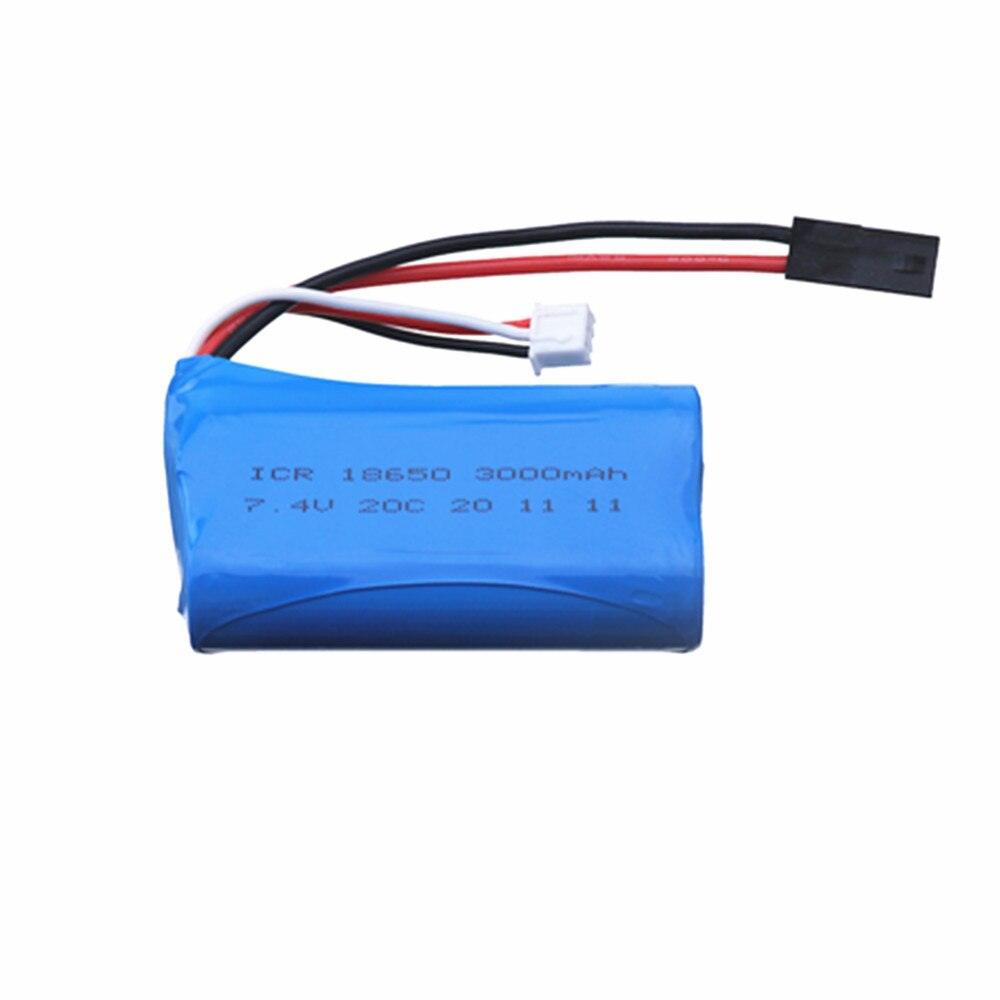
7.4 فولت 3000 مللي أمبير بطارية ليبو 18650 لبطارية MJX T40 T40 T40C F39 F49 T39 Syma 822 RC هليكوبتر بدون طيار جزء ل BG1518 BG1513 BG1515
النطاق السعري: من $6.74 إلى $47.03 - طارية ليبو 1S 3.7 فولت
بطارية ليبو 3.7 فولت 300 مللي أمبير مع شاحن لطائرة بدون طيار RC Udi U816 U816 U830 F830 F180 E55 FQ777 FQ17W Hubsan H107 Syma X11C FY530 RC Drone
النطاق السعري: من $7.50 إلى $12.66 - طارية ليبو 1S 3.7 فولت
3.7V 850mAH Lipo Battery for E58 JY019 S168 RC Drone Quadcopter Spare Parts For RC Rechargeable Modular battery
النطاق السعري: من $7.56 إلى $26.59 - طارية ليبو 1S 3.7 فولت
3.7V 1800mAh Lithium Battery Li-po Battery for Eachine E58 L800 JY019 S168 Drone X Pro RC Modular Battery
$7.95 - طارية ليبو 1S 3.7 فولت
3.7 فولت 1800 مللي أمبير بطارية ليبو 3.7 فولت 1800 مللي أمبير في الساعة لطائرة بدون طيار RC Drone KY601S SYMA X5 X5S X5SC X5SC X5SC X5SC X5SH X5SW M18 H5P H11P H11D H11C RC كوادكوبتر قطع غيار طائرات الهليكوبتر
النطاق السعري: من $8.70 إلى $24.78 - ملحقات الدرون
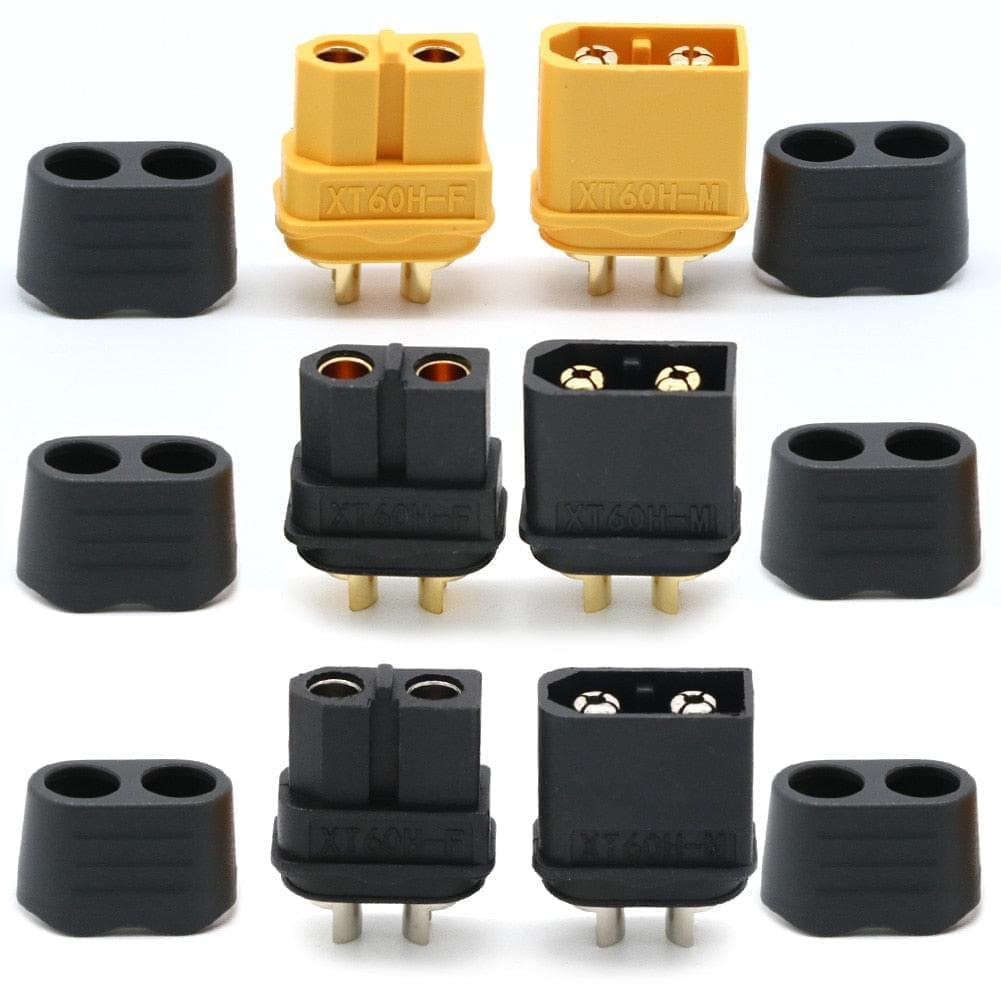
10 × موصل توصيل قابس XT60 + XT60H مع غلاف مبيت 5 ذكور 5 إناث (5 أزواج) لبطارية Rc Lipo Rc Drone قارب سيارة بدون طيار
النطاق السعري: من $9.04 إلى $9.91 - طارية ليبو 1S 3.7 فولت
بطارية ليبو 952540 مطورة 3.7 فولت 1000 مللي أمبير 25C بطارية ليبو 952540 لقطع غيار المروحية الرباعية RC Quadcopter CX-30 CX-30 CX-30W من طراز Syma X5 X5 X5C X5S X5SW X5SW X5SW X5SW V931
النطاق السعري: من $9.52 إلى $42.26 - بطارية الطائرة بدون طيار
New 3.7V 600mAh 800mAh 1600mAh 1800mAh Lithium Battery Compatible with Eachine E58 S168 JY019 JD19 Drone Quadcopter Spare Parts Modular Battery
النطاق السعري: من $9.93 إلى $13.19 - طارية ليبو 1S 3.7 فولت
بطارية ليبو 3.7 فولت 300 مللي أمبير في الساعة لبطارية FQ777 FQ17WUdi U816 U816 U830 F830 F180 E55 Hubsan H107 Syma X107 X11C FY530 بطارية طائرة بدون طيار بدون طيار RC شاحن بطارية الطائرة بدون طيار
النطاق السعري: من $10.31 إلى $47.13 - بطارية الطائرة بدون طيار
3.7 فولت 650 مللي أمبير بطارية ليبو بوليمر 3.7 فولت 650 مللي أمبير لبطارية بوليمر قابلة لإعادة الشحن لبطارية الطائرة بدون طيار Syma X5c X5c-1 X5 H5 H5c RC Quadrotor قطع غيار بطارية قابلة للشحن 2-6 قطع
النطاق السعري: من $11.44 إلى $21.88 - طارية ليبو 1S 3.7 فولت
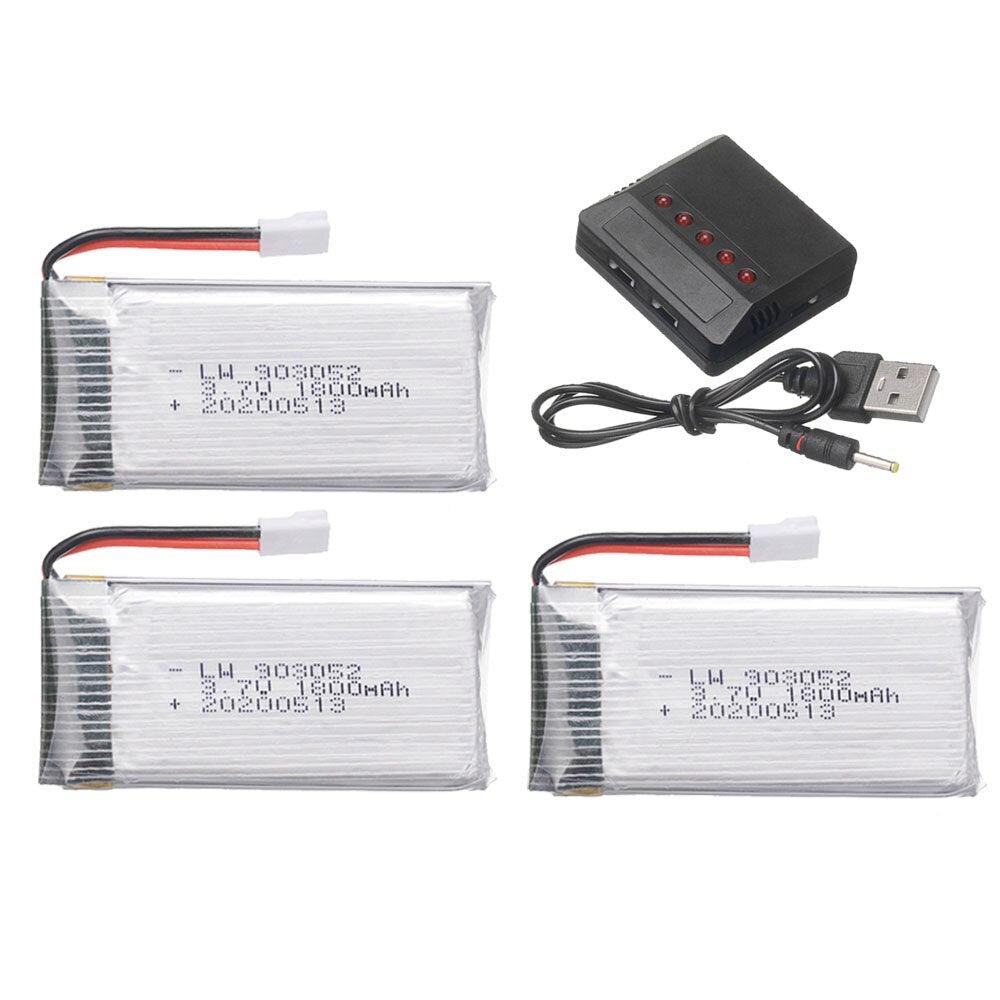
3.7 فولت 1800 مللي أمبير 903052 مجموعة شاحن بطارية ليبو 903052 لقطع غيار الطائرات بدون طيار KY601S SYMA X5 X5S X5S X5C X5SC X5SC X5SSH X5SW M18 H5P RC
النطاق السعري: من $11.50 إلى $26.00 - BETAFPV Battery
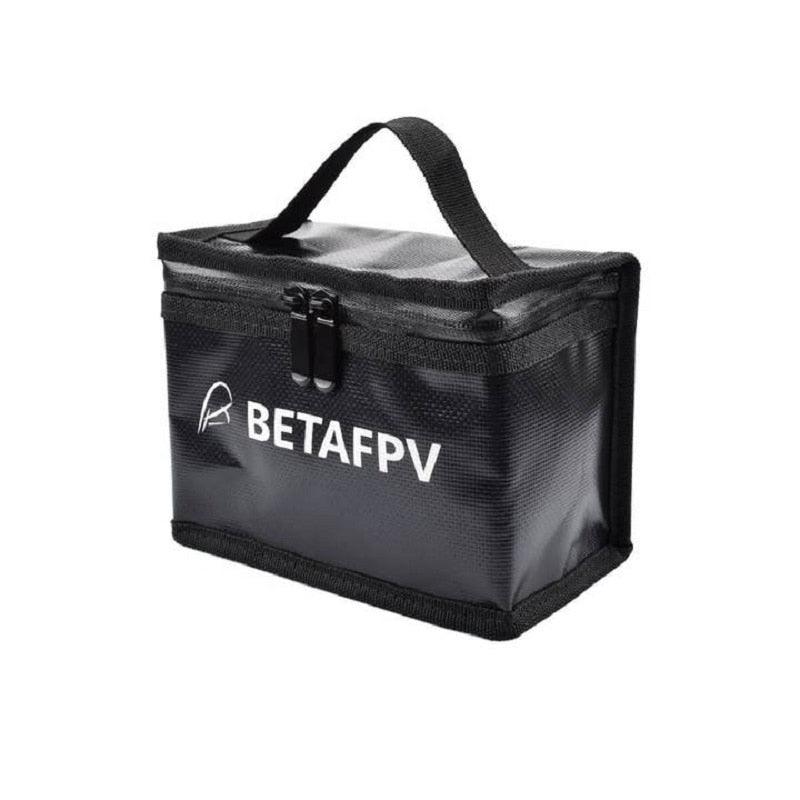
BETAFPV Handbag – Lipo Batteries Safety Handbag for FPV Drone Battery
النطاق السعري: من $11.95 إلى $18.82 - طارية ليبو 2S 7.4 فولت
بطارية بوليمر ليثيوم ليثيوم بوليمر بوليمر 7.4 فولت 11.1 فولت بطارية ليبو الأصلية لبطارية ليبو ليبو AEG Airsoft 2s 3s لبطارية وحدات سباق الطائرات بدون طيار RC FPV
النطاق السعري: من $12.29 إلى $18.71


 Arabic
  English
  Russian
  German