
طارية ليبو 1S 3.7 فولت
Unlock Extreme Power for Your Tiny Whoop with Premium 1S 3.7V LiPo CellsChoosing the right 1s 3.7 v lipo battery is the difference between a locked-in racing line and a frustrating mid-air sag. Whether you are pushing a 65mm brushless whoop or powering a micro-rover, understanding the discharge curve and internal resistance of your lipo 1s pack is crucial for performance and safety.Use-Case Scenarios: Micro-Racing vs. Long-Range CruisingIn the world of 1S flight, weight is everything. For competitive indoor racing, a lipo 1s 150mah is the gold standard, offering the lowest mass for maximum agility. However, if you’re building a micro-long-range rig or a cinematic whoop, jumping up to a 1s 500mah lipo provides the necessary mah to stay in the air for 4+ minutes. Just be mindful of the ’40/80 rule’—maintaining your battery between 40% and 80% charge significantly extends its lifespan, often reaching up to 1,000 cycles.Battery TypeNominal VoltageFull Charge VoltageBest Use Case1s 150mah lipo3.7V4.2VUltralight Racing / Whoops1s 500mah lipo3.7V4.2VMicro Rovers / Long RangeLiHV 1S3.8V4.35V-4.4VHigh-Performance RacingThe Engineer’s Perspective: Pros, Cons, and Common PitfallsFrom a technical standpoint, lipo 1s packs are incredibly accessible but easily damaged. One common issue we see on Reddit involves pilots using TP4056 charging modules; at a standard 1C rate, these can be too aggressive for smaller lipo 1s 150mah cells, leading to increased internal resistance. Furthermore, if you’re integrating these into DIY projects, remember that while a 3.7V battery is ‘nominal,’ it hits 4.2V at full charge—this will fry an ESP32 board that expects a precise 3.3V input.Pros: Lightweight, no need for complex Balance Chargers, and very affordable.Cons: Highly sensitive to over-discharge; dropping below 3.2V can put the cell into ‘sleep mode’ or cause permanent chemical damage.Expert Maintenance TipsTo keep your fleet healthy, always store your batteries in Fireproof Bags, even for small 1S cells. If you find a battery has dropped too low, you can sometimes ‘wake’ it using a low-current recovery charge, but if the voltage is below 3.0V, it’s safer to retire it. When mounting to your frame, ensure you use high-quality Battery Straps or tight-fitting 3D printed mounts to prevent the battery from ejecting and tearing the delicate PH2.0 or BT2.0 connectors.Frequently Asked QuestionsWhat is a 3.7 V LiPo battery?A 3.7V LiPo (Lithium-ion Polymer) battery is a single-cell (1S) rechargeable power source. It has a nominal voltage of 3.7V, but ranges from 4.2V when fully charged to approximately 3.2V when depleted.Is a 3.7 V battery good?Yes, it is the industry standard for micro drones, portable electronics, and small RC toys due to its high energy density and lightweight profile.What happens if I charge a lithium battery with a normal battery charger?Never use a ‘normal’ NiMH or Lead-Acid charger. Lithium batteries require a specific CC/CV (Constant Current/Constant Voltage) charging profile. Using the wrong charger can lead to overheating, swelling, or fire.What is the full charge voltage of 3.7 V lithium battery?A standard 3.7V LiPo battery is fully charged at 4.20V. Charging beyond this voltage (unless it is a specifically rated LiHV cell) will damage the chemistry and poses a fire risk.How do you get a lithium battery out of sleep mode?If a battery is in ‘sleep mode’ (voltage is too low for the charger to recognize), you can sometimes use a ‘NiMH’ recovery trick at very low amperage for 1-2 minutes to boost the voltage above 3.0V, then switch back to LiPo mode. تحذير: This must be monitored constantly and is done at your own risk.
- طارية ليبو 1S 3.7 فولت
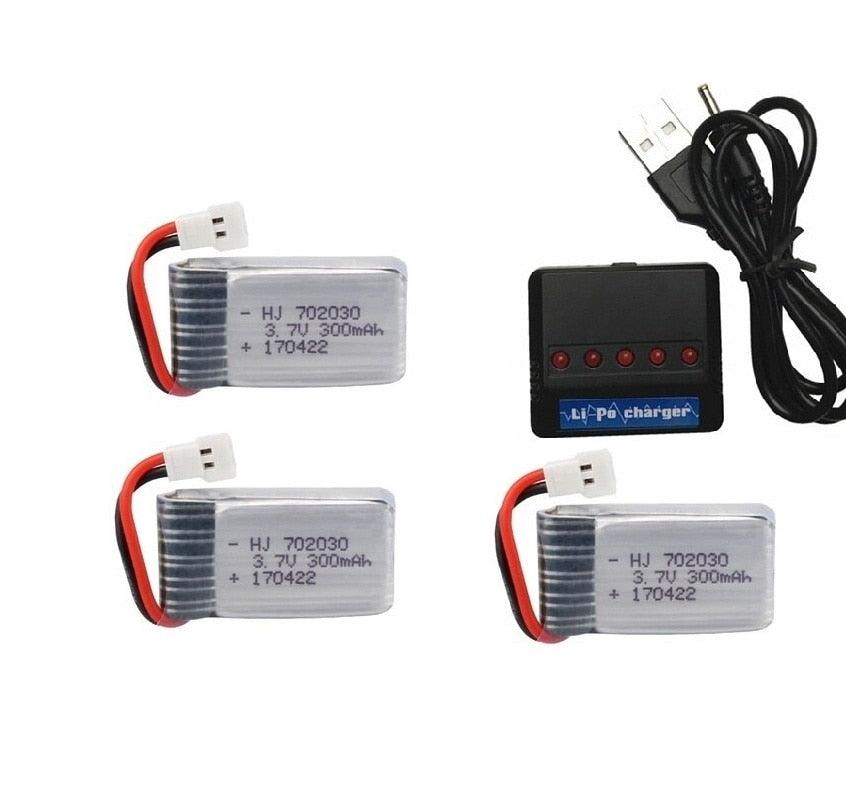
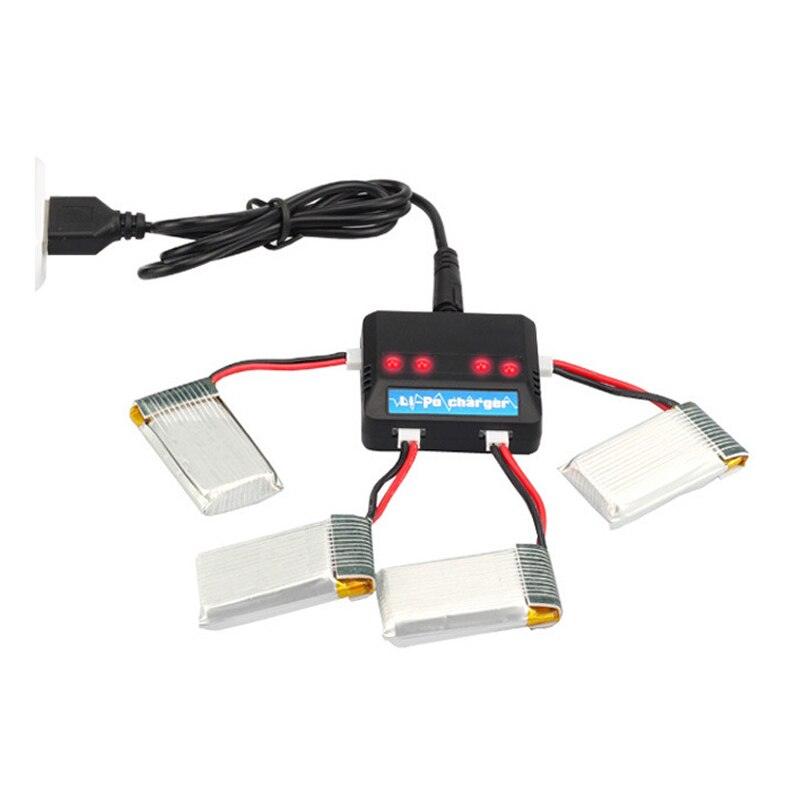
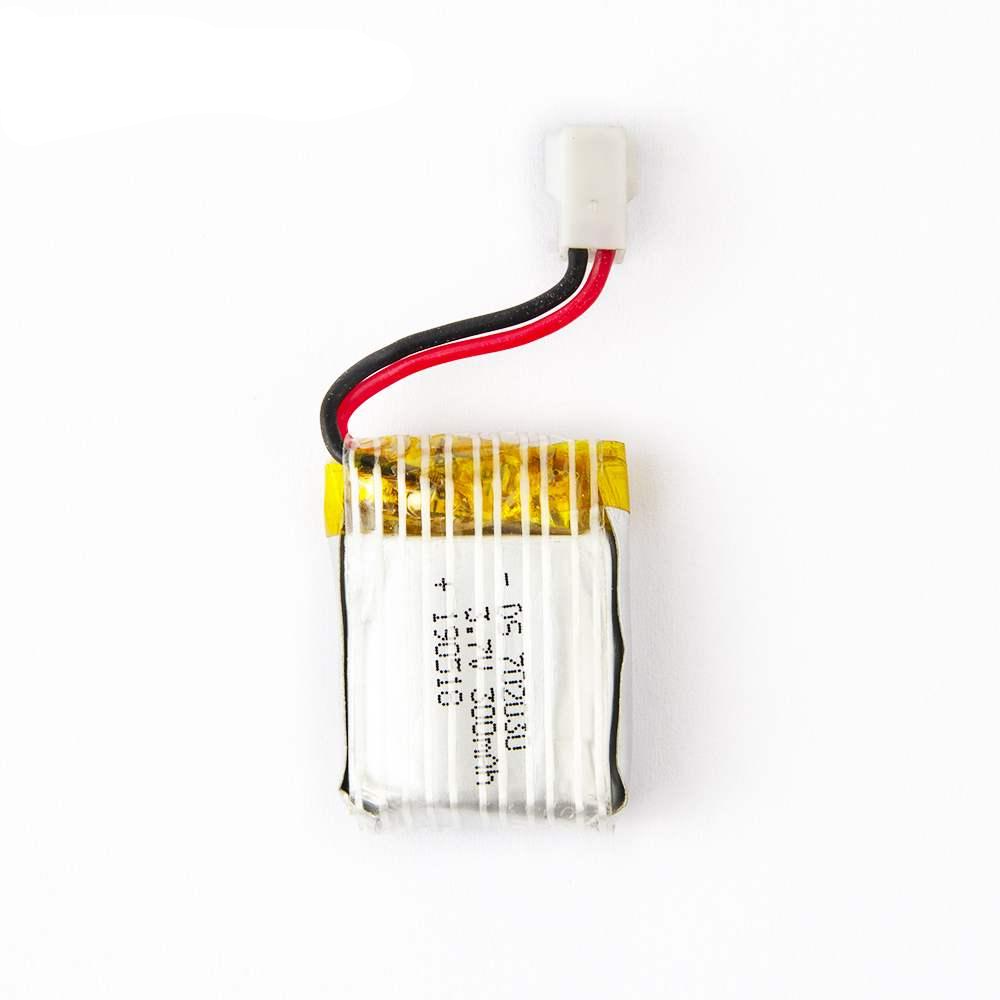
بطارية ليبو 3.7 فولت 300 مللي أمبير مع شاحن 5 في 1 لبطارية Udi U816 U816 U830 F830 F180 E55 FQ777 FQ17W Hubsan H107 Syma X11C FY530 RC Drone
النطاق السعري: من $4.93 إلى $15.71 - طارية ليبو 1S 3.7 فولت
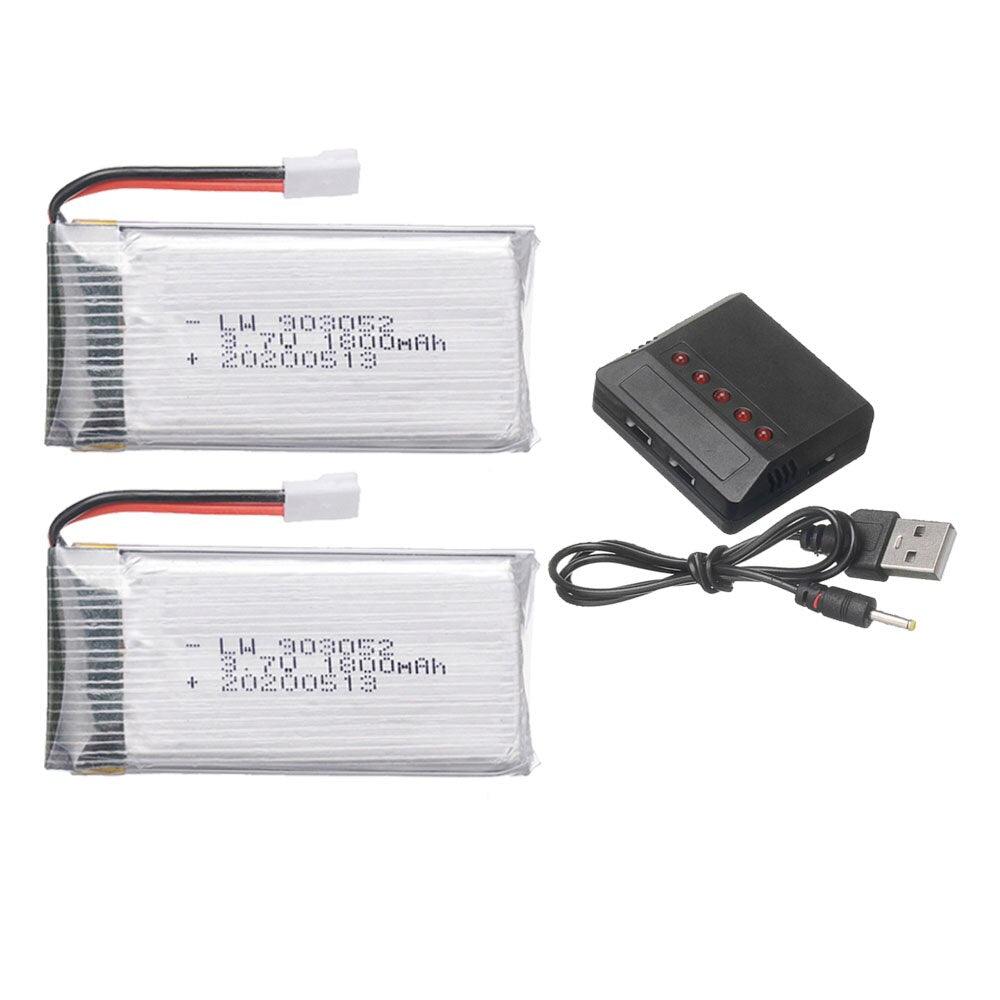
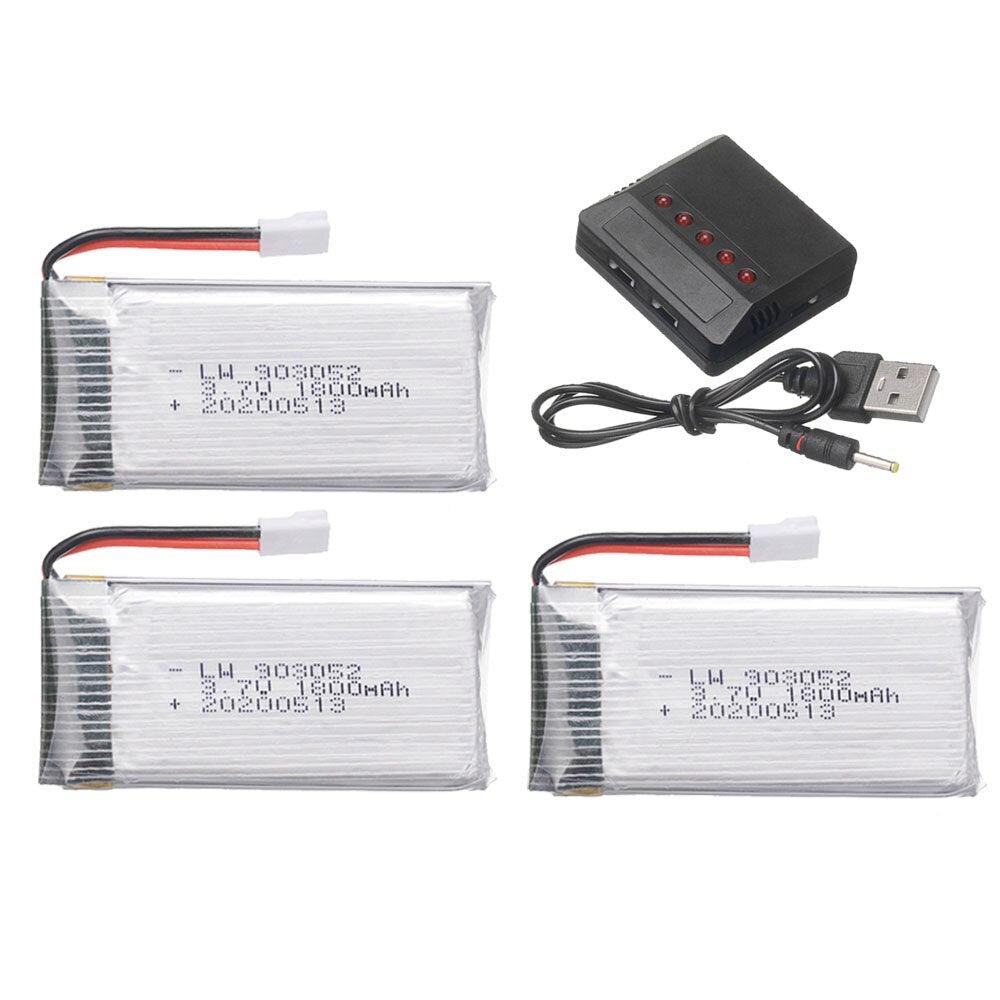
3.7 فولت 1800 مللي أمبير 903052 بطارية وشاحن ليبو 3.7 فولت 1800 مللي أمبير 903052 لقطع غيار المروحية الرباعية طراز Syma X5 X5 X5C X5SW X5SC X5SC X5S X5S X5SC-1 M18 H5P RC Quadcopter 3.7V بطارية طائرة بدون طيار
النطاق السعري: من $5.32 إلى $34.67 - طارية ليبو 1S 3.7 فولت
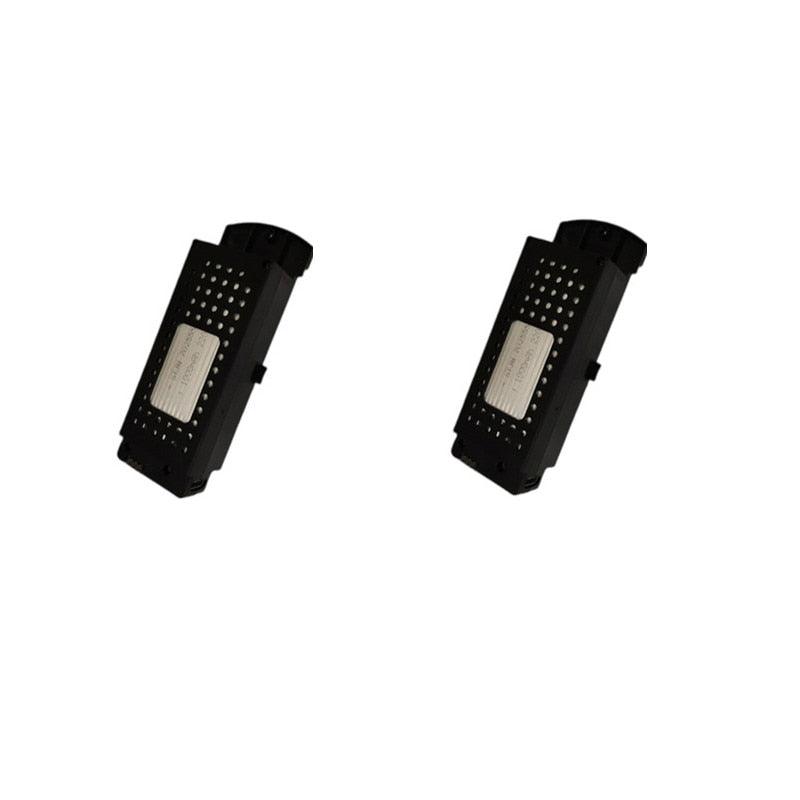
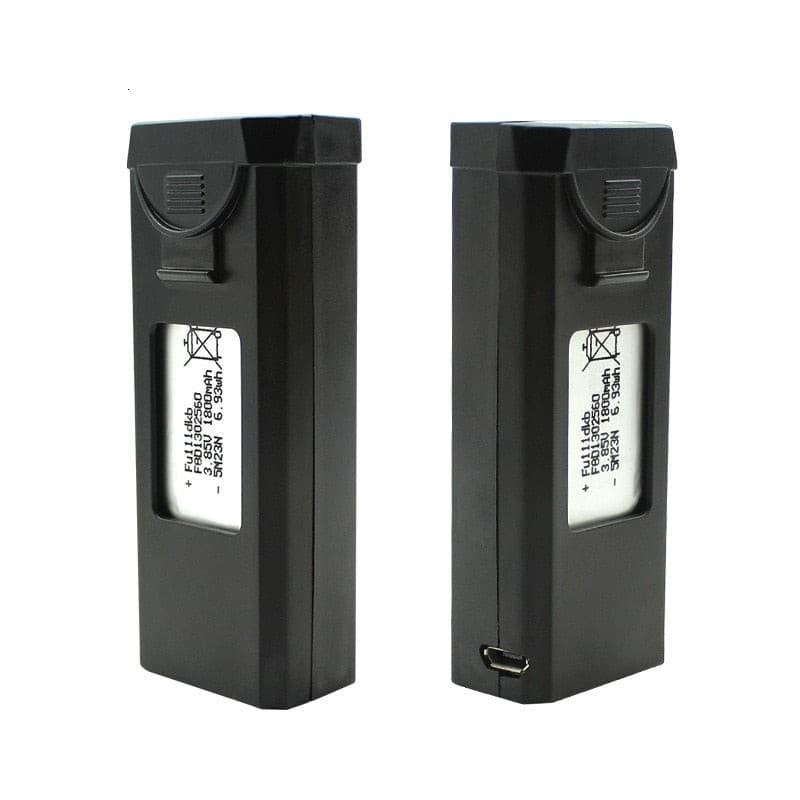
3.7V 1800mAh RC Drone Battery Accessory For E88 – E88PRO Ls-E525 E525 PRO Mini Uav Drone Battery Special Rc Part 1/2/3/4/5Pcs
النطاق السعري: من $5.42 إلى $22.54 - طارية ليبو 1S 3.7 فولت
بطارية ليبو 3.7 فولت 300 مللي أمبير مع شاحن لطائرة بدون طيار RC Udi U816 U816 U830 F830 F180 E55 FQ777 FQ17W Hubsan H107 Syma X11C FY530 RC Drone
النطاق السعري: من $7.50 إلى $12.66 - طارية ليبو 1S 3.7 فولت
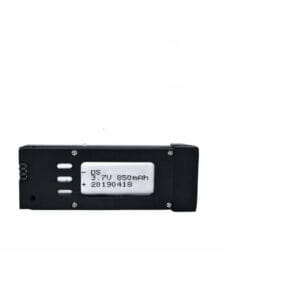
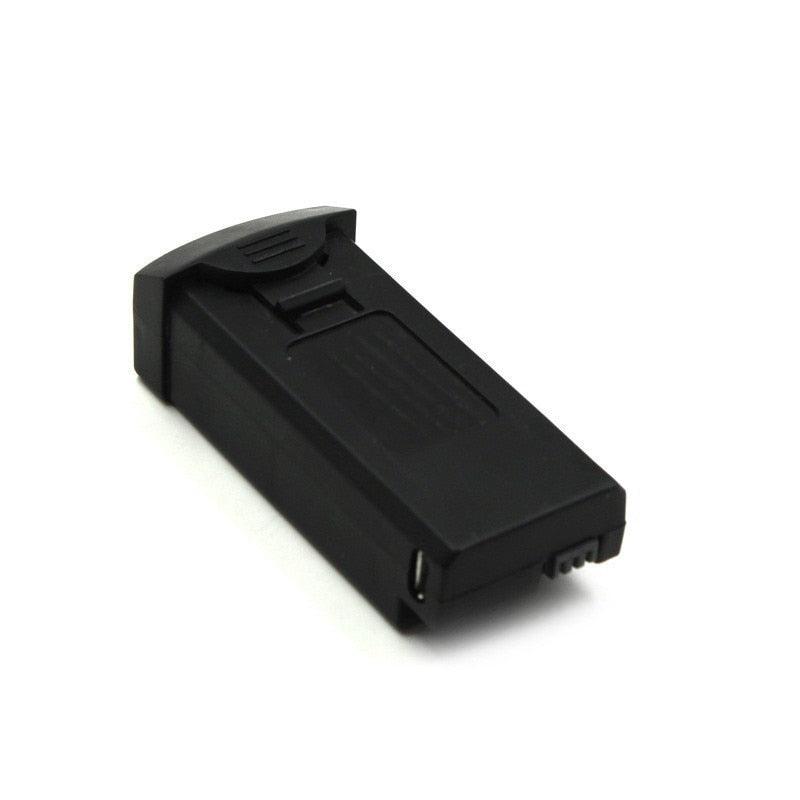
3.7V 850mAH Lipo Battery for E58 JY019 S168 RC Drone Quadcopter Spare Parts For RC Rechargeable Modular battery
النطاق السعري: من $7.56 إلى $26.59 - طارية ليبو 1S 3.7 فولت
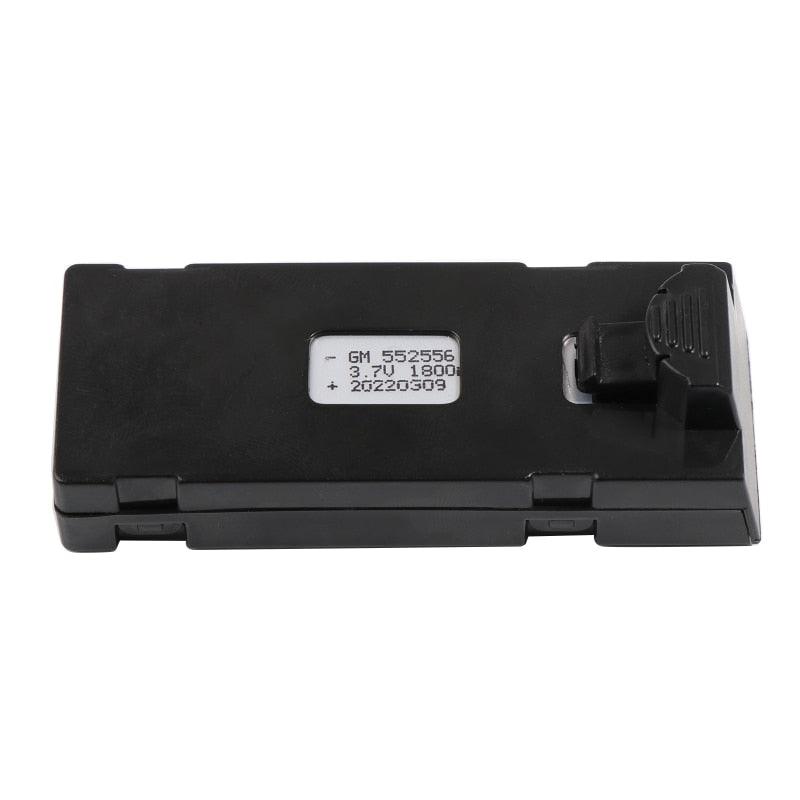
3.7V 1800mAh Lithium Battery Li-po Battery for Eachine E58 L800 JY019 S168 Drone X Pro RC Modular Battery
$7.95 - طارية ليبو 1S 3.7 فولت
3.7 فولت 1800 مللي أمبير بطارية ليبو 3.7 فولت 1800 مللي أمبير في الساعة لطائرة بدون طيار RC Drone KY601S SYMA X5 X5S X5SC X5SC X5SC X5SC X5SH X5SW M18 H5P H11P H11D H11C RC كوادكوبتر قطع غيار طائرات الهليكوبتر
النطاق السعري: من $8.70 إلى $24.78 - طارية ليبو 1S 3.7 فولت
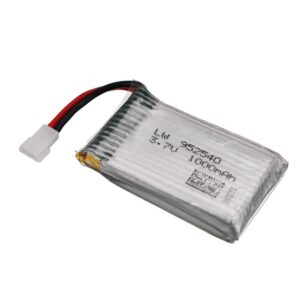
بطارية ليبو 952540 مطورة 3.7 فولت 1000 مللي أمبير 25C بطارية ليبو 952540 لقطع غيار المروحية الرباعية RC Quadcopter CX-30 CX-30 CX-30W من طراز Syma X5 X5 X5C X5S X5SW X5SW X5SW X5SW V931
النطاق السعري: من $9.52 إلى $42.26 - طارية ليبو 1S 3.7 فولت
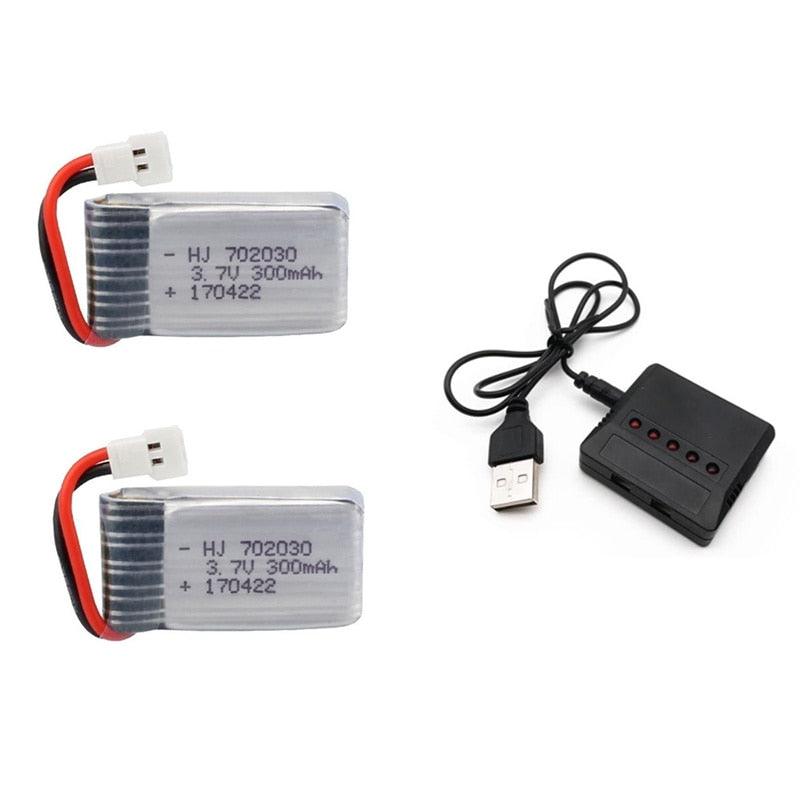
بطارية ليبو 3.7 فولت 300 مللي أمبير في الساعة لبطارية FQ777 FQ17WUdi U816 U816 U830 F830 F180 E55 Hubsan H107 Syma X107 X11C FY530 بطارية طائرة بدون طيار بدون طيار RC شاحن بطارية الطائرة بدون طيار
النطاق السعري: من $10.31 إلى $47.13 - طارية ليبو 1S 3.7 فولت
3.7 فولت 1800 مللي أمبير 903052 مجموعة شاحن بطارية ليبو 903052 لقطع غيار الطائرات بدون طيار KY601S SYMA X5 X5S X5S X5C X5SC X5SC X5SSH X5SW M18 H5P RC
النطاق السعري: من $11.50 إلى $26.00 - طارية ليبو 1S 3.7 فولت
Original SG106 Drone Battery – 1600mAh 3.7V Lipo Battery for RC Helicopter Drone Quadcopter Spare Parts 3.7v Rechargeable Battery Modular Battery
النطاق السعري: من $13.84 إلى $20.27 - طارية ليبو 1S 3.7 فولت
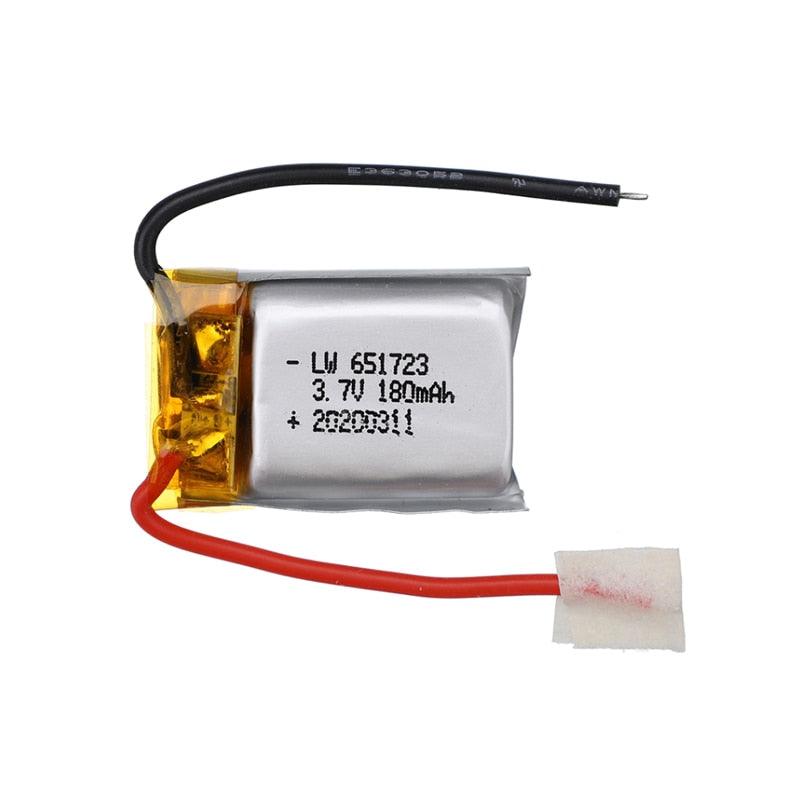
3.7 فولت 150 مللي أمبير 180 مللي أمبير بطارية ليبو 3.7 فولت 150 مللي أمبير بطارية لقطع غيار طائرات الهليكوبتر سيمّا S105 S105 S107 S107G S108 Skytech M3 m3 S977 قطع غيار طائرات الهليكوبتر 3.7 فولت 651723
النطاق السعري: من $14.50 إلى $28.67 - طارية ليبو 1S 3.7 فولت
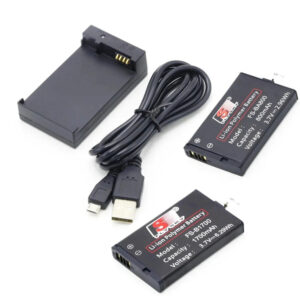
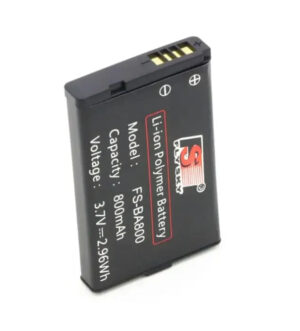
Flysky FS-BC101 Lipo USB Charger with FS-B1700 FS-BA800 3.7v 800mah 1700mah For Flysky FS-GT3C GT2B IT4 FS-I10 Transmitter
النطاق السعري: من $16.24 إلى $27.99 - طارية ليبو 1S 3.7 فولت
3.7V 1800mAh Drone battery Charger Sets for JD-20S JD20S YH18S GPS RC Quadcopter spare parts for JD-20S PRO drone Modular battery
النطاق السعري: من $16.73 إلى $62.77 - طارية ليبو 1S 3.7 فولت
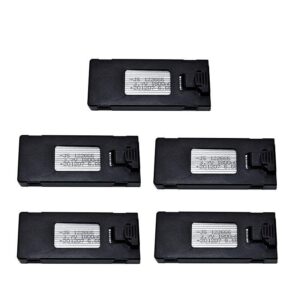
بطارية طائرة بدون طيار Q6 بدون طيار - بطارية بقدرة 3.7 فولت 1800 مللي أمبير في الساعة بطارية مروحة حماية إطار الطائرة بدون طيار Q6 لتجنب العوائق قطع غيار بطارية Q6 Dron المعيارية
النطاق السعري: من $17.00 إلى $46.74 - طارية ليبو 1S 3.7 فولت
3.7V 1800Mah RC Drone Modular Battery Accessory For E88 E88PRO Ls-E525 E525 PRO Mini Uav Drone Battery Special Battery Rc Parts 1/10Pcs
النطاق السعري: من $17.95 إلى $58.15 - طارية ليبو 1S 3.7 فولت
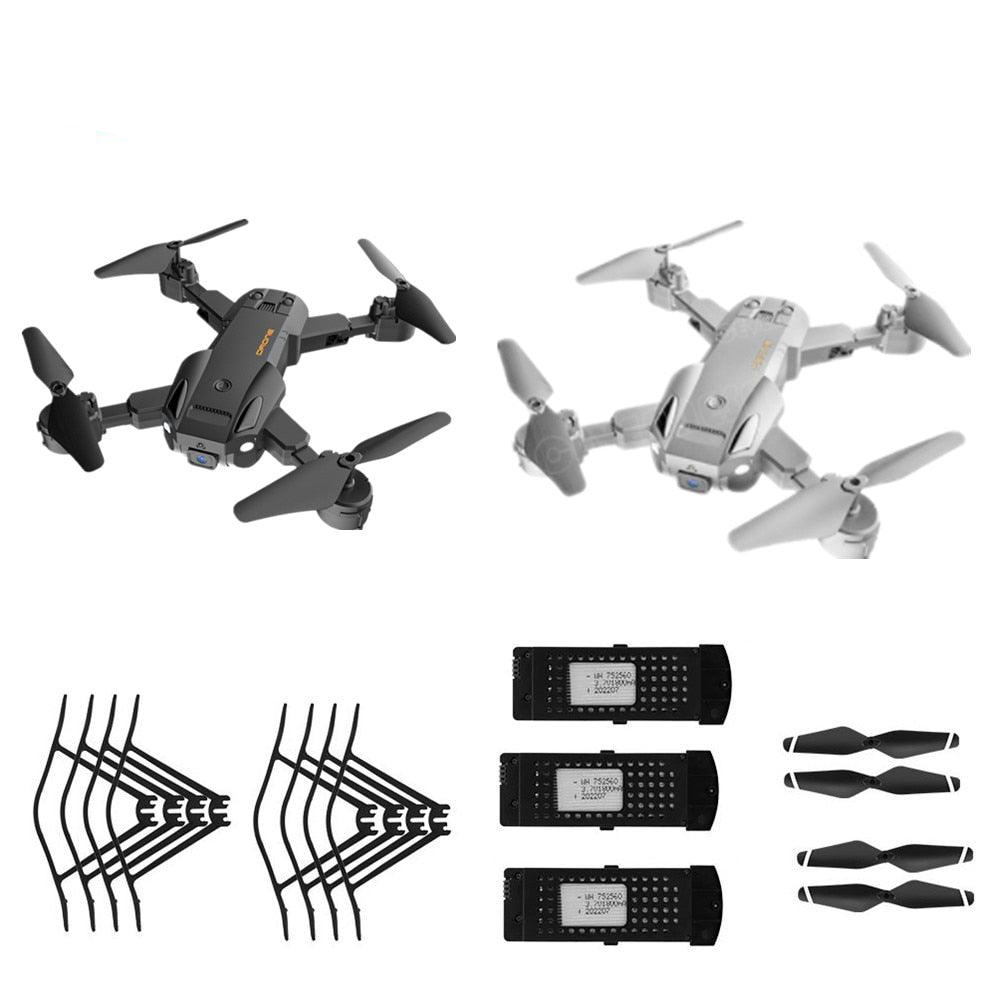
Q6 Drone Battery and Propeller – Original Accessories 3.7v 1800 mAh Maple Leaf For Q6 Drone Spare Parts Modular Battery
النطاق السعري: من $18.84 إلى $53.00 - طارية ليبو 1S 3.7 فولت
Eachine E019 Drone Battery – 3.7V 300MAH Lipo Battery for RC Quadcopter FPV Drone Spare Parts
$19.23 - طارية ليبو 1S 3.7 فولت
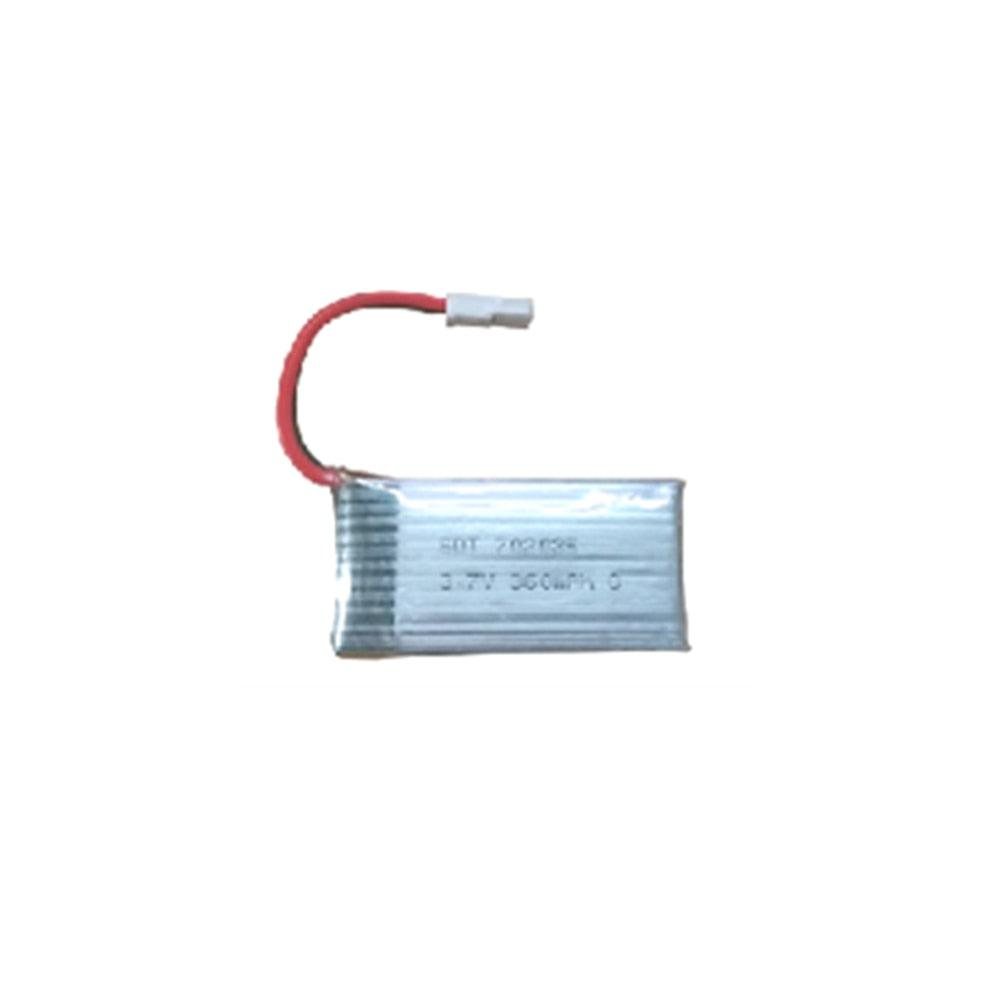
2PCS/4PCS Original Eachine 3.7V 360mAh Lipo Battery – Mini Mustang P-51D/Mini F22 RC Airplane 3.7V 360mAh Lipo Battery Spare Part FPV Drone Battery
النطاق السعري: من $19.55 إلى $24.17 - طارية ليبو 1S 3.7 فولت
Original VISUO XS809s XS816 Drone Battery 3.7v 3.85V 1800mAh Lipo Bettery RC Quadcopter Drone Battery Spare Parts Accessories Modular Battery
النطاق السعري: من $22.47 إلى $139.50 - طارية ليبو 1S 3.7 فولت
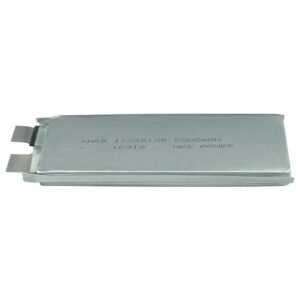
HRB 3.7V RC 1S Lipo Battery Cell – 1300mah 1500mah 2200mah 3000mah 4200mah 5000 5500 6000 10000 12000 16000 22000mah DIY Parts
النطاق السعري: من $24.42 إلى $73.33

 Arabic
  English
  Russian
  German