
بطارية ليبو 120C
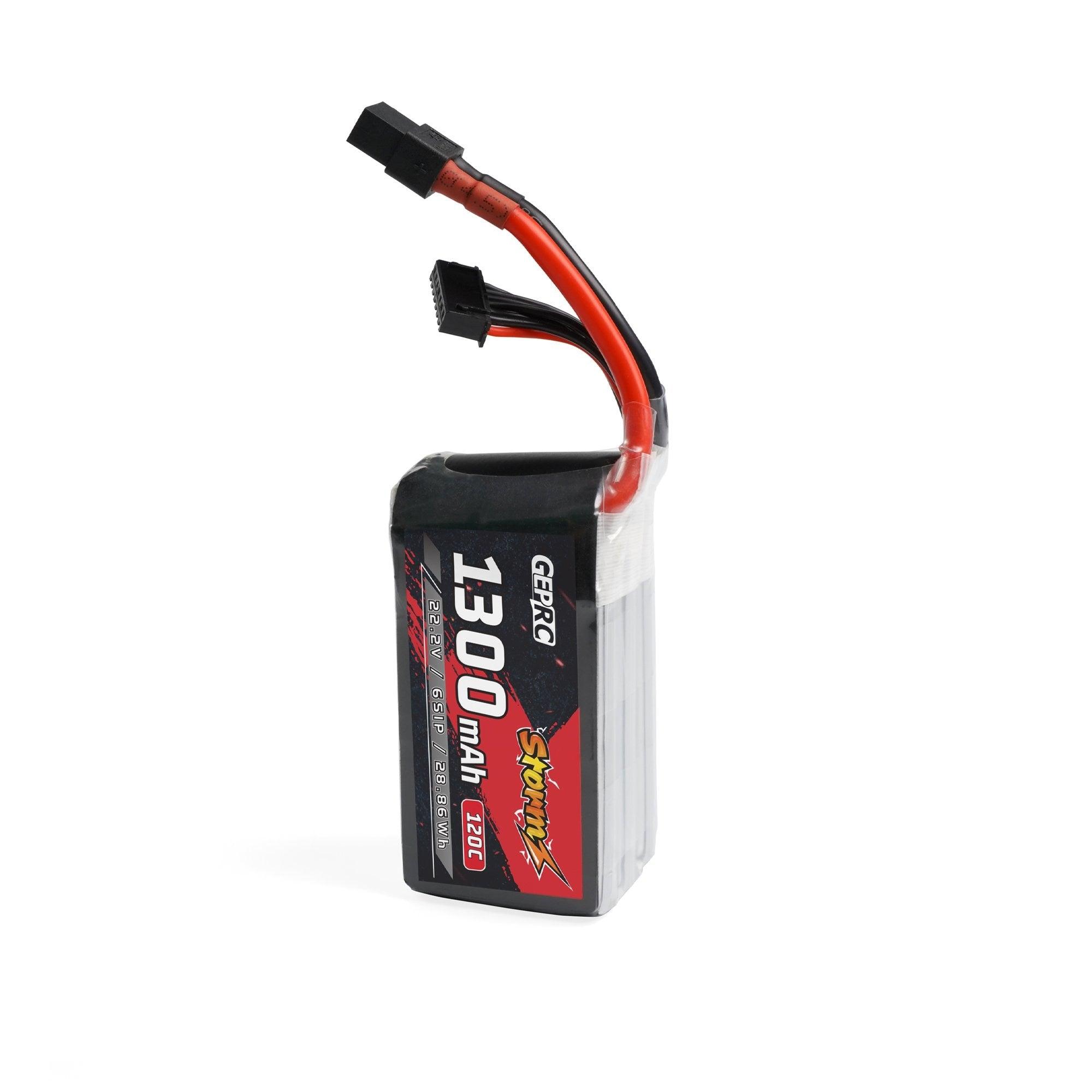
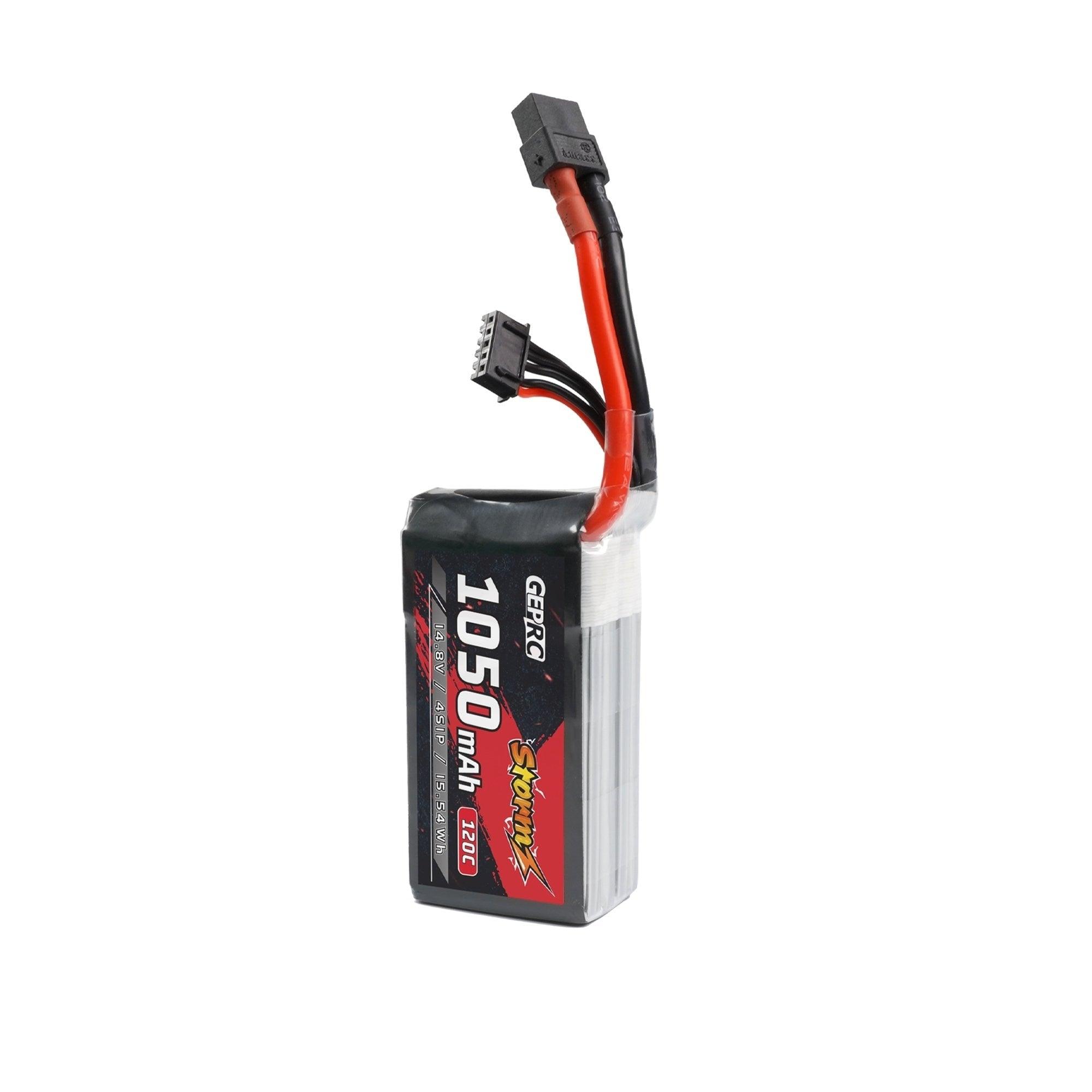
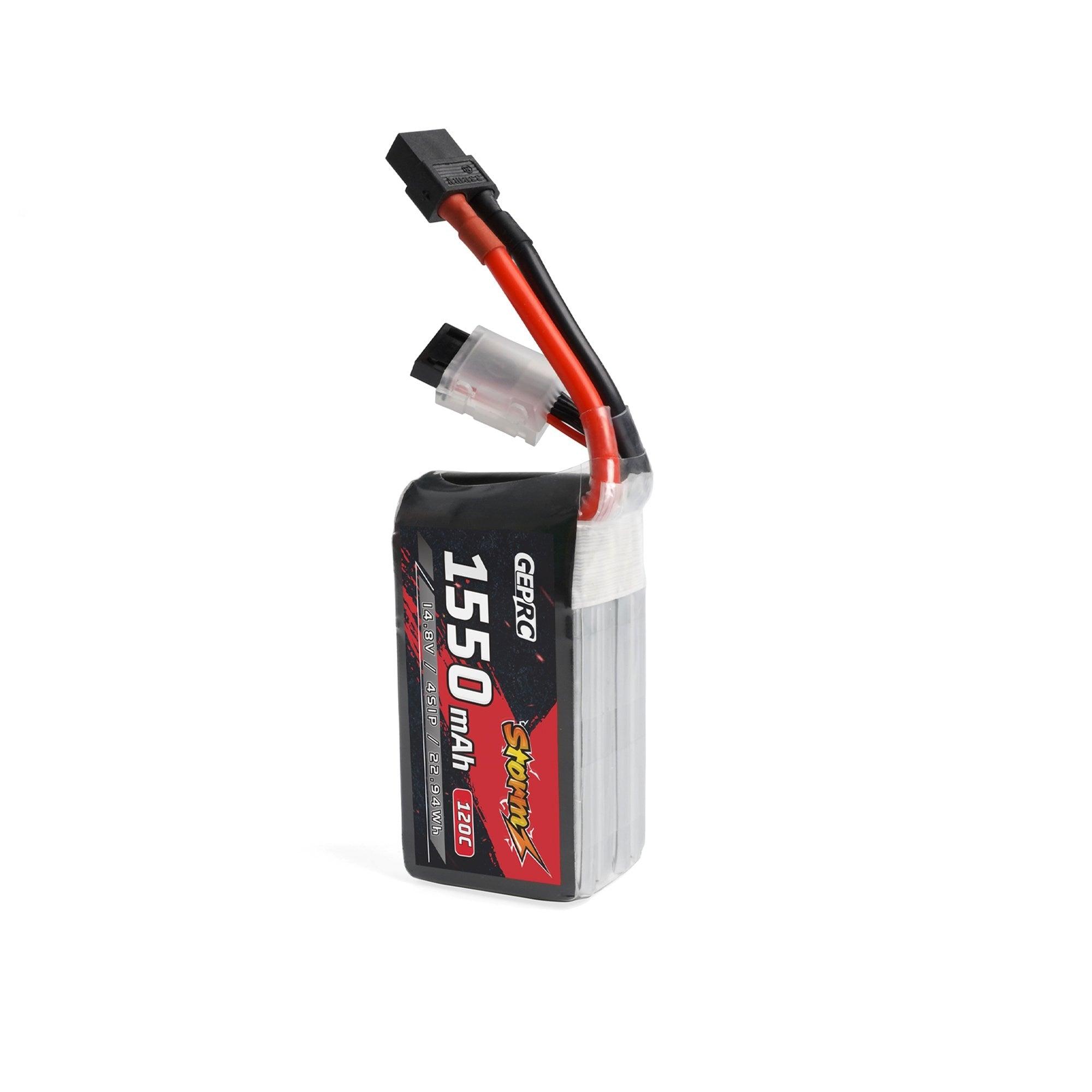
High-Performance 120C LiPo Battery Solutions for FPV & RCAs a senior engineer with a decade in the field, I’ve seen the evolution of lithium polymer technology firsthand. A 120C LiPo battery represents the current pinnacle of discharge performance. Whether you are running a CNHL Ministar 4s for sub-250g freestyle or a Gens Ace 6s 6800 for a heavy-lift cinelifter, the 120C rating ensures that your power system can handle massive current draws without the dreaded voltage sag that plagues lower-rated cells.Our selection includes industry-standard options like the HRB 9500 4s for long-range endurance and the CNHL Ministar 1500mah 4s for competitive racing. When you push your quad to the limit, a 120C battery provides the punch needed to recover from aggressive dives and maintain ‘locked-in’ flight characteristics.120C LiPo Specifications ComparisonBattery ModelConfigurationCapacityIdeal ApplicationGens Ace 6800 4s4S1P6800mAhLarge Scale RC / Arrma VehiclesCNHL Ministar 4s4S1P1500mAh5-inch FPV RacingHRB 9500 4s4S1P9500mAhLong Range / High Endurance3S 120C LiPo Battery3S1PVarious3-inch Toothpick / Micro Quads2S 120C LiPo Battery2S1PVariousWhoops / Small Scale SurfaceExpert Buying Guide: Avoiding Voltage Sag and HeatIn the FPV community, we often discuss ‘jello’ in HD footage, which can sometimes be traced back to micro-vibrations caused by inconsistent power delivery. A true 120C LiPo minimizes this by maintaining a stable voltage curve under load. However, there are three critical factors users often overlook:Dimensions and Fitment: Community feedback on Reddit highlights that many high-capacity packs, like the Gens Ace 4s 6800, have slightly larger footprints than standard 50C packs. Always measure your battery tray or use high-quality Battery Straps to ensure a secure mount.Internal Resistance (IR): A 120C rating is only as good as the cell’s IR. Lower IR means less heat generation. If your battery feels ‘puffy’ after a flight, you are likely exceeding its continuous discharge capability.Charging Infrastructure: You cannot maintain these high-performance cells with cheap B3 chargers. To preserve the cycle life of your 120C battery, use dedicated Balance Chargers that can accurately monitor individual cell resistance.Safety Note: High-discharge batteries pack immense energy density. Always store your packs in Fireproof Bags when not in use and never leave them charging unattended.120C LiPo Battery FAQWhat does 120C mean on a LiPo battery?The ‘C’ rating is a multiplier of the battery’s capacity. For a 1500mAh (1.5Ah) pack, a 120C rating theoretically allows for a 180-amp discharge (1.5 x 120). In engineering terms, it indicates the rate of delithiation the anode can handle before significant thermal runaway or voltage collapse occurs.What is the difference between a 25C and 120C LiPo battery?A 25C battery is designed for low-draw applications like GPS drones or radio transmitters. A 120C battery is built with thicker internal tabs and lower-resistance chemistry to allow for rapid bursts of current without damaging the internal structure of the cells.How do I choose my LiPo C rating?Calculate your motor’s maximum amp draw at 100% throttle. If your 4-motor total draw is 120A and you use a 1300mAh (1.3Ah) battery, you need at least a 92C rating (120 / 1.3). We recommend a 120C rating to provide a ‘safety buffer’ and reduce heat.What does 100C mean on a LiPo battery?100C means the battery can discharge at 100 times its hourly capacity. While 100C is excellent for most freestyle pilots, 120C is preferred by professional racers who require the absolute minimum voltage drop during the final laps of a heat.
- بطارية ليبو 120C
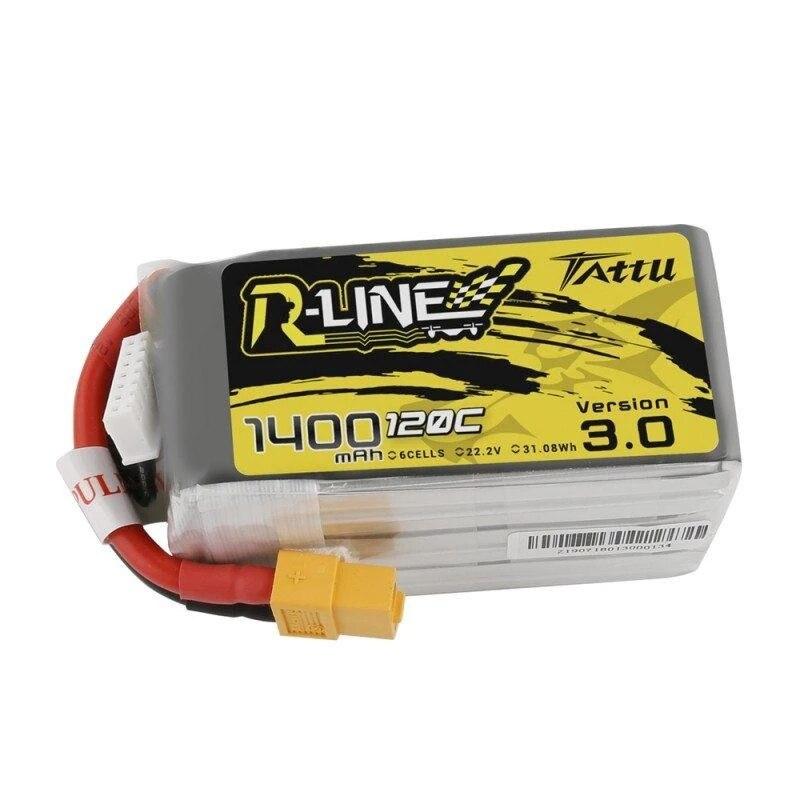
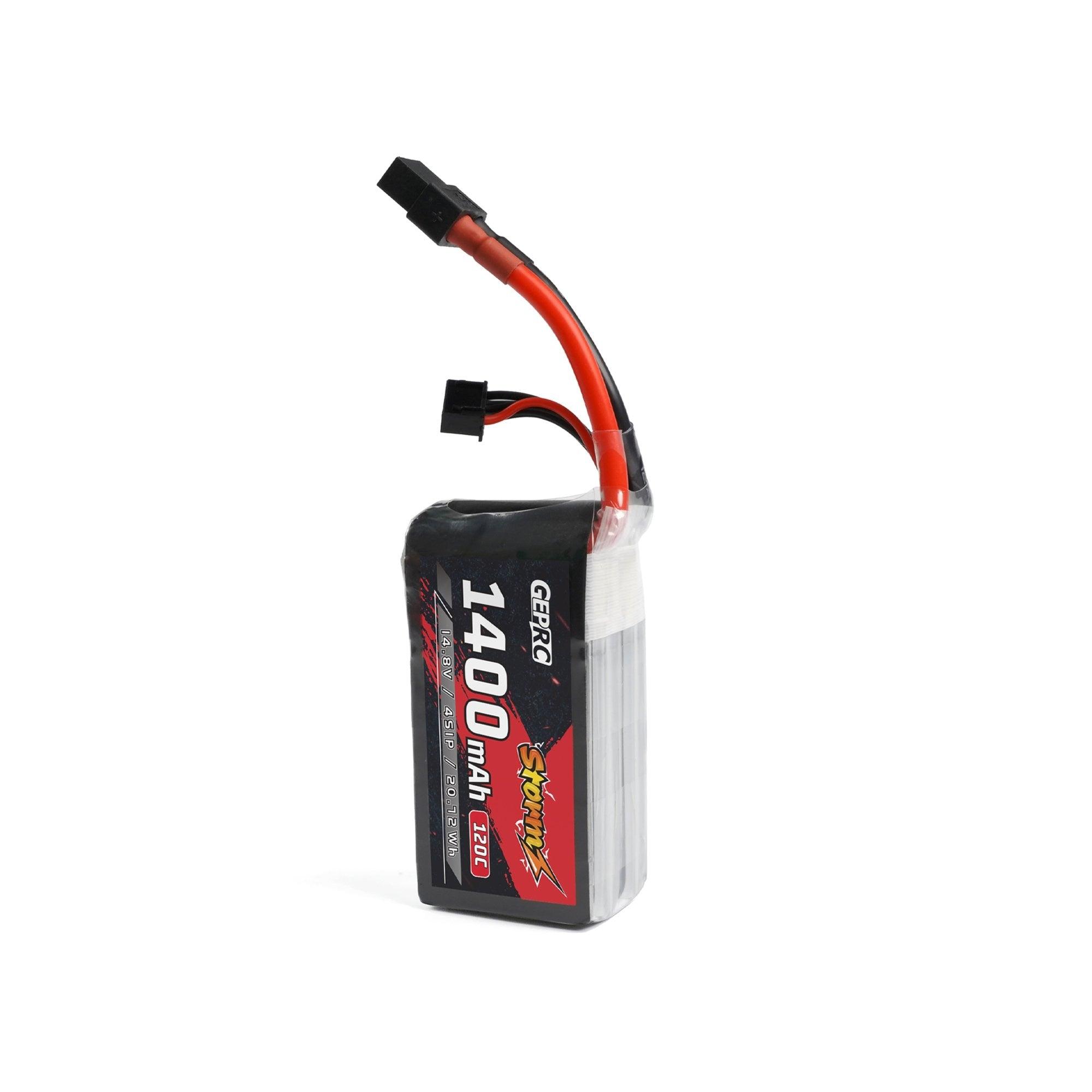
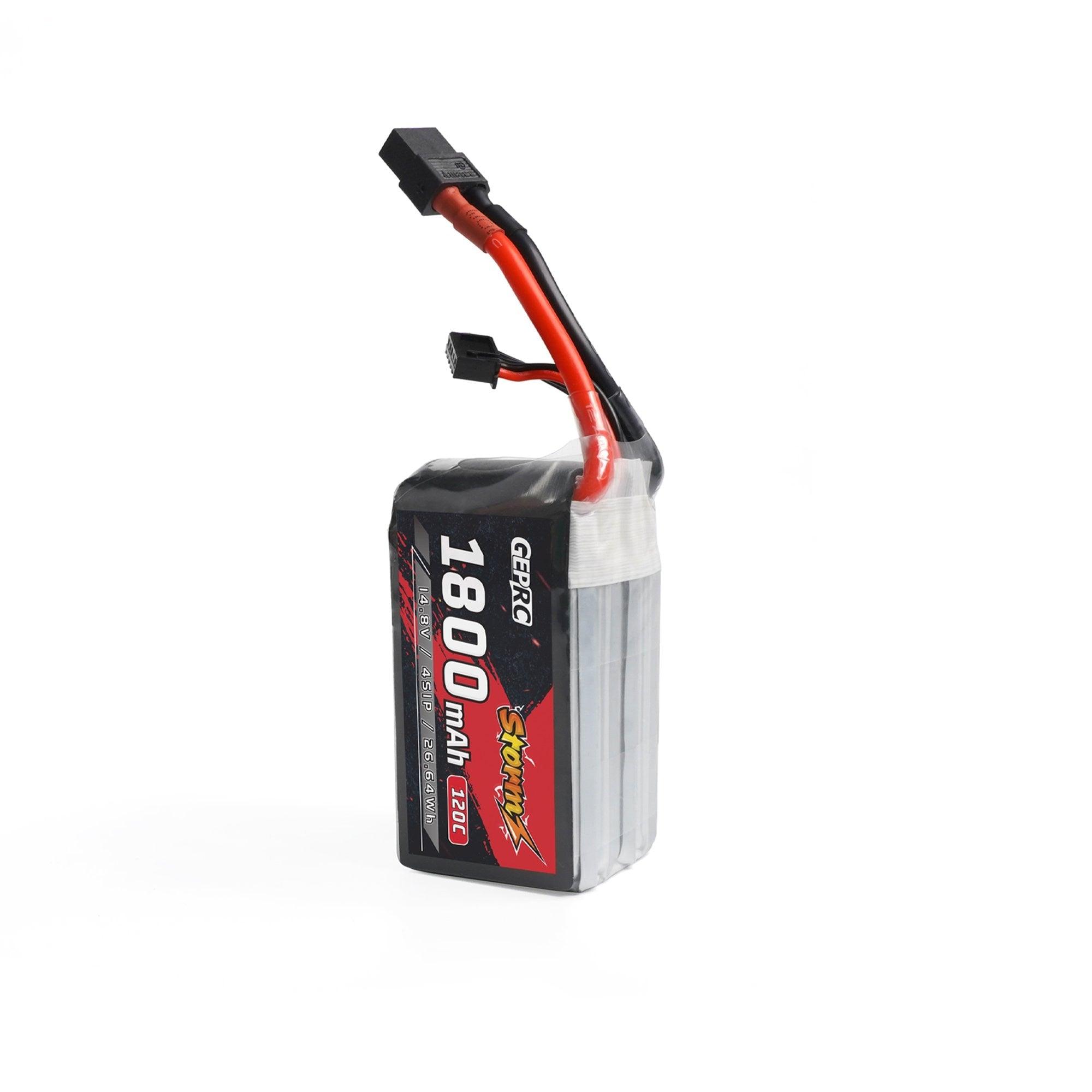
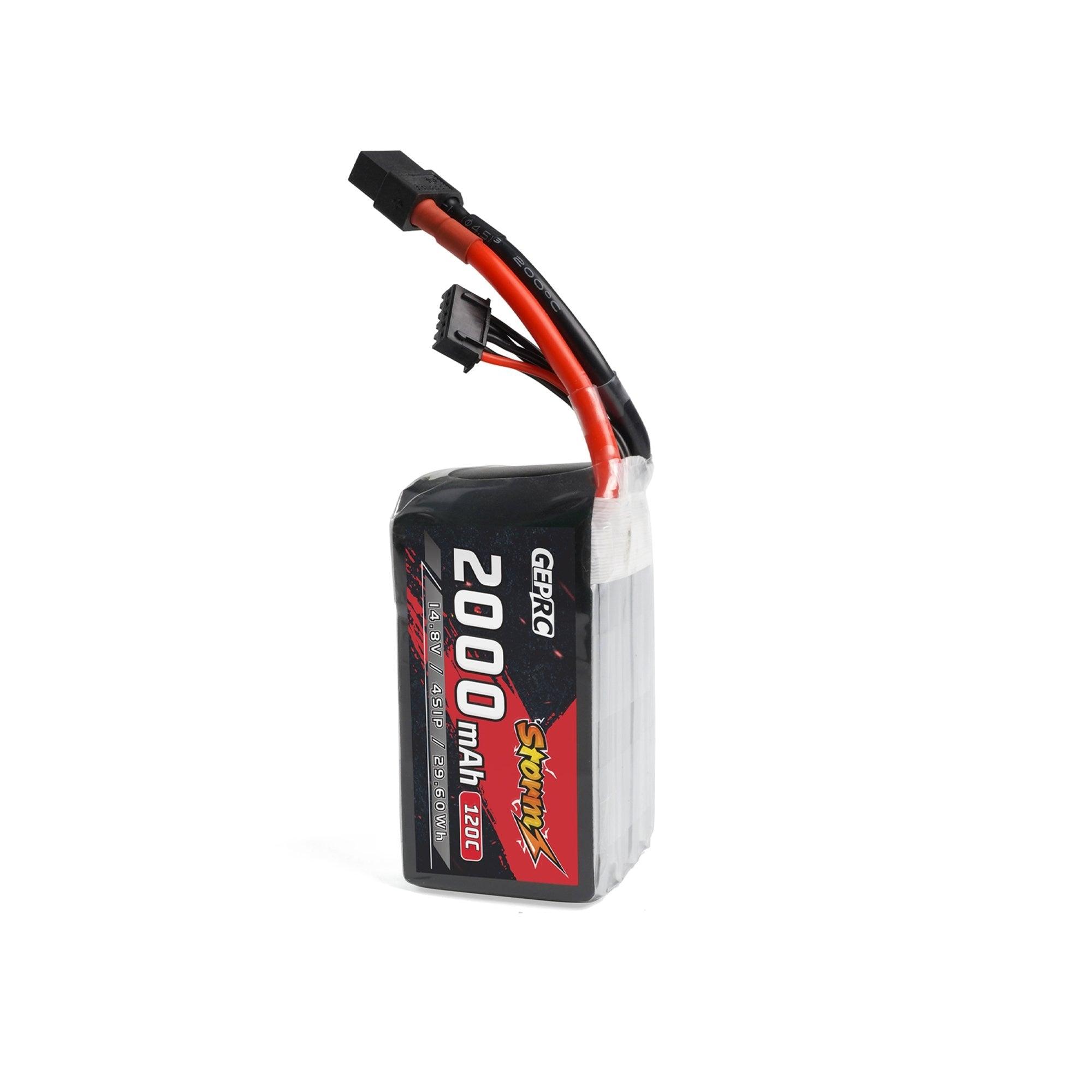
Tattu R-Line Version 3.0 V3 1300/1400/1550/1800/2000mAh 120C 4S 6S 4.2V Lipo Battery XT60 Plug FPV Racing Drone RC Quadcopter
النطاق السعري: من $27.48 إلى $43.99
 Arabic
  English
  Russian
  German