
DJI Drone
“In the world of FPV and cinematic flight, a DJI drone isn’t just a gadget; it’s a sophisticated piece of aerospace engineering that requires both technical respect and legal awareness,” notes our senior engineering team.
DJI remains a powerhouse in the industry, yet the complexities of owning one go far beyond just taking off. To get the most out of these machines, you should be familiar with their core characteristics:
High-precision stabilized camera gimbals.
Proprietary OcuSync transmission technology.
Sophisticated GEO-fencing and GPS safety protocols.
Integration with intelligent flight batteries.
Understanding the legal landscape is paramount for any pilot. For instance, if you plan to fly a DJI drone in Singapore, you must obtain a permit for any flights exceeding 200 feet or those conducted for business purposes. Furthermore, the registration fee for drones over 250g in Singapore is approximately S$25. In the US, while DJI has been identified on certain military lists, previously launched models remain entirely legal to fly and sell. This regulatory environment may suggest a shifting tide in how we view consumer tech, but the hardware remains industry-leading.
Are you struggling with software restrictions or hardware glitches? Many users on Reddit have expressed frustration with the “GEO lock” feature, which can be difficult to turn off. Others have noted technical issues like LED flicker in recordings or internal lens components coming loose after a minor crash. If you are the type to handle your own maintenance, having a dedicated set of Drone Tools is non-negotiable for delicate gimbal work. While DJI uses specialized power systems, those transitioning into the FPV world often look for the raw punch of a بطارية ليبو 100C to power their custom rigs.
It appears to be a common trend that pilots eventually outgrow the “closed” ecosystem of DJI. Have you ever considered the freedom of a custom build? For those looking for more durability and repairability, moving your electronics into a high-quality طقم إطار FPV can provide a much more resilient flight experience compared to standard consumer plastics. Light redundancy in your setup ensures that if one component fails, you aren’t grounded indefinitely.
Buyer’s Guide
Before purchasing, always check the weight. If your drone is 250g or above, you will typically need an Operator ID. When buying used—like a Mini 2—carefully inspect the camera gimbal for cracks, as this part is notoriously fragile. Finally, always account for the cost of local permits; in Singapore, a Class 1 Activity Permit for commercial work can cost S$120 per activity. Stay informed, stay legal, and keep your firmware updated to avoid unnecessary errors.
- ملحقات DJI
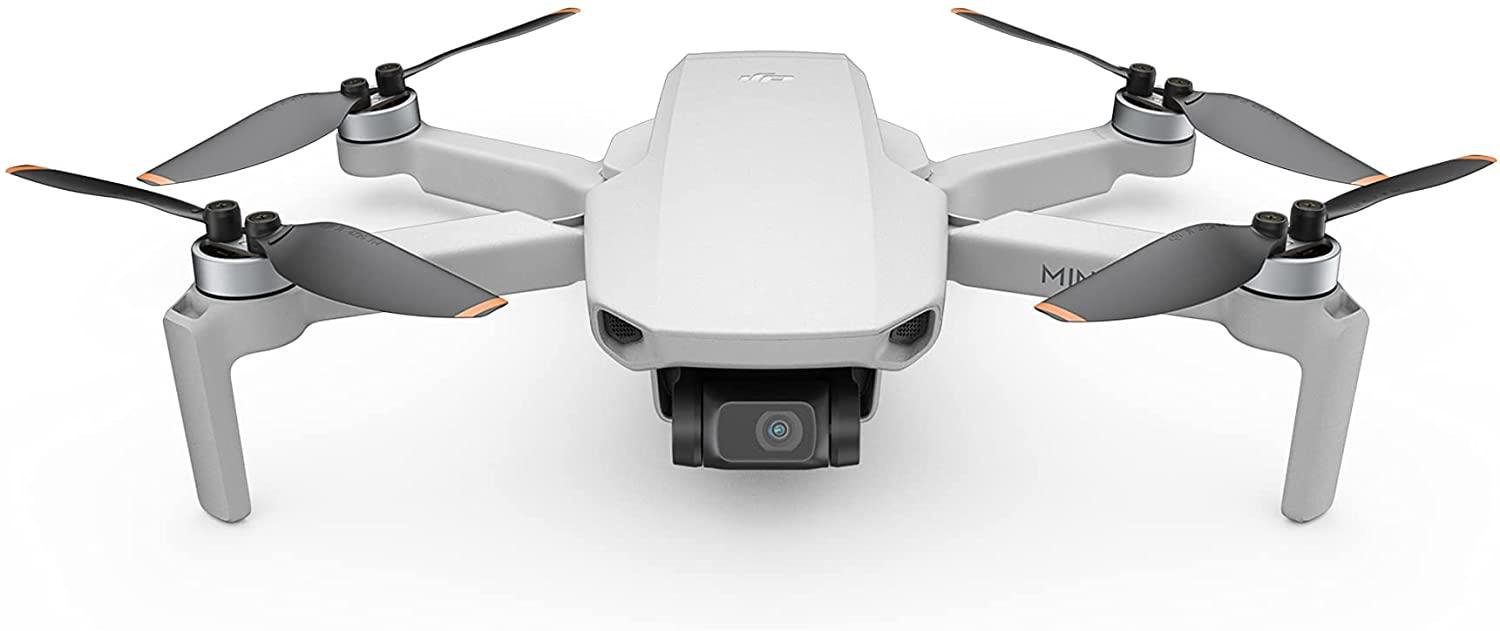
DJI Mini SE - طائرة بدون طيار مزودة بكاميرا ذات 3 محاور مع كاميرا 2.7K GPS بدقة 2.7K ووقت طيران 30 دقيقة
كان السعر الأصلي: $999.00.$369.00السعر الحالي هو: $369.00. - ملحقات DJI
DJI Mavic 3 Fly More Combo/DJI Mavic 3 Cine Premium Combo – with 4/3 CMOS Hasselblad Camera 15KM Professional Camera Drone
النطاق السعري: من $2,199.00 إلى $5,149.00
 Arabic
  English
  Russian
  German