
طائرة زراعية بدون طيار 50 لتر
The 50L Revolution: Scaling Agricultural Productivity with the DJI Agras T50The transition from 10L to the 50L agriculture drone class represents the most significant leap in precision farming technology to date. Systems like the DJI Agras T50 are no longer just ‘drones’; they are heavy-lift aerial tractors designed for 24/7 industrial application. With a massive 50kg spreading payload and a 40kg spraying capacity, these machines are engineered to bridge the gap between traditional ground rigs and aerial crop dusting, offering a level of precision and terrain-following capability that manned aircraft simply cannot match.Technical Specifications & Performance BenchmarksFeatureSpecification (DJI T50 Class)Max Takeoff Weight (MTOW)103 kg (Spraying) / 114 kg (Spreading)Spray Flow RateUp to 16 – 24 L/minSpreading Flow Rate108 kg/minEffective Swath Width11 meters (Liquid) / 8 meters (Granular)Charging Time9 – 12 Minutes (Air-Cooled)Engineering Deep-Dive: Built for the Rigors of Heavy-Lift OperationsAs a senior FPV engineer, I’ve watched the industry shift from fragile carbon tubes to the high-modulus, aviation-grade aluminum joints seen in the T50. Handling a Max Takeoff Weight exceeding 100kg requires more than just bigger motors; it demands a total rethink of structural integrity. To prevent power throttling during high-torque maneuvers, the Electronic Speed Controllers (ESCs) in these units utilize integrated large-area heat sinks and forced-air cooling channels. This is critical for managing the massive current draw from high-discharge Ag Drone Batteries during peak summer heat.Interestingly, we are seeing a massive surge in private market interest for this technology. Much like the emerging defense and nuclear tech opportunities in India, the agricultural sector is demanding ‘hardened’ hardware. This means dual-atomizing Spray Nozzles for consistent droplet size and industrial-grade Water Pumps that can withstand abrasive chemicals without losing pressure. The T50’s coaxial twin-rotor design isn’t just for show—it provides the downward thrust necessary to ensure chemical penetration into the crop canopy, solving the ‘drift’ issues that plagued earlier, lighter models.Frequently Asked Questions (FAQ)What are the requirements to fly a 50L agriculture drone in the US?Since a 50L drone like the DJI T50 exceeds the 55lb (25kg) limit when fully loaded, operators must obtain an FAA Part 137 certification and a specific heavy drone waiver (44807 exemption) to fly legally.How much land can a 50L drone spray in one day?A 50L drone can cover up to 150-200 hectares (370-500 acres) per day, depending on the crop type and flight speed. Its massive 16-meter spray swath and high flow rate make it ideal for large-scale operations.Does a 50L drone need a special battery charger?Yes. 50L drones use high-voltage smart batteries. To maintain continuous flight, you typically need a 7000W-9000W EFI gasoline generator or a 220V industrial fast charger to charge batteries in 9-12 minutes.What is the spreading efficiency of a 50L agriculture drone?A 50L class drone supports a massive spreading flow rate of up to 108 kg/min. Combined with an 8-meter effective swath width, it can spread over 1.5 tons of fertilizer per hour.How do 50L drones manage battery overheating?The industry utilizes ‘Air-Cooled Fast Charging.’ By placing batteries on specialized cooling bases with high-power fans, a full charge is achieved in 9-12 minutes, allowing for non-stop flight with just two batteries.
- طائرة زراعية بدون طيار 50 لتر
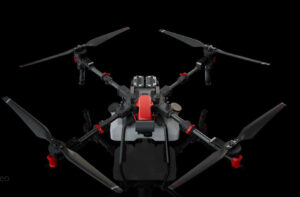
الطائرة الزراعية بدون طيار XAG P100 PRO 50L P100 PRO 50L
النطاق السعري: من $1,344.00 إلى $25,268.00 - طائرة زراعية بدون طيار 50 لتر
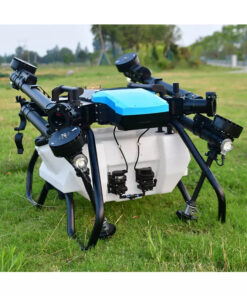
طائرة بدون طيار للرش الزراعي JA JA J50 50L - 4 محاور 50KG JIIYI للتحكم في الطيران مع نظام الطاقة Hobbywing X11 مجموعة كاملة من الطائرات بدون طيار
النطاق السعري: من $1,999.00 إلى $7,899.00 - طائرة زراعية بدون طيار 50 لتر
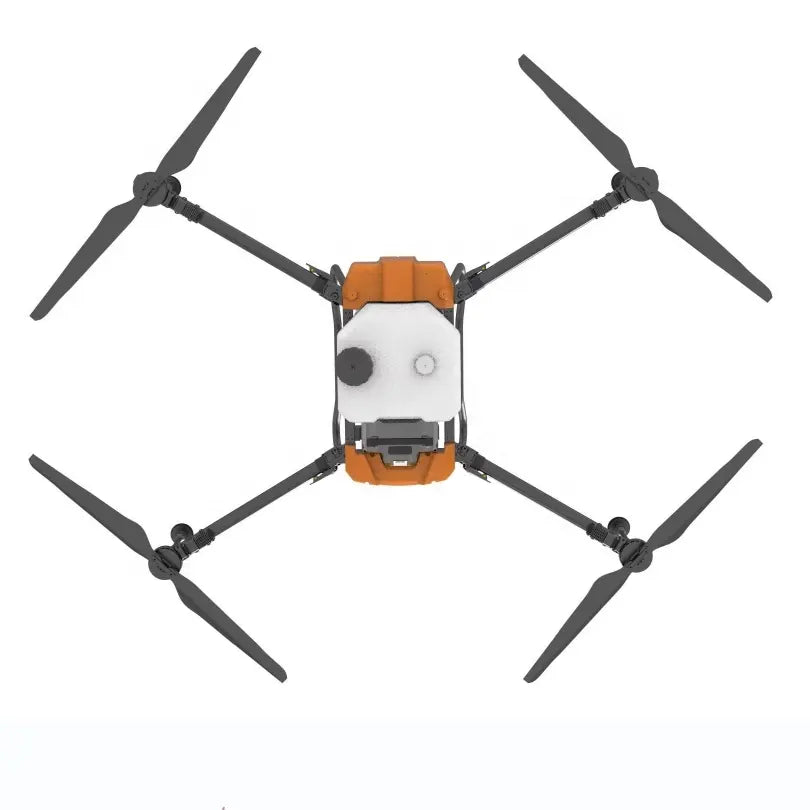
YJTech 50L Agriculture Sprayer Drone – big capacity water tank sprayer drone agricultural
$8,599.00 - طائرة زراعية بدون طيار 50 لتر
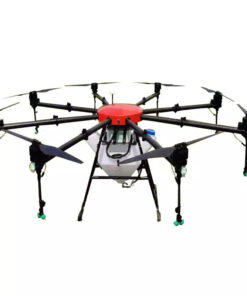
8 Axis Agriculture Drone 50L 1Km 30Kg Spray Width 3-8M 25Min Flight Time GPS Agriculture UAV
$9,900.00
 Arabic
  English
  Russian
  German